10 everyday words and phrases popularized by U.S. presidents


Published on October 23, 2026

Image: chris276644

American presidents have used the White House to sway public opinion, pass legislation, and define historic eras. Along the way, their public speeches, press conferences, and private correspondence have introduced, popularized, or forever transformed English vocabulary. Here are 10 everyday words, idioms, and expressions you didn’t know were coined by the most prominent leaders of our nation.

1

Bloviate — Warren G. Harding

Image: Harris & Ewing, photographer, Public domain, via Wikimedia Commons

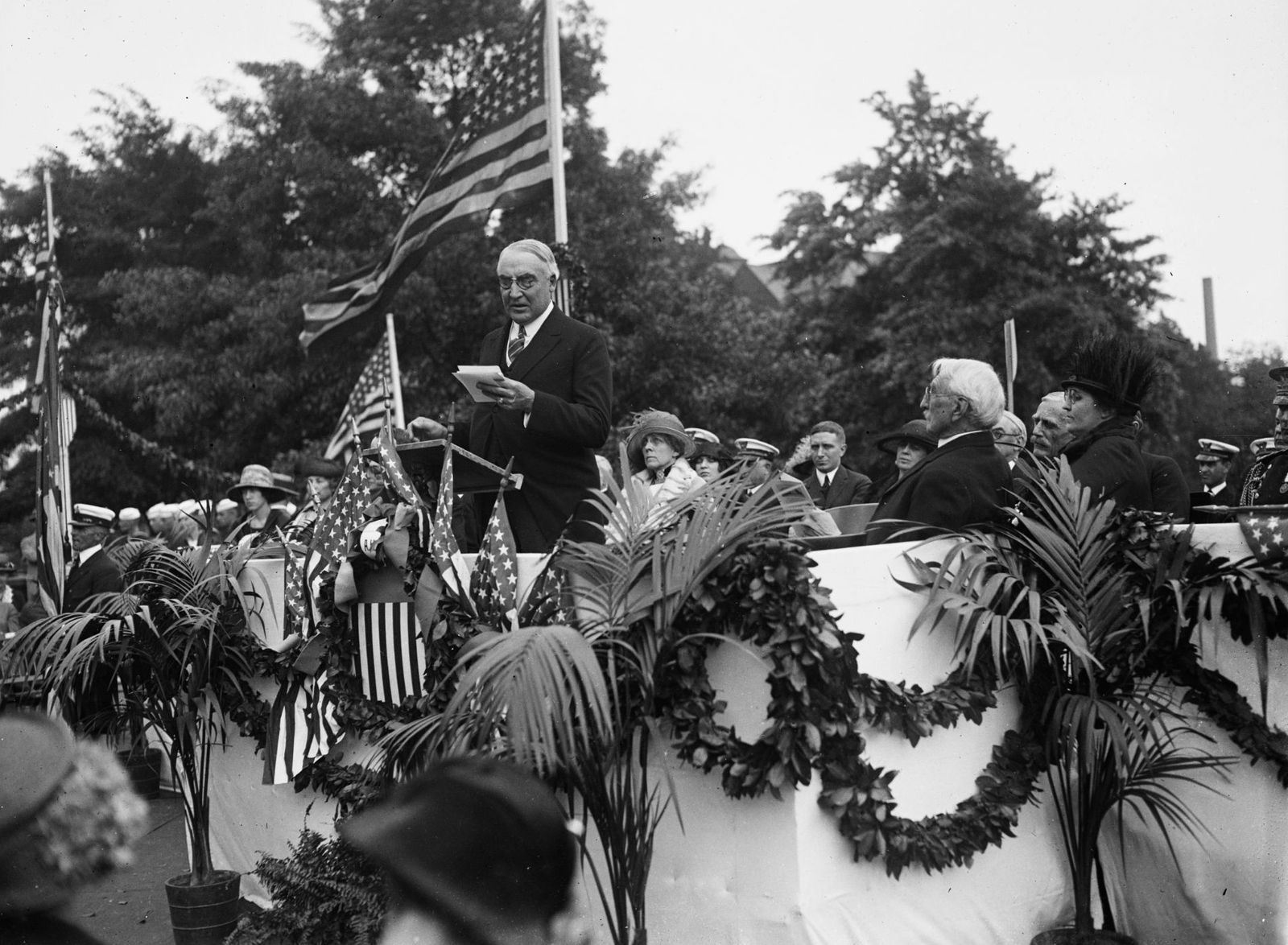
Warren G. Harding was known for his overly ornate speeches, a prose style that journalist H.L. Mencken once described as "so bad that a sort of grandeur creeps into it."

Harding frequently relied on a discourse that can be described as "bloviate", a 19th-century Ohio slang term meaning to speak at length in a pompous manner. Although Harding didn’t invent the word, his frequent use of grandiose vocabulary popularized "bloviate" across national politics as shorthand for empty political speeches.

2

Lunatic fringe — Theodore Roosevelt

Image: Smithsonian

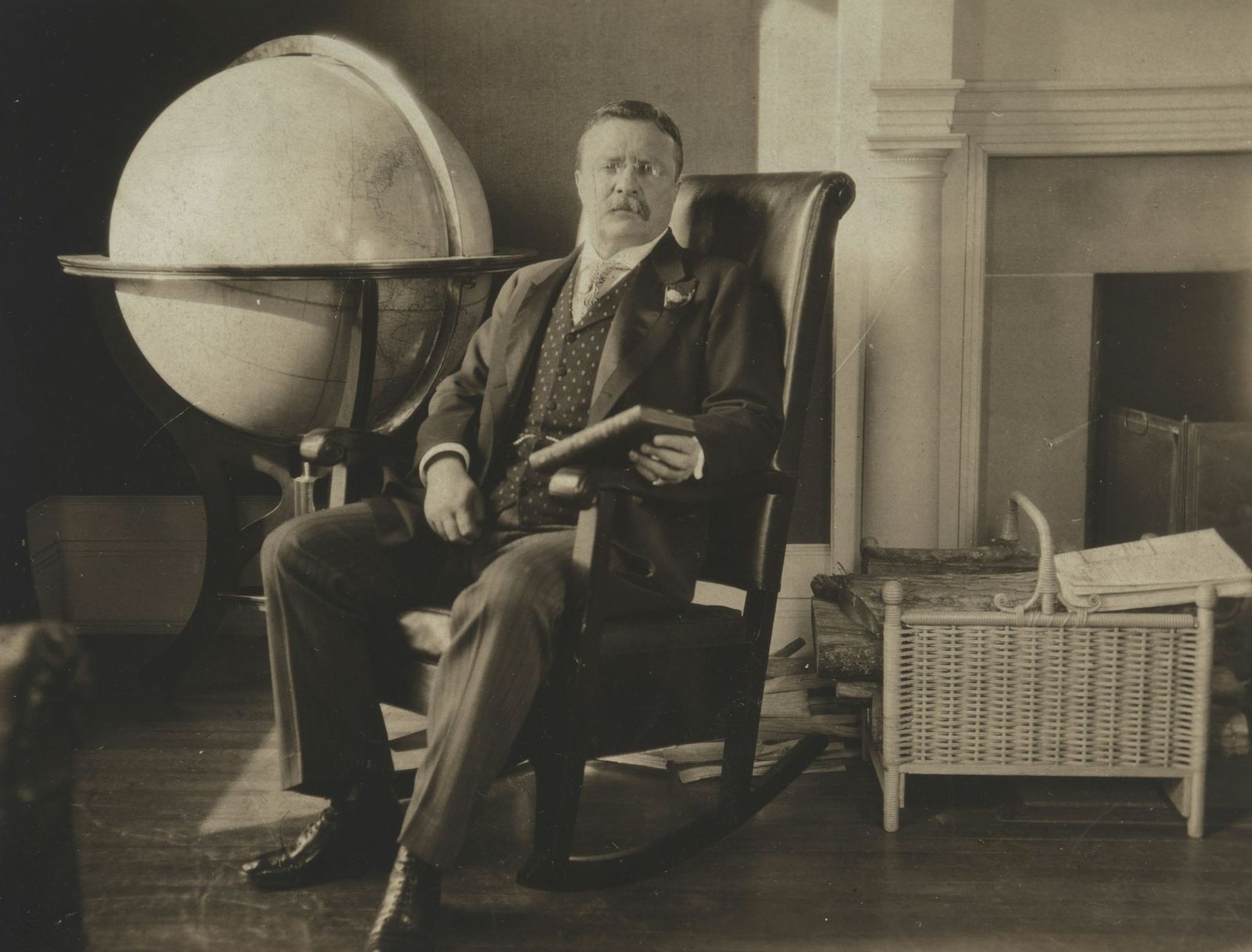
Theodore Roosevelt was a master of colorful speech, coining terms like "bully pulpit" and "muckraker". However, "lunatic fringe" is one of his most enduring linguistic contributions.

In a 1913 essay reviewing an avant-garde art exhibition, Roosevelt said: "There is a lunatic fringe to every reform movement." He used the phrase to describe fanatical adherents whose radical behavior threatened to undermine sensible social progress. Today, the idiom is widely used across politics, sports, and pop culture to designate extremist factions.

3

The Buck Stops Here — Harry S. Truman

Image: uncredited photographer, Public domain, via Wikimedia Commons

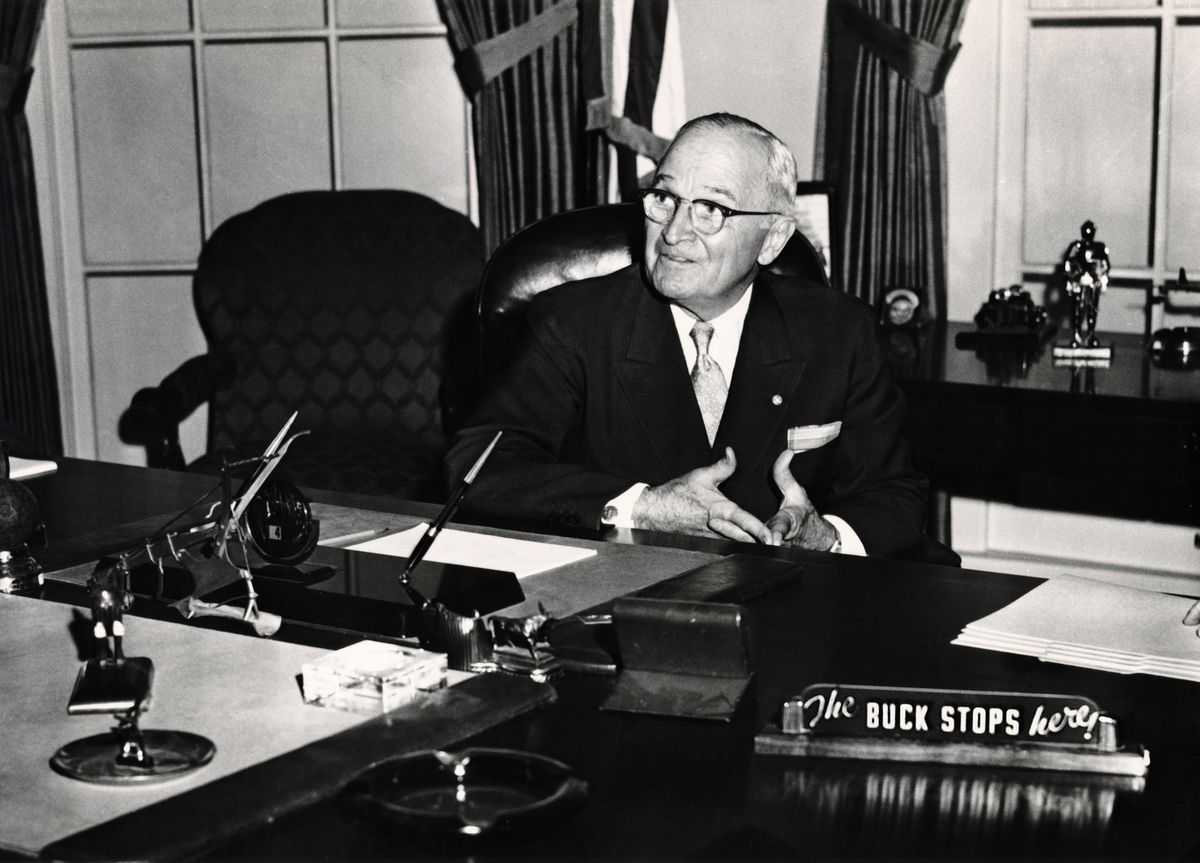
The phrase "passing the buck" originated in 19th-century poker games, where a buckskin-handled knife was passed around the table to mark whose turn it was to deal. However, President Harry S. Truman transformed the idiom completely.

Truman kept a painted wooden sign reading "The Buck Stops Here" on his Oval Office desk. For the 33rd president, the phrase served as a reminder that while cabinet members could perform delegated tasks, final accountability for nuclear weapons, postwar diplomacy, and executive policies rested entirely on his shoulders.

4

Malaise — Jimmy Carter

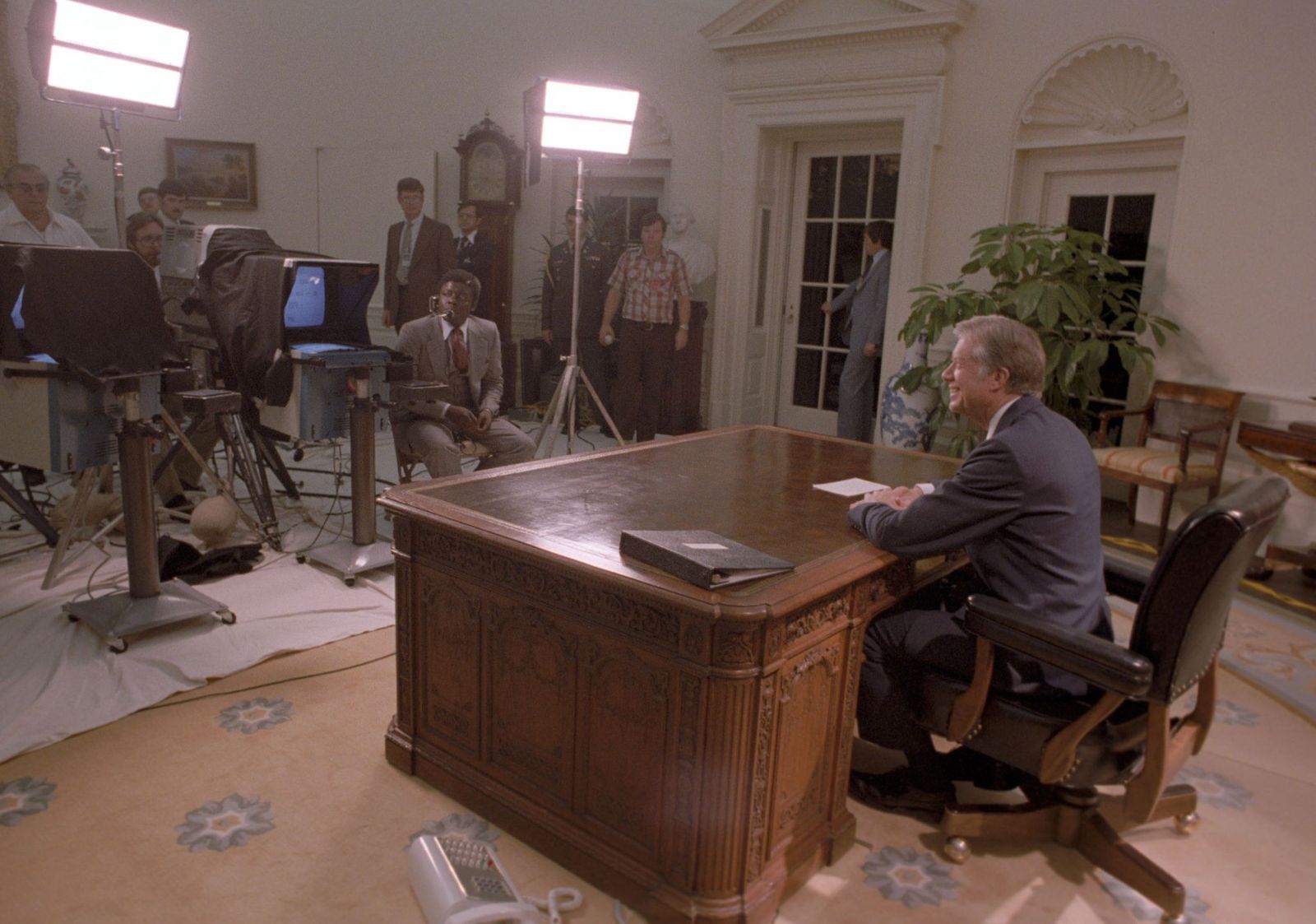
Ironically, President Jimmy Carter never actually said the word "malaise" during his famous July 15, 1979 televised address. In an era of high inflation, gas shortages, and geopolitical tension, Carter spoke about a "crisis of confidence" threatening American democracy.

Political opponents and journalists labeled it the "Malaise Speech", borrowing the French medical term for a vague feeling of illness. The label stuck, permanently linking the word "malaise" to Carter’s presidency and 1970s economy.

5

First Lady — Zachary Taylor

Image: Jennie Augusta Brownscombe, Public domain, via Wikimedia Commons

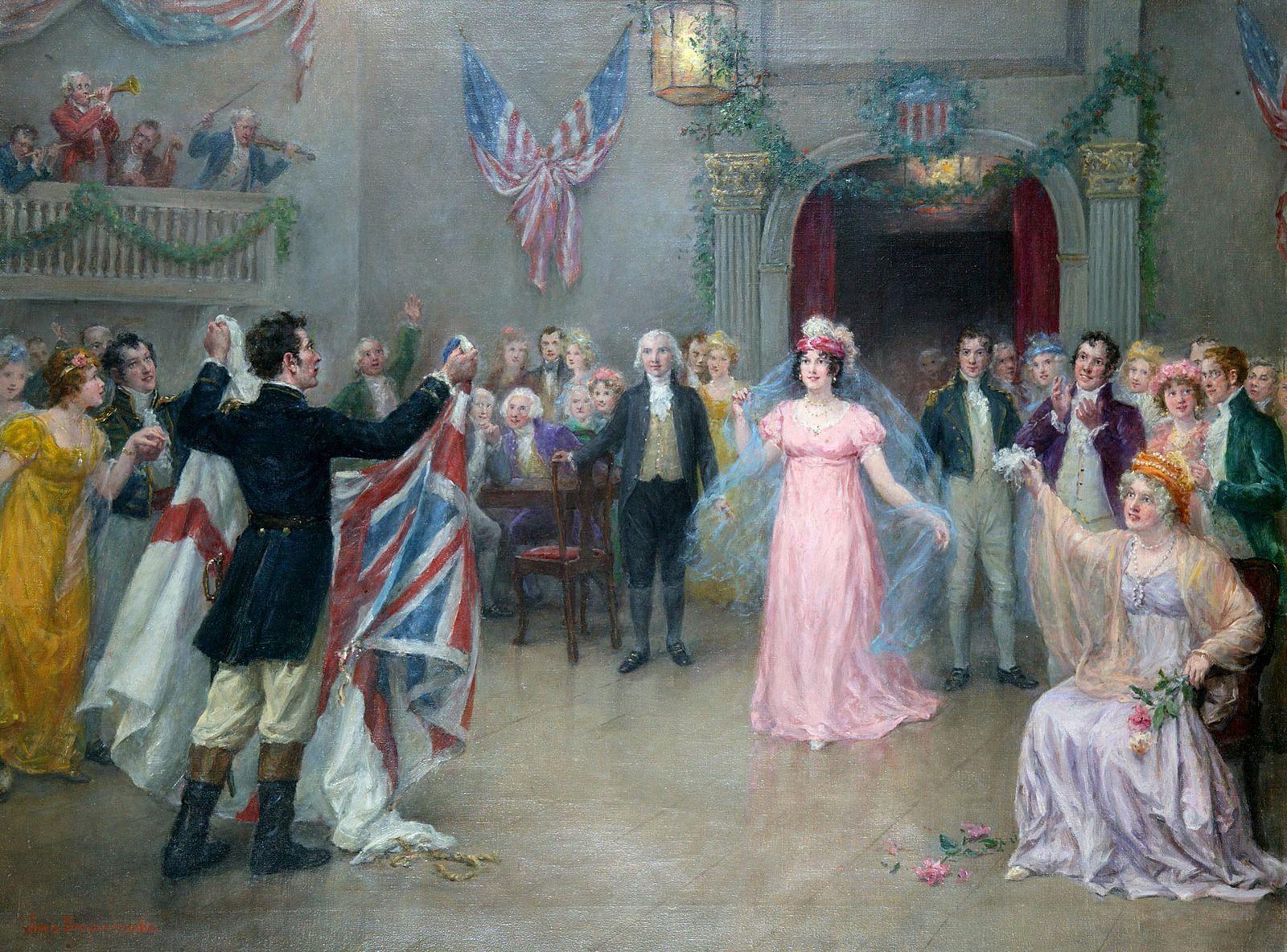
The formal title "First Lady" was first used in 1849 when President Zachary Taylor delivered a eulogy for Dolley Madison, the former president’s wife. Taylor praised Madison as having been "our First Lady for half a century".

The phrase became popular in 1860 when Frank Leslie's Illustrated Newspaper formally referred to Harriet Lane—President James Buchanan's White House hostess and niece—as "the First Lady of the Land".

6

Mulligan — Dwight D. Eisenhower

Image: M/Sgt Al Chang - United States Army Signal Corps, Public domain, via Wikimedia Commons

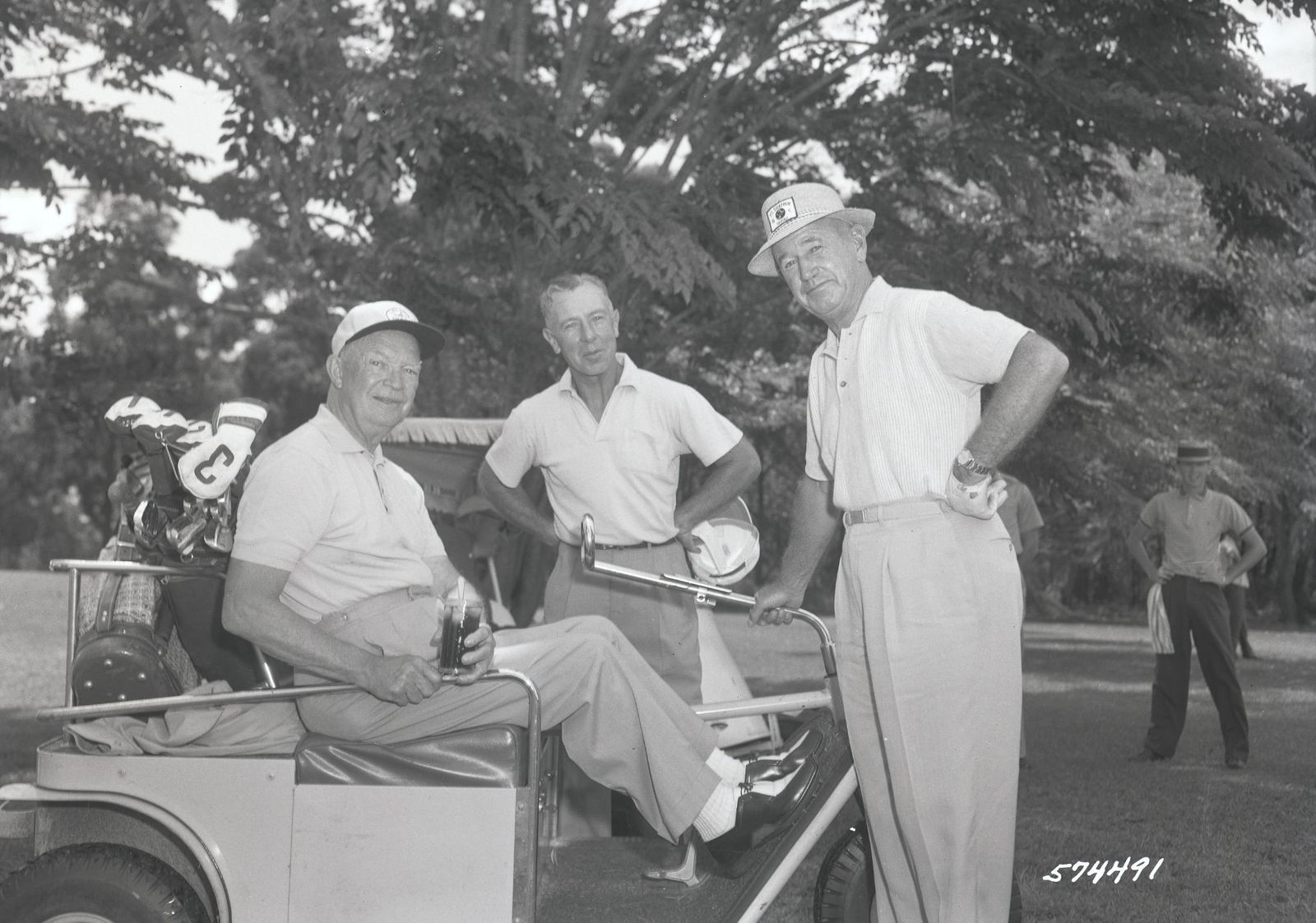
General Dwight D. Eisenhower was an avid golfer who played over 800 rounds during his two terms in office, even installing a putting green on the White House lawn. Ike’s passion for golf helped elevate golf terminology into mainstream political discourse, most notably the word "mulligan", an informal rule allowing a player a free replay after a poor shot. The term originated in Canadian golf circles during the 1920s, but Eisenhower’s public use of the word popularized it as a general metaphor for second chances in government and business.

7

Sugarcoat — Abraham Lincoln

Image: Popular Graphic Arts, Public domain, via Wikimedia Commons

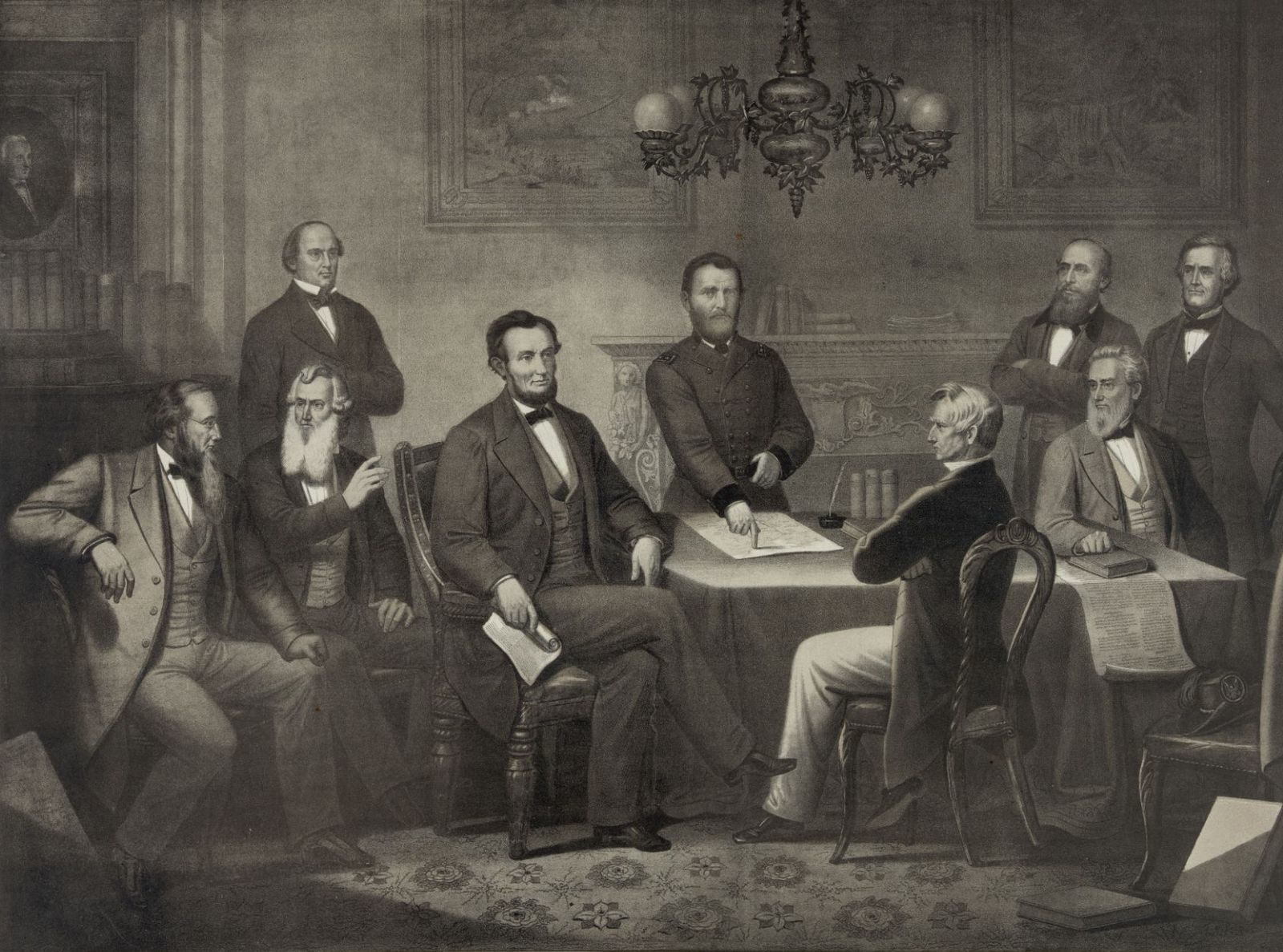
Abraham Lincoln often blended folk wisdom with constitutional philosophy. In his July 4, 1861 message to Congress following the outbreak of the Civil War, Lincoln criticized Southern arguments for secession, writing that rebellion leaders had "sugar-coated" their true intent to dissolve the Union.

The Government Printer, John Defrees, asked Lincoln if he wanted to edit the phrase, calling it unseemly for an official state paper. Lincoln refused, noting that if the public understood what "sugar-coated" meant, it belonged in the message. The phrase passed into common English to describe disguising unpleasant truths.

8

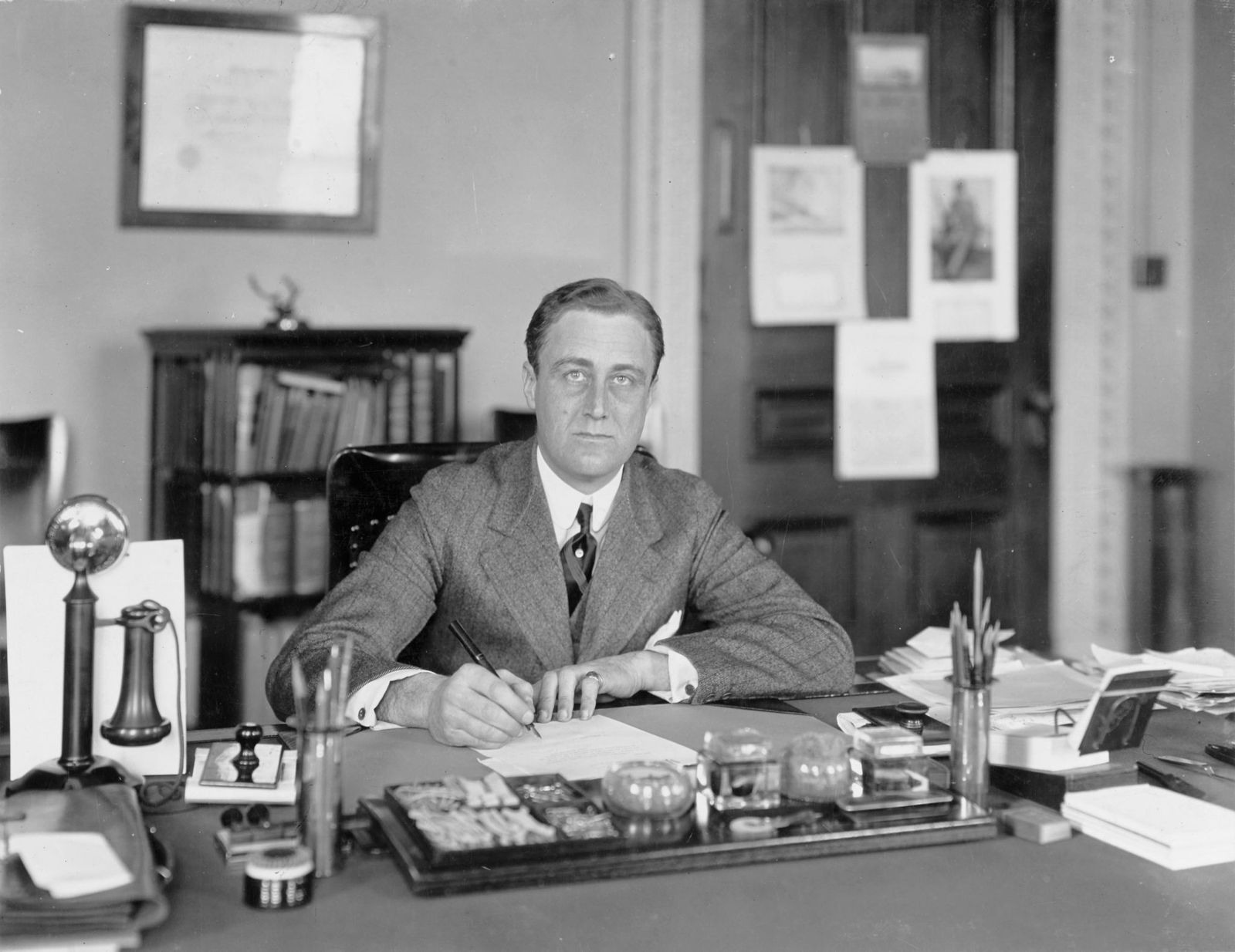
Iffy — Franklin D. Roosevelt

Image: National Archives and Records Administration, Public domain, via Wikimedia Commons

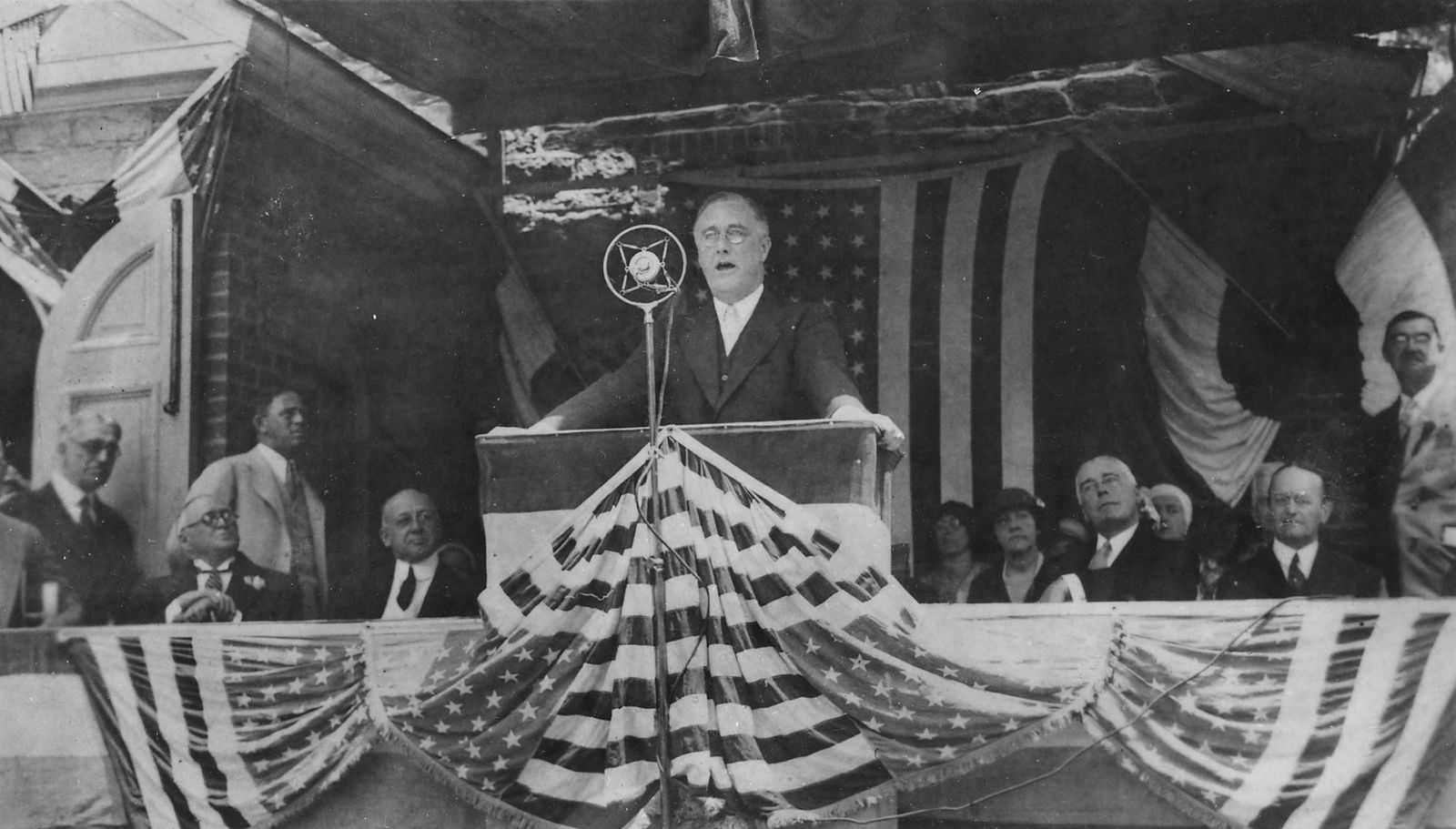
President Franklin D. Roosevelt transformed presidential communication by holding over 800 informal press conferences along with his famous radio "fireside chats".

When reporters attempted to confront him with hypothetical scenarios or speculative policy questions, FDR frequently dismissed them by calling them "iffy questions". Roosevelt popularized "iffy", a 1930s colloquialism derived from the conjunction "if", as a sharp way to describe anything uncertain or questionable due to unproven factors.

9

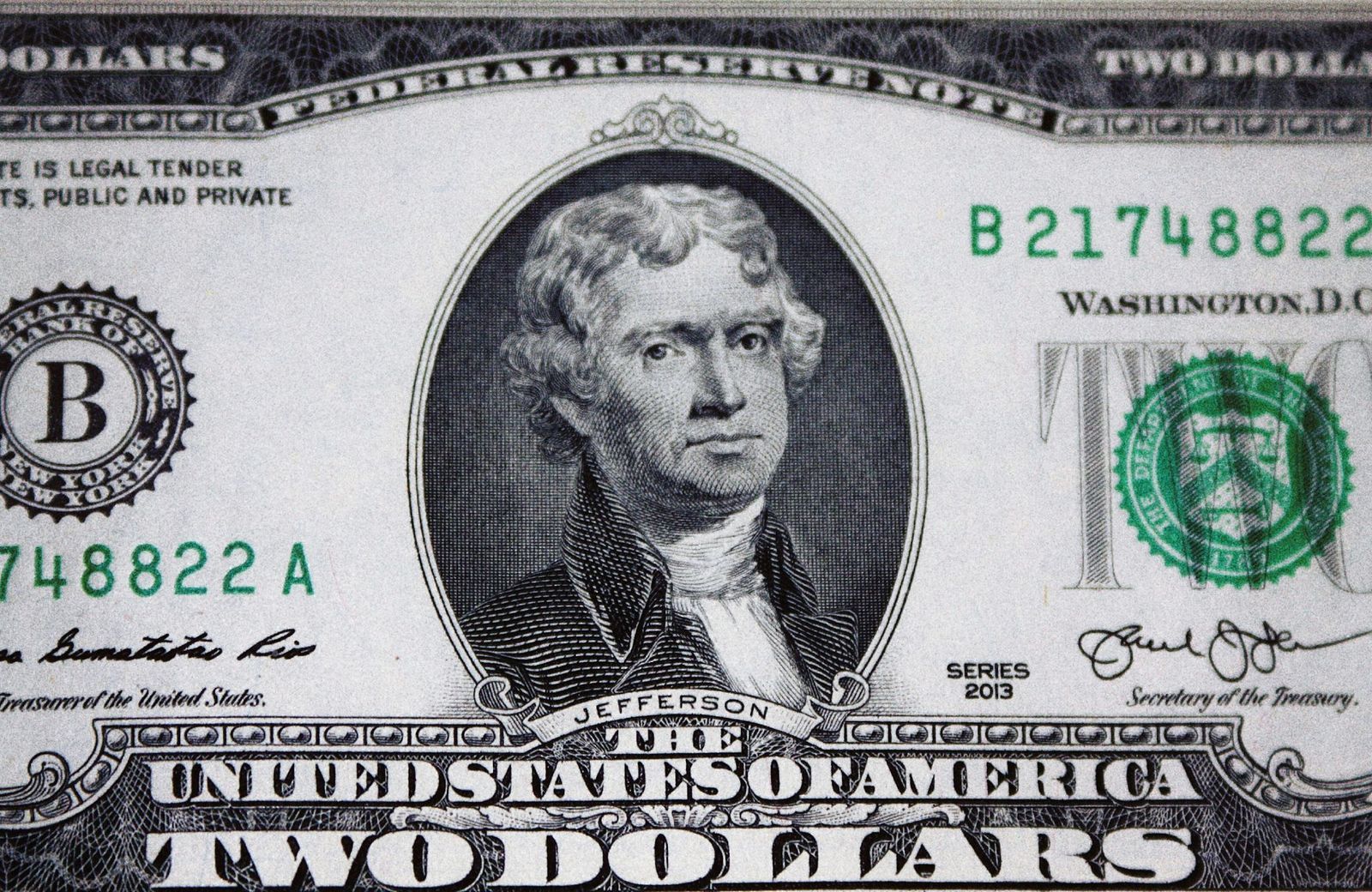
Usufruct — Thomas Jefferson

Image: Alicia Razuri

Thomas Jefferson brought a vocabulary rooted in classical legal training to early American governance. In a famous September 1789 letter from Paris to James Madison, Jefferson argued against binding future generations with national debt, declaring that "the earth belongs in usufruct to the living".

Borrowed from Roman civil law (usufructus), the term refers to the legal right to use and enjoy another party’s property temporarily without damaging or depleting it. Jefferson used the word to argue that each generation has a responsibility to care for the planet and protect it for the future.

10

Rendezvous — Franklin D. Roosevelt

Image: Naval History & Heritage Command, Public domain, via Wikimedia Commons

The French word rendezvous, meaning "present yourself", entered the English language in the mid-1500s from military vocabulary. Yet, Franklin D. Roosevelt gave the term a prominent place in American democratic speech.

Accepting the presidential nomination at the 1936 Democratic National Convention during the Great Depression, Roosevelt proclaimed: "This generation of Americans has a rendezvous with destiny." The line transformed a simple French loanword into a cry for national resilience that continues to be quoted by political speechwriters today.

A hairy business

Let your hair down: 10 amazing facts about human hair


Published on October 23, 2026


Image: Ali Pazani

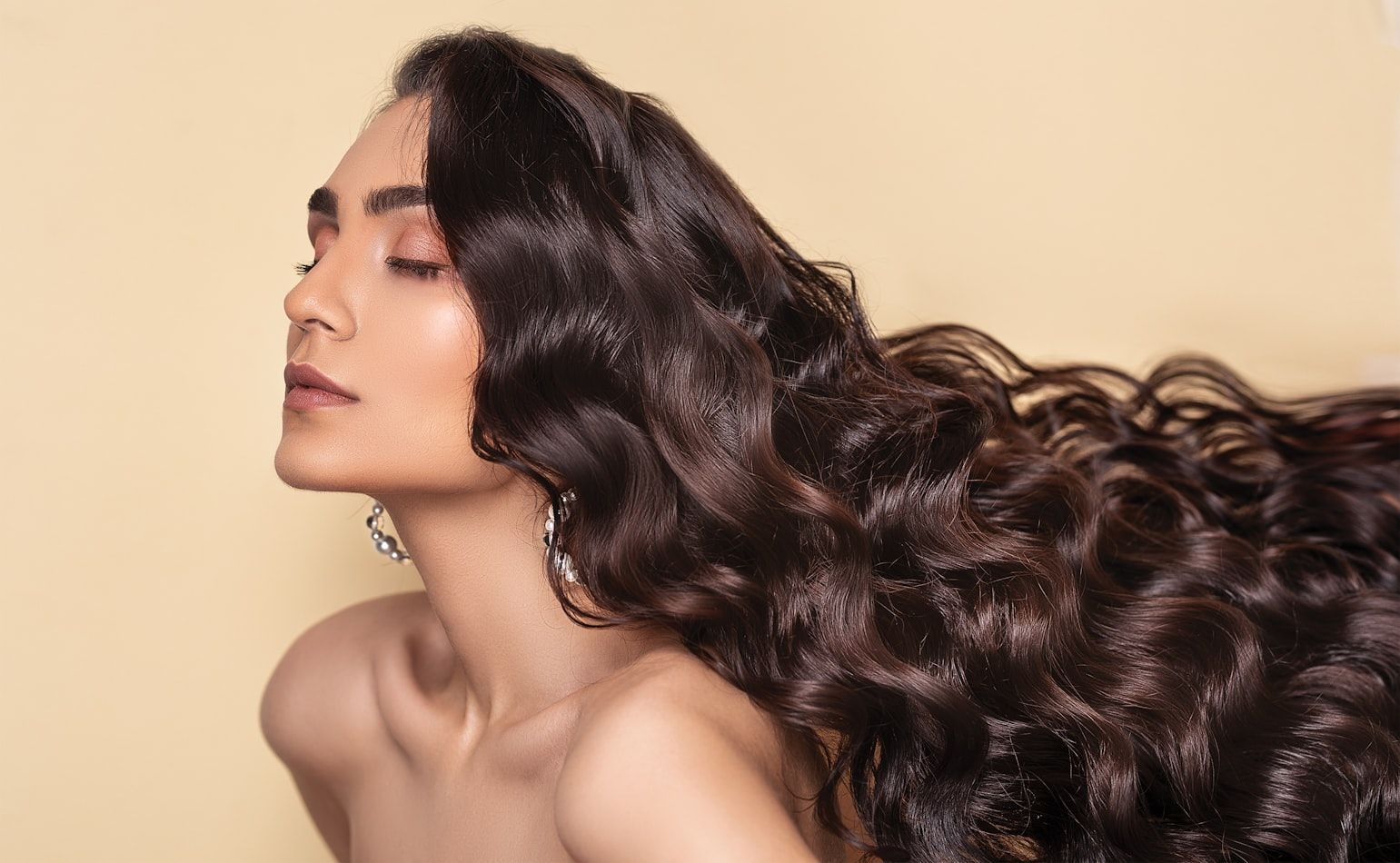
The human body is incredible, from its mechanics to its ability to heal and adapt to multiple environments and situations. Hair, as part of our body, is no exception to this complexity and wonder. Let’s take a look at 10 amazing facts about our hair that you may not know!

1

Two things called ‘hair’

Image: Ian Talmacs

The word hair is used to describe two separate and distinct components: the follicle and the shaft. The follicle—what we commonly refer to as the root—is a living organ located in the dermis of the scalp. It’s responsible not only for growing hair but also for helping regenerate skin after a wound.

On the other hand, the shaft—often referred to as the strand—is a filament composed of layers of keratin, the same protein that makes up our nails. Unlike the follicle, the hair shaft is technically dead because it consists of dead cells.

2

The structure of a hair strand

Image: Joyful Bird

Each hair strand is composed of three layers. The innermost layer is the medulla, and even scientists are still uncertain about its exact function. Surrounding the medulla is the cortex, which absorbs water and provides strength to the strand. The cortex also contains melanin, the pigment that determines hair color, and its shape plays a major role in whether hair is straight or curly. The outermost layer is the cuticle, which serves primarily to protect the hair shaft.

3

Hair color and genetics

Image: Tyler McRobert

Hair color is primarily influenced by several genes, including MC1R, which plays a key role in melanin production. However, not everyone produces the same type or amount of melanin. Higher amounts of melanin result in black hair, while varying levels and types of melanin—along with genetic variations—produce brown, blond, and other shades.

Red hair, the rarest natural color, is caused by a mutation in the MC1R gene and is inherited in a recessive pattern. This means a person must inherit two copies of the mutated gene (one from each parent) to have red hair, though many people carry the gene without expressing the trait.

4

Hair growth

Image: William Warby

Growing at a rate of about 0.2 to 0.5 inches per month, hair is the second-fastest growing tissue in the human body—surpassed only by bone marrow. This rate is influenced by factors such as genetics and ethnic background. Other variables, such as age, lifestyle, or health, can also have an impact on our hair growth and density.

5

Hair shedding

Image: Sohan Rahat

We usually think of cats or dogs when it comes to shedding, but humans also shed hair regularly. After all, hair is a trait shared by all mammals. The average person sheds between 50 and 100 strands of hair per day, though this number can increase in response to stressors such as illness, hormonal changes, or emotional stress. Once the stress subsides and the body readjusts, the excess shedding typically stops.

6

Grey hair

Image: Joseph Chan

Commonly associated with aging, grey hair isn’t a color in itself but rather the result of a loss of pigment. As part of the natural aging process, melanin production in the hair follicle gradually decreases and eventually stops, causing strands to appear grey or white.

Genetics and ethnic background play a major role in determining when and how the greying process begins. Some people are even genetically predisposed to start greying at a very young age.

7

Hair texture

Image: Jaroslav Devia

Hair texture is commonly associated with ethnic background, but that’s not the only factor involved. Texture is primarily determined by genetics, and while genetics are closely tied to ancestry, all hair textures can be found across different populations.

Scientists believe that hair texture—specifically curl pattern and volume—is a result of the shape of the shaft. A round shaft typically produces straight hair, while flatter or more oval-shaped shafts tend to create curls and waves.

8

Water-repellent hair

Image: Amritanshu Sikdar

Depending on the structure of your hair cuticle, your hair may be more or less water-repellent. Hair shafts with a more porous cuticle absorb water easily but also lose moisture quickly. In contrast, shafts with a tighter-packed cuticle struggle to get wet and are slow to dry.

9

Resting hair

Image: Sonja Langford

Hair doesn’t grow continuously or all at once—each strand follows a cycle with distinct phases. First comes the growing phase, which varies depending on the type of hair (for example, facial hair grows faster and for a shorter period than scalp hair). Eventually, growth slows down, and the strand detaches from the root.

After this, the hair enters a resting phase, during which it remains in place until it is naturally shed. At any given time, we have hairs in all stages of this cycle, which is why we regularly shed hair without going bald.

10

Hair is a data bank

Image: Hans Reniers

Like any other part of the body, hair contains DNA and genetic material, which means a person can be genetically identified from a single strand, provided it includes the root. But hair holds even more information. The analysis of a hair strand can reveal substances that were present in a person’s bloodstream over time, including vitamins, minerals, medications, alcohol, and other substances.

Looking for an extra scoop of literary fun?

Learn more with our Word of the day

bemused

/bəˈmjuzd/