10 famous sayings from around the world (and what they really mean)


Published on July 30, 2026

Image: Formatoriginal

From samurai battlefields to modern-day America, these sayings carry hidden meanings you’ve never noticed. "You can’t make an omelet without breaking eggs" and "Spill the beans" mean much more than you think. Let’s uncover the truth behind these expressions and why they’ve lasted for centuries.

1

"Spill the beans" (United States)

Image: BlitzDaix03

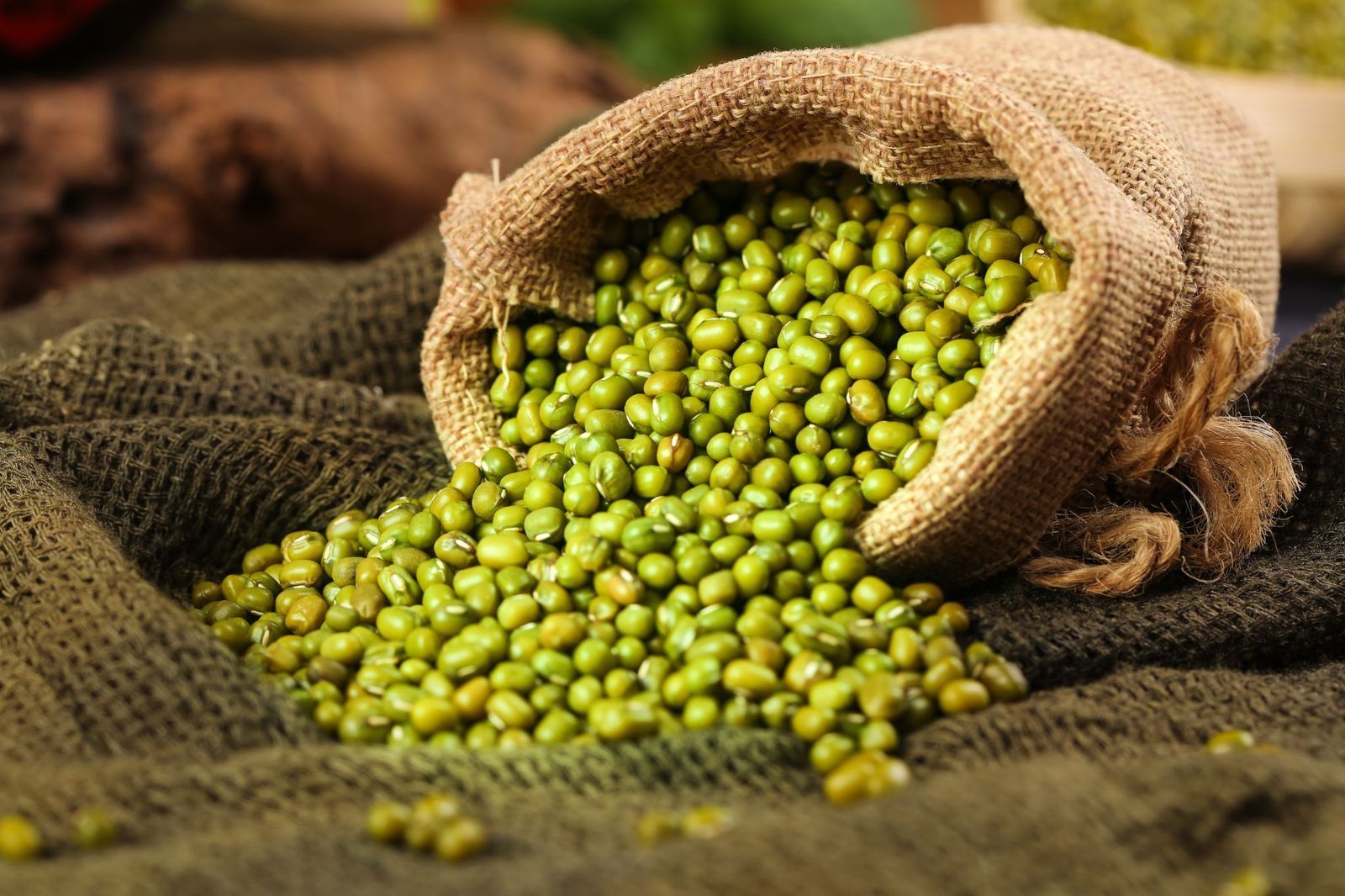
You can usually tell when a friend has major news to share, and when you can’t handle the intrigue anymore, you need to use this great American saying: "Spill the beans".

It’s believed to come from a voting method in ancient Greece, where people dropped colored beans into a jar. Spilling the beans meant knocking the jar ahead of time to show the votes, and that’s precisely why it refers to revealing a secret.

2

"Break the ice" (United States)

Image: Gayleen Froese

Sometimes, maybe at a job interview, a distant family member's birthday, or a run-in with an old friend, things can get awkward fast. That’s when we need to think on our feet and find something to say that will kick off the conversation.

And that’s exactly what Americans describe as ‘breaking the ice’, a phrase that originally comes from sailing, back when big trade ships would get stuck in frozen rivers and harbors, and small sturdy boats called ‘icebreakers’ would be sent to smash open the waterways so trade could continue.

3

"When pigs fly" (United Kingdom)

Image: izzuanroslan

Wishful thinking can get you far, but some things are outright impossible, so when someone makes an unrealistic claim or promise, we need to turn to this classic expression, originally from Scotland: "When pigs fly".

This saying is an "adynton": a figure of speech so extreme it highlights the impossibility of a situation. It has been widely used, even in classic literature, including Lewis Carroll’s 1865 "Alice in Wonderland".

4

"Not my circus, not my monkeys" (Poland)

Image: cfg1978

You’ve probably experienced the feeling that someone wants you to solve a problem you have nothing to do with. At that moment, look them in the eye and say, "Not my circus, not my monkeys".

This is a Polish proverb that means something is not your responsibility; the perfect way to set boundaries when you feel another person is "clowning around."

5

"To carry coals to Newcastle" (England)
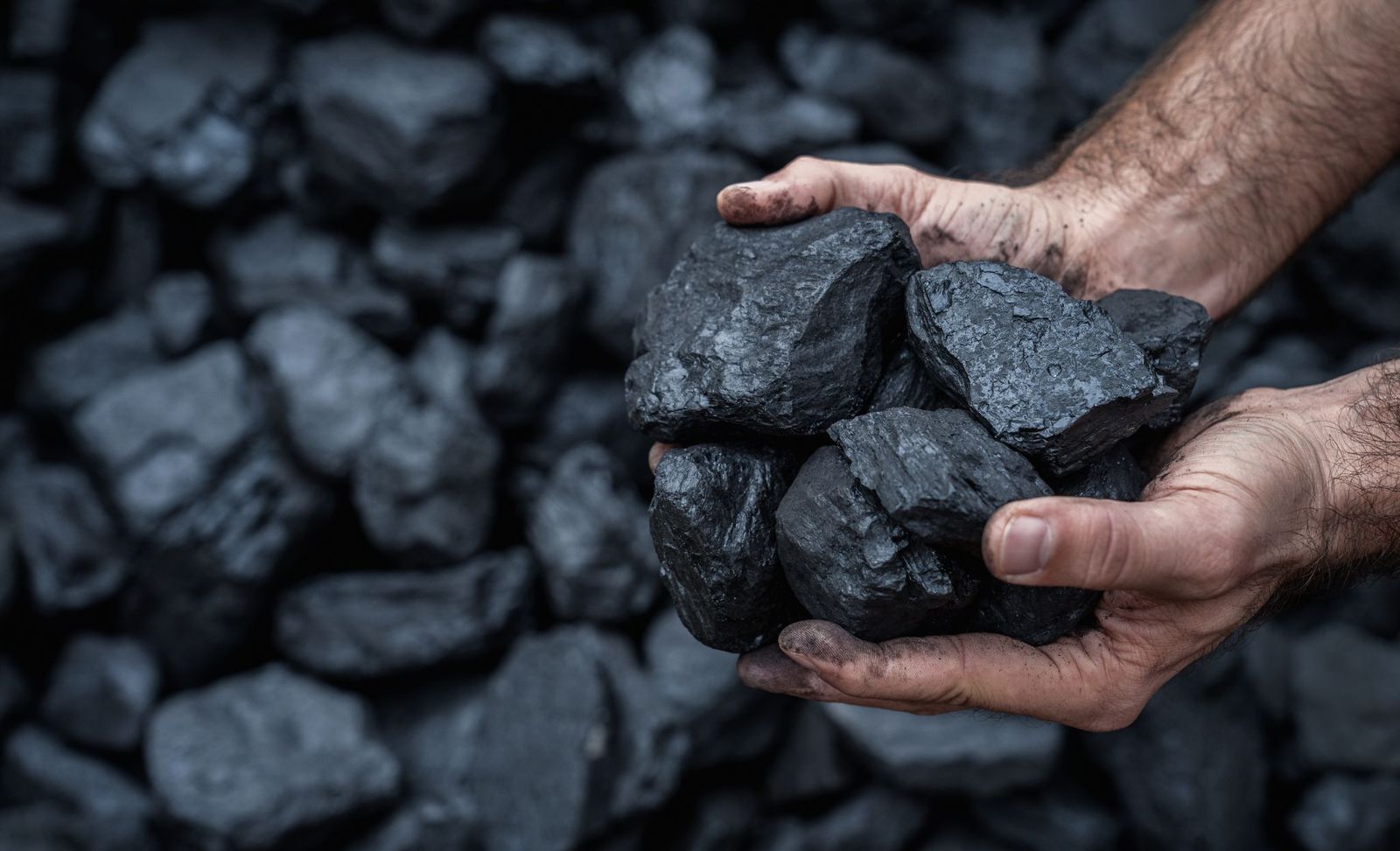
Image: rangizzz

From the moment we wake up until we go to bed, the list of things we do is endless, and the time we have to do it all is limited. That’s why every minute counts and it's so important not "to carry coals to Newcastle".

This English proverb describes doing something pointless, since Newcastle was the heart of the country’s coal mining industry; so taking coal there was completely useless.

6

"Even monkeys fall from trees" (Japan)

Image: Sompao

Have you ever made a mistake while doing "that" thing you are supposed to do be great at? Or that someone you idolized made a mistake, too? This Japanese idiom sums it perfectly: just like monkeys who are amazing at climbing trees can fall, even experts can make errors.

Records show it was used as early as the medieval period, especially during the Edo era (1603-1868). This saying reminds us to stay humble and also not to feel ashamed when we fail.

7

"A single arrow is easily broken, but not ten in a bundle" (Japan)

Image: Roman Samborskyi

There are moments when you might feel alone or unsure about how to solve a problem. This is where the Japanese remind us that "strength is in unity"; in other words, just like a bundle of arrows, a group of people working together is much harder to defeat than a person on their own.

This proverb is often linked to a powerful samurai warlord named Mori Motonari, who, on his deathbed, explained to his sons that if they stayed united, like bundled arrows, they would be unbreakable.

8

"You can’t make an omelet without breaking eggs" (France)
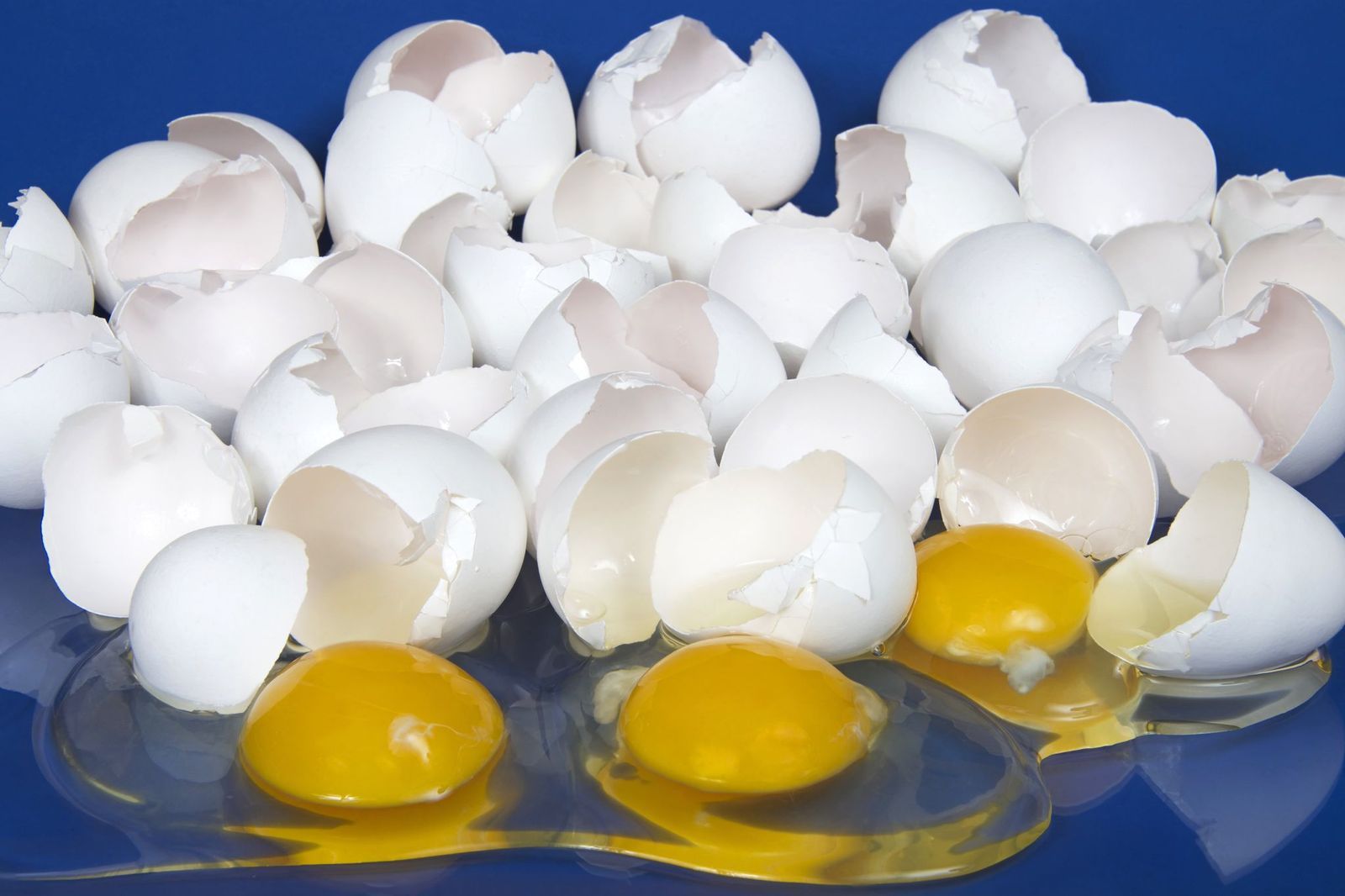
Image: Sheila Fitzgerald

This isn’t just about cooking; it came from a moment of real violence. The proverb was reportedly said by the Royalist leader François de Charette during the French Revolution (1796), meaning that winning the war would require heavy casualties.

Today you can use it to explain that to achieve a great goal or make progress, you have to be willing to accept that things can get messy and sacrifices are often necessary.

9

"He who fears suffering is already suffering" (France)

Image: Shakirov Albert

Which of us hasn’t spent a night unable to fall asleep because of a worry we can’t get out of our minds? When that happens, we should remember this French insight: worrying about something creates the same distress as it actually happening, so by fearing something you may suffer twice: before it happens and again if it does.

10

"God writes straight with crooked lines" (Portugal/Brazil)
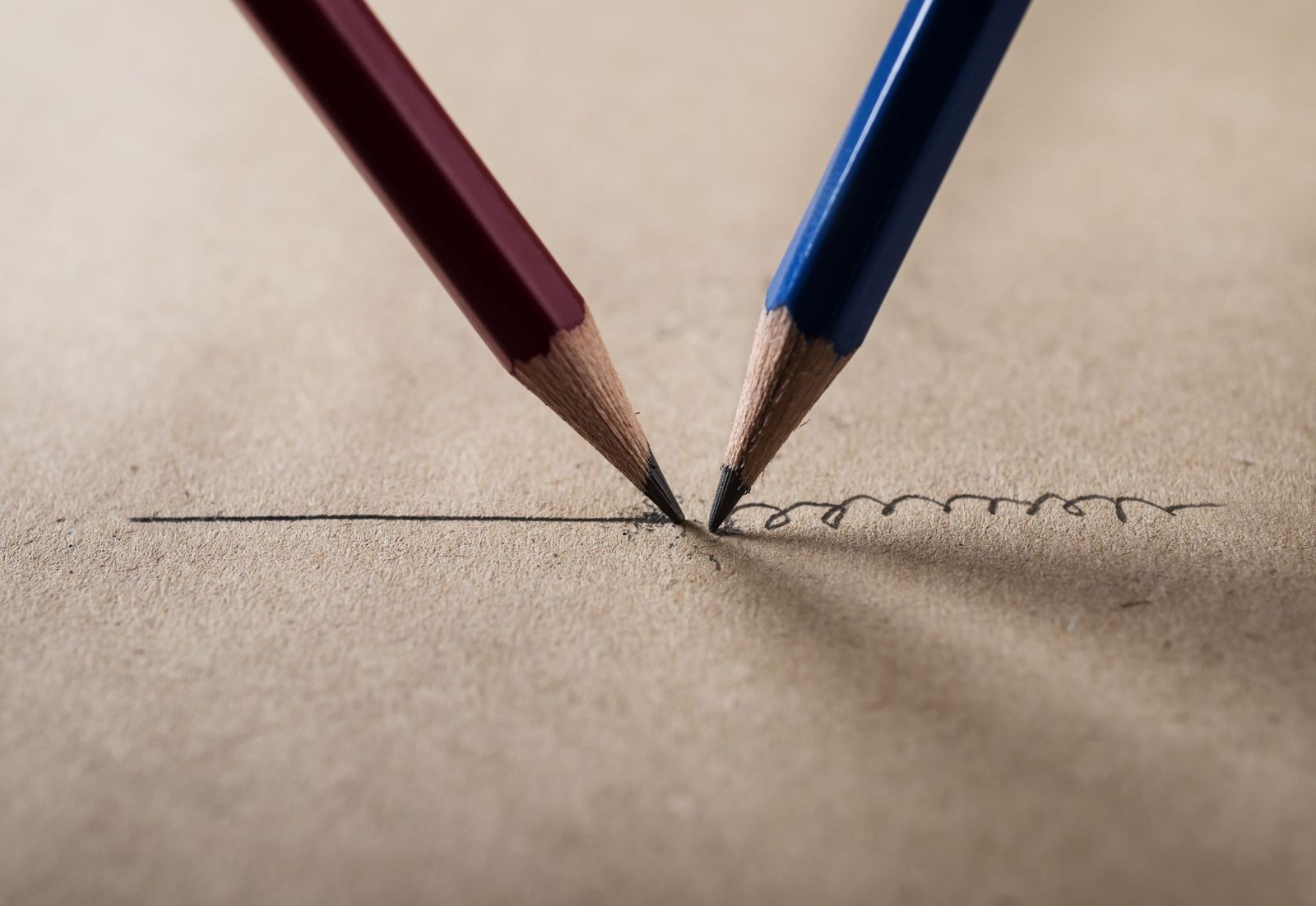
Image: JIMBO EKAPAT

You know when you are trying your best and no matter what you do everything seems to go wrong? This is where the Portuguese and Brazilians have the answer: although we are human and can make mistakes, a greater power or destiny will weave things into a perfect outcome.

In other words, don’t stop trying and trust the process.


Are passwords, words?

If you use one of these, better change it: 10 most used passwords


Published on July 30, 2026


Image: rc.xyz NFT gallery

Passwords hold the keys to our digital lives, protecting our personal information and securing our online accounts. However, the proliferation of instances where we are repeatedly asked to choose a password leads to a natural tendency to simplify them. It’s easy to understand—if we have to remember 50 passwords, we’ll try to come up with ones that are easy to recall. This leads to the use of weak and predictable passwords that are easy to guess or crack. Scroll down to see if you use any of these common passwords. If so, do yourself a favor and change them!

1

Names, or pet names

Image: Alexander Grey

Probably the most common and overused password in the world is a name—whether it’s your own, a loved one’s, or even a pet’s. Perhaps you type your name followed by your birth year or the current year.

In any case, this type of password is among the most insecure, as anyone trying to access your personal information likely knows your name—and, if they’ve done their homework, the names of those around you. And yes, that includes your pets, past and present. Even if used on a personal computer at home, it’s best to replace it.

2

Phone numbers, or addresses

Image: Wesley Hilario

There was a time—before smartphones—when everyone remembered at least a few telephone numbers. Chiefly, your own, but also those of your parents, grandparents, friends, and so on. Perhaps you even remember a couple to this day—do you?

This once-useful information has now become meaningless, yet millions of people still use their old phone numbers—and even addressesas passwords for email accounts, online banking, and all sorts of password-protected services.

3

1234567890 / qwertyuiop

Image: William Warby

This is one of the laziest passwords on the list. Believe it or not, a huge number of people use an entire row of numbers or letters on their keyboards as a password. In fact, according to several specialized websites that track this sort of thing, "123456" is the most common password globally.

And, as it happens, this is also one of the easiest passwords to crack—not just for hackers, but, actually, for anyone.

4

Password / whatever

Image: Jakub Żerdzicki

Believe it or not, some people still think using the word "password" as their password is clever—as if no one had ever thought of that. Not only is this one of the most commonly used passwords, but it’s also incredibly easy to guess.

Another overused password is "whatever." This adolescent expression of indifference is often chosen when someone doesn’t feel like coming up with a new password.

5

Special character! / Using Uppercase in the first place

Image: Stanley Dai

One of the most irritating instances of creating a new password is the moment when the code word you created is rejected for lacking special characters or uppercase letters.

When this happens, most people simply capitalize the first letter and add an exclamation mark (!) at the end, as it’s the first special character on the keyboard. However, using a different uppercase letter and a unique special character instantly makes your password much more secure.

6

Abc123

Image: rivage

If you were wondering what the laziest password of all is, "Abc123" is it. What’s even more astonishing is that it’s not rare but a hugely popular choice for millions of people worldwide.

Sure, many of us think, Who would bother trying to hack me?—as if we weren’t a typical target for a hacker. But you’d be surprised. And not in a good way.

7

Tech brands

Image: Jonas Leupe

Perhaps you’re struggling to come up with a password and glance at the brand on your keyboard or smartphone, thinking no one will guess it. Think again. Using "Samsung," "Genius," "Motorola," or any other major tech brand—whose logos are as ubiquitous as the air we breathe—is an extremely common choice for countless people.

Hackers know this and test these brand names early in their password-cracking attempts. So don’t be lazy—come up with something better than "Intel-Inside" for your password.

8

Admin /admin123

Image: https://images.unsplash.com/photo-1624969862644-791f3dc98927?q=80&w=2070&auto=format&fit=crop&ixlib=rb-4.0.3&ixid=M3wxMjA3fDB8MHxwaG90by1wYWdlfHx8fGVufDB8fHx8fA%3D%3D

This one is especially common in workplaces where the IT department uses the same name and password for every computer—for practical purposes. And we get it—no one wants to create hundreds of unique passwords for every employee. But it should be done anyway, because "Admin" and "Admin123" are among the most widely used usernames and passwords in offices everywhere.

9

Insults

Image: engin akyurt

Don’t be ashamed—it can happen to the best of us. When the website that has asked you for a new password suddenly "rejects" your password. Maybe it’s missing special characters, numbers, or a mix of uppercase and lowercase letters. Or perhaps it’s one you’ve used before. Either way, it can be a very infuriating experience.

When pushed to that limit, many people resort to using an insult as a password—often aimed at the website itself. The problem? Hackers expect this. They routinely test common epithets and curses when cracking passwords.

10

Welcome / Hello

Image: Tim Mossholder

"Speak ‘friend’ and enter," said Gandalf. And when he uttered the Elvish word for "friend," the massive stone door magically opened. But unless you’re a wizard in a Tolkien novel, it’s best to choose a more cryptic password than "welcome" or "hello."

These two words rank among the most commonly used passwords worldwide, and once again, hackers test them early in their attempts. A simple yet poetic word like "friend," "hello," or "welcome" might be tempting—it can make your personal computer or smartphone feel like an extension of your home. But, alas, hackers often exploit this cozy feeling. So do yourself a favor and pick something harder to crack.

Looking for an extra scoop of literary fun?

Learn more with our Word of the day

welfare

/ˈwɛlˌfɛr/