Military lingo
10 military terms that made it to the civilian vocabulary
Published on June 25, 2026
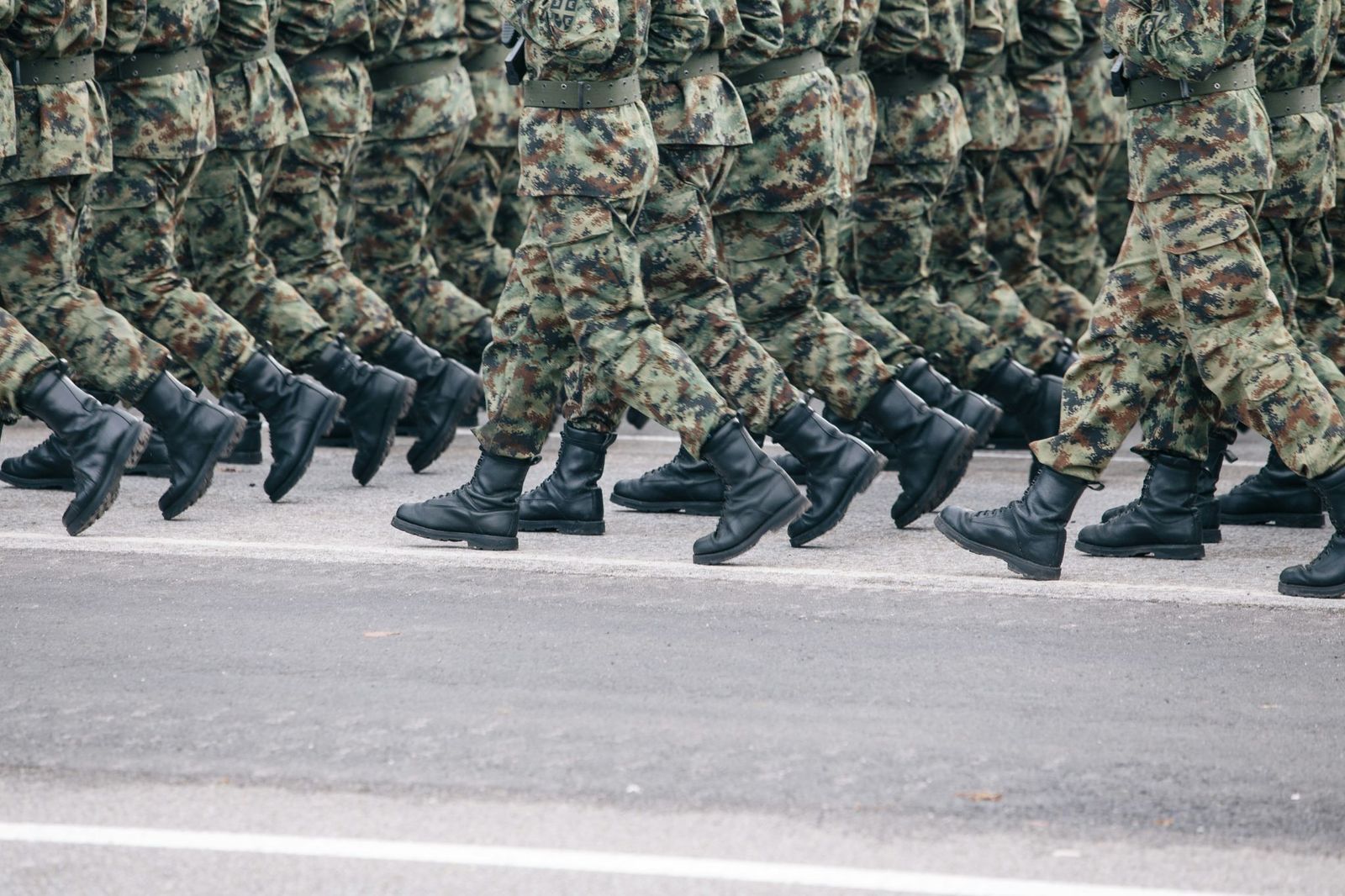
Our everyday vocabulary is littered with terms, phrases, idioms, and concepts drawn from different contexts—such as medicine, science, sports, politics, etc.—often altered or reinterpreted. The military world is no exception, and every day we use phrases that originated in war contexts or that were popularized by soldiers. Let’s have a look at some examples!
ASAP
One of the most widespread phrases popularized by military use, this acronym originated not in the armed forces but in the dental hygiene field as part of a list of recommended abbreviations for secretaries. However, it was adopted by the military around the 1950s and widely used during the Korean War. While it was conceived to mean "as soon as practically possible", its use in the military context shifted its meaning to "immediately".
No man’s land
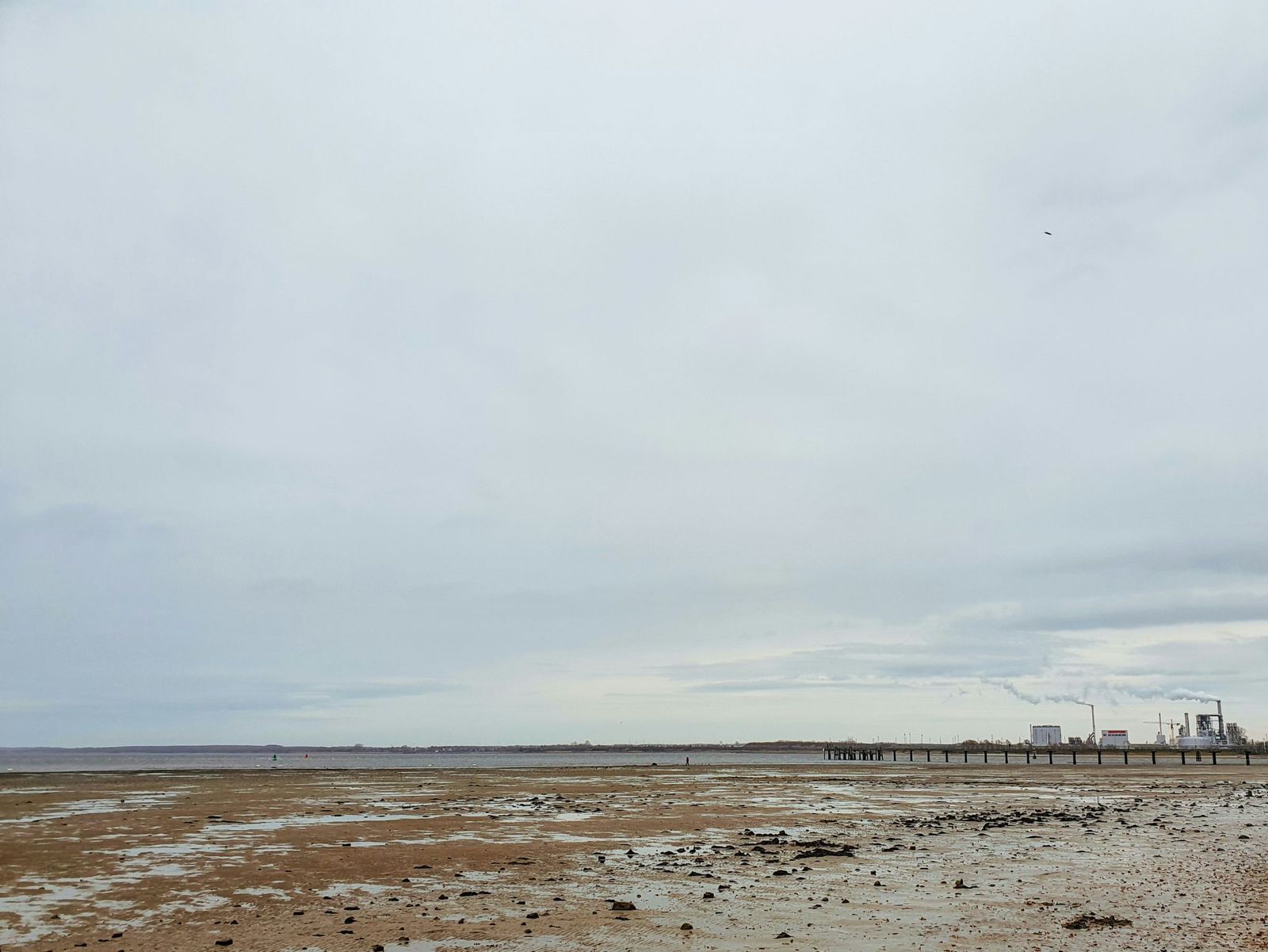
Have you ever described an ambiguous or unclear situation as "no man’s land"? Well, that phrase was initially used for actual land, and it is still used that way. Popularized during WWI as a descriptor of the barren land between opposing trenches, it had been in use for centuries for unoccupied or unclaimed wastelands, often in dispute among bordering jurisdictions. While we now often use it figuratively, it is used in its literal sense in conflict zones and territorial disputes.
Deadline
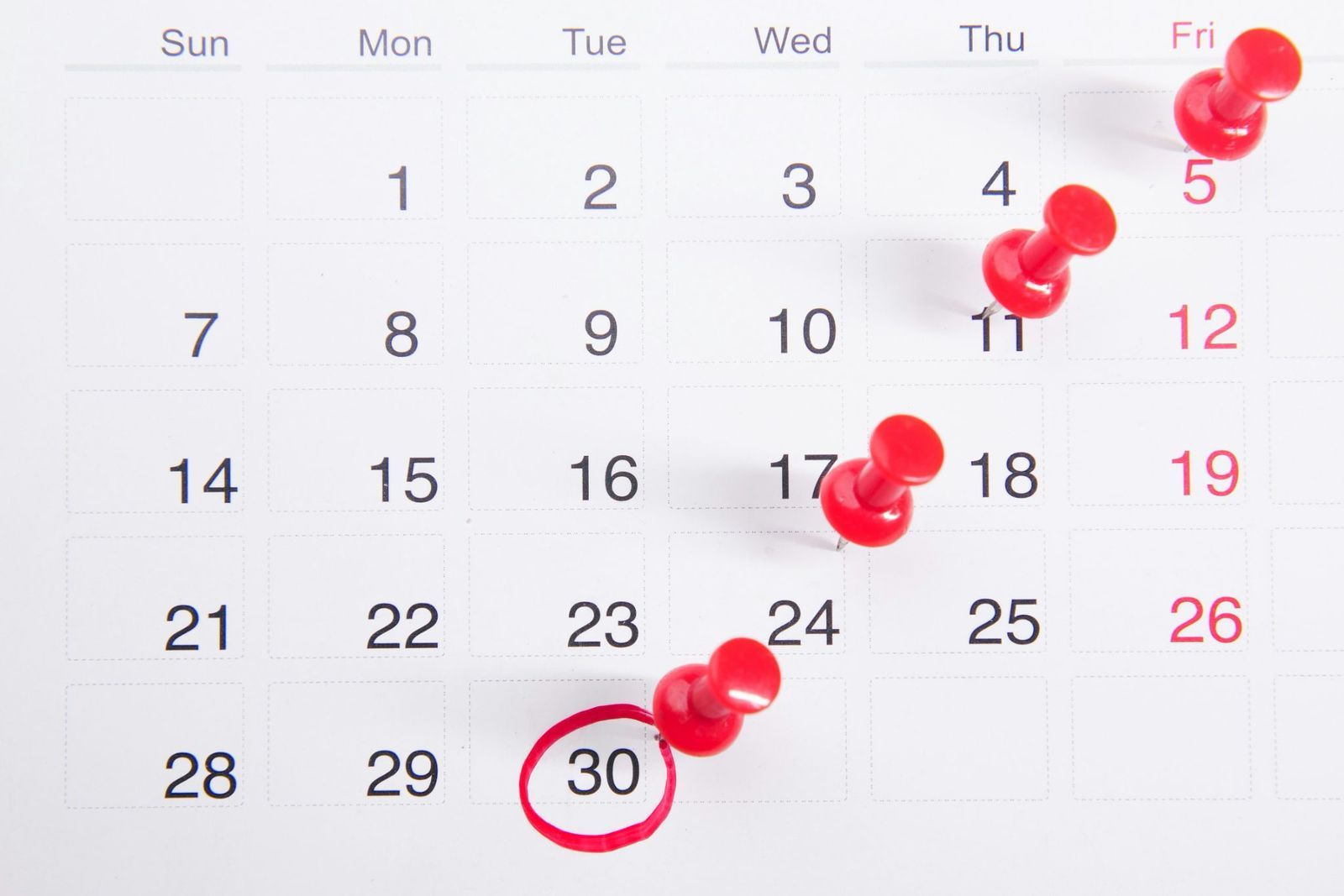
Our modern life is hectic and filled with deadlines, but these, although important, don’t usually pose a threat to our lives. The original deadlines, though, were a different story. The phrase emerged during the American Civil War, and it referred to the boundary lines drawn around prisoner camps. Any prisoner who crossed the line was instantly shot, effectively making it a ‘deadline’. Luckily for us, its meaning has shifted to reflect a time limit.
Cup of joe

If you ever wondered about the connection between coffee and someone named Joe, several theories claim to have the answer. The most popular one —although refuted by many historians— links it to Josephus "Joe" Daniels, famous for banning alcohol in the Navy, which allegedly popularized coffee as a substitute. A more likely theory points to the term ‘jamoke’ (a contraction of java + mocha), widely used in the military around the 1930s.
Feeling blue
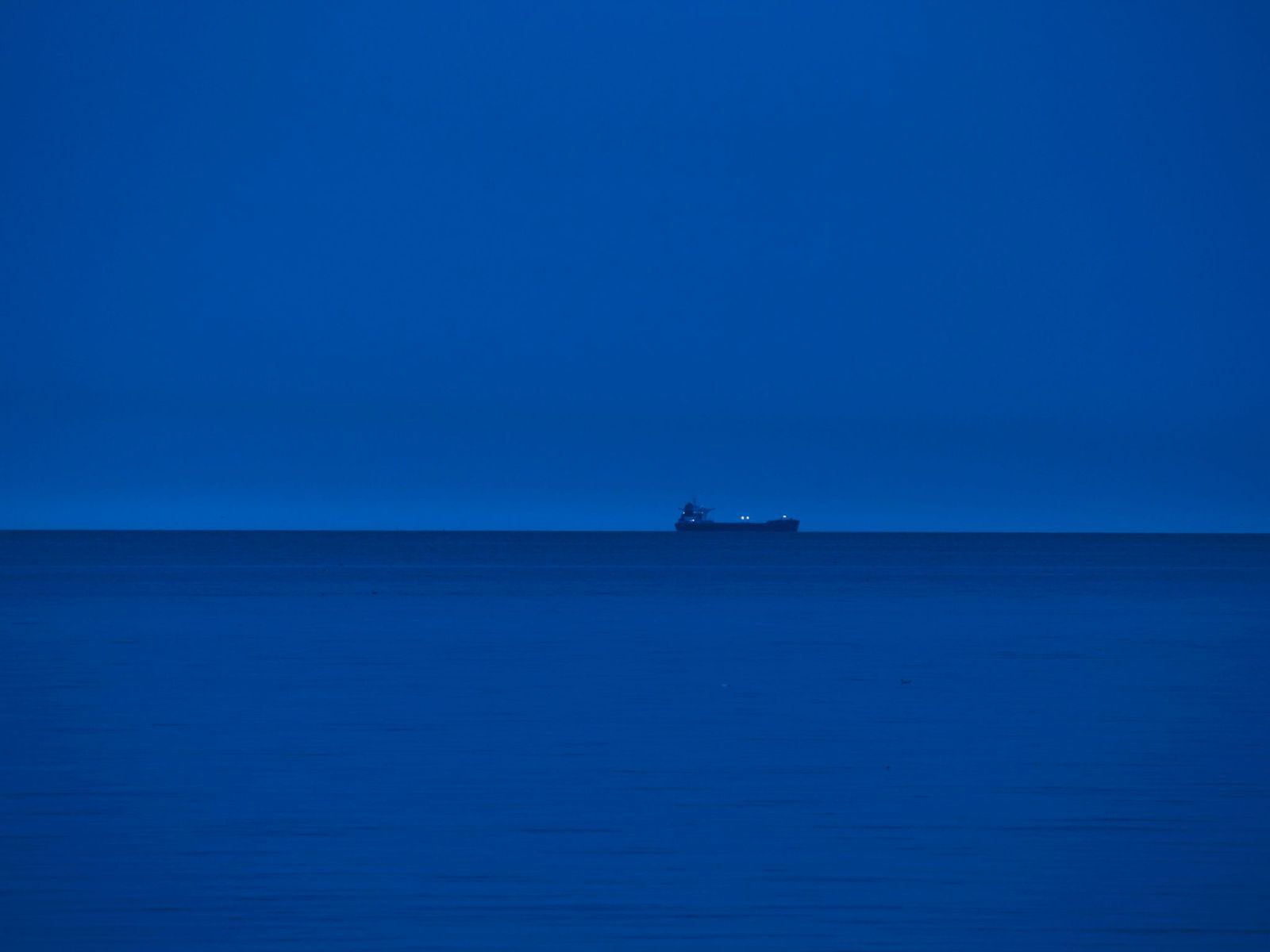
The color blue has traditionally been associated with melancholy, but military men might have had a hand in popularizing this idiom. Though blue flags currently carry a different meaning in nautical terminology, they were once used as a sign of mourning. If a ship’s captain or other high-ranking officer died at sea, their ship would fly a blue flag and paint a blue band around the hull, a custom that intertwined the color blue with sadness.
AWOL
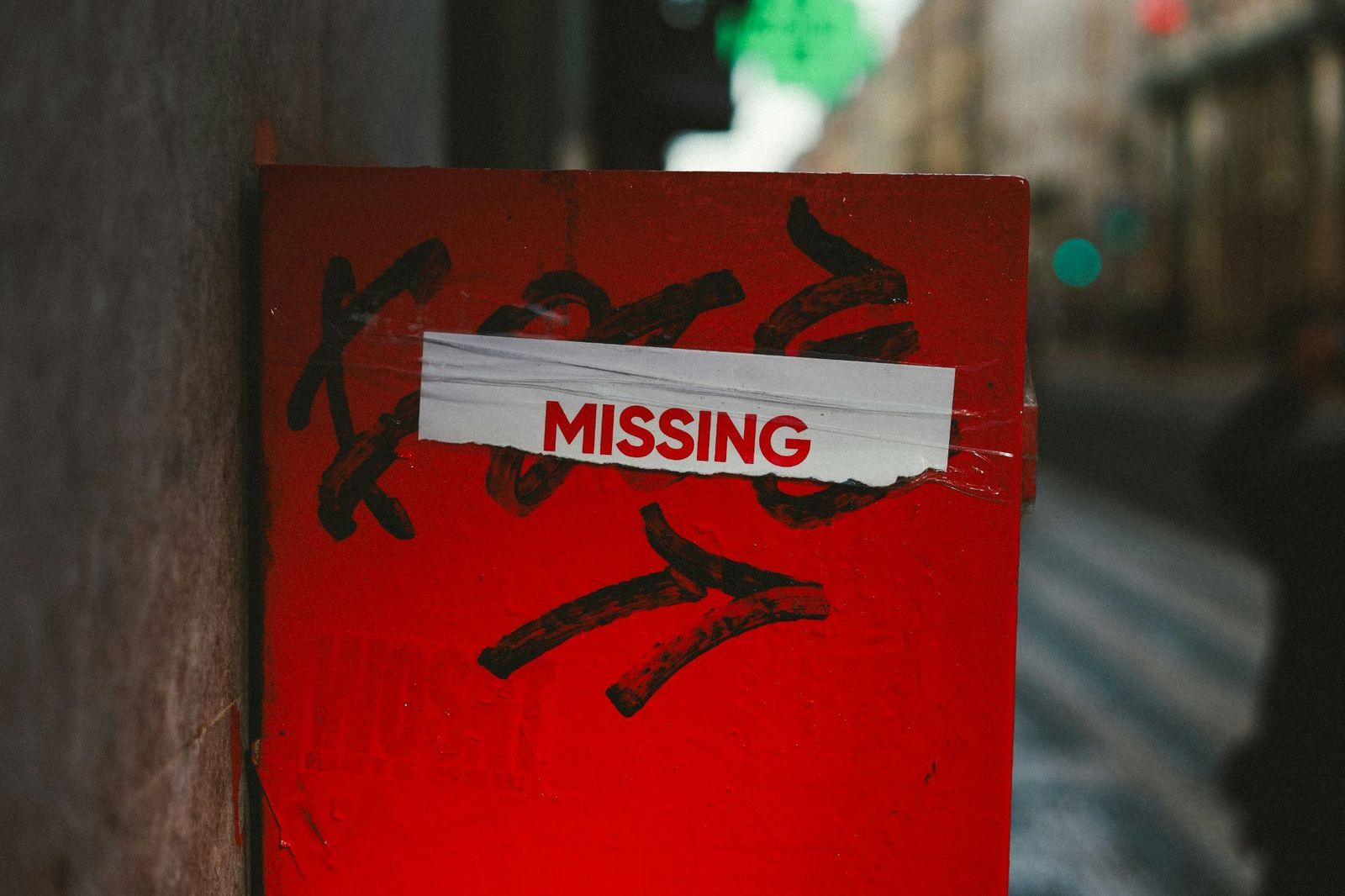
If we think about it, most of the time we say someone’s AWOL, a leave is not required. We are simply stating that we don’t know where they are or why they left. But the case is quite different for its military use. First recorded in the 18th century, it was used as a full phrase, although it eventually became an initialism around WWI and then an acronym around WWII. Still in use in the military, it carries a more dire meaning than in the civilian context.
Murphy’s law

"Anything that can go wrong will go wrong." All of us have invoked Murphy’s law at some point in our lives, but who’s Murphy? The answer takes us to a U.S. Air Force base and a series of rocket tests during the late 1940s. After several mishaps, aerospace engineer Edward A. Murphy famously exclaimed: "If there are two or more ways to do something and one of those results in a catastrophe, then someone will do it that way." Murphy’s frustration was later summarized at a conference as "Anything that can go wrong will go wrong", and the rest is history.
Roger

Most people wouldn’t be surprised to learn that this phrase is of military origin, but not many would be able to explain how it came to mean ‘understood’. During WWII, the American and British forces used the Able-Baker alphabet for radio communications, where Roger (and not Romeo) represented the R. ‘Roger’ meant your message had been received and understood. While most militaries later shifted to the NATO alphabet, the use of roger as ‘understood’ stuck and was popularized by its use in the Apollo lunar missions.
Got your six

While not as commonly used as other phrases of military origin, most people know that if someone tells them "I got your six," it means they have their back. The phrase stems from WWI aviators using the 12-hour clock face to describe directions: 12 o’clock was the front, 6 o’clock the back, and 3 and 9 o’clock the sides. As a blind spot, the back was a pilot’s most vulnerable area, so a wingman who ‘got their six’ was always appreciated.
Run amok

People telling a story about rambunctious children running amok would hardly imagine that this phrase has quite the violent origin. In Malay and Javanese cultures, amuk was used to describe warriors who launched frantic and violent attacks, often associated with a spiritual possession. The term was introduced into English by 16th-century European explorers, but it was Captain James Cook who popularized the phrase "run amok."


