Naming oddities

10 oddly named US towns and cities and their surprising stories


Published on August 11, 2026
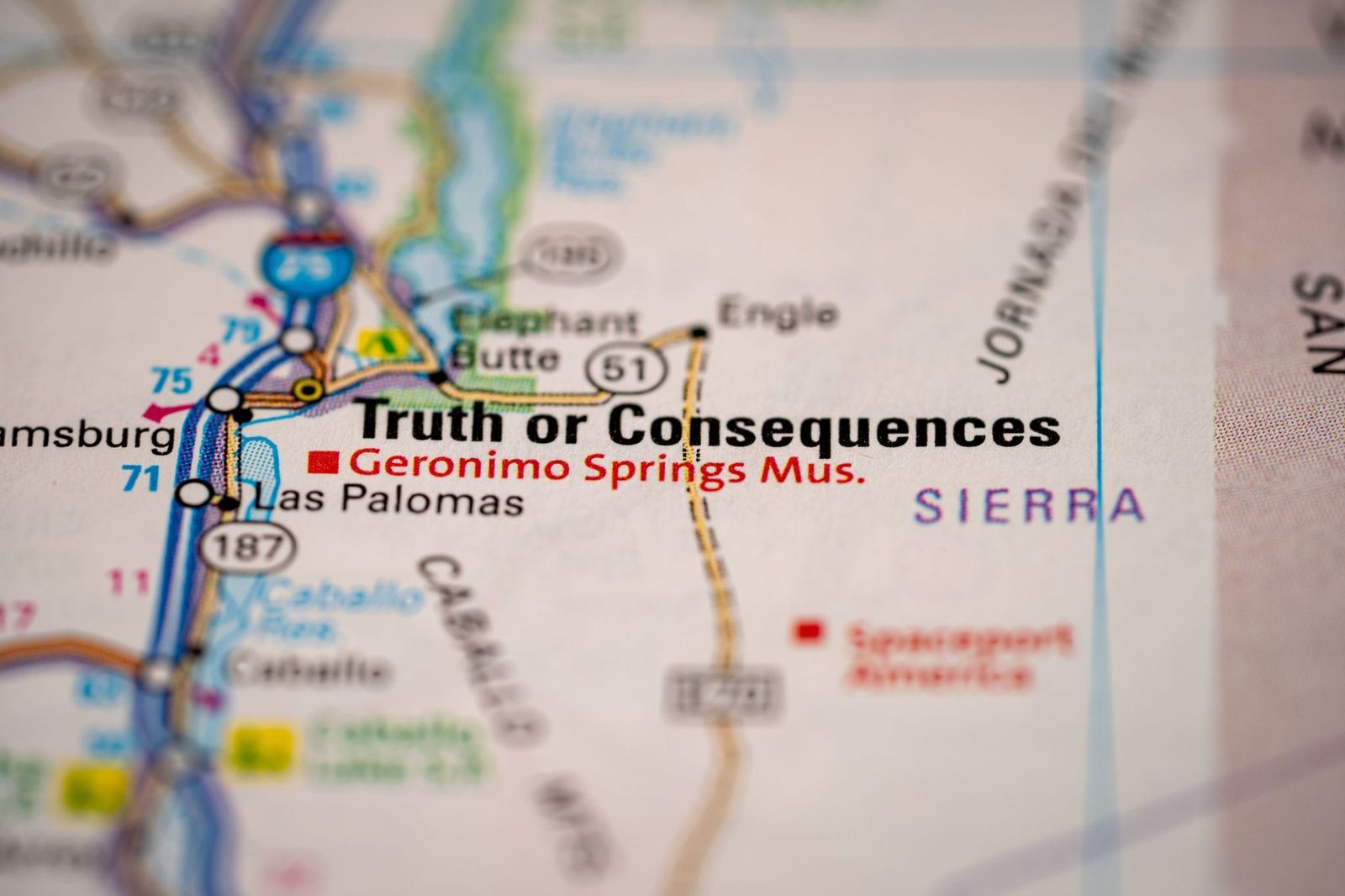

Image: Erman Gunes

America is home to over 19,000 incorporated cities and towns. While many have familiar names, others sound so unusual that they often force credibility. However, behind these atypical names, there are stories rooted in America's past, from the Gold Rush and the westward expansion to local legends that have endured for generations. Let's walk through some of the most peculiar city names out there and discover their surprising origins.

1

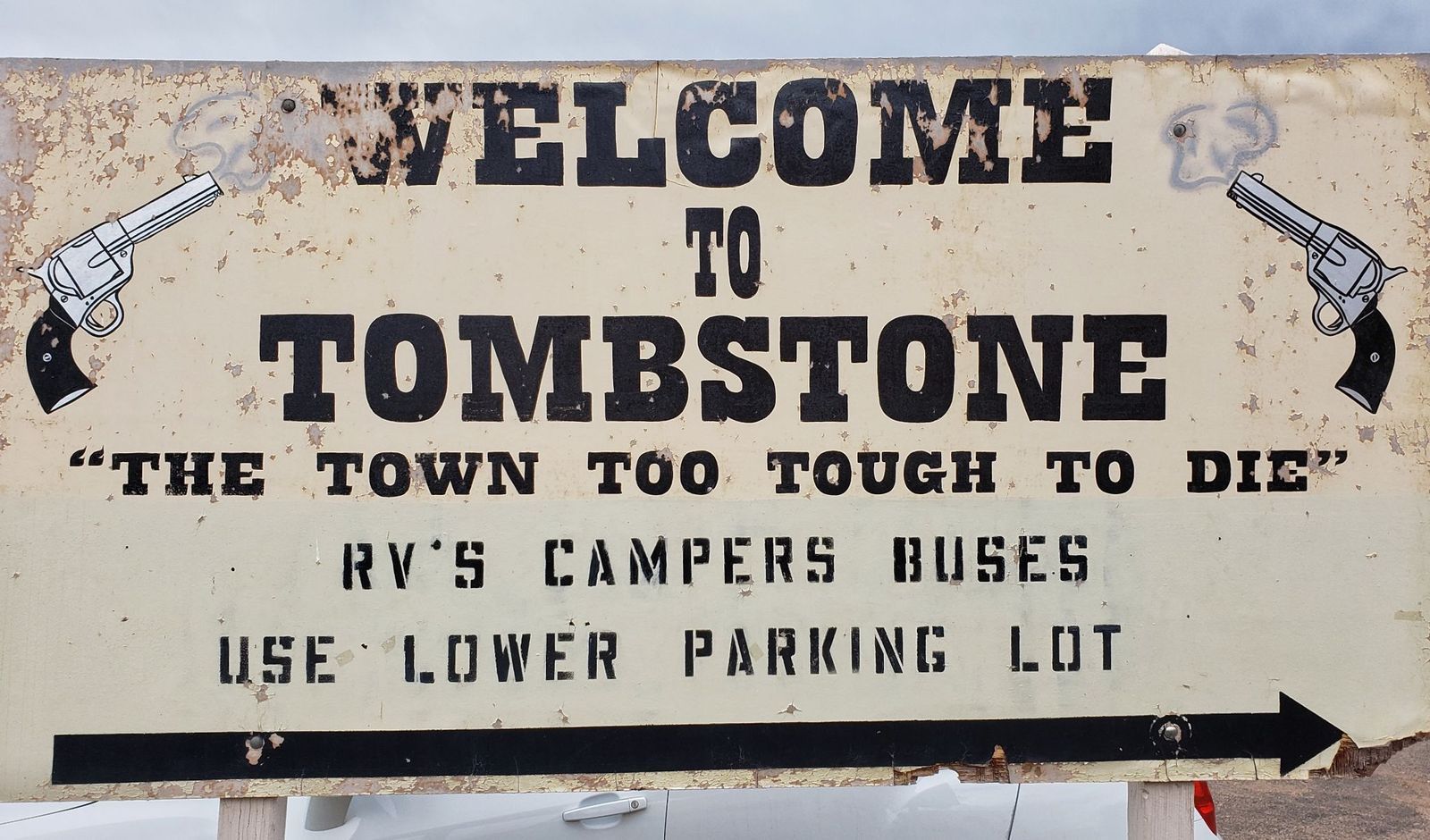
Tombstone, Arizona

Image: 1960s Travis

Founded in 1879 by prospector Ed Schieffelin, Tombstone owes its notoriously bleak name to a sarcastic remark. While searching for silver in southeastern Arizona, Schieffelin was warned by soldiers that the only thing he would find in Apache territory was his own tombstone.

Instead, Schieffelin struck one of the richest silver deposits in the American West. He named his mining claim Tombstone, and the booming town that sprang up around it quickly became one of the frontier's most prosperous communities, best remembered today by Old West figures like Wyatt Earp and Doc Holliday.

2

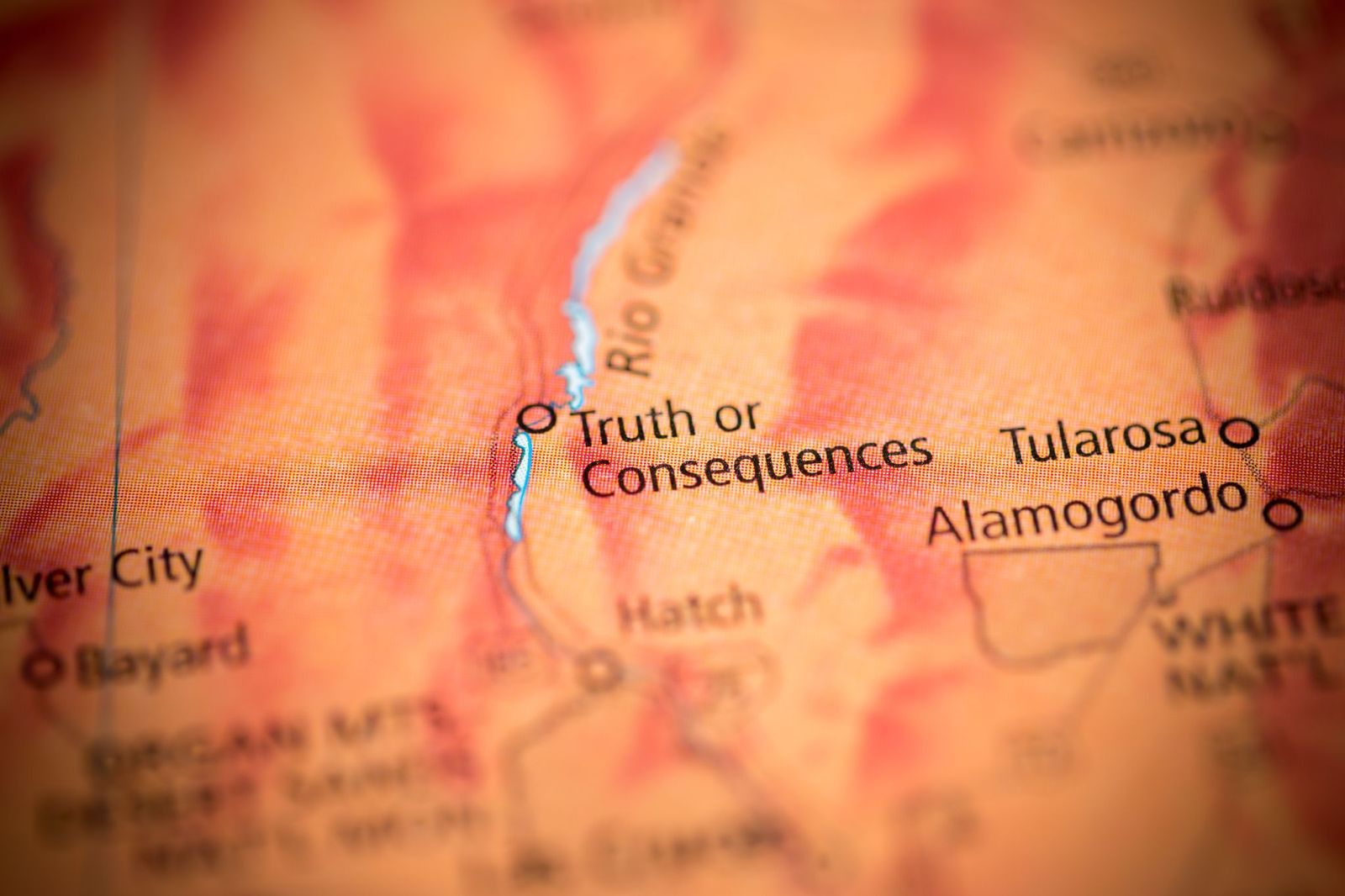
Truth or Consequences, New Mexico

Image: SevenMaps

Originally known as Hot Springs, this community was founded in the late nineteenth century around a series of natural mineral springs that attracted visitors. By the middle of the twentieth century, it had become a well-known spa destination in the Southwest.

Everything changed in 1950, when radio personality Ralph Edwards announced that he would broadcast the anniversary episode of his wildly popular show Truth or Consequences from any town willing to adopt the show's name. In one of the most successful publicity campaigns in American history, the residents of Hot Springs voted in favor of the change, and the town still bears its unusual name more than 70 years later.

3

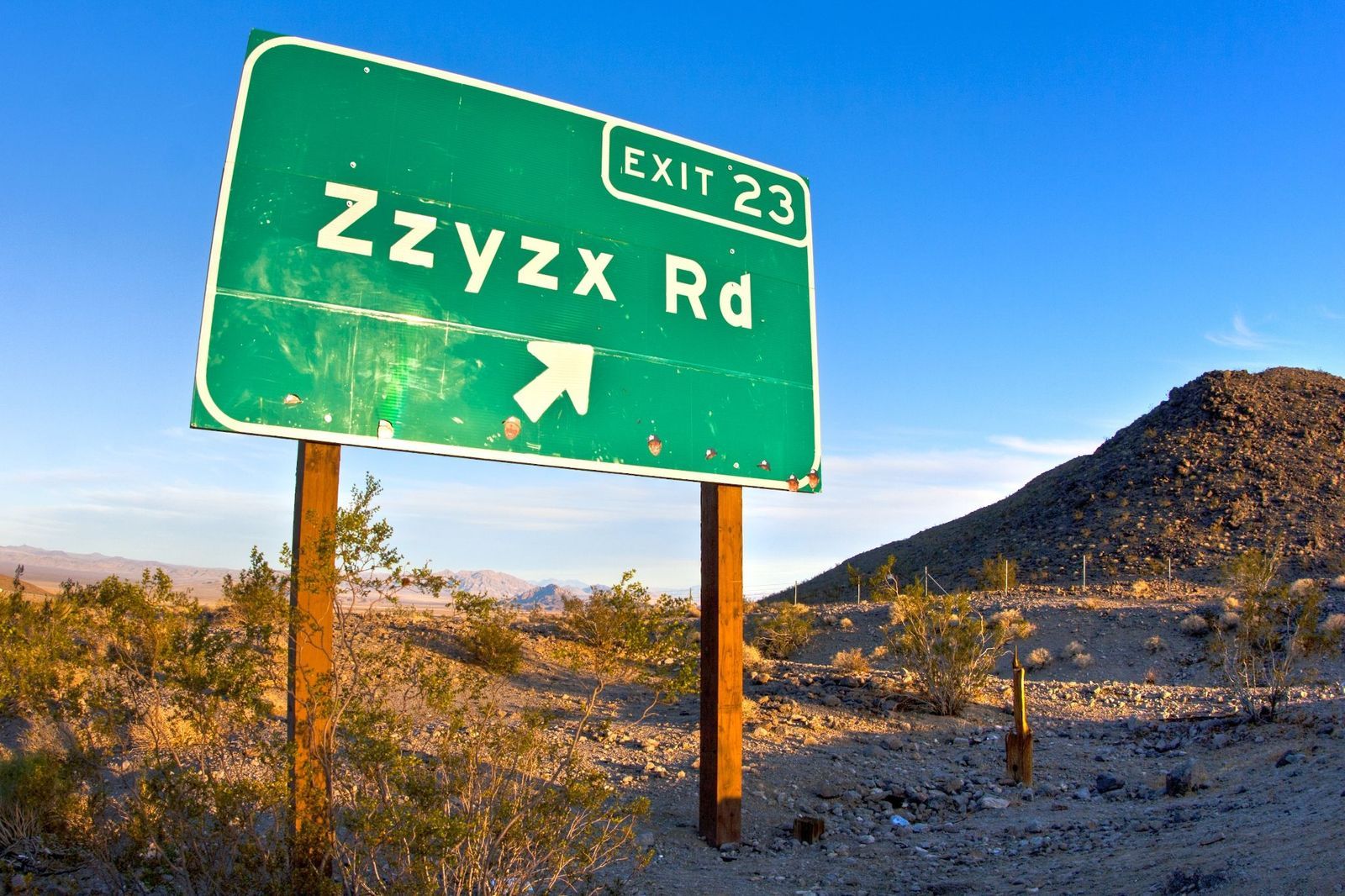
Zzyzx, California

Image: Kevin Key

In 1944, minister and radio evangelist Curtis Howe Springer established a health resort in the Mojave Desert and deliberately named it Zzyzx. Springer claimed that he chose that specific name with the intention of making it the last word of the English dictionary.

Although the resort eventually closed and the federal government reclaimed the land, the name survived: today, Zzyzx is home to a desert studies center operated by California State University, and remains one of the most unusual names in America.

4

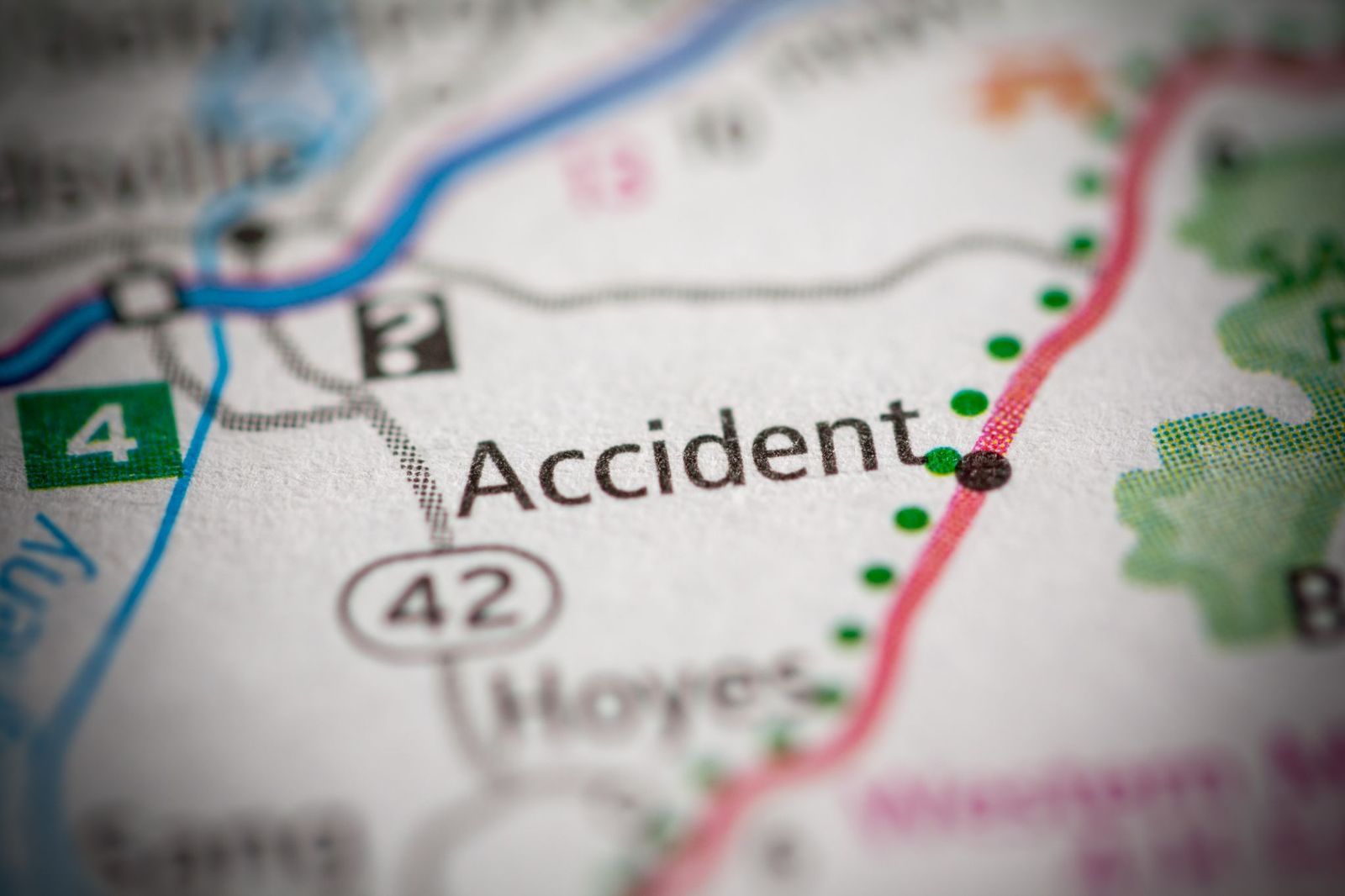
Accident, Maryland

Image: SevenMaps

Founded during the colonial era, Accident traces its origins to a remarkable surveying mistake during the 1750s. Two surveyors, working independently, selected exactly the same 315-acre parcel while mapping western Maryland.

The overlapping claim became known as "The Accident", and when settlers established a community there, the name stuck. More than two centuries later, the town continues to embrace the name and its fortuitous history.

5

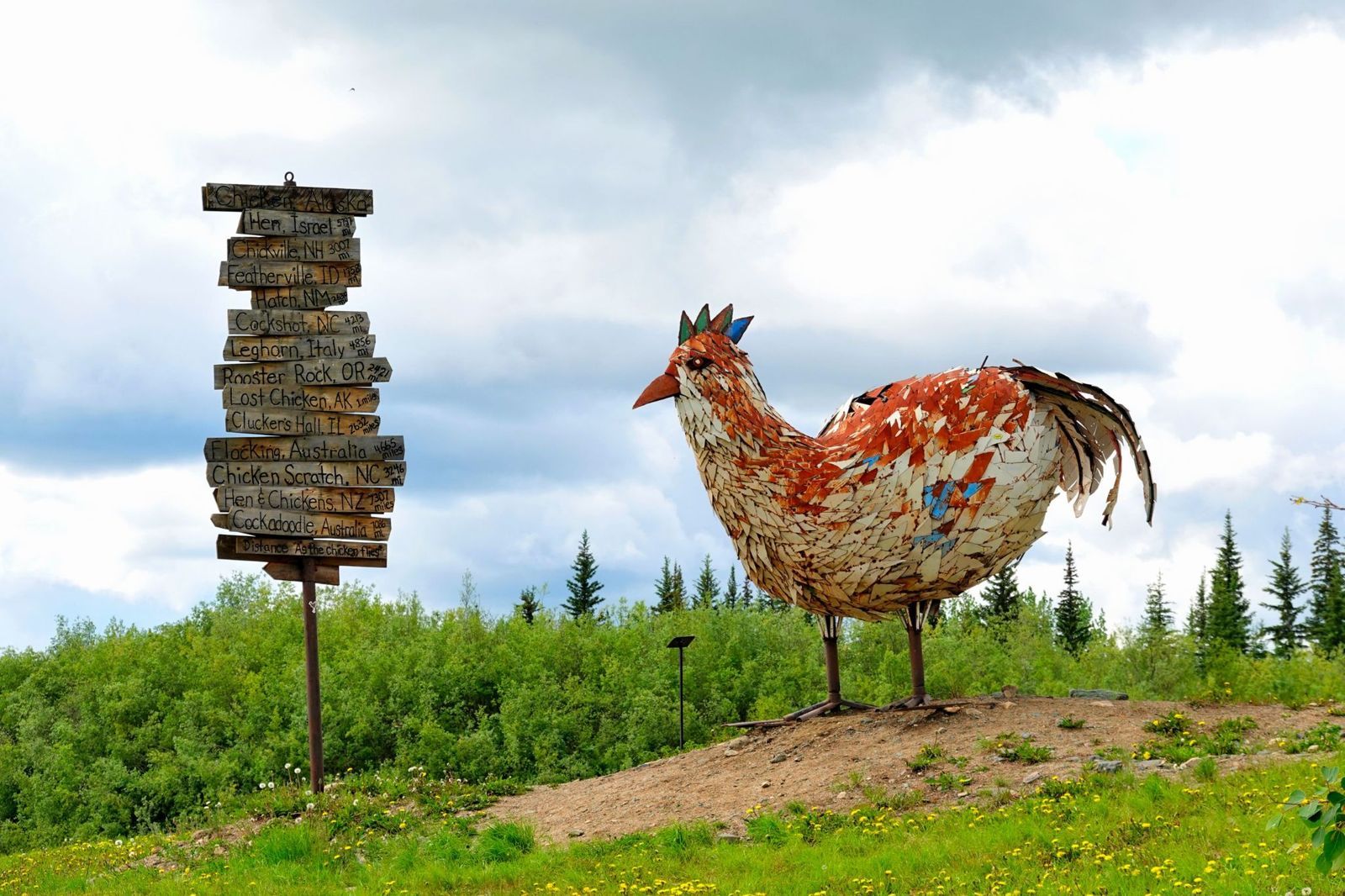
Chicken, Alaska

Image: Robert Sockey

The community of Chicken was established during Alaska's gold rush around 1902. Prospectors frequently hunted the local ptarmigan for food and originally wanted to name the settlement after the bird.

The problem was that few of the miners could agree on how to spell ptarmigan. Rather than risk embarrassment, and because the two species share some similarities, they chose the much simpler name Chicken.

6

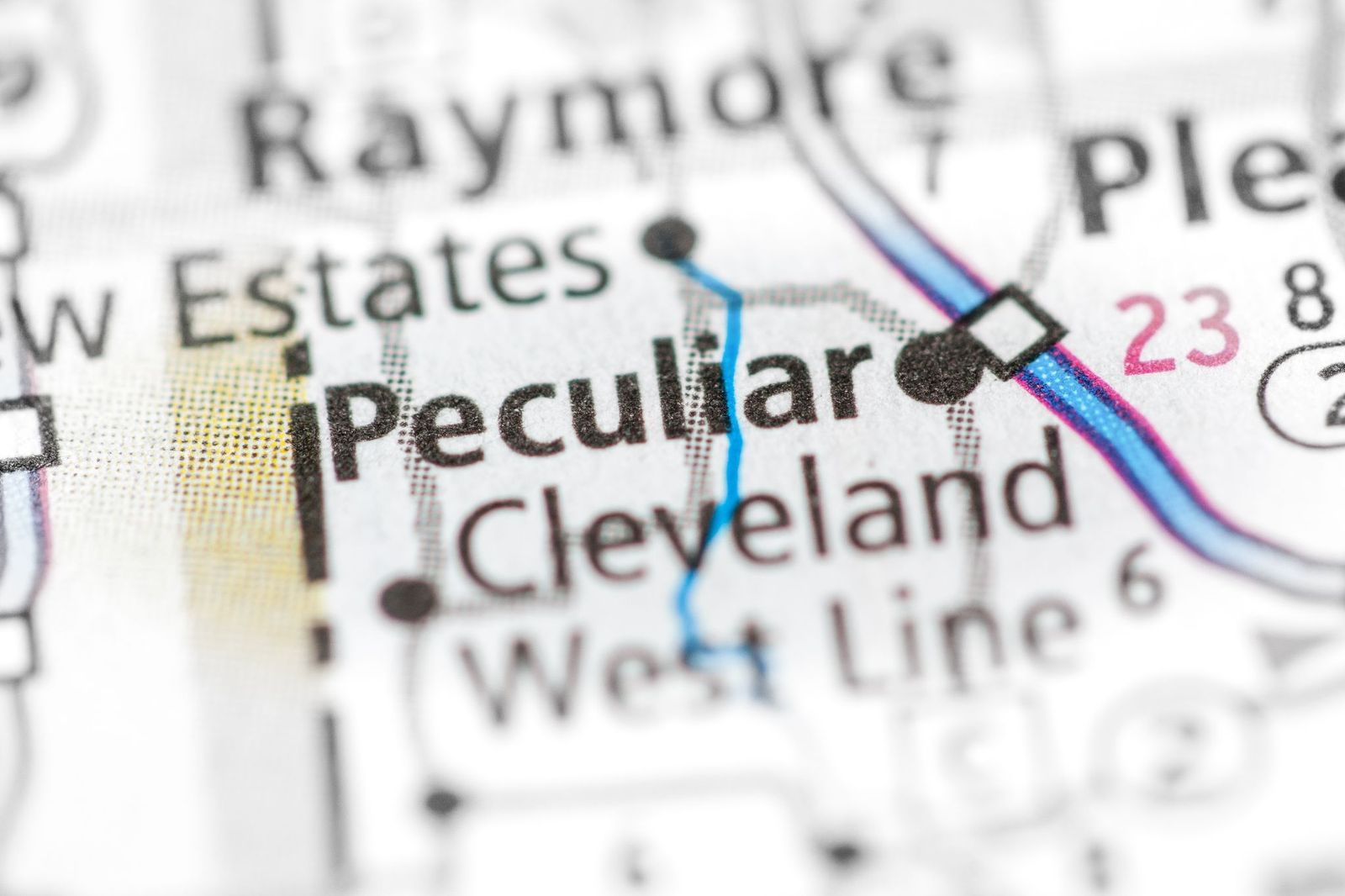
Peculiar, Missouri

Image: SevenMaps

Founded in 1868, as the railroad expanded across western Missouri, the community encountered an unexpected problem when applying for a post office: Every proposed town name had already been claimed elsewhere in the state.

The story goes that the local postmaster, in frustration, wrote to Washington stating that he didn't care what the town was called as long as it was something "peculiar." More than 150 years later, Peculiar still bears the name with pride.

7

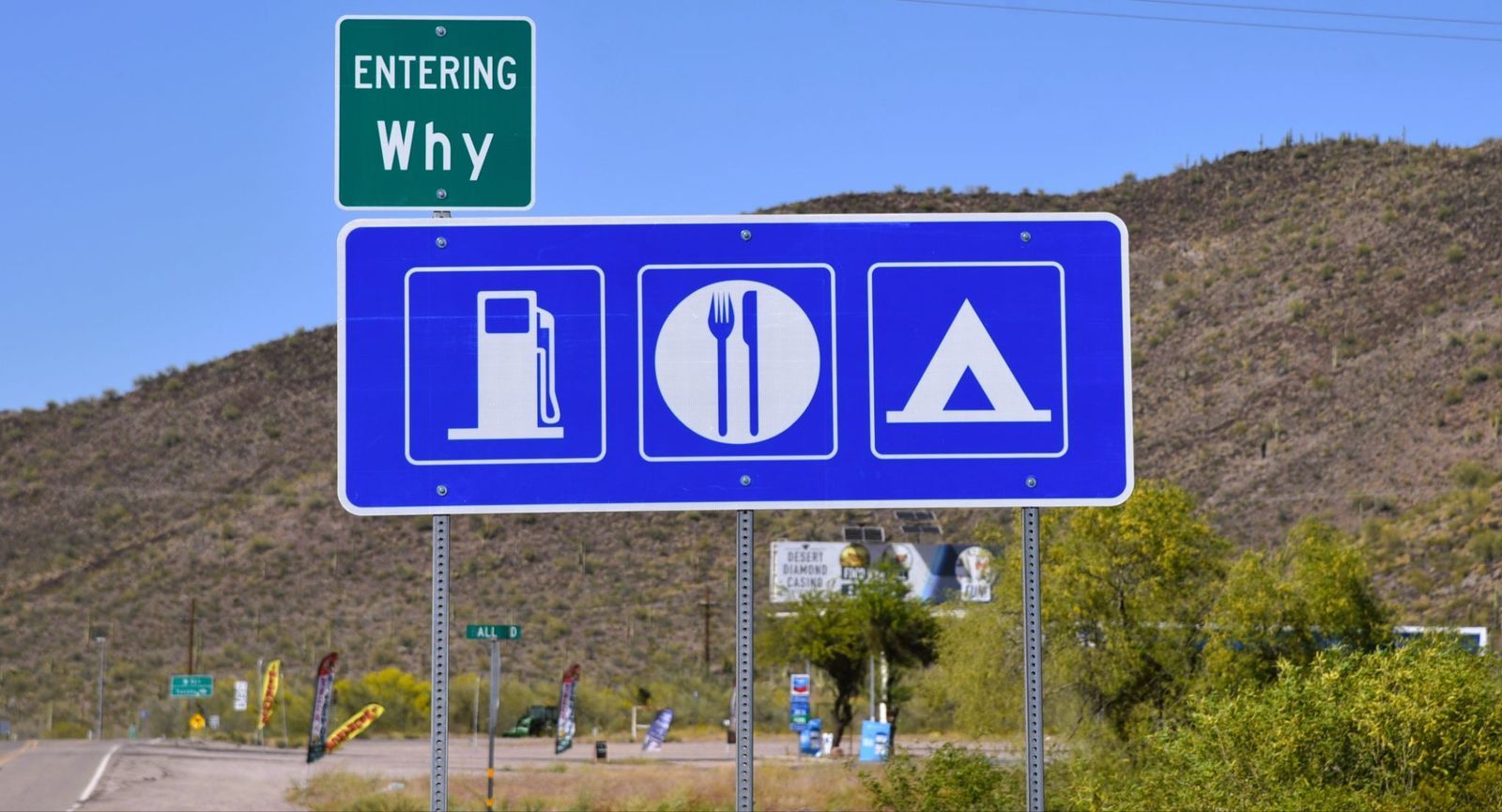
Why, Arizona

Image: Thomas Trompeter

"Why" is a community located in the Sonoran Desert, whose unusual name is the product of an unexpected legal technicality. The settlement developed during the early twentieth century at the point where the State Routes 85 and 86 intersected in the shape of the letter "Y."

The community originally wanted to call itself "Y" in honor of that intersection, but because Arizona law required community names to contain at least three letters, they spelled it out. As a result, even after the intersection has since been redesigned, the town of Why still keeps one of the most curious and memorable names in America.

8

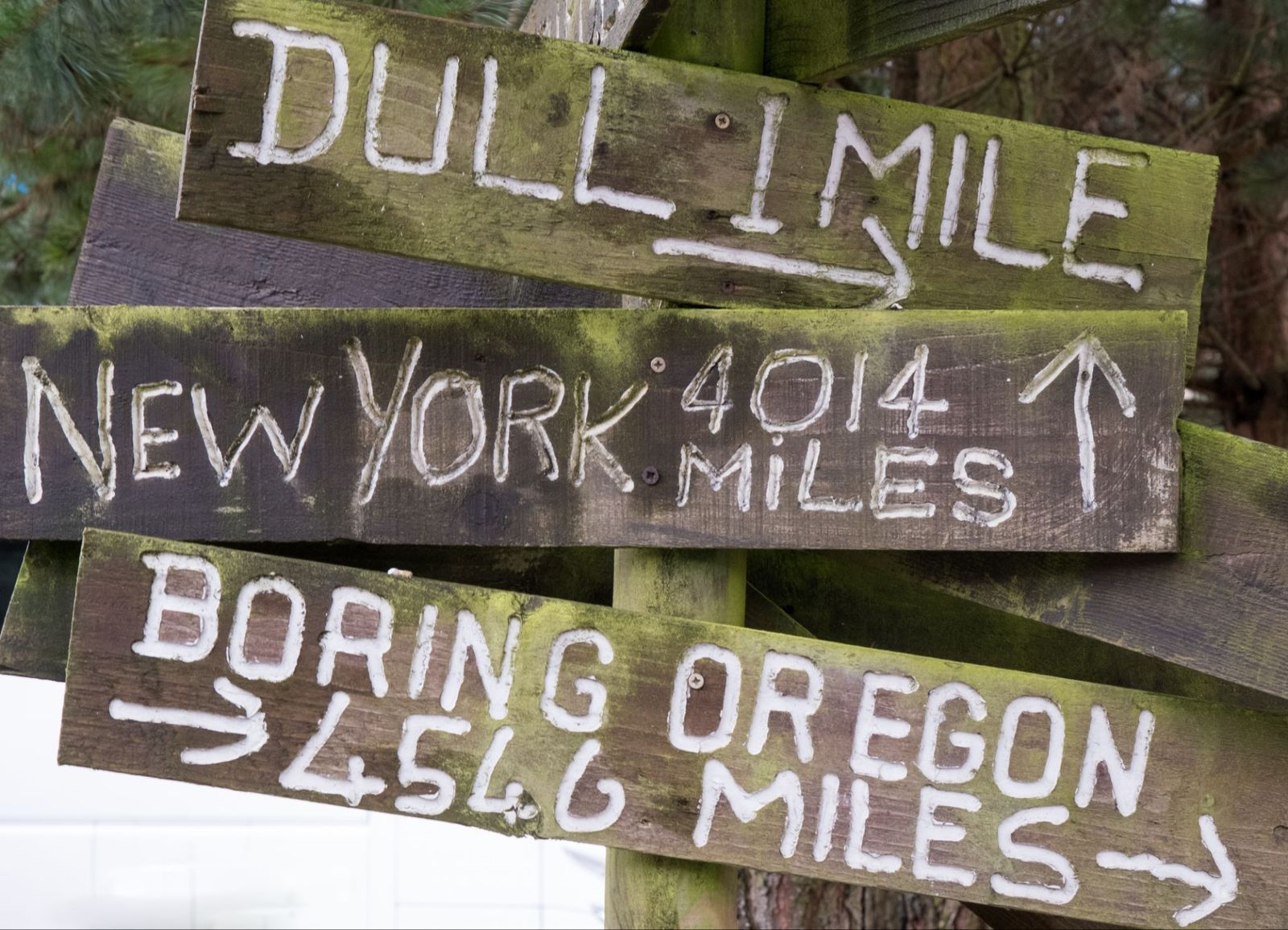
Boring, Oregon

Image: Johann Knox

While the name "Boring" may sound unflattering, its story is a pretty common one. The town is named after William Harrison Boring, a Union Army veteran who moved into the area in the 1870s and became one of its earliest settlers.

Over time, the accidental double meaning of Boring turned it into a tourist curiosity. The community, rather than shy away from the jokes, embraced them, even forming a lighthearted partnership with the village of Dull, Scotland, to celebrate their similarly harsh names.

9

Hell, Michigan

Image: Notorious4life (talk) (Uploads), CC0, via Wikimedia Commons

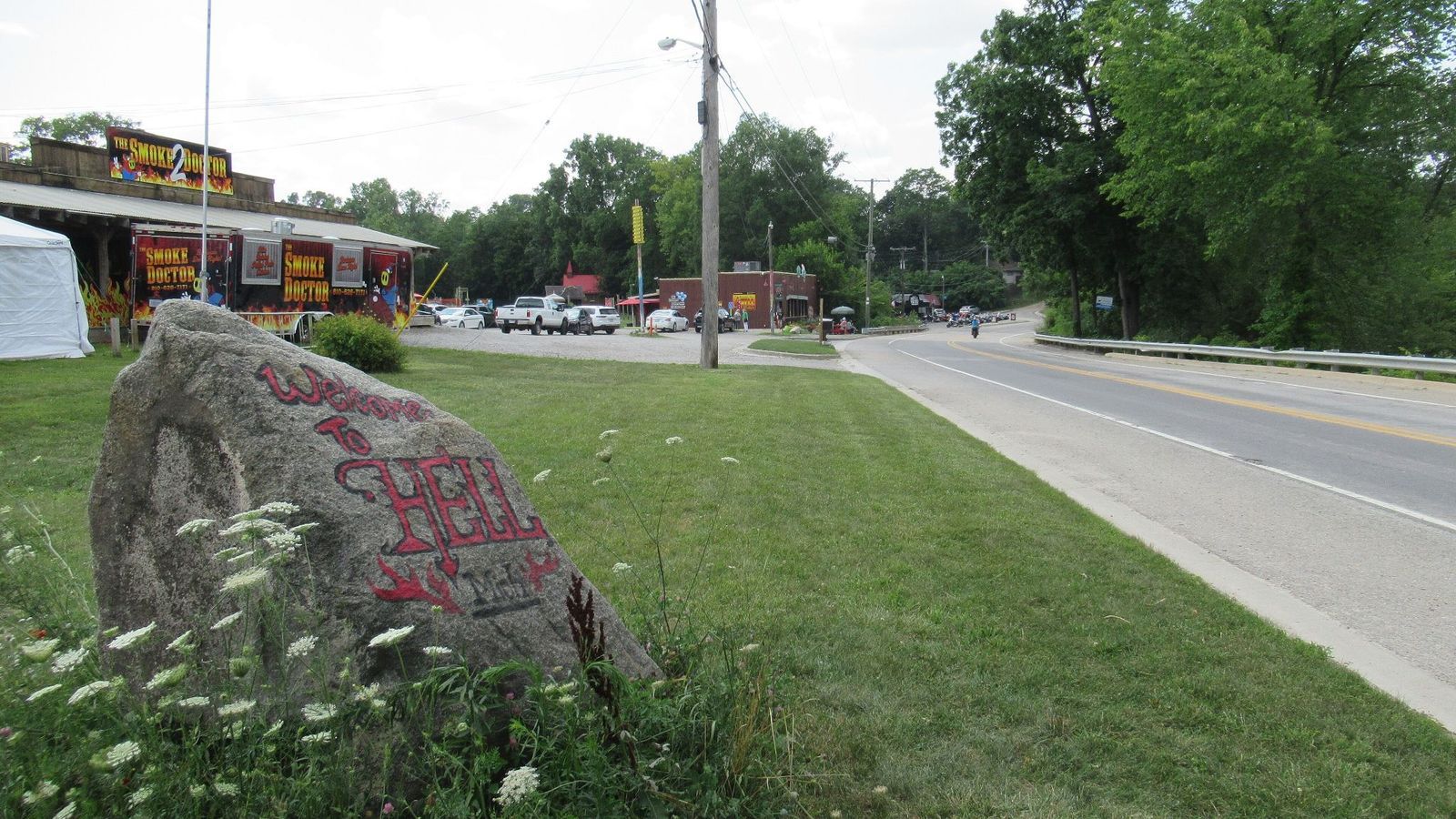
Hell began as a small milling community in southern Michigan during the 1830s, when pioneer George Reeves established it along nearby waterways. The exact origin of its name is shrouded in legend and local folklore.

One of the most popular stories claims that, when Reeves was asked what the settlement should be called, he jokingly replied: "Call it Hell for all I care." On the other hand, some historians believe that the name evolved from early German settlers using the word hell, meaning "bright".

While the true origin of the name may never be known, the town of Hell fully embraced its reputation, welcoming thousands of visitors each year with thematic attractions and souvenirs.

10

Jackpot, Nevada

Image: pswister

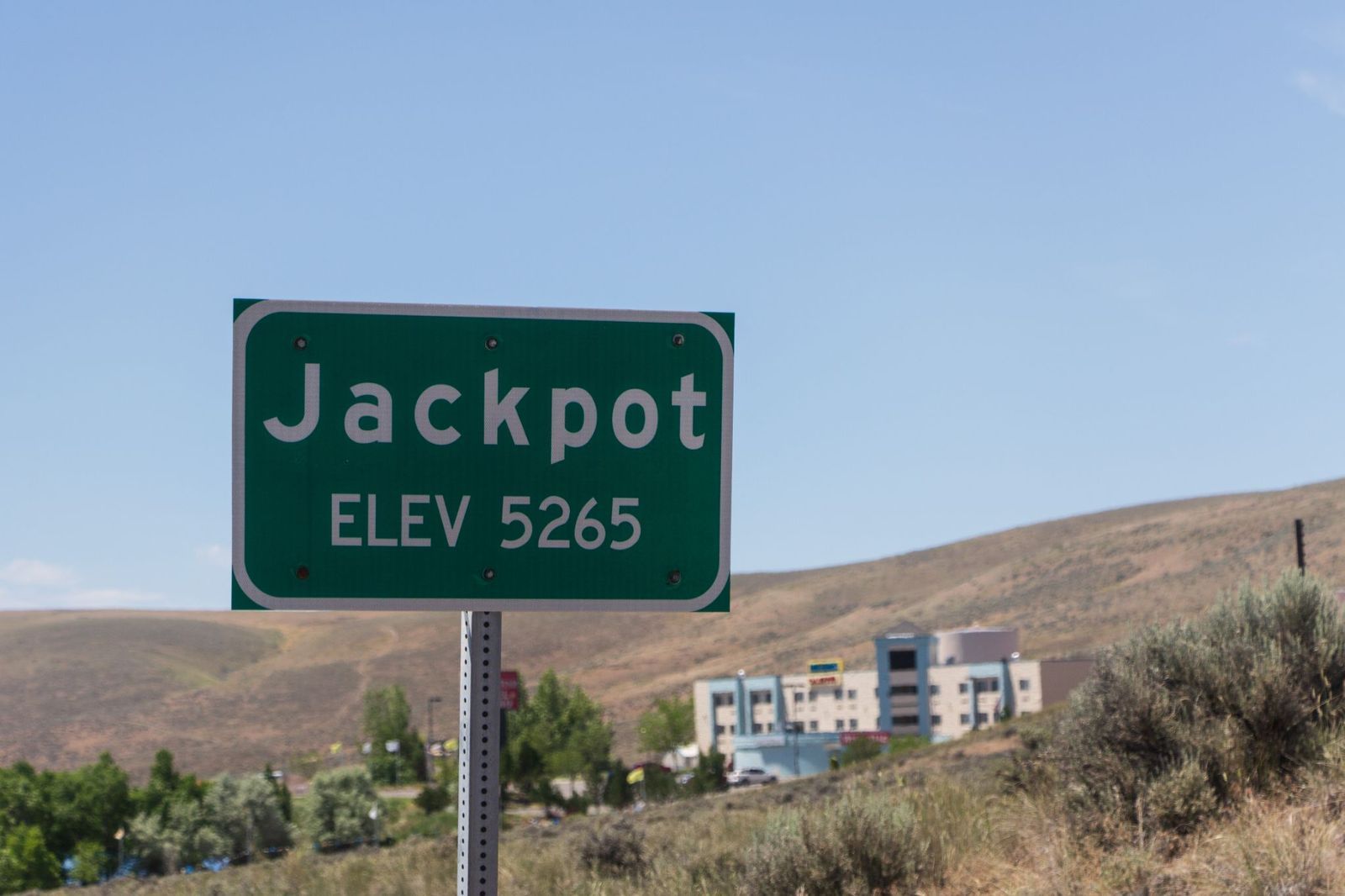
Unlike many Western towns that grew naturally around mines or railroads, Jackpot was created almost overnight in 1954 as a direct result of Idaho banning casino gambling. Entrepreneurs realized they could attract Idaho residents simply by building casinos just across the Nevada border.

The new community was aptly named Jackpot, and it quickly became a thriving destination. Few towns have a name that so perfectly matches the reason they came into existence.


Beat the heat

We wish we'd learned this before: 10 key tips for surviving in the desert


Published on August 11, 2026


Image: Ryan Cheng

Some landscapes are kinder than others. While nature can be harsh no matter where you are, camping in a quiet forest near the city is a very different experience from spending several days in the mountains or the desert. With the lack of water and the abysmal temperature differences between the sweltering day and the cold night, the desert is one of the most dangerous environments for human beings, but this isn't an obstacle for explorers! If you're an adventure fan or curious about survival skills, read on! Today, we're going to share 10 key tips to survive in the unforgiving sands.

1

Tell somebody

Image: N.

The first piece of advice experienced explorers give is this: someone else must know where you went. While it might seem a bit obvious, sharing your plans can be crucial when traveling through hostile or dangerous environments.

If you're interested in exploring the desert, thorough preparation is crucial. Part of that is to let your colleagues or loved ones know where you're going, how many days you think you'll be there, and some more information about the routes you plan to take. This way, in case of any unforeseen event, someone will notice that you spent more days than stipulated, and they'll start looking for you.

2

Keep covered

Image: Marvin Meyer

This is nothing new: the desert is really, really hot. Typically, what most of us tend to do in a warm environment is to take off some clothes to feel lighter. However, that's not recommended; in fact, it's quite the opposite.

While it may be counter-intuitive, it's essential to keep your body covered -from head to toe- from the hot desert sun. Not only is it important to protect your skin from the sun's harmful rays, but clothing also helps to keep your body moist and hydrated. On the other hand, layers of fabric, hats, and sunglasses also protect you from sandstorms and insects.

3

Night is your friend

Image: Sergey Pesterev

Night in the desert can be scary. However, many experts recommend walking at night if you need to travel.

Nighttime temperatures in the desert are low, but exercise and layers of clothing can protect you from the cold. By avoiding the heat of the day, your body retains water and energy.

But nighttime offers even more advantages. The desert sky displays a sea of stars, and knowing the constellations -or having a constellation map- can help you find your way.

4

Stay off the ground

Image: Azzedine Rouichi

Desert sands are punished by the harsh sun during the long hours of the day. During all that time, the ground absorbs the intense heat, turning the surface beneath your feet into a gigantic and dangerous stove. For this reason, many recommend that you should try to stay as far off the ground as possible.

First of all, sitting or lying directly on the ground is a big no! Insulating your feet with good footwear is also essential. Many adventurers cover not only their skin but also their shoes with layers of fabric, adding an extra barrier between themselves and the hot sand.

These actions will help protect you not only from the heat radiating off the ground but also from snakes, spiders, and other creatures that may be lurking at ground level.

5

Keep your mouth closed

Image: Zach Guinta

Okay, maybe the title sounds a bit intense. But actually, it's great advice if you happen to wander in the hot desert.

Keeping your mouth closed, especially if you're walking, is an essential step. But why? Well, besides helping you breathe better, this will keep your lips and tongue from drying out, so you'll be less thirsty. Other important tips include avoiding smoking and resisting the impulse to lick your lips.

On the other hand, it's recommended to eat sparingly. Of course, your body needs food, but conserving it during the initial hours is crucial for when you really need the calories. In addition, eating too much can make you thirsty or cause your body to expend too much energy on digestion.

6

Look for water source

Image: Dulcey Lima

Although it can be difficult to find water in the desert, it's not totally impossible. If you notice your water supply is running low, these tips can help you.

First, if you come across animal tracks leading downhill, this may be a trail to a water source. Desert animals know where to find it!

On the other hand, one of the most recommended ways to find water is to dig a hole. As you dig, you'll feel the sand start to get wet; eureka! Wherever you spot vegetation with large, green leaves, that's the place to dig. Always remember to purify water before drinking!

7

Be prepared to make a fire

Image: Patrick Hendry

Water is not the only thing you'll need. Knowing how to make fire is one of the main skills for survival in almost any environment, and the desert is no exception.

Desert temperatures can drop significantly at night. For that reason, fire will be vital, as it will light you up and keep you warm. Plus, it can help scare off animals and make you visible to helicopters.

While you probably won't need the light and heat of fire during the day, it's an essential tool for boiling and purifying water!

8

Listen to your body

Image: Hassan OUAJBIR

Humans can typically survive up to 3 days without water. So, during your time in the desert, it's important to constantly pay attention to your body, as certain physical signs can alert you to potential dehydration.

The first and most obvious are excessive thirst and dry mouth and lips. In addition, dry or cracked skin could also indicate that you need more water.

Other signs of dehydration can be dark yellow urine, dizziness, fatigue, headaches, muscle cramps, or tachycardia.

9

Don't drink cactus juice

Image: Brianda Maldonado

No matter what the cartoons and movies have told you, never drink cactus juice.

But why? It's simply not safe for your body. We know in harsh desert conditions, any liquid will be highly tempting. However, cactus juice is highly acidic. The acidity can make you feel pretty sick, leading to headaches, stomach cramps, vomiting, and even more serious symptoms that can worsen dehydration, such as kidney issues.

In short, the water or juice of most cacti is toxic to humans, leading to consequences far worse than just thirst.

10

PLB

Image: Azzedine Rouichi

Accidents can happen anywhere, especially when nature surrounds us, and even the most experienced explorers may need help. In such cases, cell phones and other devices used in the city can run out of battery or fail to reach a signal. But if you're an outdoor fan, you're probably familiar with personal locator beacons.

A PLB is a specialized emergency device for those traveling in remote or dangerous areas. Equipped with GPS, a PLB sends an emergency signal with your location to rescue agencies so they can find and help you as soon as possible.

Looking for an extra scoop of literary fun?

Learn more with our Word of the day

format

/ˈfɔrˌmæt/