Forgotten words too funny to lose

10 strange old words with surprisingly funny meanings


Published on October 28, 2026


Image: KinoMasterskaya

Over time, certain words fall out of use, and some can sound kind of funny to us today. Did you know you could say "crapulous" when feeling ill after eating or drinking? Or call someone a "cockalorum" when they’re full of themselves? And these are just the beginning. From nouns to verbs to adjectives, these 10 forgotten old words will make your day.

1

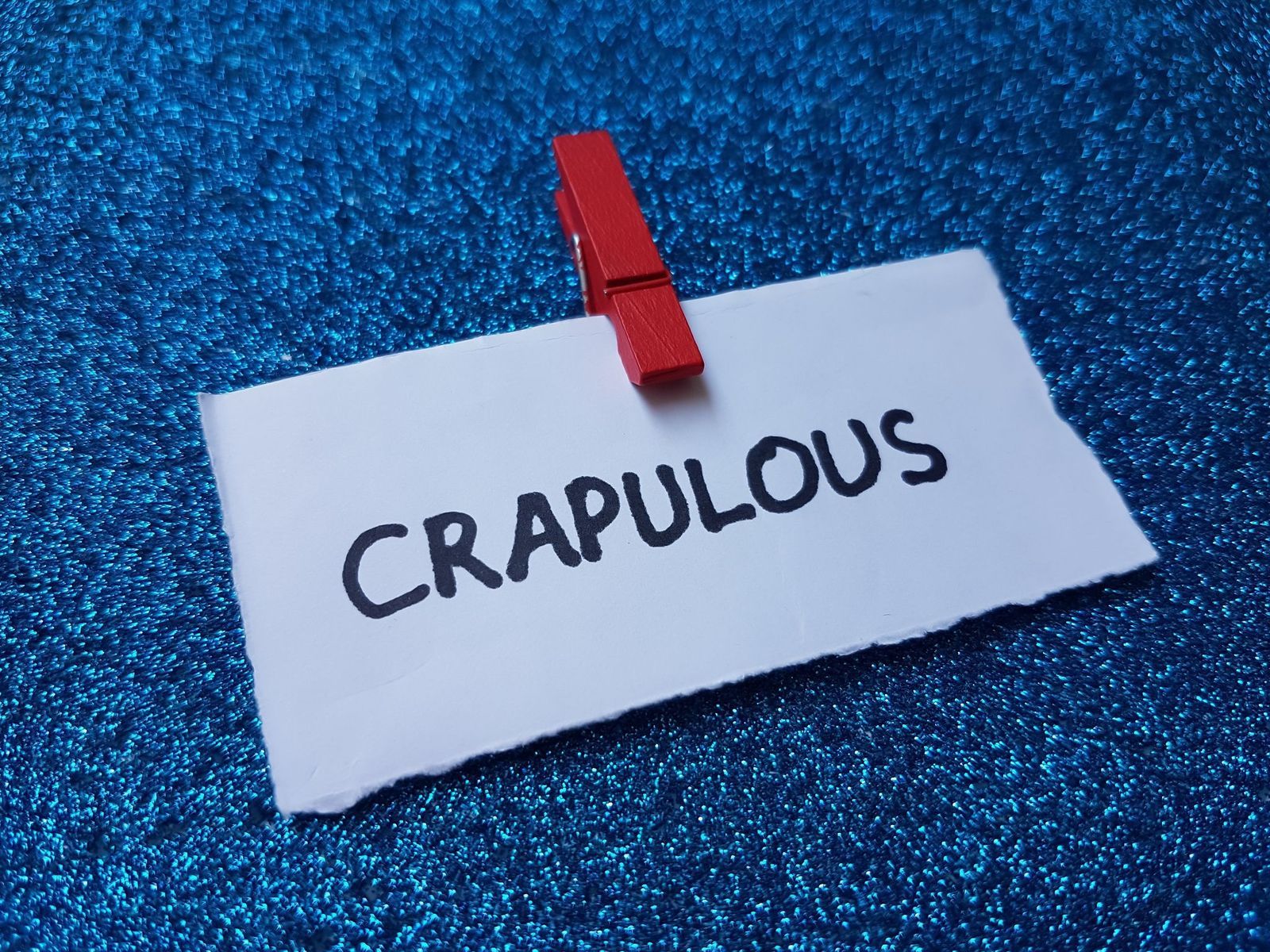
Crapulous

Image: Alicia97

Have you ever eaten so much at Thanksgiving dinner that you could barely move afterward? Well, there’s an old word just for that feeling. "Crapulous" means the sick feeling you get after eating or drinking too much. The word dates back to the 16th century and comes from the Latin crapula, associated with drunkenness and hangover headaches.

Although "crapulous" sounds a bit like "crappy" or "crap," the words aren’t actually related. So now you know: try not to get crapulous at your next party.

2

Cockalorum

Image: MDV Edwards

When someone thinks they’re the smartest person in the room, you call them a cockalorum. This old word first appeared in the early 1700s and is a fitting insult for braggarts and people who think too highly of themselves. But you can also use "cockalorum" to describe bragging itself. The word is believed to come from an old Dutch word that means crowing, like a rooster.

3

Groak

Image: Ganggas Randu

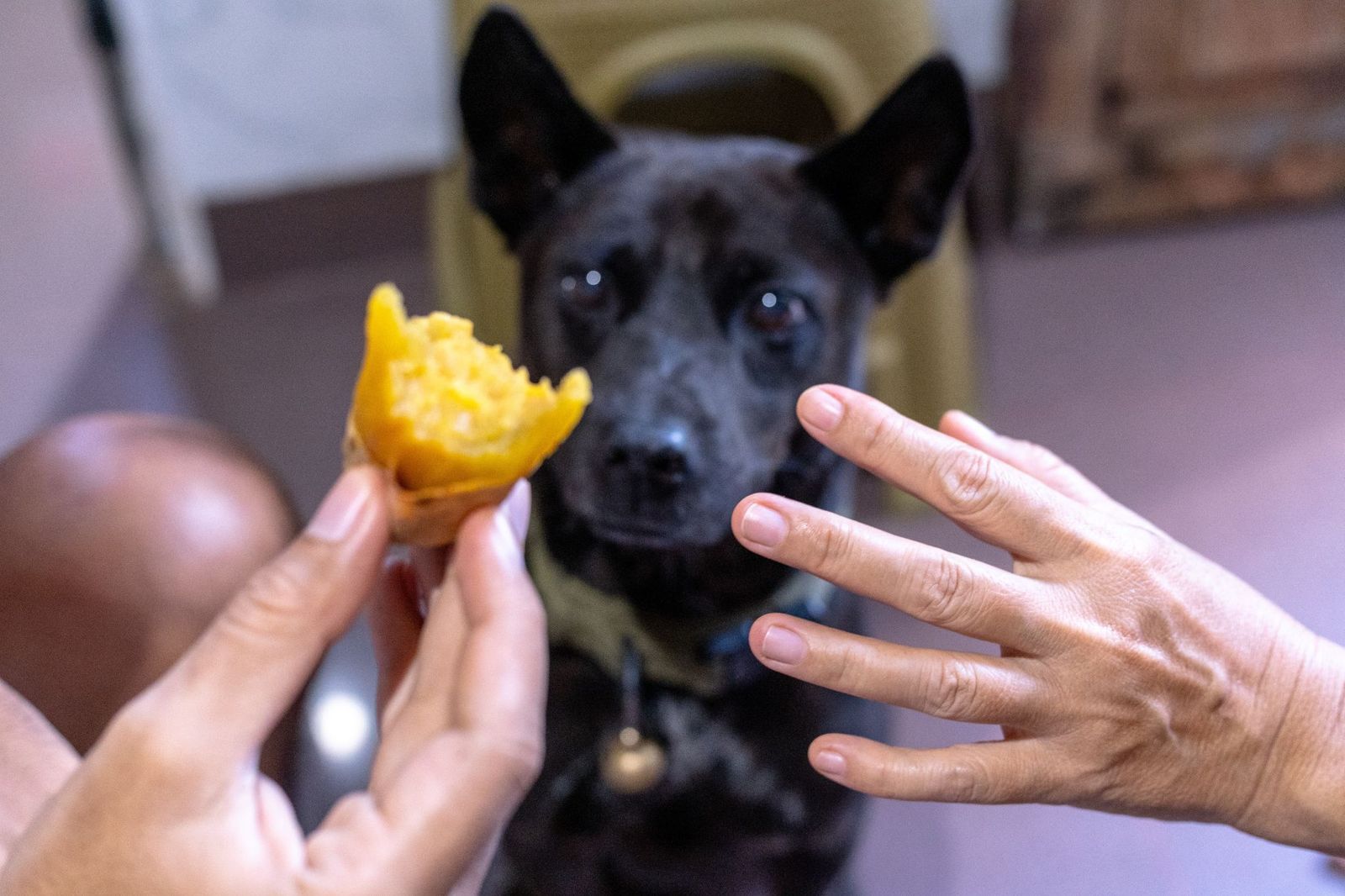
English has plenty of words for looking at something: stare, glance, gaze, and many more. But did you know there’s a word for the way someone looks hungrily at another person hoping they’ll share their food? That word is "groak," and it can describe a hungry child or a dog watching every bite of your sandwich. The word comes from Scots forms such as growk, grouk, and groke, recorded in the 19th century.

4

Curglaff

Image: Michele Ursi

Ever jumped into a swimming pool only to gasp as if you’d just fallen into the Arctic? There’s a Scottish word for that first shock: "curglaff." English has plenty of words for feeling cold, but "curglaff" is for that specific gasp after realizing the water is colder than you expected. The word was recorded in John Jamieson's Etymological Dictionary of the Scottish Language, published in 1808.

5

Slubberdegullion

Image: MDV Edwards

What would you call someone who never cleans up after themselves, dresses like they just rolled out of bed, and seems proud of being a mess? You can use "slubberdegullion." This humorous and archaic word first appears in early 17th-century writing and drama. It's a much fancier way to call someone a "slob."

Slubber is an old verb that means smear or behave carelessly, and the rest seems to be just a fanciful, invented ending—though its full origin isn’t clear. Try saying it out loud, and you will notice it sounds funny.

6

Twattle

Image: MAYA LAB

If you spent an hour chatting about nothing important or discussing other people’s business, you could call it "twattle." The verb was recorded in the 1500s, and is an old-fashioned funny-sounding word for "gossiping." "Twattle-basket" was also an old insult for someone who wouldn’t shut up. "Twattle" is related to "twaddle," which eventually became a more familiar term for foolish talk.

7

Brabble

Image: BearFotos

"Brabble" basically means to quarrel noisily over something unimportant, but it can also be used as a noun for a petty argument. The word can be traced to the 15th century and comes from Middle Dutch brabbelen, which essentially means the same.

Even Shakespeare used this term in Titus Andronicus, where he wrote: "This petty brabble will undo us all." Think of family members arguing over the TV remote or a board game. That’s the kind of petty fight you could call a "brabble."

8

Elflock

Image: Volodymyr TVERDOKHLIB

Did you know that centuries ago, you could blame the elves for your messy bedhead? Yes, an "elflock" is a clump of hair believed to have been knotted by elves while someone slept, but it could also refer to tangled hair without the supernatural explanation. The word first appeared in the 1500s, and it combines "elf" + "lock." In Shakespeare’s Romeo and Juliet, Mercutio uses the term to describe how the fairy Queen Mab tangles people's hair at night.

9

Resistentialism

Image: shisu_ka

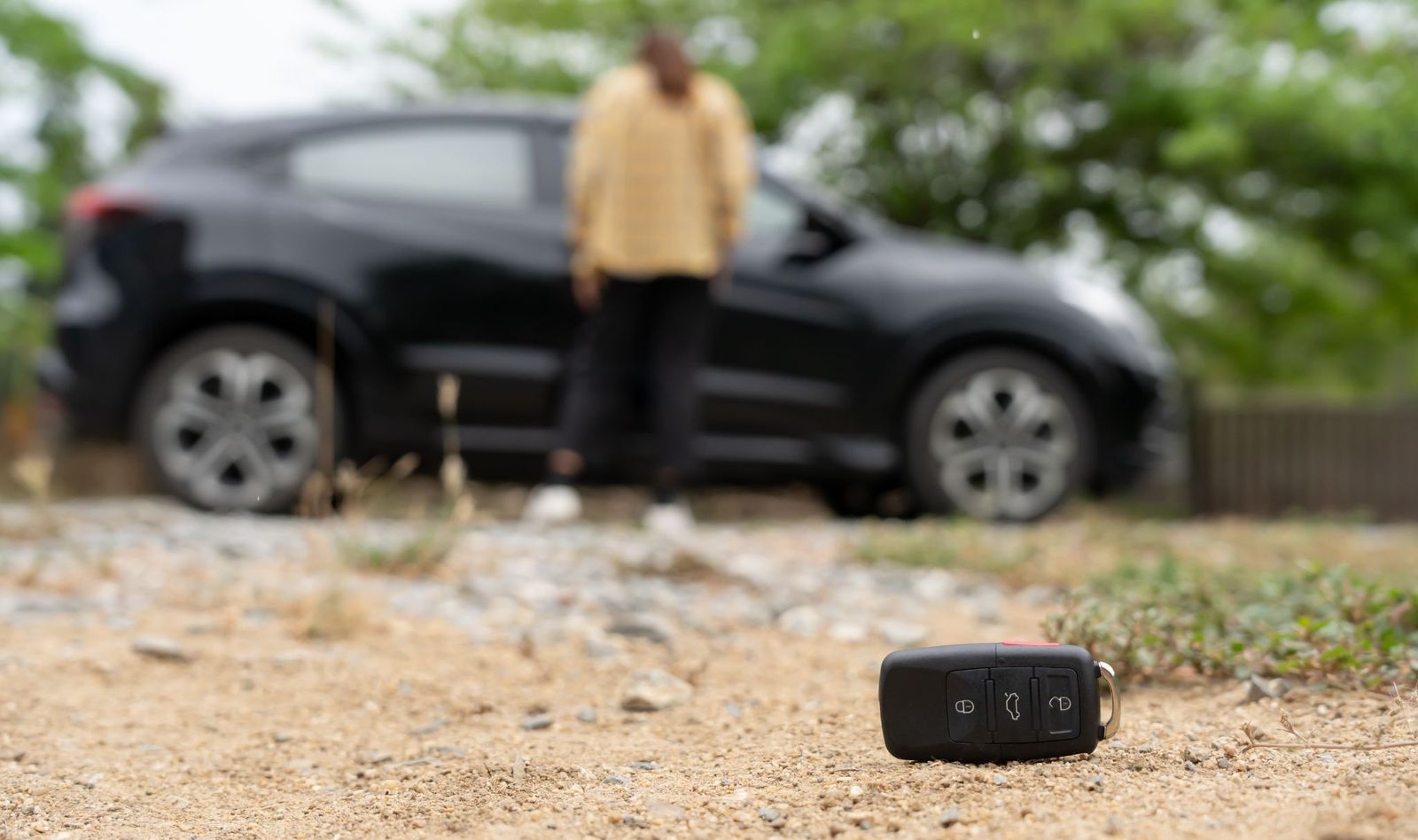
Ever watched your computer freeze the moment you need it? Or lost your keys just as you were leaving and felt that your belongings were somehow conspiring against you? Believe it or not, there’s a word for that too: "resistentialism."

The term was first introduced by British humorist Paul Jennings in an essay called "Report on Resistentialism," published in The Spectator in 1948. The piece pretended to be a serious theory about the hostile intentions of ordinary things and the feeling that objects have developed a personal grudge against you.

10

Apricity

Image: Katerina Kodyakova

Picture a cold winter morning when you sit outside to feel the warm sunlight on your face, even though the air around you is chilly. "Apricity" is an old word for that feeling. The word comes from apricus, which means sunny or exposed to the sun. It dates back to the 1600s, when lexicographer Henry Cockeram included it in his dictionary.

Apricity never really caught on in everyday conversation, and it eventually fell out of use. But it's a lovely word that describes a simple pleasure.


Remember these?

Get nostalgic with these 10 vintage tech items that once ruled


Published on October 28, 2026


Image: henry perks

From cell phones and laptops to electronic payments and smart TVs, technology is a constant in our daily lives, no matter where we go. But things were different a couple of decades ago. Remember when TVs were huge boxes or when landline phones were the norm? If you want to take a trip back in time to remember these vintage tech items and many others, this article is for you!

1

Landline telephone

Image: Quino Al

If someone asked you to mime taking an imaginary phone call, you'd probably lower the three middle fingers of your hand, leaving just your thumb and pinky extended, and hold that "phone" up to your ear. Are we right?

If so, it means that -just like us- you're still honoring the legacy of the true king of 20th-century communication: the landline telephone. Whether push-button or rotary dial, the home phone was indispensable in those days.

Of course, they're still around, but we have to admit that their reign has been overtaken and surpassed by cell phones.

2

Ball mouse

Image: Ryan Putra

While many modern personal computers come with touchpads, the fact is that many of us still prefer using a separate handheld mouse. Today, most mice are optical or laser-based, but they have an iconic predecessor.

Although it wasn't the first computer mouse, the ball mouse -also known as the mechanical mouse- is well remembered. We are talking about that mouse that had a little ball inside, which rotated on the surface of the table or desk to make the cursor move on the screen.

Many of us have memories of disassembling our mice to remove the ball and clean it manually. Do you remember doing that?

3

VHS

Image: Stephen Holdaway

Most of us have a TV in the living room today, and it wasn't much different in the '70s. In those years, if you had a TV, you probably also had a VHS player (and maybe you're one of the lucky ones who still has one.)

Though it's a far cry from Netflix, the iconic Video Home System came into our lives to make everything more exciting and fun; everyone wanted one! And, honestly, it was no wonder: recording shows and watching movies anytime you wanted, all from the comfort of your home, was a whole new world of entertainment.

4

Floppy disk

Image: s j

If you're reading this, you've probably held a floppy disk in your hands at least once. Also called "diskettes" -or "floppies," if you were really cool- these little squares were the trendy way to store data back in the '70s. And not only that, they were also one of the first portable storage devices, making them a sensation at the time!

While they are considered vintage items today, their legacy lives on. The iconic floppy disk image is still widely used as the icon for the "save" functions on many of the modern devices we use every day.

5

Polaroid camera

Image: eniko kis

While your cell phone camera might be hard to beat in terms of definition and quality, there's still something special about holding a physical photo in your hands, right?

And when it comes to physical photos, the iconic Polaroid camera is hard to forget. Not only is it a treasure in terms of design, but it's also older than you might think. In fact, the first model, the Polaroid Model 95, was launched in 1948! The Polaroid Model 95 was the first commercially successful instant camera, which allowed people to get a photo just minutes after taking it without the need to go to a photo processing center. Imagine such a change!

Although it suffered a decline during the rise of the digital era, its popularity resurfaced in recent years with much more modern designs, features, and functions.

6

Atari 2600

Image: Senad Palic

If gaming is your thing, you were probably expecting the iconic Atari 2600 to appear on this list.

One of the first and most iconic video game consoles, the Atari 2600 emerged in 1977, bringing our favorite games into our living rooms. Classics like "Pong," "Space Invaders," and "Pac-Man" were just a few of the memorable games you could enjoy.

Although discontinued in 1992, the Atari 2600 played an important role in the development of other popular consoles and was a pioneer in the world of home entertainment. If you were one of the lucky ones who owned one, you probably remember it fondly!

7

Walkman

Image: Florian Schmetz

The Walkman is undoubtedly one of the devices that came to change everything.

Launched by Sony in 1979, the Walkman was one of the first portable music players. Suddenly, people could enjoy their favorite music anytime, anywhere, whether shopping, running, or taking a walk. It was barely bigger than a cassette and came with a pair of innovative headphones.

Everything about it was cool: design, size, and functions. Even today, it's one of the best-remembered vintage tech items. Did you and your friends have Walkmans?

8

Box TV

Image: Jason Leung

A few decades ago, TV tables were placed much further from the wall. It wasn't a matter of trend; it was because there was no other option.

From the mid-20th century until the early 21st century, TVs and many computer monitors used CRT technology. Box TVs were the norm back then, but bringing one home could be a challenge, especially because of their weight!

By the late 1990s and early 2000s, box TVs were replaced by flat screens and LCD TVs, but no one can deny that the classic TV provided us with decades of fun and entertainment.

9

Beeper

Image: Ant Rozetsky

Nowadays, it’s pretty uncommon to meet someone without a cell phone. We use them for almost everything, carrying them everywhere. But before cell phones, there were beepers.

The beeper -as it was called because of the sound it made- was formally known as a Pager and was the first commercially successful mobile device for sending and receiving text messages. While this might not seem surprising today, it was unbelievable at the time.

Early versions of devices similar to the beeper existed already in the 1950s, but it was during the 1980s that they gained popularity, becoming tech icons.

10

Car phone

Image: Dominik Lange

Next up is a tech item that might not have been as popular as some of the others on our list. Before cell phones, there was a groundbreaking way to make calls on the go: car phones.

Although they were often seen as luxury items, many people ended up having them installed in their vehicles. And that installation was far from easy. Car phones were large and heavy and required a power source and an external antenna for signal reception.

Maybe their time in the spotlight was brief, but we can't deny that they were an important step toward modern mobile telecommunications.

Looking for an extra scoop of literary fun?

Learn more with our Word of the day

diligent

/ˈdɪlədʒənt/