10 words and expressions shaping how we speak in the 2020s


Published on November 5, 2026

Image: Igor Link

Language evolves rapidly as digital culture and new lifestyle priorities shape how we communicate. Words that started as niche social media slang or internet subculture terms quickly enter everyday speech. Understanding these terms helps you stay connected to modern culture and young at heart. Here are 10 essential words and expressions defining how people talk in the 2020s.

1

Doomscrolling

Image: daniiD

Doomscrolling, a very current activity no matter your age, is the habit of continuously scrolling through negative news stories, depressing social media posts, or troubling headlines on your phone, even when it causes stress or anxiety.

While the term began gaining traction during continuous global news cycles, "doomscrolling" is now a recognized behavioral concept. It describes the mental loop where people feel compelled to consume bad news despite knowing it harms their mood.

2

Aura farming

Image: KinoMasterskaya

If you perform an action, wear a specific outfit, or handle a situation in a way that makes you appear effortlessly cool, calm, or charismatic, you are "farming aura".

Borrowed from video games (where "aura" represents a character’s passive energy or power), "aura farming" means earning social points in real life. Handling a difficult situation with humor or showing unexpected confidence are classic examples of farming aura.

3

Bed rotting

Image: AnnaStills

Spending an entire day (or weekend) lying in bed while watching movies, eating snacks, scrolling through social media, and completely resting is nowadays called "bed rotting".

Despite its unappealing name, "bed rotting" emerged on social media as a rejection of hustle culture and constant productivity. It represents guilt-free rest and giving yourself permission to recharge physically and mentally without feeling obligated to accomplish tasks.

4

Canon event

Image: fizkes

A "canon event" is an unavoidable, difficult, or awkward life experience that serves as a defining character-building moment for a person.

The term was originally popularized by the animated movie Spider-Man: Across the Spider-Verse. Eventually, a "canon event" came to refer to inevitable milestones, like getting a bad haircut, failing a driving test, or going through a first breakup, that build resilience and maturity.

5

Serve/serving

Image: New Africa

People "serve" when they present themselves with exceptional style, confidence, or flair. It means delivering an outstanding appearance ("serving looks") or performance.

The expression was first used in Ballroom culture in the late 20th century. Yet, "serve" went mainstream recently through pop culture and social media, highlighting effortless presentation and high confidence.

6

Situationship

Image: PerfectWave

You are in a situationship when you make a romantic arrangement that is more than a casual friendship but less than a formal relationship, lacking clear labels, boundaries, or long-term commitments.

As dating norms shift toward flexibility nowadays, "situationship" describes the gray area where two people spend time together, go on dates, and share intimacy without officially defining what they are to each other.

7

Based

Image: Jacob Lund

"Based" is a term of praise used when someone expresses an opinion honestly and confidently, regardless of whether it’s popular or controversial.

Originally coined in hip-hop culture by rapper Lil B ("The BasedGod"), "based" means staying true to yourself. If someone speaks their mind without worrying about public opinion or political correctness, people call them "based".

8

Rich in life

Image: Olezzo

"Rich in life" stems from a lifestyle philosophy that measures success by personal happiness, health, meaningful relationships, and peace of mind rather than monetary wealth or luxury goods.

Reflecting a broader cultural shift toward work-life balance, "rich in life" emphasizes spending time outdoors, pursuing hobbies, and enjoying simple pleasures instead of working exhausting hours solely for income or prestige.

9

Monk mode

Image: New Africa

You enter "monk mode" if you spend a period of time in strict self-discipline, temporary isolation, and deep focus on a single personal or professional goal.

Popularized by entrepreneurs, students, and athletes, entering "monk mode" involves removing distractions like alcohol, social media, and unnecessary socializing. It focuses entirely on productivity, skill development, or health goals.

10

Finfluencer

Image: Wasana Kunpol

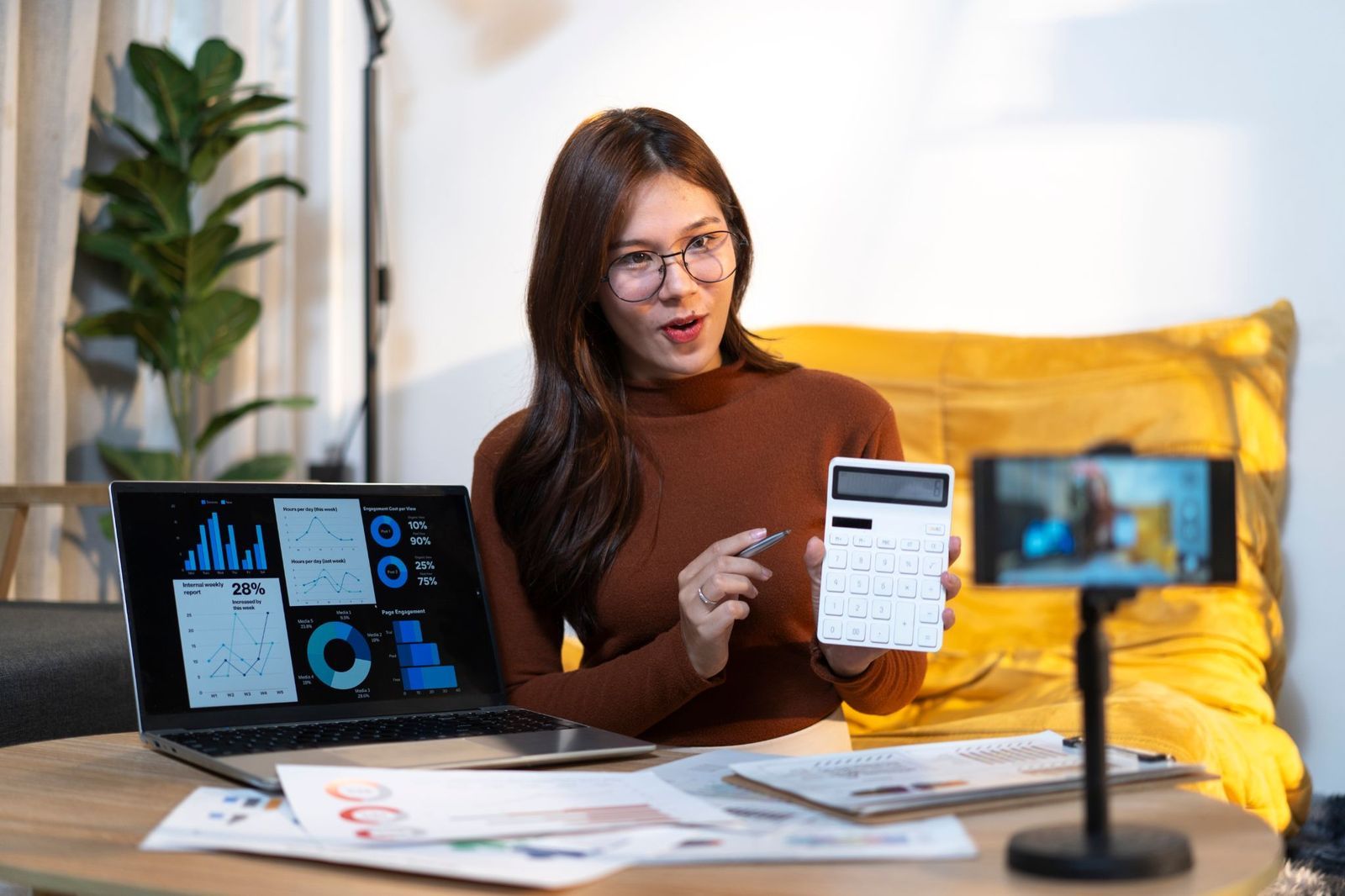
As the name indicates, a finfluencer is a blend of "financial" and "influencer". In short, it refers to a social media creator who produces content focused on investing, budgeting, real estate, cryptocurrency, or money management.

Millions of people now skip traditional financial advisors and turn to short-form videos for financial counsel. But beware: although many influencers offer helpful tips on saving money, financial experts urge viewers to check qualifications before making investment decisions.
Clever illusions

What casinos, supermarkets, and subways don’t want you to know


Published on November 5, 2026


Image: Bret Kavanaugh

Ever had the feeling that something about everyday life was just a little off? That’s because in many cases, it is. From grocery store layouts to casino carpets, clever minds are shaping what we see, smell, and even how we move without us realizing it. Let’s pull back the curtain and peek at the hidden tricks tucked into the ordinary places we all know.

1

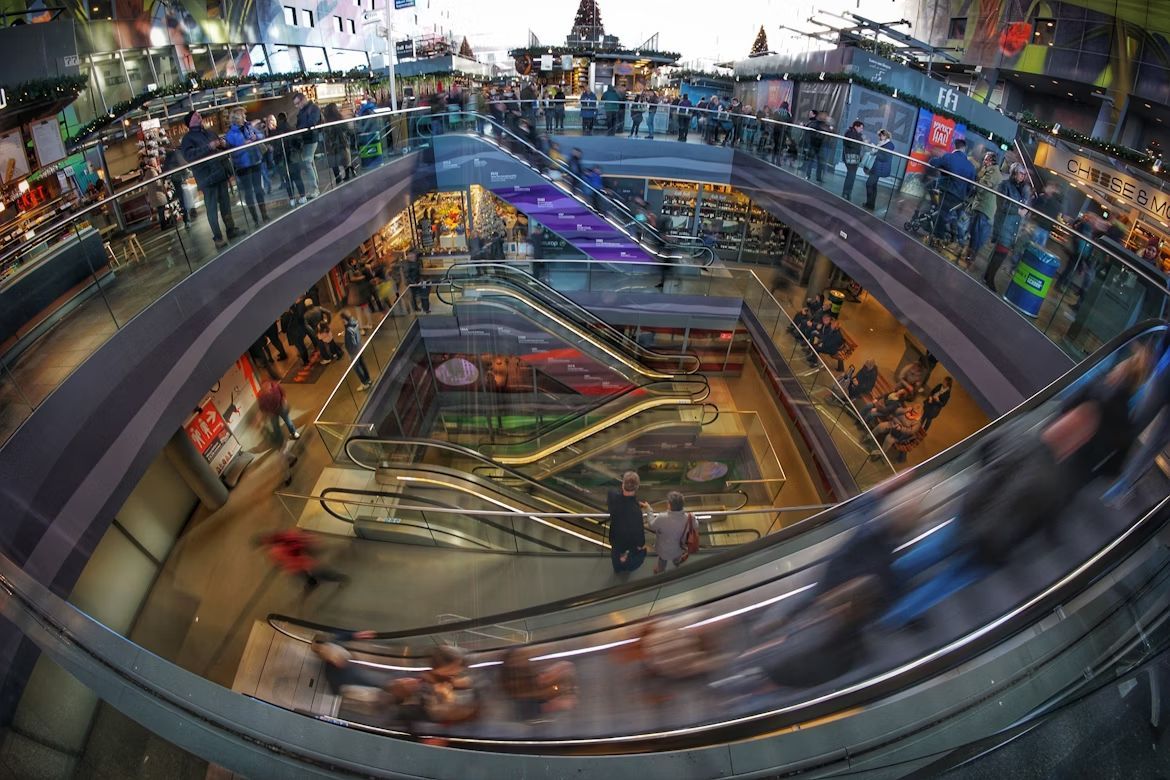
Shopping malls are indeed mazes

Image: Dieter de Vroomen

Shopping malls weren’t built like mazes by accident. Have you ever heard of the "Gruen Transfer"? It’s the moment you forget what you came in for and start browsing aimlessly. Architects design confusing layouts and winding paths to trigger it. The longer you wander, the more likely you are to grab things you didn’t plan on buying. If you’ve ever left a store with three extra bags and no memory of why, you’ve been "Gruened."

2

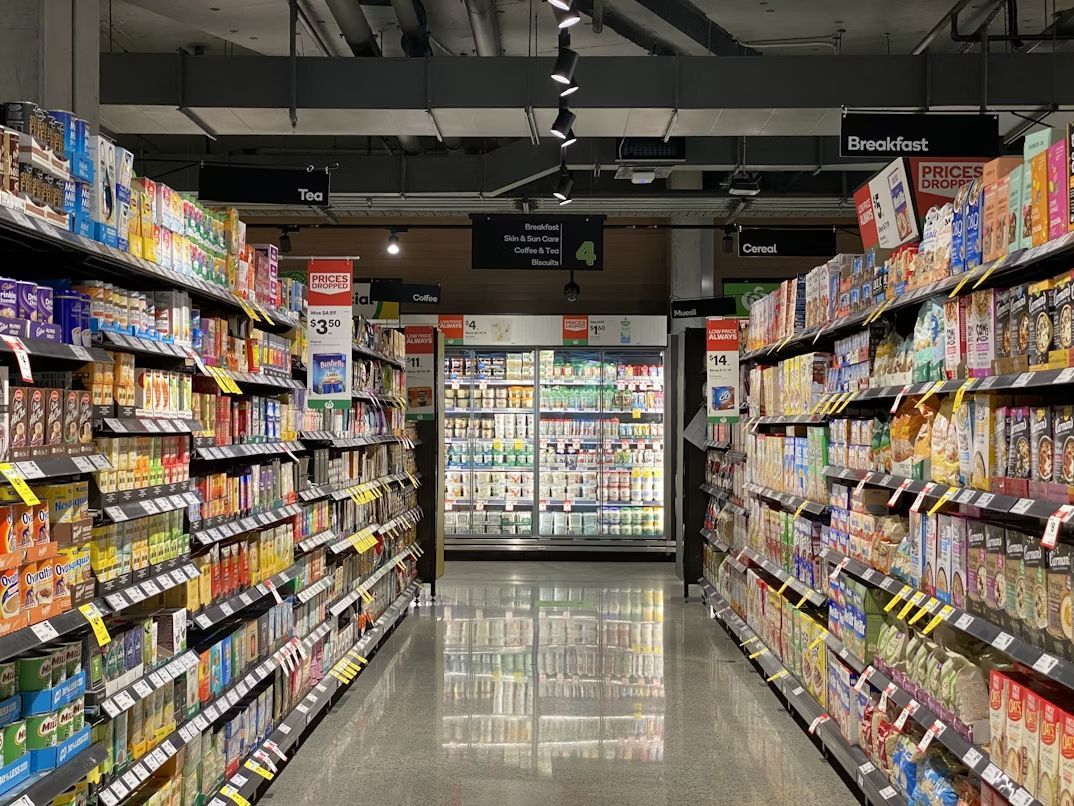
Supermarkets play hide and seek with your milk

Image: Franki Chamaki

Why is milk always at the back of the store? It’s not poor planning, it’s strategy. By placing essentials far away, supermarkets force you to stroll past shelves of tempting snacks, fresh flowers, and discounted items. Every extra step raises the odds that something unplanned lands in your cart. So while you may only need a gallon of milk, the store is betting you’ll walk out with chips, cookies, and maybe even a magazine.

3

Fast food chains know how to lure your nose

Image: Zoshua Colah

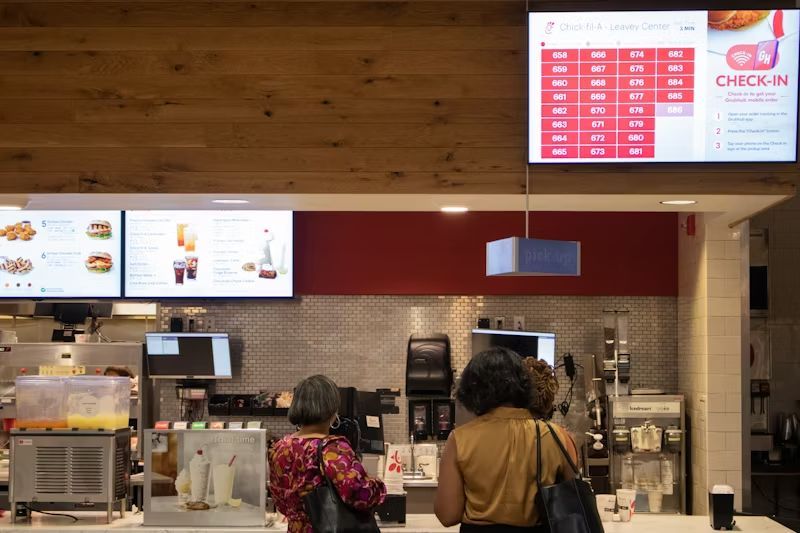
Ever wondered why the smell of French fries can make you turn your head? That’s no happy accident. Many fast-food joints pump cooking aromas right onto the street. Since smell is the strongest trigger for cravings, it’s an irresistible lure. The scent hits your brain before your stomach has a chance to argue, and suddenly a quick errand turns into a burger run.

4

Casino carpets are ugly on purpose

Image: Kvnga

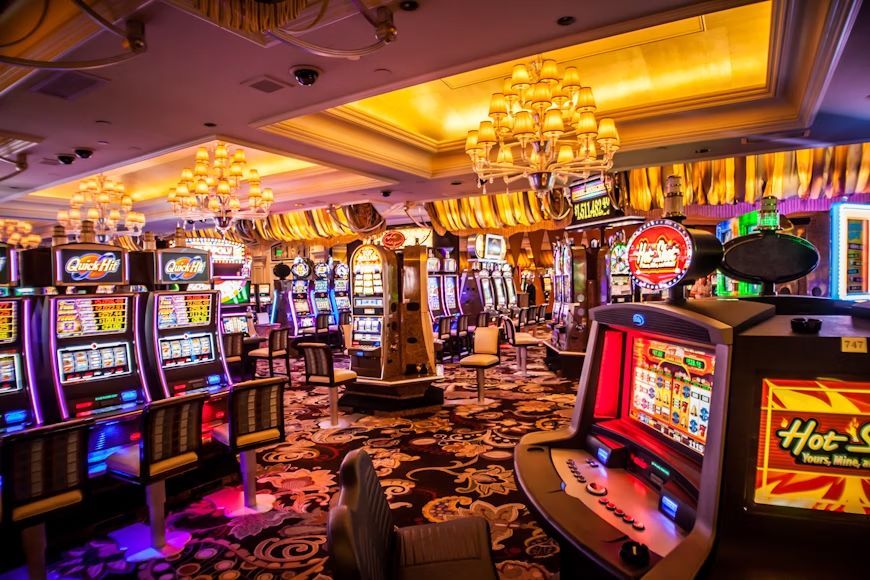
If you’ve ever thought casino carpets looked like something out of a wild kaleidoscope, you’re not wrong. Those clashing patterns aren’t just bad taste; they’re intentional. Distracting floors keep your eyes up, fixed on the machines and tables where the real money is made. The chaos underfoot is a subtle trick to keep you focused on spinning reels instead of finding the exit.

5

That "new car smell" is bottled luxury

Image: Swansway Motor Group

Nothing feels quite like sliding into a car with that signature "new car smell." But here’s the secret: it’s manufactured. Car makers blend chemical scents to create the feeling of freshness and quality. Some companies even trademark their formula so rivals cannot copy it. That rich scent that says "success"? It’s as carefully crafted as the leather seats.

6

Hotel hallways stretch your patience

Image: Waldemar

Ever notice how long hotel hallways seem? Designers use repeating patterns, lighting tricks, and color schemes that subtly slow your walk. The effect isn’t just decorative; it gives you more time to notice vending machines or signage and even makes you feel less rushed. So when it feels like you’ve walked half a mile to your room, part of that marathon is design.

7

Restaurant menus play mind games

Image: Karen Z

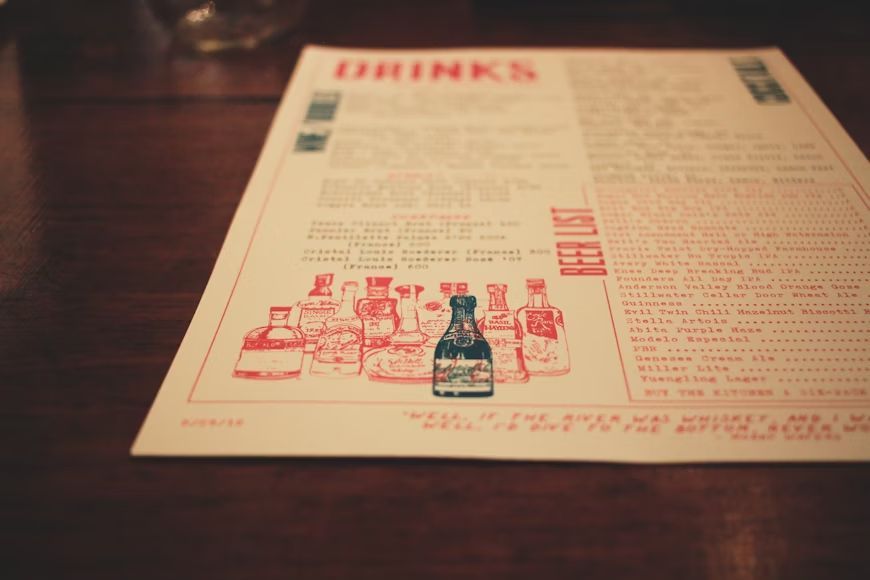
When you see a shockingly overpriced steak at the top of a menu, it’s not really meant to sell. It’s a decoy. By comparison, the "mid-range" dishes seem like a deal, nudging you to spend more than you planned. This pricing trick has been around for decades, and chances are you’ve fallen for it without realizing.

8

Trash cans at Disney Parks aren’t random

Image: Psycho Kev

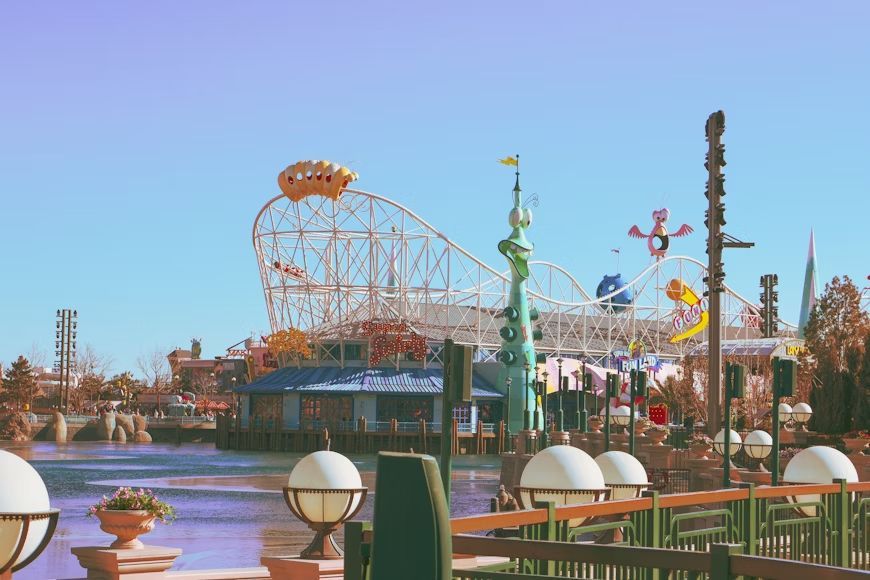
Walt Disney once tested how far people would carry trash before dropping it. The answer was about 30 steps. That’s why bins at Disney parks are never far apart, and why other parks adopted the rule. It keeps the grounds clean and makes guests feel comfortable without ever thinking about litter.

9

Subway music isn’t always for your enjoyment

Image: Joël de Vriend

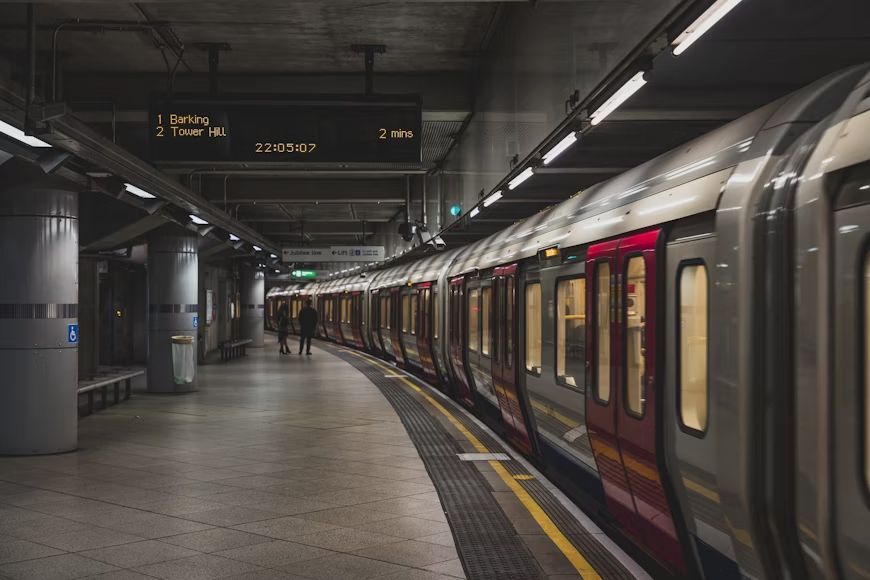
Sometimes that classical music echoing through subway speakers isn’t for ambience. Cities have discovered that playing opera or symphonies discourages loitering and can even reduce crime. Apparently, Mozart is less appealing background noise for troublemakers than for commuters just trying to get home.

10

Fresh bread smells that don’t come from bread

Image: Andy Li

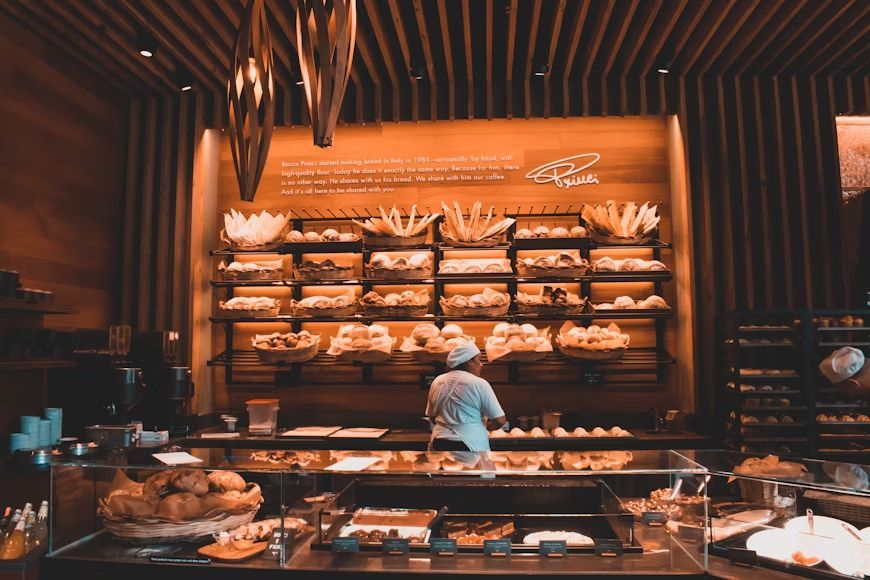
That warm bakery smell in the grocery store might be a phantom. Some stores use scent machines to pump out the smell of baking bread, even if the ovens are cold. The aroma stirs up hunger, making shoppers more likely to toss in pastries, rolls, or cookies. Next time you catch that scent, check if there’s actually something in the oven or if it’s just clever marketing in the air.

Looking for an extra scoop of literary fun?

Learn more with our Word of the day

bewildered

/bəˈwɪldərd/