Spanish roots, American vocabulary

10 words of Spanish origin in a cowboy’s vocabulary


Published on October 25, 2026
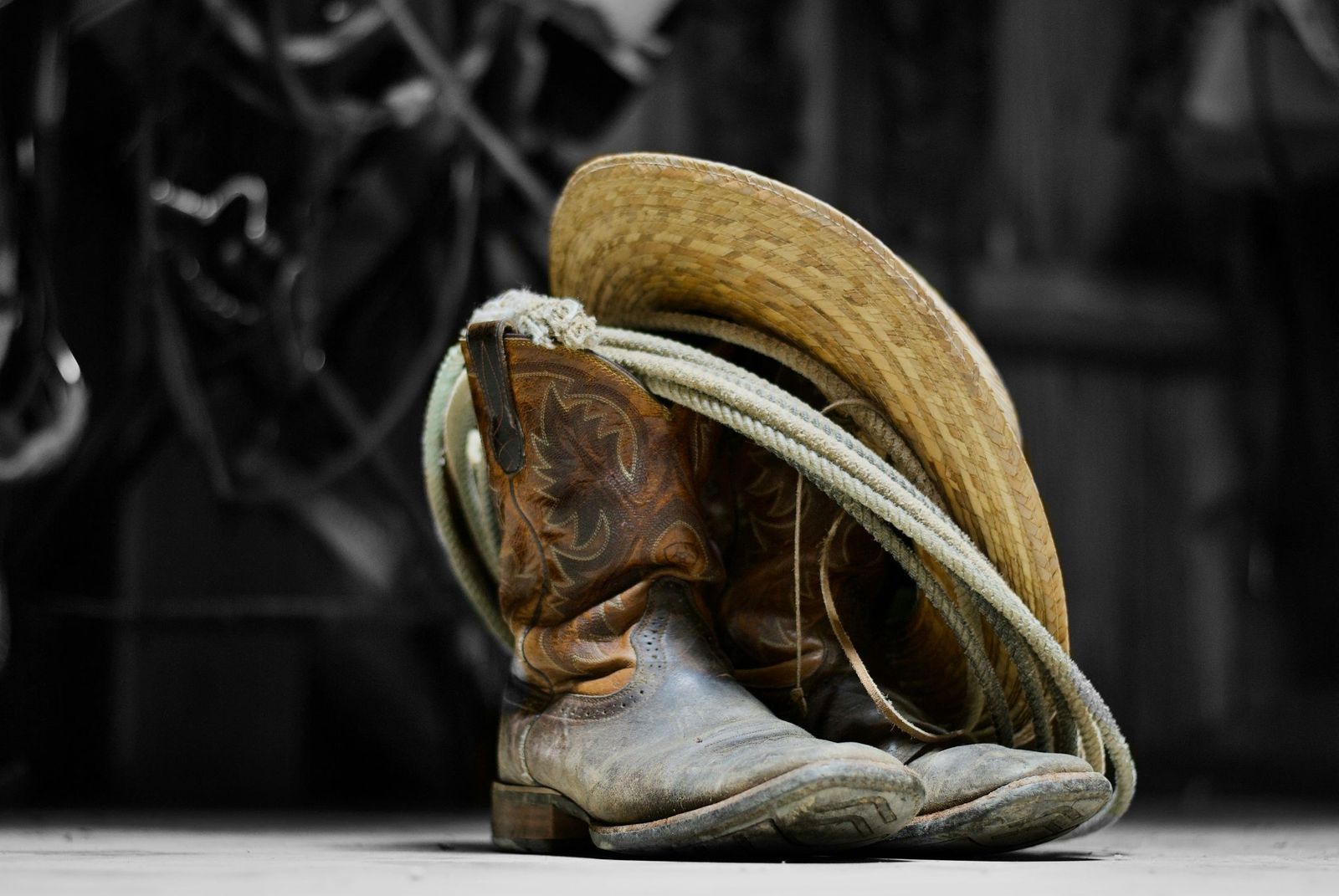

Image: JosephHershMedia

The world of cowboys and rodeos is filled with terms of Spanish origin. While it comes as no surprise that Spanish vocabulary has a strong presence in the American South, considering the history and the geography of the region, some of these words are more than a linguistic loan, and they tell us about a shared history of cattle rearing and of the cultural exchange of the frontier towns. Let’s look at some cowboy lingo that came from Spanish.

1

Buckaroo

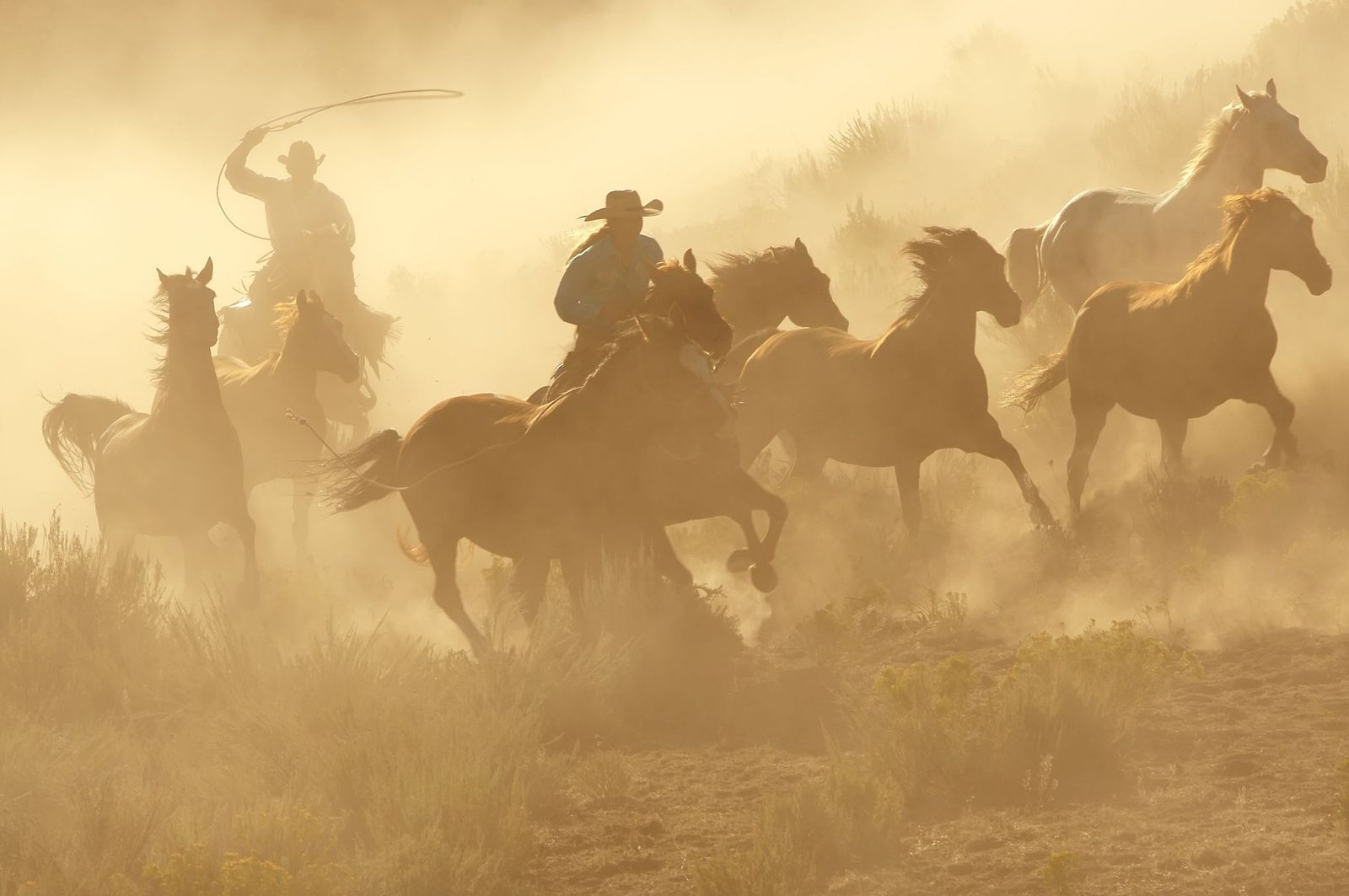
Image: Jeanne Provost

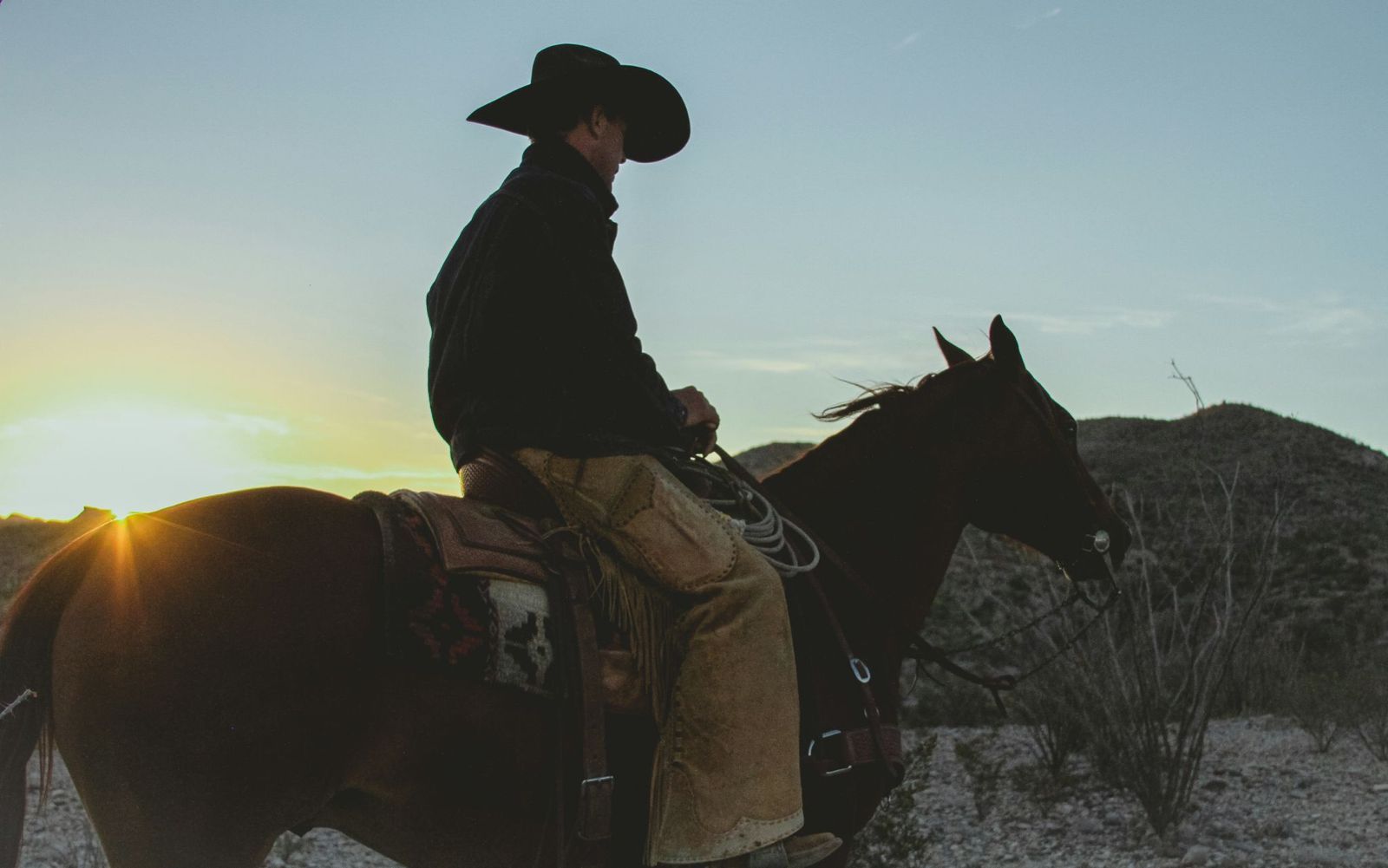
The English-speaking settlers in the American South learned a great deal about cattle from the Mexican vaqueros (from vaca, ‘cow’), who had inherited the Spanish cattle herding traditions. The term "buckaroo" came from the Anglicized version of vaquero, and was initially used as a synonym for the English "cowboy", originally just a cattle herder and not necessarily a wrangler or a horseman. Although "cowboy" is currently more widely used, "buckaroo" is still alive to refer to cowboys specialized in handling and taming wild horses.

2

Rodeo

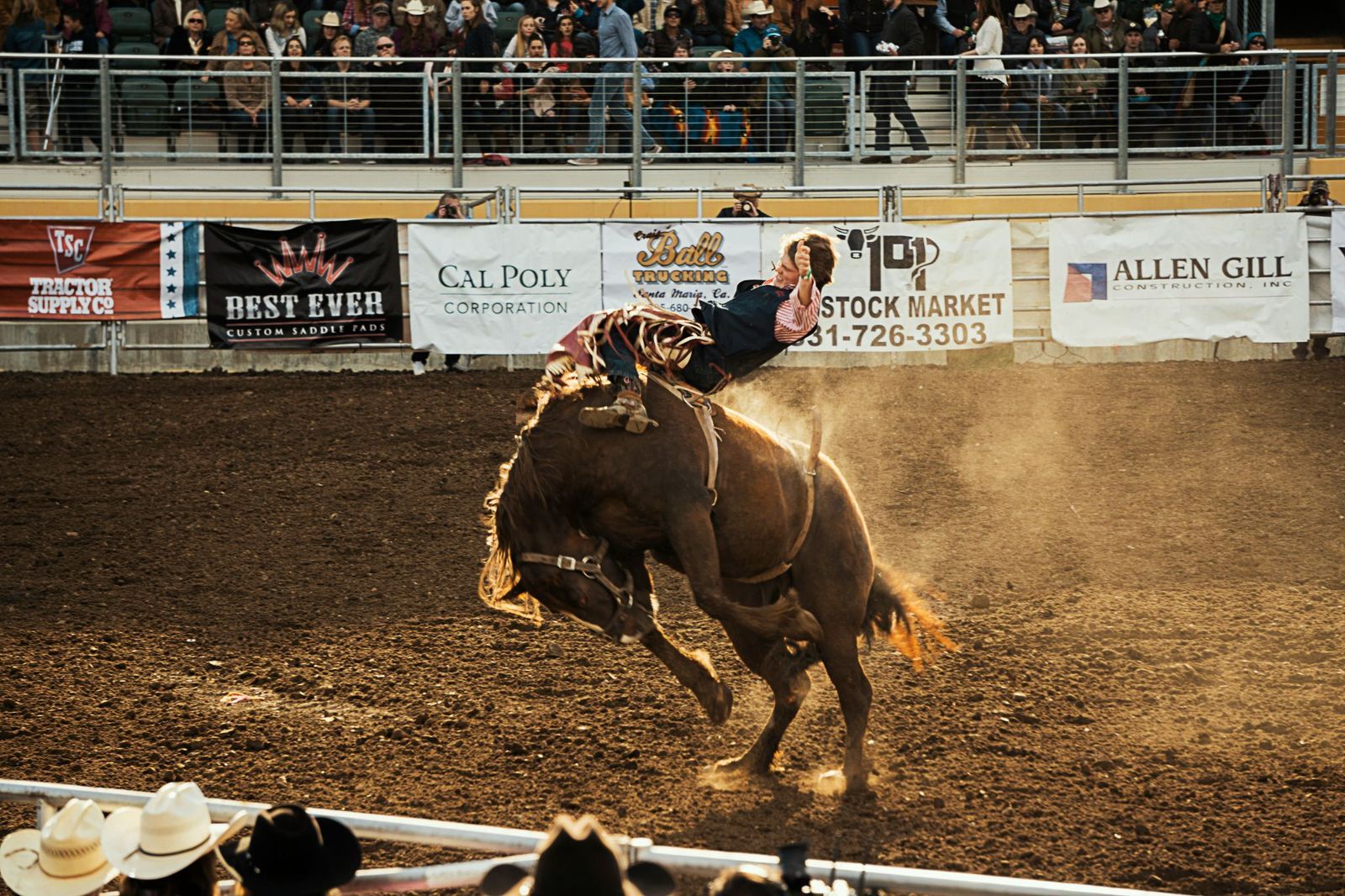
Image: Daniel Lloyd Blunk-Fernández

We now think of a rodeo as an exhibition of cowboy and cattle herding skills, but the term initially was used for a cattle pen and for the process of gathering and sorting cattle, which involved many of the skills exhibited at modern rodeos. In Spanish, rodeo was also used for a cattle pen, derived from the verb rodear, "to go around" or "to surround".

3

Jerky

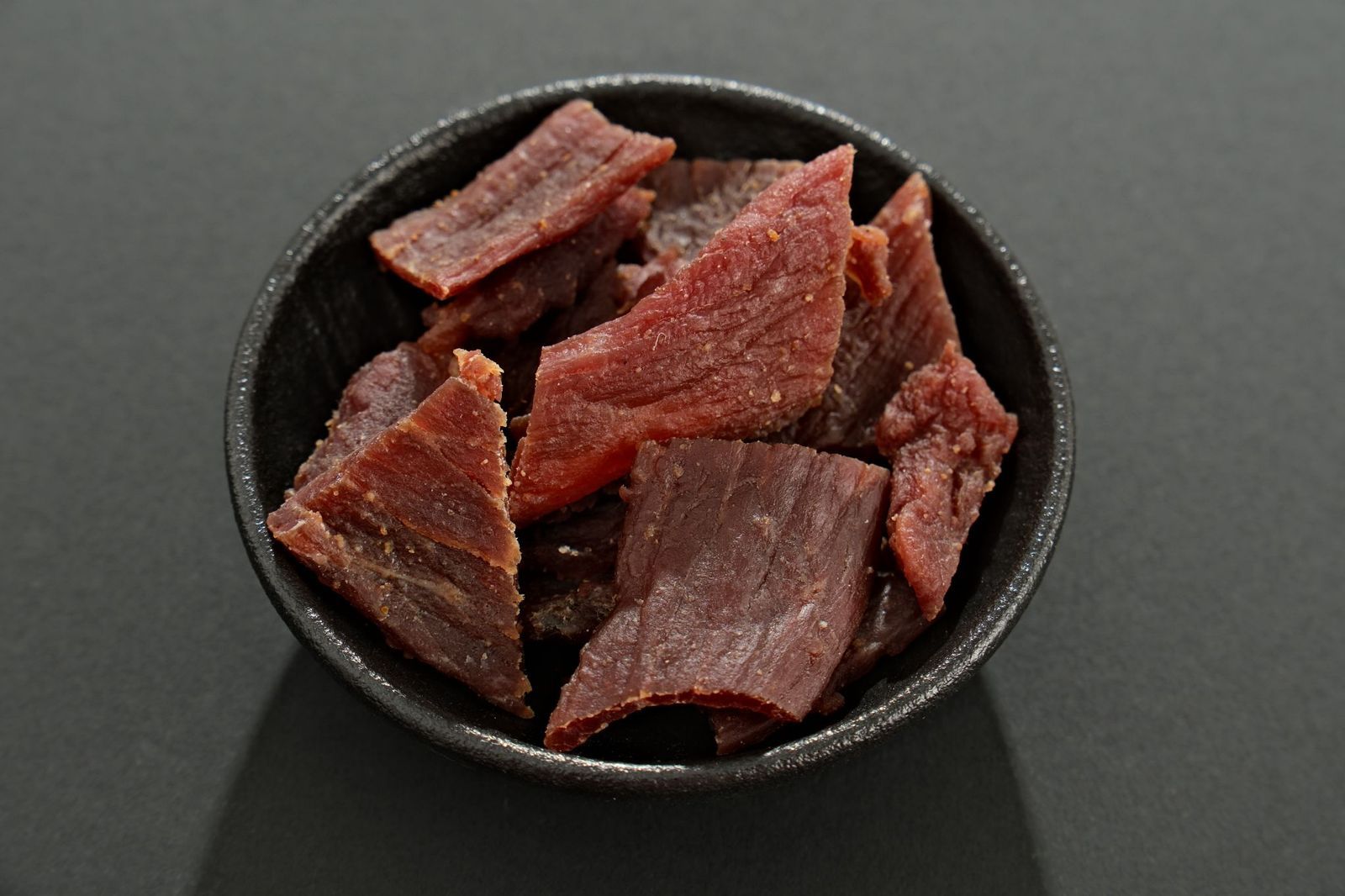
Image: 95R17

Although this word entered English through contact with Mexican Spanish, its real origins lie in South America in native communities of the Andes Mountains. In the Quechua language, ch'arki were strips of sun-dried meat, a term the Spanish adopted as charqui, and they spread across Spanish-speaking territories in the Americas. In contact with English speakers, charqui transformed into "jerky". The name might have changed slightly, but the use of dried meat as a snack or quick pick-me-up is still prevalent across all of the Americas.

4

Bronco

Image: Jordan Heinrichs

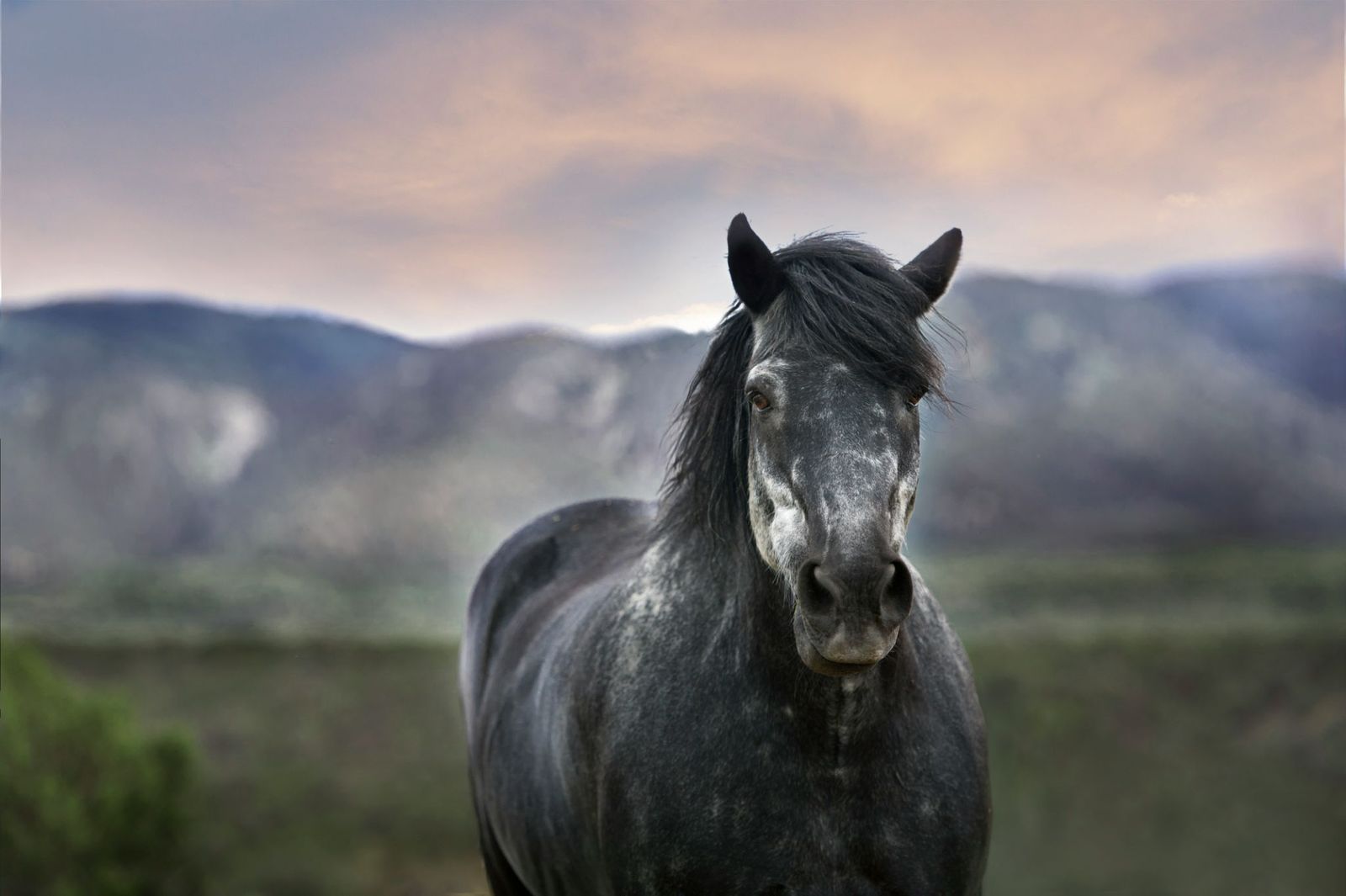
Used for wild, untamed horses, this term can trace its origins from Spanish all the way back to the Latin word for a tree trunk, truncus. In contact with the term broccus, "projecting", it became bruncus, used for protruding wood knots, from which Spanish got bronco, "rough" or "rude". Eventually, Mexican cattle herders started using bronco for wild horses that were difficult to tame, a term adopted into English and that also gave way to the bronco-buster, a cowboy specialized in taming broncos.

5

Lasso and lariat

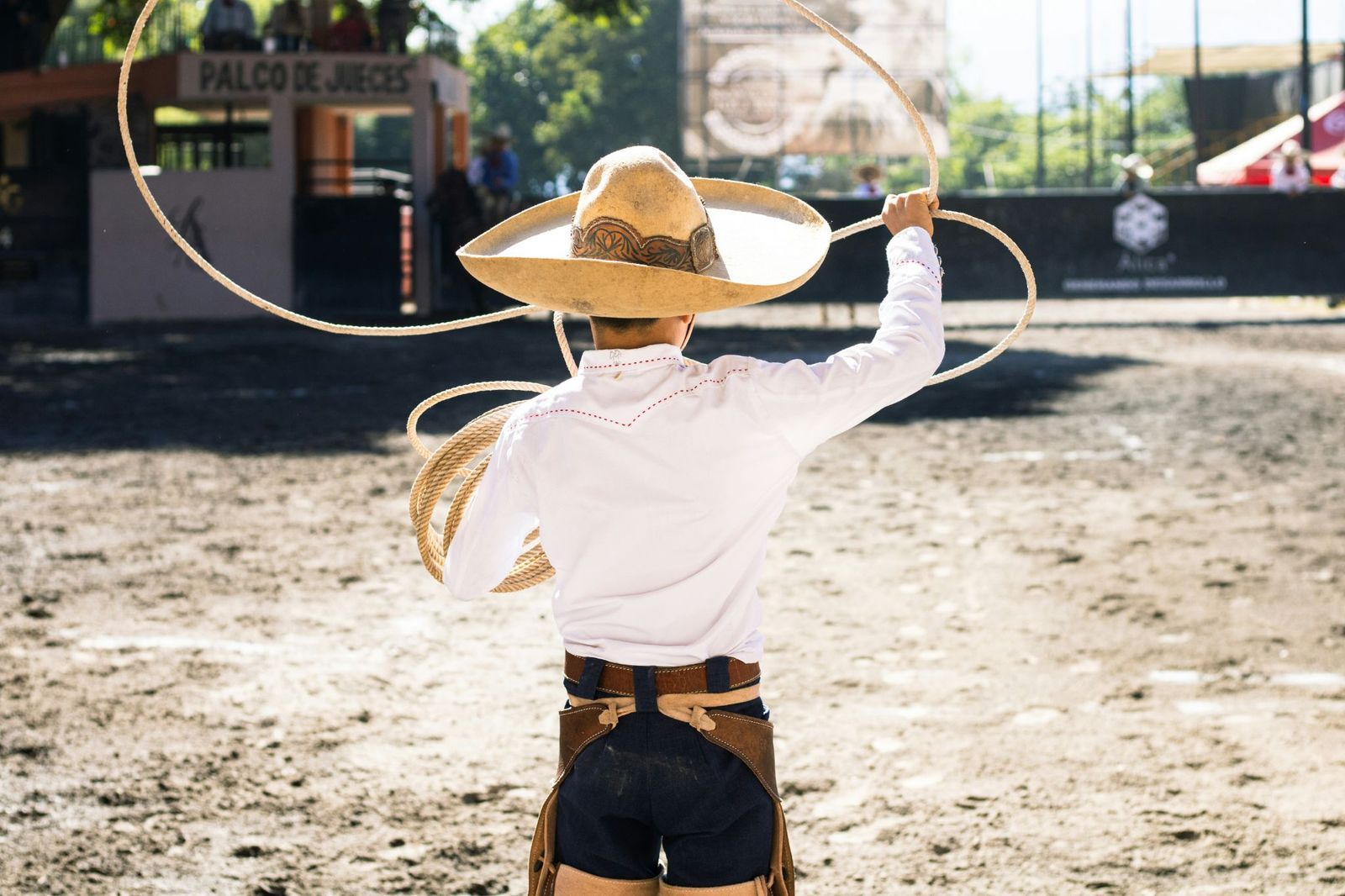
Image: juan saav

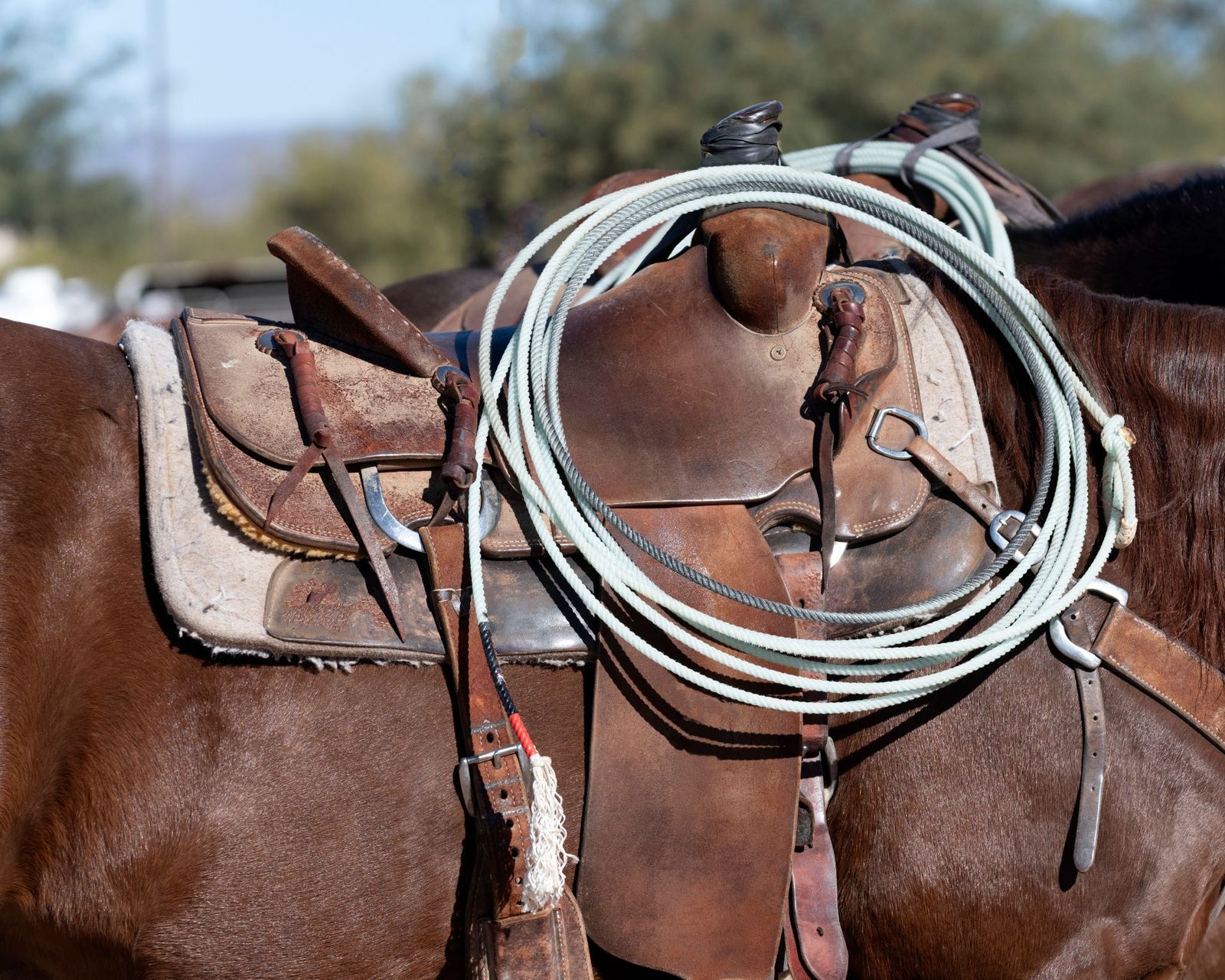
It makes sense that, since Mexican vaqueros were the ones to introduce cattle herding in the U.S., most of the essential tools and techniques of the trade kept their Spanish names, although usually in an anglicized form. The "lasso" took its name from the Spanish lazo, meaning "loop" or "slipknot", while "lariat", the light rope used for making lassos, comes from la reata, derived from reatar, "to tie again".

6

Chaps

Image: Polina Portnaya

If you ever watched the 1967 Western series The High Chaparral, you might be surprised to learn that "chaparral" and "chaps" come from the same Spanish word, chaparro, used for a short oak tree (and also for short people). These short oaks usually grow together in a dense bushland or chaparral, and horsemen often wore leather leg coverings called chaparreras to protect their legs and clothing from the oak’s thick thorns, later adopted by American cowboys with the name "chaps".

7

Mustang

Image: Lisa Lyne Blevins

Mustangs are descendants of the horses brought to the Americas by the Spanish conquistadores, so it makes sense that their name comes from Spanish. Like Mustangs, their Spanish ancestors were free-roaming horses, managed by an association called La Mesta, meaning "the mixed", a reference to the mixed breed of the animals. These animals were known as mesteños or mestengos, a term later applied to Spanish horses that escaped or were released into the Mexican and American plains. In contact with English, mestengo evolved into "mustang".

8

Ten-gallon hat

Image: Pierre-Alain Picard

There are several theories about the real meaning of "ten-gallon", but most linguists agree that the term has a Spanish origin, and that it has nothing to do with "gallon" as a measure for liquid. A possible, but less likely, explanation suggests that "ten-gallon" is a deformation of the compliment tan galán, meaning "so fine" or "so gallant". The alternate theory links "gallon" with the Spanish galón, a braided trim used to adorn the crown of a hat. Why "ten" gallon? Some hats had multiple braided trims.

9

Dally

Image: Richard Nantais

In the cowboy lingo, a "dally" is the act of wrapping the rope on the saddle horn after catching an animal with a lasso, allowing them to use the weight of the horse to control the caught animal. In this context, "dally" is not related to the verb "to dally". Instead, it is a shortened version of the Spanish phrase dale vuelta or dar la vuelta, "give it a turn", in reference to the wrapping of the rope on the saddle.

10

Stampede

Image: Tiffany Liu

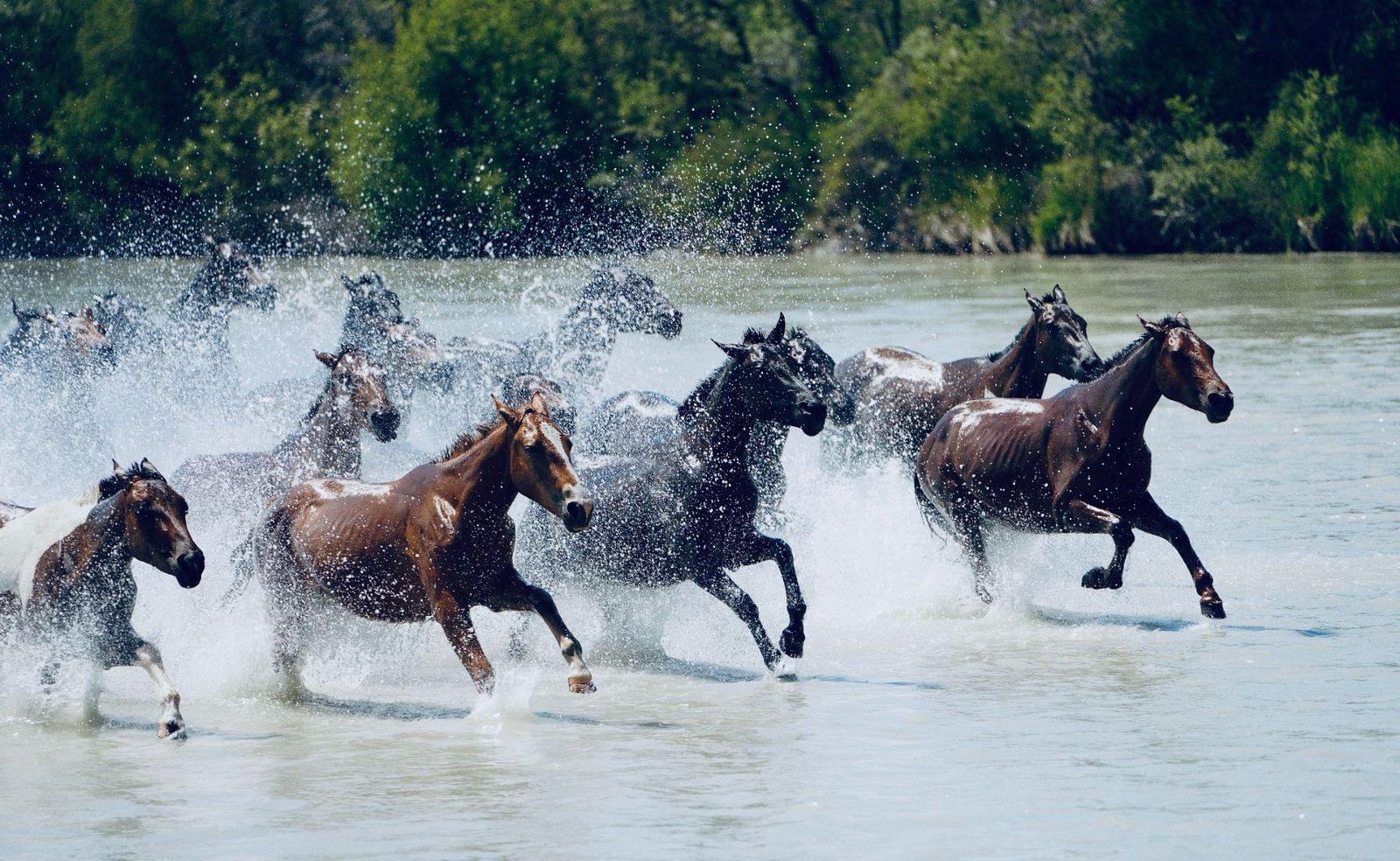
We might hear the term "stampede" used in a wide variety of contexts, but its entry into the English vocabulary was through the cowboy world. "Stampede" is a calque of the Spanish estampida, the feminine form of estampido, "bang" or "crash". In its feminine form, it can also mean a sudden flight of animals or people and is often used for cattle or horses, and it is with this meaning that it first entered the cattle herding vocabulary and the English language.


ADD A TOUCH OF EXOTIC FLAIR TO YOUR LEXICON

12 Words that Sound Better in Other Languages


Published on October 25, 2026


Image: Alexandra

While the term "better" is a subjective one in this regard, we took the liberty of gathering some words that, at the very least, sound interesting, melodic, or even mysterious. Discovering words in foreign languages that sound more enchanting than their English counterparts is like stumbling upon a linguistic treasure trove.

From Italian's rhythmic allure to French's lyrical grace, certain words defy a precise translation. Join us in this journey through some of those foreign terms. You may even adopt a new word by the time you finish reading.

1

Etoile

Image: Reign Abarintos

In the world of linguistic elegance, the French word étoile can be described as a celestial gem. Literally translating to "star," this term evokes images of twinkling luminosity in the vast expanse of the night sky.

Étoile is an omnipresent word in the realms of art, fashion, and aspiration. From haute couture to poetic verses, "étoile" gracefully encapsulates the essence of celestial allure, leaving an indelible mark on both language and imagination.

2

Sacrebleu

Image: Julien L

While the Italians may have some legendary insults, it is the French who make a second appearance in this list with this minced oath. Sacrebleu is a spirited exclamation that literally translates to "sacred blue."

The term historically emerged as an alternative to the stronger sacré dieu, to avoid invoking God's name. It stands today as a linguistic relic, and it's not commonly used by the French.

3

Bon appetit

Image: Steffan Vladimirov

Another famous French term makes its appearance. Bon appétit is a delightful and universally recognized phrase that extends far beyond the wish for a good meal.

Translating to "good appetite," this expression serves as a warm invitation to savor and enjoy the culinary delights before you. Rooted in the heart of French gastronomic culture, it reflects a genuine appreciation for the pleasures of fine dining. Uttered with contagious enthusiasm, bon appétit not only signals the beginning of a meal but also communicates the spirit of sharing and the joy of indulging in great flavors.

4

Poubelle

Image: Sven Brandsma

Yes, we said that better is a subjective term in this list, but it's hard to disagree that poubelle sounds a lot better than "garbage." The softer sound and the lack of hard consonants make it quite a mellifluous word.

Undoubtedly, the French pronunciation adds a certain flair, elevating the act of discarding to a more refined gesture. In the banality of poubelle, we can find a subtle reminder that even in the routine of disposal, there can be a touch of cultural grace.

5

Esperanza

Image: Lina Trochez

Hope is a beautiful word. But Spanish speakers also have a lovely term to express this sentiment. Esperanza is a word that resonates with a profound sense of optimism.

A direct translation of "hope," it carries a weight far beyond its lexical definition.

It is rooted in the Latin verb sperare, which means "to hope." Esperanza embodies a resilient anticipation of positive outcomes. In Spanish-speaking cultures, the word goes beyond linguistic bounds to symbolize a virtue, a guiding force in times of adversity.

6

Cosquillas

Image: Gabe Pierce

The second Spanish language appearance in our list, cosquillas is a term that dances off the tongue with a light, playful cadence. Translating to "tickles," this word embodies a delightful sensation, evoking smiles and spontaneous laughter.

In its simplicity, the word cosquillas encapsulates the universal experience of being gently tickled: a sensation that transcends linguistic and cultural barriers.

7

Siesta

Image: Adrian Swancar

The third and final contribution of the Spanish language to our list, siesta is a word that resonates with a cultural rhythm, embodying the cherished tradition of a midday rest. Literally translating to "nap," this term originates from the Latin hora sexta or "sixth hour."

This word represents not just a physical repose but a cultural appreciation for balance and well-being. Amidst the demands of daily life, taking a moment to pause and rejuvenate is a practice worthy of celebration.

8

Saudade

Image: Billy Williams

Saudade is a poignant term deeply rooted in Portuguese culture, symbolizing a complex emotional landscape. Beyond its literal translation of "longing" or "nostalgia," this word embodies a profound sense of missing someone or something.

It's a unique expression that brings up the pain of an absence, the feeling of missing a gone moment. Saudade is a worthy testament to the Portuguese soul, acknowledging the beauty found in the transient nature of life and the marks left on us by what once was.

9

Farfalla

Image: Roberto Lisi

If this term conjures up images of a specific type of pasta resembling a bowtie or a pair of small wings, that is no coincidence. Farfalla is an Italian word that dances off the lips like a delicate flutter, simply meaning "butterfly."

Its pronunciation evokes the gentle flapping of a pair of butterfly wings and embodies the delicate metamorphosis from cocooned stillness to graceful flight under the warmth of the Mediterranean sun.

10

Kilig

Image: Nick Fewing

While it can be translated to "thrill" or "shiver," the Filipino word kilig encapsulates the beautiful sensation associated with romantic excitement. It's more than a word: it's a cultural phenomenon that extends beyond language to become a common experience in the world of love and courtship.

11

Boondocks

Image: Timur Garifov

Another word originally borrowed from the Filipino language, boondocks comes from the term bundok which refers to remote, rural areas, often far from urban centers. Beyond its common English use, the Filipino version enriches the term with a sense of untouched landscapes and a simpler way of life.

Going to the boondocks conjures images of moving to a serene countryside, where nature thrives undisturbed, and community bonds are strong.

12

Utepils

Image: Donovan Grabowski

Imagine having a word that singlehandedly portrays the pleasure of having a cold beer in the sun. For Norwegian people, that word exists. Utepils is a term that resonates with the heartwarming essence of their culture, encapsulating the ritual of enjoying a beer outdoors, typically in the open air.

Beyond its literal translation to "outside beer," this word represents a cherished tradition—a moment of relaxation and friendship beneath the Nordic sun. Utepils is more than a beverage: it's a celebration of fleeting sunshine and the appreciation of nature's beauty.

Looking for an extra scoop of literary fun?

Learn more with our Word of the day

definite

/ˈdɛf(ə)nət/