Quirks of English

10 words that sound the same but mean different things


Published on September 27, 2026


Image: Triff

English is beautiful. It has borrowed words, sounds, and grammar from more than 350 other languages, which gives us an amazingly vast vocabulary (hundreds of thousands of words, though we only use 20,000 to 35,000 in everyday life). But this rich history comes with a catch: some words sound exactly like other words even though their spellings and meanings are completely different: think of "flour" and "flower," or "right" and "write." These are called "homophones," and here are 10 of them you may or may not have noticed before.

1

Flower — flour

Image: sergey kolesnikov

One is used to cook, and the other to decorate. One grows naturally on a plant and is associated with beauty and gardens, and the other is a powder made by grinding grains and is normally used in the kitchen. In standard American English, both "flower" and "flour" are pronounced /ˈ_flaʊər_/. We have to rely on context to tell them apart: you might plant a flower and bake with flour.

2

Right — write

Image: Marina Demeshko

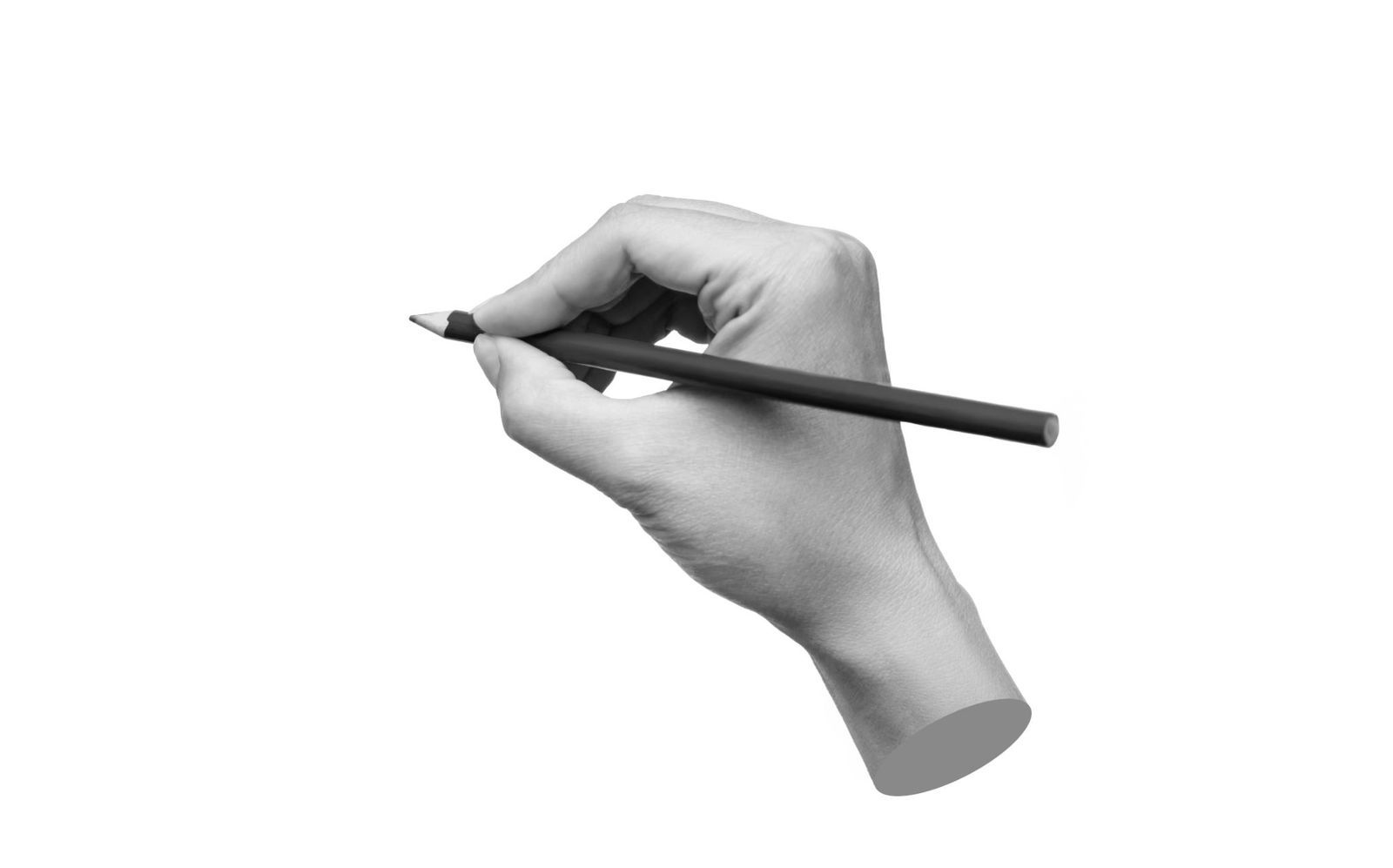
This could be a confusing one for someone just starting to learn English, as "right" can mean "correct," as in "you got the answer right," or refer to the direction opposite of left. But "write" specifically refers to the act of writing: forming words or symbols using a pen, keyboard, etc. But in standard American English, both are pronounced /raɪt/. This means you can "write the right answer."

3

Sea — see

Image: Altug Galip

What does a large body of salt water have in common with the act of perceiving something with your eyes? Well, nothing really, just that both are pronounced /siː/. These two don’t even belong to the same parts of speech; "sea" is a noun whereas "see" is a verb, with "saw" and "seen" as its past-tense forms. And yes, you can "see the sea."

4

Son — sun

Image: Zoteva

Both pronounced /sʌn/, "sun" and "son" are two nouns that, again, mean two different things. One is a male child in relation to his parents, a person; while the other refers to the star at the center of our solar system, responsible for providing light and heat to the Earth. You could say, metaphorically, that your "son is your sun." Or that the neighbor's "son is playing in the sun."

5

Pair — pear

Image: gelog67

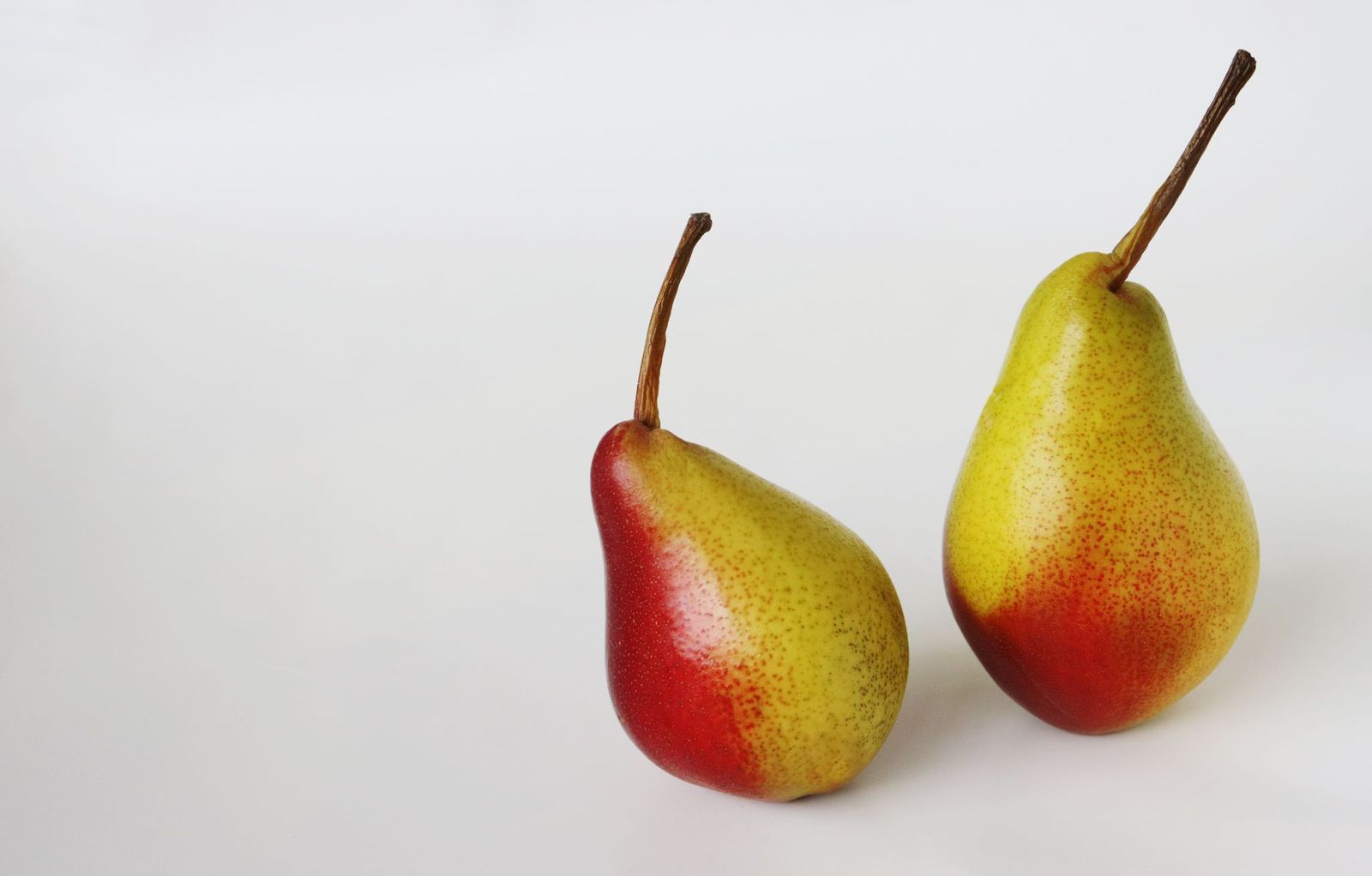
Again, we have a case of a verb and a noun with no relation to each other, and yet both are pronounced the same, /per/. "Pair" can actually be both a noun and a verb; as a noun, it refers to two things that belong together, such as a pair of shoes, and as a verb, it means to put two things or people together. A "pear" is a bell-shaped fruit that everyone knows. In this case, you could say you have a "pair of pears."

6

Knight — night

Image: Shutterstock AI

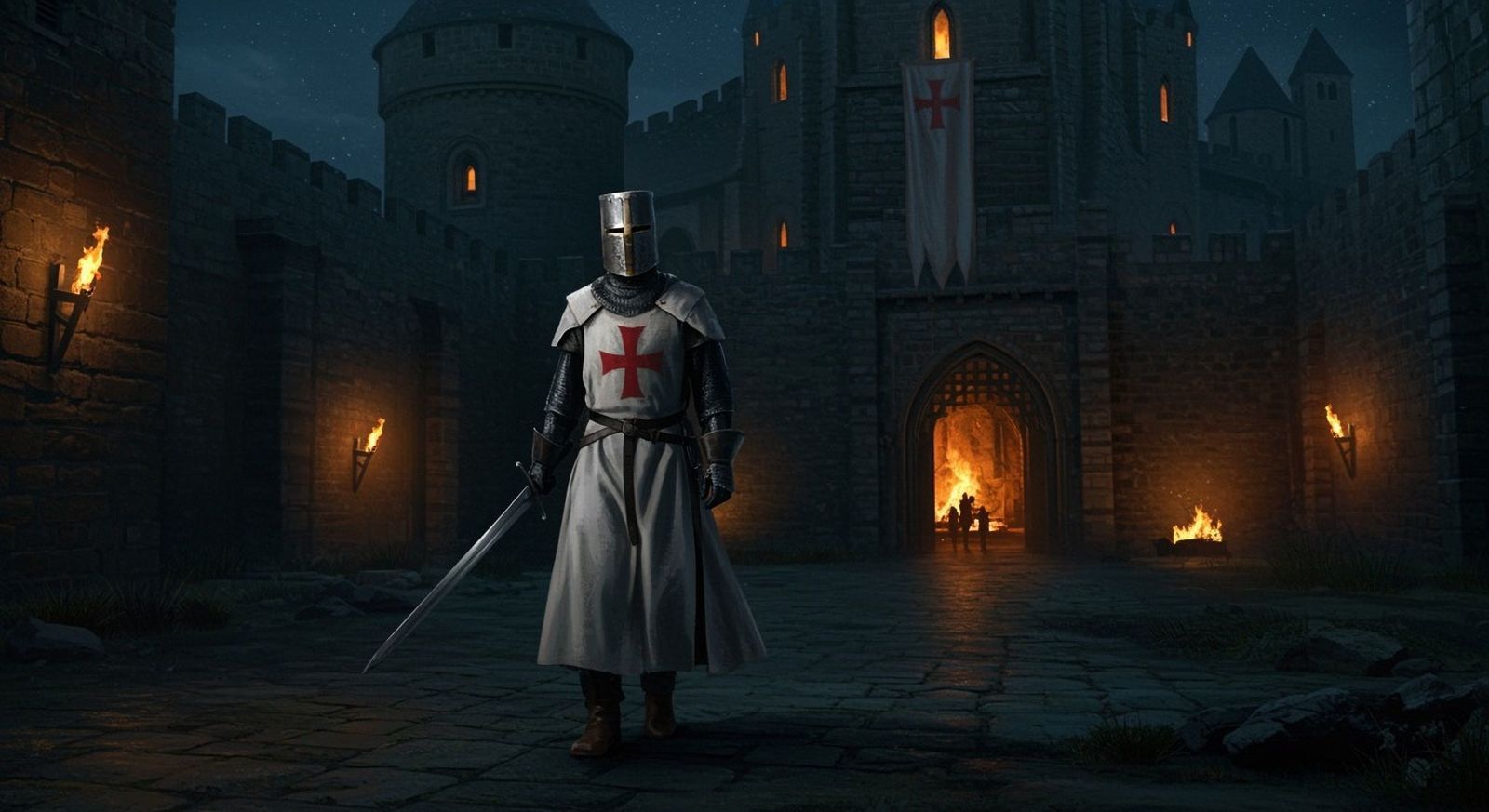
Although these two words can be associated with nighttime/fantasy imagery in old books and stories, the meanings of "knight" and "night" are completely different, even though both are pronounced /naɪt/. One refers to a king’s faithful mounted warriors wearing armour in medieval Europe, and the other simply means the period of darkness between sunset and sunrise: "The knight left the castle at night."

7

Peace — piece

Image: faithie

"Peace" is an idea or state. You can use it to mean "world peace," like an ideal state of freedom and happiness, or simply say "I need some peace" to express a need to feel calmer or more relaxed. And a piece is a part or a portion of something, like a piece of cake or a piece of paper. Both are pronounced /piːs/, and you could totally say that you "want to have a piece of cake in peace."

8

Mail — male

Image: AntonSAN

We use "mail" as a noun for items that are delivered through the postal system, but also as a verb that means "to send something through the mail." And even though the noun "male" is also pronounced /meɪl/, it refers to a man or a male animal as opposed to female; it describes sex or gender. It is perfectly valid to say "I sent mail to my male friend."

9

Buy — by — bye

Image: BongkarnGraphic

This is a funny triad. Three words, three different meanings but the same sound: /baɪ/. "To buy" is to purchase something; "bye" is a casual way to say goodbye; and "by" is quite a versatile word English speakers use to indicate everything from location and proximity to method or even the person responsible for an action: "I sat by the window" or "a book by Mark Twain."

And you can combine the three into one brief sentence and say, "Buy a book by an author, then say bye." Confusing? I don’t think so.

10

Week — weak

Image: infuture

"Week" and "weak" both sound /wiːk/. A "week" is what we call a period of seven days, usually counted from Sunday to Saturday, i.e., a period of time. And "weak" can mean a lack of strength or power, both mentally and physically: "I feel weak." Though it can also mean that something is not as effective as it should be: "That’s a weak argument". The two can coexist in the same sentence: "You can feel weak after a long week."


Ocean wonders

Don't dive into the sea before you read this! 10 secrets about octopuses


Published on September 27, 2026


Image: Maximillian Conacher

Have you ever wondered how octopuses live? How do they hunt, feed, and escape predators? They may not be the cutest animals on Earth, but it turns out they are able to do incredible things! Recent discoveries have revealed that octopuses are much more intelligent than we ever thought. These creatures can evaluate options, strategize, and even recognize other animals, including humans! If you want to learn more, join us as we reveal these 10 surprising secrets about the life of octopuses!

1

Long-term residents

Image: Ashleigh Joy Photography

Today, we can find several species of octopus in our oceans, but this doesn't mean that they are something recent. In fact, it's quite the opposite.

Octopuses have been around for a long, long time. The oldest known relative of cephalopods dates back about 330 million years. That's a really long time ago! This ancient fossil, discovered in what is now Fergus County, Montana, belonged to a creature with ten arms.

So much time navigating the seas has served them well, allowing octopuses to develop skills we humans can only dream of.

2

Camouflage

Image: Roger Darnell

Chameleons might be famous for their camouflage skills, but they're not the only ones with this superpower. Blending into the surroundings and becoming practically invisible is an art practiced by octopuses, too.

Even though they have many arms to hide -8, to be exact- this is not a problem for octopuses when it comes to camouflage. Octopus skin is quite different from ours: they have special cells called chromatophores that let them change not only the color of their skin but also the texture! And that's not all; this process only takes a couple of seconds, adapting their colors and textures to blend with sand, corals, rocks, and any other surface.

3

Disguises and imitations

Image: Heidi Bruce

Octopuses not only blend in with the colors and shapes of their surroundings but can also mimic other creatures. That's right, they are masters of disguise.

Like a comic book villain who changes appearance to trick others, the mimic octopus can alter its color and shape to resemble other animals in its environment, often choosing to impersonate the shapes of the creatures most feared and avoided by predators.

This octopus can imitate, for example, a venomous sea snake by sporting stripes of different colors and wiggling its arms in a snake-like dance, copying both its appearance and behavior!

4

They recognize other creatures, including humans

Image: Αντωνης Κοροτσάκης

To imitate and adapt, octopuses need to be aware of their surroundings and recognize different places and animals. And they do it.

Octopuses can recognize other sea creatures, and some research even suggests they might recognize humans. There have been documented cases where researchers return to visit the same octopus in the sea, and the octopus often develops a gradual trust in them. Amazing!

There's a reason for all this: besides their excellent vision and sensory perception, octopuses also have an exceptional memory that helps them retain and use new information.

5

They use tools

Image: Aaron Burden

Certain abilities are clear signs of high intelligence in animals, and using tools is one of those.

Octopuses use objects from their surroundings, adapting them to suit their needs. Take the veined octopus, for example. This species collects shells to use as a shelter when escaping predators or as a shield when dealing with difficult prey. Amazing, right?

But that's not all! These octopuses have also been observed gathering shells and carrying them for future use. This behavior suggests not just intelligence and good memory, but also the ability to plan ahead!

6

Huge brains

Image: Sunira Moses

All that knowledge and skills are packed into a huge brain.

As we've seen, octopuses offer much more than just 8 arms and an extensive color palette. These animals also have impressive intelligence and a highly complex nervous system, which is reflected in the large size of their brains. In fact, their brain-to-body ratio is one of the highest among invertebrates. In other words, their brain is really big, considering their body proportions.

Given all that this creature is capable of, the size of its brain is no surprise.

7

Great memory and problem-solving skills

Image: Kostas Morfiris

Octopuses are great at problem-solving. They not only learn from their experiences but also remember the knowledge, locations, and animals they encounter, using this information for future situations.

All this makes them great learners and excellent performers. In different experiments, both in captivity and in the wild, octopuses have demonstrated their ability to open jars, navigate through mazes with ease, and elaborate complex strategies for hunting, among other surprising behaviors. Many octopuses, for example, hide near the paths of passing crabs and wait for the perfect moment to launch a surprise attack. A real ambush!

8

Three hearts

Image: rivage

A single heart isn't enough to keep a large brain, a mutable body, and 8 long tentacles irrigated.

That is why octopuses have the privilege of possessing no less than 3 hearts, all with a well-defined function. 2 of these hearts are responsible for pumping blood to the gills for oxygenation. Then, the third heart, the systemic heart, circulates the oxygenated blood throughout the rest of the body.

Want to know more? The third heart stops beating when the octopus swims!

9

Sacrificial parenting

Image: Yaselyn Perez

There's a lot we can say about octopuses, but calling them selfish isn't one of them. Why? Well, let's see.

When octopus mothers lay their eggs, they reserve all their focus, dedication, and energy to caring for them. The mother cleans, protects, and arranges the eggs, never taking her eyes off them. In doing so, it abandons all other activities, even stopping eating entirely.

Unfortunately, by not eating, the octopus becomes weak and debilitated. As a consequence, once the eggs hatch, the mother often doesn't survive.

10

Blue blood

Image: engin akyurt

Octopuses might not be royalty, but they do have blue blood! That's right; these creatures never stop surprising us. First, they have 3 hearts, and now they show us blood that's literally blue!

How is it different from our blood? Human blood contains hemoglobin, which has iron and gives it its characteristic red color. On the other hand, the blood that circulates in the incredible bodies of octopuses contains a protein called hemocyanin, which is what makes the difference. Hemocyanin contains copper, which gives the blood its blue color when it's oxygenated.

Looking for an extra scoop of literary fun?

Learn more with our Word of the day

debug

/ˌdiˈbəɡ/