Behind popular wisdom

12 common sayings that don’t mean what you think


Published on April 14, 2026


Image: Alexandra Fuller

We hear them daily and rarely question their meaning, but many popular sayings come from surprising origins—or mean something entirely different than we think. Some of these discrepancies are rooted in history, others in mistranslation, and more than a few in good old-fashioned misunderstanding. Here are 12 familiar phrases decoded and laid bare with real facts.

1

"Blood is thicker than water"

Image: César Couto

The original version, a 12th-century German proverb—_"The blood of the covenant is thicker than the water of the womb"_—suggests chosen bonds (like friendship or military brotherhood) are stronger than family ties, the opposite of how it’s used today. This shift in meaning likely occurred in later times, as the abbreviated form entered popular speech.

2

"Great minds think alike"

Image: Thiago Santos

The full phrase is "Great minds think alike… and fools seldom differ." With the full version, the meaning turns ironic—it suggests that both geniuses and fools can agree just as easily, likely a warning against groupthink.

3

"Curiosity killed the cat"

Image: Bing Frost

This proverb is often used to warn against dangerous inquisitiveness, but the full version—_"Curiosity killed the cat, but satisfaction brought it back"_—adds nuance. It suggests that the reward of knowing can outweigh the risks of curiosity.

4

"Jack of all trades, master of none"

Image: Erik Mclean

The full phrase is "Jack of all trades, master of none, but oftentimes better than master of one." Originally, it praised versatility, not criticized it. The missing line completely flips the meaning, suggesting it’s often better to be well-rounded than narrowly skilled.

5

"Pull yourself up by your bootstraps"

Image: T S

This phrase meant an impossible task—just like lifting yourself by your own shoelaces. First recorded in the 1800s, it mocked absurd self-starting efforts. But by the 20th century, American individualism had flipped its meaning into a motivational mantra.

6

"The proof is in the pudding"

Image: Felippe Lopes

The original phrase is "The proof of the pudding is in the eating," meaning you have to try something to know if it’s good. The modern shorthand makes little sense by itself and loses clarity but still hints at the original idea: results matter more than appearances.

7

"Saved by the bell"

Image: Luís Perdigão

There are competing theories about this phrase’s origin. The most common links it to boxing radio commentary, where a losing fighter is "saved by the bell" at the end of a round. Others trace it to 18th-century burial customs, when the fear of being buried alive led to coffins being rigged with strings tied to bells aboveground.

8

"Rule of thumb"

Image: Rowen Smith

A popular myth claims the phrase "rule of thumb" stems from a law allowing men to beat their wives with sticks no thicker than a thumb. Fortunately, no such law ever existed. The phrase dates back to the 17th century and likely originated in trades where measurements were estimated using the thumb’s width or length.

9

"Cold turkey"

Image: Claudio Schwarz

One theory about the origin of "cold turkey" links it to the clammy, pale skin that some people experience during withdrawal, said to resemble cold turkey meat. However, a more likely explanation is that it combines the earlier idiom "talking turkey" (meaning to speak plainly) with "cold," used to describe something abrupt or blunt.

10

"Sleep tight"

Image: Greg Pappas

This phrase isn’t about feeling cozy—it refers to rope-strung beds from the 18th century. Back then, mattresses rested on a web of ropes that needed regular tightening. "Tight" meant the ropes were pulled firm to prevent the mattress from sagging.

11

"Steal someone’s thunder"

Image: Michael D

Though it sounds mythological, this phrase comes from early 1700s theater. Playwright John Dennis invented a new thunder sound effect for his play. After the show flopped, another theater used the effect without credit. Dennis famously complained, "They will not let my play run, but they steal my thunder."

12

"Break the ice"

Image: NOAA

Before modern transportation, trade ships often got stuck in winter ice. So, smaller vessels were sent to break the ice and clear a path. Used since at least the 16th century, the original nautical context made it a natural metaphor for overcoming barriers.


Body oddities

You have bugs in your face and bones full of holes—12 creepy body facts


Published on April 14, 2026


Image: CDC

The human body is a marvel of biology—but sometimes, it's downright disturbing. Did you know it’s possible to cry blood? Or that we have taste receptors in our stomachs? From mysterious functions to deeply unsettling facts, our bodies are full of creepy surprises hiding beneath the surface. Here are 12 weird but true insights into what’s really going on inside you.

1

Your ears never stop growing

Image: Kimia Zarifi

Unlike most body parts, ears (and noses) continue to grow as you age. It’s not just cartilage at work—gravity slowly stretches skin and tissue, making ears longer over time.

This process, sometimes called "gravity-induced elongation," only starts to become more noticeable after age 30. That’s why elderly people often seem to have larger ears, even if they were proportionate in youth.

2

You can taste with your stomach

Image: Sander Dalhuisen

Receptors similar to those on your tongue exist in your stomach and intestines. They don’t "taste" in the traditional sense, though, but detect chemical signals.

Thanks to these oddly placed "taste" receptors, our bodies help regulate digestion and appetite by detecting nutrients and potential toxins. They’re crucial for gut-brain communication and may even influence cravings.

3

Eyelashes host tiny mites

Image: Ali Shoaee

Yes, you read that right. Your eyelashes are home to Demodex mites—tiny, spider-like creatures that feed on dead skin cells and oils around hair follicles.

It may sound like something out of a horror movie, but most people—especially adults—have them. These mites emerge at night, mate on your eyelids, and retreat by morning. They’re harmless, but still undeniably creepy.

4

You’re slightly radioactive

Image: Ana Itonishvili

Your body emits a small amount of radiation due to naturally occurring elements like potassium-40 and carbon-14, which are present in body tissues.

While this natural radioactivity is harmless, it’s still measurable. A single human body can emit around 7,000 particles per second—enough to trigger some sensitive detectors.

5

You can cry blood

Image: Chaozzy Lin

Called haemolacria, it’s a rare condition where blood mixes with tears. Its causes can include infections, injuries, tumors, or hormonal changes.

Though quite dramatic and certainly alarming, some cases are benign. It has been documented in both adults and children, and it is often linked to extreme stress.

6

Your body sheds DNA everywhere

Image: MJH SHIKDER

Even just walking through a room, you leave behind a cloud of genetic material—skin cells, saliva, and sweat—all rich in your DNA.

Sometimes called a "biological fingerprint," this material is enough to identify you. Law enforcement and forensic scientists can even recover DNA from air filters or dust!

7

You might be born with extra organs

Image: Robina Weermeijer

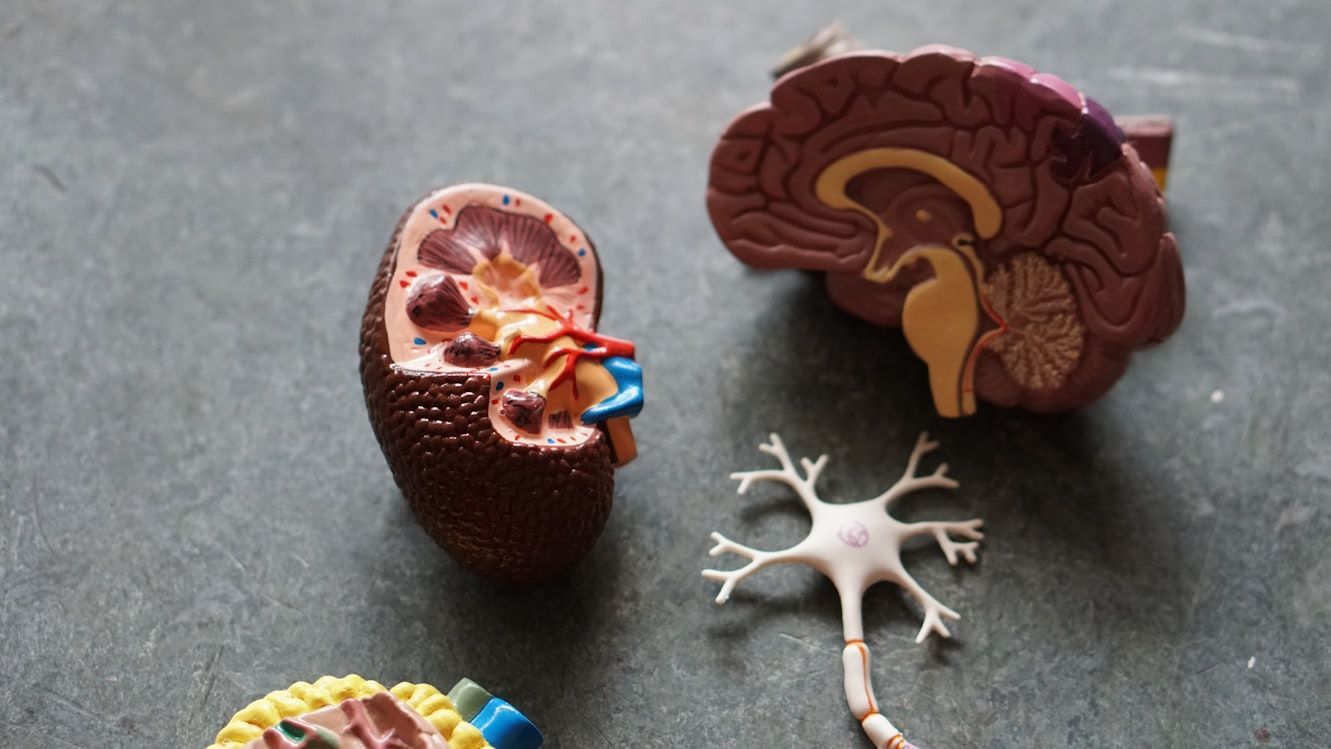
Some people are born with supernumerary organs—extra kidneys, spleens, or even, in extremely rare cases, hearts. These additional organs are often non-functional but can still be detected.

For example, an estimated 1 in 1,000 people has an extra spleen, often discovered by accident during unrelated scans or surgery.

8

Your brain eats itself when you’re sleep-deprived

Image: Anshita Nair

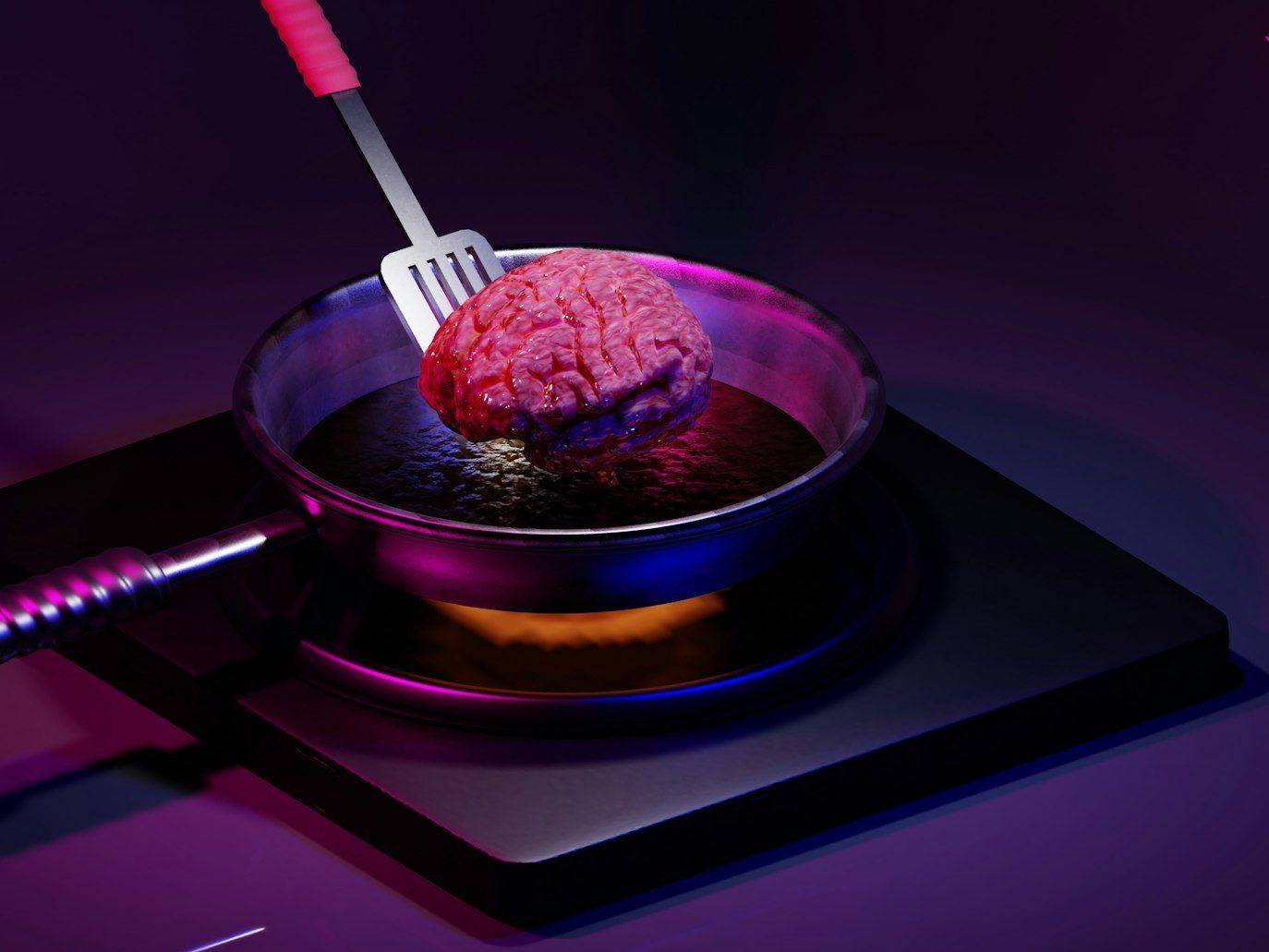
Lack of sleep triggers glial cells in the brain to break down and consume parts of synapses—literally "cleaning house" in an extreme way.

This self-cannibalization can lead to cognitive decline and has been linked to neurodegenerative diseases in chronic cases.

9

Your bones can grow horns

Image: Alessandro La Becca

Osteomas are benign bone tumors that can sometimes protrude through the skin, resembling small "horns." Most appear on the skull or jaw.

Though rare, some osteomas can grow several inches. Surgical removal is usually performed for cosmetic reasons unless the growth interferes with normal function.

10

Your mouth is dirtier than a toilet seat

Image: Ümit Yıldırım

The human mouth can harbor over 700 different types of bacteria—many more than you'd find on a toilet seat.

Most of these bacteria are harmless—and even essential for healthy bodily functions—but under poor hygiene or illness, they can cause infections, tooth decay, or even contribute to heart disease if they enter the bloodstream.

11

You can grow hair in your lungs

Image: Robina Weermeijer

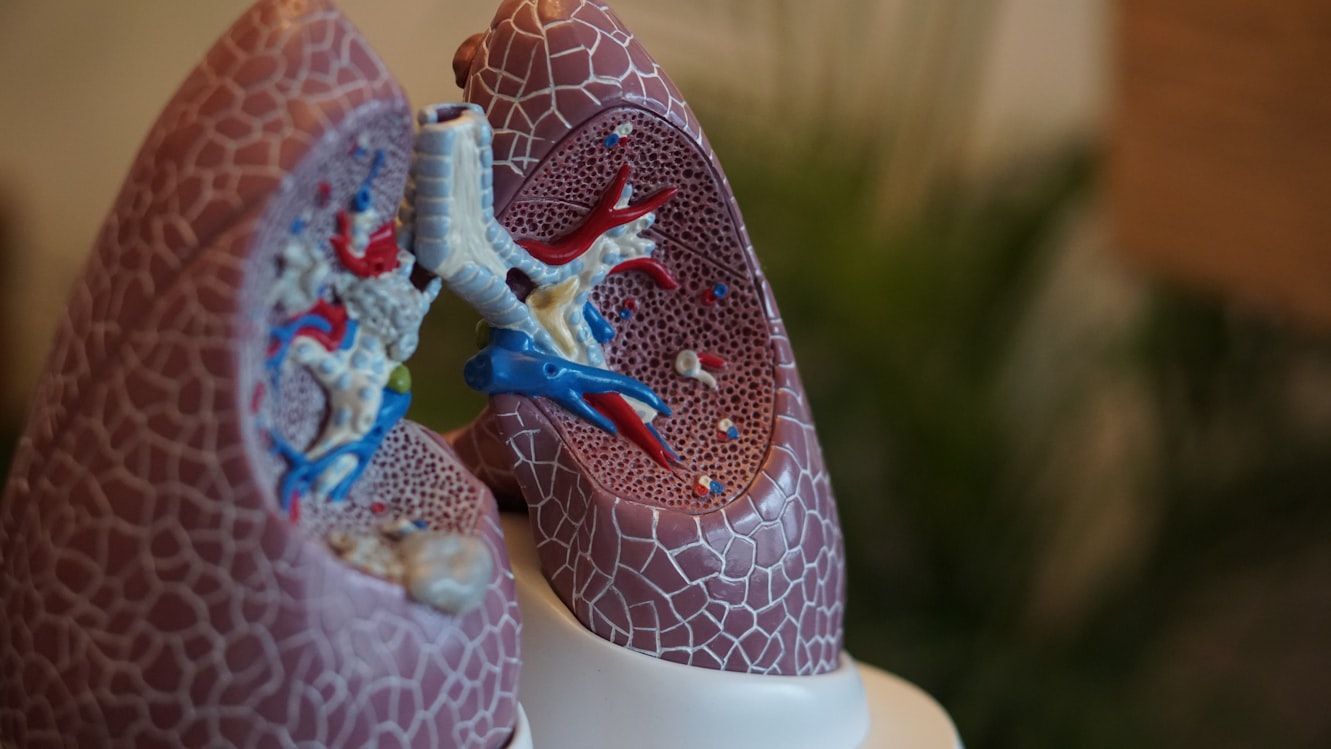
In extremely rare cases, a type of tumor called a teratoma can develop in the lungs and contain hair, teeth, or even eye-like tissue.

Teratomas are usually benign but still quite bizarre. They form from germ cells and can grow almost any tissue type due to their stem cell origin.

12

Your bones are full of holes

Image: Harlie Raethel

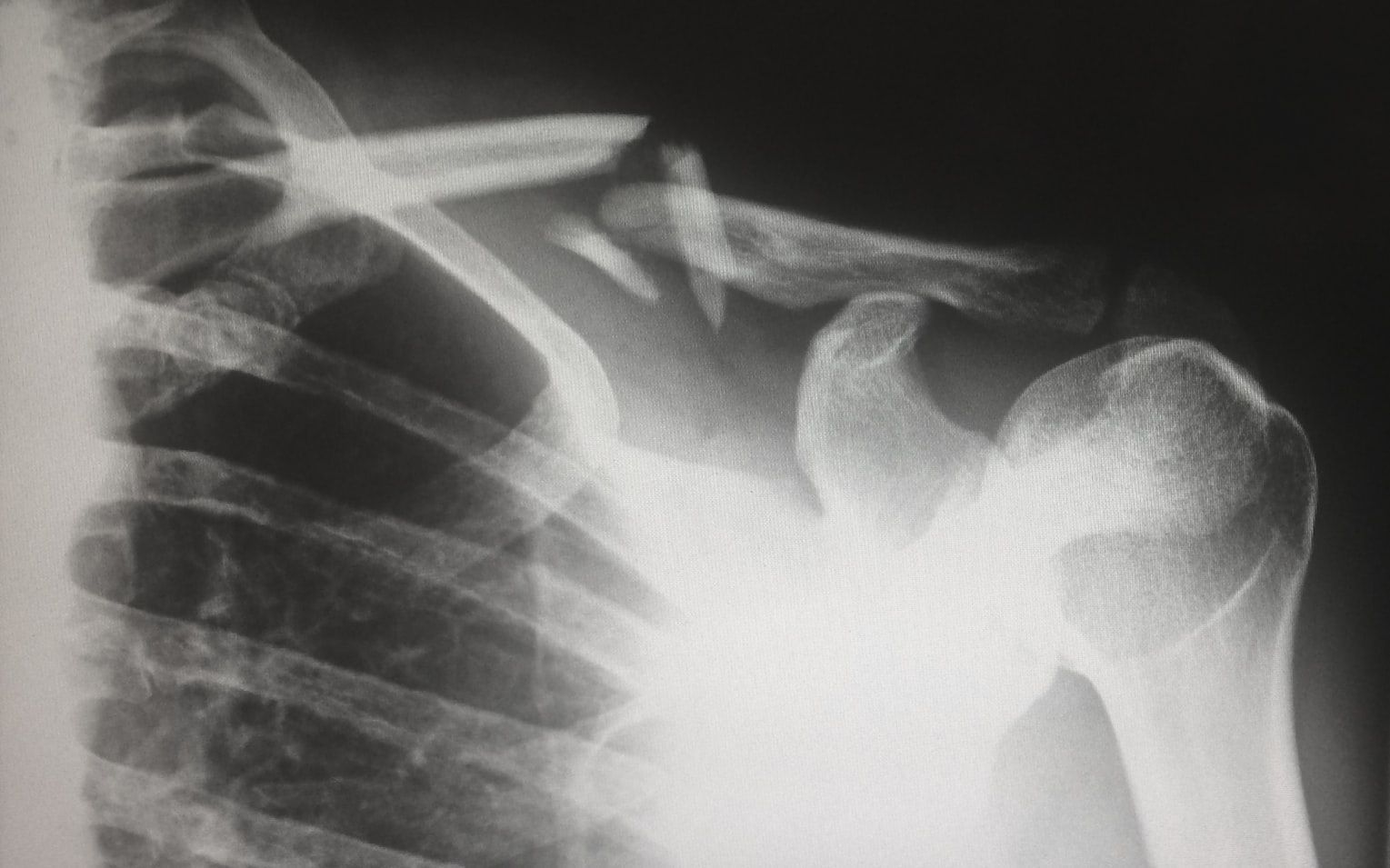
Even the hardest bones in your body are porous like a sponge. Under a microscope, they reveal a honeycomb structure filled with blood vessels and bone marrow.

This structure makes bones both strong and lightweight. However, in conditions like osteoporosis, those holes widen, weakening the bone from the inside.

Looking for an extra scoop of literary fun?

Learn more with our Word of the day

enormous

/ɪˈnɔrməs/