Dutch Baby, anyone?

A Dutch Baby is not made with babies. Then, why is it called that way?


Published on June 28, 2026


Image: Pixel-Shot

English is full of food names that sound completely straightforward. There is not much mystery about what a stuffed tomato or a grilled chicken is. But that is not always the case. Some names refer to ingredients that disappeared centuries ago. Others are jokes that somehow became official names. Take a look at these 10 food names that seem to describe a completely different product from the one they represent.

1

Mincemeat

Image: OlgaBombologna

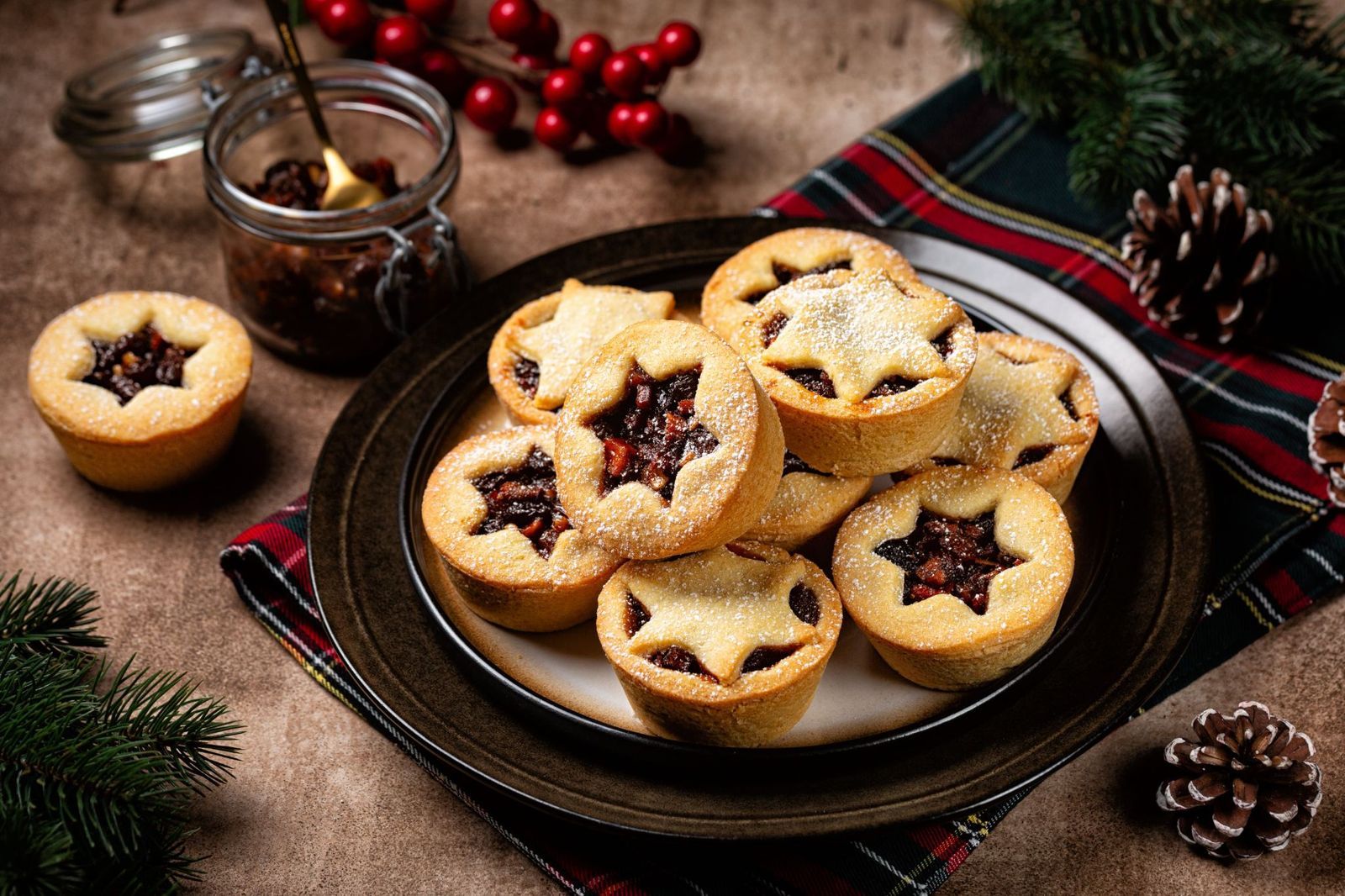
If you’ve never tasted mincemeat, you might assume it contains finely chopped meat. Historically, that assumption would have been correct. Medieval English cooks mixed minced beef, mutton, or venison with dried fruits, spices, and sugar to create rich pies.

Over time, the meat gradually vanished from most recipes. Modern mincemeat is usually made from raisins, currants, apples, citrus peel, spices, and sometimes even brandy. Despite containing little or no meat today, the name survived.

2

Sweetbread

Image: redzen2

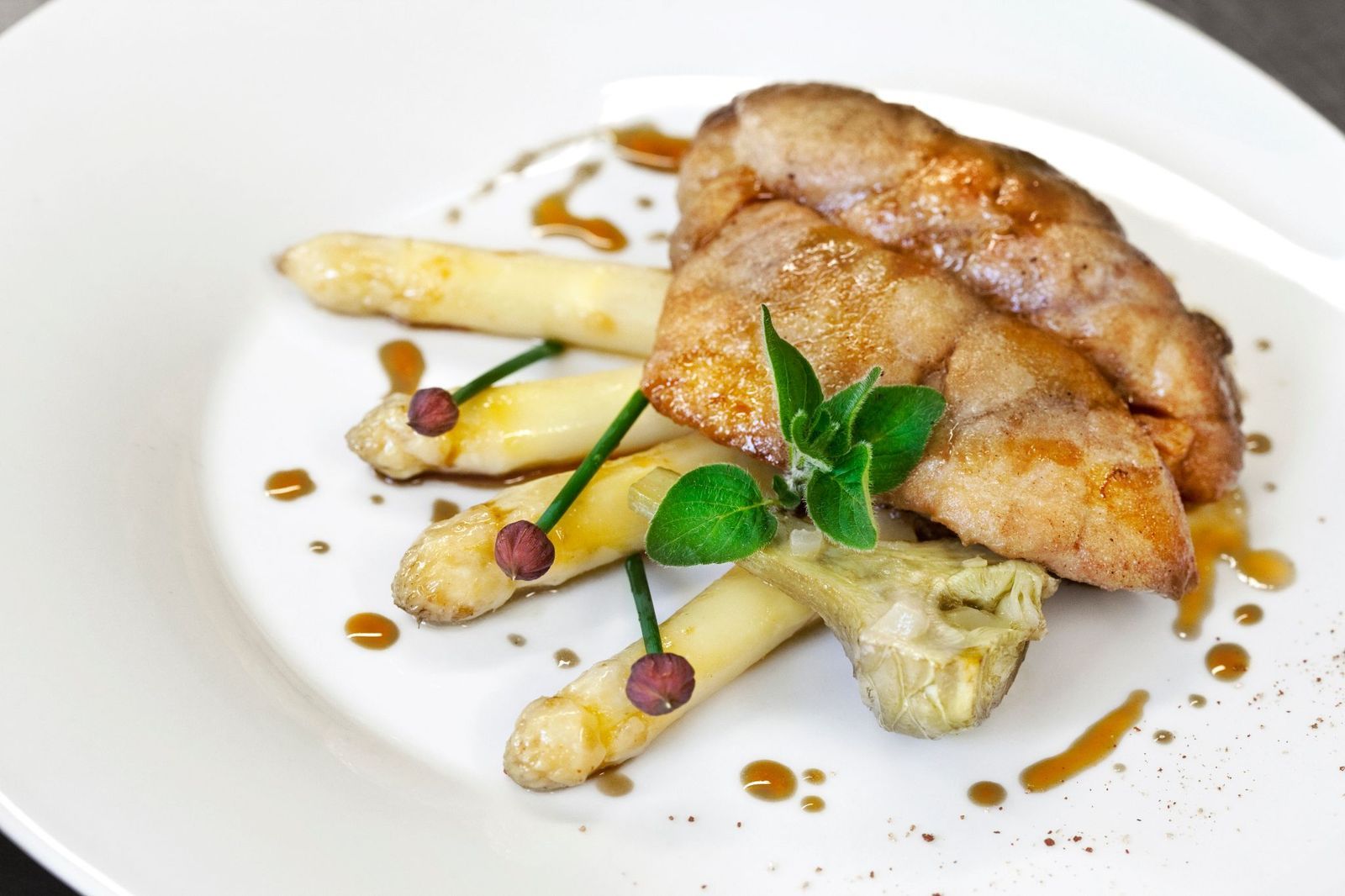
Sweetbread sounds like a bakery item, perhaps a sugary loaf or a pastry. In reality, it is neither sweet nor bread. The term refers to the thymus gland or pancreas of a young calf or lamb.

Sweetbreads have long been prized in French and European cuisine for their delicate texture and mild flavor. Food historians are not entirely sure where the name originated, but it has appeared in English culinary records for centuries. It remains one of the most misleading names in the culinary world.

3

Black pudding

Image: Nima Naseri

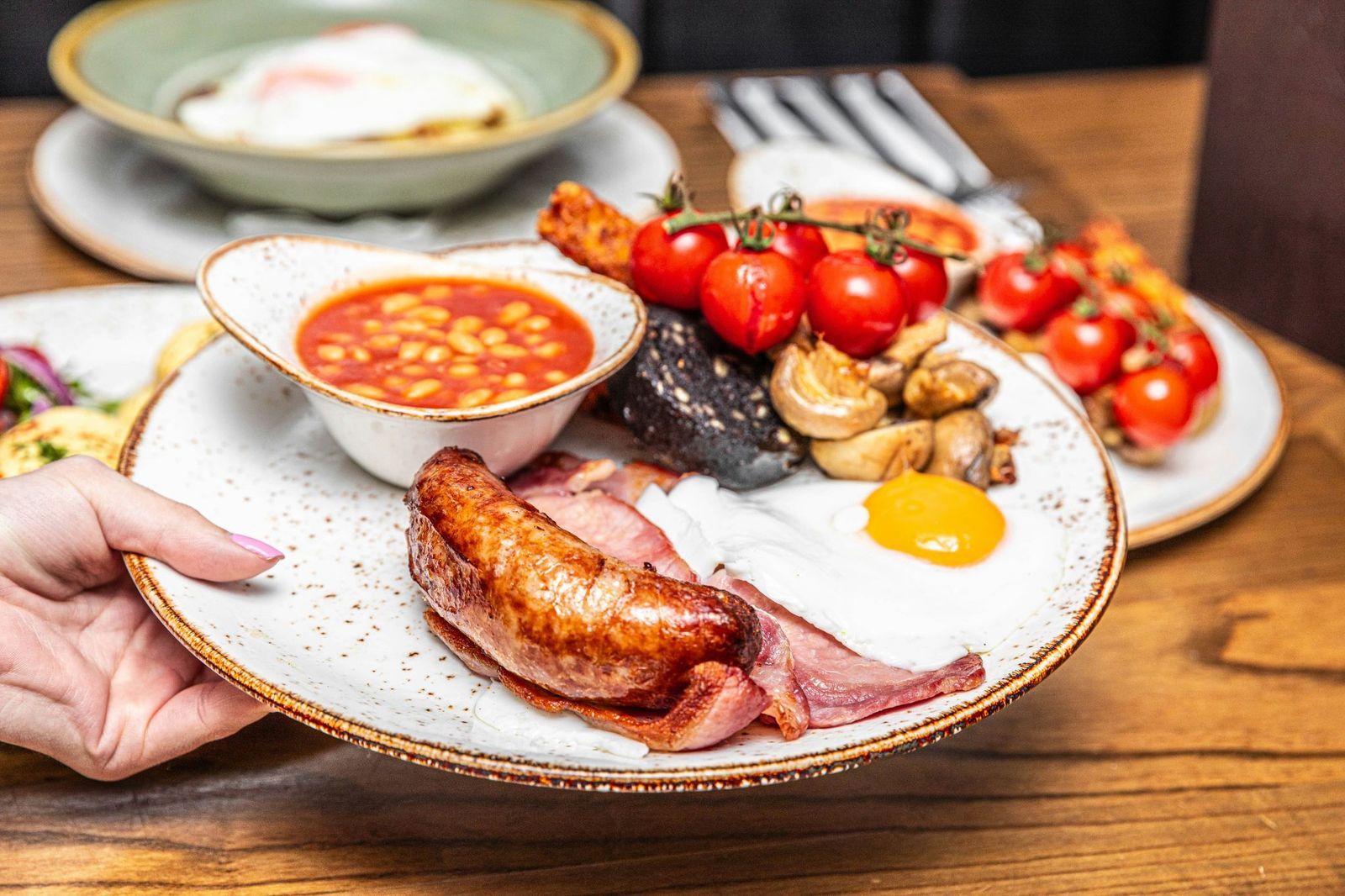
Many Americans hear the word "pudding" and think of dessert. Black pudding is something entirely different. It is a type of blood sausage traditionally made from pork blood, fat, and oats or barley.

The dish has been eaten throughout Britain and Ireland for hundreds of years and remains a classic component of a traditional full breakfast. The word "pudding" once had a much broader sense than it does today, which helps explain why a sausage ended up with that name.

4

Welsh Rabbit

Image: Foodgraphy39

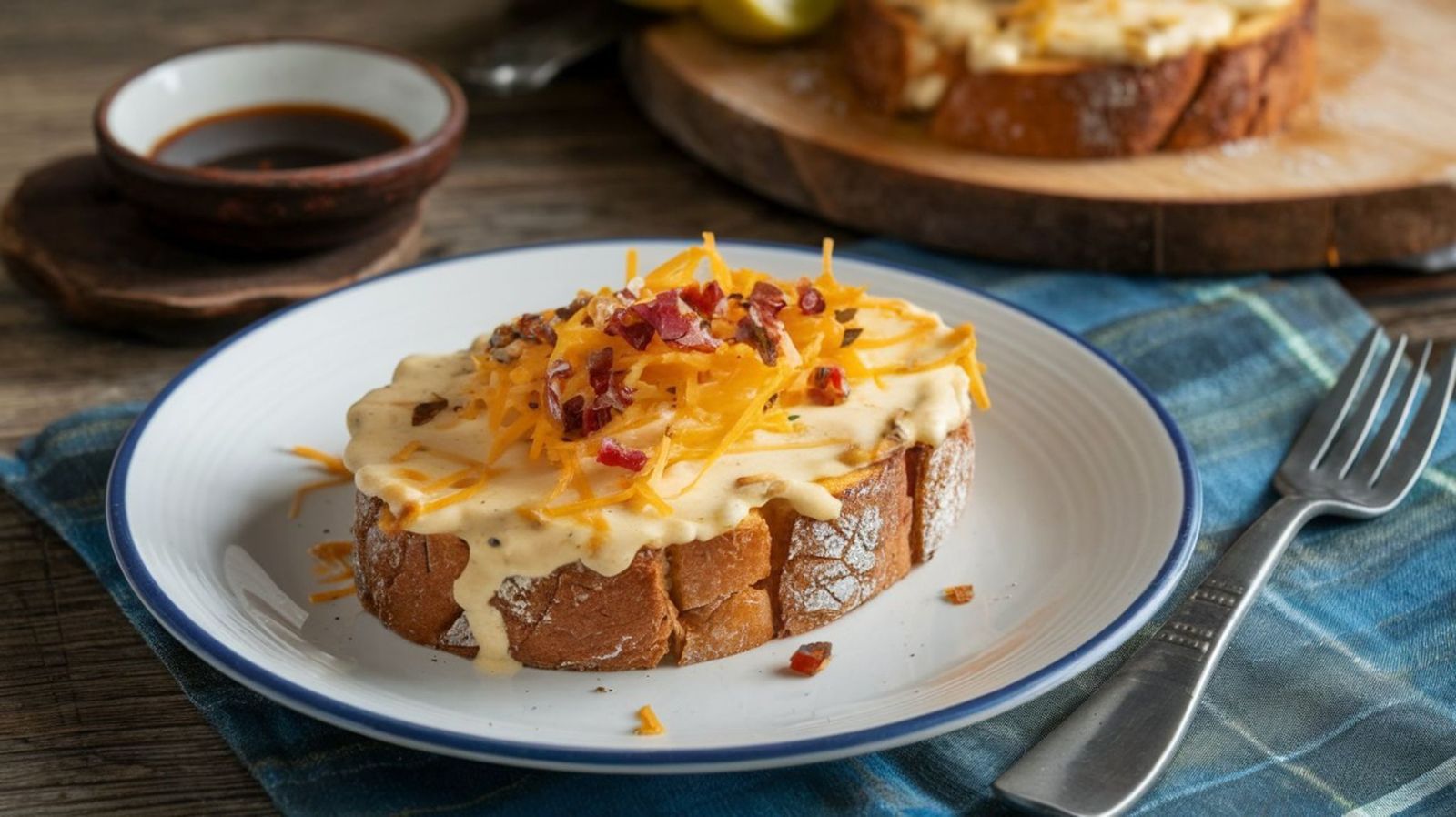
A person ordering Welsh Rabbit for the first time might reasonably expect rabbit meat. Instead, the dish consists of toasted bread topped with a savory sauce made from melted cheese, often flavored with mustard or ale.

The name appeared in print by the early eighteenth century. At some point, people began calling it "Welsh Rarebit," possibly because diners were confused by the complete absence of rabbit. Despite the newer name, many historians consider Welsh Rabbit the original and more authentic term.

5

Ladyfingers

Image: WS-Studio

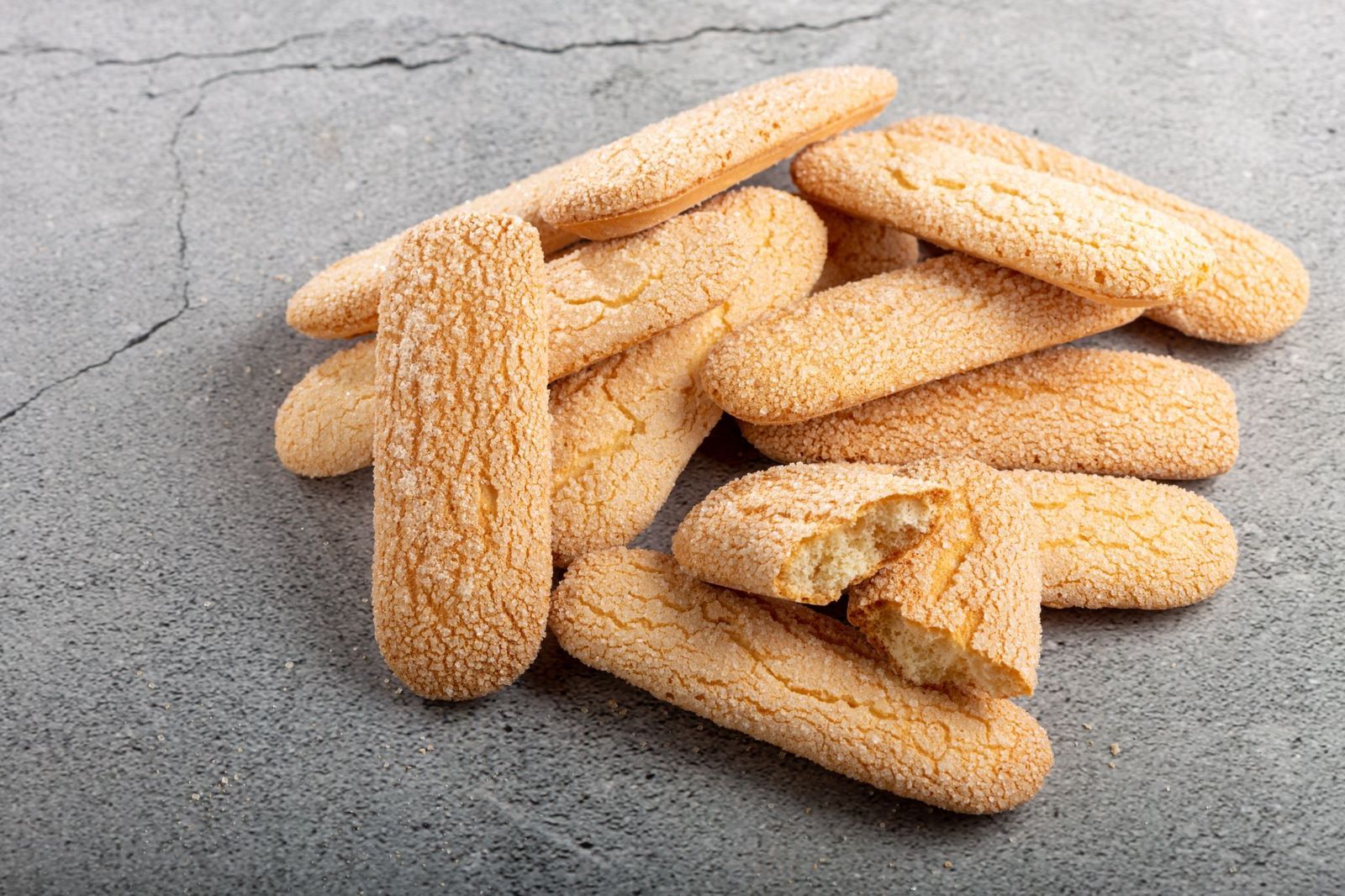
Ladyfingers are delicate sponge biscuits often used in desserts such as tiramisu and charlotte cakes. Their elegant name has nothing to do with a person and everything to do with appearance.

The cookies originated in the Duchy of Savoy, a region that once stretched across parts of modern France and Italy. Their long, slender shape was thought to resemble graceful fingers, giving rise to the name.

6

Bombay duck

Image: Akella Srinivas Ramalingaswami

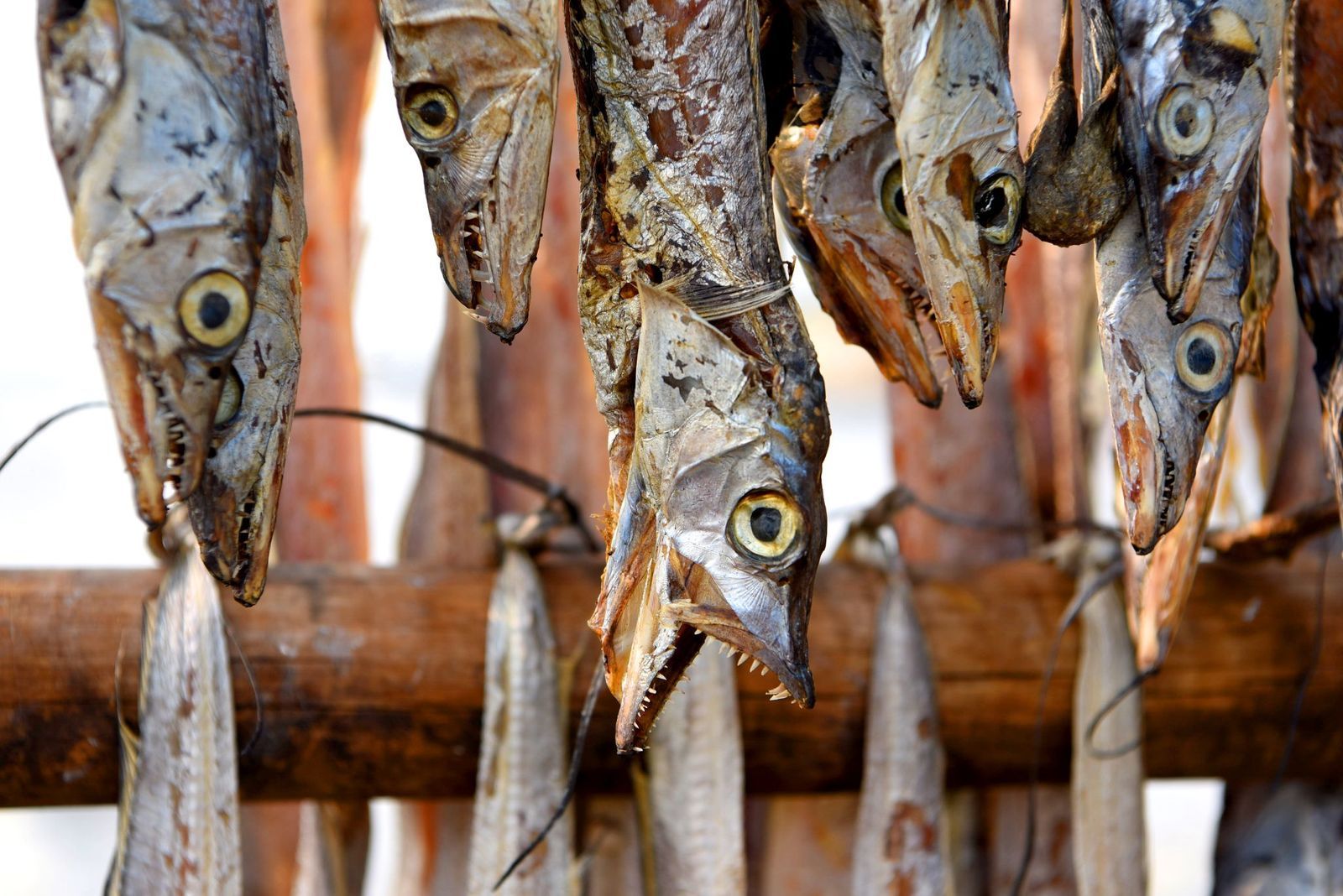
Bombay duck sounds like a poultry dish from India. But it is actually a fish. Specifically, it is Harpadon nehereus, a species commonly found in the waters of the Arabian Sea.

The fish is especially associated with Mumbai, formerly known as Bombay. One popular explanation traces the name to the old "Bombay Daak" mail train, which reportedly carried the strongly scented dried fish across India.

7

Egg cream

Image: Brent Hofacker

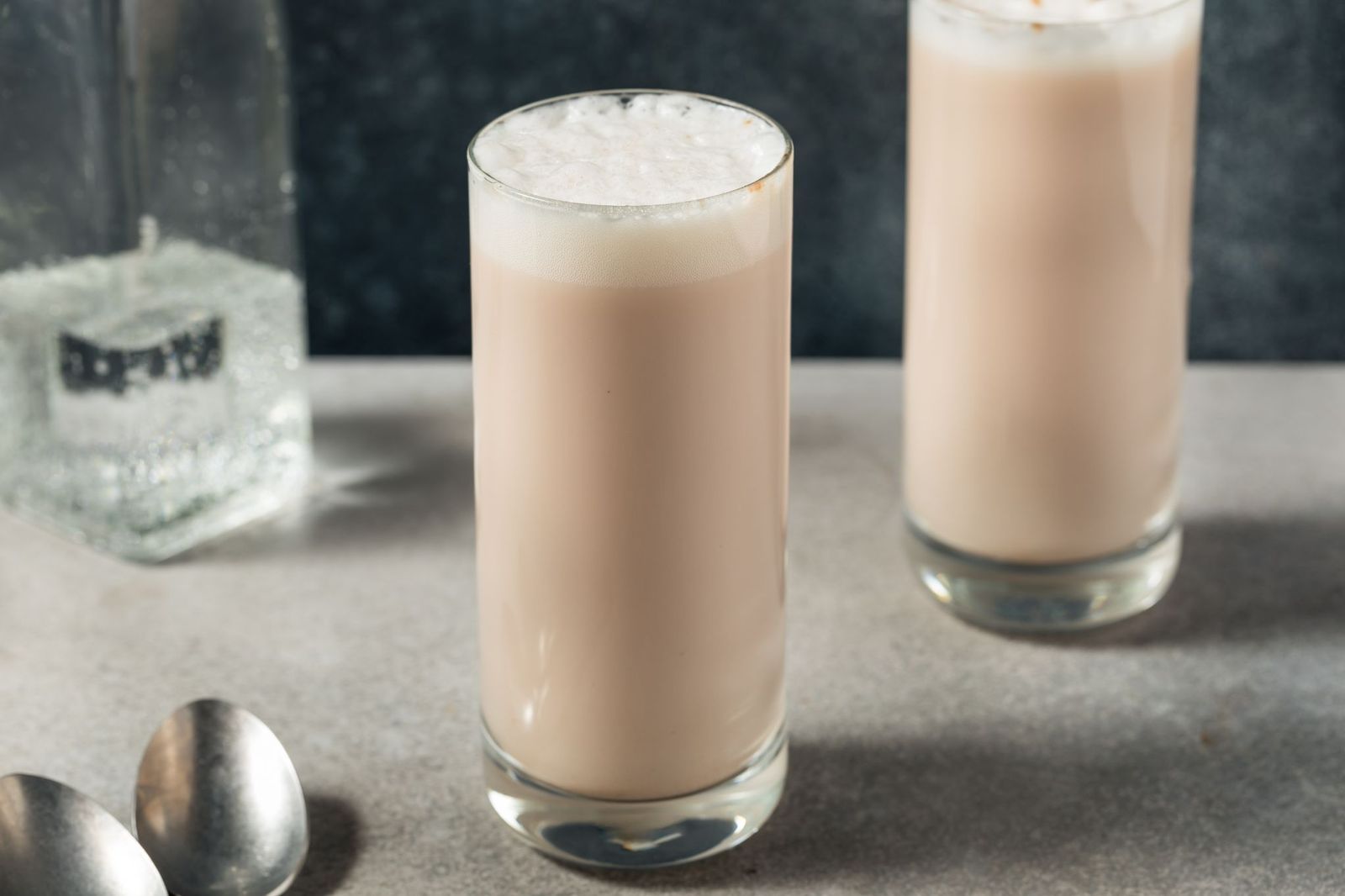
The classic New York egg cream contains neither eggs nor cream. Traditionally, it is made with milk, chocolate syrup, and carbonated water, creating a frothy drink that became famous in Brooklyn and Manhattan.

The beverage emerged in immigrant neighborhoods during the late nineteenth and early twentieth centuries.

8

Mock turtle soup

Image: Dar1930

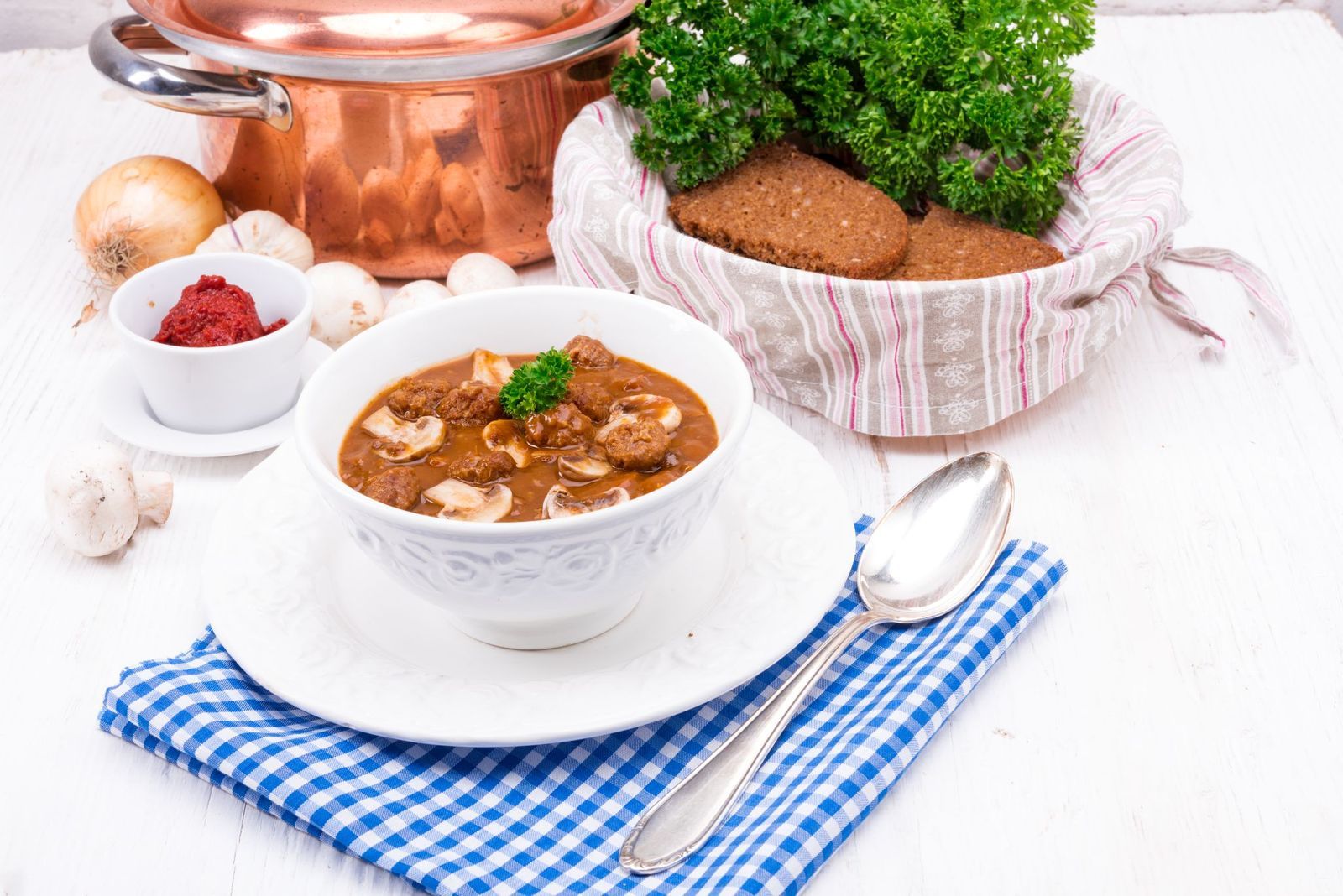
During the eighteenth century, turtle soup became a fashionable dish among wealthy diners in Britain. Real turtle meat, however, was expensive and difficult to obtain. Enter Mock Turtle Soup.

Cooks developed a less costly alternative using a calf’s head and other ingredients to imitate the flavor and texture of turtle soup. The imitation became so well known that Lewis Carroll included a Mock Turtle character in Alice’s Adventures in Wonderland in 1865, helping preserve the name in popular culture.

9

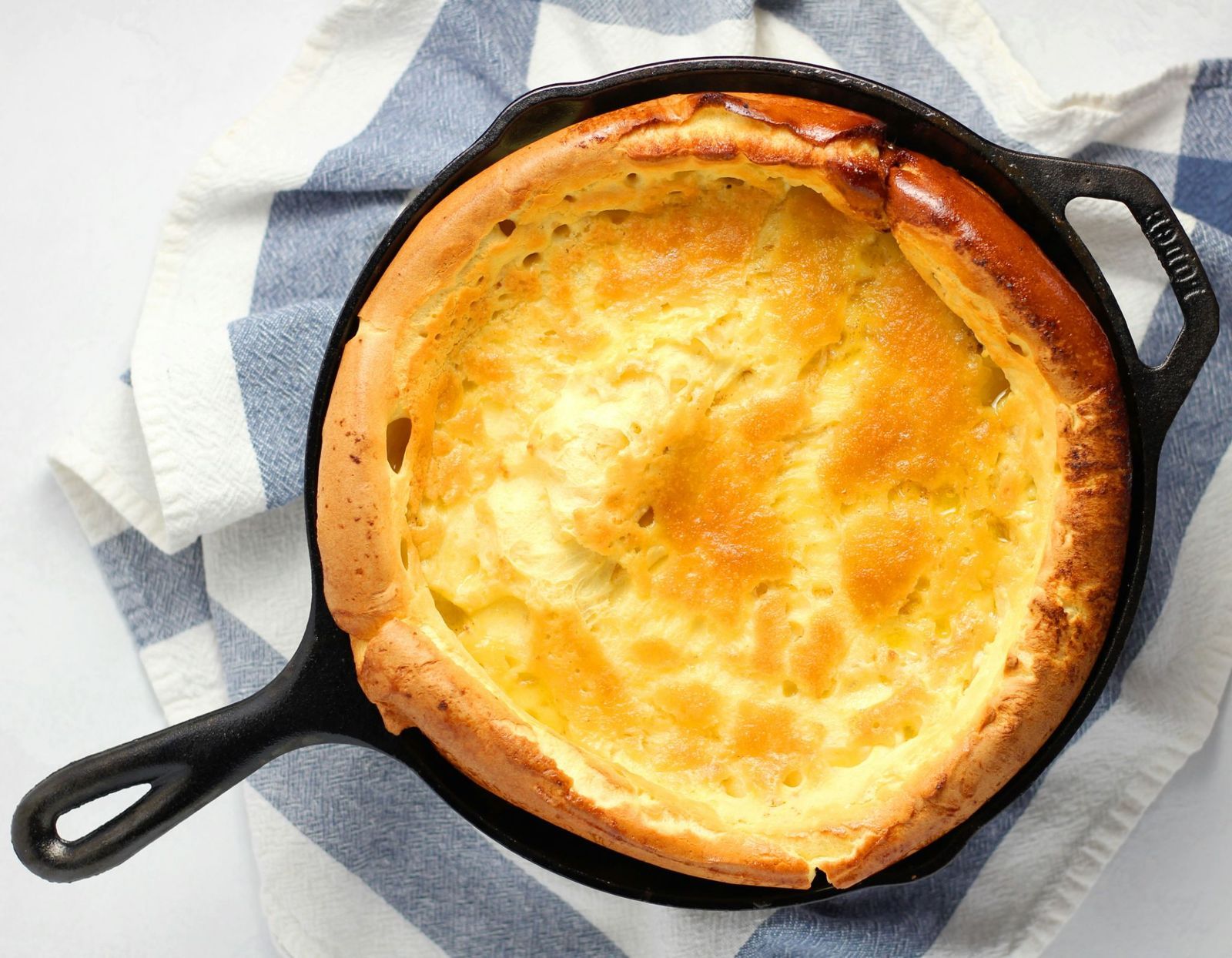
Dutch baby

Image: sheri silver

A Dutch Baby is a large baked pancake that puffs dramatically in the oven before settling into a bowl-like shape. Despite its name, it’s not Dutch.

Most food historians trace the dish to German pancake traditions. The name likely emerged from a misunderstanding of the word Deutsch, meaning German. The recipe became especially popular in the U.S. during the early twentieth century.

10

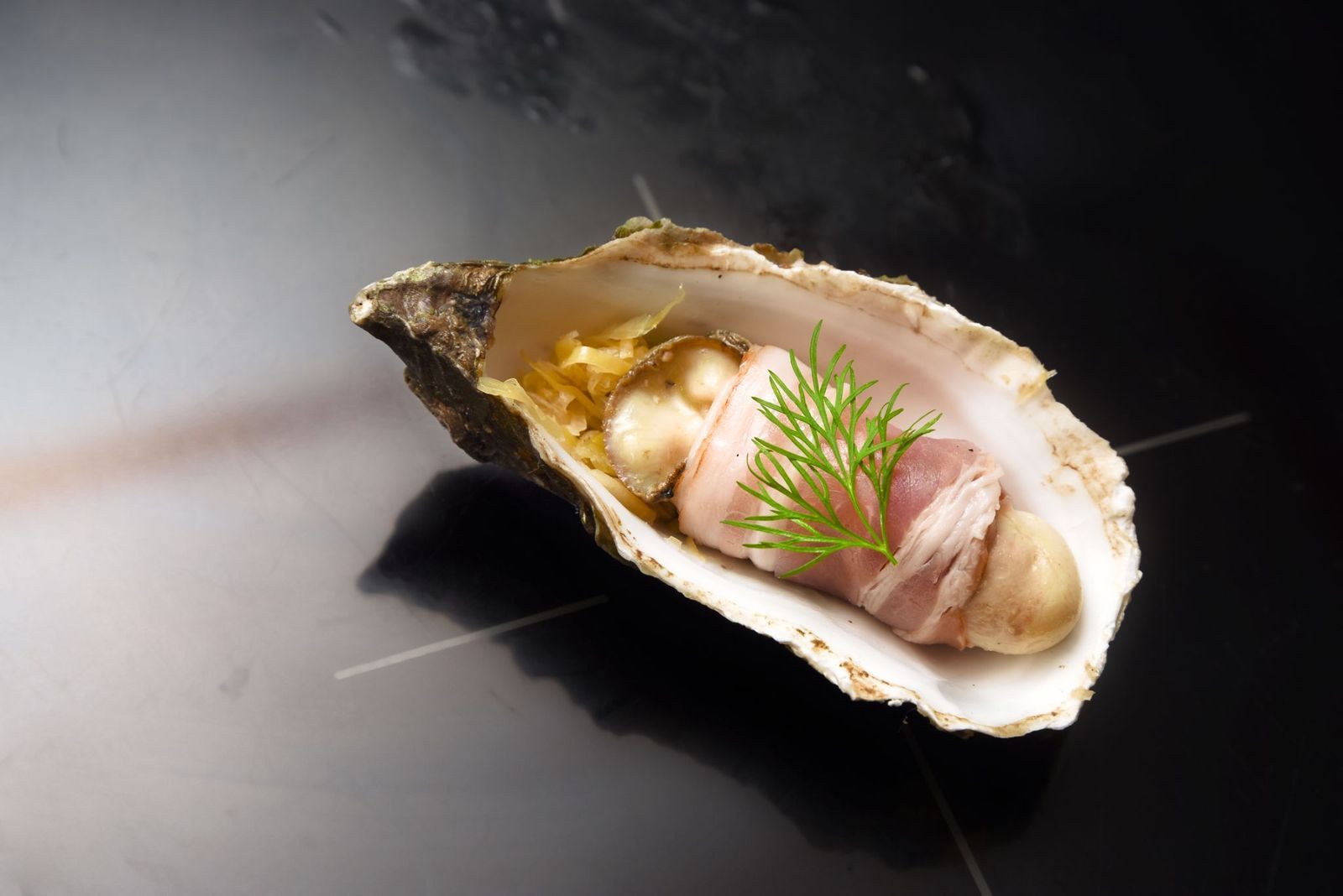
Angels of horseback

Image: Maren Winter

No angels or horses were harmed in the making of this classic British appetizer. The dish consists of oysters wrapped in bacon and then grilled or broiled until crisp.

Angels on Horseback became popular during the Victorian era and was often served at formal dinners. It even has a culinary counterpart called Devils on Horseback, which typically substitutes dried fruit such as prunes for the oysters.

World traveling, at home

Why is there a Paris in Texas? Discover 12 U.S. towns with foreign names


Published on June 28, 2026


Image: Florian Wehde

You don’t need to leave the U.S. to take a trip around the world. All you have to do is check a map! Scattered across the country are dozens of American towns and cities named after faraway places, from Athens, Georgia, to Barcelona, New York. Did you know about these 12 cities and the origin of their names?

1

Birmingham, Alabama

Image: Tom W

Birmingham, Alabama, was founded in 1871 and named after Birmingham, England, to reflect its industrial ambitions. James R. Powell, one of the founders, had recently visited the English city and proposed the name.

Inspired by England’s iron and steel hub, the new Birmingham quickly grew and earned the nickname "The Magic City" for its rapid industrial development.

2

Paris, Texas

Image: Chris Karidis


Named after the French capital city, Paris, Texas, was officially established in 1844 and became the county seat of Lamar County before the Civil War.

The name was supposedly chosen by founder George W. Wright in a lighthearted or playful spirit, according to local lore.

3

Berlin, Connecticut

Image: Florian Wehde

Berlin, Connecticut, was formed from parts of several nearby towns. It was originally called Kensington before being renamed after Berlin, the then capital of Prussia.

The name likely reflected admiration for Frederick the Great, seen as a supporter of the American Revolution. Unlike its German namesake, the town's name is pronounced with the stress on the first syllable.

4

Rome, New York

Image: David Köhler

Rome, New York, was named after Rome, Italy, following a trend of naming towns in upstate New York after classical European cities. The area was previously called Lynchville, after its Irish settler Dominick Lynch.

The name "Rome" had already been given to the township during the "Classical Naming Period."

5

Madrid, Iowa

Image: Florian Wehde

Madrid, Iowa, was named after Madrid, Spain, but the choice was rooted in personal spite. During the third town survey in 1855, local landowner Gaston named it to irritate his Swedish in-laws and a Spanish employee.

Despite the odd origin, the name remained through subsequent surveys and was officially kept when the town was incorporated in 1883.

6

Athens, Georgia

Image: Constantinos Kollias

Athens, Georgia, was named after Athens, Greece, to reflect ideals of learning and culture. The name was chosen in 1801 by John Milledge when he purchased land for the University of Georgia.

Inspired by classical traditions, Milledge wanted the new town to symbolize intellectual pursuit, much like its ancient namesake.

7

Moscow, Pennsylvania

Image: Michael Parulava

Moscow, Pennsylvania, was settled in the 1830s, with Reverend Peter Rupert, a Lutheran minister, playing a key role in its founding. The town’s early economy centered on lumbering and agriculture.

It was named after Moscow, Russia, possibly due to Russian settlers or shared religious ties with Reverend Rupert.

8

Versailles, Kentucky

Image: Brandy Willetts

Versailles, Kentucky, was founded in 1792 on land owned by Hezekiah Briscoe. His guardian, Major Marquis Calmes, named the town after Versailles, France.

The name honored General Lafayette, a family friend and Revolutionary War hero with strong ties to the French city. It was chosen as a personal tribute and reflected French influence.

9

Oxford, Mississippi

Image: Ben Seymour

Oxford, Mississippi, was founded in 1837 and named after Oxford, England, to attract a university. The founders hoped to establish the town as a center of learning.

Their plan succeeded when Mississippi chose Oxford as the site for its first state university in 1841. The university opened in 1848, fulfilling the city’s academic vision.

10

Frankfort, Illinois

Image: Lāsma Artmane

Frankfort, Illinois, was named after Frankfurt-am-Main, Germany, the hometown of early settler Frederick Cappel. He named it Frankfort Township in 1850.

When the railroad arrived in 1855, it established "Frankfort Station." The village later dropped "Station" when it was officially incorporated.

11

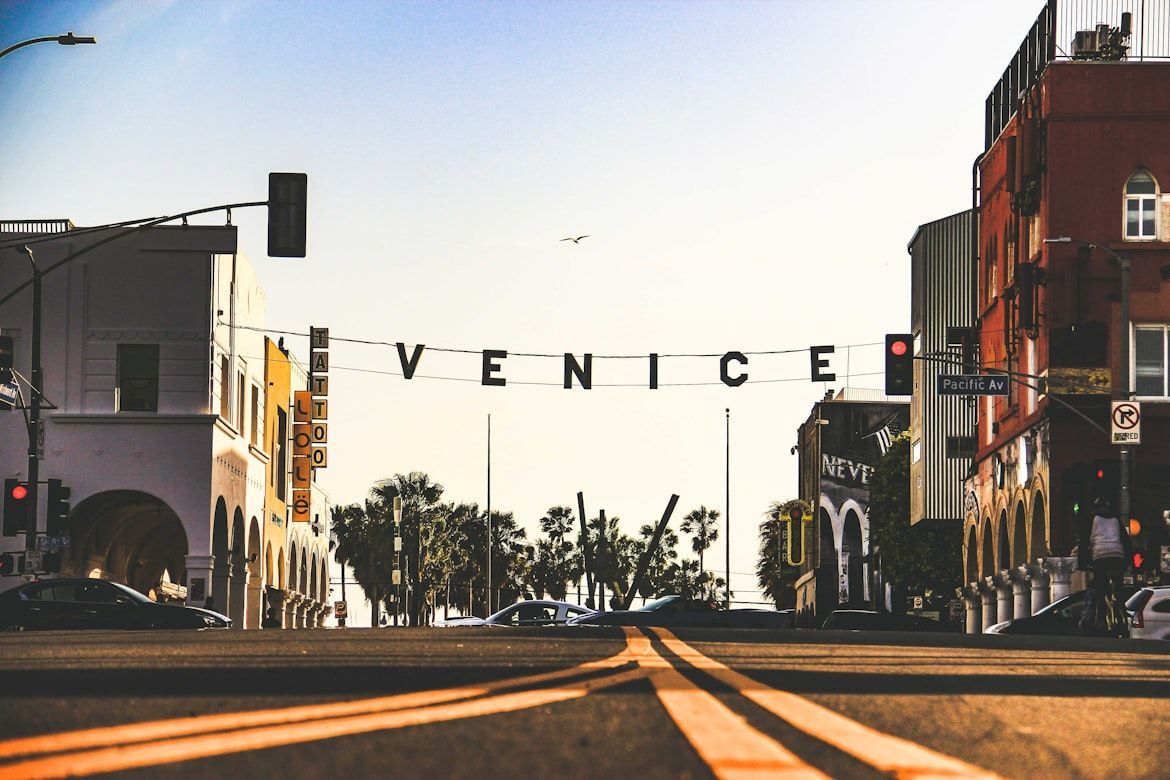
Venice, California

Image: Joshua Stannard

Venice, California, was founded by Abbot Kinney, who aimed to recreate the charm of Venice, Italy. He designed the town with canals, pedestrian bridges, and Venetian-style architecture.

Kinney envisioned it as a seaside resort with a romantic, European feel. The canals became a key attraction, drawing visitors and shaping the town's unique identity.

12

Barcelona, New York

Image: Ken Cheung

Barcelona, New York, was originally called Portland and laid out in 1813. In 1836, a local businessman who had spent time in Spain urged the name change to Barcelona.

The village thrived as a harbor in the 1830s and 1840s, but declined after railroads took over regional transport. It later became part of the Town of Westfield.

Looking for an extra scoop of literary fun?

Learn more with our Word of the day

facilitate

/fəˈsɪləˌteɪt/