Get a cup of Joe!
After this, you'll never look at your morning coffee the same way again!
Published on March 4, 2026
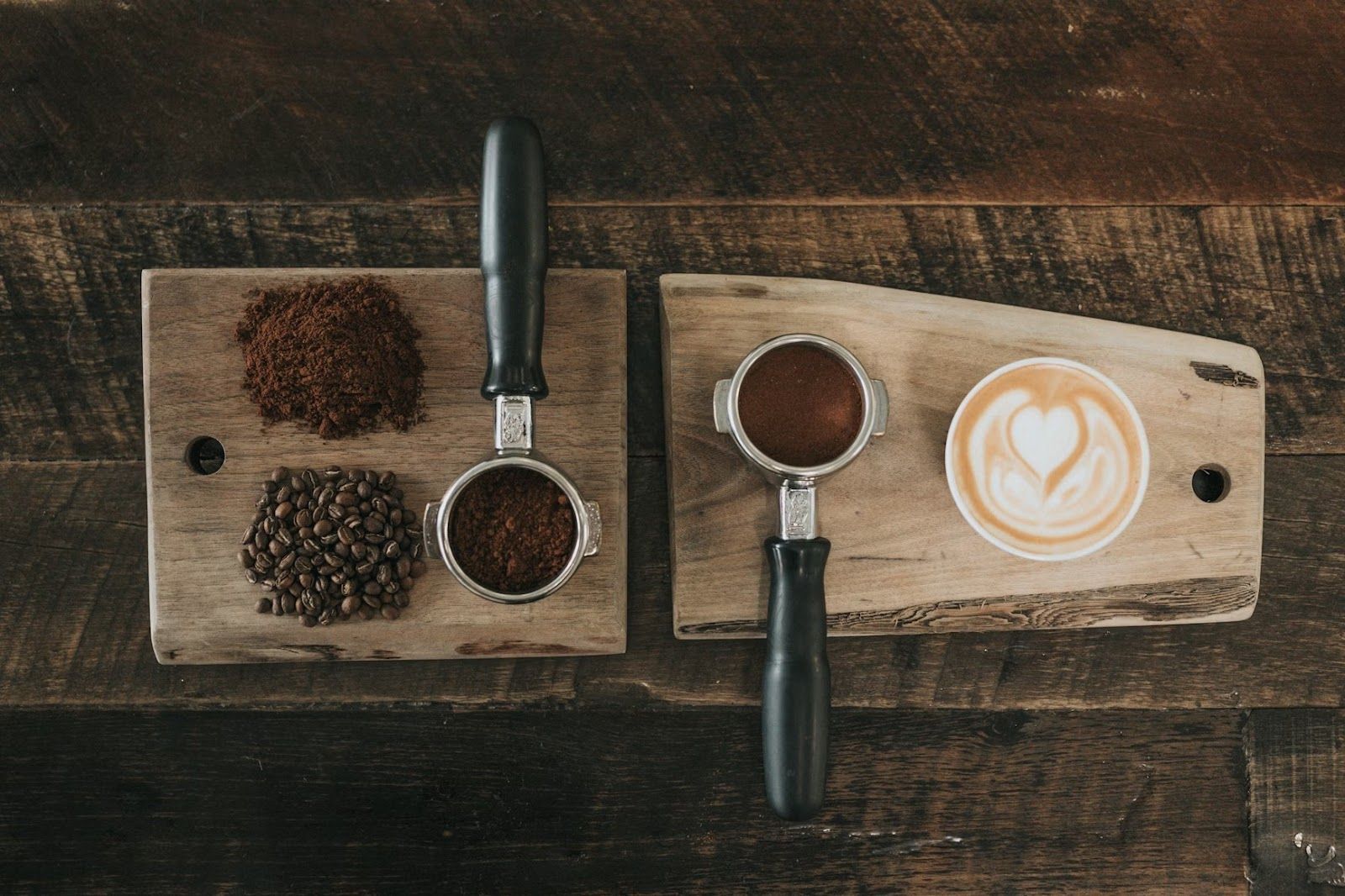 Image: Nathan Dumlao
We all love a good cup of coffee, but how much do you really know about it? From legendary goat herders to coffee brewed in animal intestines (yes, that’s real), coffee has one of the oddest backstories out there. If you're sipping your morning brew right now, hold on tight because these fun, crazy facts might just surprise you.
Goats were the first coffee drinkers
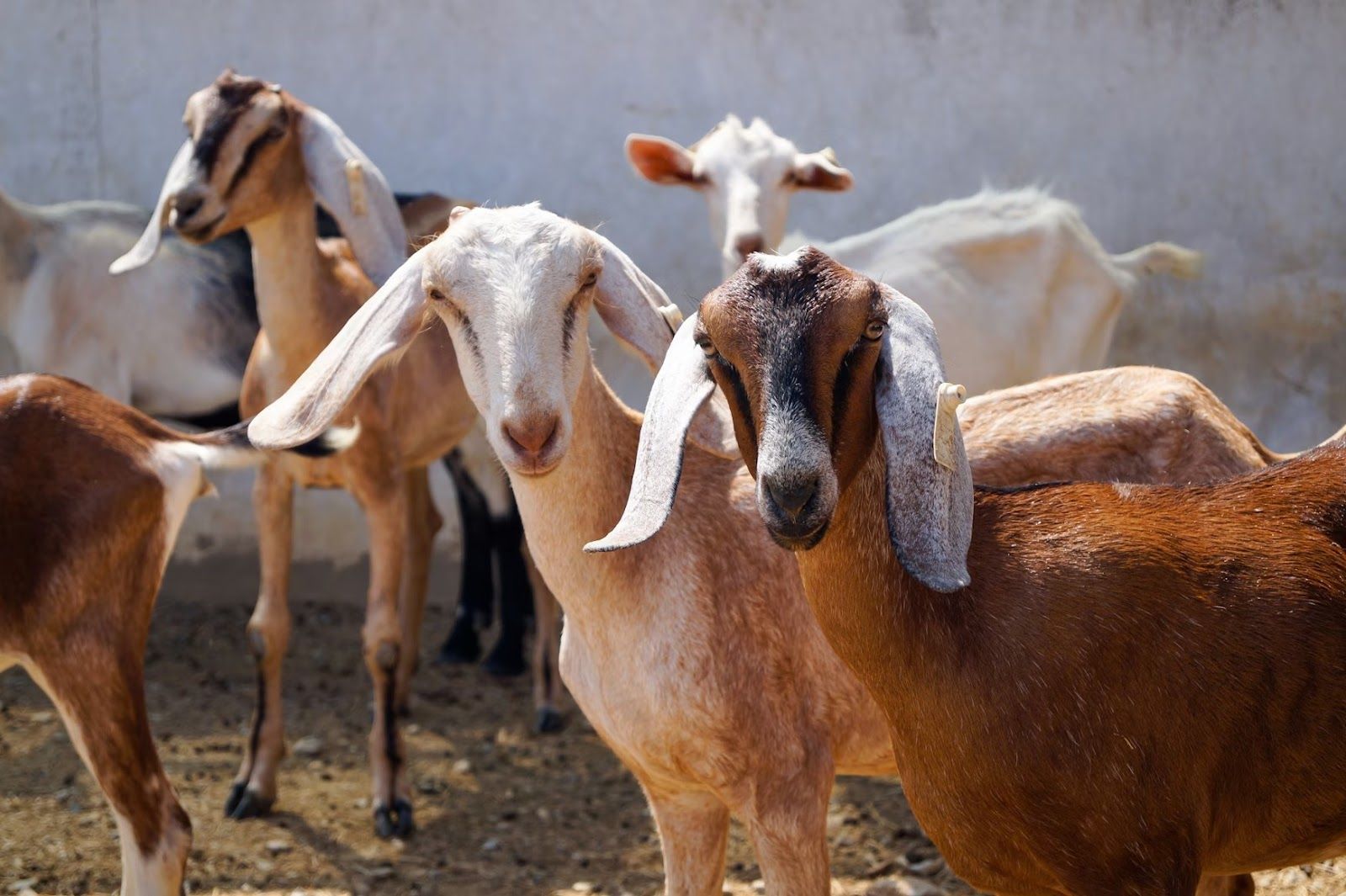 Image: Jorge Salvador
Long before baristas and espresso machines, it was goats who discovered coffee… well, sort of. Legend says an Ethiopian herder noticed his goats dancing around after munching on some bright red berries. Curious, he tried them himself and felt more energetic. That "goat energy" was the world’s first caffeine buzz.
Coffee was once the devil’s drink
 Image: Emre
In the 1500s, some religious leaders in Europe weren’t too thrilled about coffee. They called it "the bitter invention of Satan." But things turned around when Pope Clement VIII took a sip, liked it, and gave it his official blessing. After that, coffee got the green light—and never looked back.
England tried to ban coffee shops
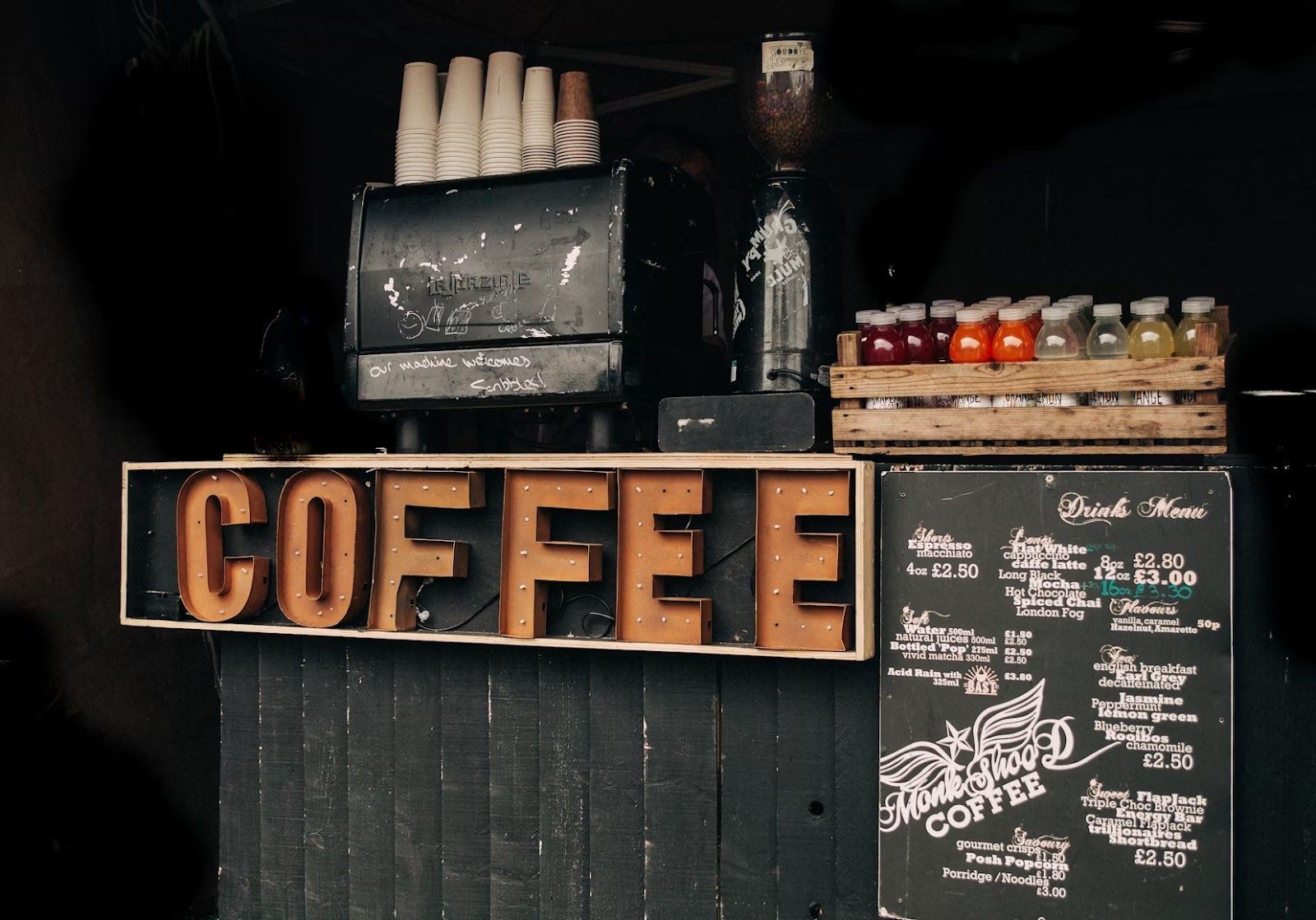 Image: Clem Onojeghuo
In 1675, King Charles II thought coffeehouses were troublemakers' headquarters. He banned them, fearing they were stirring up rebellion. The public wasn’t having it. After just 11 days, the ban was lifted. Coffee drinkers: 1. The king: 0.
The first webcam watched a coffee pot
 Image: Leon Bublitz
Forget cats and sunsets, the very first webcam ever invented was aimed at a coffee pot. In 1991, scientists at the University of Cambridge set it up so they could check whether there was fresh coffee without getting up. If you’ve ever hovered by the coffee maker waiting for it to brew, you can relate.
Beethoven was a coffee control freak
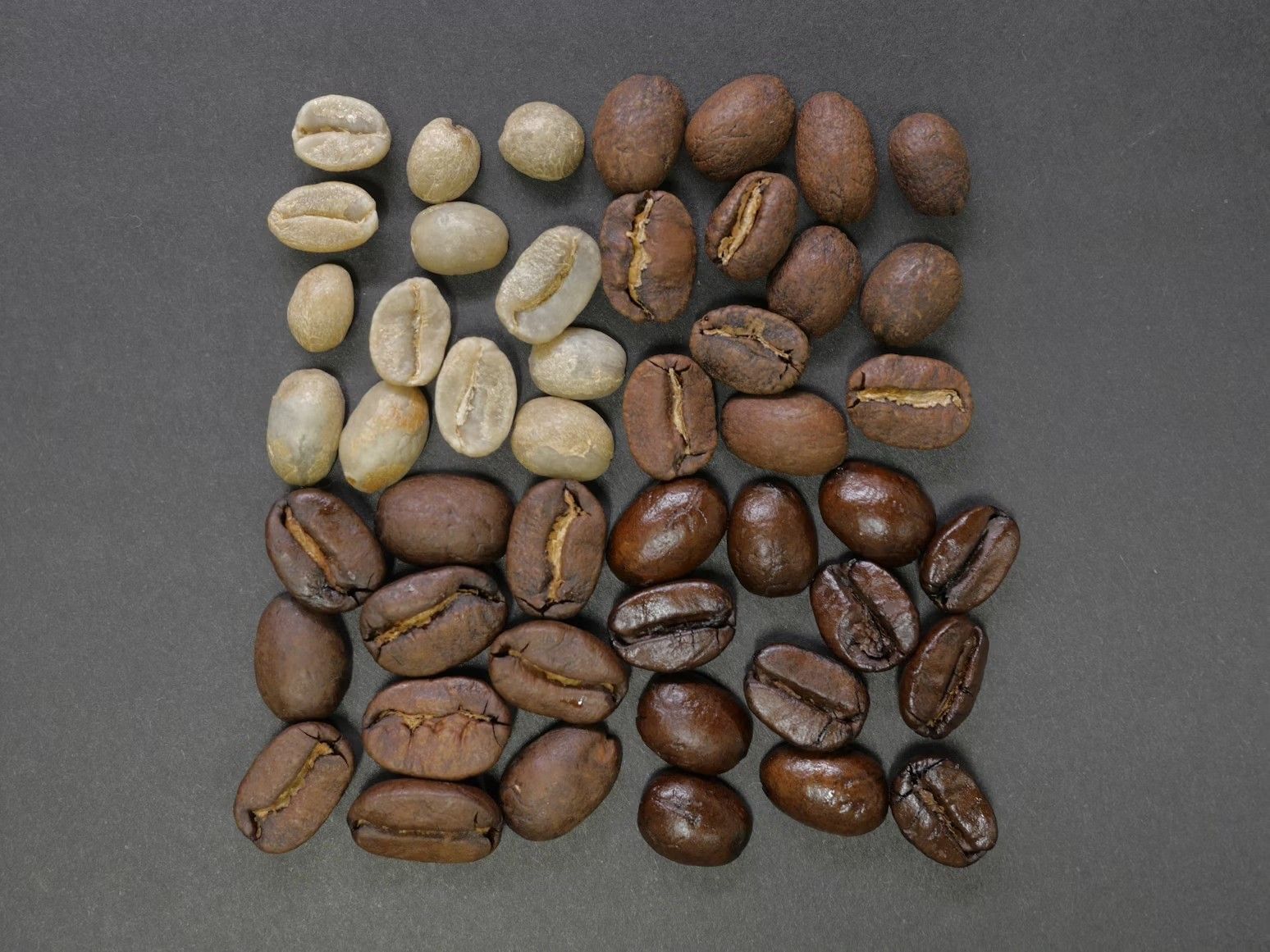 Image: nousnou iwasaki
Composer Ludwig van Beethoven didn’t just write symphonies; he also approached coffee brewing with scientific precision. He reportedly insisted on using exactly 60 coffee beans per cup. No more, no less. It’s unclear how he counted them, but one thing’s certain: he took his caffeine seriously.
Coffee houses sparked paranoia
 Image: Petr Sevcovic
Back in the day, coffeehouses weren’t just places for casual conversation. They were buzzing with ideas, politics, and a fair amount of gossip. Authorities thought all that discussion could lead to unrest. As it turned out, people just needed a place to vent and sip.
The strongest coffee on earth isn’t for the faint of heart
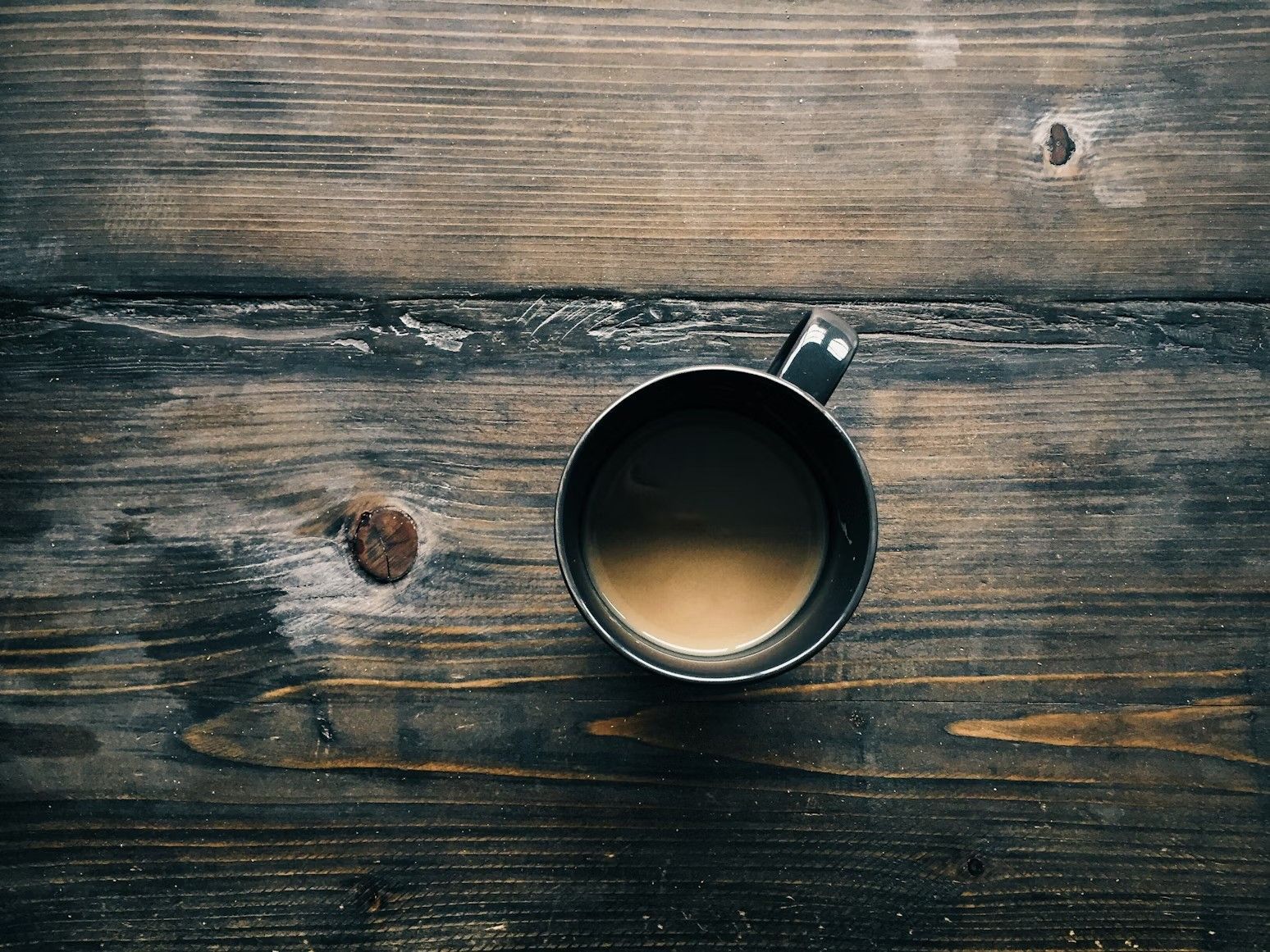 Image: Mikesh Kaos
Have you ever heard of Black Insomnia? It’s not a punk band, it’s a coffee with an extremely high amount of caffeine per cup. Some servings contain over 700 milligrams of caffeine! That’s more than three regular coffees combined. If your heart flutters after one cup, this brew is probably not for you.
A coffee cup big enough for a swimming pool
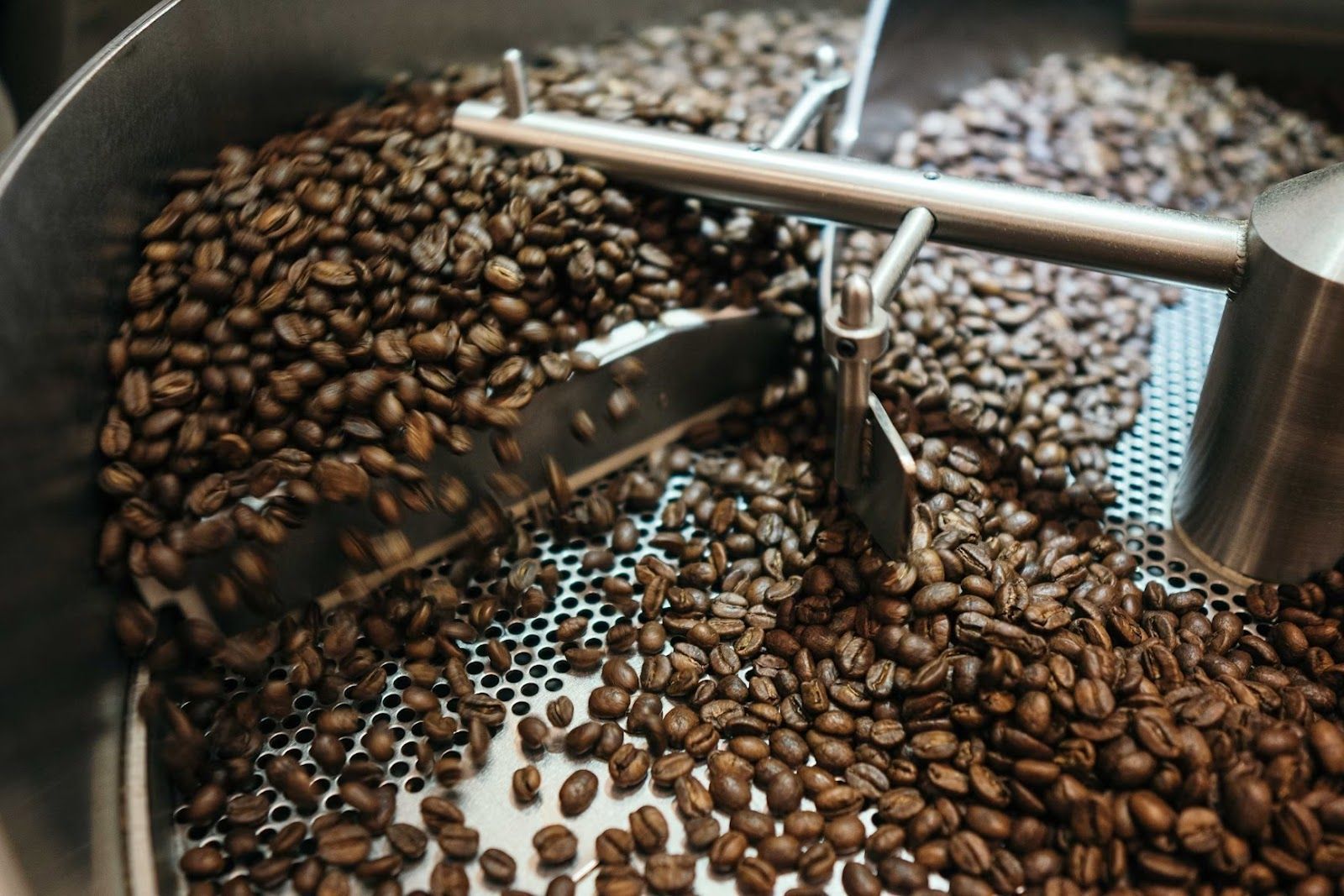 Image: Battlecreek Coffee Roasters
In 2019, coffee lovers in South Korea brewed the world’s largest cup of coffee—more than 3,700 gallons. It reportedly took around 1,000 people to help drink it. No comment on how many bathroom breaks were needed afterward.
"Cup of Joe" has military roots
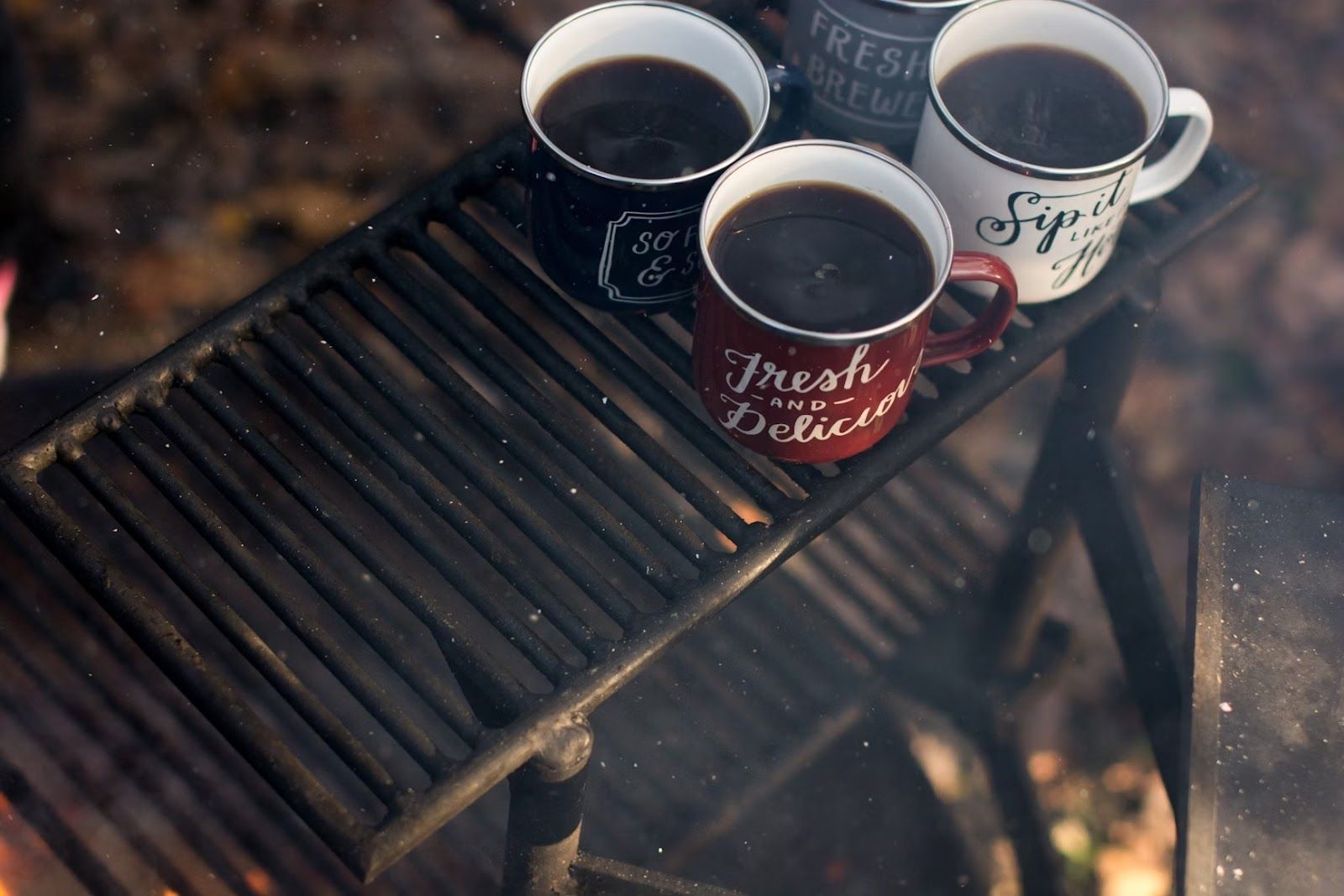 Image: Lexi Anderson
Have you ever wondered why we call it a "cup of Joe"? It’s likely thanks to Josephus Daniels, the US Secretary of the Navy, who banned booze on naval ships in 1914. With alcohol off-limits, sailors turned to coffee instead, and the nickname stuck.
The first coffee shop opened over 500 years ago
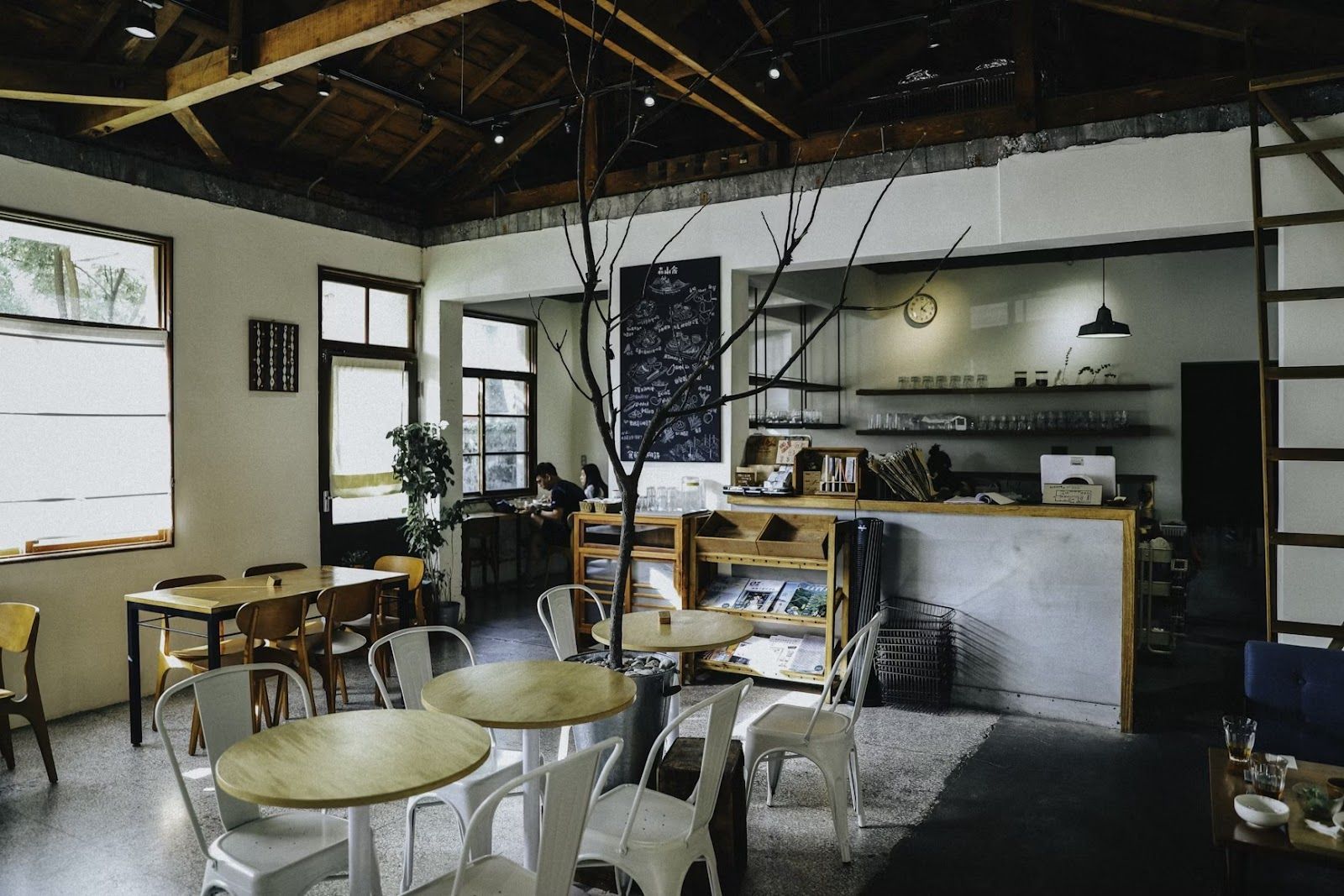 Image: Anledry Cobos
The world’s first official coffeehouse popped up in 15th-century Constantinople (modern-day Istanbul). It wasn’t just a place to grab a drink; it was a hub for news, chess games, and lively debate. The modern café owes a lot to these early trailblazers.
Instant coffee is older than you think
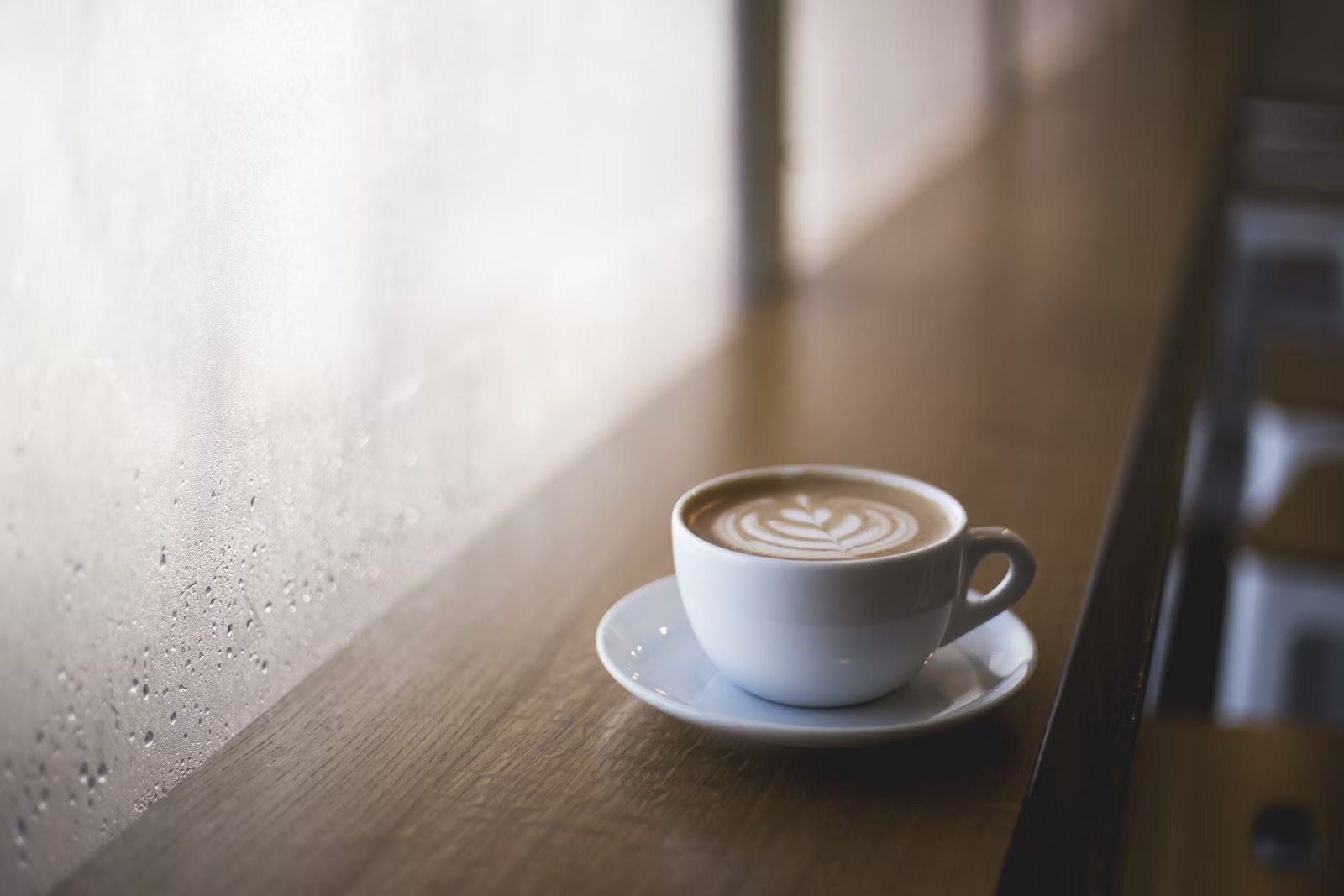 Image: Kari Shea
Instant coffee may scream "1970s convenience," but it actually dates back to 1901. A Japanese chemist named Satori Kato created an early version of it, though it didn’t become a hit until the 1930s, when Nestlé got involved. Fast, easy, and just right for a quick cup.
The flat white started a friendly feud
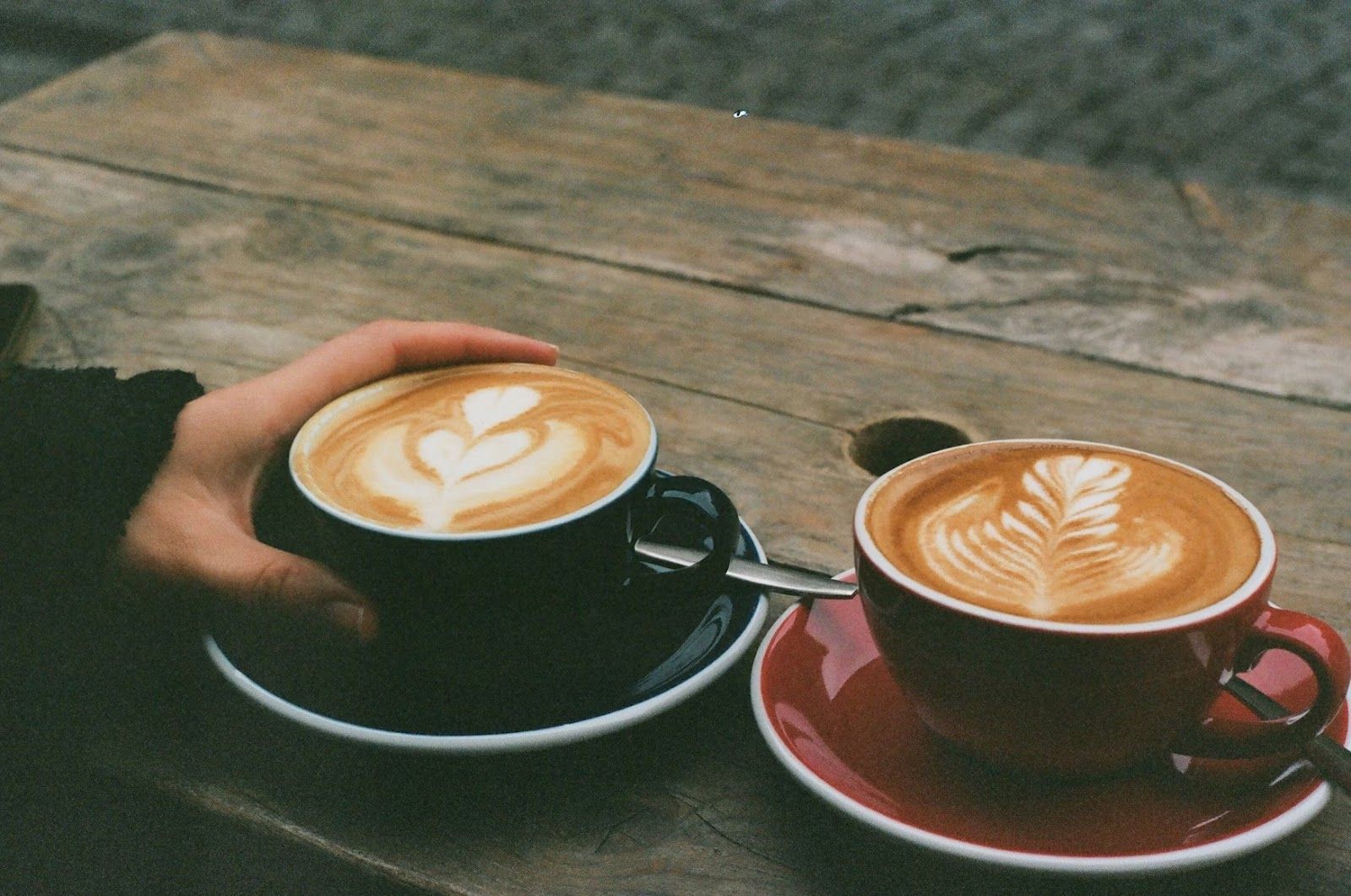 Image: Dorien Monnens
Who invented the flat white, a creamy espresso favorite, Australia or New Zealand? Both countries claim it. The answer is still up for debate, but either way, the drink is a staple at coffee shops everywhere. No referee has stepped in yet.
Cappuccino and monks? Yep!
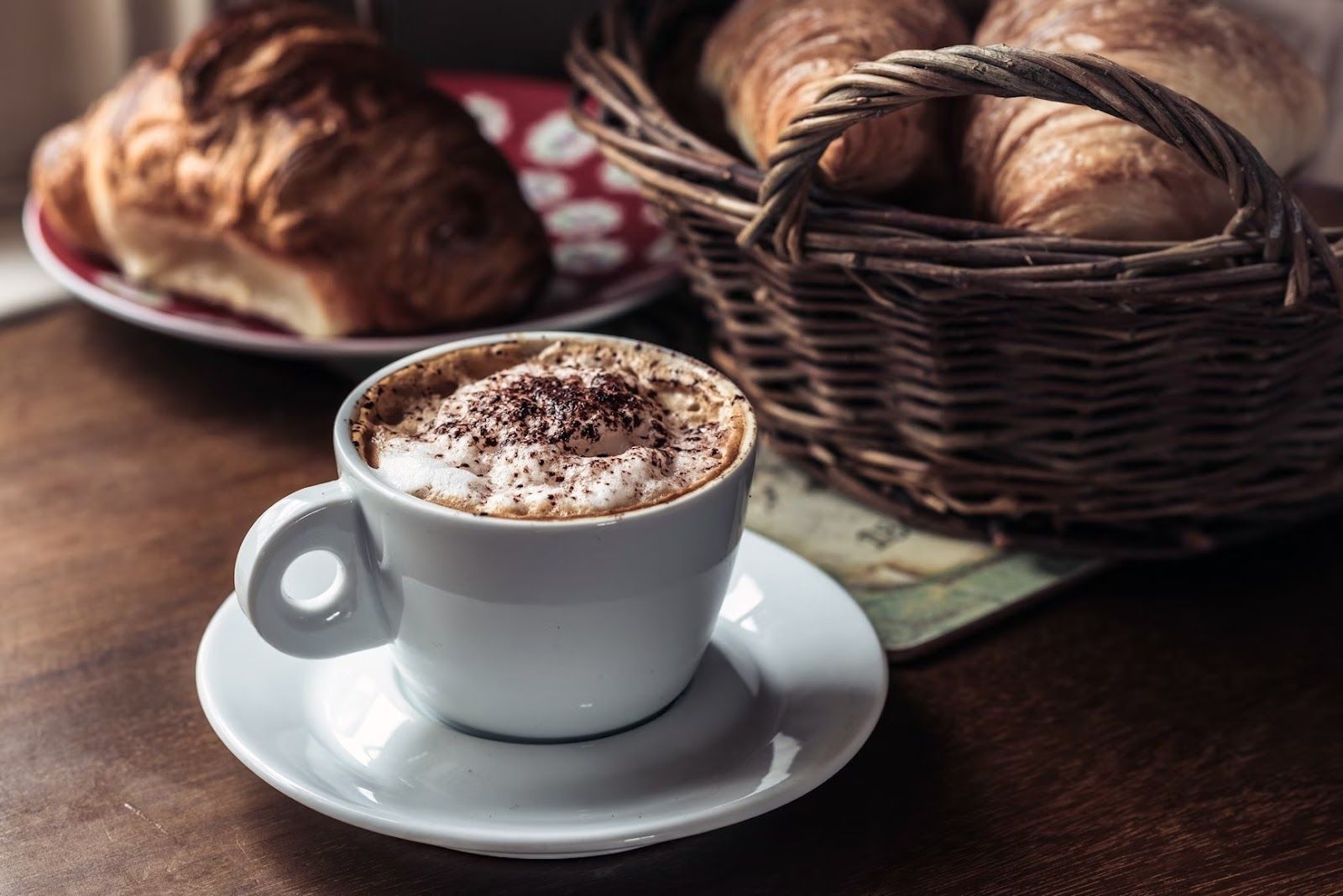 Image: Jez Timms
The word "cappuccino" is inspired by the Capuchin monks of Italy, whose robes were a similar warm brown hue. Their name lives on every time someone orders a foamy espresso with milk.