We still don’t know

An immortal jellyfish? 10 spooky and unanswered questions about the sea


Published on March 8, 2026
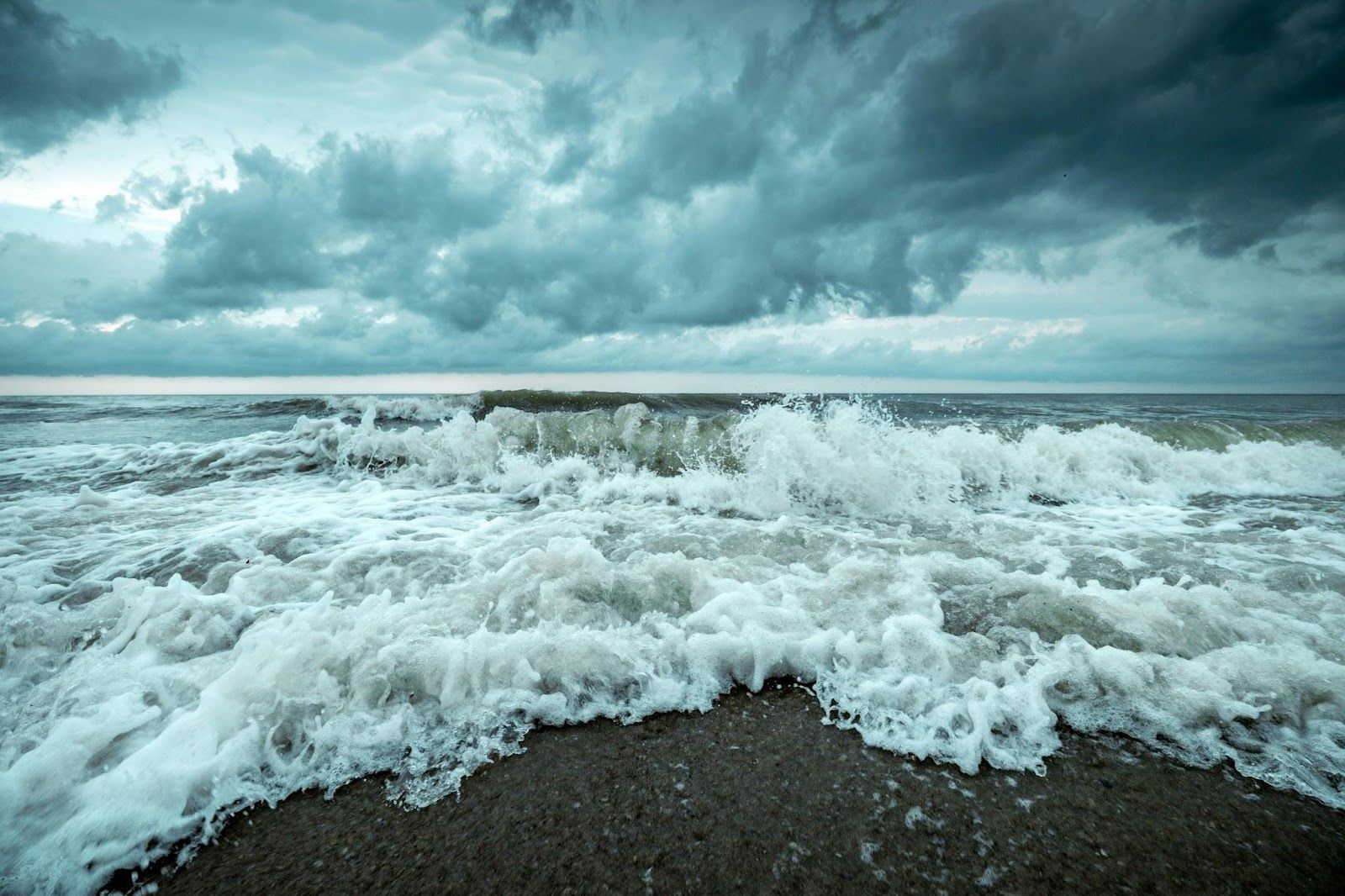

Image: Yevhen Buzuk

Some people are scared of the ocean. Can you blame them? Though waters cover 70% of our planet, scientists are still scratching their heads about certain unanswered questions. How long can blue whales actually live? What substance makes some waters glow eerily white at night? And what’s with the self-rejuvenating, immortal jellyfish? These are some of the mysteries we’ll explore in this article!

1

The Mary Celeste, seemingly a ghost ship

Image: Gabriele Proietti Mattia

Found abandoned in 1872 with sails set, cargo intact, and dinner still on the table, the Mary Celeste is the poster child for maritime enigmas. The whole crew vanished without a trace and was never heard of again.

Mutiny? Rogue wave? Alcohol fumes? Giant squid? No theory fully fits. It's a fascinating tale that has been the subject of documentaries, theatre plays, novels, and movies.

2

The Milky Sea phenomenon

Image: Salah Regouane

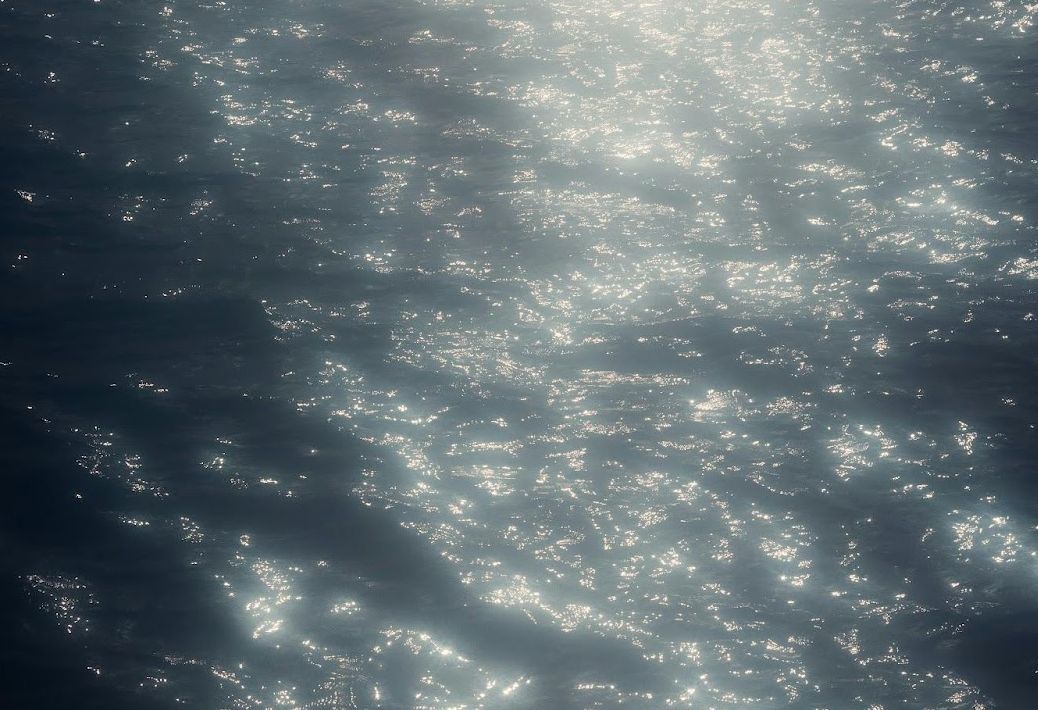
For centuries, sailors have reported seeing entire portions of the ocean surface glowing white at night, like a ghostly reflection.

An explanation could be massive blooms of bioluminescent bacteria, but no one knows how they coordinate light across such huge distances or why the phenomenon lasts for hours. Even with satellite detections, it remains one of the ocean’s eeriest light shows.

3

The fabled giant squid

Image: K. Mitch Hodge

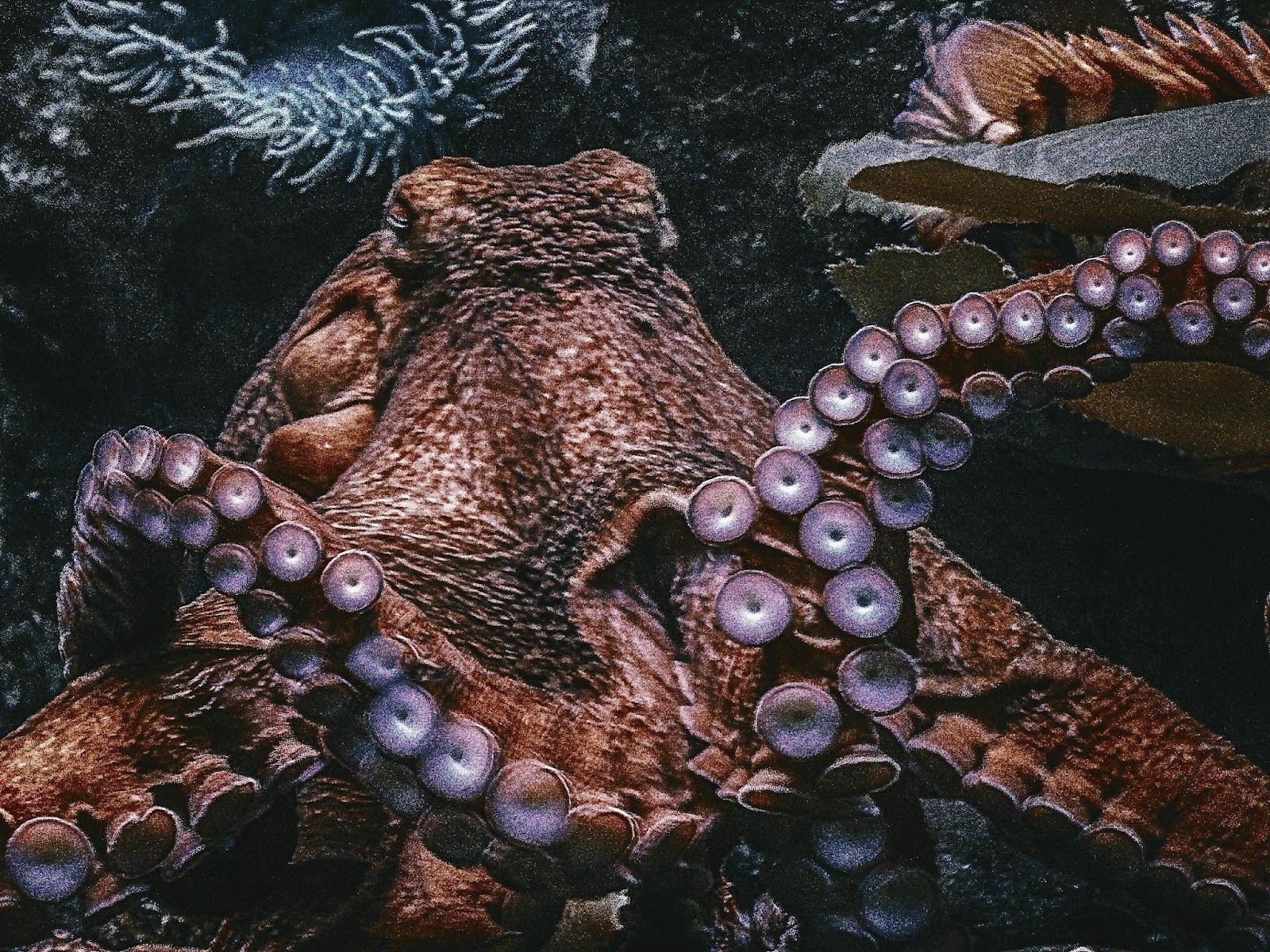
Tales of a giant squid have been alive for centuries, but it was only in 2004 that humanity was able to photograph this fabled creature. In that year, a Japanese team captured a live one on camera in its natural habitat and finally proved that the creature behind centuries of sea-monster legends was very real.

And yet, we still know shockingly little about its life cycle, breeding habits, or how something that big stays so well hidden.

4

We don’t know nearly enough about blue whales
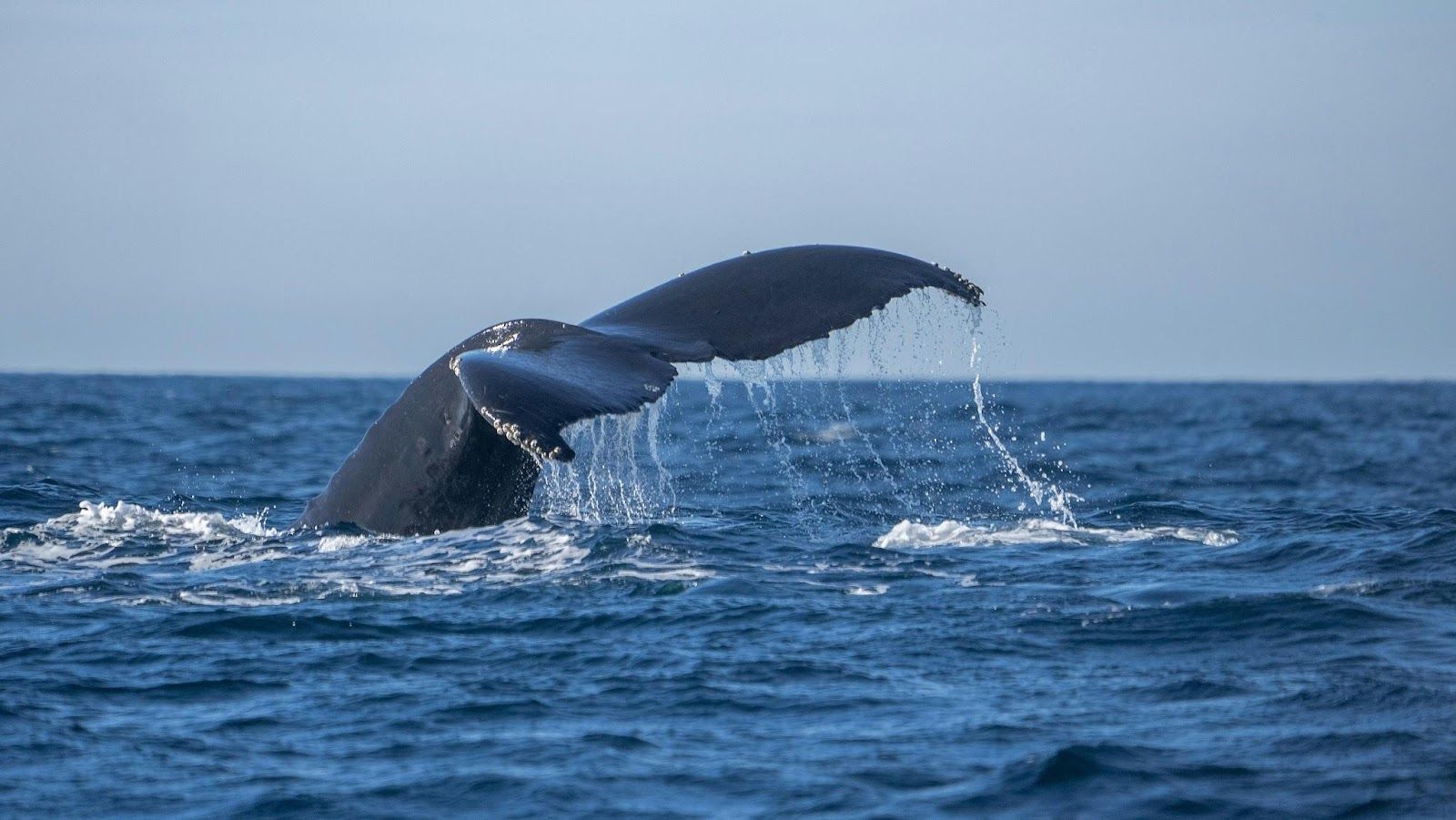
Image: mana5280

You’d think the largest creature ever to exist would be the easiest to study. Nope. We still struggle to track migration patterns, understand their communication system, or explain the full recovery timeline after they were nearly hunted to extinction.

5

How does the "immortal" jellyfish rejuvenate?
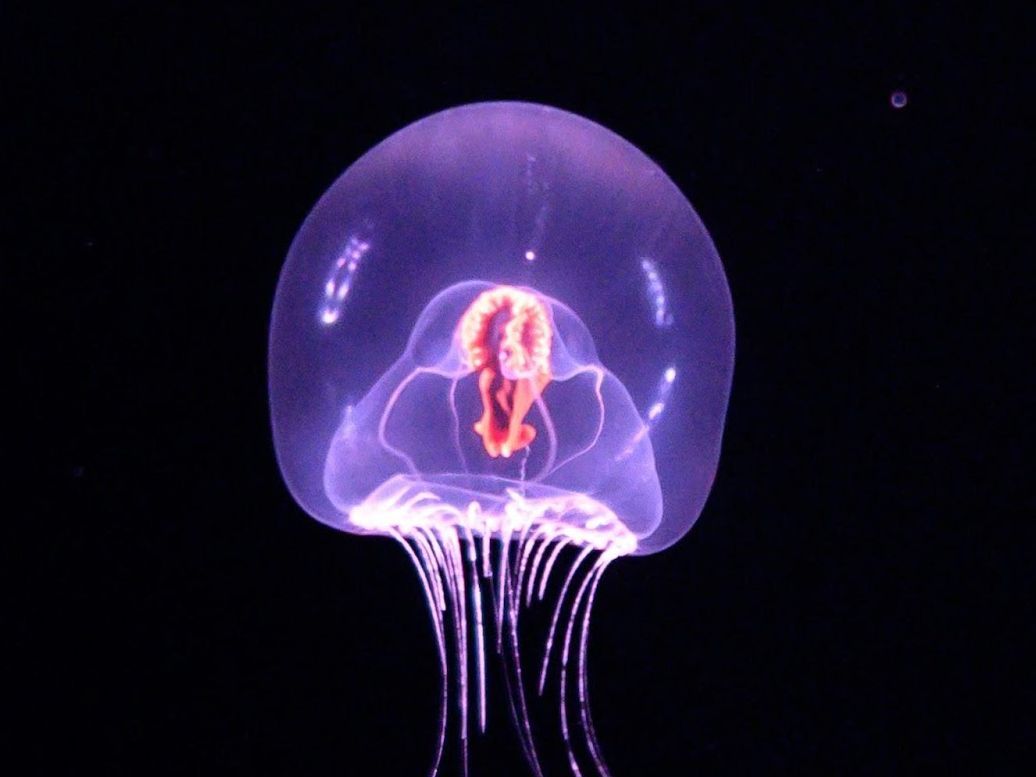
Image: Zetong Li

Turritopsis dohrnii cheats death by reverting its adult cells back to a juvenile state when stressed. It’s like if a human under pressure suddenly turned back into a toddler.

This regeneration process is wildly complex and not fully understood, and scientists hope that cracking its secret might reveal insights into aging itself.

6

The Bermuda Triangle, in general

Image: Oleksandr Voloshchenko

The stretch between Florida, Bermuda, and Puerto Rico has inspired endless theories. Unexplained disappearances, bizarre compass behavior, and strange weather patterns have contributed to building the legend.

Scientific explanations abound, from methane hydrates to violent storms, but the Triangle’s mythic aura refuses to die.

7

The Mariana Trench, deeper than Everest is tall
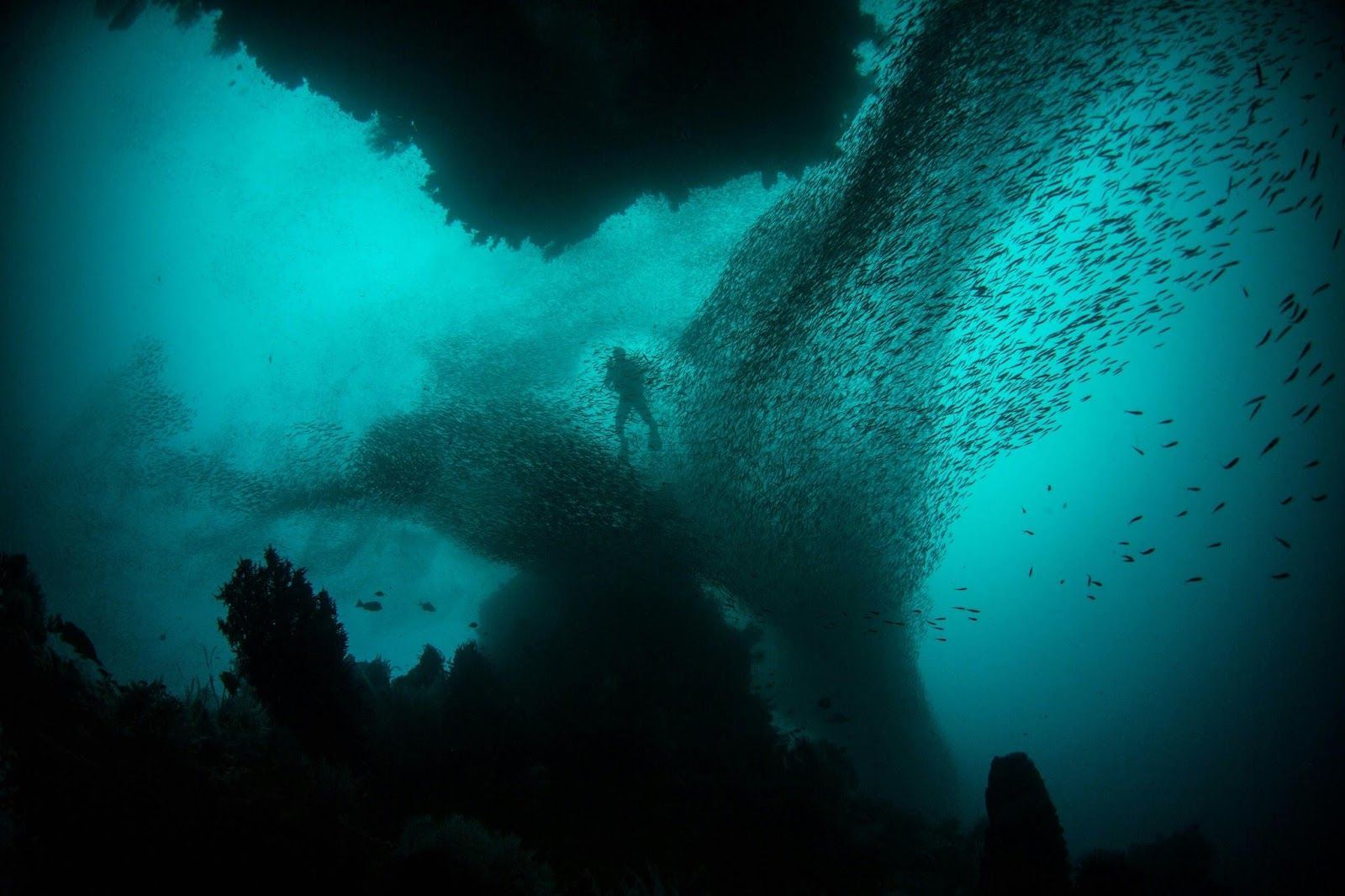
Image: Alex Rose

The Challenger Deep, the trench’s lowest point, plunges almost 7 miles. Only a handful of people have ever explored its bottom, including filmmaker James Cameron in 2012.

What lives down there? What geological processes unfold under such pressure? Every new expedition reveals creatures that look like they belong in fever dreams.

8

Was the Yonaguni Monument man-made?

Image: Michael Worden

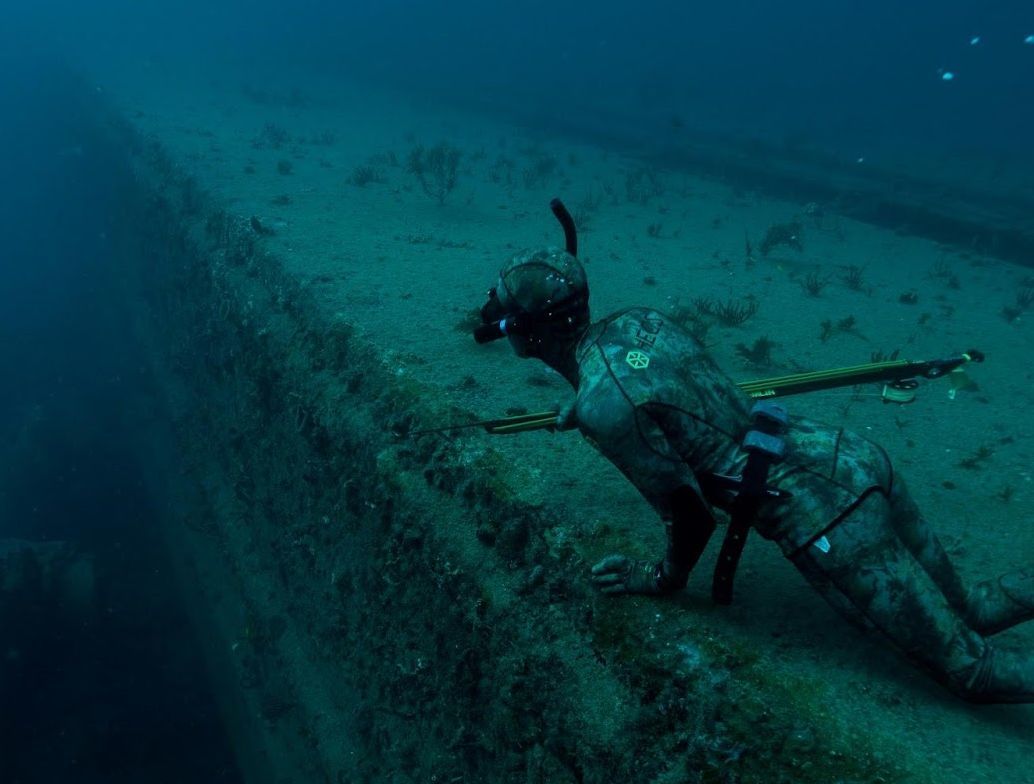
Off the coast of Japan lies a submerged stone structure with terraces, pillars, and sharp geometries that seem carved… Unless they were shaped by strange phenomena of nature.

Some believe it’s the remains of an ancient city, sunken after an earthquake; others argue it’s purely geological. Today, it’s a riddle lying quietly under turquoise waters.

9

The fate of the USS Cyclops

Image: JOHN TOWNER

In 1918, a massive US Navy collier vanished without a distress call while crossing the Caribbean. More than 300 people disappeared with it, the single largest non-combat loss of life in U.S. Navy history.

No wreckage has ever been found. Storm? Structural failure? Something stranger? The sea has kept its mouth shut.

10

We know more about the surface of Mars than the deep-sea floor
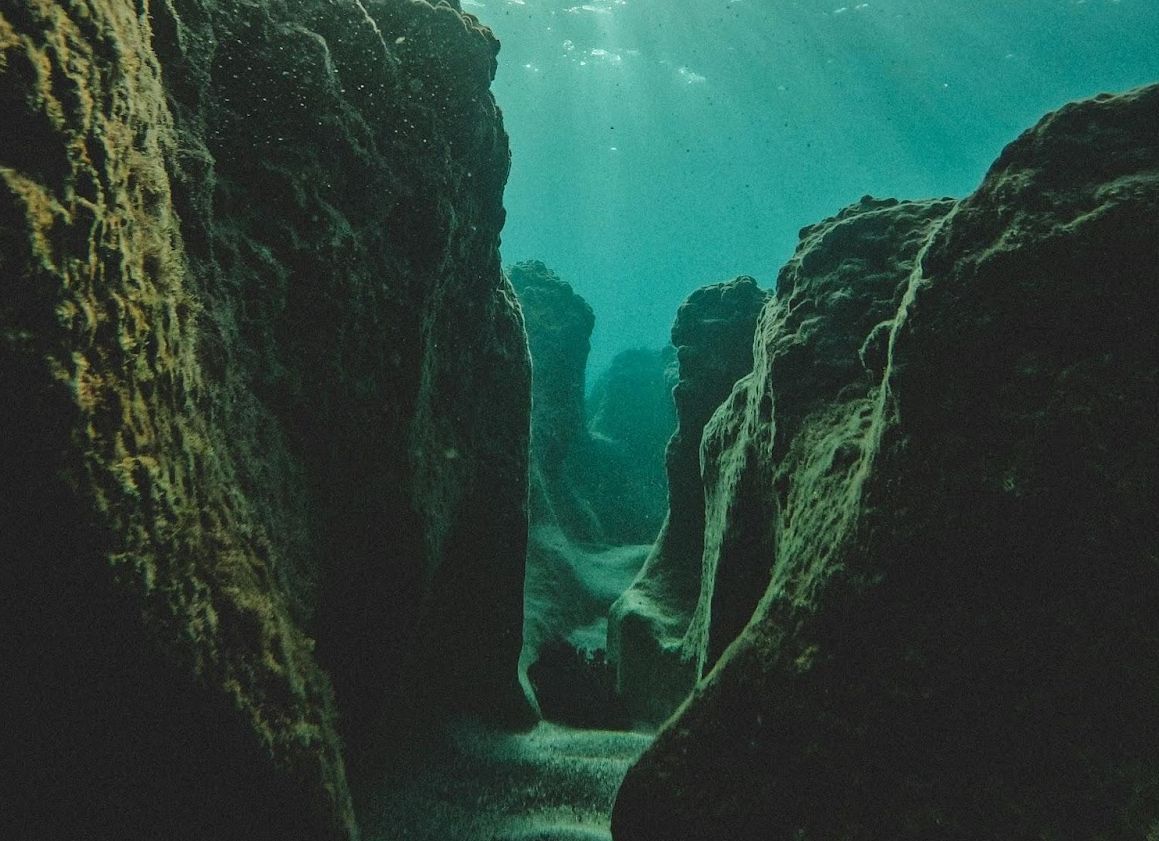
Image: Daniel Newman

This line gets repeated a lot because it’s shockingly true. With sonar mapping still incomplete and most of the ocean floor left untouched by human eyes, researchers say we’ve charted only about a quarter of it in detail.

Mars, by contrast, has been mapped in full thanks to satellites. The ultimate plot twist is that we might understand another planet better than our own.
Weird nature

10 animals that shouldn’t exist (but do anyway)


Published on March 8, 2026


Image: Rachael Mbaika

Nature doesn’t always play by the rules. Some animals seem like evolutionary jokes, while others look like science experiments gone rogue. Whether it's their appearance, behavior, or biology, these 10 creatures will have you questioning reality—but every single one is real. Let’s meet them together!

1

The Platypus

Image: Michael Jerrard

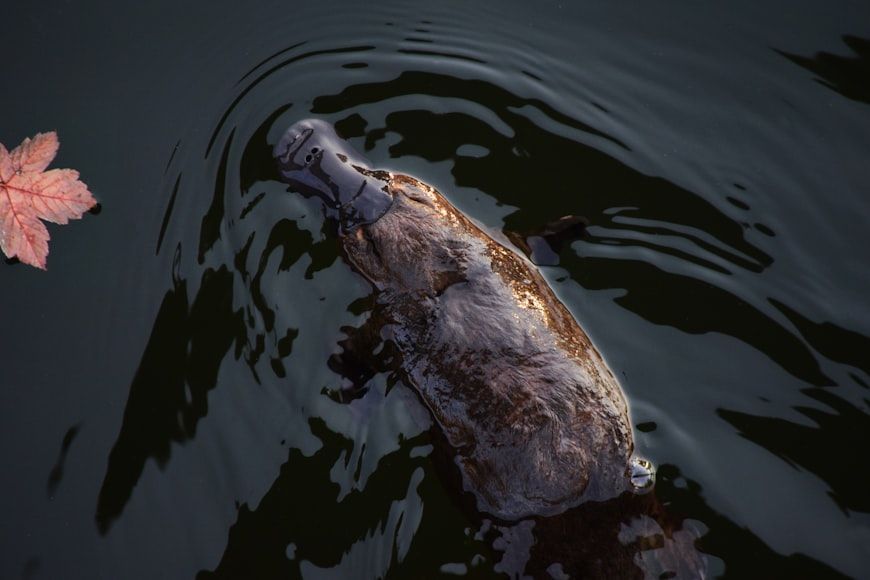
The platypus looks like someone smashed together a duck, beaver, and otter—and then added venom, for good measure. Native to Australia, it's one of only five monotremes, mammals that lay eggs.

Males have venomous spurs on their hind legs, capable of delivering excruciating pain. And when it hunts underwater, it closes its eyes, ears, and nostrils, relying entirely on electroreception to sense the tiny electric fields of its prey.

2

Axolotl

Image: Mattias Banguese

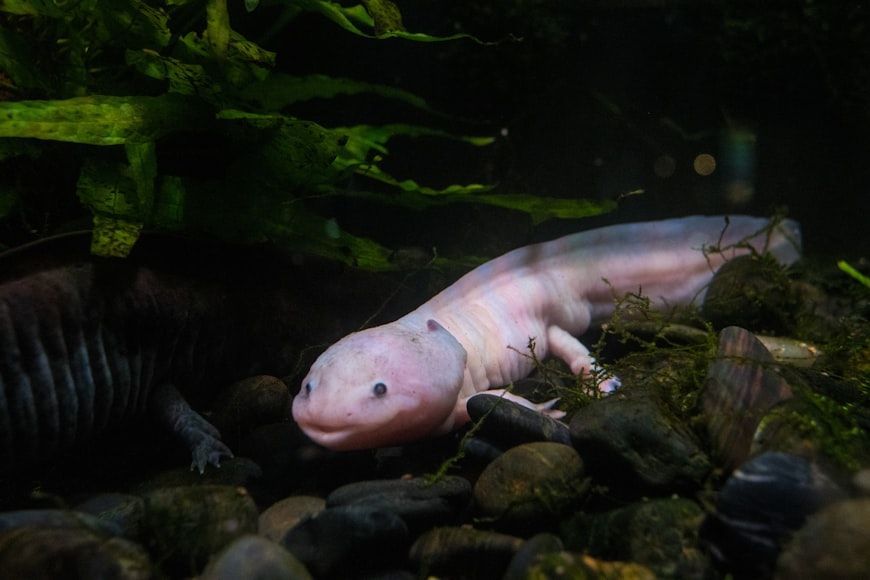
These weird-looking guys never grow up—literally. Unlike other types of salamanders, the axolotl retains its larval features throughout life, a trait known as neoteny.

They can regrow limbs, spinal cords, parts of their heart, and even sections of their brain. Found only in lakes near Mexico City, it's critically endangered in the wild but common in labs due to its regenerative abilities.

3

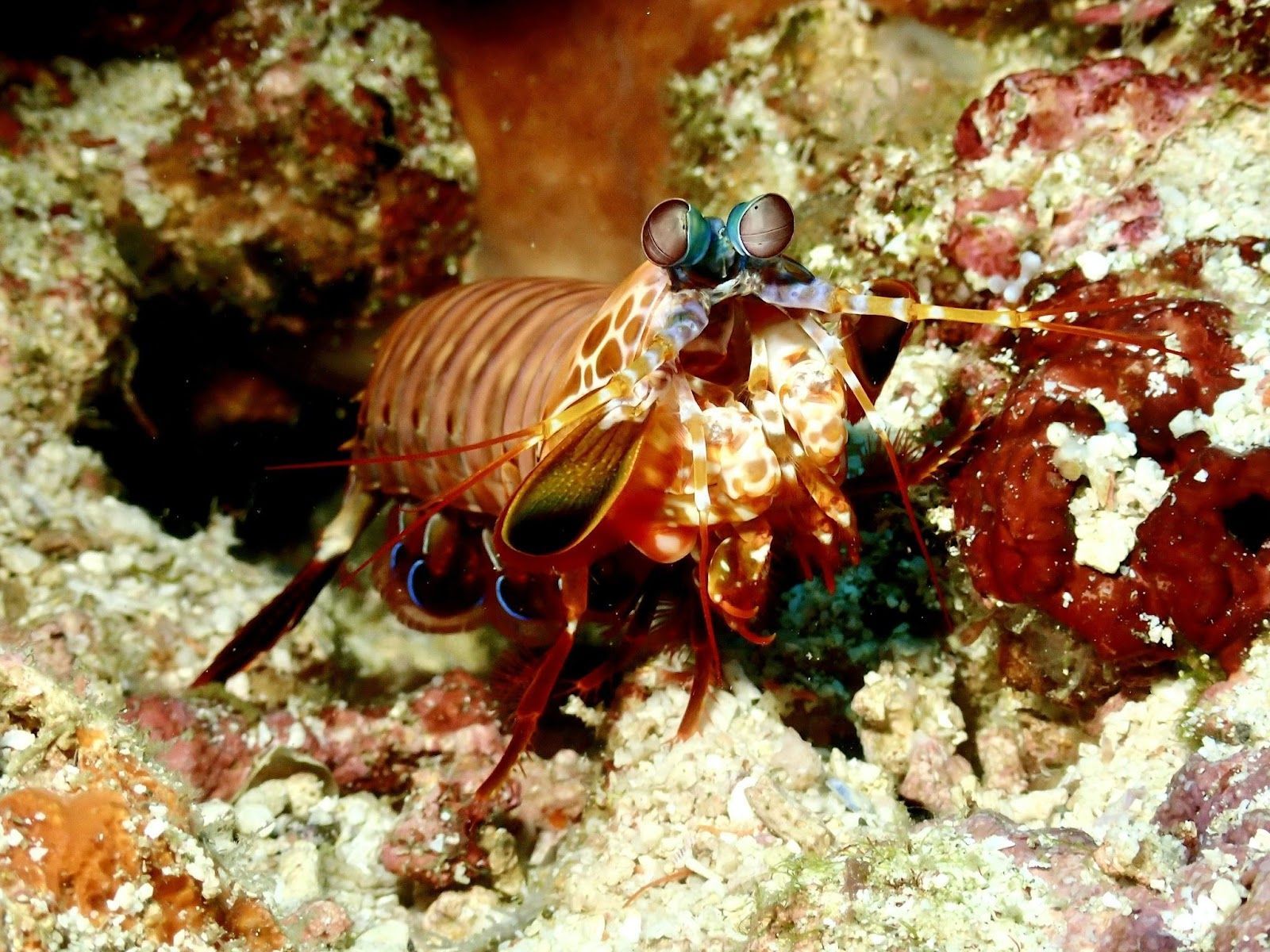
Mantis Shrimp

Image: Claus Giering

These tiny crustaceans pack a punch so fast it boils the water around them, creating shockwaves and cavitation bubbles. Their strikes can hit speeds of about 50 mph, with accelerations rivaling a speeding bullet.

They also have some of the most complex eyes in the animal kingdom, capable of seeing polarized light and 12 color channels (for comparison, humans only have 3).

4

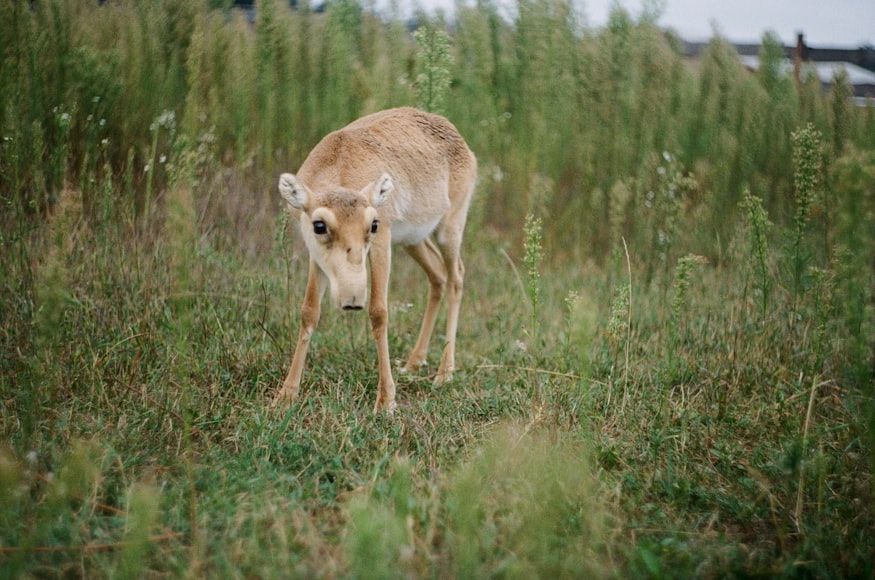
Saiga Antelope

Image: Dasha Urvachova

Native to the Eurasian steppes, the saiga’s oversized, drooping nose looks cartoonish but serves real functions: it filters dust and regulates temperature.

Once widespread, the species is now critically endangered due to poaching and disease outbreaks that can wipe out huge populations in weeks.

5

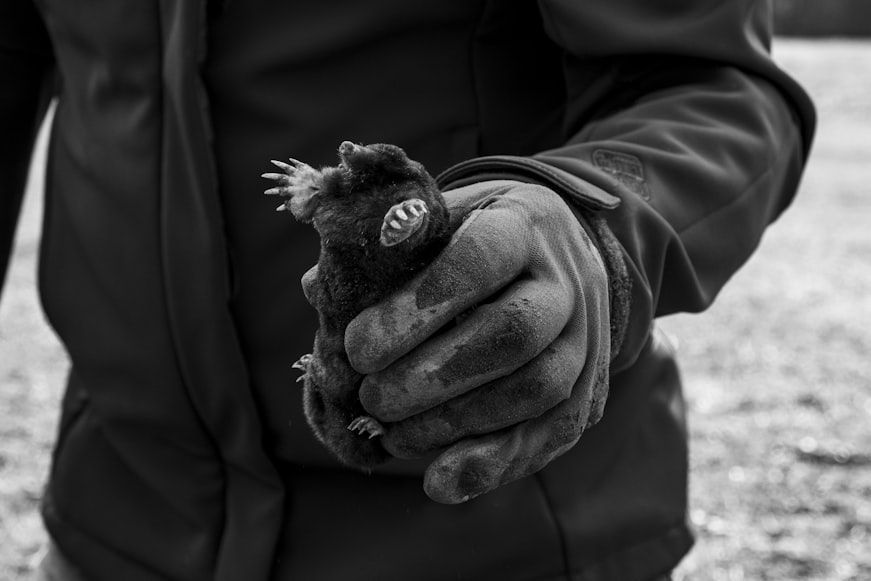
Naked Mole Rat

Image: Lara Lone

These hairless rodents—close cousins of more familiar, fur-covered mole species (pictured)—live in underground colonies with a social structure similar to bees. They're nearly immune to cancer, insensitive to pain, and can survive 18 minutes without oxygen.

Their cells have unique mechanisms for DNA repair and protein stability, making them a valuable subject in medical research, especially for aging and disease resistance.

6

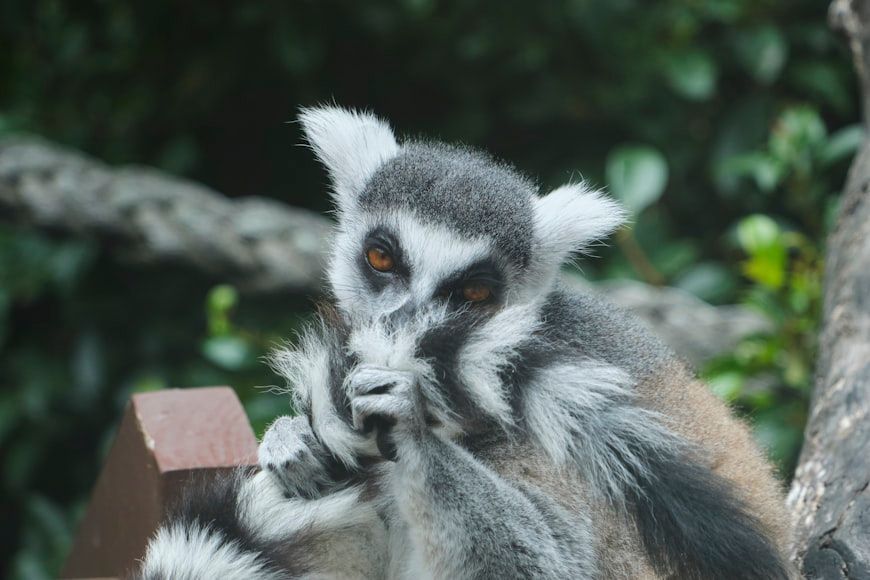
Aye-Aye

Image: Clement Meers

This lemur species from Madagascar uses its grotesquely long middle finger to tap on wood and fish out insects—like a skeletal woodpecker.

Locals have traditionally feared them as omens of death. Sadly, this superstition contributes to its declining population, alongside habitat loss.

7

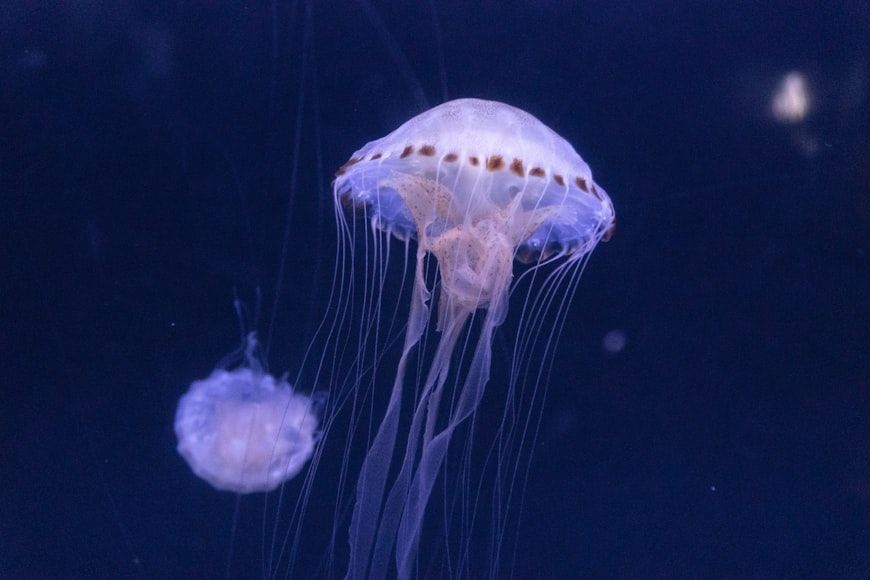
Immortal Jellyfish

Image: Albert Canite

This jellyfish can revert its cells to an earlier stage of life, effectively resetting its aging process. It doesn’t die of old age—it just starts over.

It's not truly immortal—injuries and predation can still kill it—but its ability to cheat aging is unique in the animal kingdom.

8

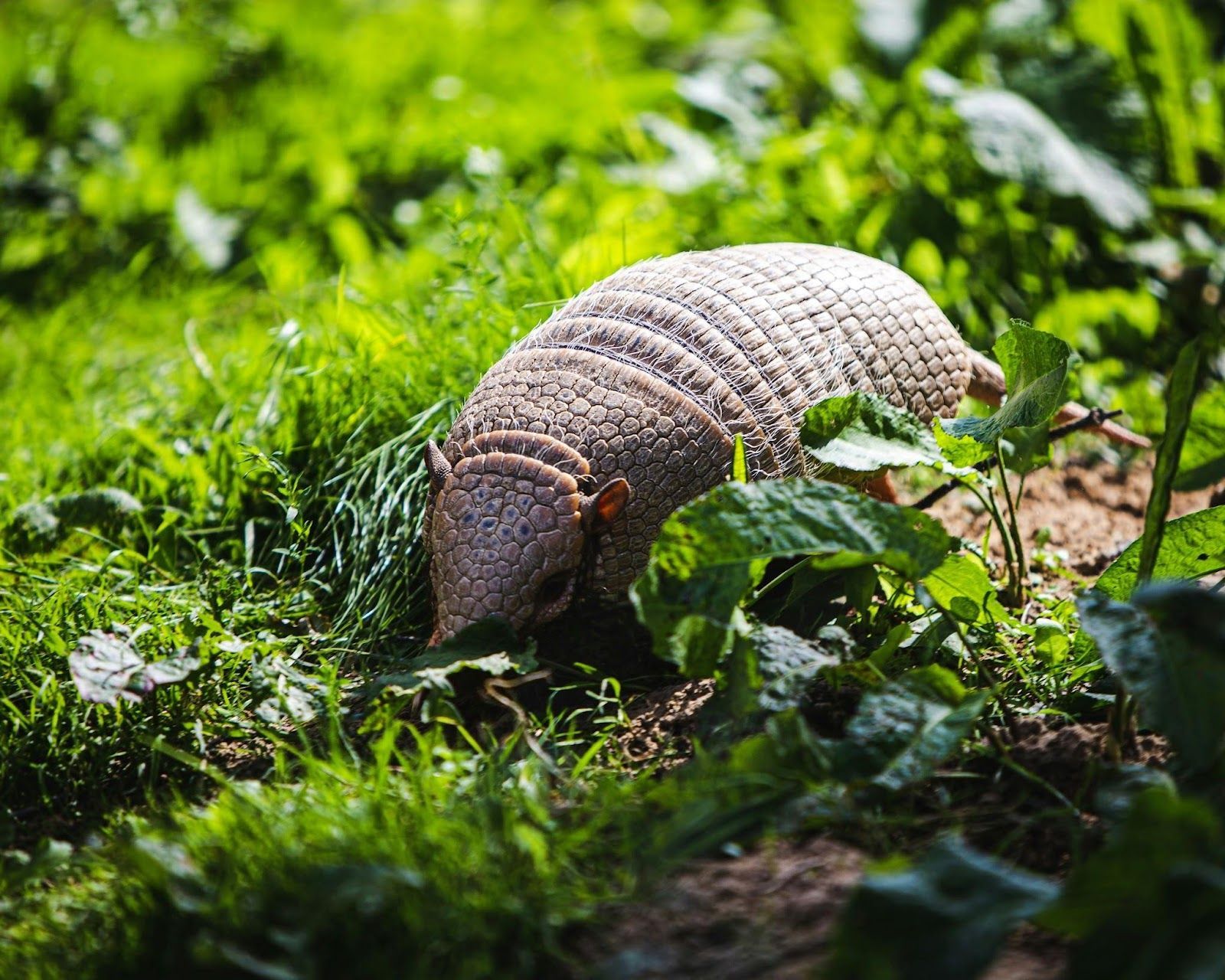
Pink Fairy Armadillo

Image: Joe Lemm

This six-inch-long, velvety creature looks like it was designed by a plush toy company. Found mainly in Argentina, it burrows underground and is rarely spotted in the wild.

Its pink armor acts as both protection and a way to regulate body temperature. Despite its cuteness, very little is known due to its elusive, nocturnal behavior.

9

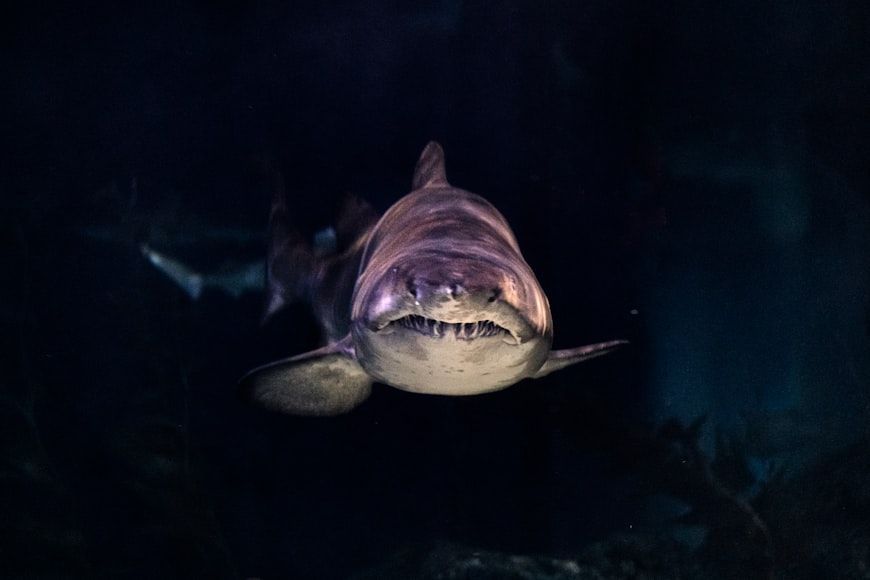
Goblin Shark

Image: Wai Siew

This deep-sea shark can shoot its jaw forward at about 10 feet per second, snatching prey with lightning speed. Its long, flat snout houses special sensors to detect electric fields.

With translucent skin and a prehistoric look, it’s sometimes called a "living fossil." It’s rarely seen alive due to its deep-sea habitat.

10

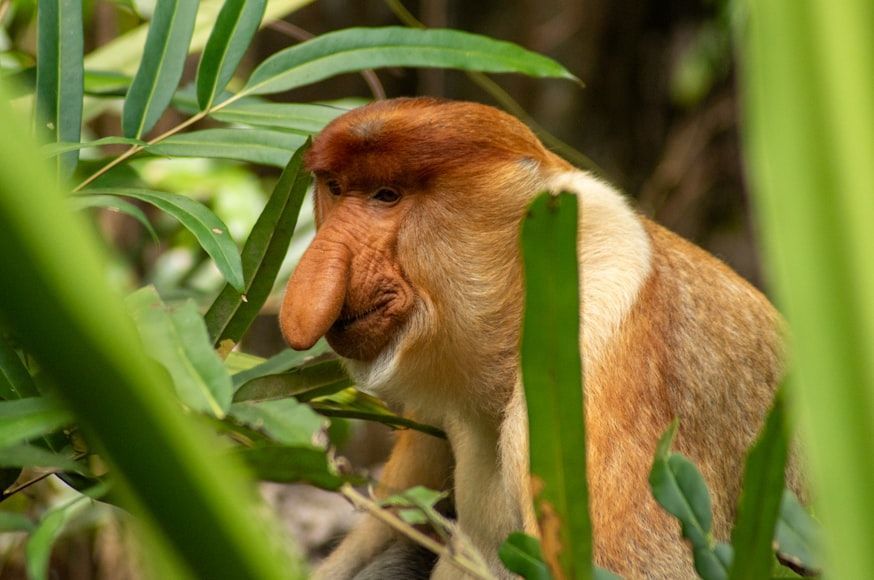
Proboscis Monkey

Image: Tim Morgan

With its comically large nose, the male proboscis monkey looks absurd—but females apparently find it attractive. The nose also amplifies vocalizations to assert dominance.

Native to Borneo, it’s a strong swimmer with webbed feet but is threatened by habitat loss and hunting.

Looking for an extra scoop of literary fun?

Learn more with our Word of the day

partisan

/ˈpɑrdəz(ə)n/