Words from outer space
Are "Sputnik" and "Beatnik" related? Surprising space-age word stories
Published on November 10, 2026

The space race did more than put humans on the Moon. Between Sputnik’s launch in 1957 and the last Apollo landing in 1972, it handed us a whole new vocabulary, ranging from phrases like "Houston, we have a problem" to unexpected terms like "beatnik" or "A-OK." Misquotes, Hollywood rewrites, press-room inventions, and poetic liberties also took part in the birth of these 10 terms. Here are the stories of how space exploration expanded languages back on Earth.
"Ok, Houston, we've had a problem here"
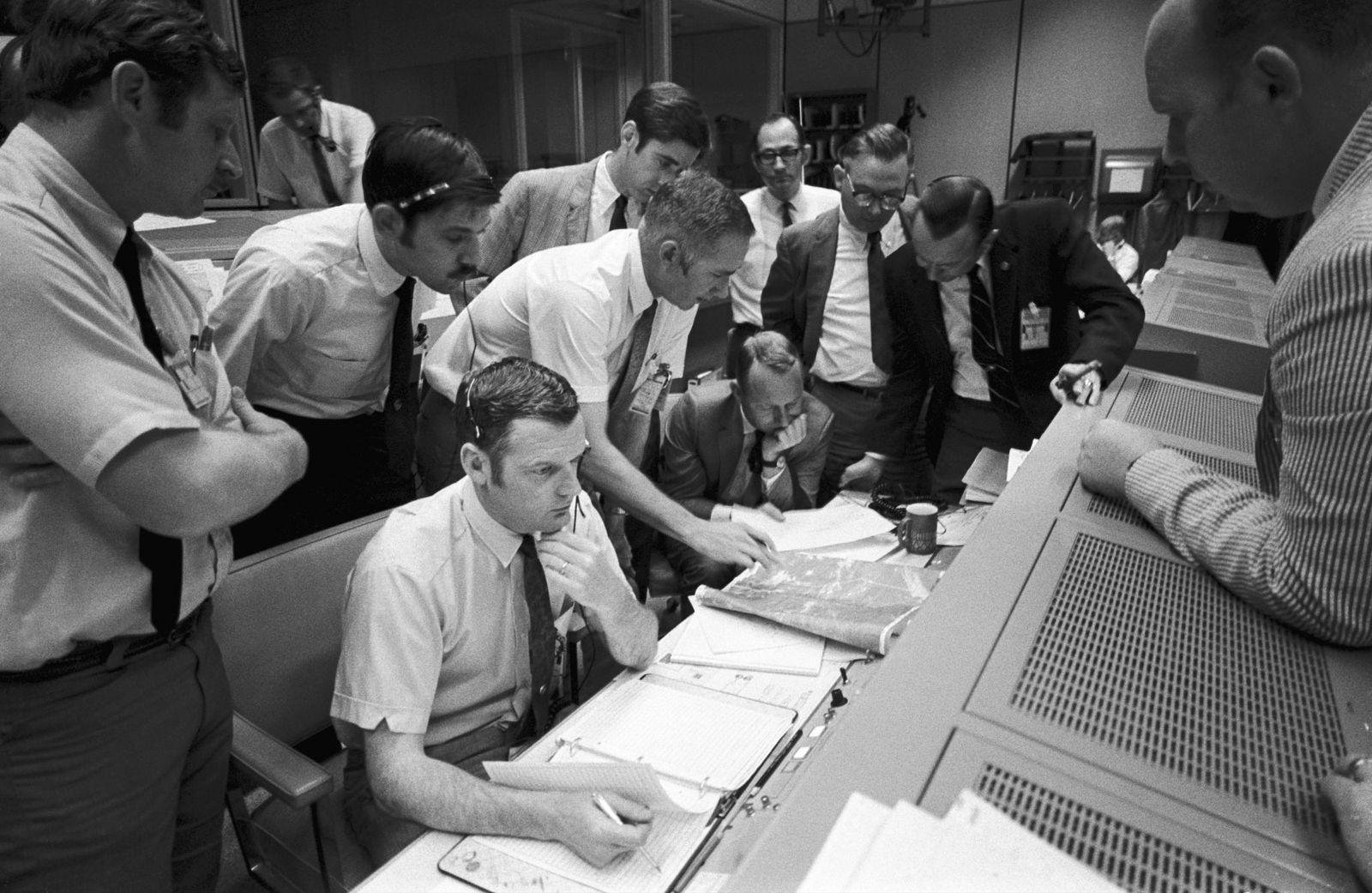
On April 13, 1970, when Apollo 13 was about 200,000 miles from Earth, and the crew had just finished a television broadcast, an oxygen tank exploded. The first to the radio was command module pilot Jack Swigert, who said: "Okay, Houston, we’ve had a problem here." When Mission Control asked him to repeat it, Lovell answered, "Houston, we’ve had a problem."
After 4 days of ingenious problem-solving, Mission Control and the astronauts brought the ship safely back to Earth. Twenty-five years later, Ron Howard’s film gave the line to Tom Hanks in the present tense. Ever since, "Houston, we have a problem" has been used around the world to comically announce unexpected complications.
"Failure is not an option"
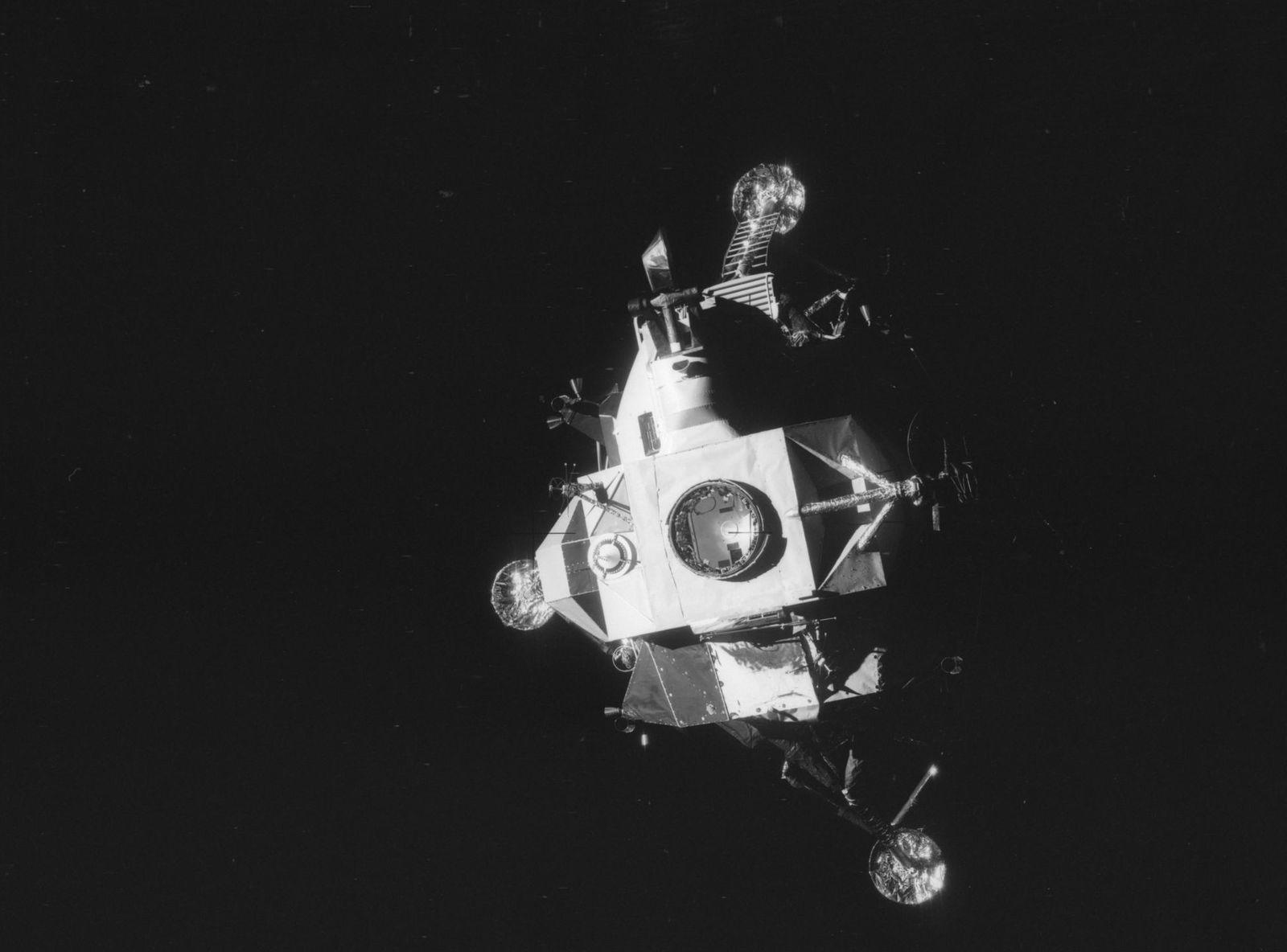
It’s famously linked to Apollo 13 Flight Director Gene Kranz, but the phrase was actually invented by Hollywood screenwriters in 1994, based on an interview that the Apollo 13 screenwriters conducted.
When asked if people in Mission Control panicked during the crisis, Flight Dynamics Officer Jerry Bostick recalled that panic was never an option; their mindset was simply to evaluate working solutions. Screenwriter Bill Broyles synthesized that unyielding attitude into the tagline: "Failure is not an option." Delivered by Ed Harris (playing Kranz) in the film, the phrase became an instant pop-culture sensation. Real-life Kranz loved the line so much that he chose it as the title for his 2000 autobiography.
"A-OK"

The term "A-OK" to mean "perfect, flawless system performance" was popularized globally by the early U.S. space program. During Alan Shepard’s historic 1961 suborbital spaceflight aboard Freedom 7, NASA Public Affairs Officer Lieutenant Colonel John "Shorty" Powers reported to the press: "Everything is A-OK".
Transcripts later revealed Shepard himself never said "A-OK"; he had only said, "Everything is OK." Powers had either fabricated the quote or picked it up from radio engineers, who used "A-OK" because the crisp "A" sound penetrated radio static better than a soft "O". Regardless of who said it first, Powers's press briefings injected the phrase into mainstream vernacular.
Beatnik

The word "beatnik" owes its existence directly to "Sputnik." On April 2, 1958, six months after the Soviet Union launched the first artificial satellite into orbit, San Francisco Chronicle columnist Herb Caen published a text about local bohemian counterculture. Seeking a catchy term to describe members of Jack Kerouac's "Beat Generation," Caen appended the Slavic suffix "-nik" (from Sputnik) to the word "beat."
Caen later explained that because Sputnik was constantly in the news, "the word just popped out". Beyond a simple rhyme, adding the Russian suffix subtly tarred the youth movement as un-American, vaguely communist, or far out in space. The coinage sparked a late-1950s trend of attaching "-nik" to English words (such as neatnik or peacenik), forever linking Space Race anxieties with Cold War pop culture.
Astronaut
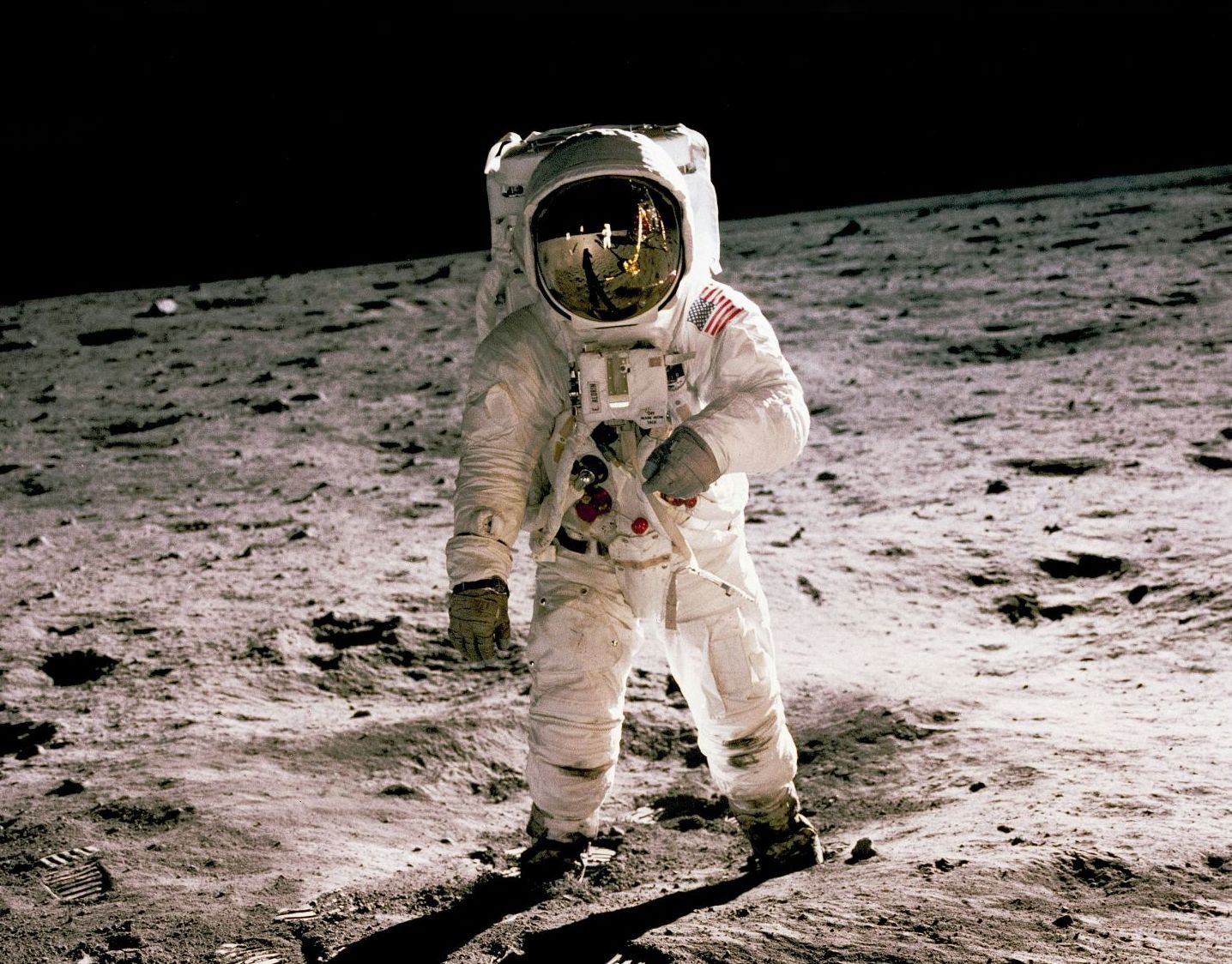
The word "astronaut" was resurrected and repurposed to define a brand new concept: a person who travels through the vacuum of space. When the Space Race escalated in the late 1950s, NASA needed a formal title for the pilots of Project Mercury. They had to invent both the technical concept of human spaceflight and a title heroic enough to match it. NASA briefly considered terms like "mercurion" (based on the messenger of the Roman gods), "astro-aviator," and "cosmonaut" (which the Soviets ultimately adopted) before settling on astronaut in 1958.
The word was built by combining the Greek roots astron ("star") and nautes ("sailor"), translating literally to "star sailor." Though coined in 1880 by writer Percy Greg in his science-fiction novel Across the Zodiac, NASA used the term to frame these early pioneers as daring voyagers.
Earthrise
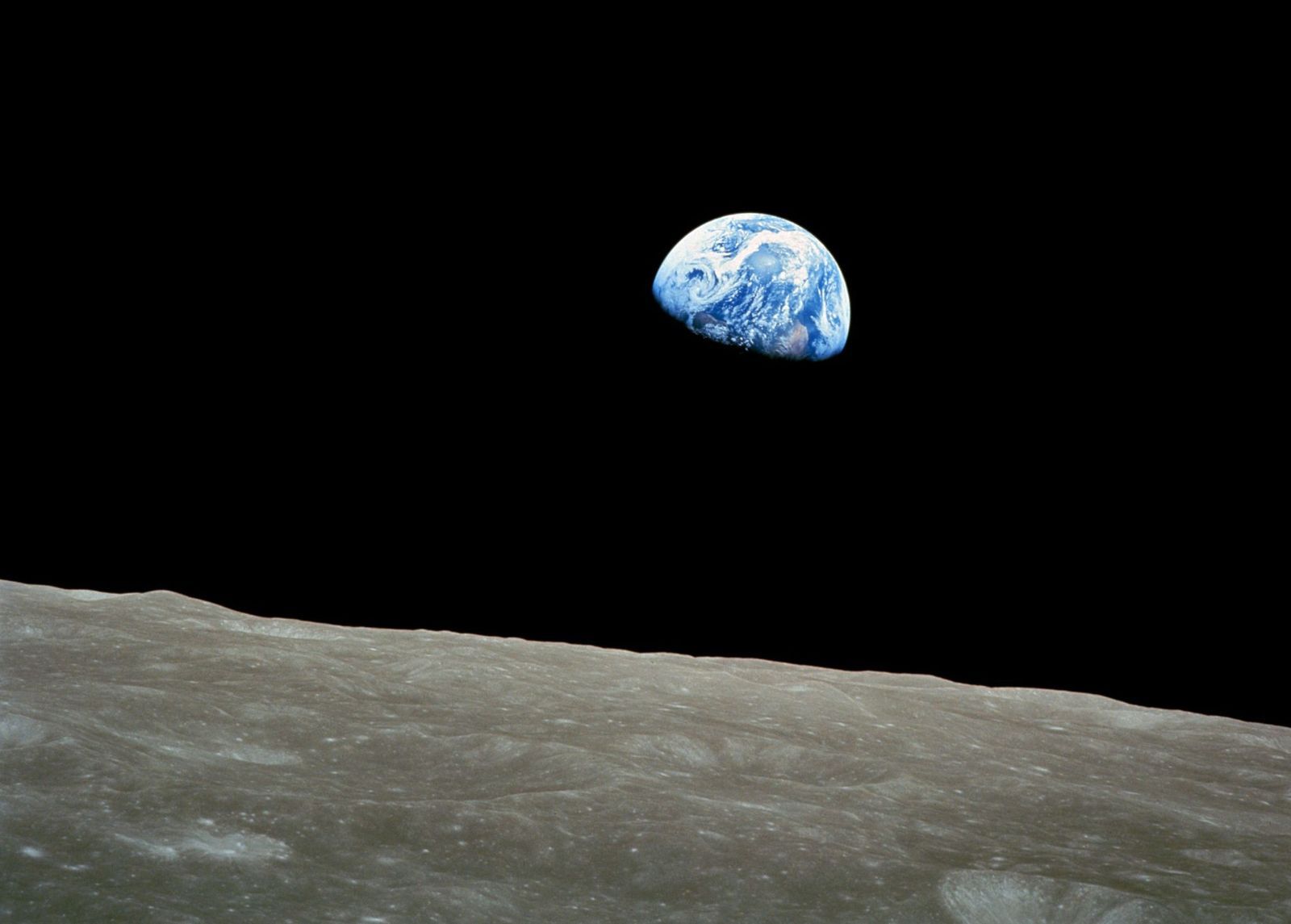
Technically, Earth does not "rise" over the Moon in the way the Sun rises on Earth. But when the word was pronounced, the world understood what it meant. On Christmas Eve, December 24, 1968, during the Apollo 8 mission (the first crewed voyage to orbit the Moon), astronauts Frank Borman, Jim Lovell, and William Anders were executing a spacecraft roll when the glowing blue Earth unexpectedly appeared above the lunar horizon. Taken off guard, Anders famously scrambled for a camera loaded with color film, and captured the iconic photo now known as "Earthrise."
Coined on the spot to parallel "sunrise," the word "Earthrise" quickly evolved beyond mission jargon. By showing Earth as a fragile, boundary-free blue marble suspended in deep void, the photo shifted human perspective and sparked the modern environmental movement that inspired the creation of Earth Day in 1970.
Moonshot
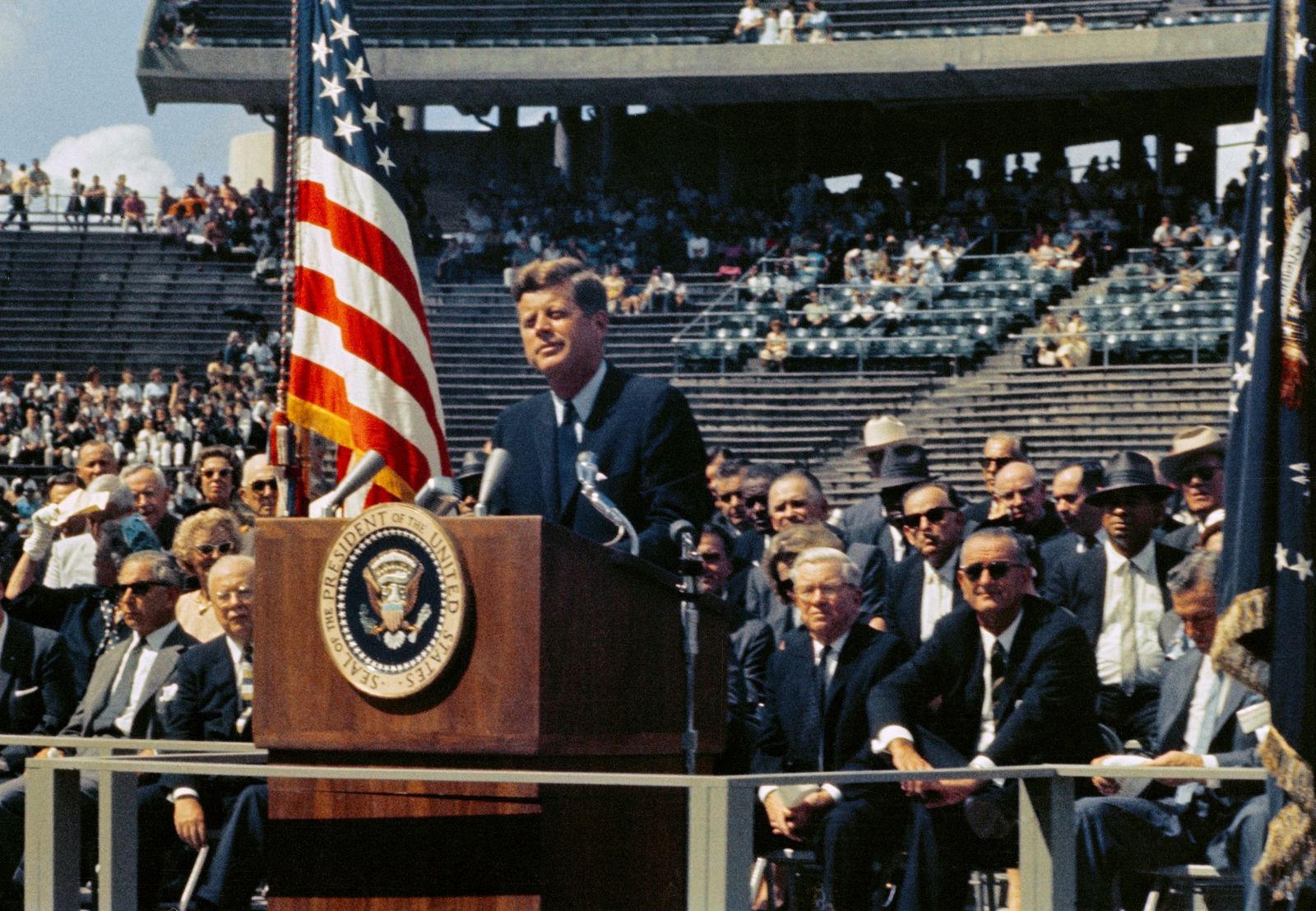
The word "moonshot" underwent an evolution from a 1930s sports idiom to a modern metaphor for audacious human ambition. Long before the Space Race, a "moon shot" was baseball and horse-racing slang. In baseball, it described a high, towering home run; in horse racing, it meant a long shot.
That all changed on May 25, 1961, when President John F. Kennedy challenged the nation to land a man on the Moon and return him safely to Earth before the decade was out. Journalists and the public quickly seized upon "moonshot" to describe the unprecedented scale, expense, and technical gamble of NASA’s Apollo program. Today, "moonshot" has transcended spaceflight. It is used across technology, medicine, and business to describe any monumental, high-risk project that aims for a revolutionary breakthrough.
"Godspeed, John Glenn"
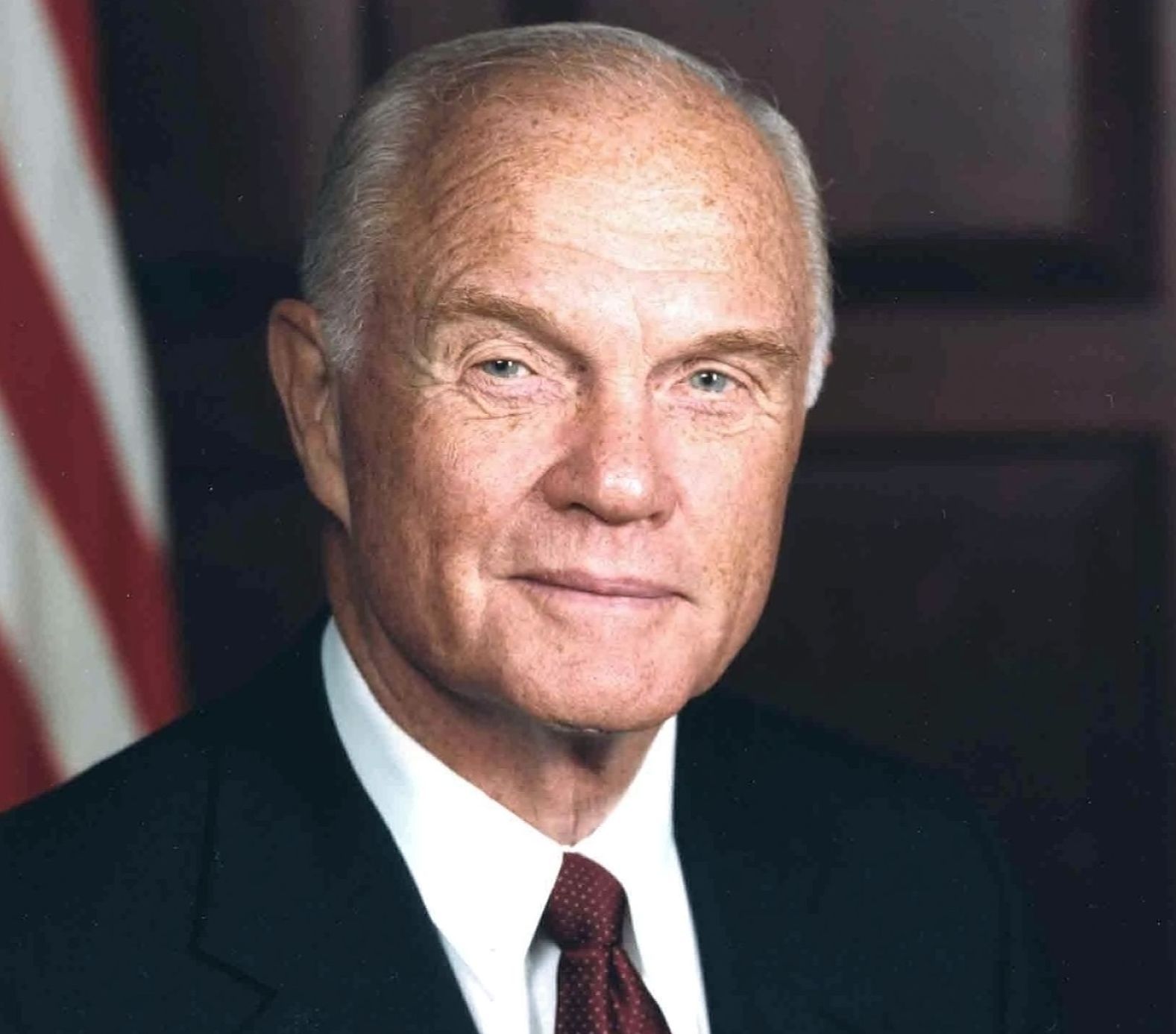
On February 20, 1962, John Glenn prepared to launch aboard Friendship 7 to become the first American to orbit the Earth. Glenn’s mission was a massive, high-stakes leap into the unknown. As the rocket’s engines ignited, fellow Mercury astronaut Scott Carpenter, serving as the capsule communicator at Cape Canaveral, radioed a solemn farewell: "Godspeed, John Glenn."
Carpenter later explained that the phrase was entirely unscripted. "Godspeed," an archaic Middle English expression, felt like the only phrase powerful enough for the gravity of the moment. The line captivated the world. Decades later, on October 29, 1998, when a 77-year-old Glenn launched aboard the Space Shuttle Discovery to become the oldest human in space, NASA CapCom Steven Lindsey echoed the launch command: "Godspeed, John Glenn."
The rocket countdown
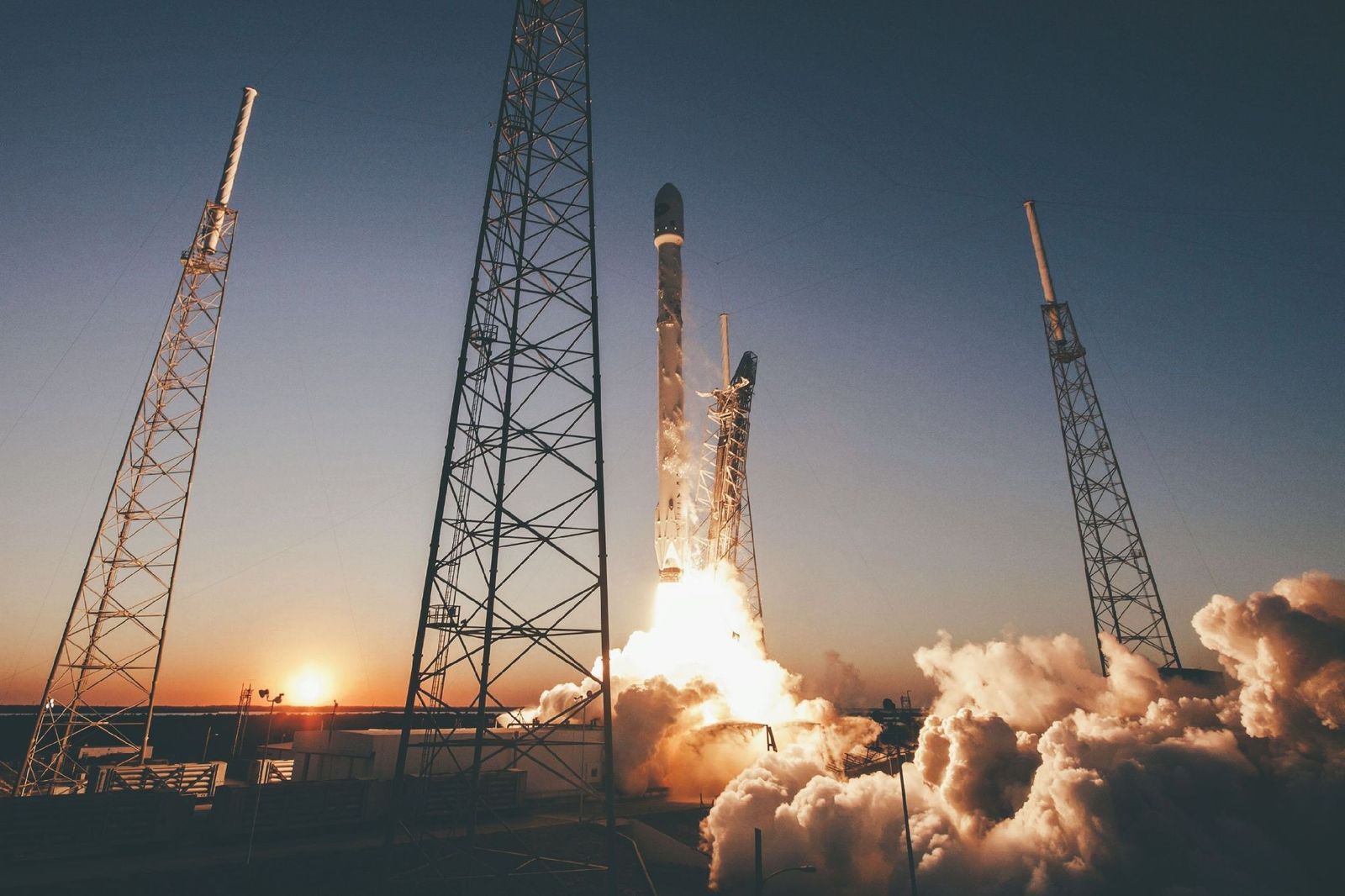
The origin of the rocket countdown is rooted in cinema. Director Fritz Lang invented the backward count for his 1929 German sci-fi film Woman in the Moon. While filming the launch scene, Lang realized counting forward ("1, 2, 3...") lacked drama because the audience didn't know when the rocket would ignite. Counting down to zero created natural narrative suspense.
German rocket scientist Hermann Oberth, who served as a technical advisor on the film, recognized the countdown's practical value: it synchronized technicians and gave launch crews a clear, unambiguous signal for ignition. When former German rocket pioneers like Wernher von Braun helped build America’s space program, they brought the cinematic trick with them, and so a theatrical device became a cornerstone of NASA launch protocol.
"Spam in a can"

The phrase "spam in a can" emerged as pilot banter during the dawn of Project Mercury. Veteran test pilots scoffed at the initial design of NASA’s spacecraft. Unlike jet aircraft, early Mercury capsules were fully automated from the ground. Astronauts had no manual flight controls, no window, and no real ability to pilot the craft. Critics mocked astronauts as mere passengers, passive cargo sealed inside a metal cylinder, much like "spam in a can."
Offended by this, the original Mercury Seven astronauts fought back, demanding manual controls, a thrust stick, and an observation window. Popularized by Tom Wolfe’s 1979 book The Right Stuff, "spam in a can" lives on as a shorthand for human automated helplessness.


