Debunked science
Before science got it right: 10 wild misconceptions that misled everyone
Published on April 10, 2026
 Image: Philippe BONTEMPS
Before modern science lifted the veil on some of nature’s most baffling phenomena, people relied on what they knew—and when that failed, they invented explanations that now seem spectacularly bizarre. But even if these early ideas now seem strange or even foolish, they helped pave the way for modern science. Each flawed theory pushed curious minds to investigate further and refine how we understand the world. From spontaneous generation to the theory of miasma, here are 10 examples of what people believed not so long ago.
Flat Earth
 Image: Glenn Carstens-Peters
For centuries, people believed the Earth was a flat disc floating on water. Ancient maps depicted oceans surrounding a flat plane, and falling objects supposedly plummeted straight down to the abyss.
While Aristotle was among the first to argue for Earth’s true shape—observing ships vanishing hull-first over the horizon and the round shadow cast during lunar eclipses—and Eratosthenes later refined these intuitions to calculate the planet’s circumference with remarkable accuracy, the flat-Earth concept still persisted well into the Middle Ages.
Spontaneous generation
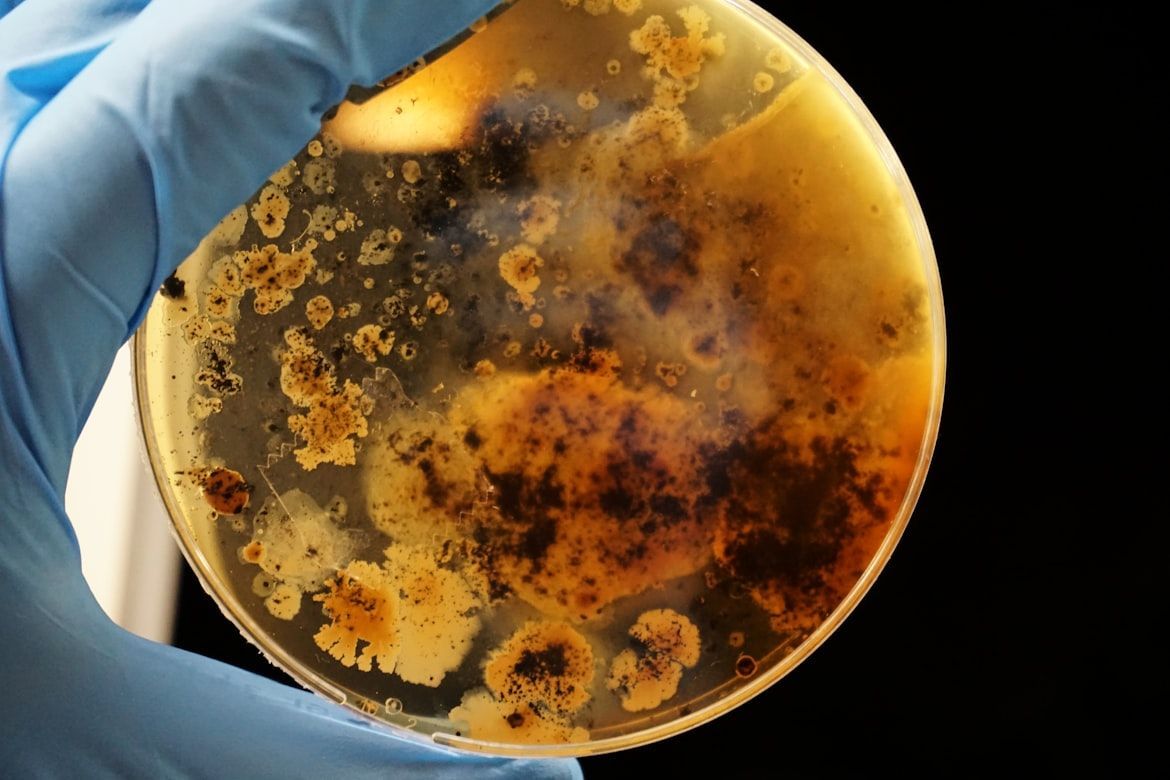 Image: Adrian Lange
During the Middle Ages, and for long before, it was believed that maggots, mice, and other creatures could arise spontaneously from mud, rotting meat, or grain.
It wasn’t until the 17th century that Francesco Redi’s experiments disproved this idea: maggots appeared only when flies had access to lay their eggs. Later, Pasteur confirmed that microbes also do not arise spontaneously.
The Moon’s "breath"
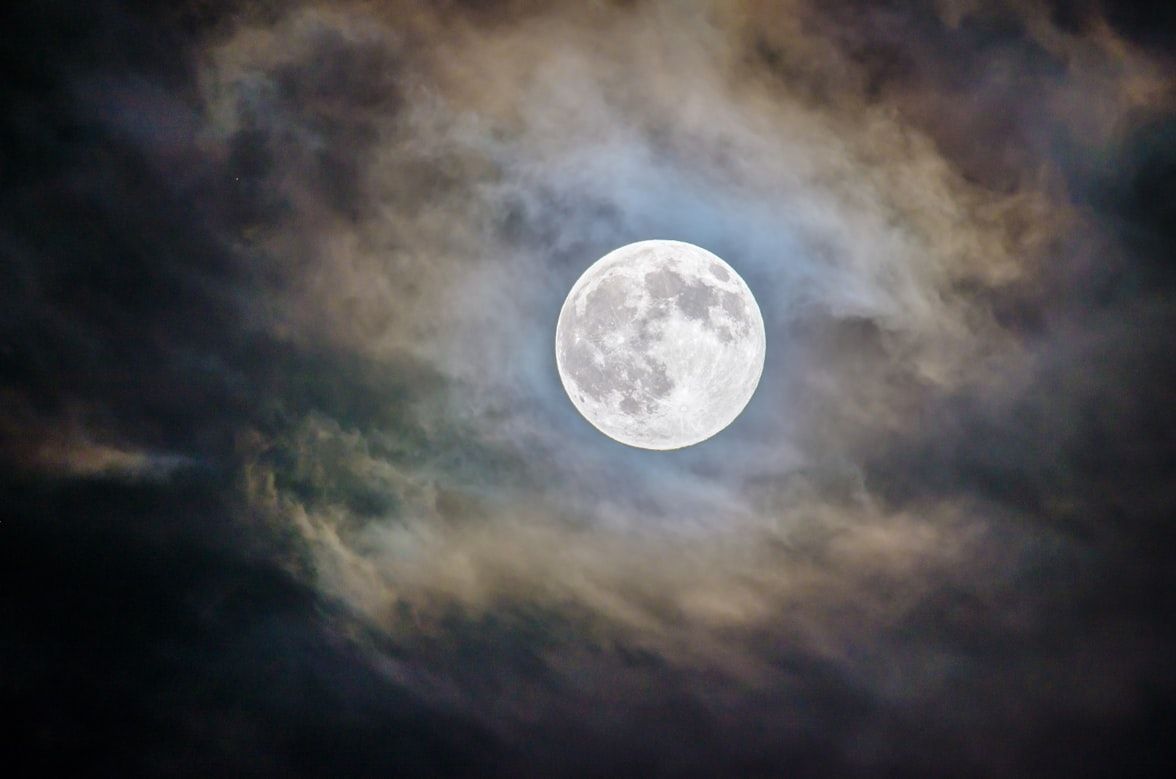 Image: Ganapathy Kumar
Early natural philosophers suspected the tides followed the Moon’s cycle, but without a concept of gravity, they proposed more imaginative mechanisms. One widely repeated idea described the Moon as "breathing" or exhaling a kind of pneumatic force that pulled the seas upward, much like winds or vapors moving through the air.
It wasn’t until Newton’s work in the 17th century that a clear physical explanation emerged, showing that the tides are driven by the gravitational pull of the Moon and Sun acting on Earth’s oceans.
Giant worms cause earthquakes
 Image: Karl Callwood
Some early natural philosophers suggested earthquakes were caused by giant underground worms or serpent-like creatures shifting through the Earth. The analogy came from observing how smaller burrowing animals disturbed soil and assuming larger unseen versions could shake the ground itself.
As geological science progressed, however, these notions gave way to evidence showing that earthquakes result from the movement and fracturing of Earth’s crust along fault lines.
Flaming gas in the skies
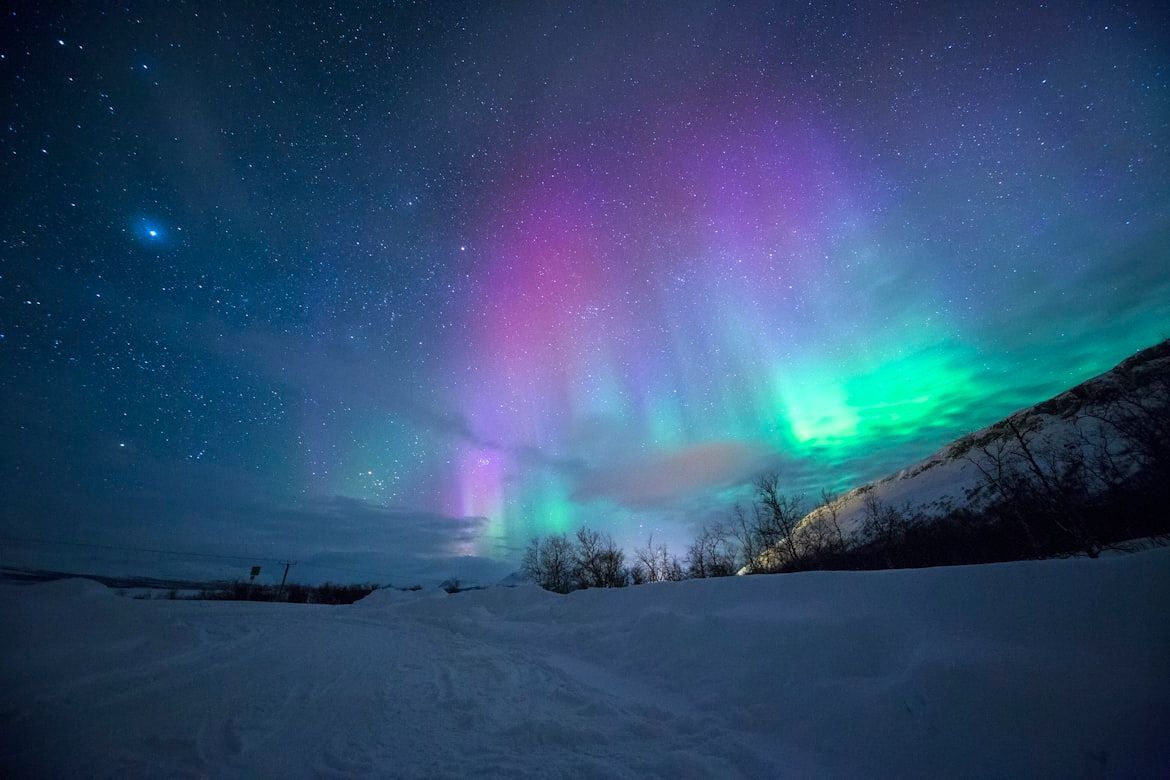 Image: Lightscape
Early explanations for the northern lights often described them as fires or glowing vapors igniting high in the atmosphere. Some natural philosophers proposed that luminous gases rose from Earth’s surface and caught fire in the upper air, while others compared the lights to reflections from vast, distant flames.
With improved observations, scientists showed that auroras are caused by charged particles from the solar wind interacting with Earth’s magnetic field and energizing atmospheric gases.
Sunspots as planets crossing the Sun
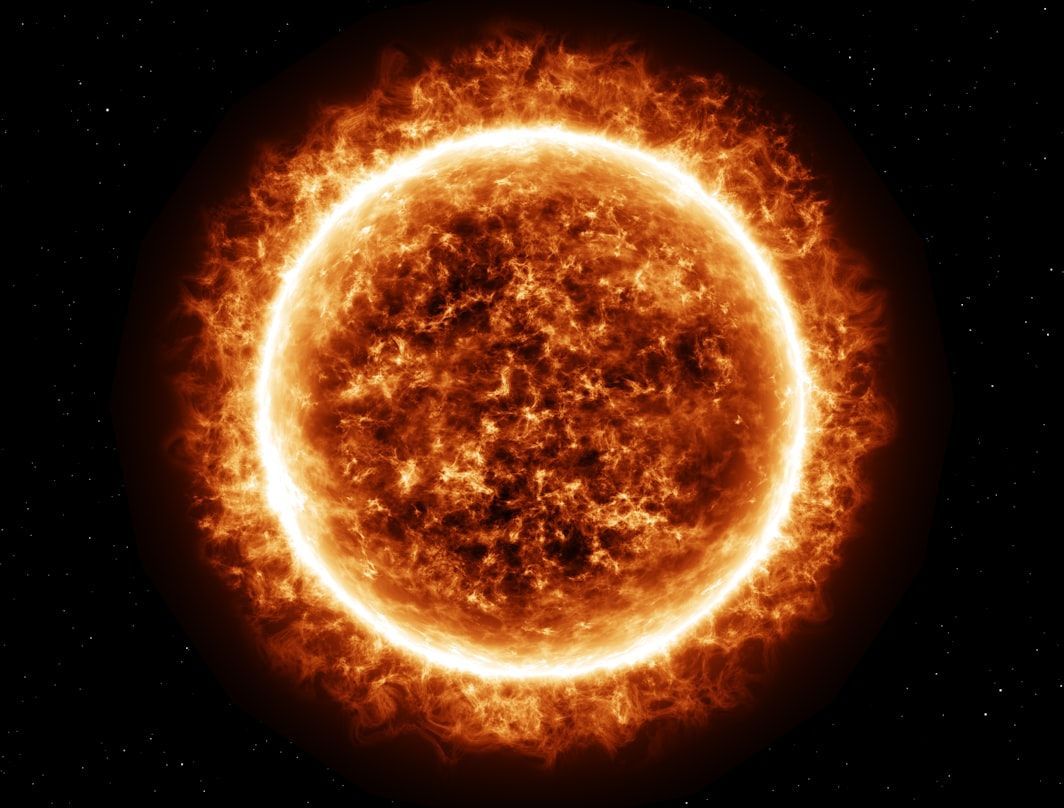 Image: Javier Miranda
Some early astronomers—including Jesuit priest Christoph Scheiner—argued that sunspots were actually small planets or satellites orbiting the Sun, preserving the idea of a "perfect" Sun untouched by blemishes.
Galileo, however, tracked their shapes and motions and noticed they transformed and changed irregularly, which meant they were on or very close to the Sun’s surface—so they couldn’t be planets.
Bad air causes disease
 Image: Ruvim Noga
People once believed diseases like cholera, plague, and malaria spread through "miasma," or poisonous bad air rising from decaying matter. The theory shaped public health for centuries and even informed major sanitation reforms in the 19th century.
It wasn’t until the work of Snow, Pasteur, and Koch that germ theory replaced miasma, showing that infectious diseases are caused by specific microorganisms—not foul-smelling air.
Underground rivers
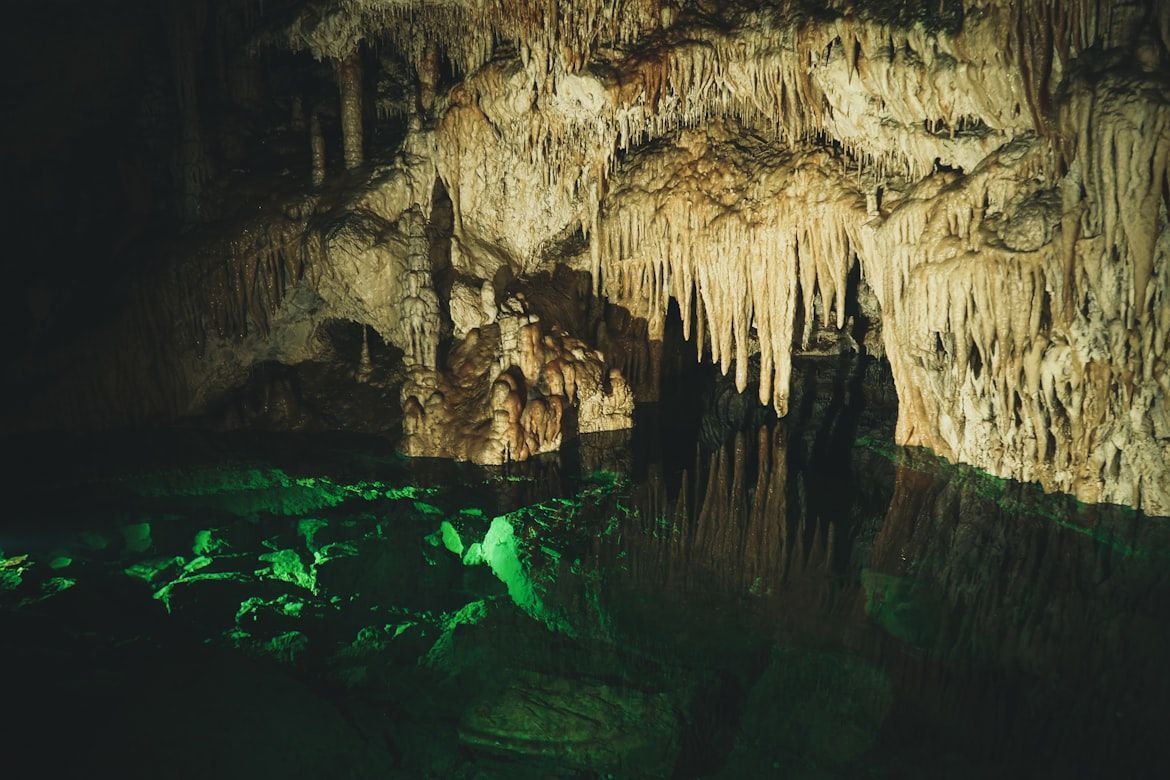 Image: Kubo Mičuch
Early hydrologists often believed springs were fed by vast underground rivers flowing through hollow channels in the Earth. The idea came from observing surface rivers disappearing into caves and reappearing elsewhere, leading to the assumption that similar large waterways existed everywhere below ground.
Modern hydrogeology shows that most groundwater doesn’t travel in rivers but moves slowly through porous soil and rock, driven by pressure and permeability rather than hidden subterranean channels.
Comets as atmospheric phenomena
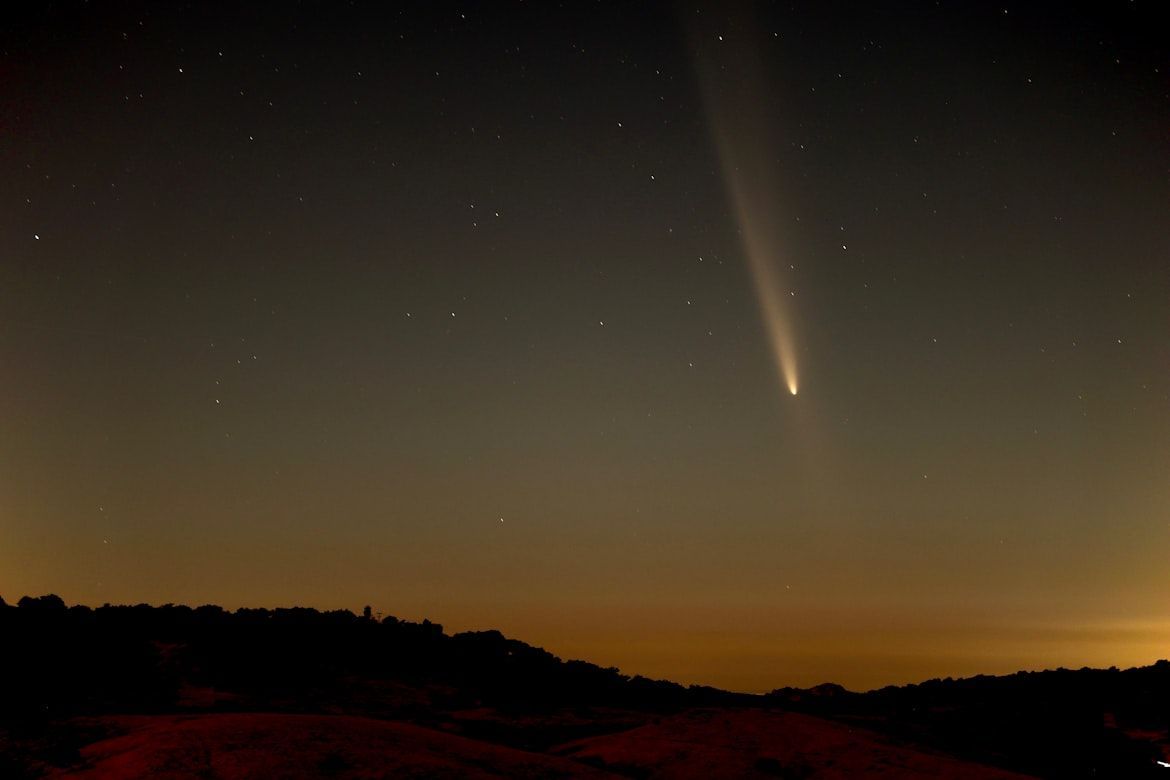 Image: Forsaken Films
For centuries, comets were thought to be atmospheric phenomena—fiery vapors or clouds igniting high in the sky. Even Aristotle’s model placed them in the upper atmosphere, and this view persisted well into the Renaissance.
Until Tycho Brahe’s observations in the 1570s showed that comets had no measurable parallax, it hadn’t been realized that they were actually far beyond the Moon. This helped establish comets as true celestial bodies orbiting the Sun.
Magnetism from living "souls"
 Image: Chris Nagahama
Early explanations for magnetism often invoked a "living force" within lodestones, suggesting they possessed a kind of spirit or soul that allowed them to attract iron. Others claimed magnets emitted invisible _effluvia_—mysterious vapors that pulled metals toward them.
William Gilbert’s De Magnete (1600) replaced these ideas with a physical model, showing that magnetism was a natural property of matter and that Earth itself acted like a giant magnet.