Foods and fabrics ahead
Did you ever wonder why some things are named after places?
Published on March 16, 2026
 Image: Gower Brown
It should come as no surprise that some of the most common things we eat, drink, or wear are actually named after the places where they originated. After all, their success is something to be proud of. From foods like cheddar and hamburgers to fabrics like denim and cashmere, geography has left a lasting mark on our language. Did you know about these 12 famous cases?
Denim
 Image: engin akyurt
The word "denim" comes from the French phrase de Nîmes, meaning "from Nîmes." In the 17th century, the city of Nîmes produced a durable cotton fabric that became popular across Europe.
Later, when Levi Strauss and Jacob Davis used it to make sturdy work pants during the California Gold Rush, it became the basis of modern blue jeans, now worn worldwide.
Champagne
 Image: Alexander Naglestad
The people of Champagne are not just proud but also protective. This alcoholic drink takes its name from the French region where it is exclusively produced. By law, only sparkling wines made there, under strict methods, can be called Champagne.
The drink became a symbol of luxury, used in celebrations and toasts. Its association with royalty and glamour has helped cement Champagne’s reputation across the globe to this day.
Bologna
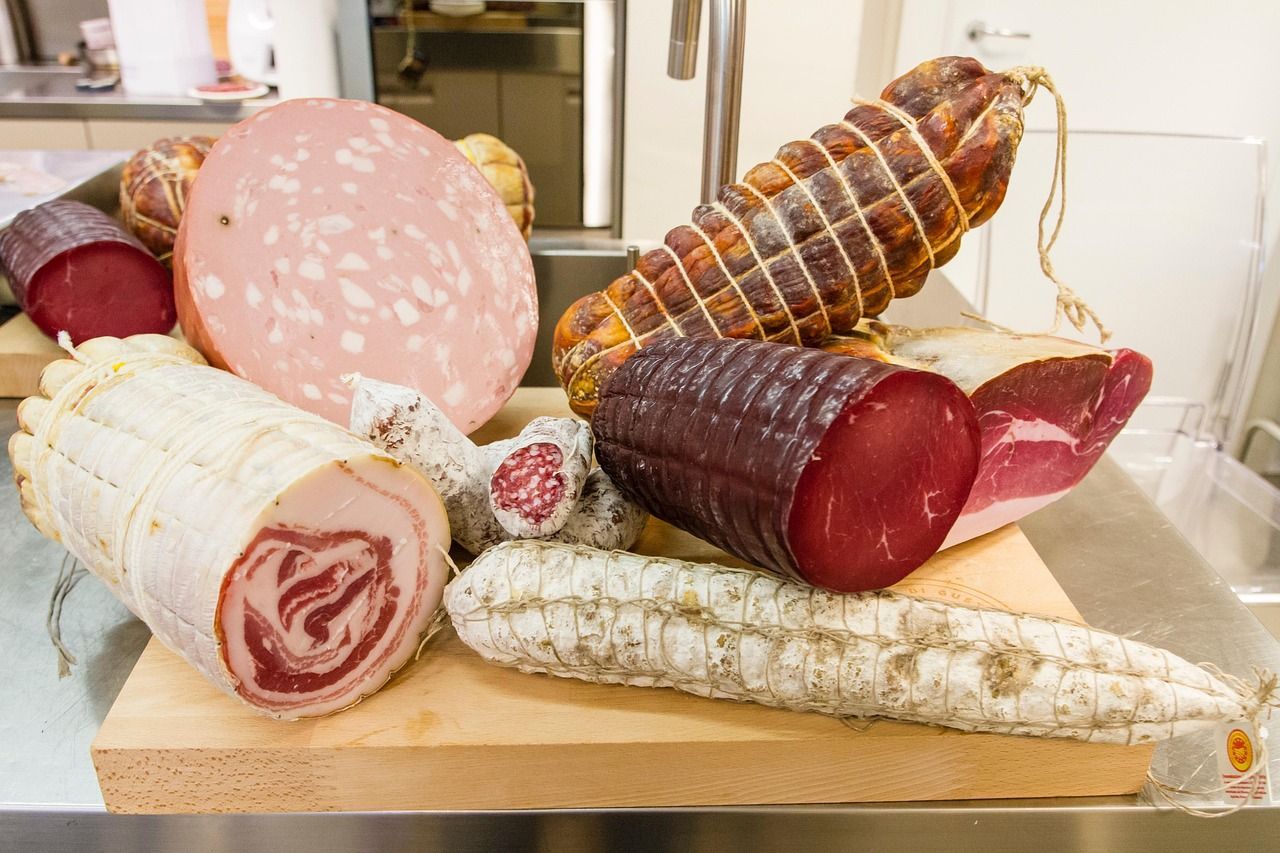 Image: Phab79
The sausage known as "bologna" takes its name from the Italian city of Bologna, where a rich tradition of cured meats exists. Italians call it mortadella, a seasoned pork sausage.
When German and Italian immigrants brought it to America, it evolved into a simpler version called "baloney," which became a staple of inexpensive sandwiches.
Cologne
 Image: Edoardo Cuoghi
Cologne gets its name from the German city of Köln, where an Italian perfumer created a light fragrance in 1709. It was originally called Eau de Cologne.
Unlike heavier perfumes, this refreshing scent became fashionable across Europe. The name "cologne" eventually came to mean any light men’s fragrance in English.
Hamburger
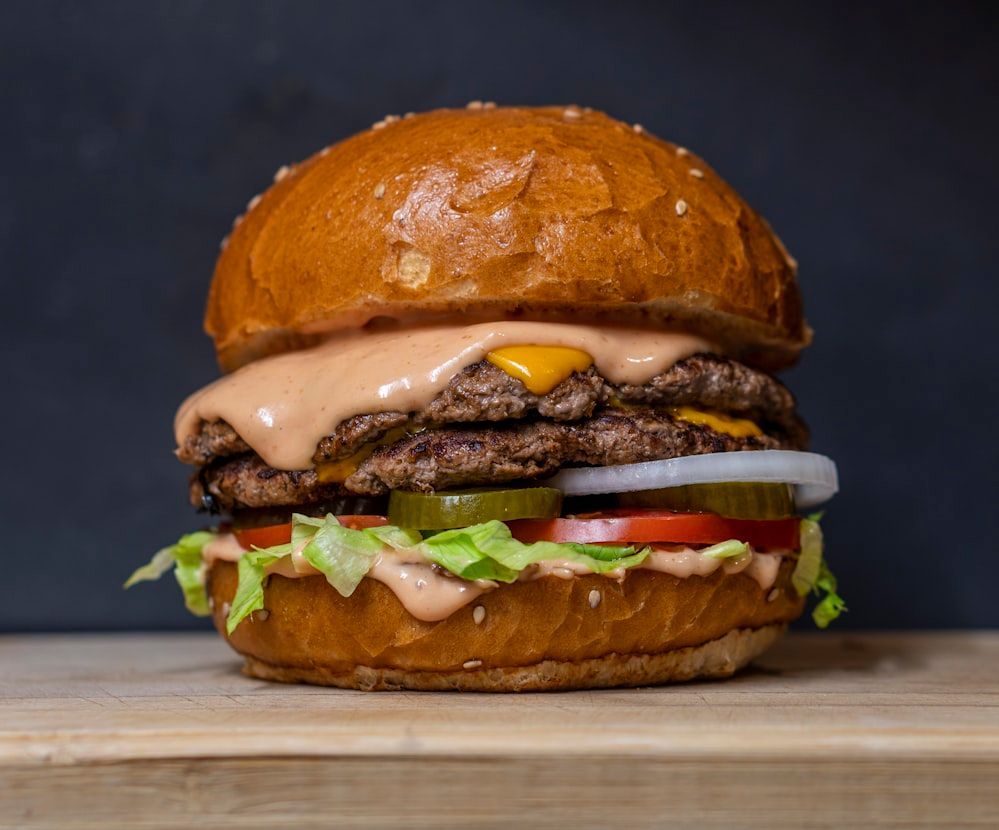 Image: amirali mirhashemian
The popular hamburger traces its name to Hamburg, Germany, where minced beef patties were popular in the 19th century. Immigrants brought the style to the U.S.
When placed between bread, the "Hamburg steak" evolved into today’s hamburger. It quickly became a symbol of American fast food, loved worldwide in countless variations.
Frankfurter
 Image: Rk kuva
The frankfurter takes its name from Frankfurt, Germany, where long, thin sausages were popular street food. They were traditionally made from pork and beef.
In the U.S., German immigrants introduced them at fairs and ballparks. There, they became known as hot dogs, a snack closely linked with American culture.
Cheddar
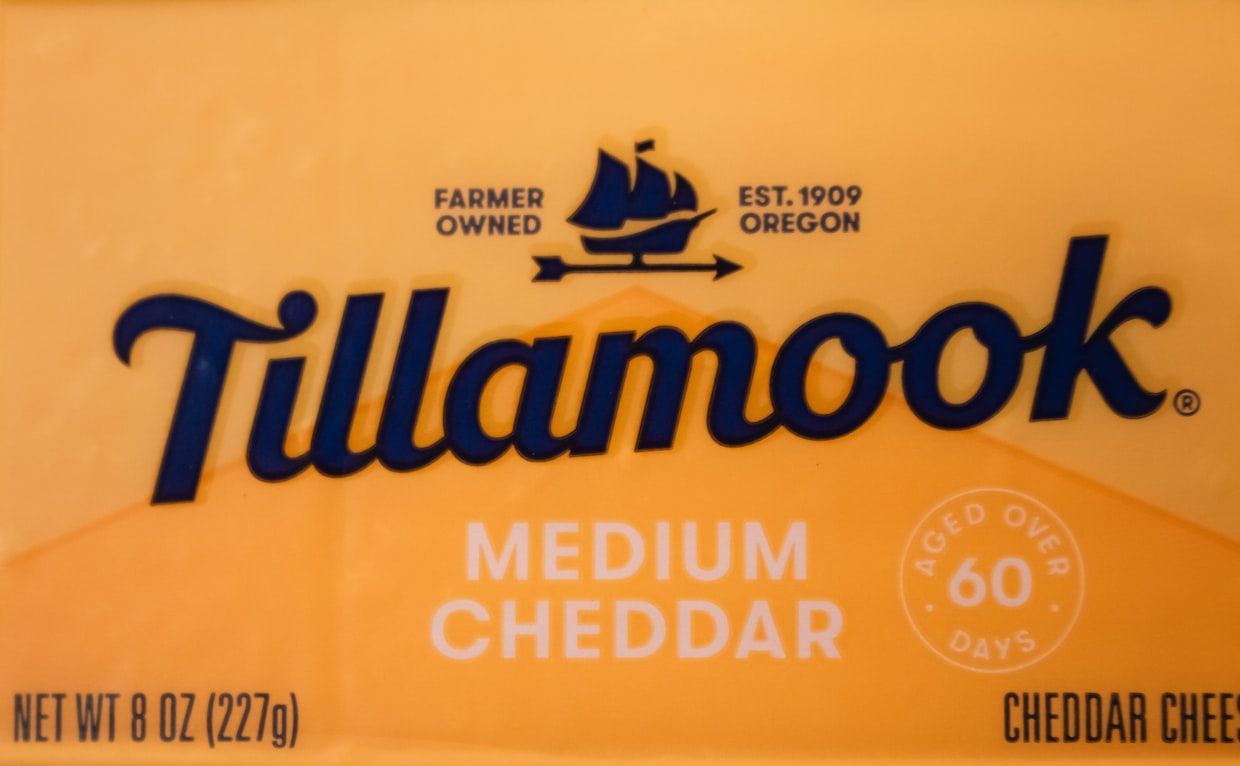 Image: Zoshua Colah
A faithful companion to the previously mentioned hamburger, Cheddar cheese is named after the English village of Cheddar, where it has been produced for centuries. The region’s caves provided ideal conditions for aging.
Today, Cheddar is one of the world’s most popular cheeses, produced in many countries, though the name remains tied to its English origins.
Port
 Image: L E
Port wine comes from Porto, Portugal, where fortified wines were historically shipped along the Douro River. Adding brandy during fermentation helped preserve the wine.
This process gave it a sweet, strong flavor that became especially popular in Britain. Today, Port remains a hallmark of Portuguese winemaking tradition.
Roquefort
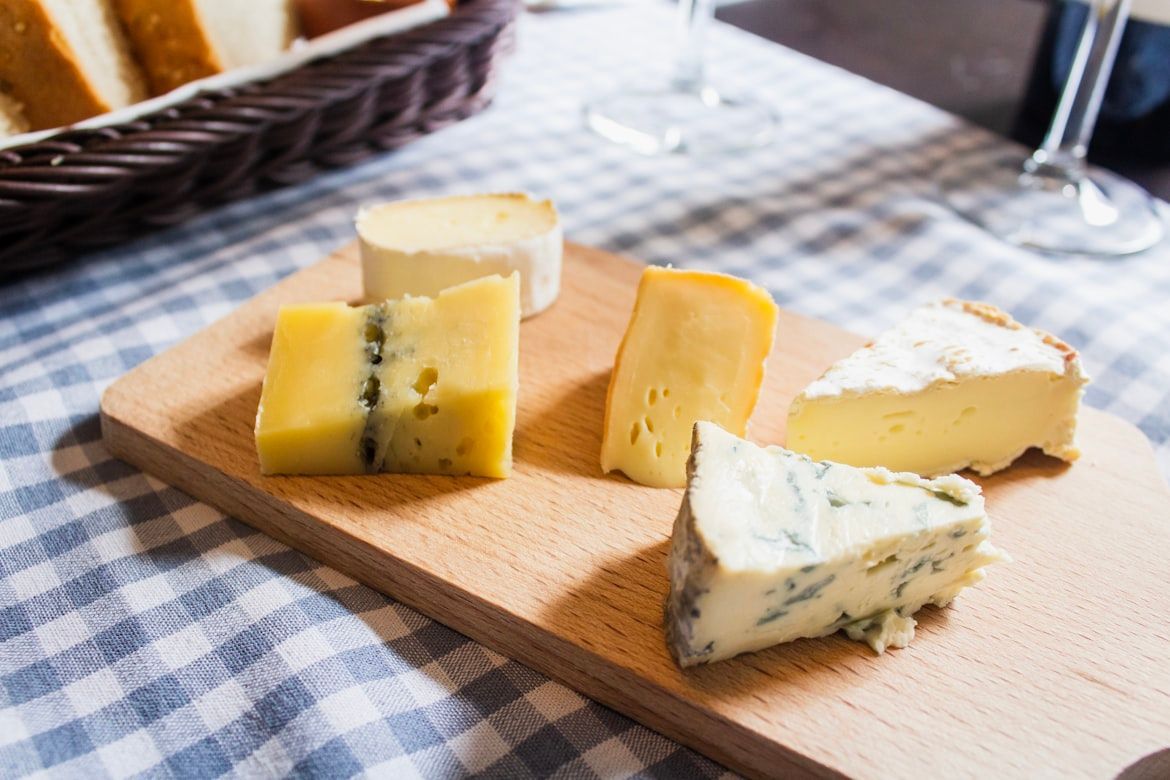 Image: Louis Hansel
The stinky Roquefort cheese is named after Roquefort-sur-Soulzon in southern France. Legend says Charlemagne once praised its sharp, tangy taste, made from sheep’s milk.
The caves of the region, rich in natural mold, provide the unique conditions needed for its famous blue veins. Roquefort is still made under strict regulations.
Cashmere
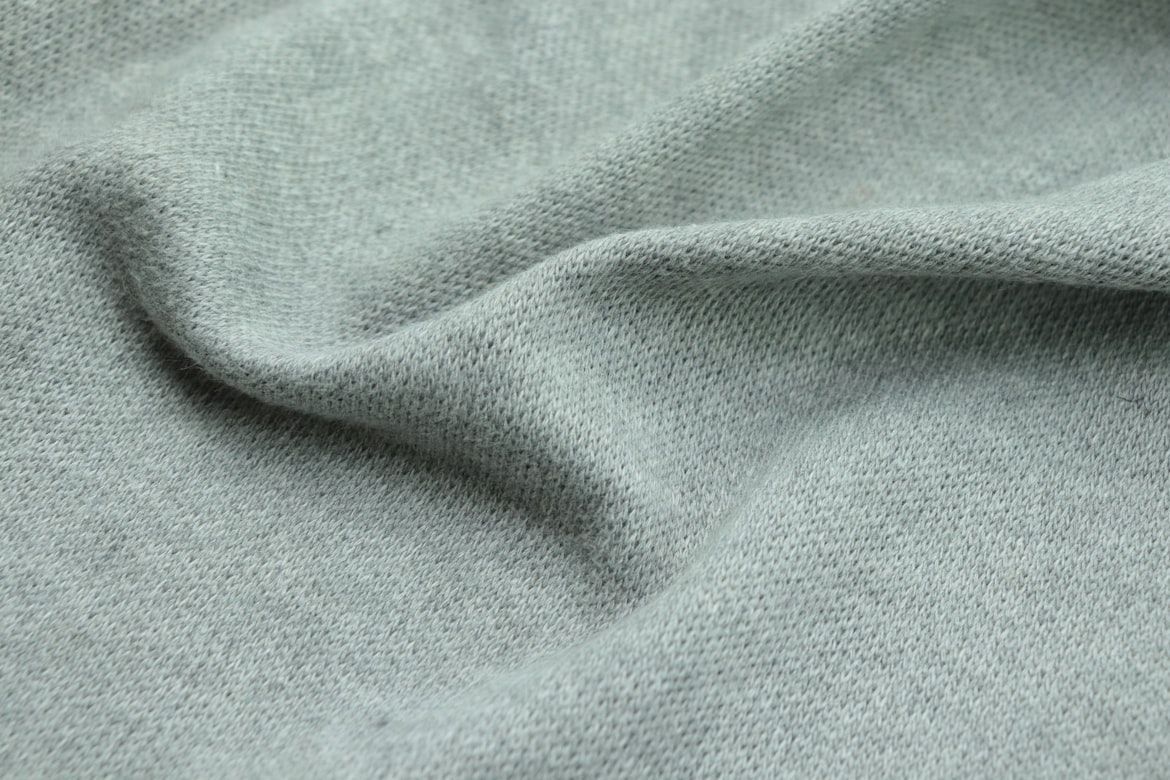 Image: Divazus Fabric Store
The expensive fabric known as cashmere takes its name from the Kashmir region of India, where fine wool was first gathered from Himalayan goats. Soft, warm, and luxurious, it was highly prized.
Introduced to Europe in the 18th century, it became a symbol of elegance and wealth. Today, cashmere garments remain sought after worldwide.
Java
 Image: Mike Kenneally
The term "Java" for coffee comes from the Indonesian island where coffee cultivation thrived under Dutch colonial rule. Beans from Java were shipped around the world.
As coffee spread, "Java" became slang for the beverage itself in the U.S. The word still lingers as a casual nickname for a morning cup.
Turkey
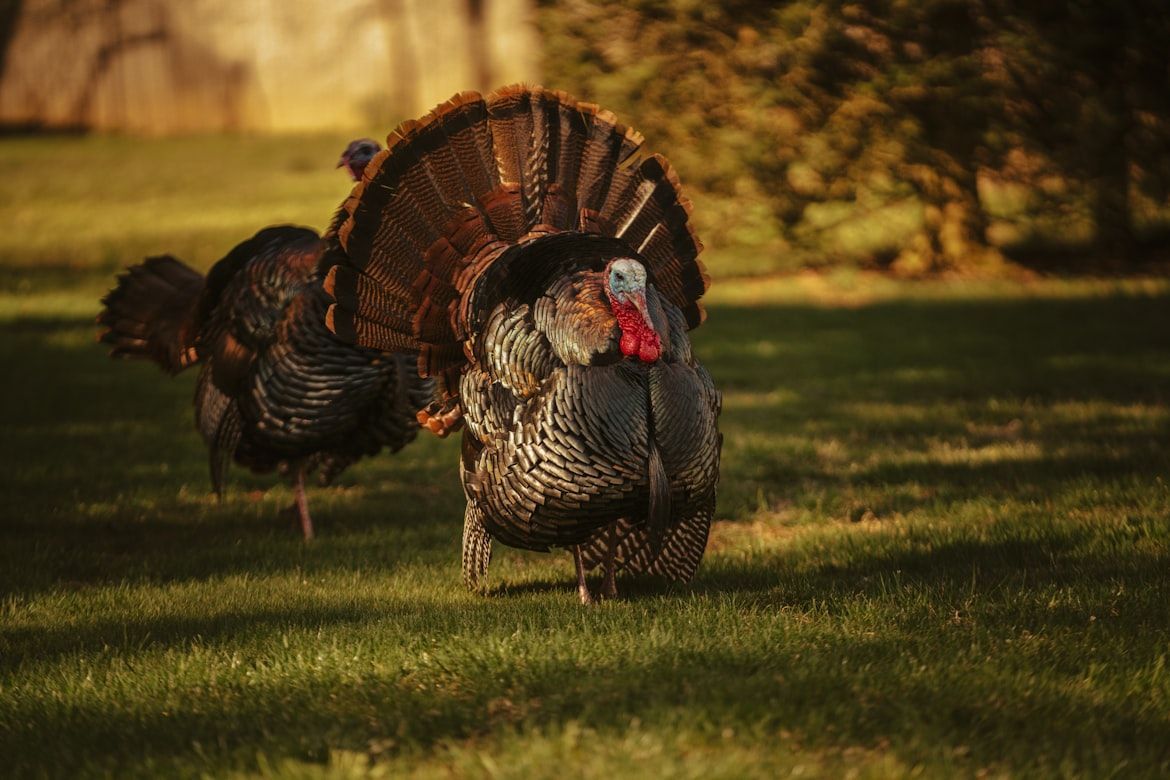 Image: Tyler Donaghy
The bird called "turkey" in English owes its name to a case of trade-related confusion. European merchants importing New World birds through Turkey linked them with the country.
In reality, the bird is native to the Americas, where Indigenous peoples domesticated it. Despite the mistake, the name "turkey" stuck in English.