Dyslexia, anyone?

Do you know what a “spoonerism” is? It happens more often than you think


Published on February 22, 2026
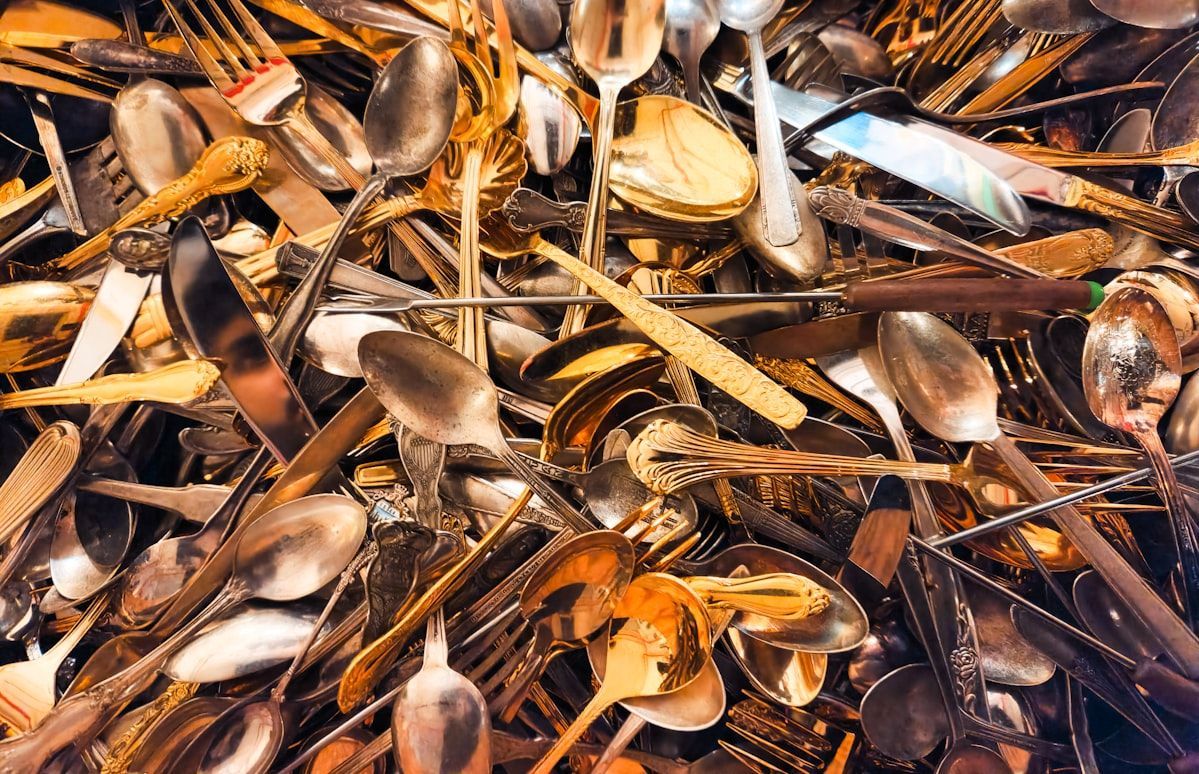

Image: Zoshua Colah

If you have never heard of spoonerisms, you are not alone. But, even if you are not familiar with the term, you have surely experienced this linguistic phenomenon that can be a sign of dyslexia. Spoonerisms are those accidental (or sometimes intentional) word swaps where the first sounds of two words trade places. Take a look at the following 11 examples of this kind of thing, and you will understand what it is.

1

Well-oiled bicycle > Well-boiled icicle

Image: Carl Nenzen Loven

A well-oiled bicycle suggests a smooth, working bike ready to ride. Swap the sounds, and suddenly you’re talking about a "well-boiled icicle," which is nonsense but funny because icicles are frozen, not boiled.

This spoonerism illustrates how absurdity enters the room when everyday objects are assigned mismatched qualities.

2

Fighting a liar > Lighting a fire

Image: Jametlene Reskp

If someone is fighting a liar, you picture an argument or a clash. But with the swapped version, you’re just sparking flames instead. Two very different scenarios: one involves conflict, the other warmth.

The humor comes from the complete shift in tone: from deception and struggle to something as simple as starting a campfire.

3

You have hissed all my mystery lectures > You have missed all my history lectures

Image: Wan San Yip

The original phrase suggests someone accidentally hissing during class, which is silly. The corrected version points out they simply weren’t there for the history lessons.

It shows how one slip can turn an ordinary comment into something unintentionally funny.

4

It is customary to kiss the bride > It is customary to cuss the bride

Image: Eugenia Pan'kiv

Weddings are a traditional event, with the new couple sealing the deal with a kiss. But if the sounds get mixed up, suddenly you’re picturing guests shouting rude words at the bride.

The joke lands because it twists a wholesome ritual into something shocking and inappropriate.

5

Better late than never > Better Nate than lever
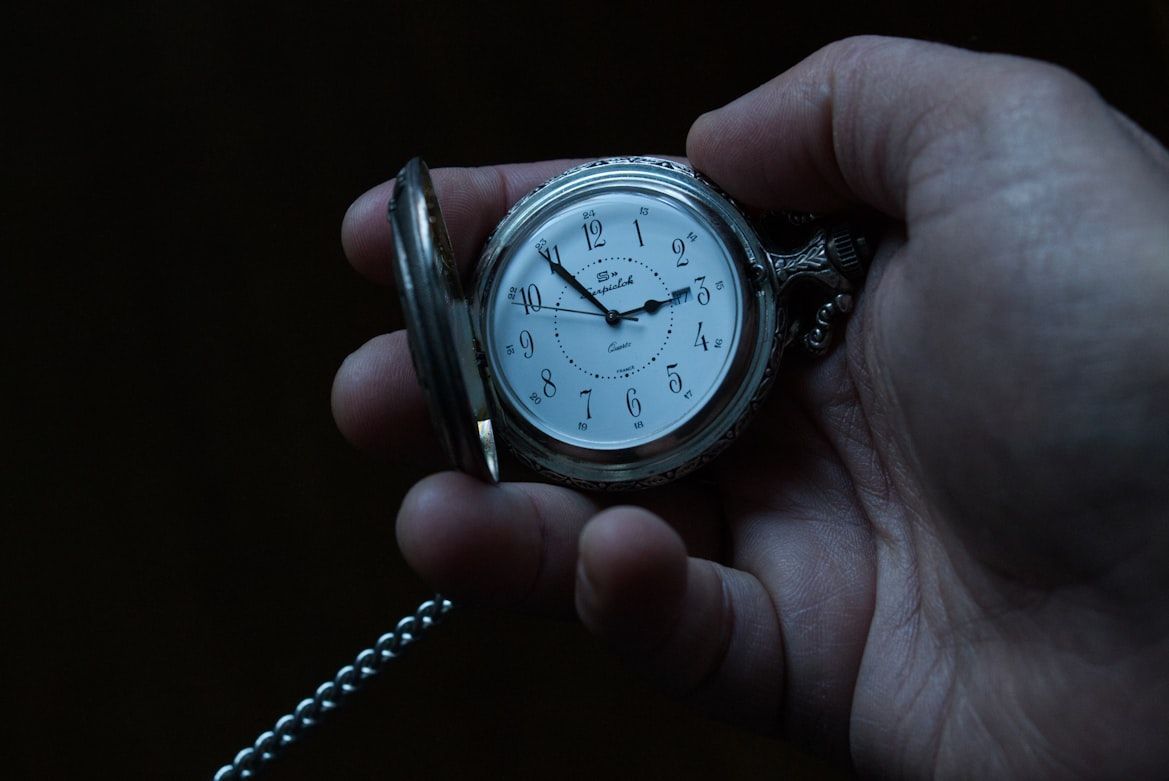
Image: Pierre Bamin

The proverb teaches us that doing something eventually is better than not at all. Flip the sounds, and suddenly it’s about an individual named Nate being preferable to a lever.

This one’s funny because it introduces an entirely random element (or person, Nate) into a well-known saying.

6

Our dear old queen > Our queer old dean
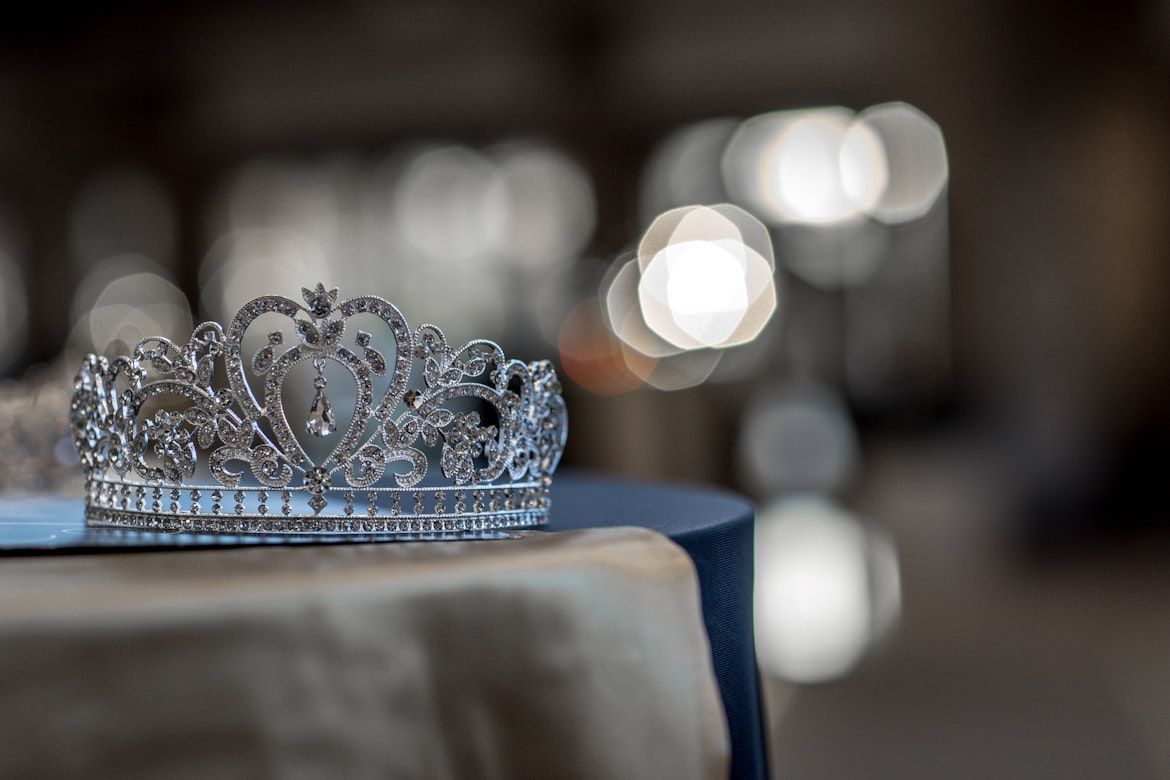
Image: Church of the King

Praising a monarch as a "dear old queen" sounds respectful. But swap the sounds, and you’re describing a school official in a very different light.

The shift is humorous because it takes a regal image and transforms it into a funny academic one.

7

A crushing blow > A blushing crow

Image: Johann Walter Bantz

A crushing blow suggests defeat, damage, or something powerful. Turn it around, and you have a shy bird blushing.

This example works because it replaces seriousness with absurdity. What could have been about battle or hardship becomes about a bashful crow.

8

Ease my tears > Tease my ears

Image: Tom Pumford

The original phrase has an emotional meaning: asking for comfort to reduce crying. Flip it, and suddenly someone is talking about tickling their ears instead.

The humor lies in how the swap removes the sadness and inserts playful nonsense.

9

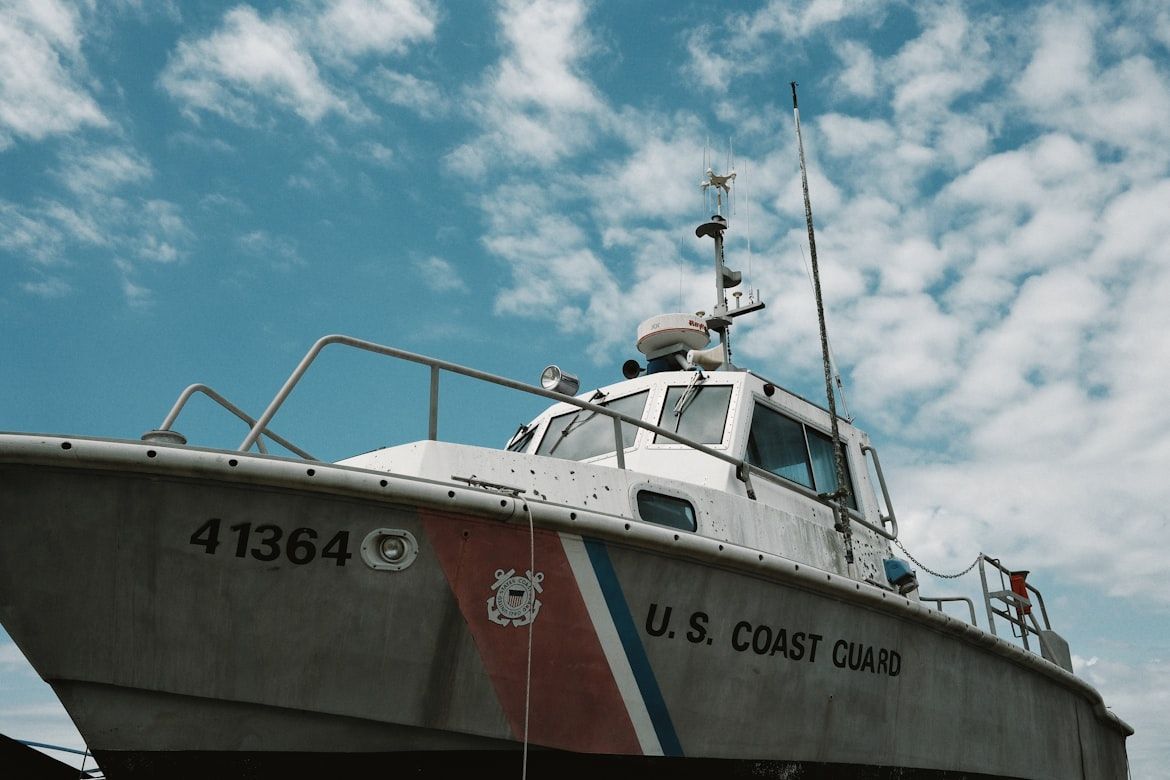
Coast Guard > Ghost card

Image: Fujiphilm

The coast guard protects the waters and rescues sailors in distress. But switch the sounds, and you’re left with a "ghost card," something that sounds like a spooky playing card.

This one is funny because it takes a respected institution and transforms it into something from a Halloween party instead.

10

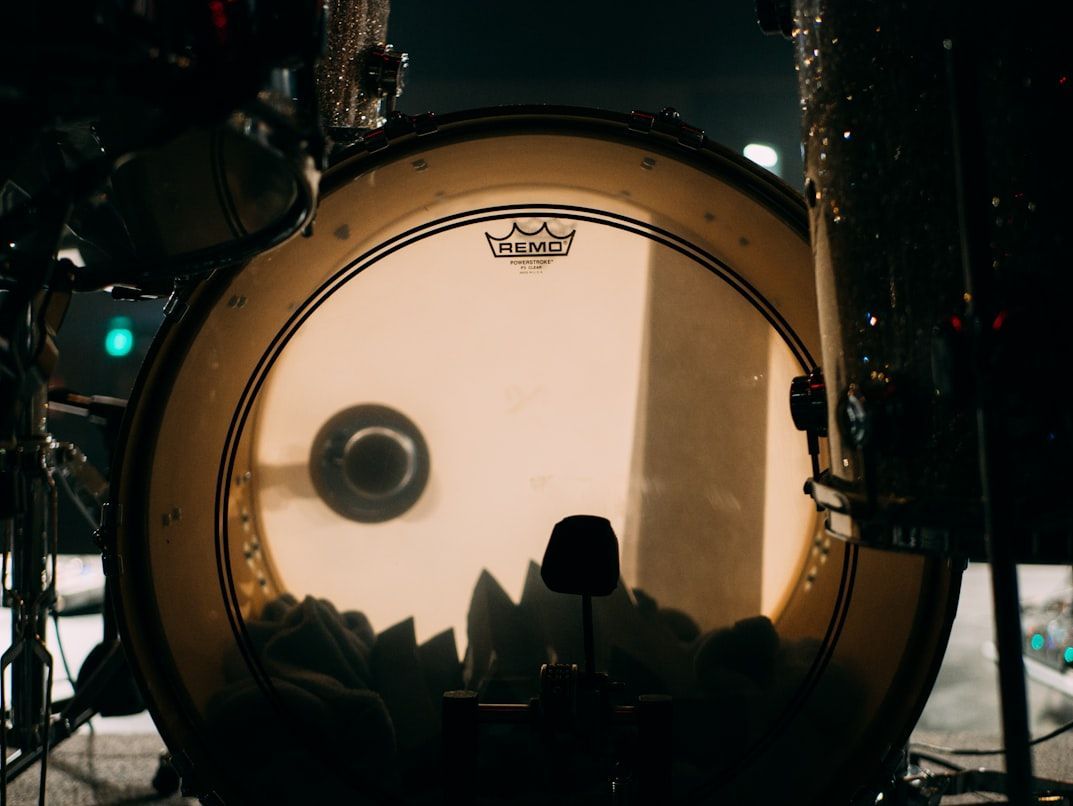
Bass drum > Drass bum

Image: Chris Bair

A bass drum is a key part of a band’s rhythm section, loud and commanding. But "drass bum" isn’t even a real phrase, it sounds like an extravagant insult.

The silliness comes from turning a musical term into gibberish that feels rude without meaning anything.

11

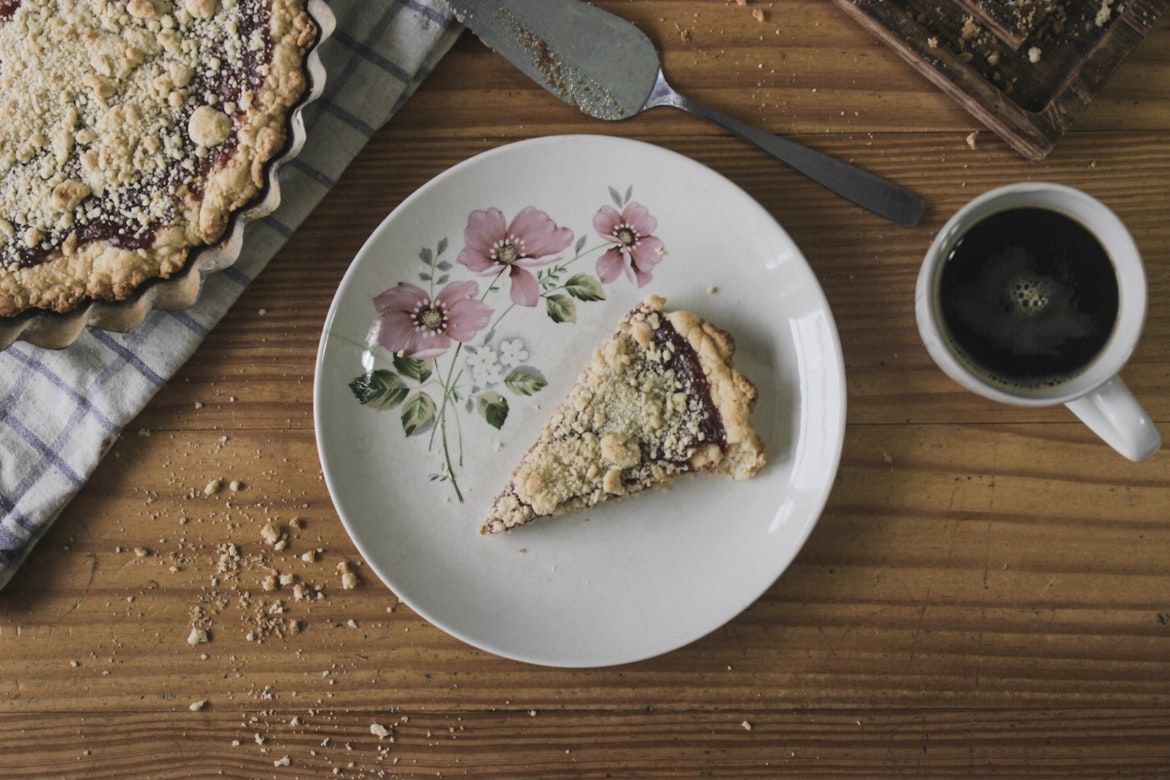
A lack of pies > A pack of lies

Image: Fran Jacquier

Being disappointed by a lack of pies can be a sad thing for dessert lovers, indeed. But swap the sounds, and suddenly you’re accusing someone of dishonesty instead.

This spoonerism is a classic example of this phenomenon because it takes something light and twists it into something serious.


Born from nature

Wild Words: What do nature and our everyday language have in common?


Published on February 22, 2026


Image: Florian van Duyn

Nature gives us so much, even some words and phrases we use to express ourselves. Many sayings and idioms we use every day are inspired by landscapes, plants, animals, oceans, and more. But what do they really mean, and where did they come from? Discover all this and more in our article on 10 nature-related idioms!

1

Between the devil and the deep blue sea

Image: Gala Iv

He was between the devil and the deep blue sea: either tell the truth and risk the consequences, or lie and face guilt.

Sometimes life puts you in tough situations where no choice seems easy, satisfying, or pleasant. Choosing between two chores you don’t want to do, or two dishes you don’t want to eat, is like being "between the devil and the deep blue sea." The phrase comes from the world of sailors: the ‘devil’ was a rope on the ship’s deck that was hard to reach, leaving sailors caught between it and the dangerous, stormy sea.

2

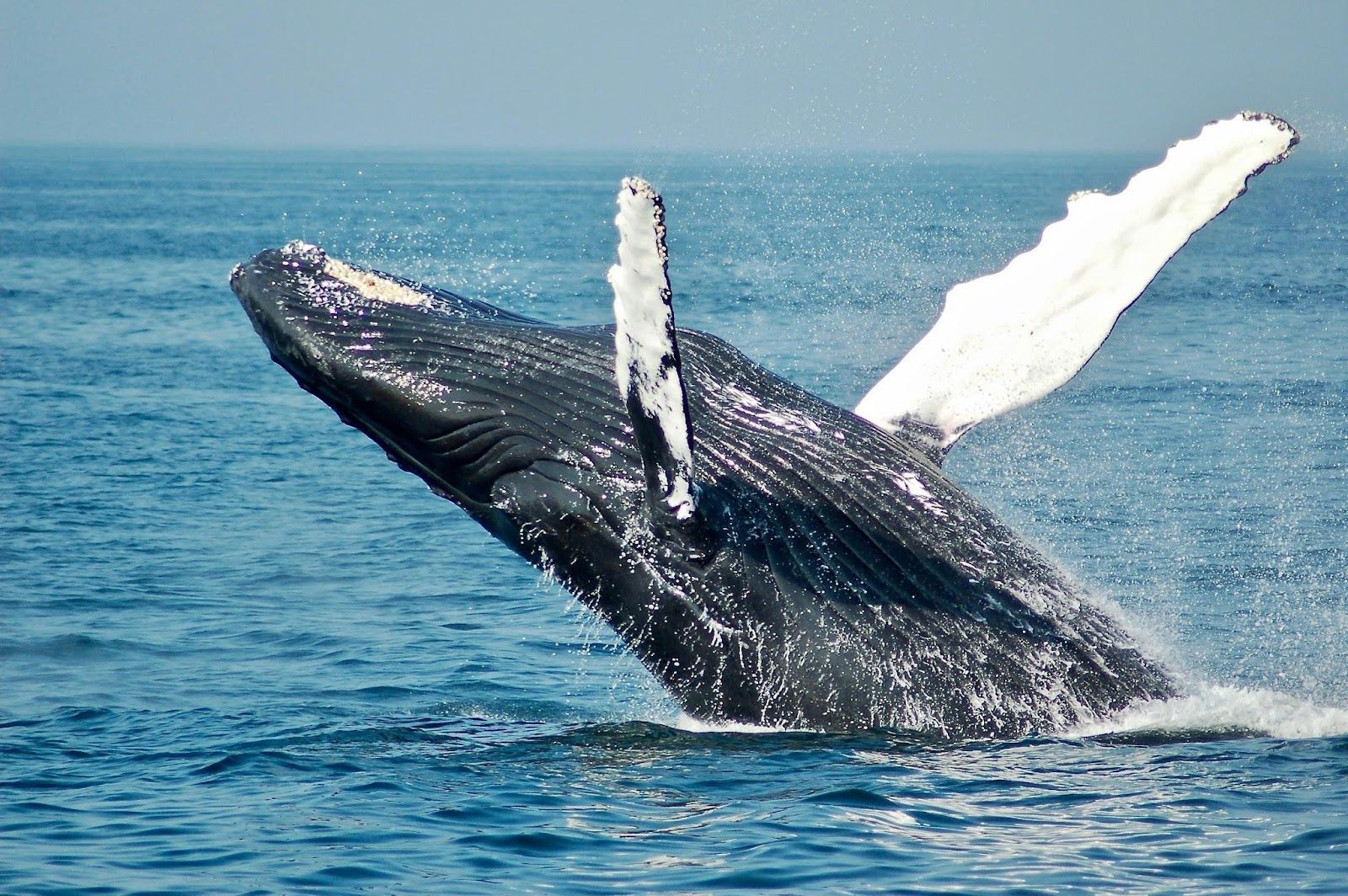
A whale of a time

Image: Todd Cravens

She had a whale of a time at her birthday party with all her friends.

We may not all be whale experts, but one thing is clear: they are huge creatures. That’s likely why the word "whale" was used as slang for something enormous back in the 19th century. Over time, the meaning evolved to describe something grand or extraordinary, giving rise to the idiom "a whale of a time," used to refer to incredibly fun, enjoyable, or memorable moments and experiences.

3

To back the wrong horse

Image: Kirsten LaChance

I think you’ve backed the wrong horse by supporting that candidate in the election.

"Backing the wrong horse" can be frustrating and discouraging. Originating in the world of horse racing, this idiom is used when you support something that doesn’t work out or trust someone or something that ends up letting you down. Whether it’s a personal choice, financial decision, or political issue, the phrase can be applied to all sorts of situations in life.

4

The last straw

Image: Csaba Gyulavári

When he forgot our anniversary after months of neglect, that was the last straw.

Some days just don’t go right: your alarm doesn’t go off, you step in some water with your socks on, and you miss your morning coffee. At the office, it turns out the coffee machine is broken, so you grab a cup at a café. And just when you think the bad luck is over, someone bumps into you and spills the warm infusion on your clothes. No wonder you lose your temper; this was "the last straw." The phrase comes from an old proverb: "Is it the last straw that breaks the camel’s back," meaning a small event can push a situation over the edge.

5

To offer an olive branch

Image: Susana Bartolome

After their argument, she offered an olive branch by inviting him to lunch.

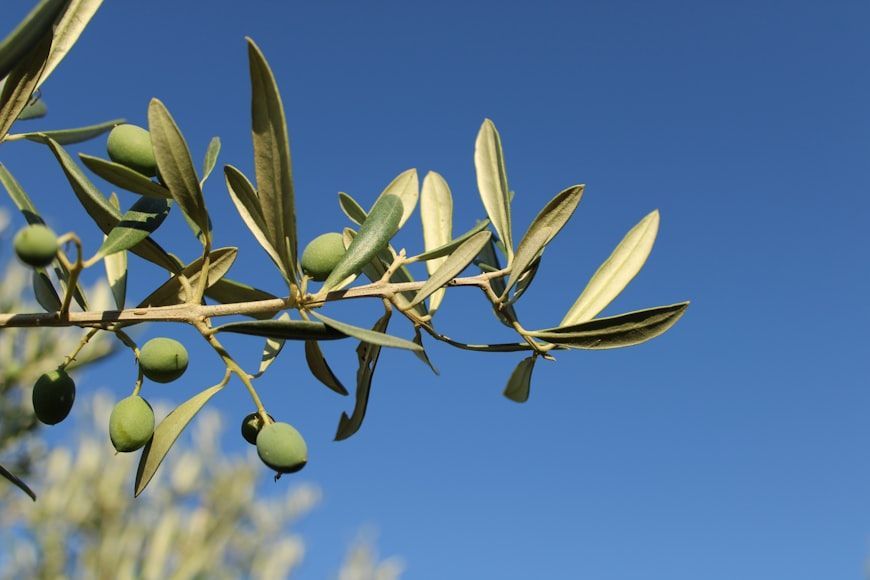
Have you ever sent or received flowers after an argument? Classic, right? Offering or extending "an olive branch" is a gesture of peace, a request for a truce, or a show of goodwill. As you might guess, this idiom dates back to ancient times, when olive branches symbolized peace, harmony, and even victory.

6

Beating around the bush

Image: Kevin Albrich

Stop beating around the bush and tell me what really happened at the meeting.

If you ask your family whether they ate the dessert you left in the fridge, and they start avoiding the question or changing the topic, you can say they’re "beating around the bush." The idiom comes from medieval English hunting, where hunters would beat bushes to flush out birds or small animals, rather than going straight for them. Today, it’s used to describe someone who avoids the main point and speaks indirectly.

7

Barking up the wrong tree

Image: Anton Atanasov

If you think I’m the one who broke the plate, you’re barking up the wrong tree.

What if, after getting upset with your family, you find out it was the dog who ate your dessert? In that case, you could say you were "barking up the wrong tree." This common idiom is used when you blame the wrong person or make a wrong assumption. Like the previous one, it comes from hunting: in 19th-century America, raccoon hunters used dogs to track their prey, but sometimes the dogs would simply bark at the wrong tree.

8

Calm before the storm

Image: Polina Zimenkova

The weekend started off peacefully, but it was just the calm before the storm of holiday traffic.

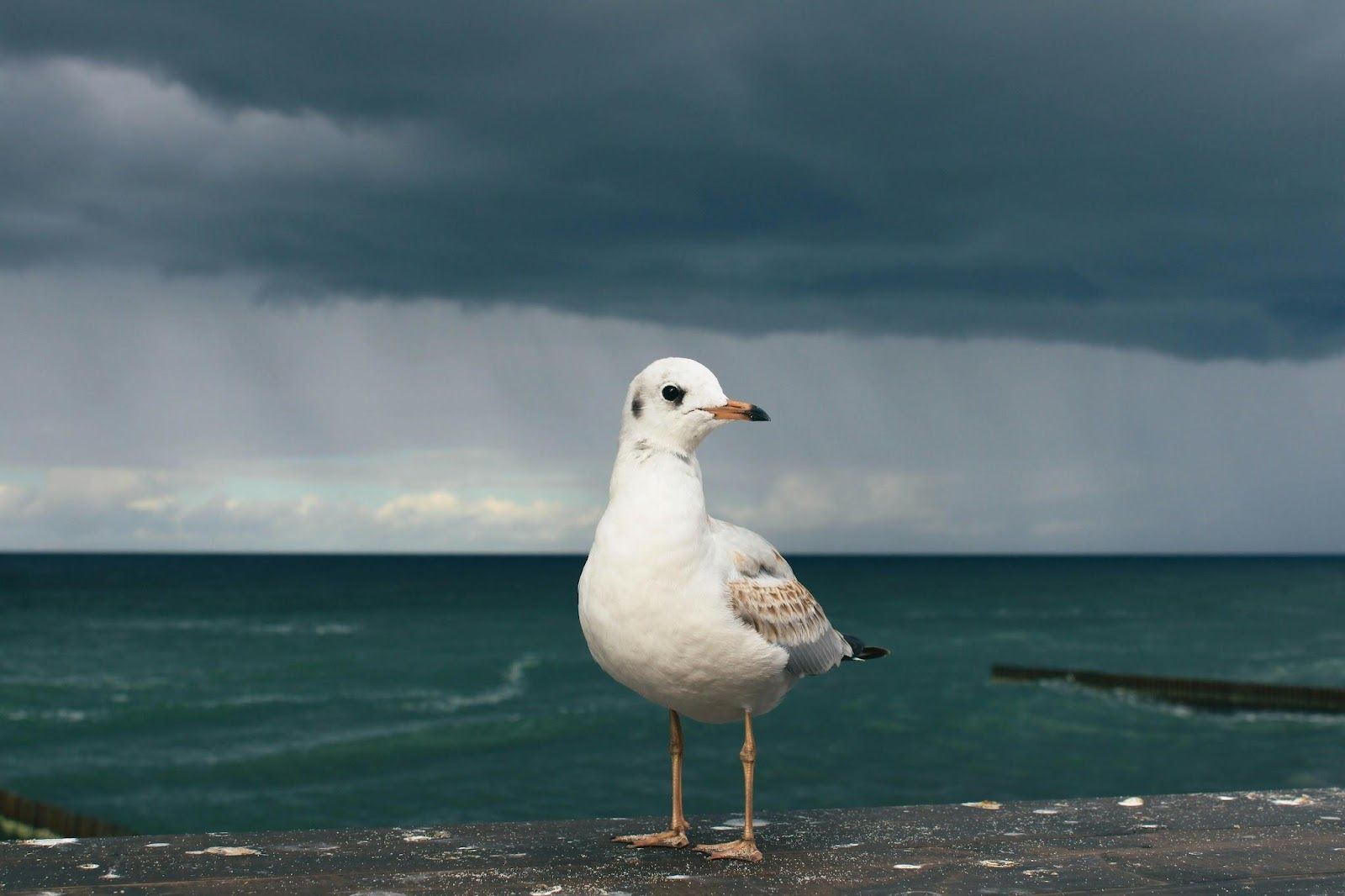
Ask a meteorologist what usually comes before a storm, and the answer is simple: calm. Everything seems quiet and peaceful, but trouble is on the way. This pattern in nature inspired the widely used idiom "calm before the storm," which warns that periods of tranquility can be followed by sudden chaos.

9

A storm in a teacup

Image: Kellice Chua

Their argument about who would do the dishes was really just a storm in a teacup.

Do you remember the last time you got really upset over something that wasn’t all that important? Chances are you were making "a storm in a teacup." You don’t have to be English to know that teacups are usually small, so how could a storm possibly break out inside one? It’s this very irony that gives the idiom its meaning.

10

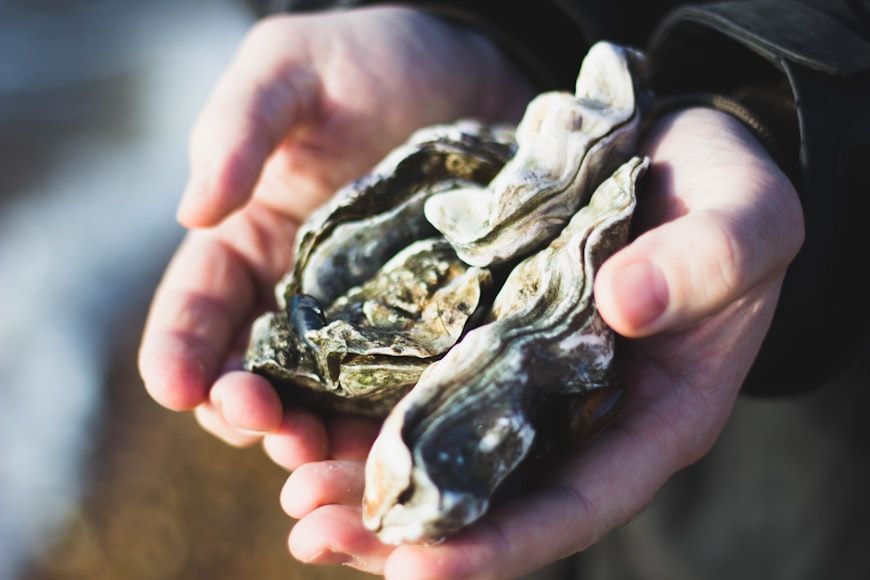
The world is your oyster

Image: Charlotte Coneybeer

With your talent and dedication, the world is your oyster.

When opportunities are endless, when the best is yet to come, or when you have the power to achieve your goals, you can say that "the world is your oyster." This widely used idiom comes from Shakespeare’s The Merry Wives of Windsor (1602), where the line reads, "Why then the world’s mine oyster, which I with sword will open." The oyster represents the world, and the pearl inside symbolizes the opportunities to discover.

Looking for an extra scoop of literary fun?

Learn more with our Word of the day

precipitate

/priˈsɪpəˌteɪt/