Say it like locals

Do you know why "y'all" caught on outside the South?


Published on August 28, 2026


Image: Logan Bush

America's regional slang words are as interesting as they are funny. They say a lot about how folks in different corners of the country see the world, and what kind of culture took root there over the years. No accent or phrase is "better" than another; most are just practical, colorful, or a little window into what a community is like. Take "y'all," beloved down South, or "wicked," which New Englanders toss into sentences like seasoning. None of these are used only in the places we mention: they've just made themselves at home there.

1

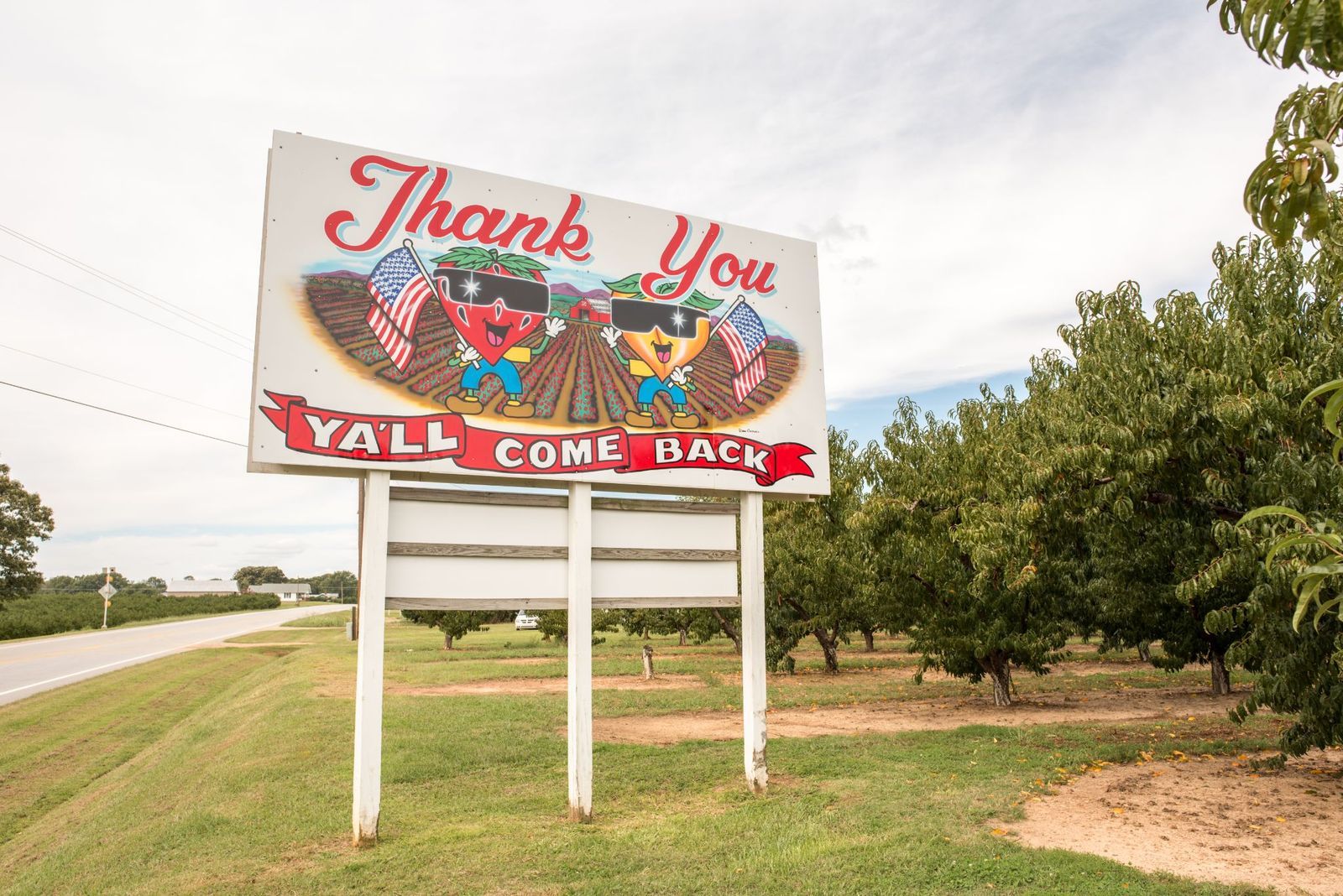
"Y'all" (the South)

Image: Page Light Studios

This one's everywhere below the Mason-Dixon line, and it's just useful: one word instead of "you guys" or "you all." Southerners use it constantly and unapologetically. Outsiders sometimes mock it as unsophisticated, then quietly start using it themselves within a year of moving South.

Even non-Southern celebrities get caught saying it on camera, then get roasted online, then keep saying it anyway.

2

"Wicked" (New England)

Image: Kenz444

"That's wicked good" doesn't mean "evil"; it means "very". Bostonians and their neighbors use it as an all-purpose intensifier. Non-locals find it charming, sometimes exaggeratedly imitating it to poke fun at the accent.

Locals don't care; they'll say "wicked awesome" with total sincerity. It's practically a regional badge of honor, and attempts to phase it out over the decades have, wickedly, failed completely.

3

"Pop" vs. "soda" vs. "Coke" (regional map)
Image: banjongseal324SS

Order a "Coke" in Georgia, and you might get asked "what kind?" because down South, "Coke" means any soda. The Midwest says "pop," the coasts say "soda." This sparks genuine, good-natured arguments at family gatherings and road trip stops nationwide. Nobody's ever truly won this debate, and honestly, that's part of the fun.

4

Boston and New York accents

Image: AustralianCamera

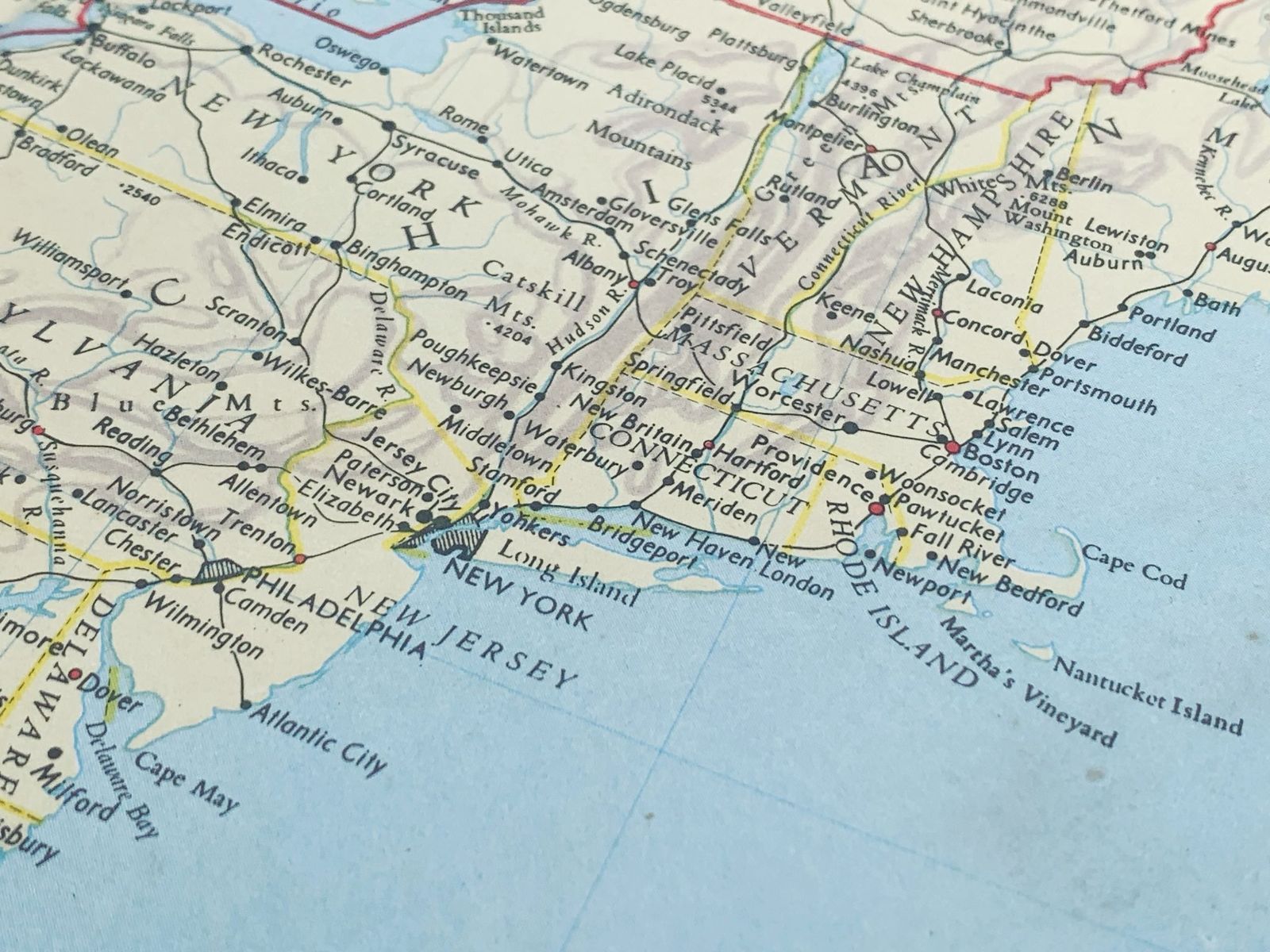
Both drop their R's, but they don't sound alike: ask any local, and they'll insist theirs is the "normal" one. Bostonians say "cah" for car; New Yorkers say "cawfee" for coffee. Outsiders often can't tell them apart, which mildly offends both sides.

TV and movies love exaggerating these accents, which locals alternately enjoy and find utterly ridiculous.

5

"Yooper" slang (Upper Michigan)

Image: Dennis MacDonald

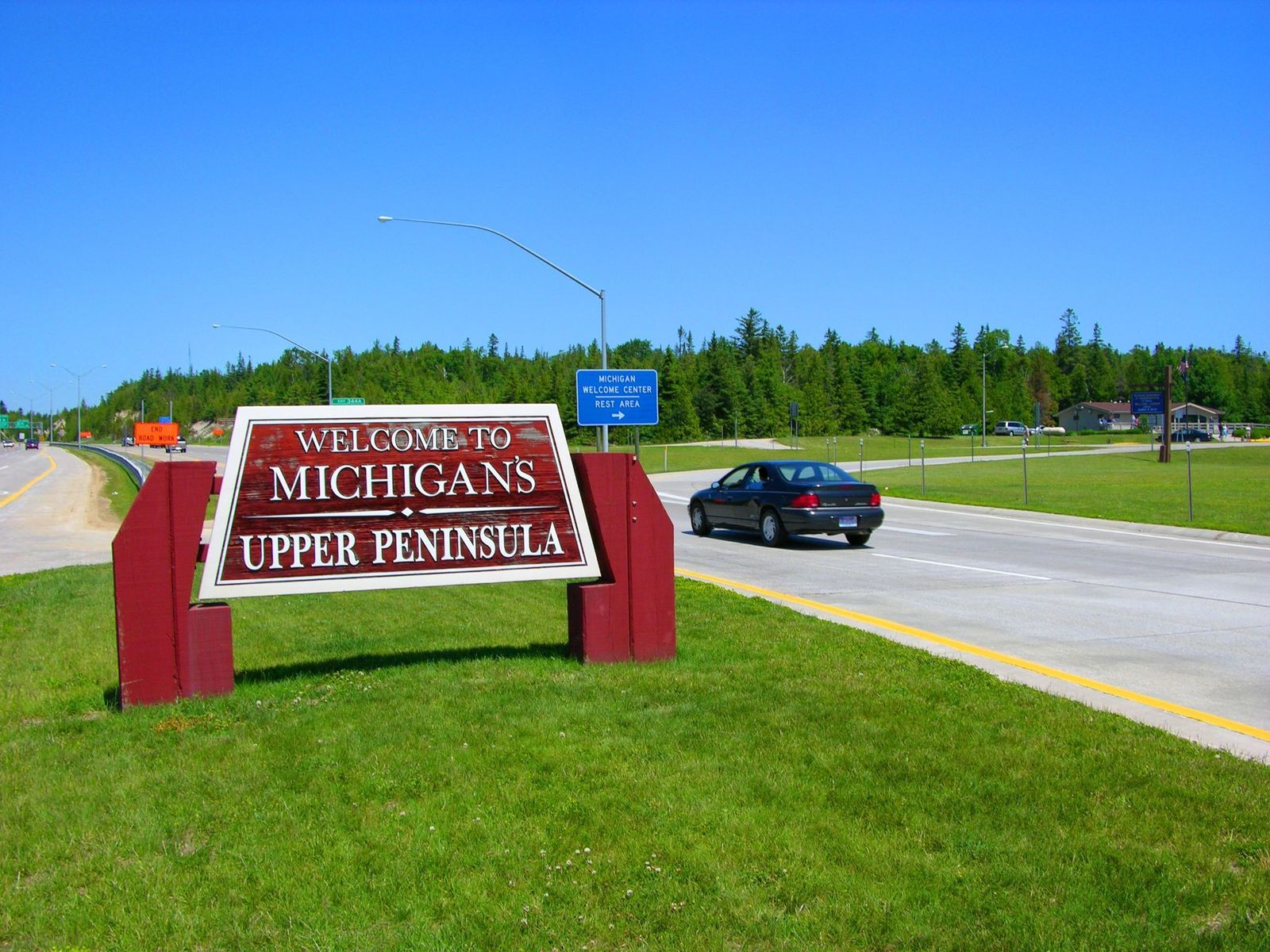
Life in Michigan's Upper Peninsula produced its own charming dialect, shaped by Finnish immigrants. Locals say "eh" often, eat "pasties" (savory meat pies), and call themselves "Yoopers" with pride.

Downstate Michiganders sometimes tease them as being from the middle of nowhere. Yoopers shrug it off; they've got snow, quiet, and a dialect nobody else can quite replicate.

6

Cajun and Creole expressions (Louisiana)
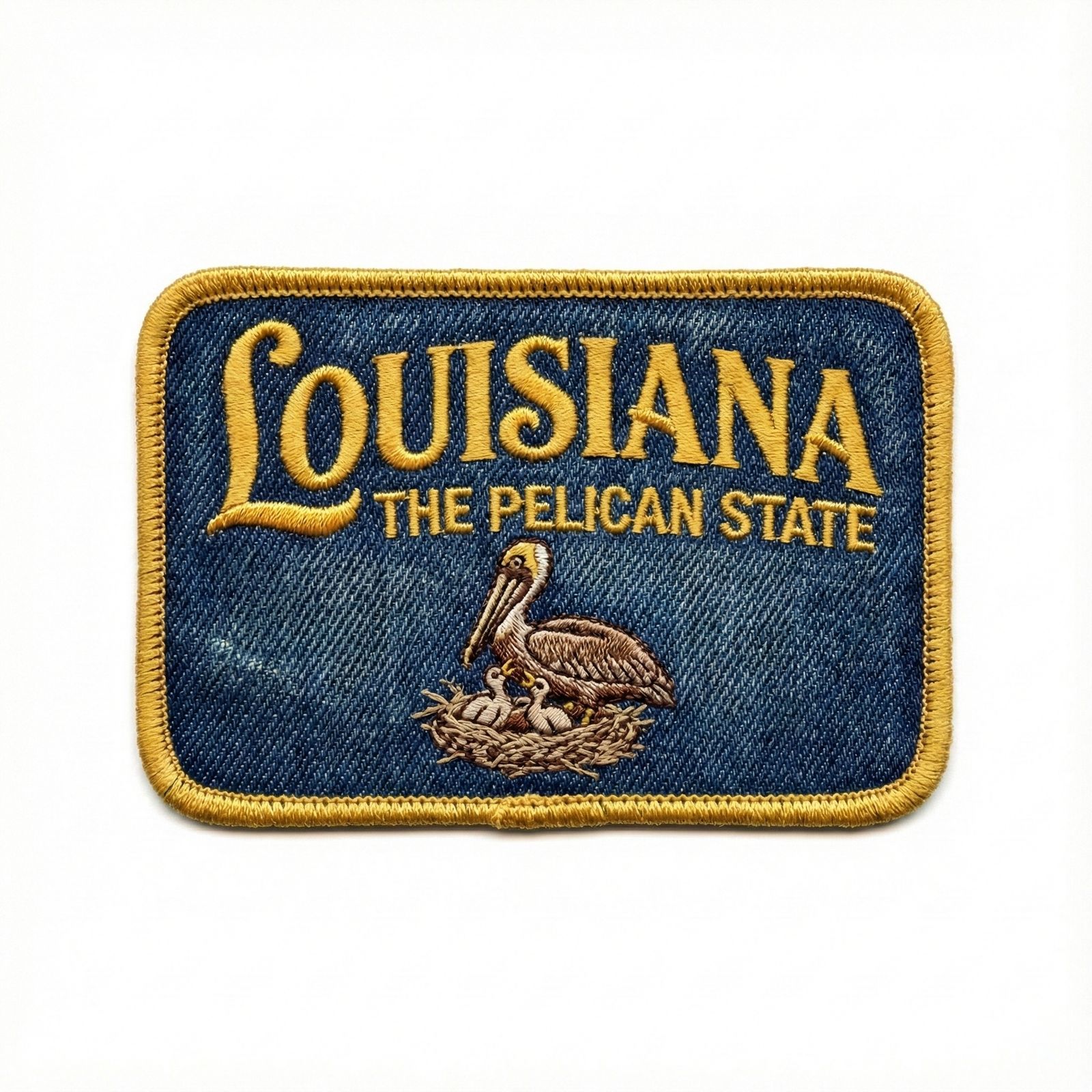
Image: RadikSunShine

South Louisiana blends French, Spanish, and African influences into phrases like "making groceries" (grocery shopping) or "lagniappe" (a little something extra). Visitors often find it delightfully musical and confusing in equal measure. Locals wear it proudly, treating their dialect as inseparable from their food, music, and heritage.

Try pronouncing "Natchitoches" correctly on your first attempt; it's a rite of passage.

7

Hawaiian Pidgin

Image: Pierre Leclerc

This is a genuine, full creole language, not just an accent, blending English, Hawaiian, Japanese, and more. Mainlanders visiting sometimes assume it's simply broken English, which locals find both amusing and mildly irritating.

Within Hawaii, pidgin is a point of deep identity and connection. Using it casually, even imperfectly, tends to earn warm smiles rather than criticism.

8

Texan expressions ("fixin' to," "all hat, no cattle")

Image: Lucky-photographer

Texans have a phrase for everything, often laced with dry humor. "Fixin' to" means "about to," while "all hat, no cattle" politely calls someone a fraud. Non-Texans often find these expressions delightfully quotable and borrow them for fun. Texans, meanwhile, consider their vocabulary practically its own dialect, proudly distinct from the rest of the South.

9

California surfer slang

Image: Daria Voronchuk

Words like "gnarly," "stoked," and "hang ten" came straight off the beach and into mainstream American vocabulary decades ago. Non-surfers everywhere adopted them, often without knowing the origin. Actual surfers sometimes roll their eyes at overuse by tourists and marketers. Still, it remains one of the most exported regional vocabularies in the whole country.

10

Regional sandwich words (hoagie, sub, grinder, hero)
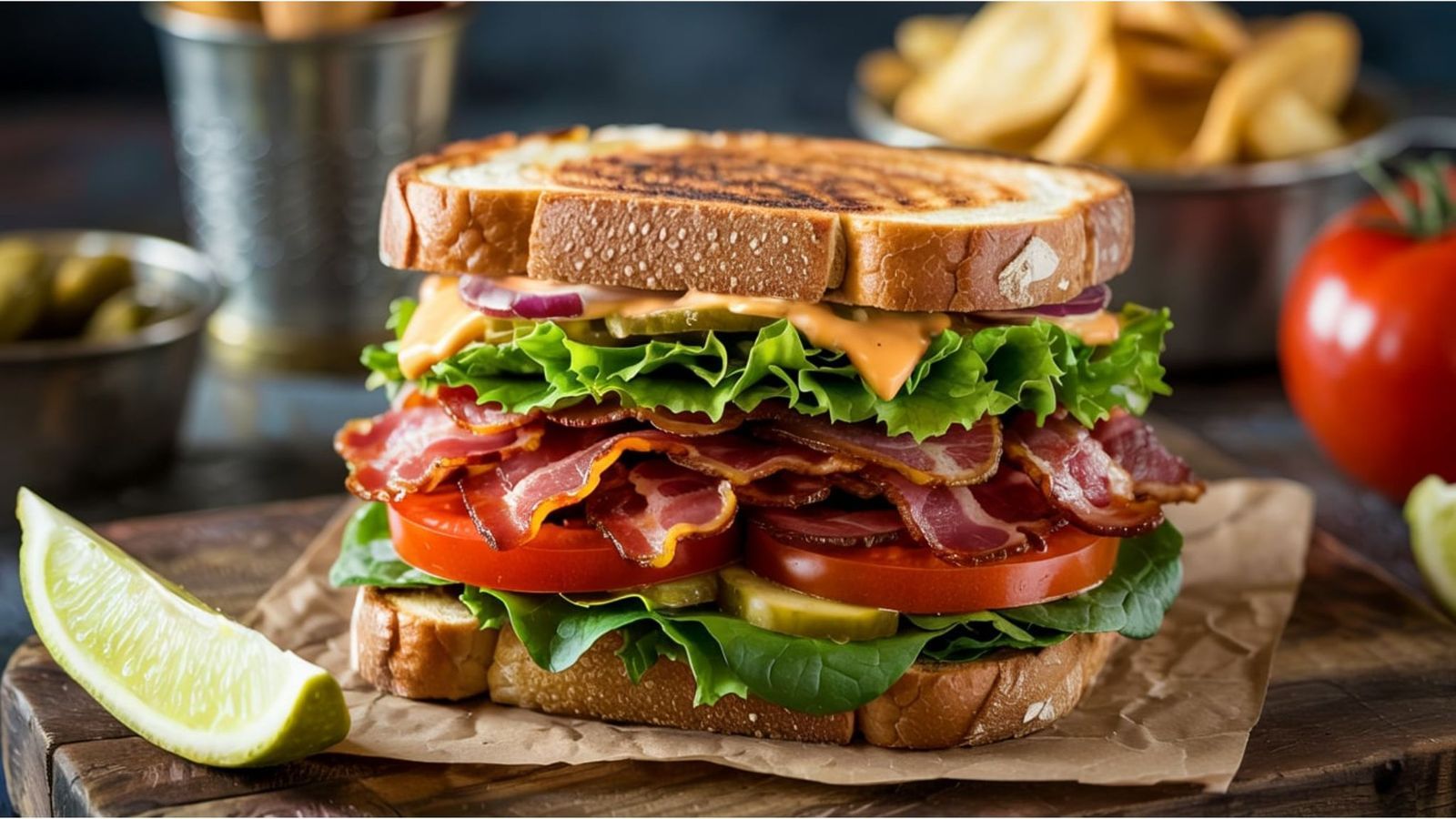
Image: Food is Love

Philadelphia says "hoagie," New York says "hero," New England says "grinder," and most everywhere else says "sub." Order one by the "wrong" name in the "wrong" city, and you may get a good-natured correction from the person behind the counter. It's a beloved, low-stakes debate—delicious regardless of what you call it.


AND YET IT MOVES

In Love With The Moon? 10 Fascinating Facts About Our Celestial Companion


Published on August 28, 2026


Image: Mahdi Soheili

Humanity has been enamored with the Moon since ancient times. Our closest celestial body not only has captivated human imagination and scientific inquiry like no other, but it might also be partly responsible for our existence.

From cataclysms of cosmic proportions to the possibility of liquid water, and the mysteries behind its lack of atmosphere, there is a wealth of facts to explore about our dearest companion in the Universe. Get ready to embark on a journey to the far side of the Moon!

1

Moon Gravity

Image: Brian McGowan

The Moon’s gravity is about one-sixth that of Earth’s, meaning that objects and people weigh significantly less on the lunar surface. This lower gravity affects everything from movement to the behavior of liquids and dust.

The reduced gravity poses unique challenges and opportunities for lunar exploration and habitation. Astronauts on the Moon can leap higher and carry heavier loads than on Earth, but long-term exposure to low gravity requires careful consideration for human health and engineering design.

2

Illusion of White

Image: Lou Batier

The Moon isn't actually white but rather a dark, charcoal gray. It only appears bright because of its high albedo, or the efficiency with which it reflects sunlight.

Despite its dark color, the Moon reflects about 12% of the sunlight that hits it, which is enough to make it appear bright against the backdrop of space. This high reflectivity is due to the regolith, the layer of dust and crushed rock on the lunar surface, which scatters sunlight effectively.

3

Moonquakes and Shakes

Image: NASA

Unlike Earth, the Moon doesn't have tectonic plates, but it experiences moonquakes -seismic tremors caused by tidal forces from Earth. These quakes can last for up to an hour and can reach a magnitude of about 5 on the Richter scale.

Scientists first detected moonquakes during the Apollo missions, and recent studies using data from seismometers left on the Moon by astronauts have provided valuable insights into its internal structure and composition.

4

Craters and Cataclysms

Image: NASA

The Moon's pockmarked surface not only reflects its tumultuous history but also underscores its crucial role as Earth's protector. Without the Moon, our planet would have endured far more frequent impacts from asteroids and comets.

And, as any dinosaur might tell you, it’s never a good thing to be relentlessly pounded by space rocks. Also, these lunar craters serve as portals to the Moon's ancient past, preserving a record of cosmic impacts that shaped planetary evolution.

5

Lunar Tides and Earth's Stability

Image: Nadiia Ploshchenko

The Moon's gravitational pull doesn't just affect ocean tides -it also stabilizes Earth's axial tilt, which influences our planet's climate and seasons over geological time scales. Without the Moon, Earth's tilt could vary dramatically, leading to extreme climate fluctuations.

This stabilizing effect has profound implications for the development and sustainability of life on Earth. Some scientists even believe that, without the Moon, there might not even be life as we know it.

6

Lunar Librations

Image: Alexander Andrews

The Moon's orbit around Earth isn't perfectly circular, leading to subtle changes in its appearance called libration. This phenomenon allows us to see slightly more than half of the Moon's surface over time, revealing glimpses of its far side.

Librations have been observed since the time of Galileo, enabling astronomers to gradually map the entirety of the Moon's surface and study its geological features in detail.

7

Glimpses of Water

Image: Ricardo Gomez Angel

For decades, scientists believed the Moon was bone-dry. However, recent discoveries have revealed traces of water molecules trapped in lunar soil and ice deposits in permanently shadowed craters near the poles.

These findings have profound implications for future lunar exploration, as water is essential for sustaining human life and producing rocket fuel. Mining lunar water could enable long-term lunar habitation and expedite missions to Mars and beyond.

8

Theia Hypothesis

Image: Arto Marttinen

The leading theory for the Moon’s formation is the Theia Hypothesis, which suggests it was created from debris left after a Mars-sized body, Theia, collided with Earth about 4.5 billion years ago.

This colossal impact would have ejected vast amounts of material into orbit around Earth, which eventually coalesced to form the Moon. This hypothesis explains many aspects of the Earth-Moon system, such as the Moon’s composition and its relatively large size compared to other natural satellites.

9

Lunar Atmosphere (or Lack Thereof)

Image: NASA

While Earth is surrounded by a dense atmosphere that protects life and moderates temperatures, the Moon has an exosphere -a very thin layer of gases like helium, neon, and hydrogen atoms. This sparse atmosphere offers little protection from the harsh environment of space.

However, according to NASA, approximately 4 billion years ago the Moon possessed a relatively thick atmosphere. It was about twice as dense as Mars' current atmosphere, leading some to speculate that it might have been capable of supporting life, although no evidence of life has been discovered. Over time, this atmosphere was stripped away by solar winds and gradually dissipated into space.

10

Slowly Going Away

Image: Ryan Holloway

Shockingly, the Moon is gradually drifting away from Earth at a rate of about 1.5 inches per year. This process, driven by tidal interactions, has been occurring for billions of years. As the Moon moves away, its gravitational influence on Earth’s tides weakens slightly, and Earth's rotation slows down.

But don't get sad! This process is so slow that long before the Moon has a chance to slip away completely, the Sun's expansion into a red giant will likely engulf most of the solar system, including Earth. Yeah, it might not be the happiest of endings, but still.

Looking for an extra scoop of literary fun?

Learn more with our Word of the day

scholar

/ˈskɑlər/