Bookworms only

Dreamers and rebels: 10 literary characters that define their own genres


Published on May 5, 2026


Image: Héctor J. Rivas

Literature has given us characters that transcend the page, capturing imaginations and defining genres. From heroic adventurers to beloved childhood icons and cunning antiheroes, these 10 figures have left an indelible mark on readers worldwide. Each has a unique story and a lasting legacy that continues to shape culture and fiction.

1

Sherlock Holmes

Image: Giu Vicente

Created by Sir Arthur Conan Doyle in 1887, Sherlock Holmes is a consulting detective known for his astute logical reasoning, use of forensic science, and keen observation skills.

Holmes first appeared in A Study in Scarlet, setting the gold standard for detective fiction. His iconic deerstalker hat, pipe, and razor-sharp mind have made him a lasting symbol of intellectual prowess in literature and media.

2

Elizabeth Bennet

Image: daria

From Jane Austen’s Pride and Prejudice (1813), the beloved Elizabeth Bennet navigates the complex social expectations and romantic entanglements of Regency-era England in her pursuit of love and self-discovery.

Austen’s sharp observations challenged the societal norms of early 19th-century England, and her brilliantly crafted heroines remain enduring models of wit, independence, and strength.

3

Atticus Finch

Image: Museums Victoria

From Harper Lee’s To Kill a Mockingbird (1960), Atticus Finch stands as one of literature’s most enduring symbols of integrity and justice. As a small-town lawyer in 1930s Alabama, he defends a Black man wrongly accused of assaulting a white woman, facing social backlash for upholding equality before the law.

Finch was inspired in part by Lee’s own father, Amasa Coleman Lee, a lawyer who once defended two Black men in a similar case.

4

Jay Gatsby

Image: Kier in Sight Archives

From F. Scott Fitzgerald’s The Great Gatsby (1925), Jay Gatsby embodies the allure and tragedy of the American Dream. A self-made millionaire who rises from poverty, Gatsby devotes his life to winning back his lost love, Daisy Buchanan, through wealth, charm, and lavish parties on Long Island.

Fitzgerald based Gatsby’s world on the excesses of the Jazz Age, drawing inspiration from real figures of the Roaring Twenties.

5

Huckleberry Finn

Image: Ashique Anan Abir

First appearing in Mark Twain’s The Adventures of Tom Sawyer (1876) and later starring in The Adventures of Huckleberry Finn (1884), Huck became an icon of youthful independence and moral awakening.

Rejecting the constraints of "civilized" society, he embarks on a journey down the Mississippi River with the runaway slave Jim. Often called the first true American novel, Huckleberry Finn broke literary conventions and helped shape modern realism in fiction.

6

Holden Caulfield

Image: Joonas Sild

From J.D. Salinger’s The Catcher in the Rye (1951), Holden Caulfield became the voice of postwar teenage alienation. Disillusioned by the "phoniness" of the adult world, he wanders New York City after being expelled from prep school, searching for meaning and authenticity in a world that to him feels hollow.

Salinger’s use of colloquial language and raw introspection was groundbreaking, influencing generations of writers and readers to this day.

7

Jane Eyre

Image: Europeana

Charlotte Brontë’s Jane Eyre (1847) introduced one of literature’s first truly modern heroines. Orphaned and mistreated, Jane rises through hardship to become a governess and falls in love with the mysterious Mr. Rochester, but refuses to sacrifice her integrity or independence even for love.

Brontë’s portrayal of a woman asserting both moral and emotional autonomy was groundbreaking for its time and helped redefine the role of the heroine in English literature.

8

Dracula

Image: Vitaliy Shevchenko

Bram Stoker’s Dracula (1897) introduced the world’s most famous vampire—a sophisticated aristocrat who conceals a monstrous thirst for blood.

Inspired by Eastern European folklore and possibly the real-life Vlad the Impaler, Stoker’s creation redefined the vampire myth. Count Dracula became a lasting symbol of fear, desire, and immortality, influencing countless adaptations and shaping an entire genre of horror.

9

Frodo Baggins

Image: Thandy Yung

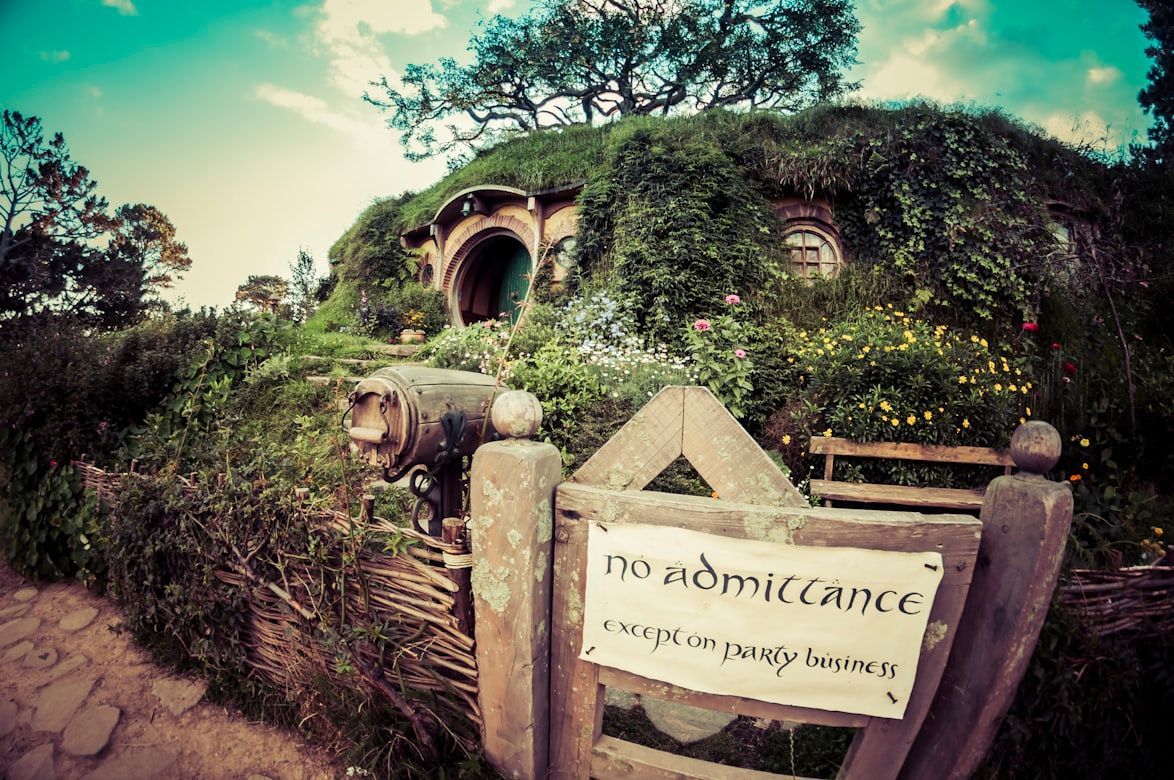
From J.R.R. Tolkien’s The Lord of the Rings trilogy (1954–1955), Frodo Baggins embodies the quiet courage of the ordinary person thrust into extraordinary circumstances. Tasked with destroying the One Ring, he journeys from the peaceful Shire into the heart of darkness to save Middle-earth.

Unlike traditional epic heroes, Frodo’s power lies in humility and persistence, making him a timeless symbol of inner strength and the cost of doing what’s right.

10

Odysseus

Image: Wietse Jongsma

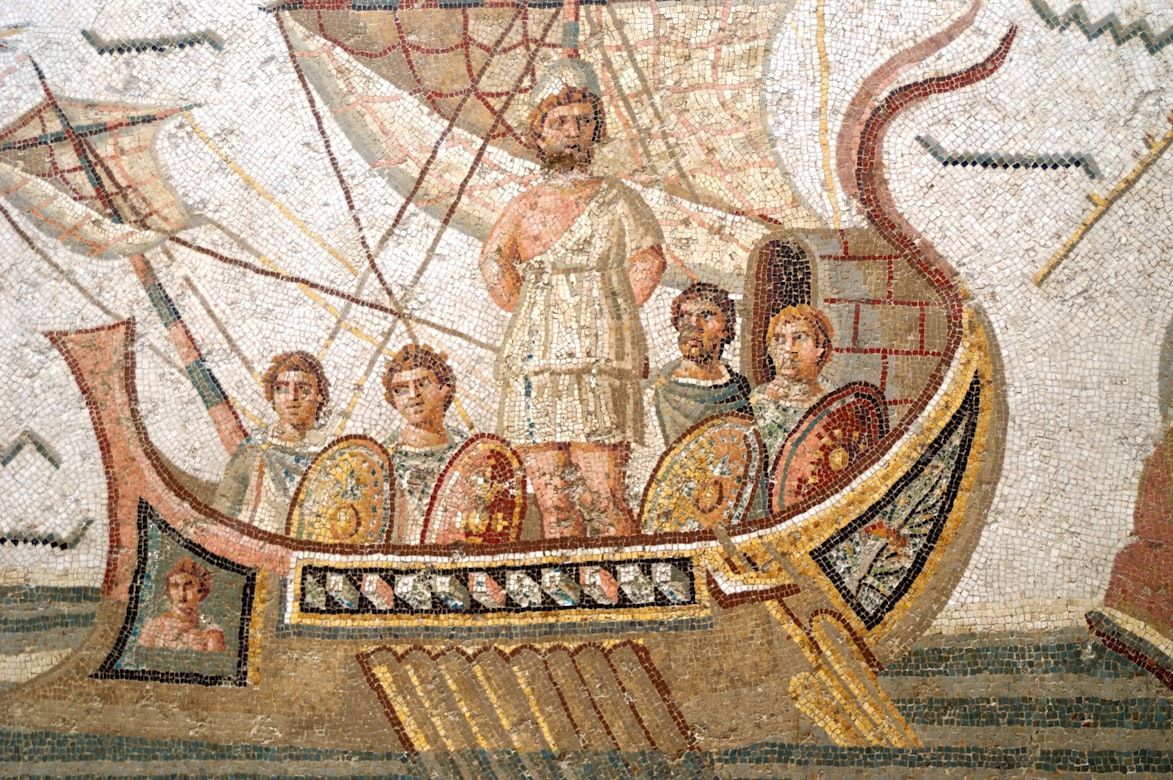
Homer’s Odyssey, composed around the 8th century BCE, presents Odysseus as the archetype of the clever hero. After the fall of Troy, his ten-year journey home to Ithaca becomes a test of endurance, intellect, and will as he faces gods, monsters, and temptation.

Renowned for his wit and adaptability, Odysseus embodies the Greek ideal of metis—strategic intelligence. His story also helped define the hero’s journey narrative that shaped Western literature, influencing countless tales of adventure and human struggle against fate.
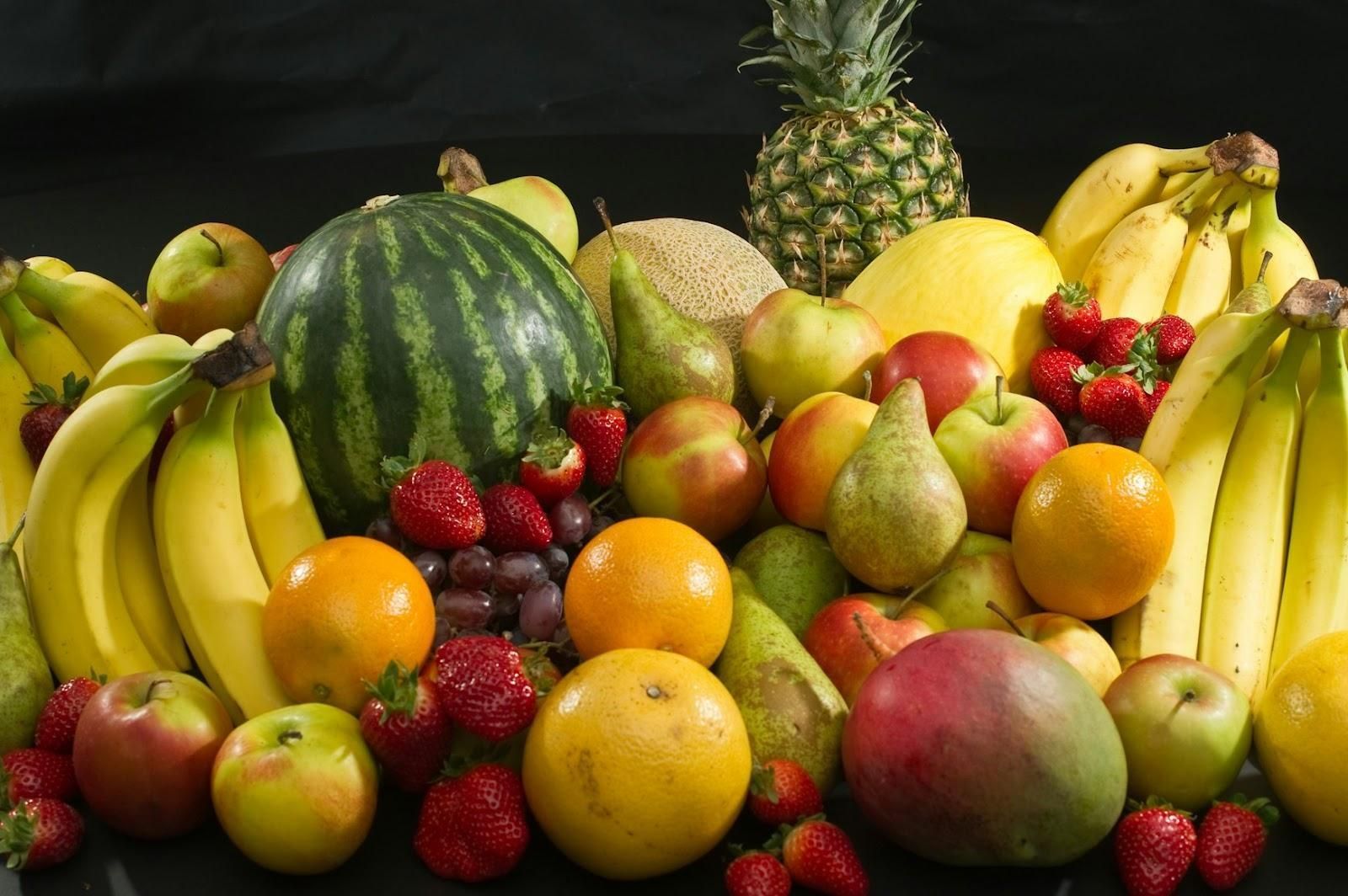
Discover 10 ways fruits and vegetables evolved over time


Published on May 5, 2026


Image: Powell Rasull

Have you ever seen a wild tomato plant? Or, for example, have you ever found a watermelon lying around while hiking in nature? Probably not, and that's because many of the fruits and vegetables we eat every day are actually the result of human intervention. Long before microscopes or modern labs, early farmers patiently cultivated and domesticated wild plants, transforming them into the tasty, colorful, and juicy produce we are fortunate to enjoy today. If you would like to learn about the ancestors of your favorite fruits and vegetables, keep reading!

1

Carrot

Image: Jonathan Pielmayer

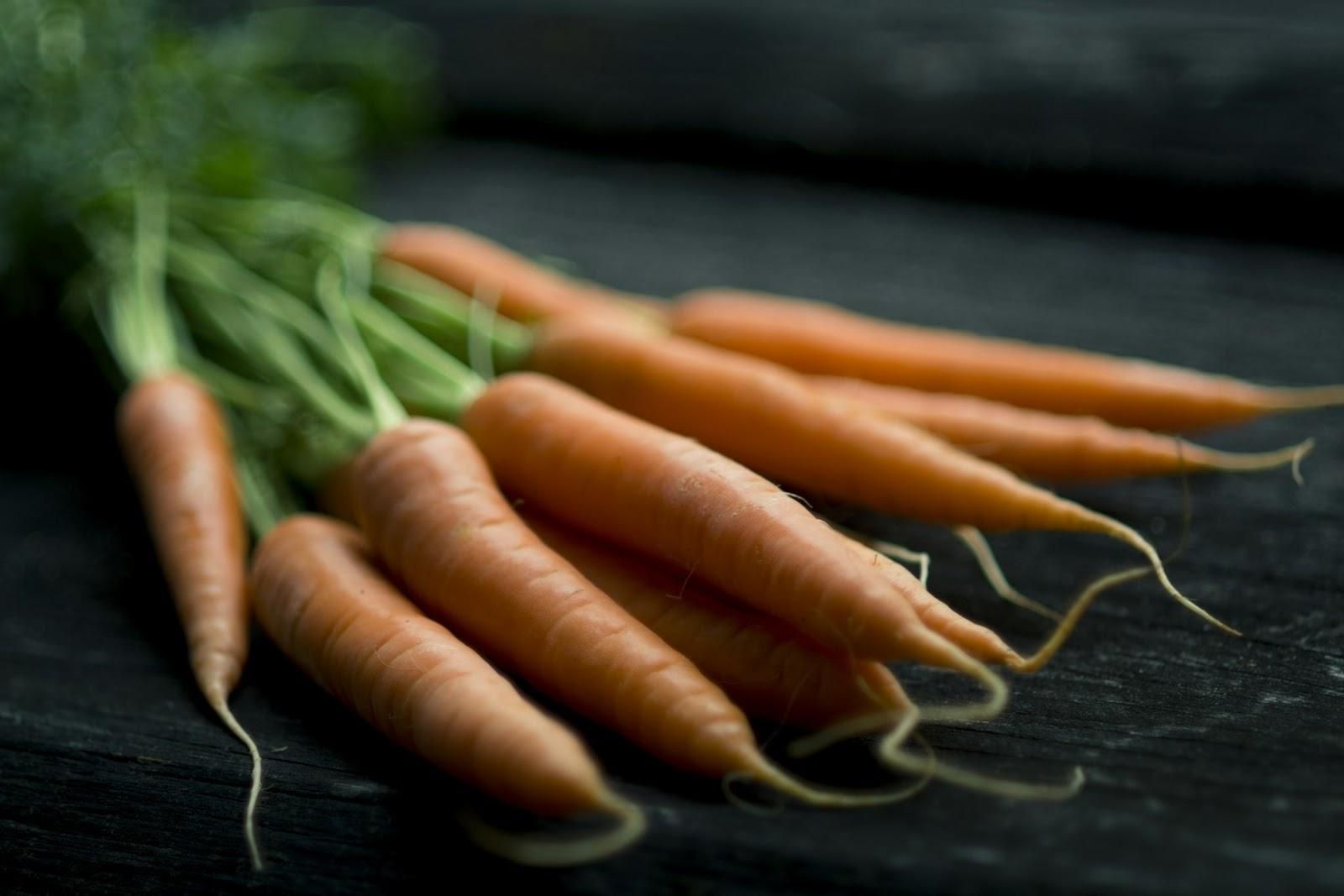
The carrot’s journey is less about sudden leaps and more about quiet persistence. Long ago, what grew underground was pale and stringy, closer to a wild weed than a vegetable. Farmers began to notice small differences—one root with a hint of sweetness, another with a faint wash of color—and held on to the seeds for the next season. After countless rounds of planting and patience, the root slowly changed shape and character. From those fragile beginnings came the crisp, orange carrots that now symbolize healthy eating around the world.

2

Eggplant

Image: Nina Luong

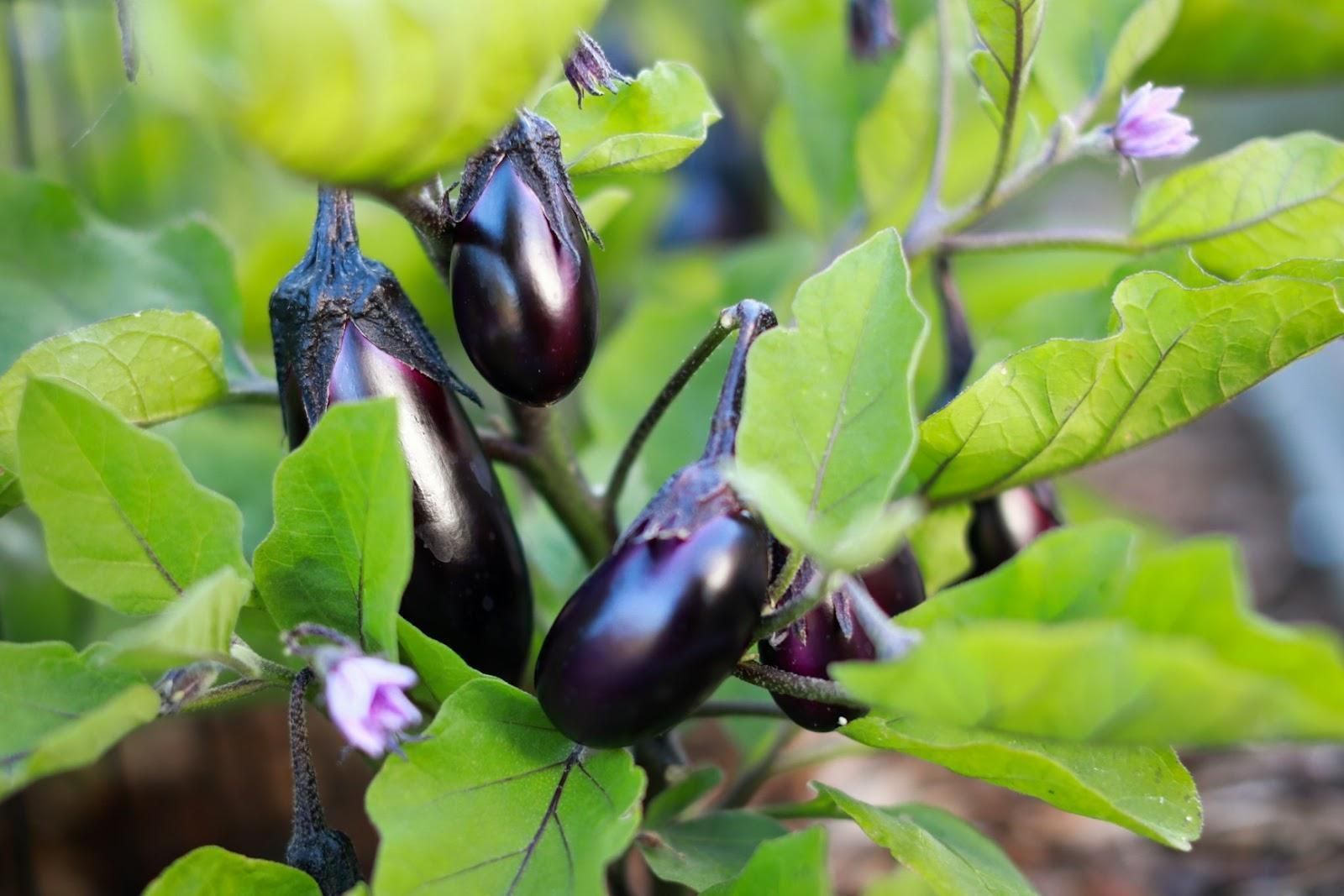
The name gives away its past. Early varieties of eggplant often looked like eggs—round, white, and sometimes speckled yellow. Others were squat and thorny, hardly inviting to harvest. As the plant traveled from India across Asia and into Europe, it evolved. Farmers in each region favored different traits, nudging its size, flavor, and color in new directions. Centuries later, the odd little fruits had been reinvented as the glossy purple globes that now fill market shelves, a far cry from their humble, egg-like beginnings.

3

Banana

Image: Gabriel Mihalcea

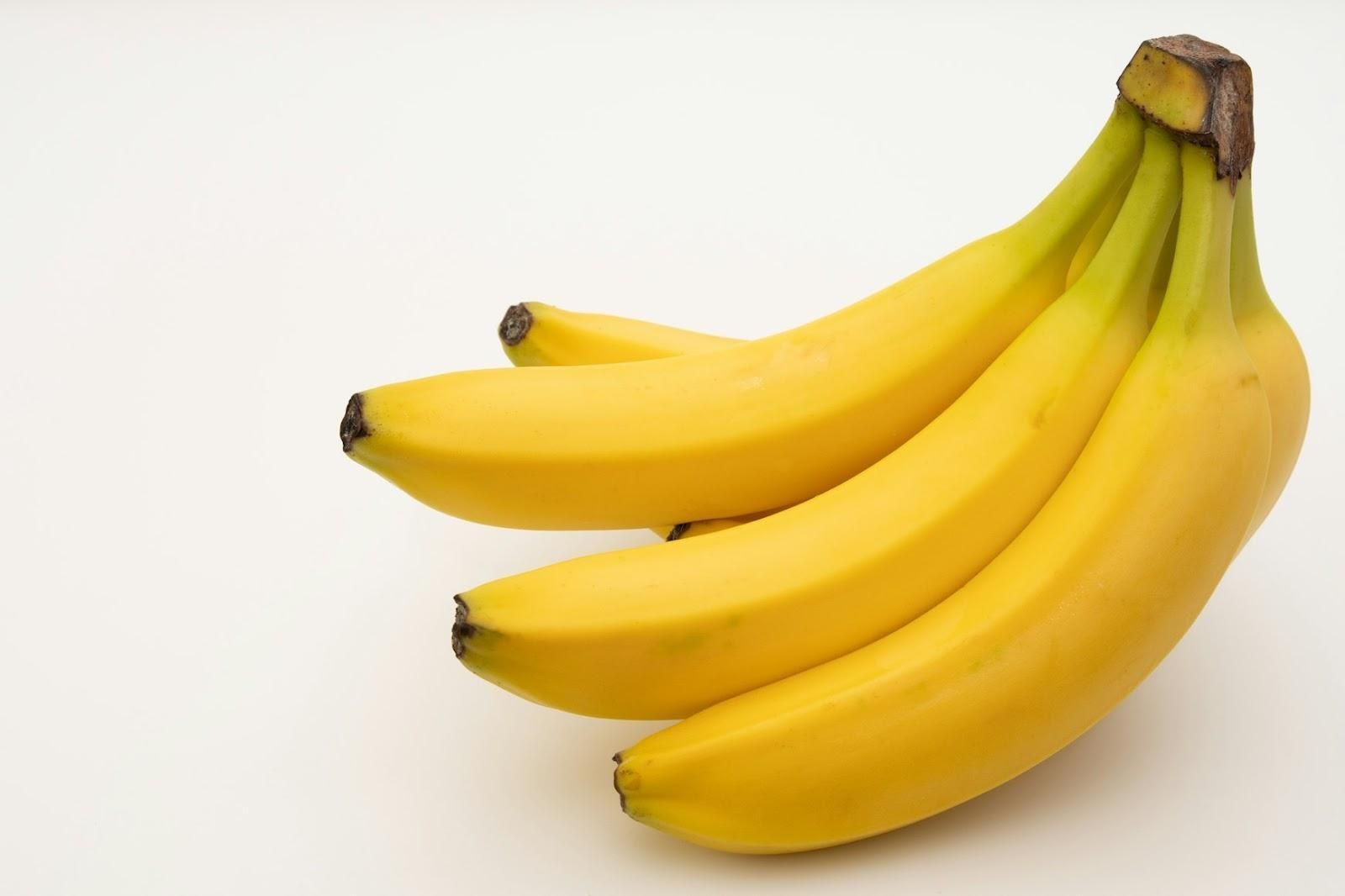
Few crops show human intervention as clearly as the banana. Its wild ancestors were filled with large, stony seeds, making them far from snack-friendly. At some point, farmers stumbled upon rare hybrids that produced softer, sweeter fruit with fewer seeds. Instead of letting chance decide, they took control—propagating the plant by cuttings so its desirable traits could be preserved. That decision reshaped the banana forever. Today’s Cavendish, cloned endlessly from those early discoveries, feels less like an accident of nature and more like a fruit designed for our hands.

4

Tomato

Image: Alex Ghizila

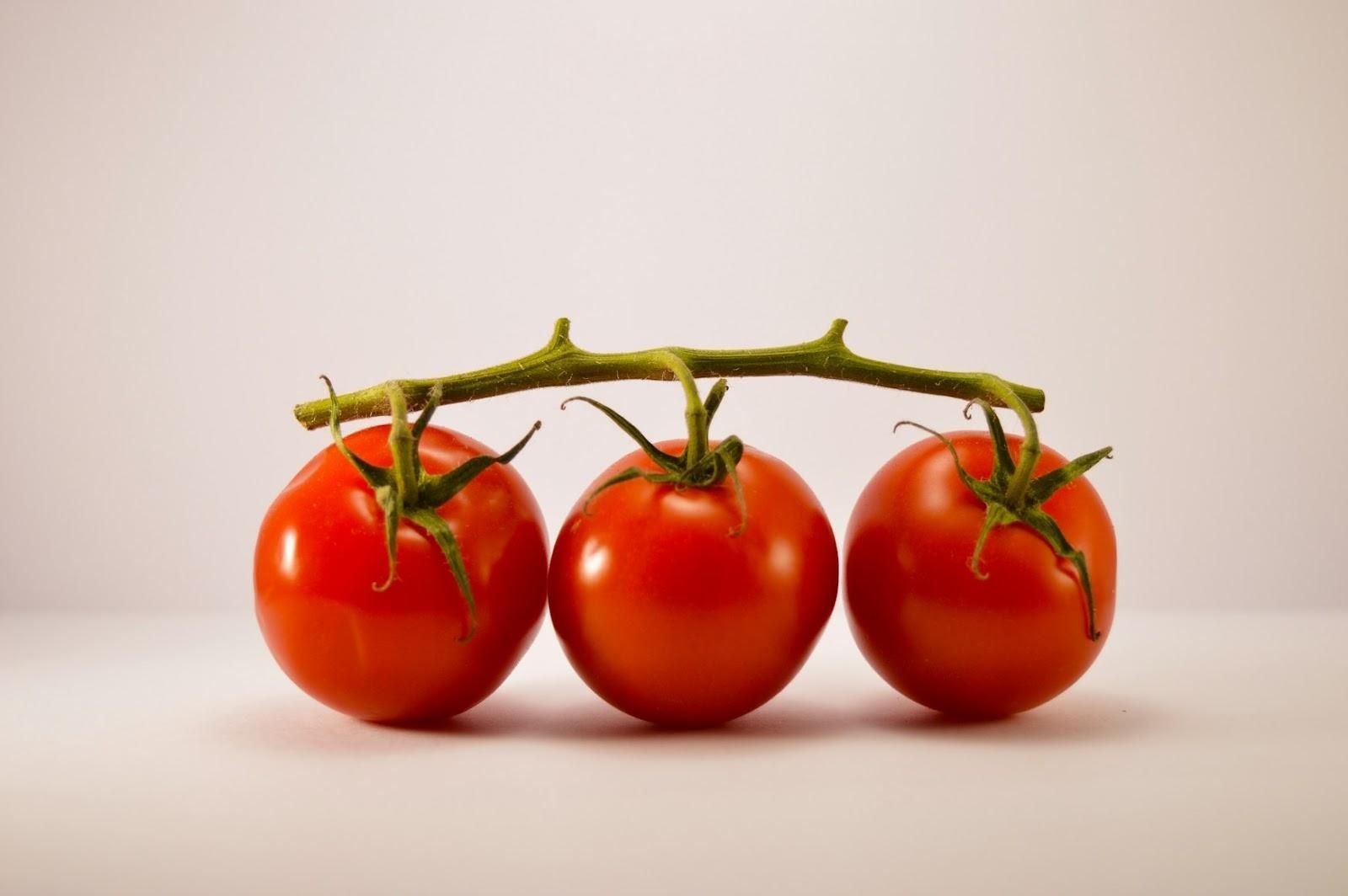
Long before they became the stars of spaghetti sauce or the perfect partner for mozzarella, tomatoes were tiny things no larger than peas. In their wild state, they grew in South America as small, hard, sour fruits, usually yellow or green in color. Hardly resembling the juicy red fruits we pile onto burgers today. But farmers saw potential in those little berries. By saving and replanting the plumpest and tastiest ones, they gradually transformed the tomato into a whole family of varieties: from sweet little cherry tomatoes to the hefty beefsteaks that can fill an entire sandwich. Every slice we eat traces back to that humble, pea-sized ancestor.

5

Watermelon

Image: Daniel Dan

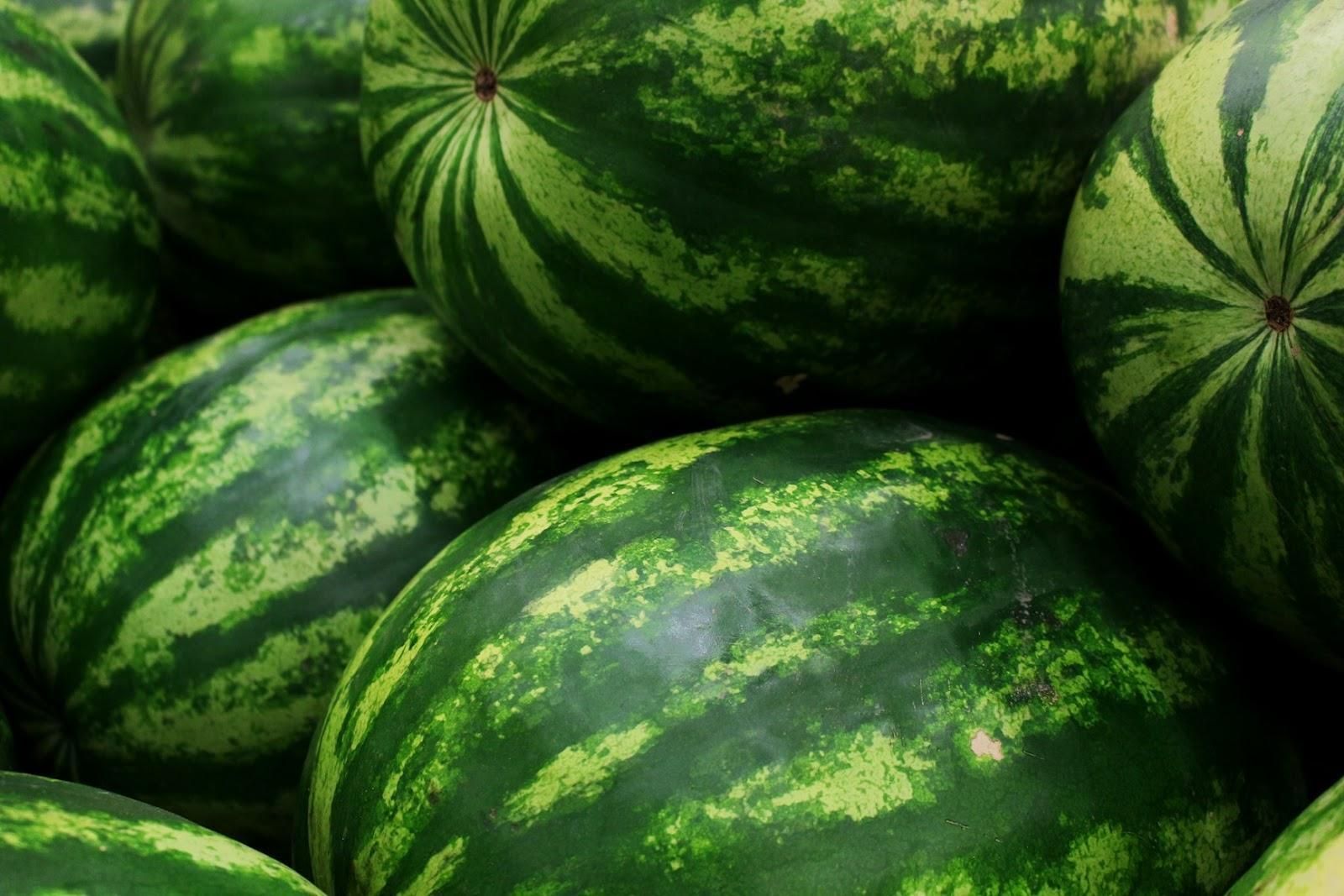
The first watermelons weren’t sweet at all. In the deserts of ancient Egypt, they were valued as natural canteens—hard, pale-green shells holding bitter but lifesaving water. For centuries, that was enough. Then farmers noticed that some fruits had a hint of sweetness. By saving those seeds, harvest after harvest, they slowly achieved a juicier, brighter flesh. Bitterness faded, red pulp emerged, and the survival fruit became a symbol of summer pleasure, shared in chilled slices at family tables and picnics.

6

Papaya

Image: Happy Surani

Papayas are great: big, hearty, sweet. But you might not believe what they were like centuries ago. Their story begins humbly, with berries no bigger than plums growing wild in the tropics. Around 4,000 years ago, the Maya civilization recognized their promise. Season after season, they saved seeds from plants that offered sweeter flesh and sturdier growth. Gently but surely, the fruit started to stretch beyond its original possibilities. What was once small and unremarkable became the luscious, generous, and golden-orange fruit we all love today.

7

Corn

Image: charlesdeluvio

The story of corn begins not with golden fields but with teosinte, a scraggly grass with finger-sized ears and just a few rock-hard kernels. By no means a feast, more like survival food. Yet early farmers in Central America saw promise. They saved seeds from plants with plumper grains, season after season. Over time, the ears lengthened, kernels softened, and the wild grass transformed. What began as meager and tough became modern corn: sweet, versatile, and so abundant that it now sustains people, animals, and industries worldwide.

8

Peach

Image: LuAnn Hunt

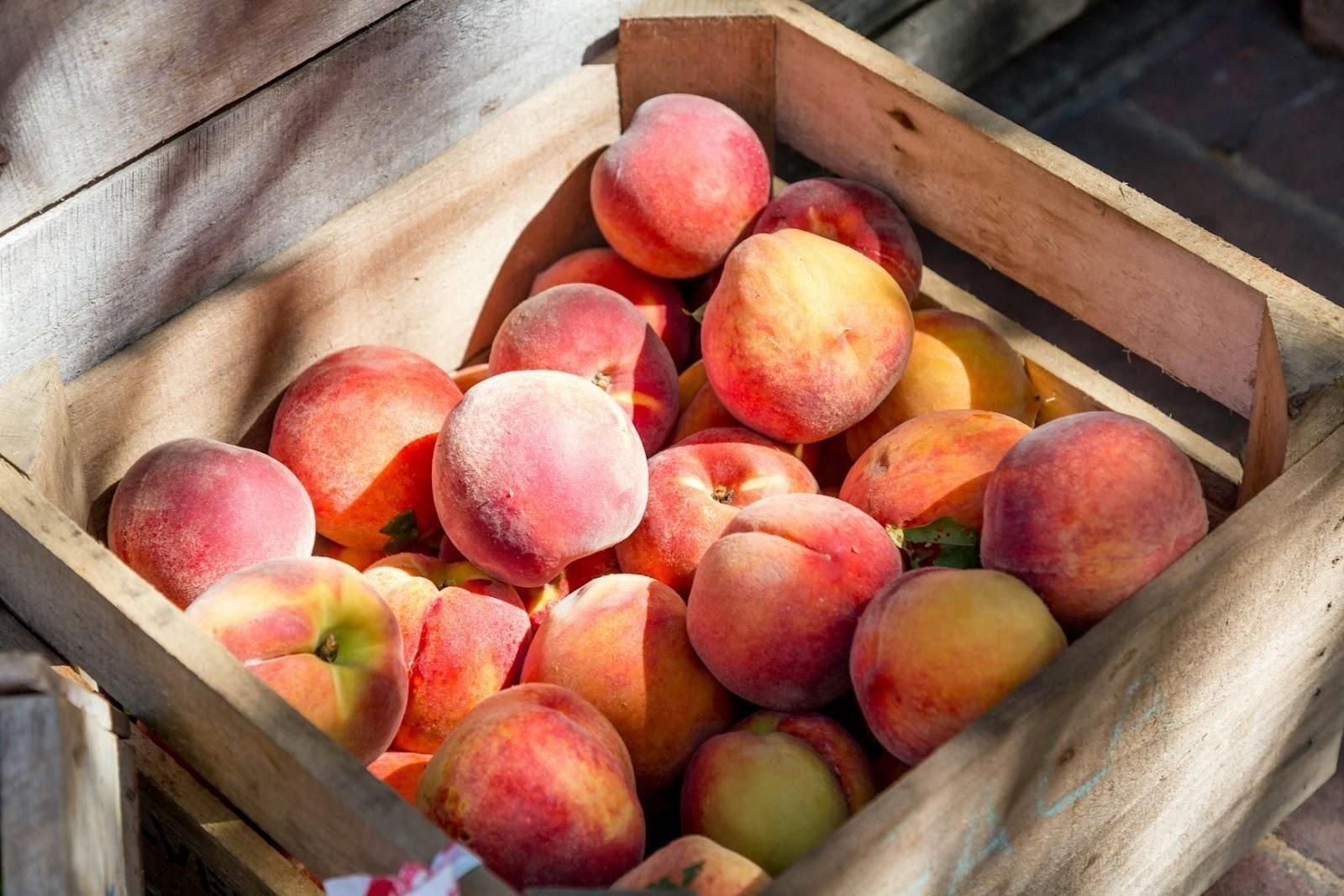
Peaches weren’t always the lush, blushing fruits we sink our teeth into today. In their earliest form, they were tiny—no bigger than cherries—with thick pits and only a whisper of edible flesh. But in ancient China, patient farmers looked past their modest size. They saved the trees that bore slightly sweeter, fuller fruit, slowly bending nature toward abundance. What emerged over centuries was a transformation so complete that peaches became almost unrecognizable: velvety skins, golden flesh, and juice that drips down your chin.

9

Avocado

Image: Thought Catalog

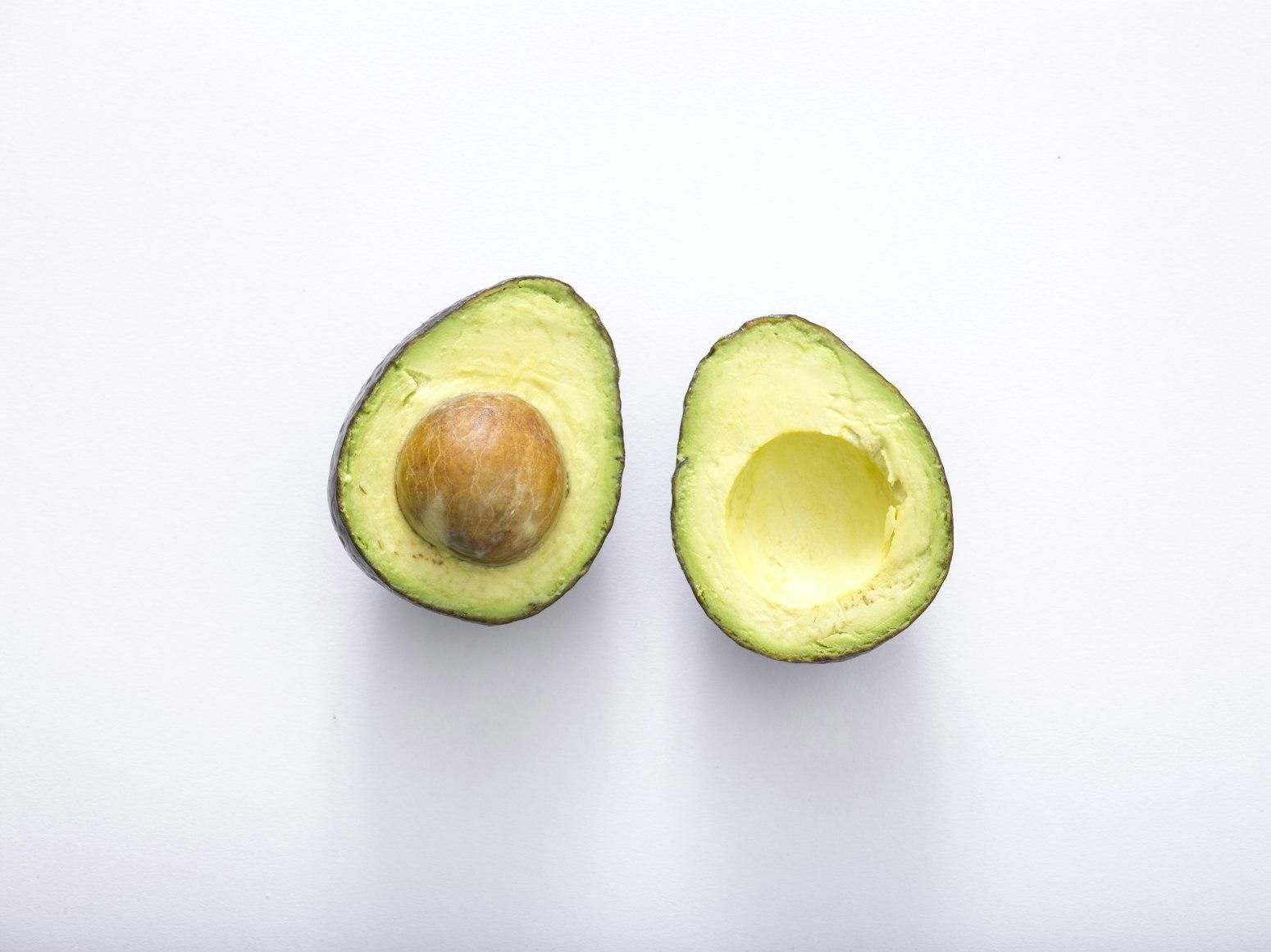
Avocados weren’t always bound to our kitchens and brunch plates. In fact, their very survival once depended on creatures that no longer walk the Earth. Millions of years ago, giant sloths and other prehistoric beasts gulped them down whole, massive seed and all, scattering future trees in their wake. When those colossal gardeners went extinct, the avocado seemed doomed. Yet humans noticed the fruit’s potential. By planting, tending, and selectively nurturing trees, they carried the species forward. Over time, those efforts smoothed out the avocado’s rough edges, turning a wild, fibrous oddity into the buttery green treasure we now mash, slice, and spread with delight.

10

Pumpkin

Image: Gabby Orcutt

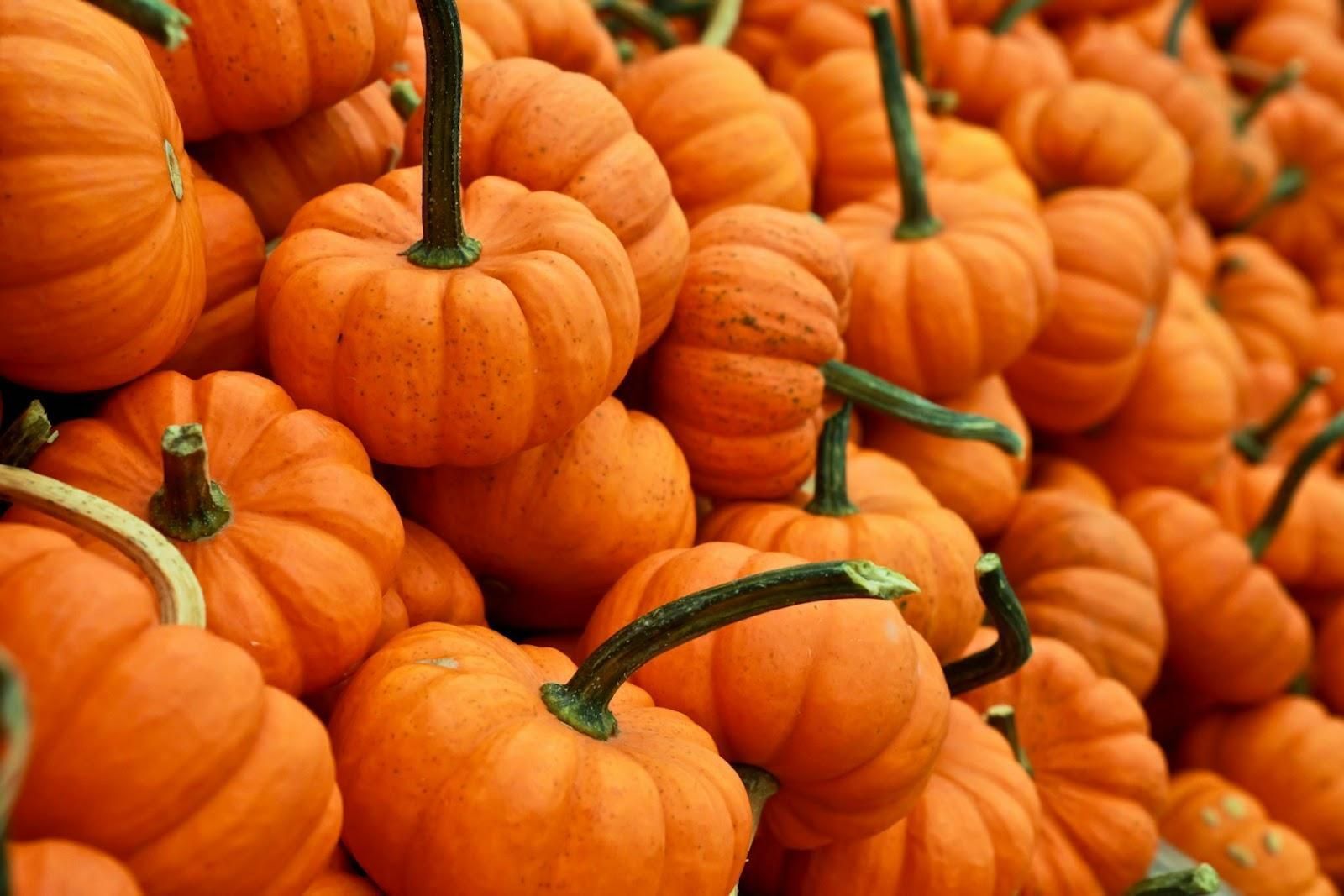
The first pumpkins were far from festive. Early farmers had to look beyond those small, bitter berries with thick skins to find something worth growing. Over generations of careful selection, they transformed green, largely inedible gourds into the versatile and tasty produce we enjoy today. And that’s not all! Pumpkins also became icons of harvest and tradition—carved, baked, and piled high as bright emblems of autumn.

Looking for an extra scoop of literary fun?

Learn more with our Word of the day

forsaken

/fərˈseɪkən/