Ancient medicine

From honey to leeches: 10 weird old cures that actually worked


Published on May 4, 2026

Image: Katherine Hanlon

Before modern medicine, people relied on instinct, herbs, and plenty of trial and error. While many folk remedies were more superstition than science, a surprising number proved to have real medical merit. From moldy bread to leeches, these age-old treatments often concealed a trace of scientific truth beneath their folklore—and in some cases even inspired modern pharmaceuticals.

1

Honey

Image: Benyamin Bohlouli

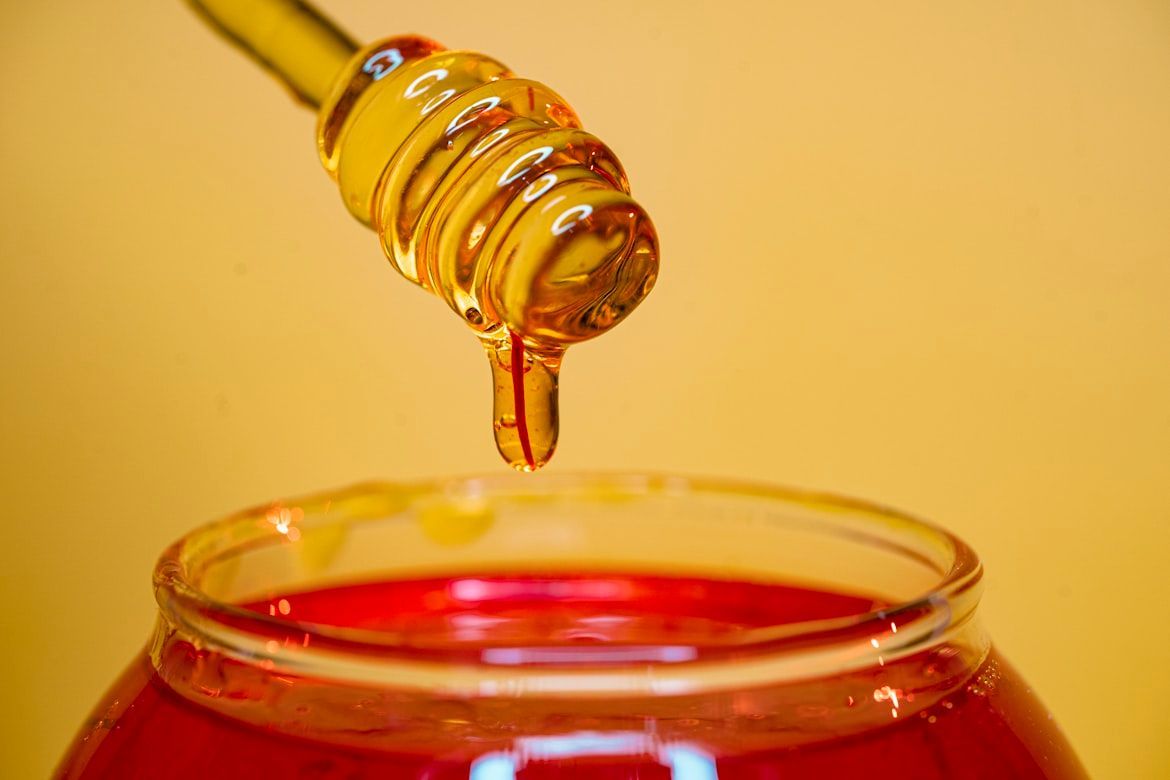
Ancient Egyptians used honey on wounds to prevent infection. Modern studies show that honey’s enzymes produce hydrogen peroxide, giving it antibacterial power. It also helps seal wounds, keeping dirt and bacteria out.

Medical-grade honey is now even used in hospitals for burns and ulcers. Its high sugar content and acidity further dehydrate bacteria, proving why this sweet cure was anything but primitive.

2

Willow bark

Image: Alfred Kenneally

Used for centuries to reduce pain and fever, willow bark contains salicin—the same active ingredient that inspired aspirin.

Once ingested, salicin is converted to salicylic acid in the body, providing anti-inflammatory and analgesic effects. Modern aspirin simply refines this natural process into a convenient pill.

3

Moldy bread

Image: Dmitrii Tarnovski

Thousands of years before Alexander Fleming discovered penicillin, ancient Egyptians were already applying moldy bread to wounds for its antibiotic properties.

The Penicillium mold that grows naturally on stale bread produces compounds that prevent bacteria from forming strong cell walls, causing them to burst. This shows that even something as ordinary as moldy bread can conceal a groundbreaking discovery.

4

Garlic

Image: Matthew Pilachowski

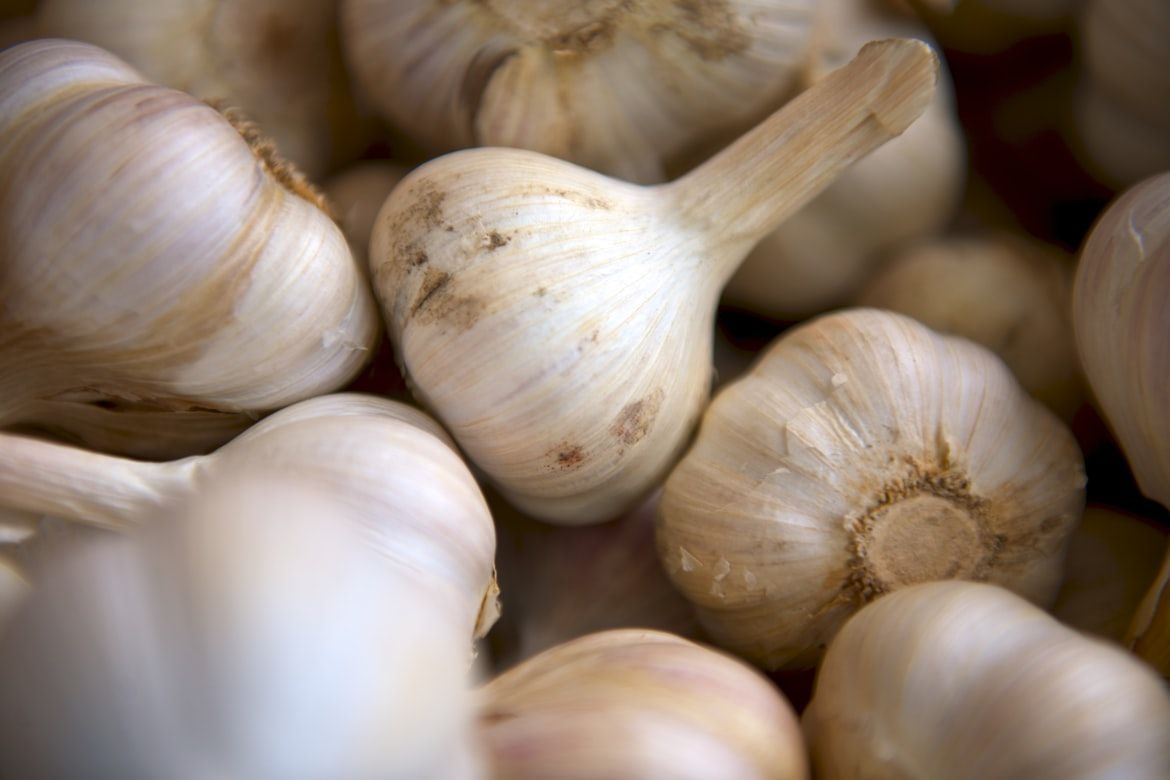
Traditionally, garlic was used to fight infections and parasites. Modern science has revealed that its antimicrobial power comes from allicin—a sulfur compound released when the cloves are crushed.

Much like antibiotics, allicin attacks bacterial cell walls, and studies show that garlic extract can combat E. coli and Staphylococcus strains. However, only raw garlic retains the full medicinal potency of allicin.

5

Leech therapy

Image: Erfan Feizi

Medieval doctors used leeches to "rebalance" the body’s humors—a practice that seems worlds apart from modern medicine. Yet while the explanation behind their use has changed, leeches are still widely employed today in reconstructive surgery to restore blood flow to damaged tissue.

Leech saliva contains hirudin, a natural anticoagulant that prevents clotting and promotes circulation—essential for reattaching severed fingers or performing skin grafts.

6

Turmeric

Image: Dyah Miller

Traditional Indian medicine used turmeric paste to treat wounds and inflammation. Its active compound, curcumin, has strong anti-inflammatory and antioxidant effects.

Curcumin inhibits cytokines, small proteins that trigger swelling and pain, and is so effective that turmeric remains a key ingredient in many modern joint supplements and topical creams.

7

Aloe vera

Image: pisauikan

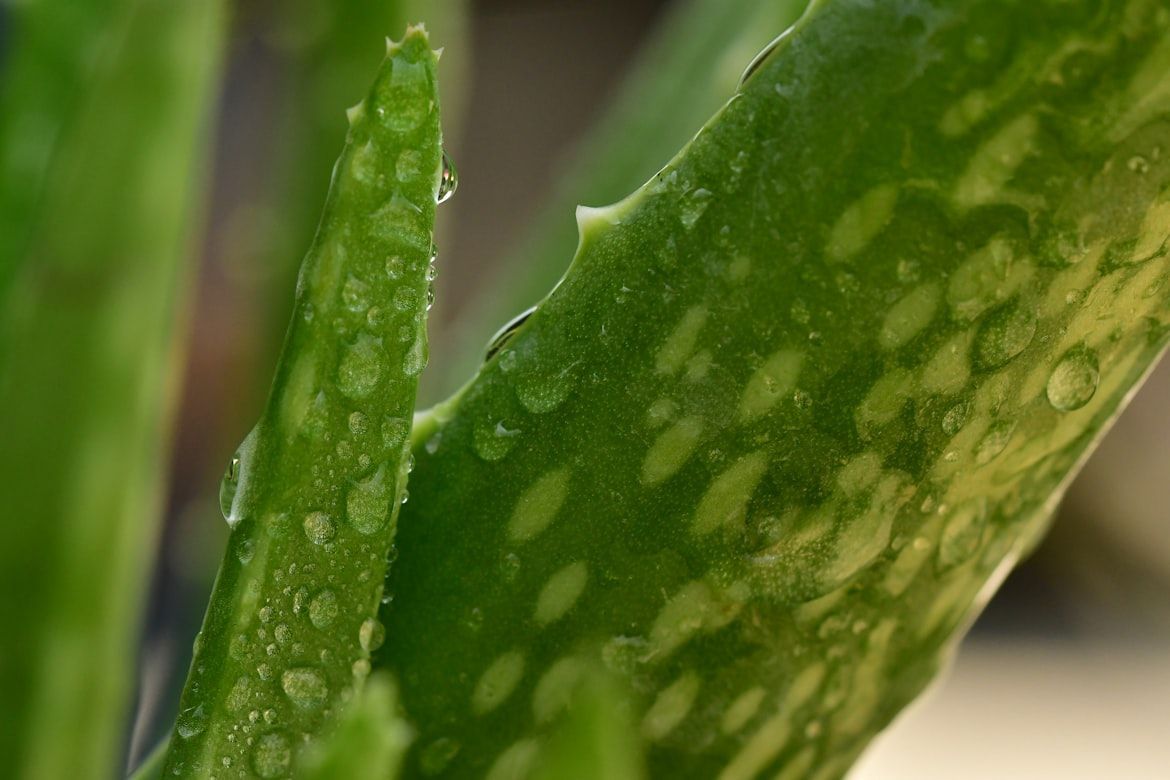
Ancient Egyptians called aloe the "plant of immortality." Its gel cools burns and speeds healing thanks to polysaccharides that promote skin repair.

Clinical use continues for treating minor burns and radiation dermatitis, and it is also commercialized in countless skincare products—making aloe a rare ancient remedy still used almost unchanged.

8

Eucalyptus

Image: David Clode

Australian Aboriginal medicine used eucalyptus leaves to treat coughs and congestion. The compound eucalyptol, found in the leaves’ oil, helps open airways and thin mucus, making breathing easier.

Today, it is a key ingredient in countless cough drops, inhalers, and chest rubs—proof that this ancient remedy still works effectively.

9

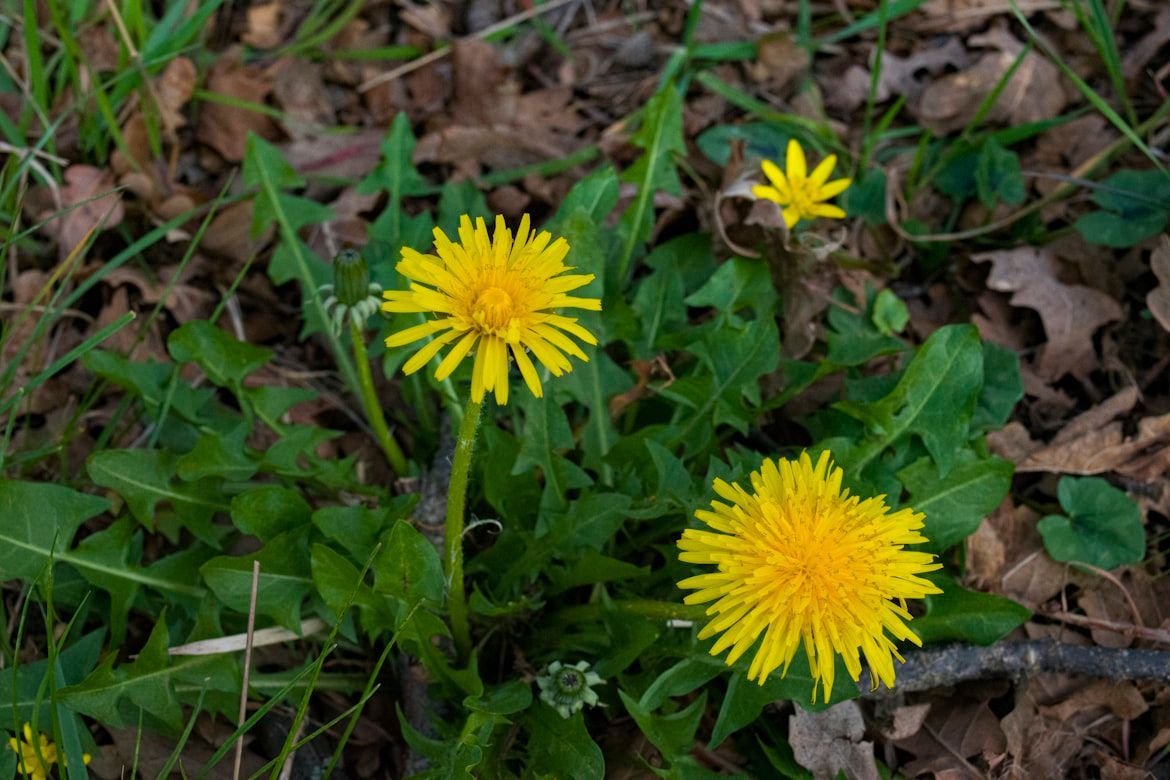
Dandelion

Image: Lorenzo Ranuzzi

Extensively used in European folk medicine, dandelion roots and leaves act as mild diuretics and support liver function.

They increase bile flow and help remove toxins—effects confirmed by modern studies on hepatic enzymes. Today, dandelion extract still appears in herbal liver tonics. Additionally, most of the plant is edible, making it a nutritious addition to salads.

10

Foxglove

Image: David Young

In the 18th century, herbalists used foxglove to treat dropsy—a condition often caused by underlying heart failure. Though the plant contains several toxic compounds, it also contains digitalis, a potent cardiac stimulant.

In controlled doses, digitalis helps regulate heart rate, and its refined derivatives, such as digoxin, are still widely used today in the treatment of cardiovascular diseases.


Happy translation accidents

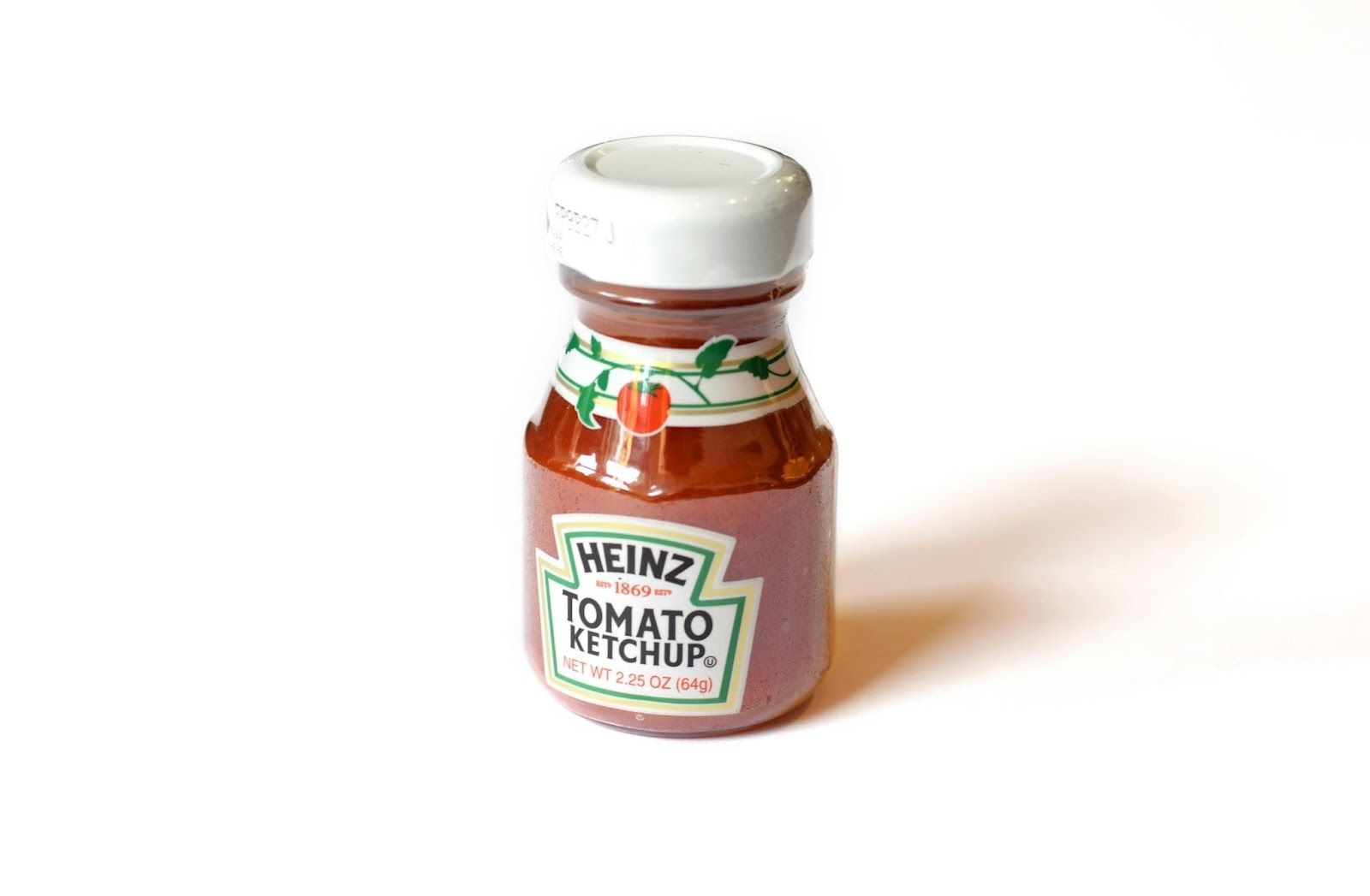
"Ketchup" and other English words originated in misheard foreign words


Published on May 4, 2026


Image: Matt Popovich

Some words entered the English language with a twist. Originally uttered in Chinese, Quechua, Latin, and many more languages, the terms were misheard, reshaped, and incorporated into local versions. These quirky accidents reveal how human ears left their mark on the words we still use every day. Let’s look at the list!

1

Alligator

Image: Shelly Collins

When Spanish explorers in the New World encountered the reptile, they called it el lagarto, meaning "the lizard."

English settlers misheard the phrase, folding the article "el" into the word itself, resulting in "alligator."

2

Algorithm

Image: Markus Spiske

A popular term nowadays! The English "algorithm" traces back to the Persian mathematician al-Khwārizmī (Algoritmi), whose works reached Europe in Latin translation.

The name was misread and reinterpreted as if it were a common noun. Over time, scholars began to use "algorism" for arithmetic rules, later morphing into algorithm.

3

Ketchup

Image: Madison Oren

Far from having been born in English-speaking lands, ketchup has roots in the Hokkien Chinese word kê-tsiap, a fermented fish sauce.

The term traveled through trade routes to Malay and then into English, where it was misheard and reshaped. Early English "catchup" and "ketchup" referred to various savory sauces, not tomatoes at all. Only later did the tomato version dominate in America.

4

Tornado

Image: Greg Johnson

Another example of misheard Spanish terms! When observing storms at sea, Spanish sailors would use the words tronada (thunderstorm) or tornar (to turn). Of course, English speakers blended and misheard these terms, producing it "tornado."

Over time, the English version stuck, even though it was never a "correct" borrowing to refer to the spinning phenomenon.

5

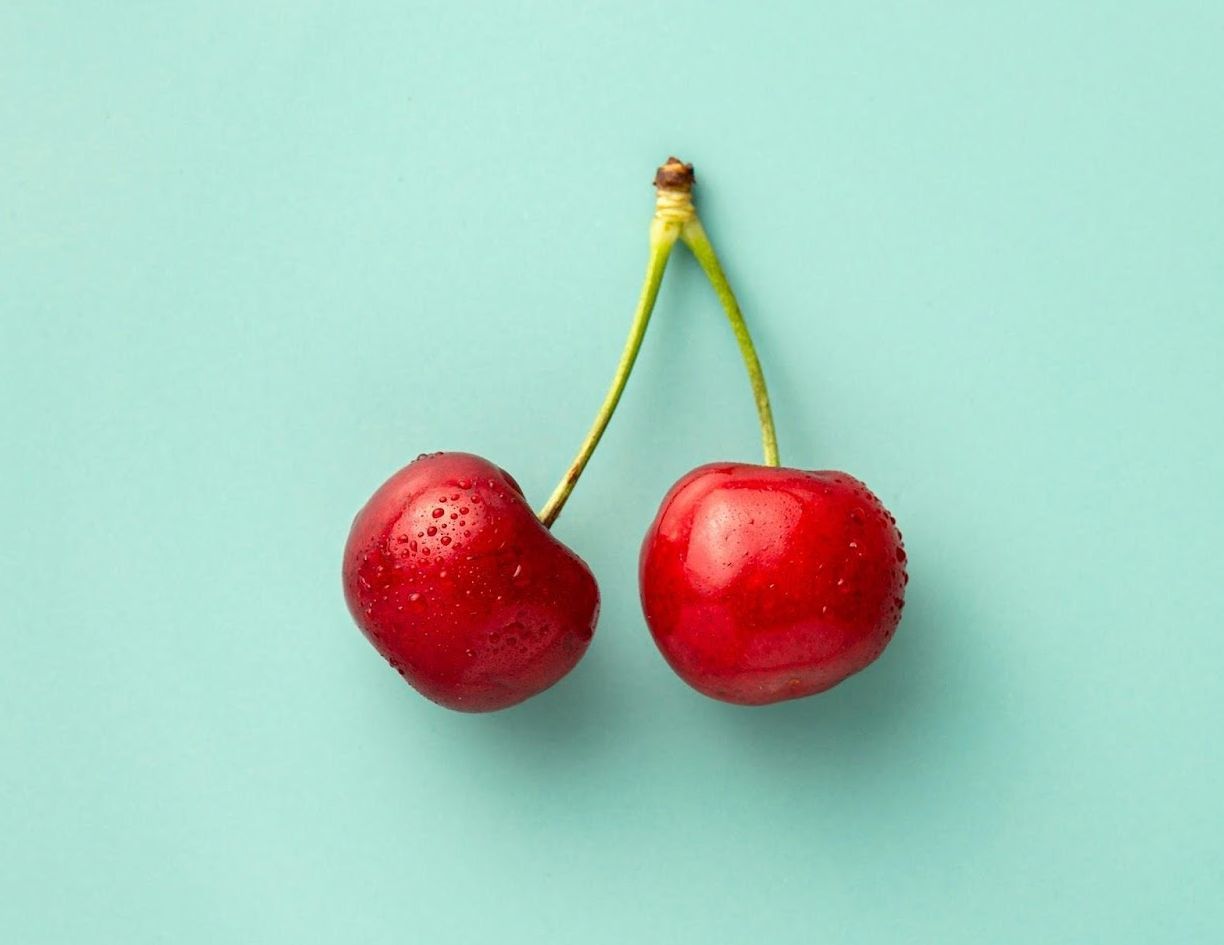
Cherry

Image: Mae Mu

Cherry arrived in English from Old Northern French cherise, which itself came from Latin cerasum. The original word already had an "s" at the end, but when English speakers heard cherise, they thought it was plural.

They chopped it down into "cherry" for the singular, creating a new form by mistake.

6

Pea

Image: Rachael Gorjestani

In a similar way, we created the word "pea." Originally, English borrowed the word "pease" for the vegetable, taken from Latin pisum through French. Pease was a mass noun, like "rice," but English speakers mistook the final s for a plural.

To "correct" it, they created a new singular form: pea.

7

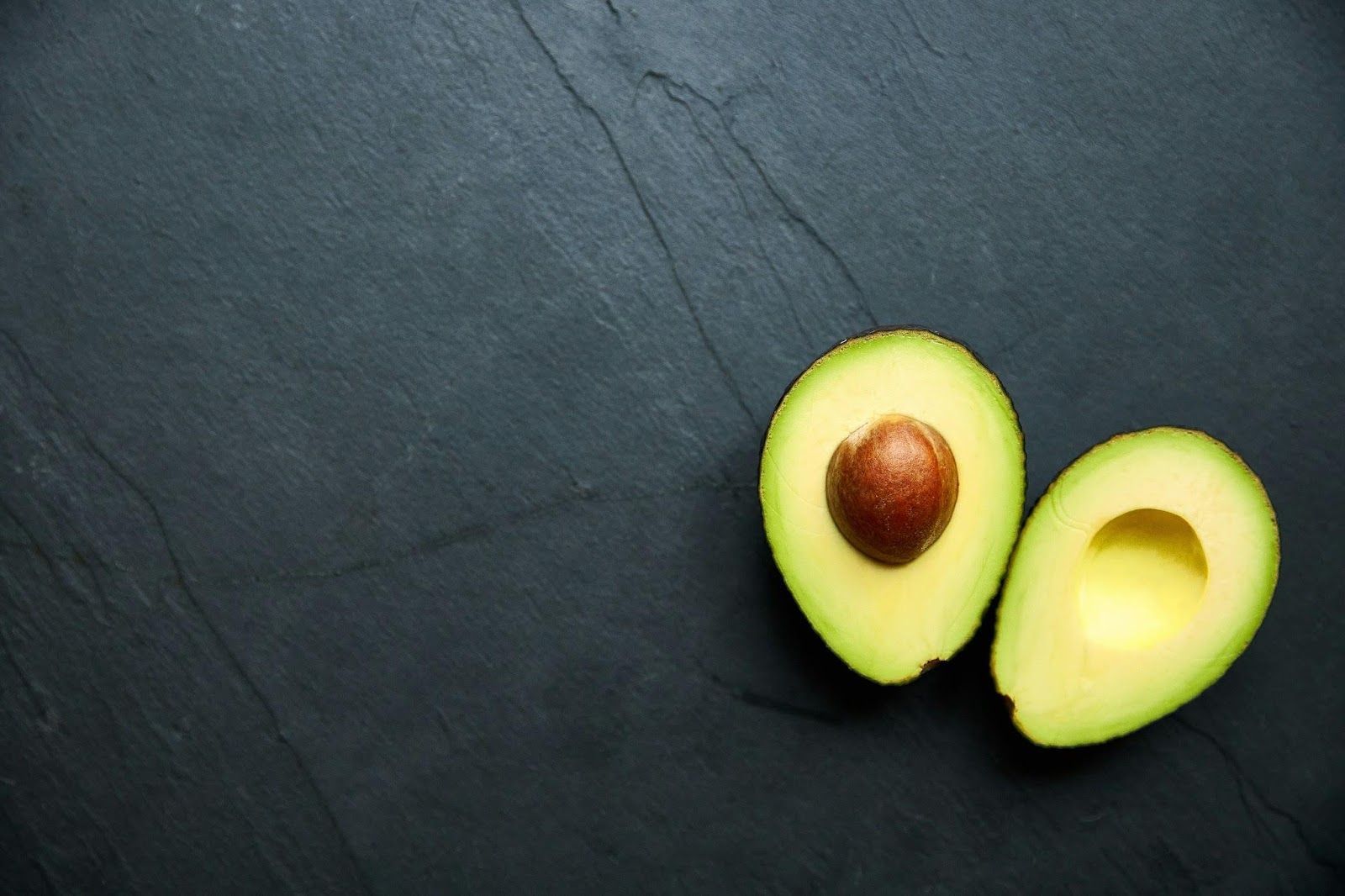
Avocado

Image: Dirk Ribbler

Avocado began with the Nahuatl word ahuacatl, which meant both "avocado" and "testicle," a nod to the fruit’s shape. Spanish speakers turned it into aguacate, which English ears later misheard and mangled into… avocado.

8

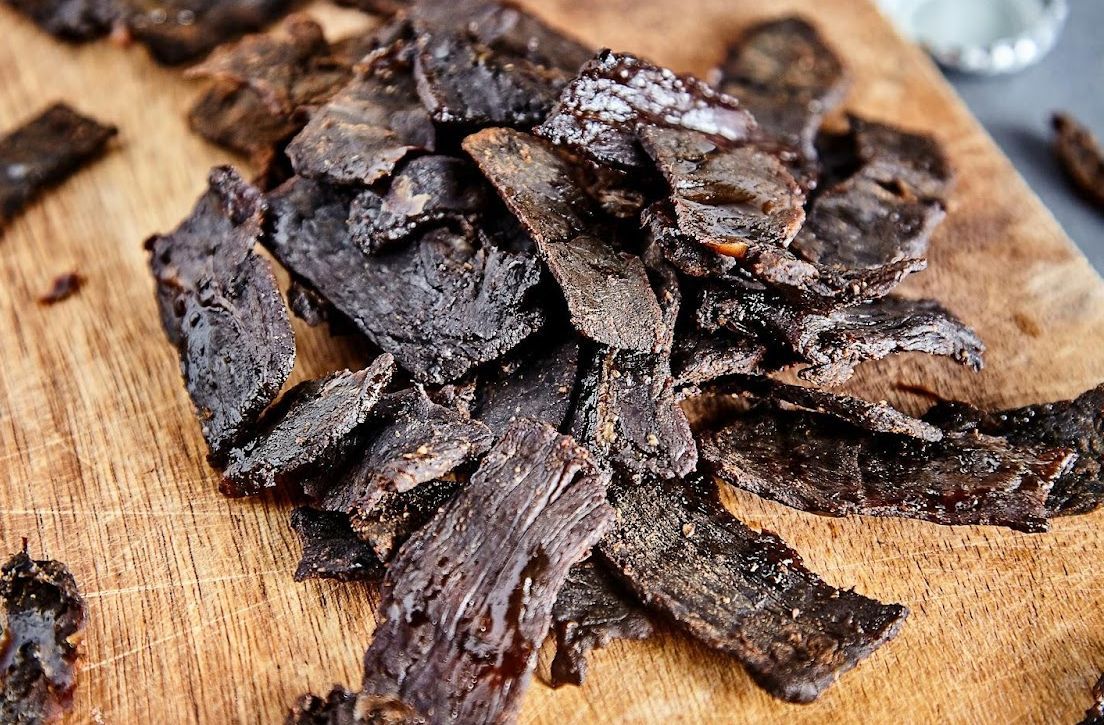
Jerky

Image: Alex Bayev

Jerky comes from the Quechua word ch’arki, meaning dried, salted meat. Spanish colonizers carried it into their language as charqui, which then reached English explorers and settlers, who made it into their own language.

9

Junk

Image: Pawel Czerwinski

The word "junk" began in English as a nautical borrowing. Portuguese and Dutch sailors used junco or jong from Malay, referring to a large Asian ship.

English speakers misheard and simplified the term into "junk." Eventually, "junk" broadened to mean old rope scraps, and then worthless odds and ends.

10

Hickory

Image: Yulia Ilina

Hickory traces back to the Algonquian word pawcohiccora. It described a nut-based drink made from pounding hickory nuts, but English settlers found the long native word difficult to pronounce.

They clipped it down to "hiccora" and eventually "hickory."

11

Ammunition

Image: Neil Kami

The word "ammunition" is a reshaped version of the French la munition (military supplies). Much like the case for "alligator," this is an example of a word that took the leading article too seriously.

Early English speakers misheard the French article "la" as part of the word itself. This turned munition into ammunition, a form that then gained a life of its own in English.

Looking for an extra scoop of literary fun?

Learn more with our Word of the day

bond

/bɑnd/