Good luck, bad luck

Have you ever broken a mirror? Let's demystify these 10 superstitions


Published on April 11, 2026

Image: Ben Griffiths

Do you have rules you follow "just in case"? Some of us avoid walking under ladders, hesitate before opening umbrellas indoors, or instinctively knock on wood after saying something… But

where did these rituals come from? Why did some everyday accidents, animals, or gestures get labeled "unlucky"? Let’s explore some of the answers and whether they have to do with psychology, religion, history, or plain old common sense!

1

Walking under a ladder

Image: Jilbert Ebrahimi

For one, there’s the safety concern: Why would you walk under a ladder if you could avoid the –albeit low– risk of it falling on you?

However, this superstition is also linked to the medieval Christian belief that interrupting a shape resembling a triangle was a way of insulting the Holy Trinity. Again: Why risk it?

2

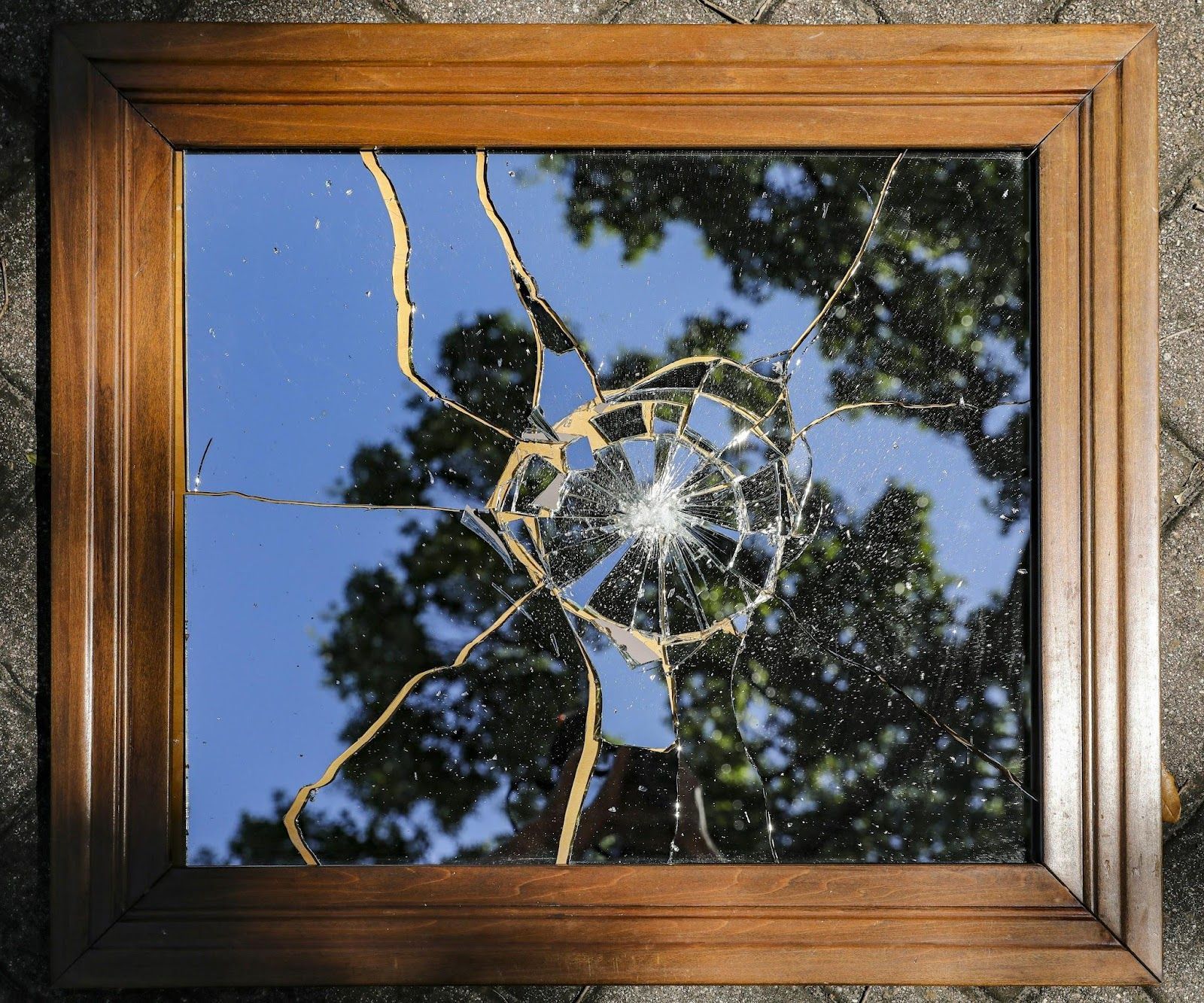
Breaking a mirror

Image: Mick Haupt

Have you ever shattered a mirror and winced at the thought of years of bad luck? This goes back to ancient Greece and Rome. There, reflections were thought to be linked to the soul. Destroying a mirror was considered an affront to the gods watching over your spiritual self.

The "seven years" bit comes from the Roman idea that the human body renewed itself in seven-year cycles.

3

Celebrating a birthday early

Image: Adi Goldstein

"You’ll jinx it!" is a common reaction when someone celebrates before their actual birthday. This superstition appears across several European traditions, where marking a milestone before it arrives was seen as presumptuous, even disrespectful to fate.

In eras when illness and mortality were real daily concerns, reaching your birthday wasn’t guaranteed… so celebrating early felt like counting blessings before earning them.

4

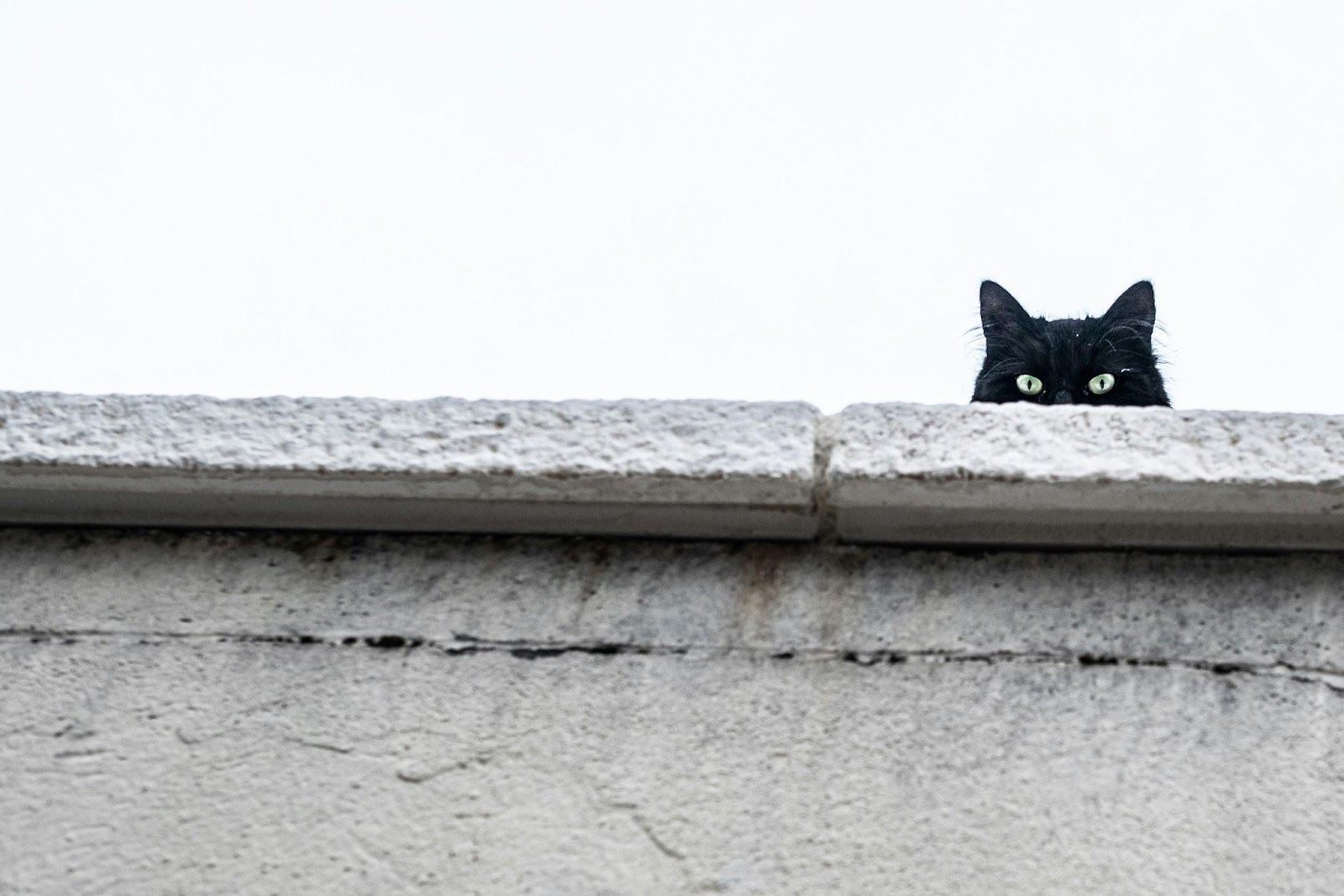
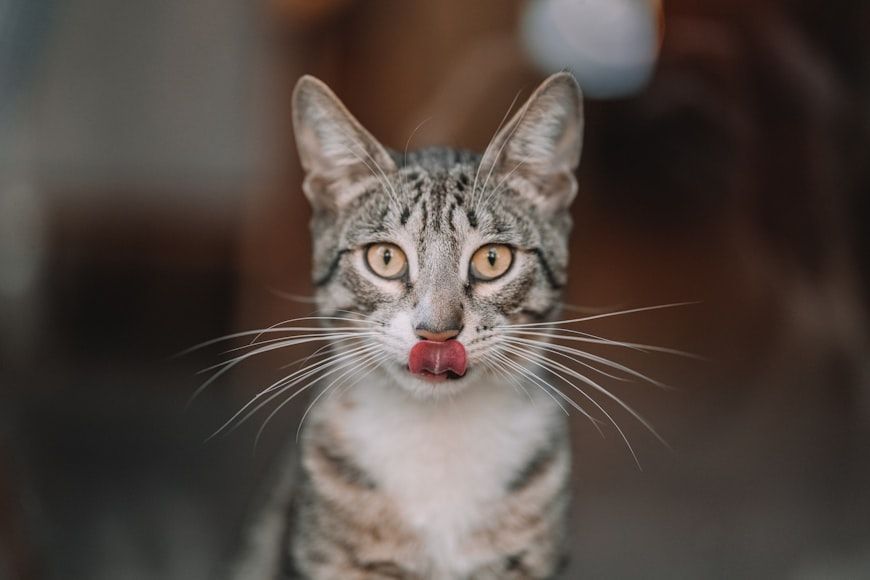
A black cat crossing your path

Image: Clément Falize

In ancient Egypt, black cats were revered and associated with protection and prosperity. What happened to their reputation, then? Simply put, in medieval Europe, when fear of witchcraft ran rampant, cats (especially the poor black ones) became linked with witches.

However, beliefs vary widely: in Britain, Ireland, and Japan, black cats can signify good luck or fortune, and sailors once welcomed them aboard ships to ensure safe voyages.

5

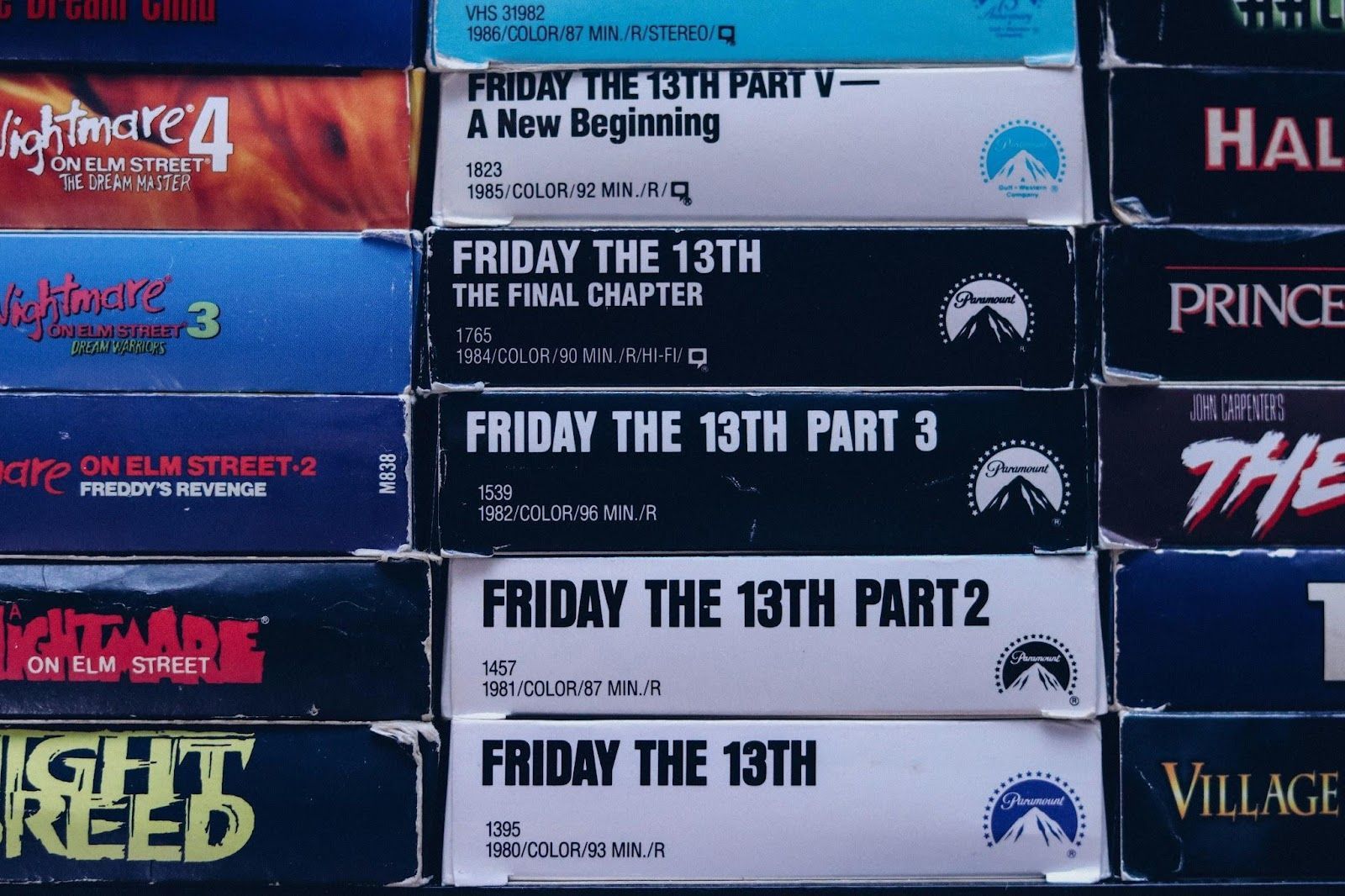
Friday the 13th

Image: Bruno Guerrero

In many Western traditions, both Fridays and the number 13 had separate unlucky connotations long before they were combined: Friday was sometimes seen as ill-fated in Christian lore (Jesus’ crucifixion is said to have been on a Friday), and 13 was viewed with suspicion in Norse myth (where Loki’s unexpected arrival as the 13th guest at a feast led to chaos).

6

Opening an umbrella indoors

Image: Kevin Lehtla

When early umbrellas with stiff metal frames first became popular in Britain and Europe, they were hard to fold and easy to jab into furniture, lamps, or unsuspecting family members. That made opening one inside genuinely hazardous, and turning it into a superstition was a tidy way to say, "Please don’t do it."

7

Knocking on wood

Image: engin akyurt

Almost everyone does this reflexively: you say something hopeful and then tap wood to "keep the luck going." One theory ties this to pagan traditions in Europe, where people believed protective spirits lived in trees; knocking on the trunk was a way to call on those spirits or to secure their goodwill.

8

Spilling salt

Image: Jason Tuinstra

Salt was once very precious: it preserved food, flavored meals, and even served as currency in parts of the ancient world. Spilling it meant waste, and waste invited misfortune. But, of course, everyone knows the fix: throw some over your left shoulder.

9

Stepping on a crack

Image: Ilya Semenov

"Step on a crack, break your mother’s back." This ominous-sounding rhyme isn’t ancient at all; it rose to popularity in the early 20th century, spread through schoolyards rather than folklore. Of course, there is no logical explanation to back it up. But if you are superstitious… why would you risk it?

10

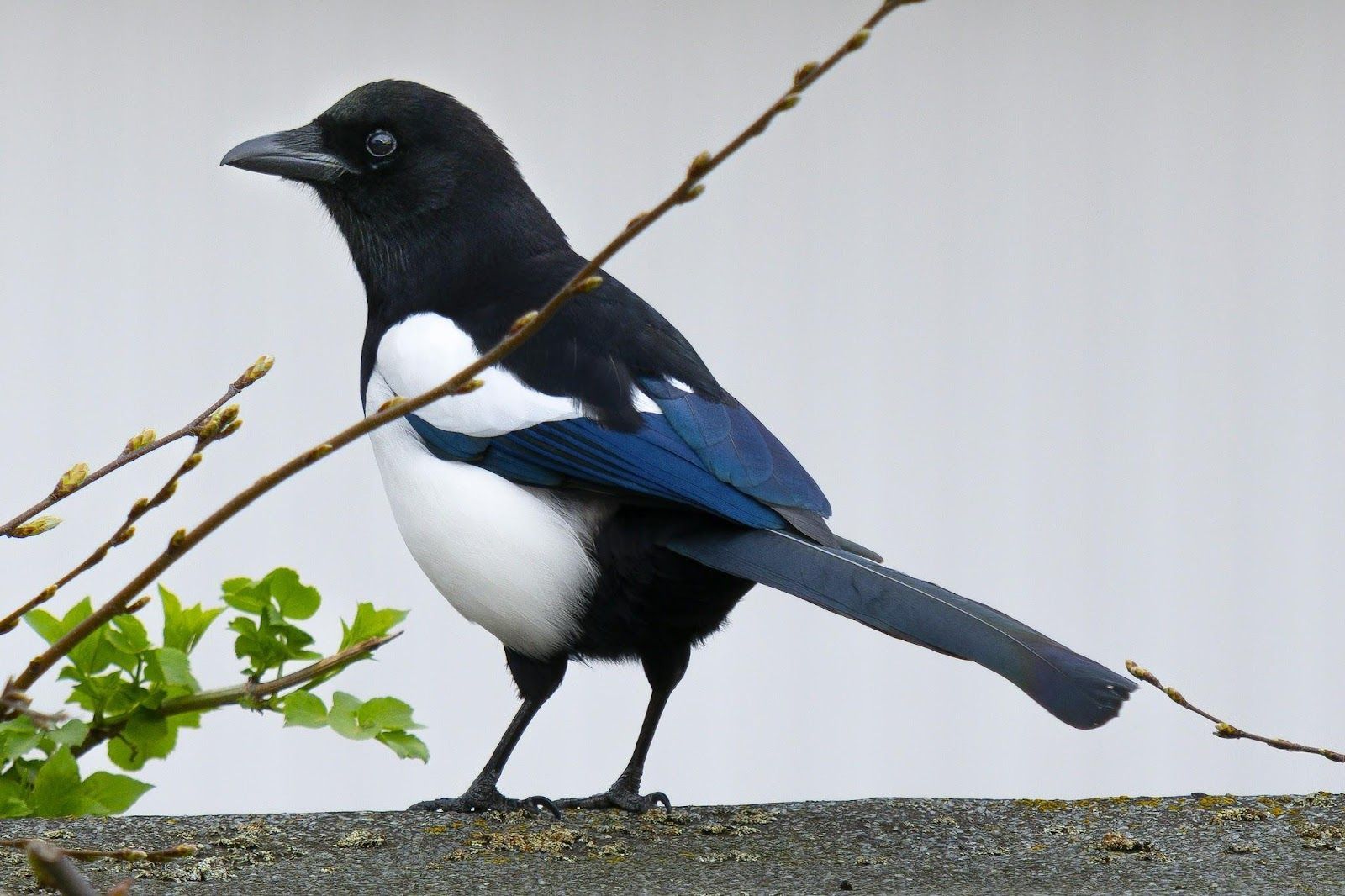
Seeing a solitary magpie

Image: Daniel Bertrams

"One for sorrow, two for joy"... In British and Irish folklore, seeing a single magpie was thought to signal misfortune, loneliness, or bad news. The belief probably just pointed at how unlikely it is to see only one of these beautiful birds. To counter the bad luck, people developed rituals: tipping a hat, greeting the bird politely, or even saluting it.

The backbone of our language

Are your ears burning? This might be why!


Published on April 11, 2026


Image: Lidia Nemiroff

Your body does a lot more than move you around; it even slips into the way you talk. From head to toe, clever idioms using body parts are a staple of everyday conversation. If you want to learn more about what these 10 idioms really mean and how they started, keep reading!

1

To keep at arm’s length

Image: Sebastian Dumitru

After the argument, she kept her coworker at arm’s length to avoid more drama.

Remember that friend-of-a-friend you’re not so sure about? The one you’d rather not let get too close? That’s someone you keep "at arm’s length." This common phrase comes from the old practice of measuring distances with body parts (not so old, really; we still measure in feet), and an early version even shows up in Shakespeare’s 1599 play As You Like It, where the line goes: "Hold death awhile at arm’s end."

2

To give/lend someone a hand

Image: Lina Trochez

When my car broke down, a kind stranger stopped to lend me a hand.

Many expressions we use figuratively today started out in very literal situations. That’s the case with "to lend a hand," which originally referred to physically using your hands to help someone with a task. Over time, the meaning expanded, and the phrase can now be used for any kind of help.

3

On the tip of my tongue

Image: Lala Azizli

His birthday is on the tip of my tongue… wait, is it next Thursday?

You’re chatting with your best friend, remembering old times, when a familiar song pops into your head. You remember the lyrics perfectly, but who was the singer? Ahh… It’s on the "tip of your tongue"! Used in English since the 16th century, this idiom describes those moments when something feels just within reach but doesn’t fully come to mind.

4

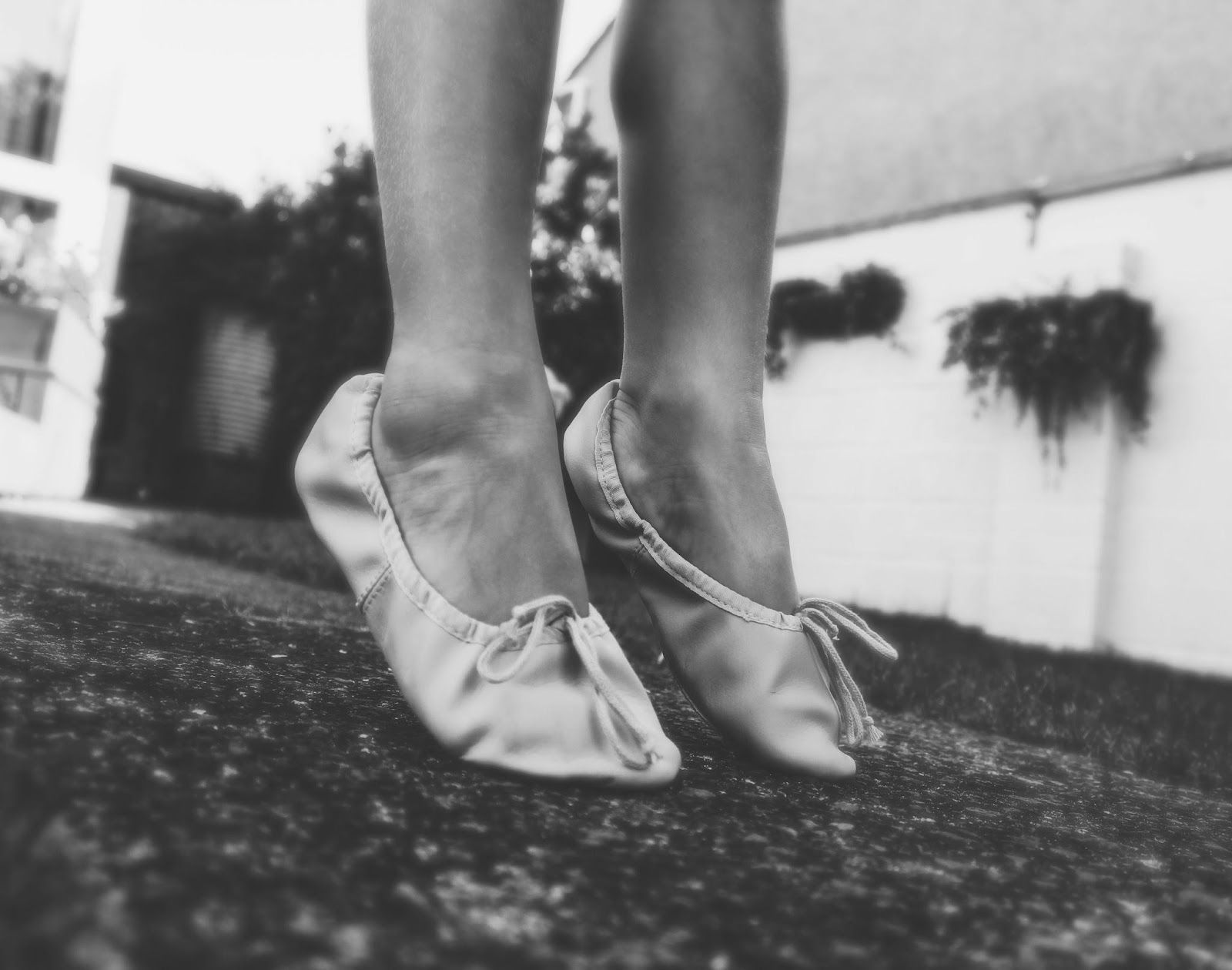
Head over heels

Image: Siora Photography

Ever since they met, he’s been head over heels for her.

When was the last time you were completely captivated by someone or something? In those moments, you could say you were "head over heels." The phrase dates back to 14th- and 15th-century English as "heels over head," originally describing literal upside-down movements. Over time, it evolved into its modern form, describing the feeling of being madly in love.

5

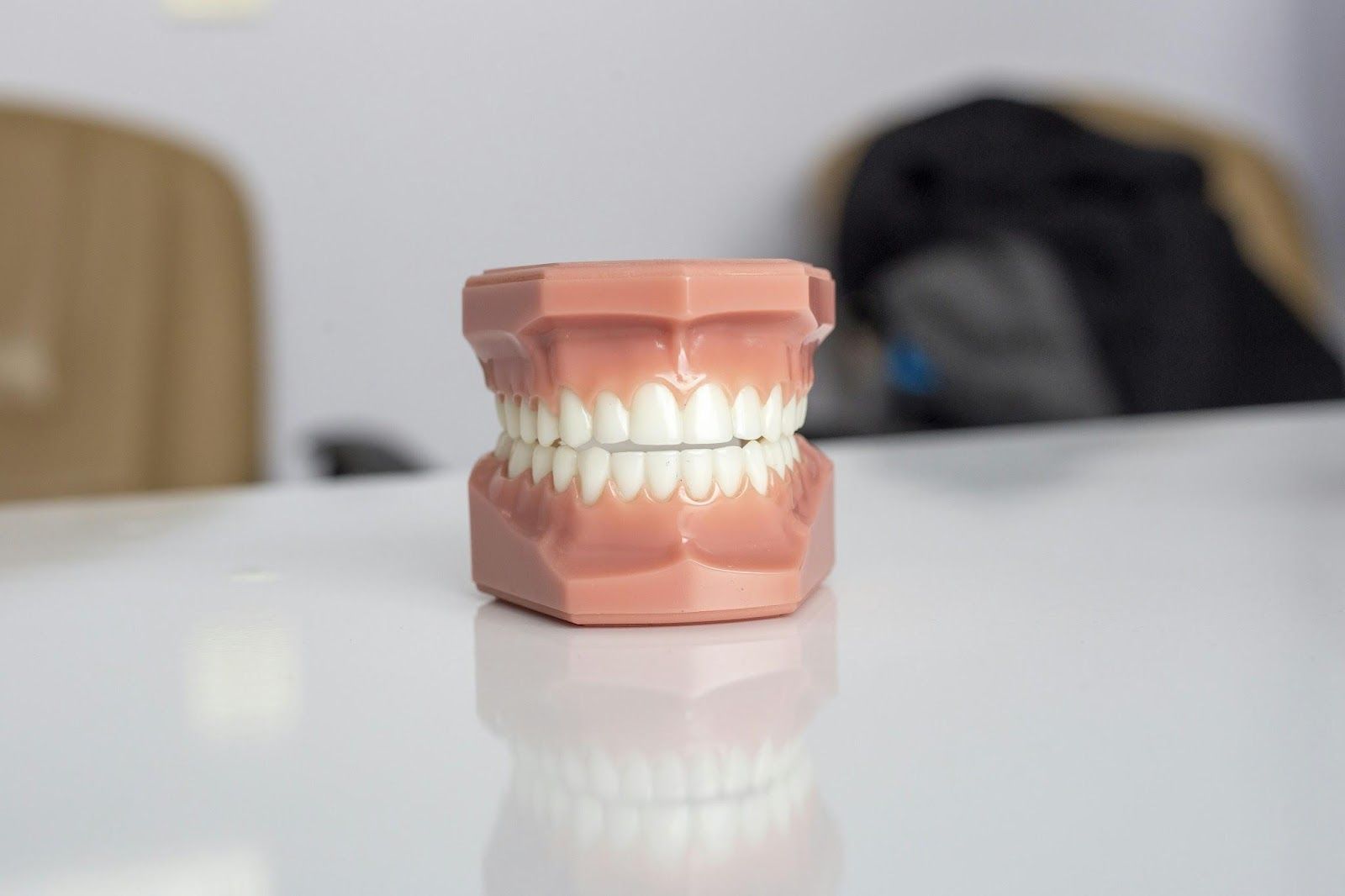
To give one’s eye teeth

Image: Enis Yavuz

I’d give my eye teeth to get tickets to that concert!

In the past, canines (often called eye teeth because they sit just below the eyes) were among the most important teeth. Losing one was a big deal, which likely explains the origin of this idiom. It’s still used today to describe a major sacrifice or something someone desperately wants.

6

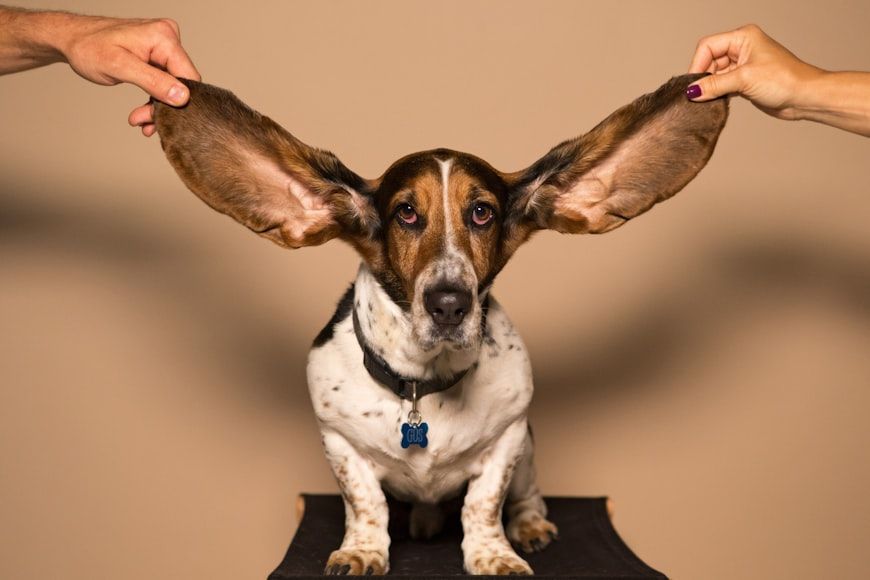
Ears burning

Image: kyle smith

I bet your ears are burning after that email went around the office.

It turns out your ears can "burn" even when there’s no infection. This kind of burning has a different interpretation: it means someone is talking about you behind your back. It’s not always negative, but it does involve gossip. The idiom comes from ancient beliefs that physical sensations in the body could indicate external events.

7

To cost an arm and a leg

Image: Lucrezia Carnelos

Renovating the old house is going to cost us an arm and a leg.

When something costs an arm and a leg, it means it’s extremely expensive or requires a big sacrifice. There are two main theories about its origin: one, now widely regarded as a myth, suggests that in the 15th century, artists charged more if a portrait included the subject’s arms or legs. The other theory links the phrase to the serious physical sacrifices soldiers can make in war.

8

Break a leg

Image: Atakan Narman

Break a leg at the competition; everyone’s rooting for you.

When you tell your singer friend to "break a leg," you’re not wishing them anything bad; in fact, it’s the opposite. This idiom comes from old theater superstitions, where saying "good luck" was thought to bring exactly the contrary. To avoid tempting fate, people would say something negative to actually wish someone something positive.

9

To cry your heart out

Image: Kelly Sikkema

He cried his heart out after saying goodbye to his childhood home.

Since ancient times, people have believed that the heart is where emotions live. So when you "cry your heart out," you’re letting out all your feelings, often very intensely. The phrase usually reflects pain, sadness, ordeep emotional suffering.

10

To be someone’s flesh and blood

Image: Zach Lucero

Even though we argued, he’s still my flesh and blood, and I’ll always protect him.

This idiom is much less creepy than it might sound at first. To be someone’s "flesh and blood" means you are part of their family, or are treated as if you were. Some sources trace one of the earliest uses of this phrase to an Old English translation of the Bible, specifically in Matthew 16:17.

Looking for an extra scoop of literary fun?

Learn more with our Word of the day

novelty

/ˈnɑvəlti/