These towns are the bee’s knees
Have you ever heard about Cat Island?
Published on March 29, 2026
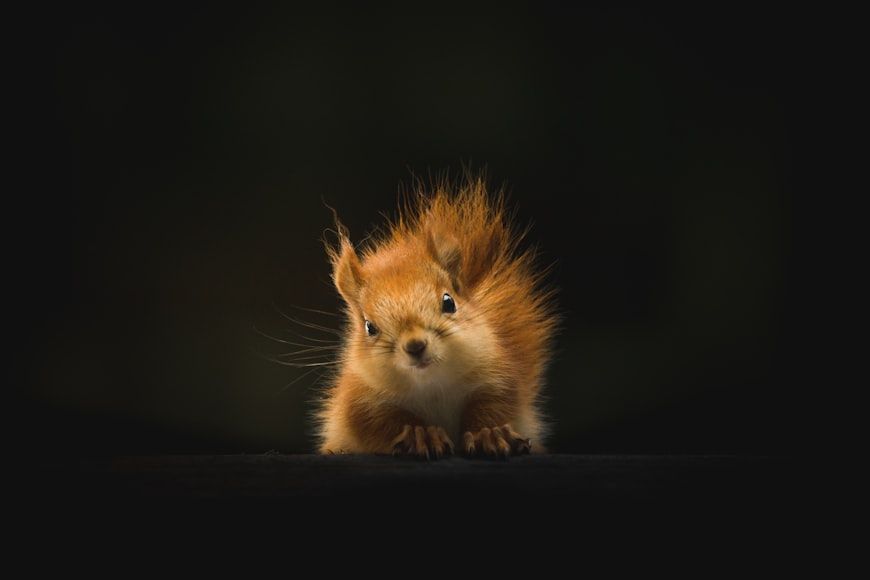
Traveling to foreign cities and towns is a great way to interact with different people and their cultures, but have you ever thought about visiting an animal town? Scattered around the world, some of these places are the result of natural reserves set up to protect endangered species, while others are simply a product of life’s circumstances. Let’s take a look at 10 "animal towns" around the world!
Aoshima, Japan
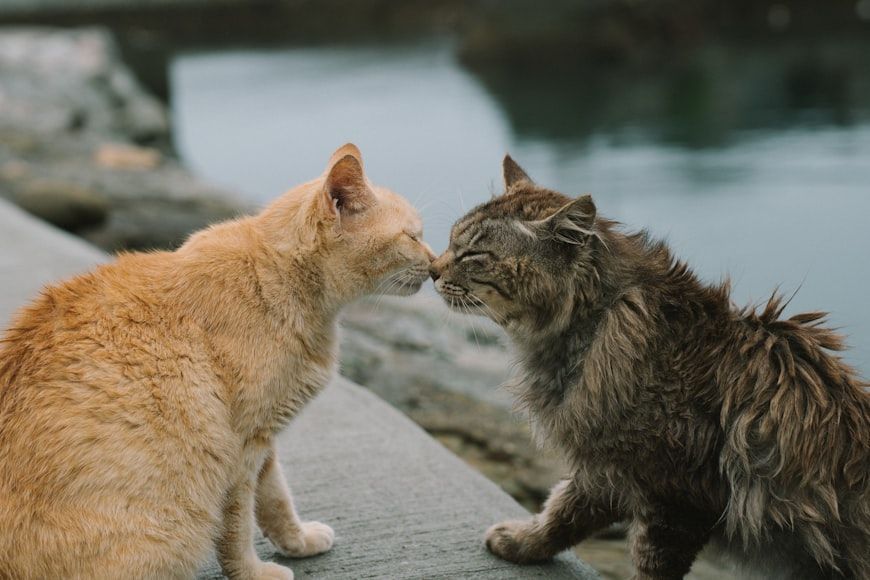
Also known as Neko no Shima, or Cat Island, this Japanese town has become a popular tourist destination for cat lovers worldwide. A former fishing town, cats were introduced to Aoshima as a means of controlling rodents, but they quickly outnumbered the human population. It is estimated that there are around 36 cats for every human on Aoshima.
Churchill, Canada
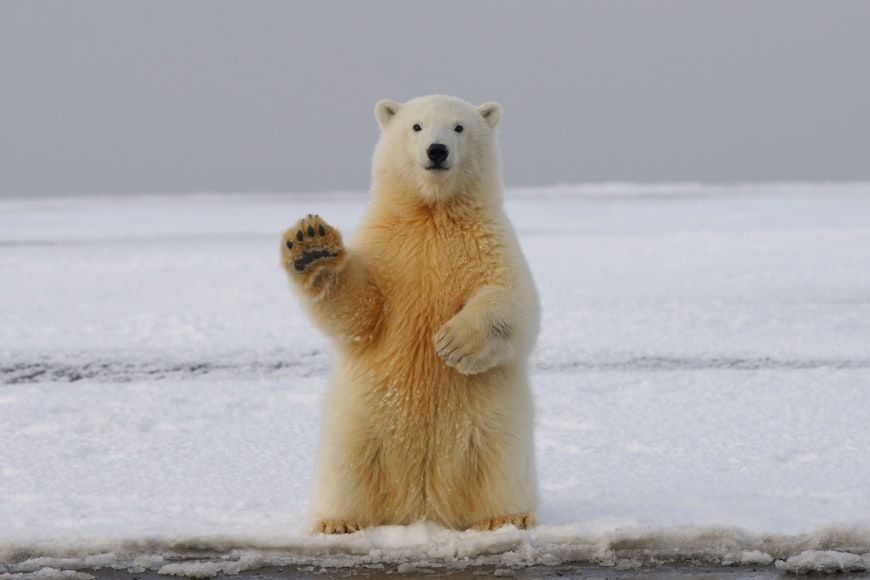
Every winter, this town in the Canadian province of Manitoba receives an influx of furry visitors when hundreds of polar bears make their way to Hudson Bay to hunt for seals. Residents do their best to avoid them, but a few curious bears still go snooping around, and some even end up in "polar bear jail" before being released back into the wild.
Assateague Island, USA
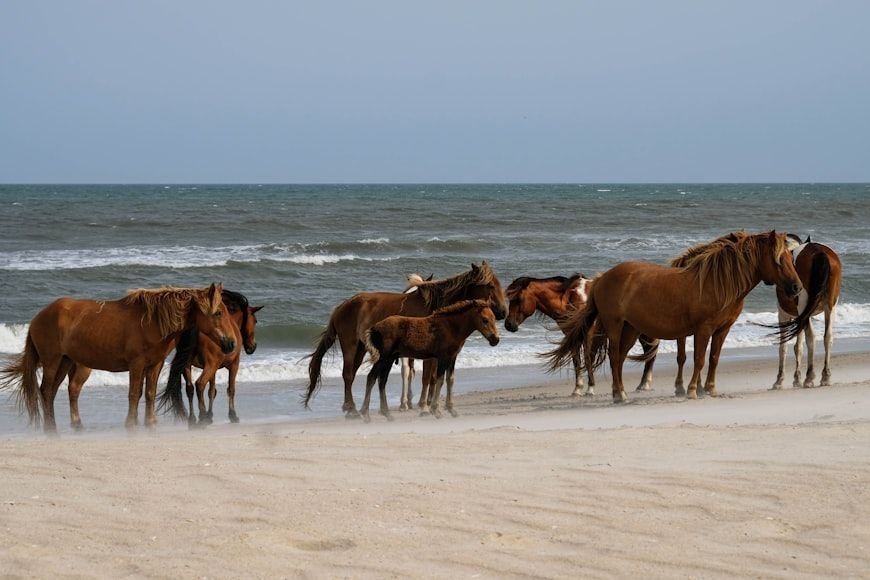
Assateague is a barrier island located along the Maryland-Virginia border on the Atlantic coast. It is famous for its population of feral horses, most likely descendants of formerly domesticated animals. Maryland and Virginia residents disagree on whether the animals should be called horses or ponies, a discussion that has not been settled because the animals have horse-like characteristics but pony-size stature, most likely due to environmental conditions.
Christmas Island, Australia
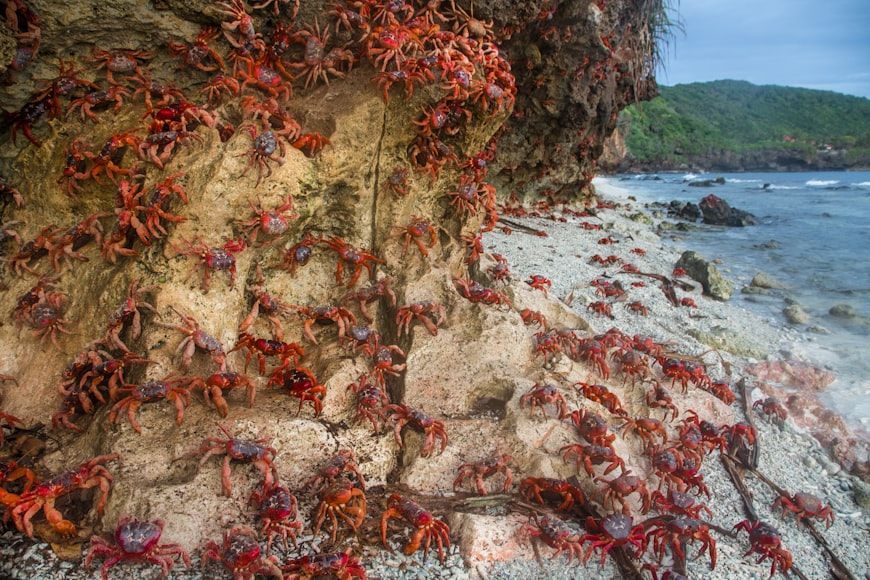
Each November, this Australian island near the coast of Indonesia becomes the setting for a natural wonder, the annual red crab migration. The island’s red crab population—estimated at around 100 million crabs—travels to the sea to lay their eggs. To allow the horde of crustaceans to safely reach the shore, authorities close off roads around the island.
Pig Beach, The Bahamas
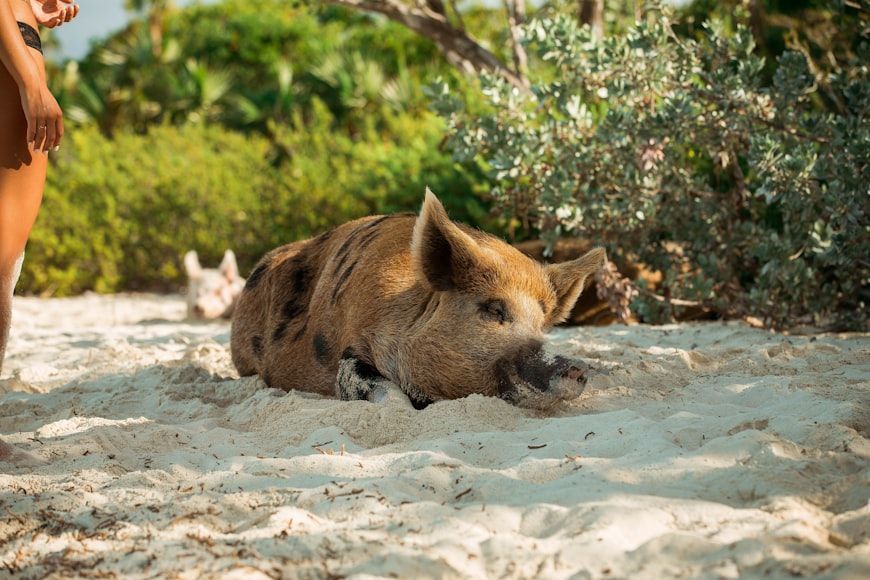
This beach on the inhabited island of Big Major Cay is not only a tropical paradise but also home to an unexpected animal community. No one knows exactly where the pigs came from, but the swimming pigs have become a popular tourist attraction, and they are often fed by the visitors of neighboring islands.
Pier 39, USA
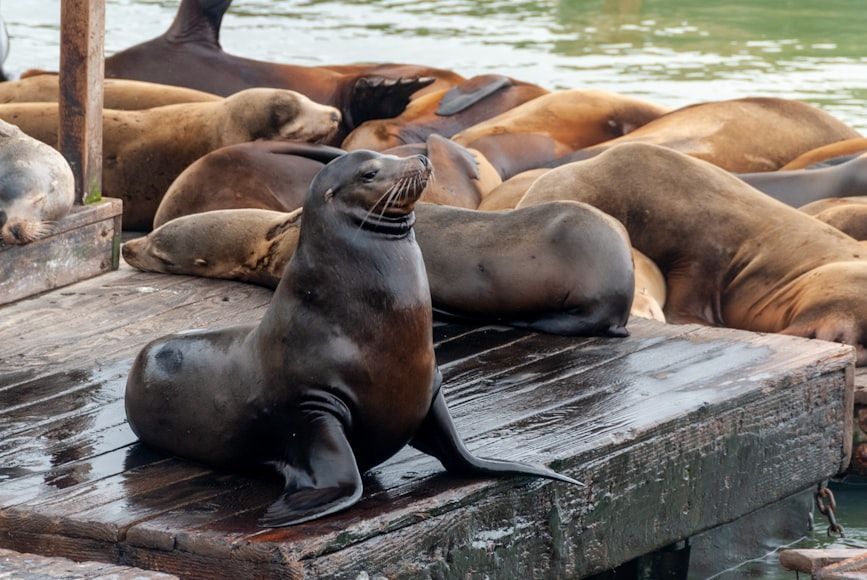
This one is not really a town, but it is home to a colony of friendly sea lions. Located at a shopping and entertainment complex on a San Francisco pier, the animals began moving in during the 1980s from a more distant colony. After an earthquake in 1989 caused residents to remove their boats while the pier was being refurbished, the sea lions made their home there and have shared the space with humans ever since.
Okunoshima, Japan
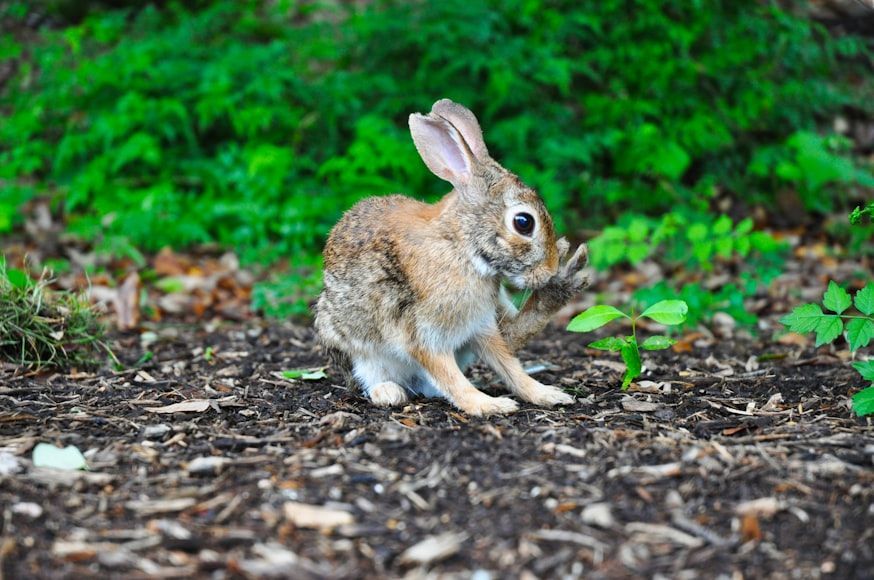
Located in Japan’s Inland Sea, Okunoshima is home to a huge population of free-roaming rabbits. These animals are descendants of domestic rabbits, so they are quite tame and will often approach humans. In order to protect the rabbits, animals like cats and dogs are banned from the island.
Punta Tombo, Argentina
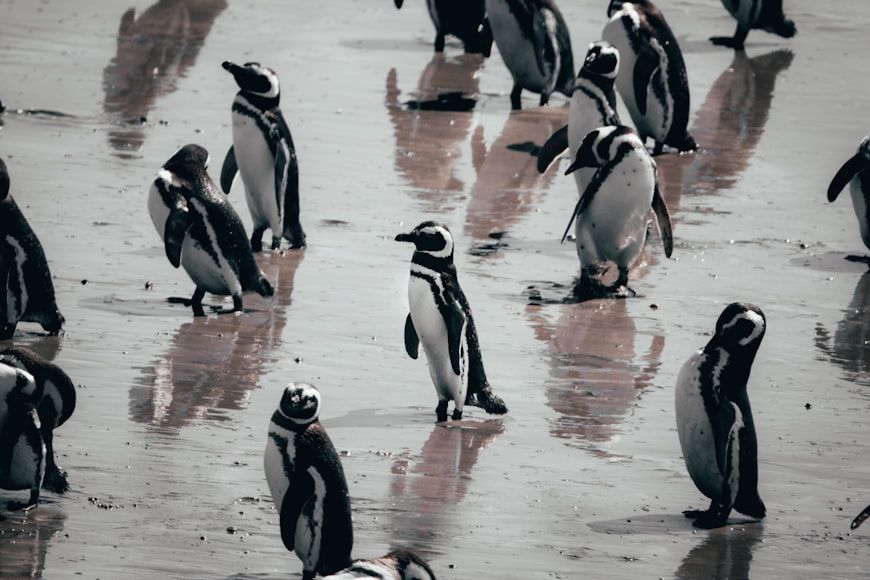
A protected reserve since the 1970s, this South American peninsula is home to the largest colony of Magellanic penguins in the world. Despite threats such as oil spills affecting the animals, the population numbers have steadily risen in the past several decades, and nowadays it’s estimated that the colony houses nearly a million birds.
Runde Island, Norway
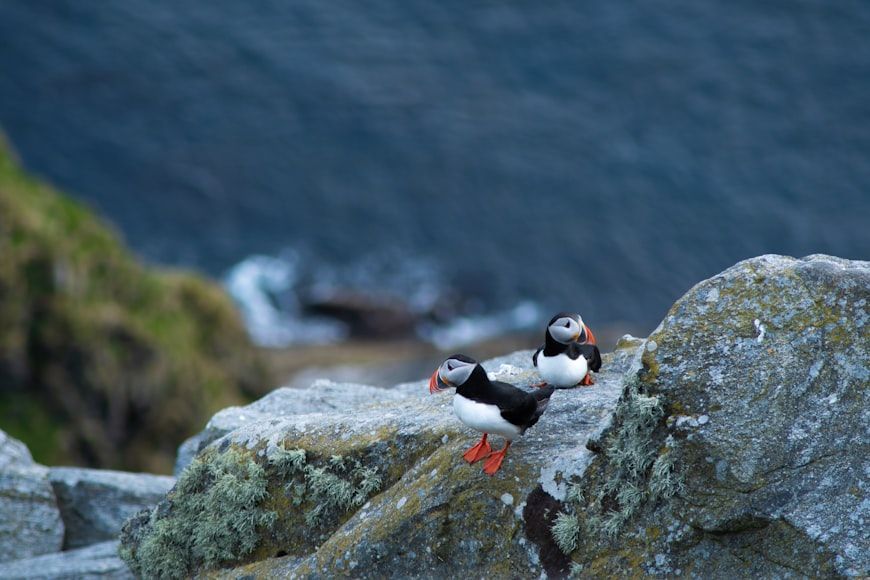
Off the coast of Norway, this island has a small human population—just a little more than 100 people—but they are greatly outnumbered by seabirds, which number between about 500,000 and 700,000. The island is considered a protected reserve and hosts many bird species, the most notable being the Atlantic puffin.
Polonnaruwa, Sri Lanka
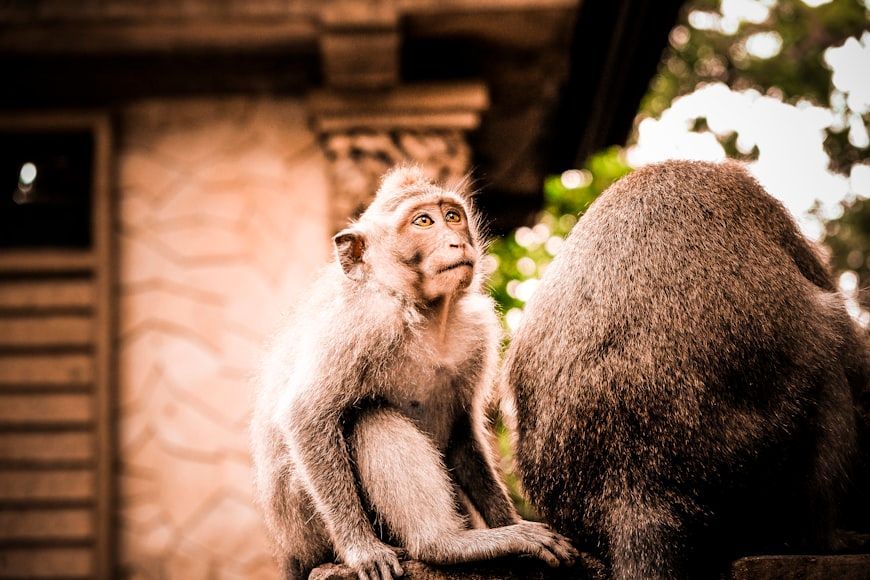
Once a royal city, Polonnaruwa is now an archaeological site near a modern town of the same name. The ruins have been declared a UNESCO World Heritage Site, but they also have an additional tourist attraction: a colony of toque macaques, residents of the ruins for centuries.