Are you saying it correctly?
It’s not “Boy-zee”: Have you been saying these famous place names wrong?
Published on November 24, 2026
Many people have known the blunder of mispronouncing a place’s name in front of a local. This sort of mistake was easy to overlook back when names were nothing but tiny labels on paper maps. But in today’s connected world, when everyone is one search away from finding out correct pronunciations, we can’t be excused. Are you sure you’re saying Mackinac, Thames, Worcestershire, and Seoul correctly? Read on to test your knowledge against 10 of the most frequently mispronounced places on Earth.
Mackinac Island, Michigan
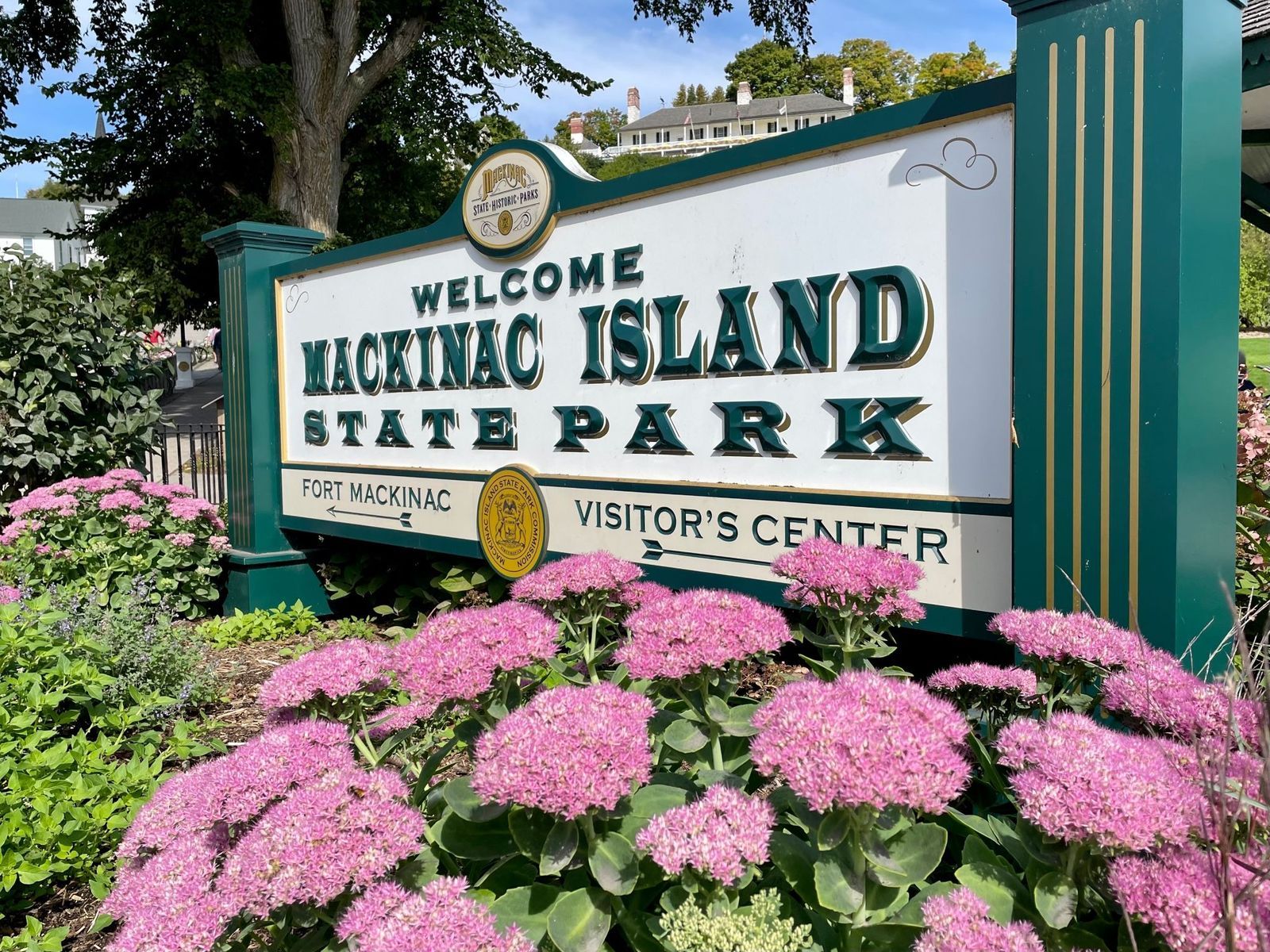
It’s not "Mack-in-ACK," despite what many visitors say when they’ve just arrived. The word does end in a hard-looking "c", but the correct pronunciation is "MACK-in-awe". Its spelling stems from 17th-century French fur traders who phonetically adapted the Native American word Michilimackinac ("place of the great turtle").
Nestled in the Straits of Mackinac between Michigan’s Upper and Lower Peninsulas, Mackinac Island is world-famous for its timeless Victorian charm, historic Fort Mackinac, world-renowned fudge, and a total ban on personal motor vehicles.
River Thames, England
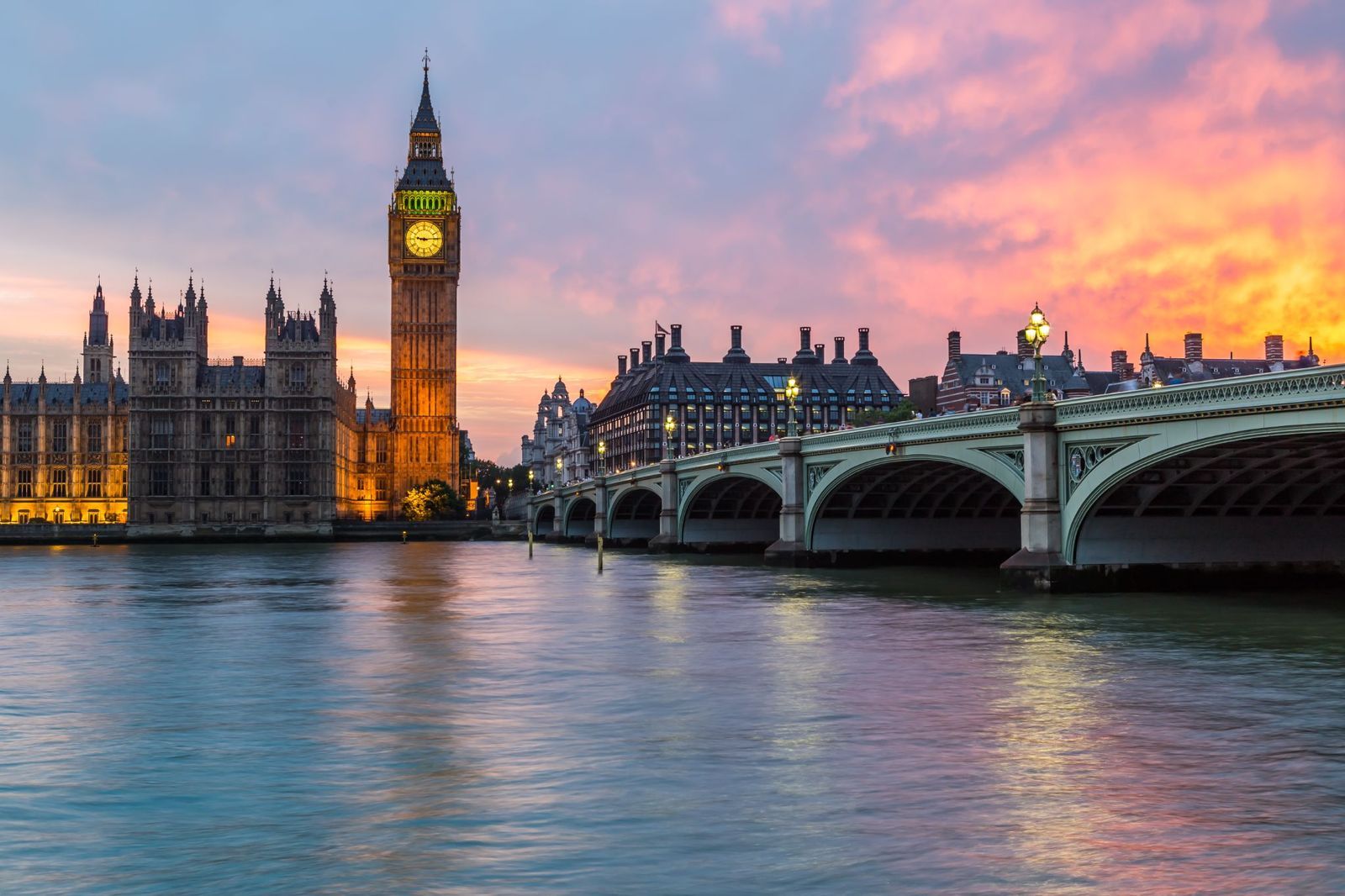
Many are surprised to learn that the correct pronunciation for London’s famous river is "TEMZ." Visitors usually follow the phonetics, pronouncing a soft "th" sound, saying "THAYMZ" (rhyming with "James").
This confusion comes from Renaissance scribes who added a Greek-influenced "h" to the original Old English spelling, Temese. While the spelling changed, the traditional "T" sound stayed intact. It’s the UK's most famous waterway, spanning over 200 miles, and has shaped British history for centuries, serving as the backdrop for iconic landmarks like Tower Bridge, Big Ben, and the Houses of Parliament.
Beaufort (NC) vs Beaufort (SC)
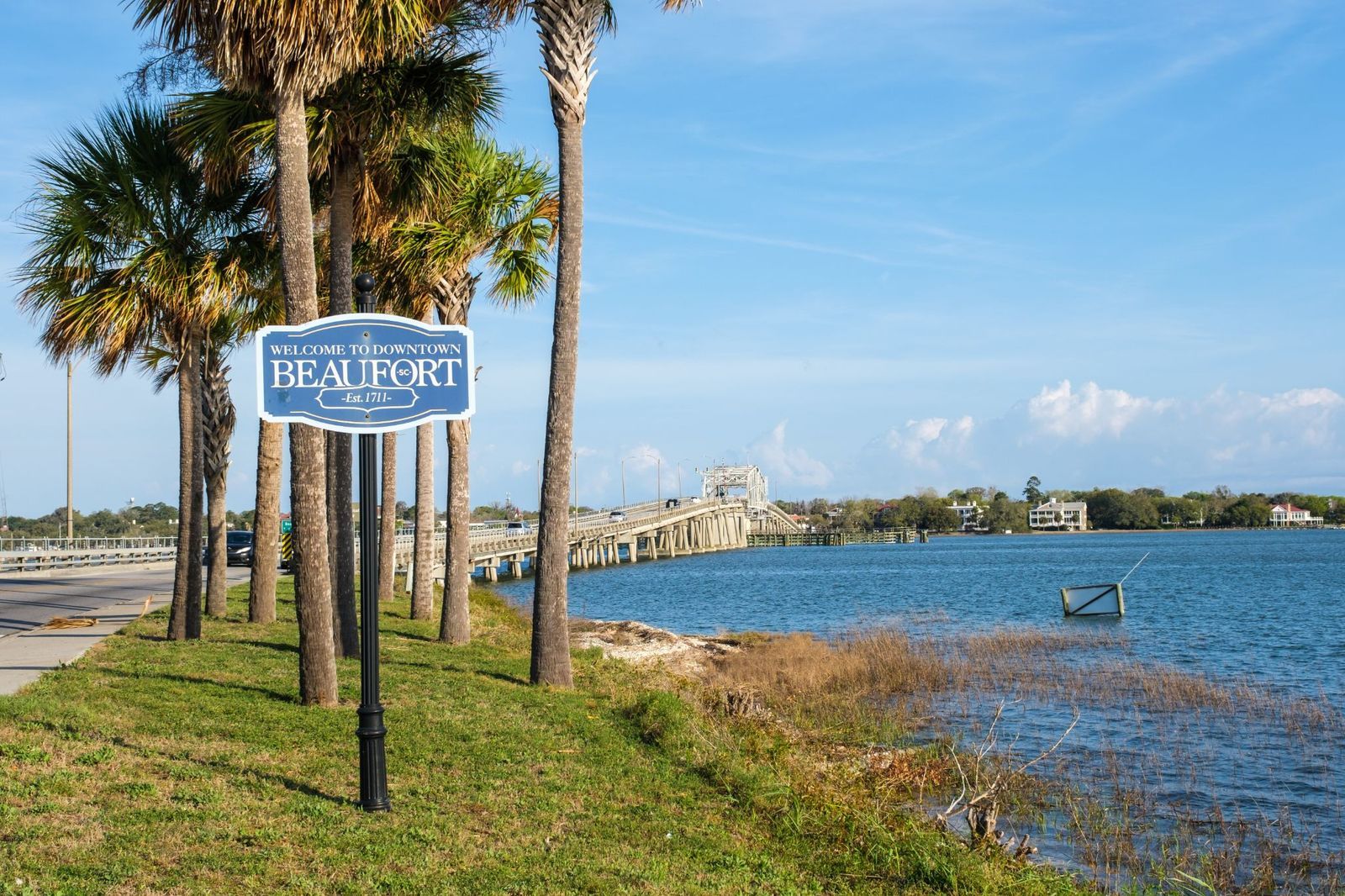
Though both are historic coastal Carolina towns with the same spelling, using the wrong pronunciation is a dead giveaway of outsiders. Beaufort, North Carolina, is pronounced "BOH-furt" (rhyming with "bow"). Beaufort, South Carolina, is pronounced "BYOO-furt" (rhyming with "few").
Both towns were named in the early 1700s after Henry Somerset, the 2nd Duke of Beaufort, an English nobleman whose title derives from a French place name meaning "beautiful fort" (beau fort). The divergence in pronunciation developed depending on the influence of the settlers; South Carolina, tied with Southern England, opted for the Anglicized sound, while North Carolina, populated by Scottish immigrants, stayed closer to the French phonetic.
Worcester, Massachusetts & Worcestershire, England
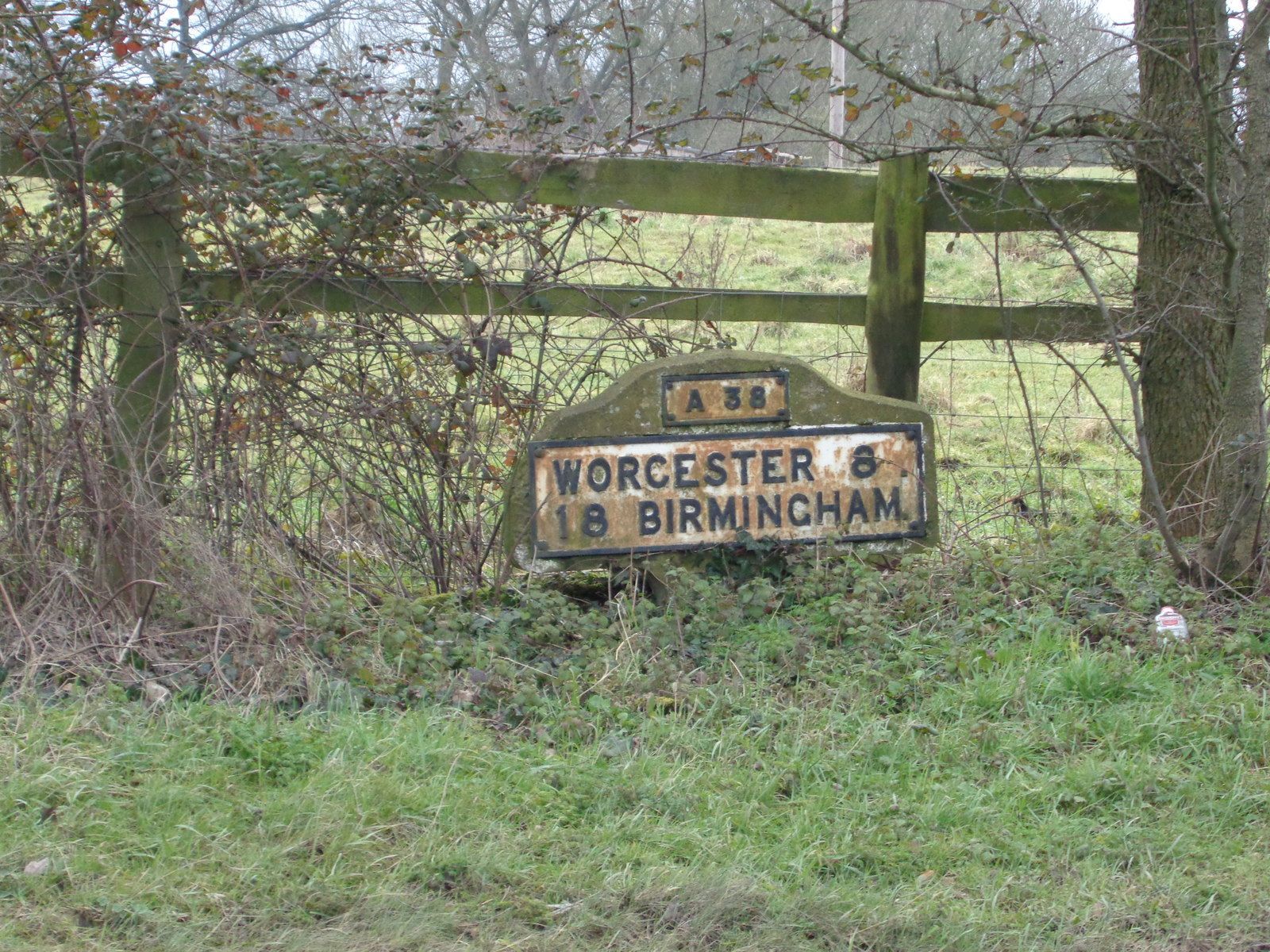
These two places share a root, while being an ocean away from one another. They both developed from the Anglo-Saxon Weogora-ceaster, roughly translating to "fort of the Celtic tribe along the river." Worcester, Massachusetts, is a major city in New England, US. It’s pronounced "WUSS-ter," but non-locals commonly stumble by trying to say "War-ches-ter" or "War-ces-ter."
Worcestershire, England, is an entire historic county in the West Midlands, famous for its countryside, cathedral, and famous savory sauce. Adding the "-shire" suffix changes both the region type and the vocalization: it’s pronounced "WUSS-ter-sher" (or "WUSS-tuh-shuh" in British English). Common mispronunciations include "War-ces-ter-shire" or pronouncing the ending like the word "shy-er."
Wilkes-Barre, Pennsylvania
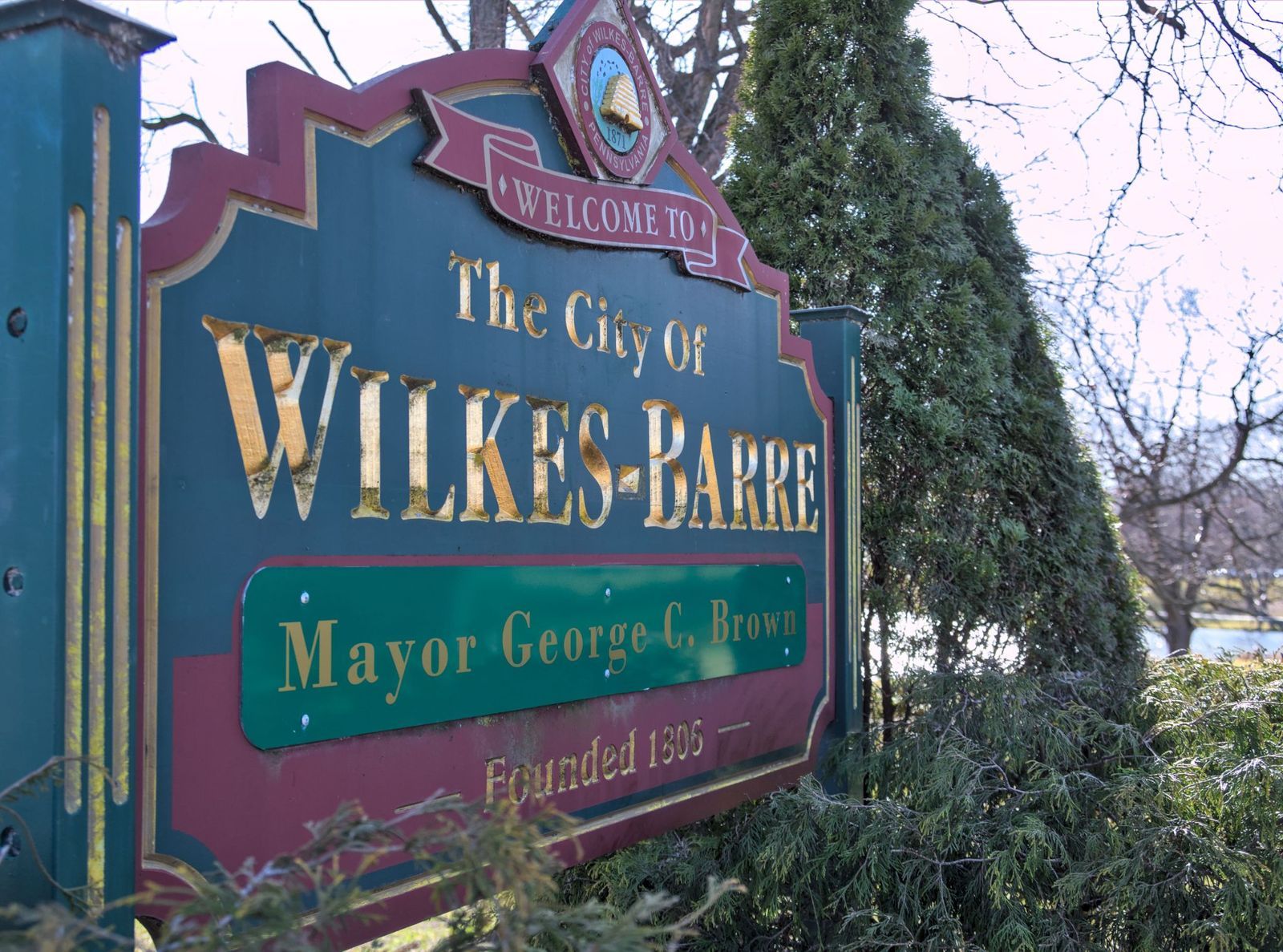
Located in northeastern Pennsylvania, Wilkes-Barre is an industrial city famous for its history as the heart of America’s coal mining boom during the 19th and 20th centuries. Despite looking like it should end in "BAR" or "BEAR", the locally accepted pronunciation is "WILKS-berry". It’s normal for newcomers to pronounce it "Wilkis-BAR-uh".
Founded in 1769, the city’s name combines the surnames of two British politicians, John Wilkes and Isaac Barré, who advocated for American colonial rights. Barré’s family had French Huguenot roots, where his name was originally pronounced with an accented final é ("ba-RAY"). Over two centuries, American speech anglicized the French ending into a quick "berry" sound.
Spokane, Washington
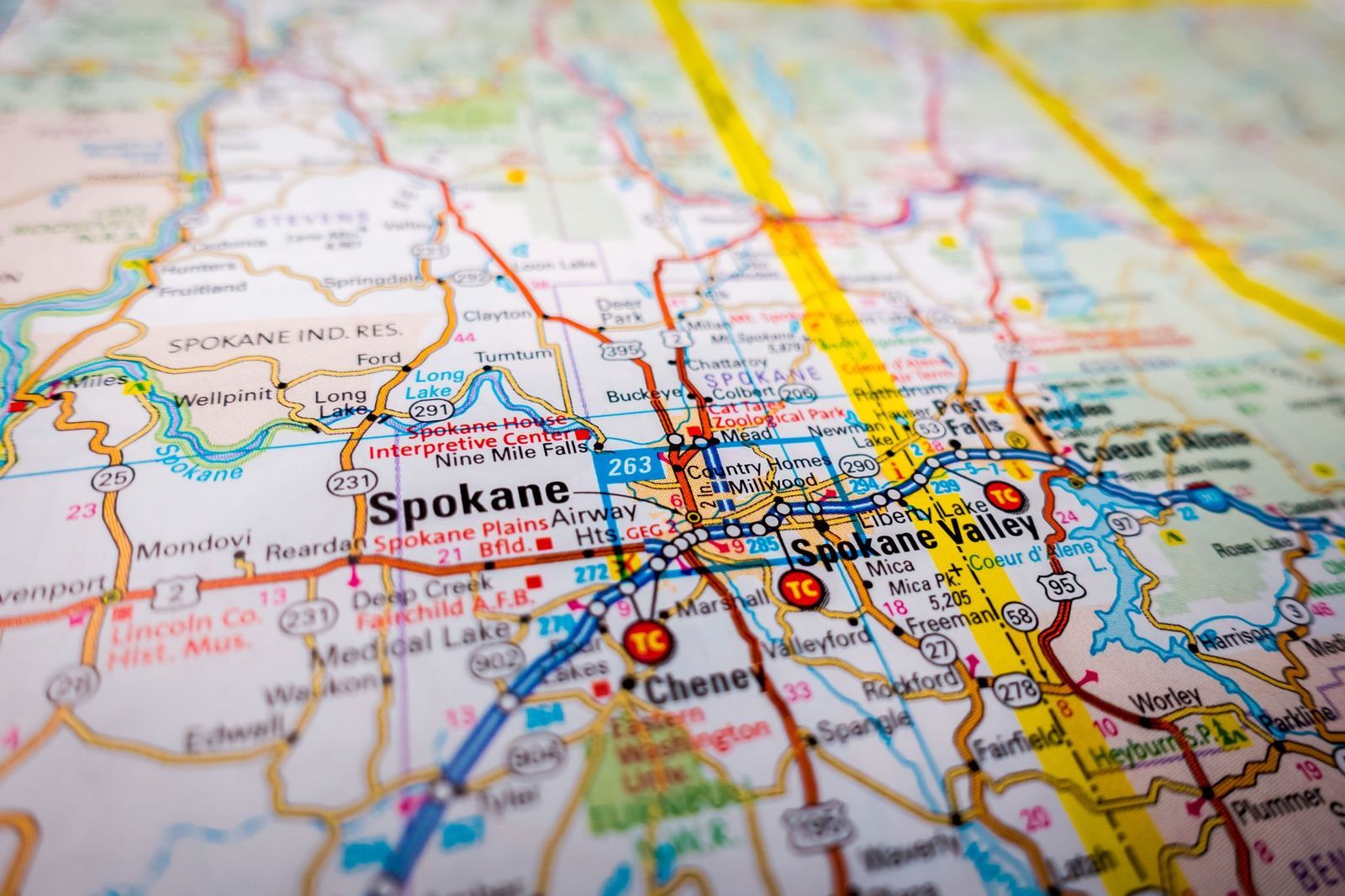
Situated near the Idaho border along the Spokane River, Spokane is the second-largest city in Washington State and the economic heart of the Inland Northwest. The city is famous for the spectacular Spokane Falls cascading through its downtown core.
It looks like it should end in an "e", but the correct way to say it is "spo-CAN" (rhyming with "tin can"). The most common mispronunciation is "spo-CANE" (rhyming with "sugar cane"). The name originates from the Indigenous Spokane tribe, traditionally translating to "Children of the Sun" in Salishan, whose ancestors lived along the river for centuries before white traders anglicized the spelling.
Helena, Montana
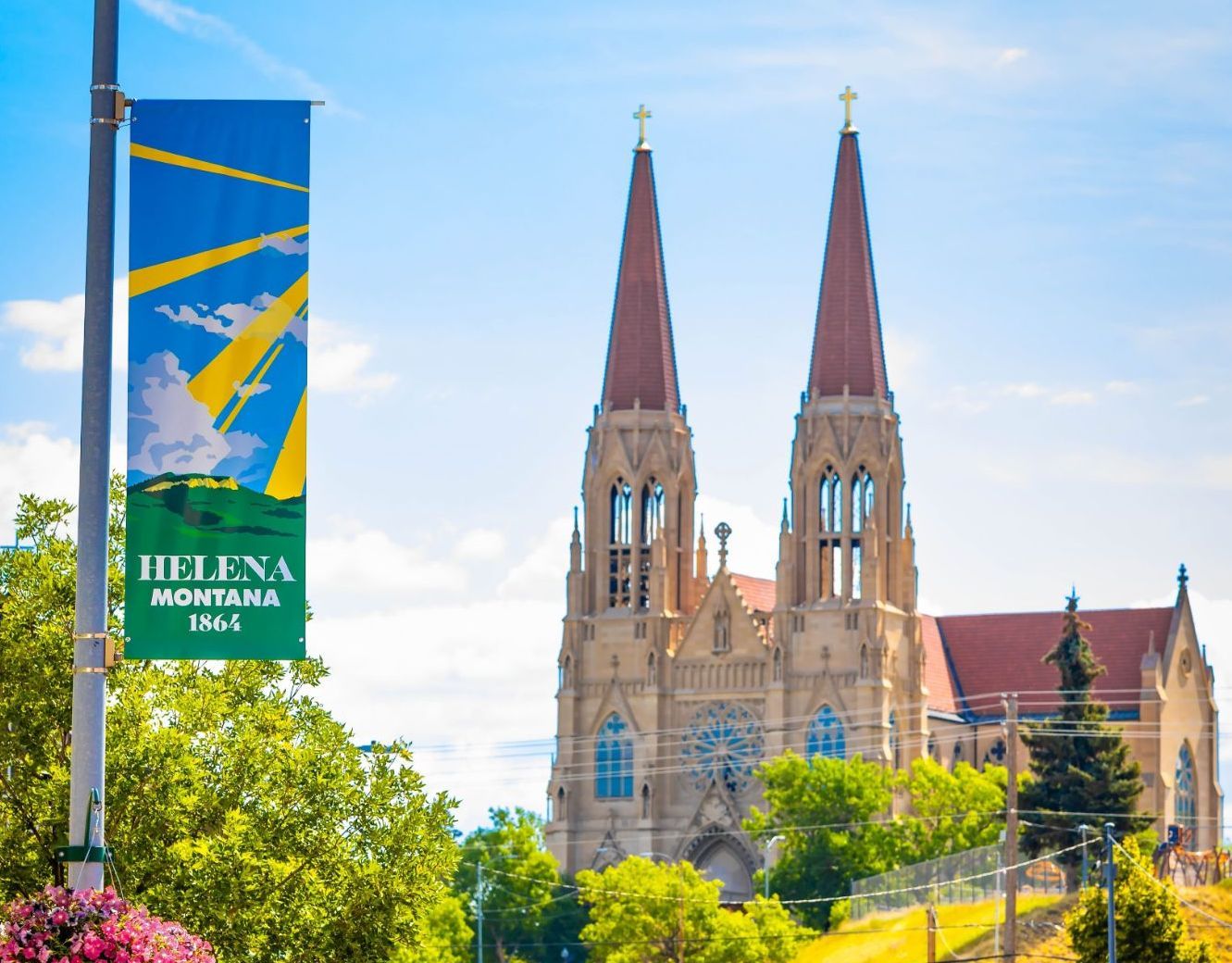
Many people stumble over the pronunciation of Helena, Montana’s state capital. Despite its spelling matching the popular female name, the correct pronunciation emphasizes the first syllable: "HEL-uh-nuh" (rhyming with "Helen-a"). Out-of-towners frequently say "huh-LAY-nuh" or "hel-EE-nuh". The city was named after Helena, Minnesota, by early settlers, maintaining the short, initial-stressed vowel sound of the original Midwestern spot.
Boise, Idaho
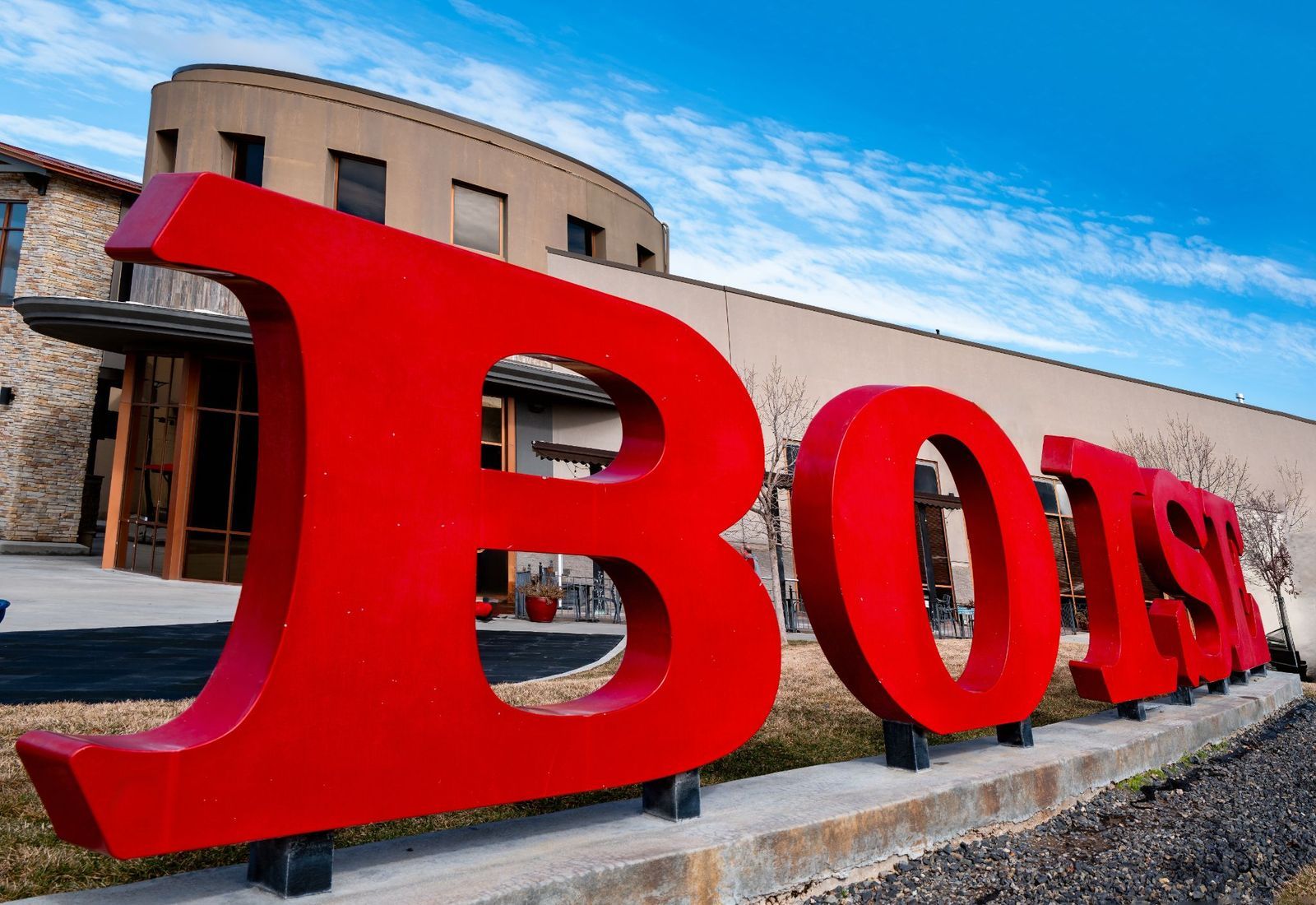
Set at the foothills of the Rocky Mountains along the Boise River, Boise is the capital and largest city of Idaho. The name comes from French fur traders in the early 1800s who famously exclaimed "Les bois! Les bois!" ("The woods! The woods!") upon seeing the tree-lined river. While the French root carried a soft "z" sound, 19th-century American settlers anglicized the ending into a sharp, unvoiced "s". So, the correct local way to say it is "BOY-see," not "BOY-zee".
Leicester, England
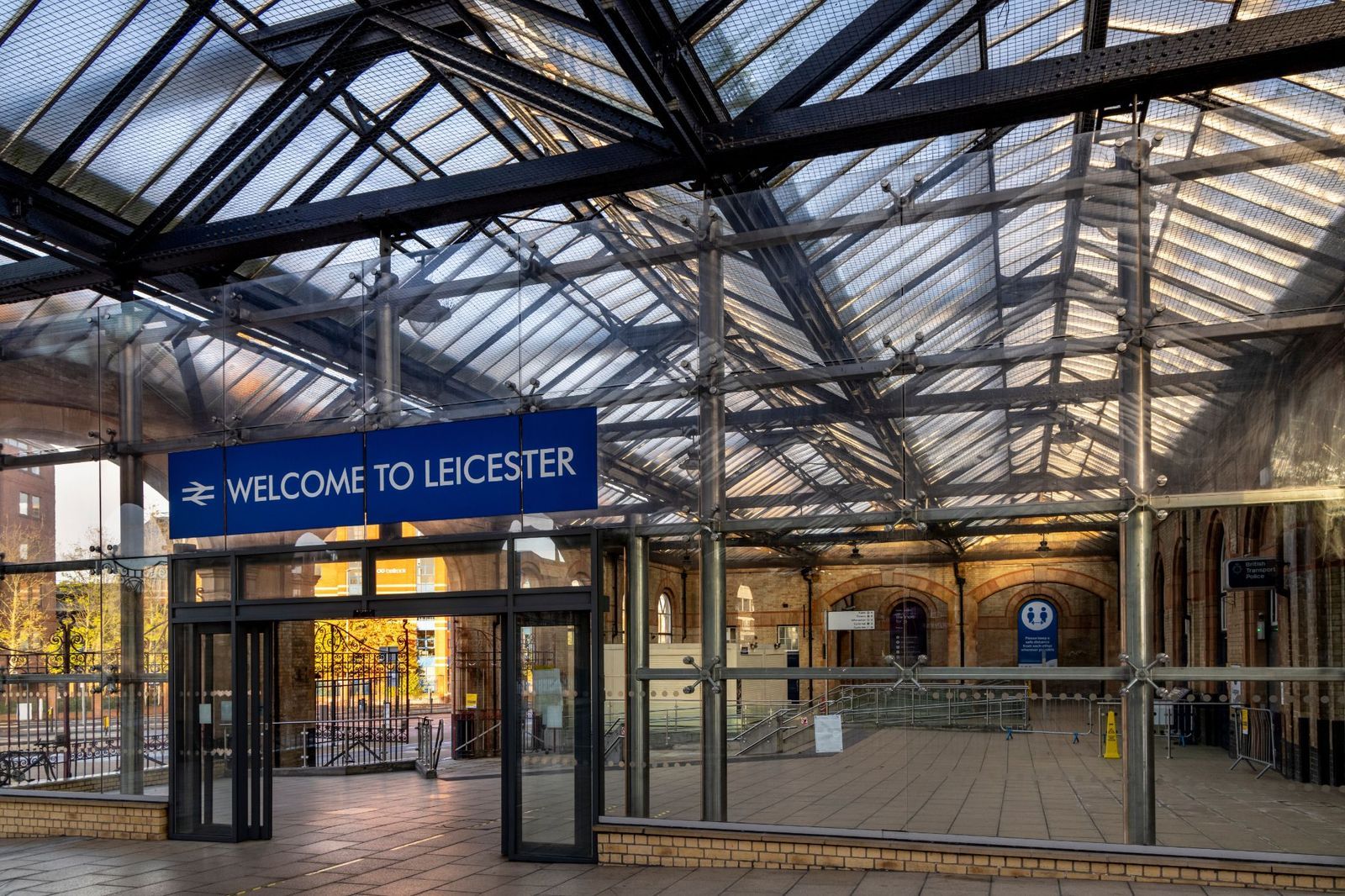
Leicester is one of England’s oldest cities, founded as a Roman settlement before growing into a medieval trading hub and later a major textile manufacturing center. Despite its lengthy spelling, the correct pronunciation is simply "LESS-ter".
Usual but wrong attempts are "Lie-sess-ter", "Lay-ches-ter", or "Lee-ces-ter". Similarly to Worcester, the name comes from the Old English Ligera-ceastre (meaning "Roman fort on the River Leire"). Over centuries of spoken compression, the middle syllables collapsed down into a quick two-syllable name while retaining its historic medieval spelling.
Seoul, South Korea

Seoul is the capital of South Korea, internationally famous for its futuristic high-tech infrastructure and K-pop culture. While the Korean original carries a very light two-beat dip ("suh-ul"), standard English speech simplifies it into a single syllable: "SOUL" (exactly like the word for spirit or music).
Non-locals frequently pronounce it as two syllables: "see-OOL" or "say-OOL". The word itself comes from the native Korean seool, meaning "capital city."