Delicious words!
Learn why nuts are crazy and the meaning of 11 other food terms
Published on March 31, 2026
 Image: Rumman Amin
Our language loves to borrow from the dinner table. Many everyday words that sound delicious once referred only to food but have since taken on entirely new meanings. Think of "salty" moods or "cheesy" jokes, how did these expressions come to describe emotions or humor? Take a look at 12 of these idioms and see for yourself!
Butterfingers
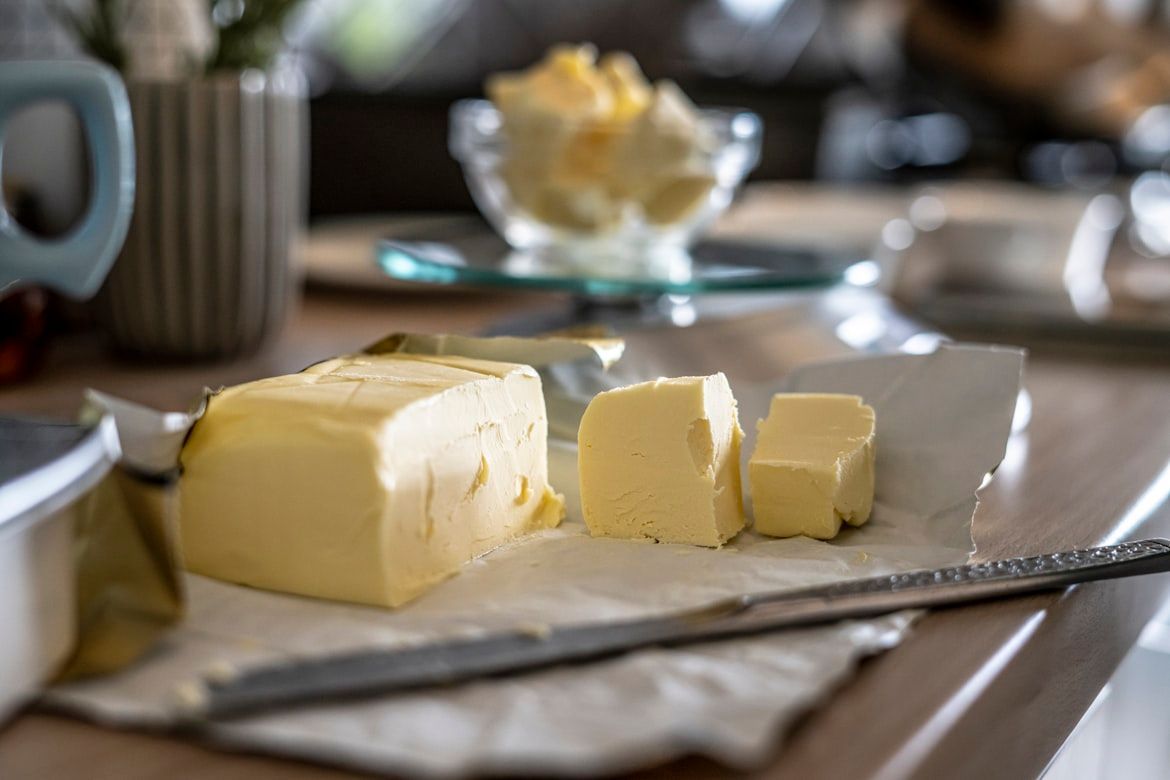 Image: Sorin Gheorghita
A term once used for describing the act of dropping buttered food, "butterfingers" now labels anyone who fumbles objects easily. Baseball announcers helped popularize the term in the early 1900s.
These days, it’s used far beyond sports. If someone drops their phone or fumbles the remote, they might be called butterfingers.
Meathead
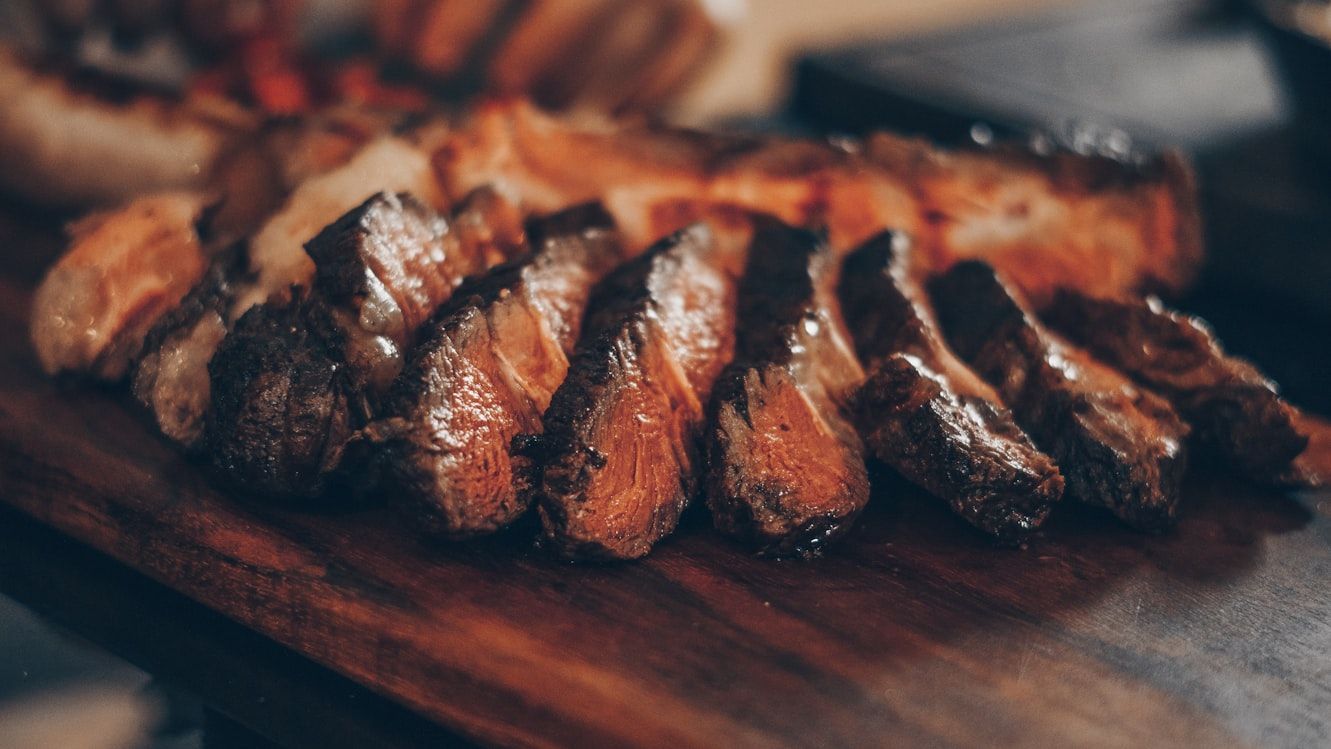 Image: Emerson Vieira
This insult began with the idea of someone whose brain was replaced by meat (indeed, not the most flattering image). It became slang for brawny but dim-witted men.
After the television show All in the Family popularized its use in the 1970s, "meathead" stuck as shorthand for someone strong in muscle but short on sense.
Nuts
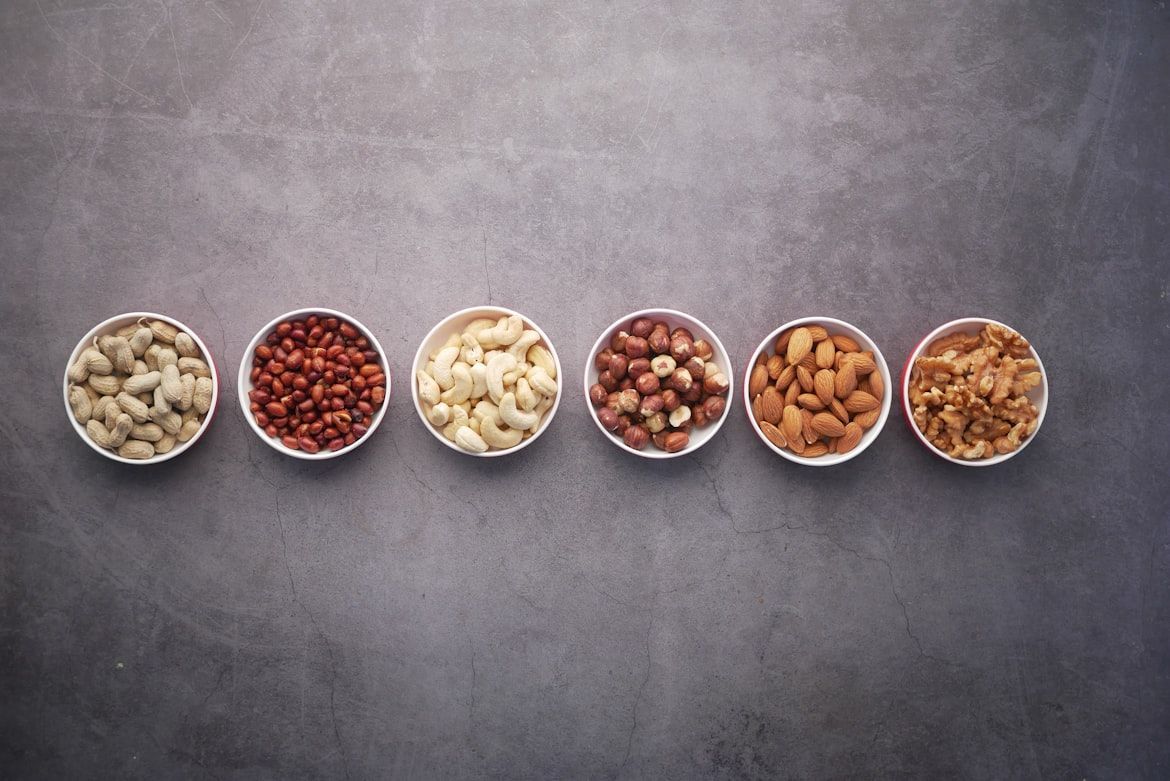 Image: Towfiqu barbhuiya
Before it meant "crazy," it was just a snack. "Nuts" became slang for "insane" in early 20th-century slang, perhaps because nuts were small, round, and a bit "off the wall."
Now the word is often used affectionately as well, as in "I’m nuts about you," meaning deeply fond.
Cheesy
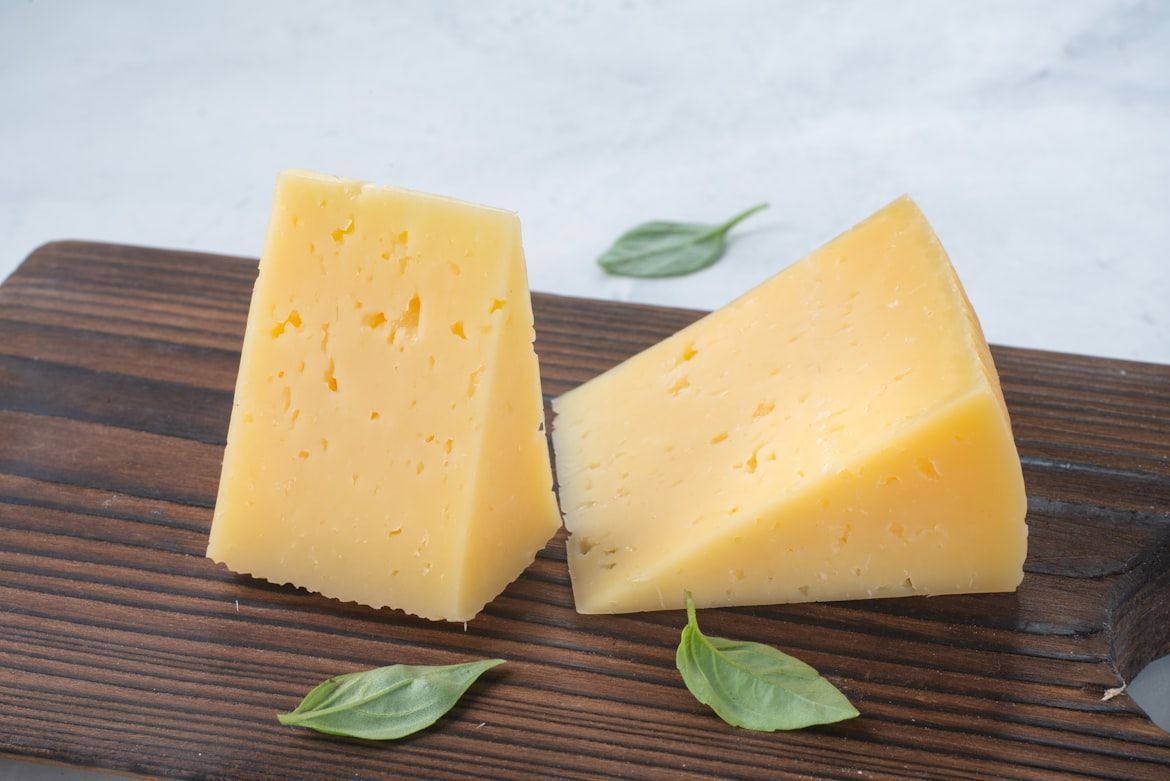 Image: David Foodphototasty
A term originally linked to cheap cheese or bad dairy smells, "cheesy" came to describe things lacking class or quality.
From clothing items to home décor, today, calling something "cheesy" means it’s corny, overdone, or trying too hard, with none of the charm of real cheese.
Salty
 Image: Edi Libedinsky
Long ago, sailors who were "worth their salt" were admired, but by the 20th century, "salty" had shifted in meaning. It came to describe coarse language and, later, sour moods.
Today, being "salty" just means you’re irritated or resentful, a figurative taste of bitterness, no longer tied to the shaker.
Pickle
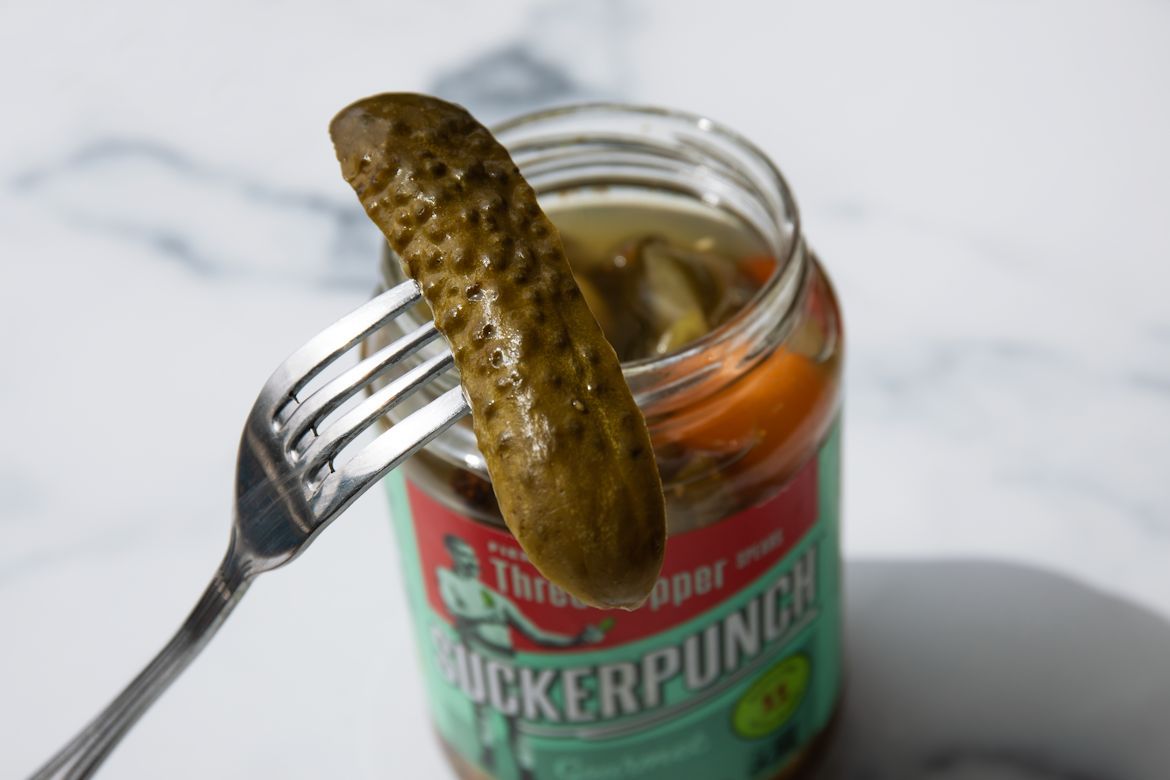 Image: SuckerPunch Gourmet
Before it meant trouble, a pickle was simply a brined cucumber. William Shakespeare gave the word new figurative life when he wrote "in such a pickle," using it to suggest "a tricky situation."
Nowadays, being "in a pickle" just means you’ve landed in a mess that’s hard to escape.
Cool Beans
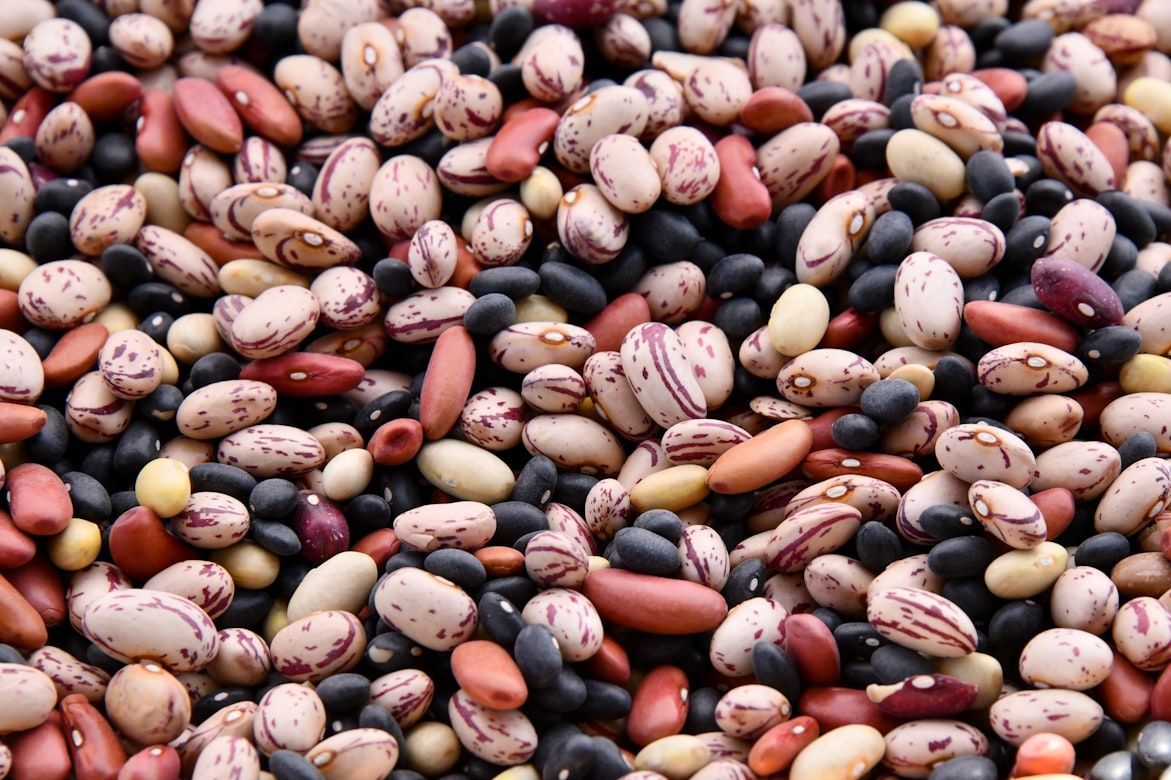 Image: Shelley Pauls
The use of this word as a phrase began as college slang in the 1960s, possibly inspired by "cool" jazz culture. Beans were everyday and friendly, making them perfect for playfulness.
Saying "Cool beans!" today still feels sunny and casual, a lighthearted way to express approval without sounding too serious.
Honey
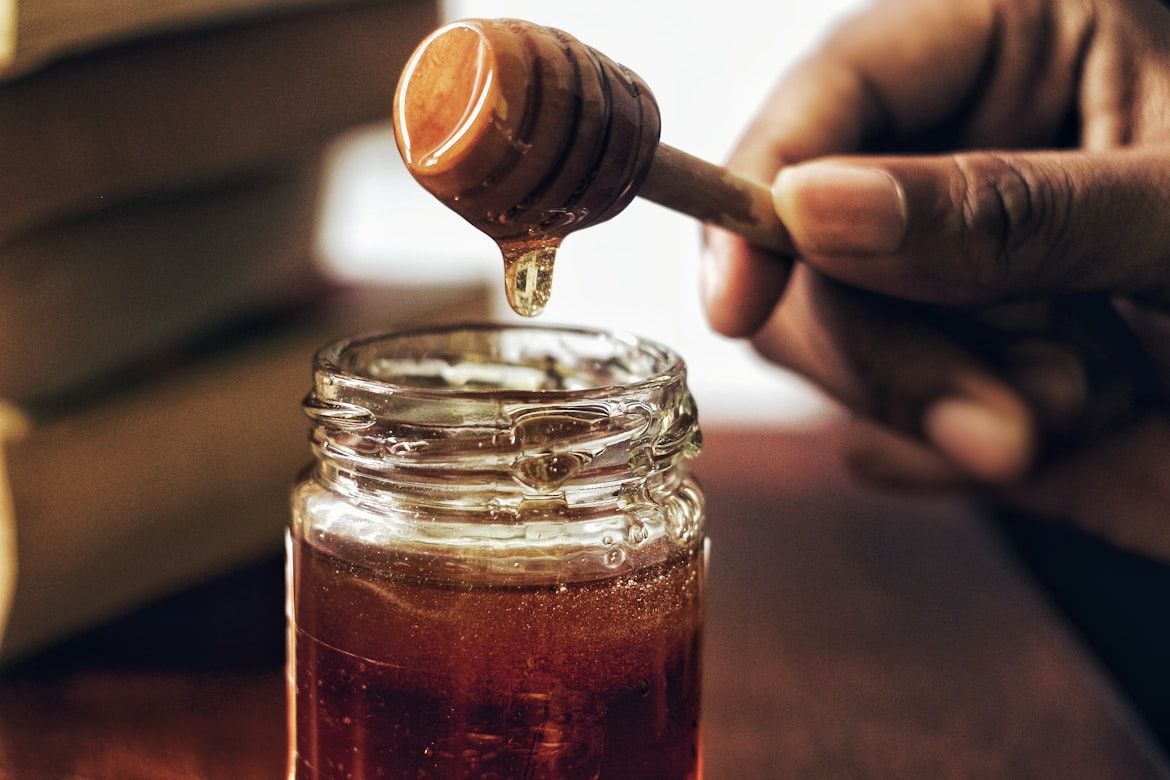 Image: Arwin Neil Baichoo
What was once purely a sticky treat, "honey" became a term of affection centuries ago, showing how sweetness appeals to both the tongue and the heart.
Today, it is one of English’s most common terms of endearment, heard in phrases ranging from "Honey, I’m home!" to "Hey, honey."
Cookie
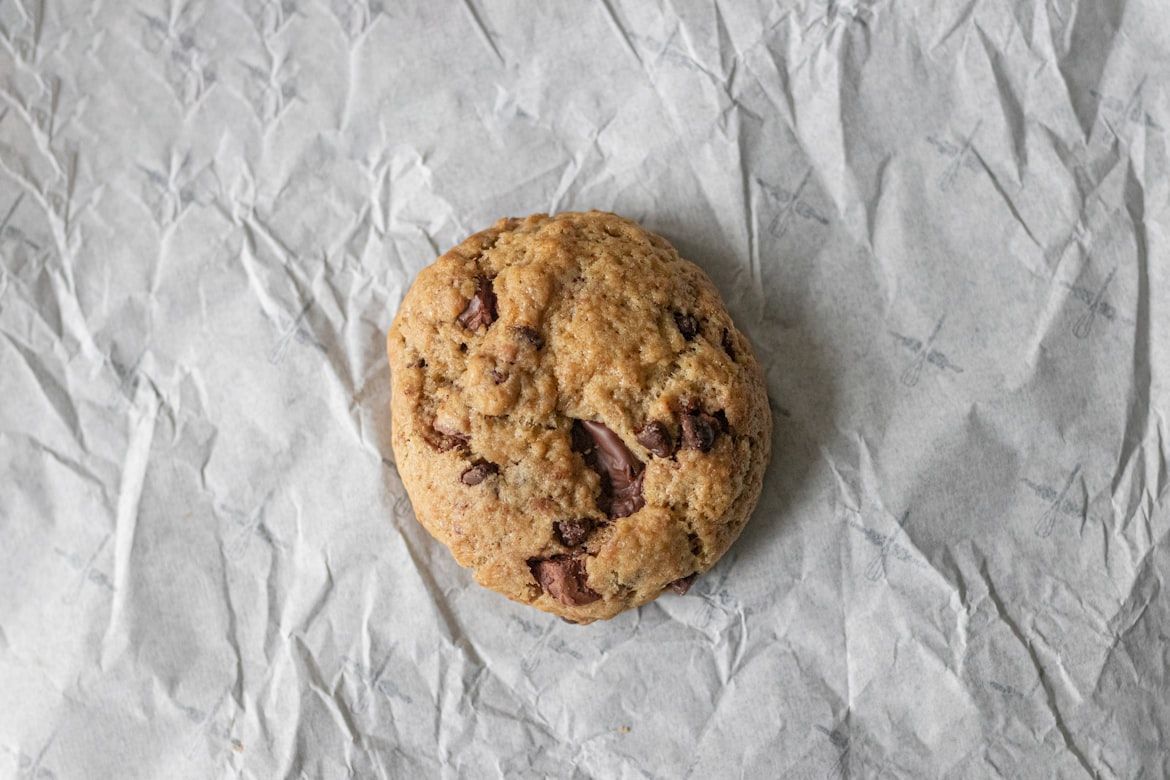 Image: A S
The term might be more commonly used to describe baked goods, but cookies also became metaphors for people with distinctive traits or character.
Expressions like "smart cookie" or "tough cookie" show how language uses food to describe personalities in a lighthearted and playful way.
Peachy
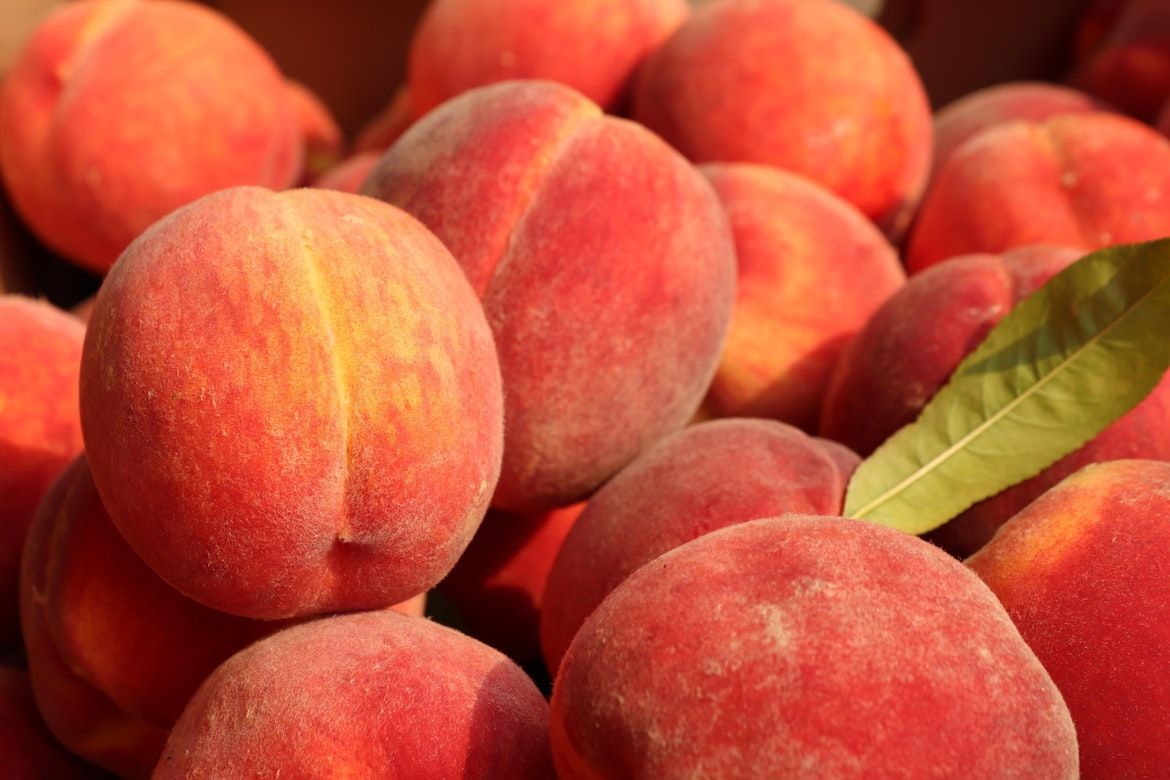 Image: NisonCo PR and SEO
Peaches have long symbolized beauty, youth, and desirability. By the early 1900s, "peachy" had come to mean everything was fine or delightful.
Saying "Everything’s peachy!" expresses a sort of vintage sense of joy and optimism that is sometimes used ironically.
Jam
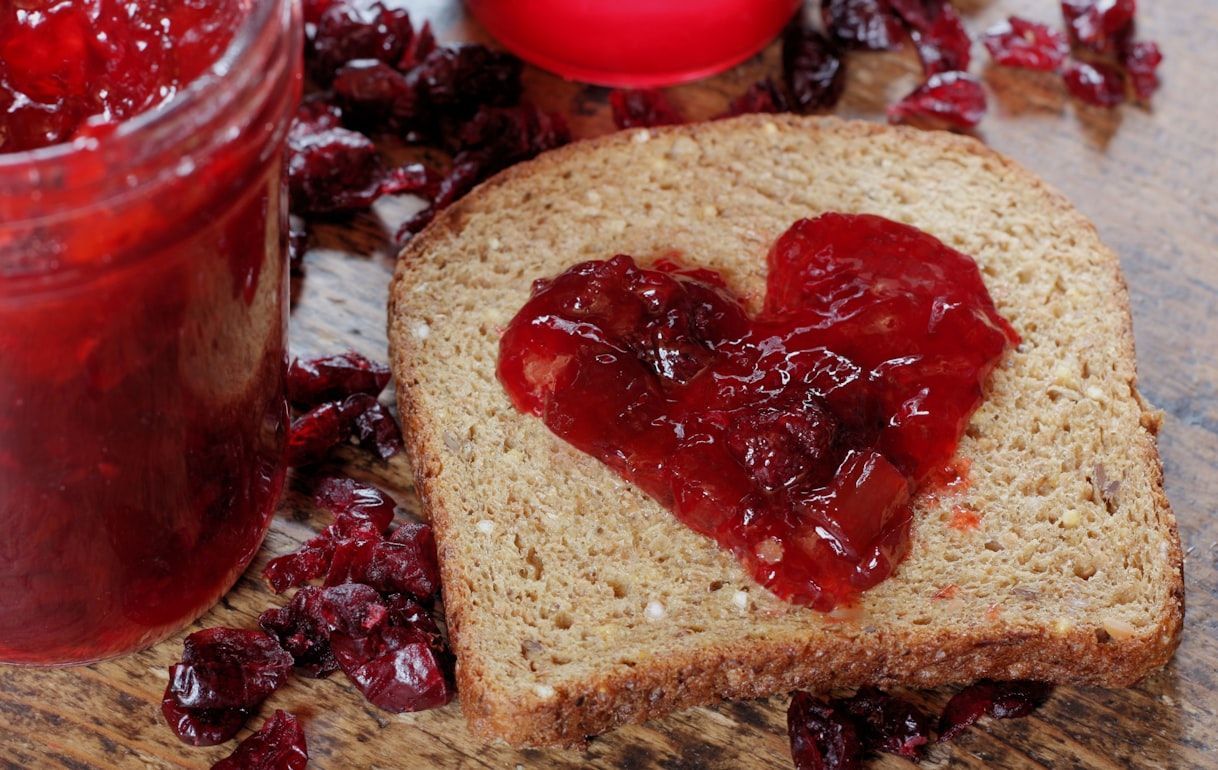 Image: Sharon Waldron
From fruit spread to music sessions, "jam" is a word that has branched out in surprisingly creative ways. Musicians "jam" together in improvised play, while people find themselves "in a jam" when facing trouble.
It’s a curious word that can sound both fun and frustrating, depending on whether you’re making music or missing a deadline.
Gravy
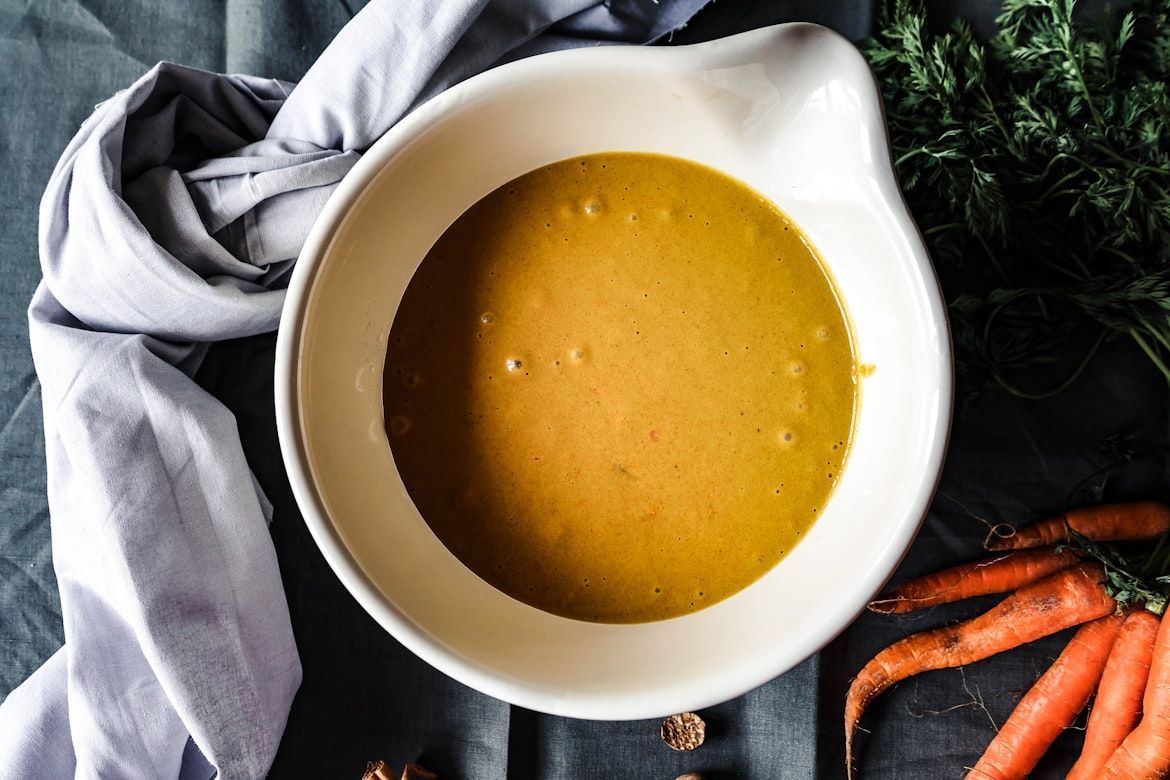 Image: victoria.
This word, referring to a comfort food, once meant simply sauce, but by the 20th century, "gravy" came to describe bonuses or easy wins.
Expressions like "gravy job," "gravy train," and "it’s all gravy" share the same idea: smooth, rich, and effortless, just like a delicious serving of gravy.