Time changes things

Little boys were once called "girls": The shocking past of 12 words


Published on August 3, 2026

Image: Pixabay

There was a time when thousands of people were "villains," and most young people were "girls." The English language is a living, breathing thing. That’s why describing something as "nice", "terrible", or "artificial" would have meant entirely different things at other points in history. Join us in uncovering the original meanings of these everyday words!

1

Girl

Image: Annie Spratt

Such a short and straightforward word! How could it ever have had a different meaning? Believe it or not, "girl" didn't always refer specifically to a young female.

Around the 13th century, in Middle English, "girl" or girle was a general term for a child or young person of either sex. It wasn't until the 15th century that "girl" became exclusively associated with any young woman.

2

Guy

Image: Francesco Paggiaro

Did you guess it? The word "guy" comes from the name Guy Fawkes, the infamous conspirator behind the 1605 attempt to blow up the English Parliament.

Effigies of Fawkes, known as "guys," were burned during the annual Guy Fawkes Day celebrations. Eventually, "guy" came to refer to any oddly dressed or grotesque figure, and later, to any man in general.

3

Villain

Image: Didier VEILLON

Every good story needs a "villain," but this word has humble origins. It comes from the Late Latin word villanus, which meant "farmhand" or "peasant."

As social hierarchies shifted and Medieval city-dwellers sought to distinguish themselves from those living in rural areas, "villain" came to be associated with someone of low social standing, and eventually, with someone who was wicked or evil. Talk about looking down on your neighbors.

4

Nice

Image: Ahmed Zayan

"Nice" comes from the 12th century, when the Old French word nice meant "silly" or "foolish." It can be traced further back to the Latin word nescius, meaning "ignorant."

Basically, calling someone "nice" was like saying they were a bit of a dunce. It was only by the 18th century that "nice" had evolved to mean "coy", or "refined", before finally settling on the "agreeable" or "thoughtful" meaning we know today.

5

Silly

Image: Oleksandr P

The Old Norse word for "happiness" was sæl. Do you see where this is going? Seel was the Old English adaptation of it, which derived into "seely" and eventually "silly." For a long time, before the late 13th century, it meant "blessed" or "joyous."

Over time, it evolved to mean "pious" or "innocent," and then "weak" or "helpless." By the 1570s, its definition had settled on its current meaning of "foolish" or "whimsical."

6

Clue

Image: Олександр К

"Clue" comes from the Greek word kleos, meaning "fame" or "glory." It then entered Old English as "cliewen," which referred to a ball of yarn. Do you see the connection?

Think of the Greek myth of Theseus, who used a ball of yarn to navigate the Labyrinth and slay the Minotaur. When this myth was popularized in England by Chaucer (in the late 1300s), the image of the yarn guiding Theseus out of the maze led to "clue" becoming the term for a hint or a tool that helps solve a problem. The spelling shifted to "clue" in Early Modern English, around the 1500s-1600s.

7

Naughty

Image: Darío Méndez

"Naughty" might bring to mind a mischievous child or a playful prank. But we all know that "naught" means "nothing." Essentially, in Old English, around the 1300s or 1400s, if you were "naughty," you were considered "worthless" or "good for nothing!"

Over time, the meaning softened, shifting to "wicked" or simply "disobedient" or "mischievous."

8

Terrible

Image: Giorgia Sormani

Today, we may catch ourselves using "terrible" and "lousy" interchangeably. But there was a time when "terrible" meant "awe-inspiring." That’s more closely related to the other meaning of "terrible," which is horrible or frightful.

It comes from the classical Latin word terribilis, used pre-500 AD, more closely related to reverence than to dread.

9

Nervous

Image: Simone Pellegrini

In Latin, nervosus meant "sinewy" or "vigorous". Initially, it described someone outstandingly strong—but that’s not what we mean today when we say we feel "nervous".

The term as we know it today emerged in the 1700s, describing a state of excitability or anxiety, perhaps because people associated those feelings with a tensing of the muscles and sinews.

10

Artificial

Image: Birmingham Museums Trust

Today, the term "artificial" might conjure the image of plastic flowers or even a computer generating Artificial Intelligence. But the word once meant "full of artistic or technical skill".

That is, it was used for creations we would now refer to as art, or even technology: Things crafted by human ingenuity, most often with positive connotations. Its current negative or synthetic connotation developed in more modern times, through the 1700s-1800s.

11

Meat

Image: Nathan Dumlao

There was a time when "meat" referred to any kind of solid food. It came from the Old English word mete, which, before the 1100s, could refer to any edible, from a juicy steak to a bowl of porridge.

It wasn't until later that "meat" narrowed its focus to the flesh of animals.

12

Myriad

Image: Paul Bergmeir

Another Greek origin. Even in Ancient Greece, if you had a myrios of problems, you still had a lot of them. Its meaning was exactly "ten thousand", although it was also used as an expression to mean "indefinitely large."

It later entered the English language in the 1550s, meaning specifically "the number of 10,000."

What nicknames are for

Very long real names that you could probably never learn


Published on August 3, 2026


Image: Martina Jorden

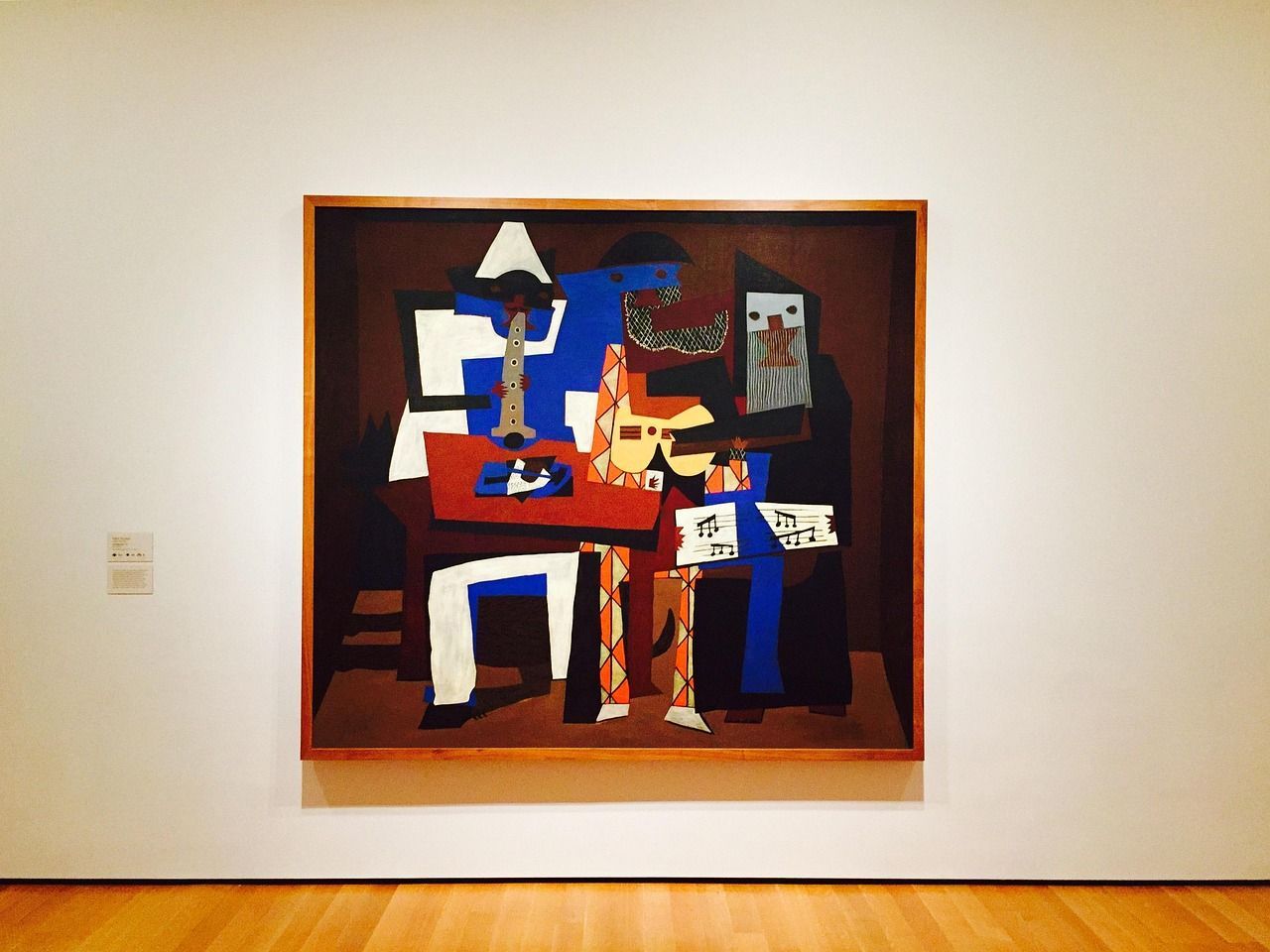
It’s a good thing Picasso signed his works with just his surname. His real name is so long that very few people have taken the trouble of learning it. And let’s not even get started on the full name of Bangkok –nor that of L.A.! You’d be surprised how many famous people, places, and mascots hide hilariously long titles. Get ready for a list of names that –thank goodness– got trimmed down!

1

Pablo Diego José Francisco de Paula…

Image: Lenny21

It goes on. The name is Pablo Diego José Francisco de Paula Juan Nepomuceno María de los Remedios Cipriano de la Santísima Trinidad Ruiz y Picasso. We know him as Pablo Picasso, the Spanish genius painter. He was named after a string of saints and relatives, a tradition in Spanish Catholic families.

2

El Pueblo de Nuestra Señora la Reina de los Ángeles de Porciúncula

Image: Roberto Nickson

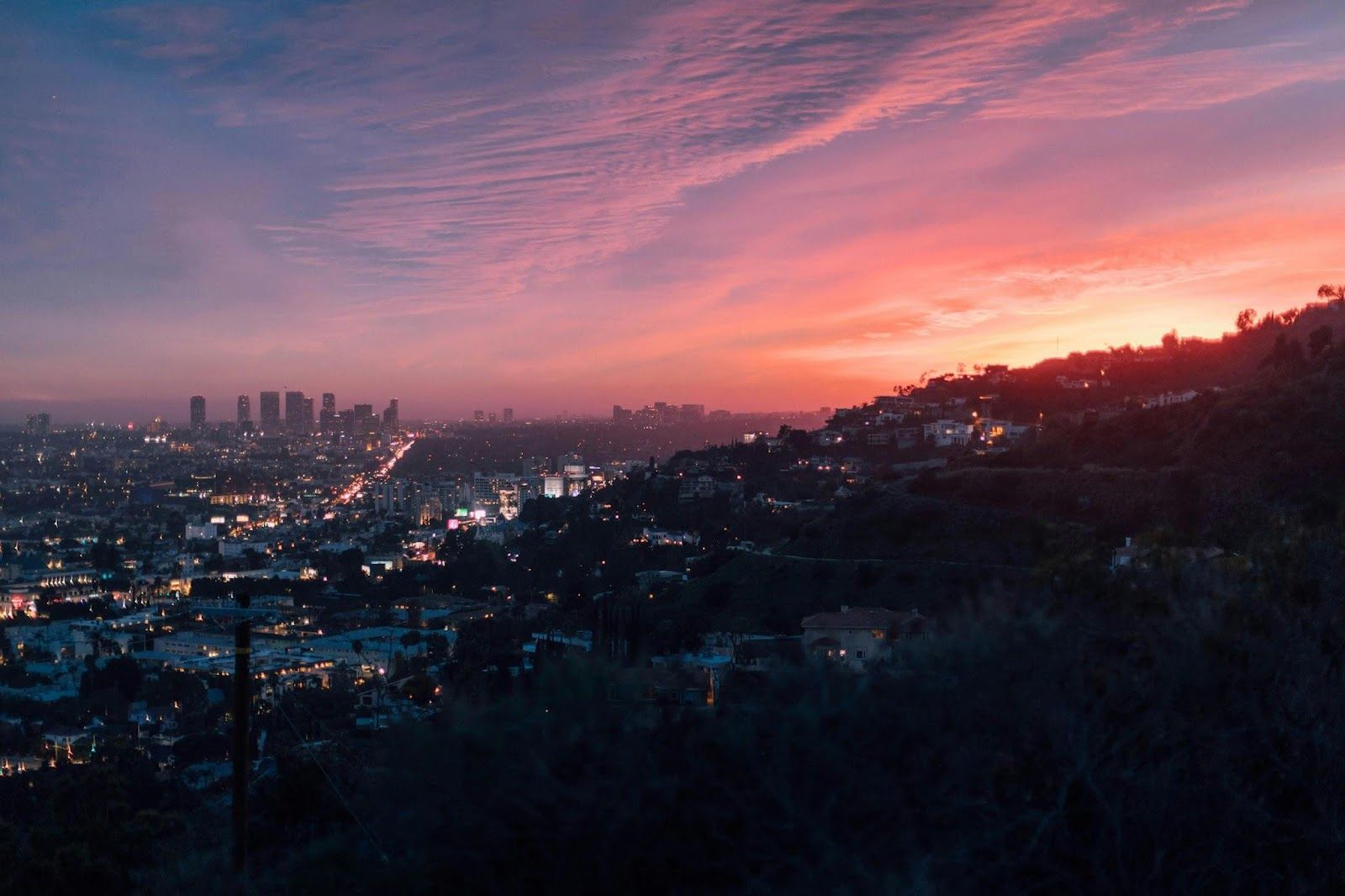
Today, we just call it L.A. But back in 1781, when the Spanish founded this California settlement, they went with the full poetic flair: "The Town of Our Lady the Queen of Angels of Porciúncula." That mouthful of a title honored a tiny church in Italy connected to St. Francis of Assisi.

3

Bartholomew Richard Fitzgerald-Smythe

Image: Pixabay

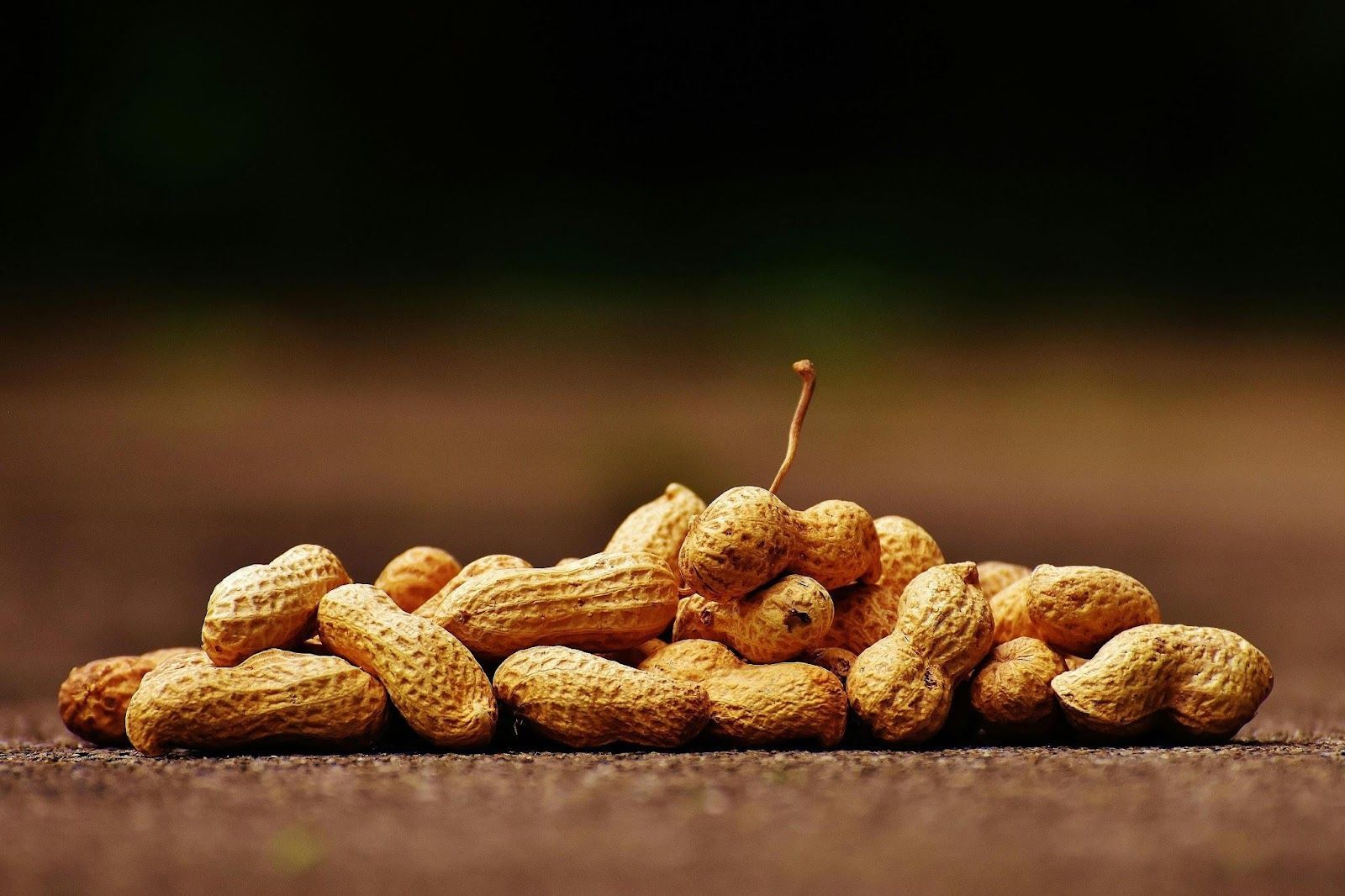
He’s better known as Mr. Peanut, the mascot of Planters. The top hat, cane, monocle… You know him. Even though the brand has existed since 1906, it was rather recently, via Twitter, that they revealed his fitting, over-the-top name: "Bartholomew Richard Fitzgerald-Smythe".

4

Salvador Domingo Felipe Jacinto Dalí i Domènech, 1st Marquess of Dalí de Púbol

Image: WikiImages

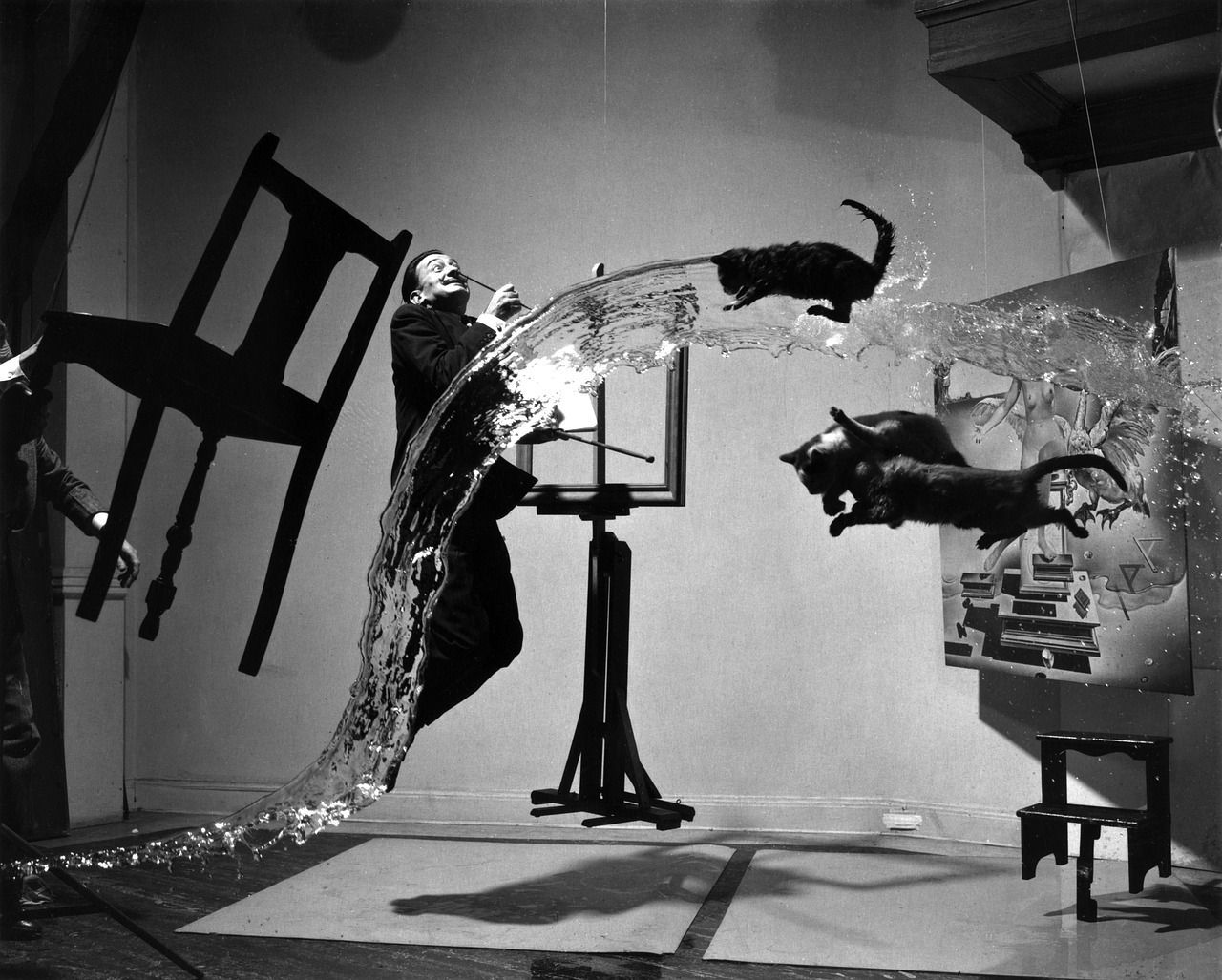
We call him Salvador Dalí, the surrealist artist who painted melted clocks and sky-high elephants. His full name, like his art, was brimming with Spanish heritage. Much like Picasso, he had to pick a nickname to sign his works without taking up half of the canvas.

5

Lisa Gherardini del Giocondo

Image: Alina Grubnyak

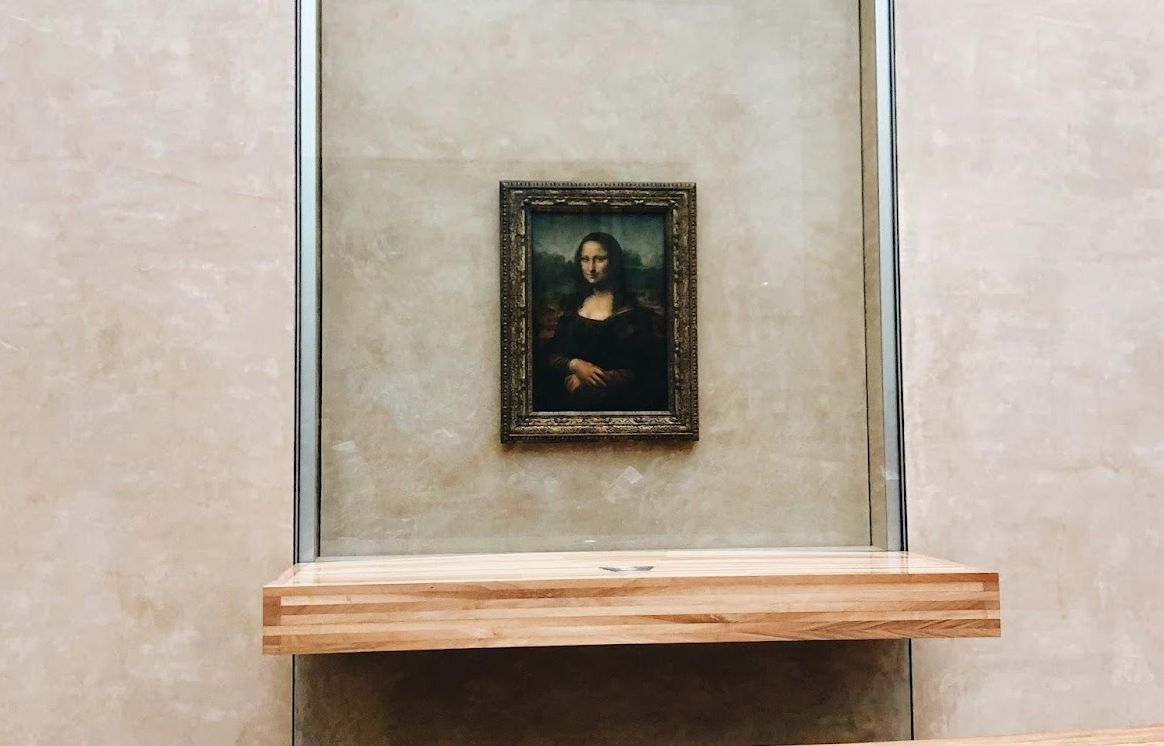
You know her as Mona Lisa, but the woman in Leonardo da Vinci’s portrait was likely Lisa Gherardini, the wife of Florentine merchant Francesco del Giocondo. The nickname "Mona" is a contraction of "Madonna," meaning "my lady," and "Gioconda" tied her to her husband.

6

Barbara Millicent Roberts

Image: Julee Juu

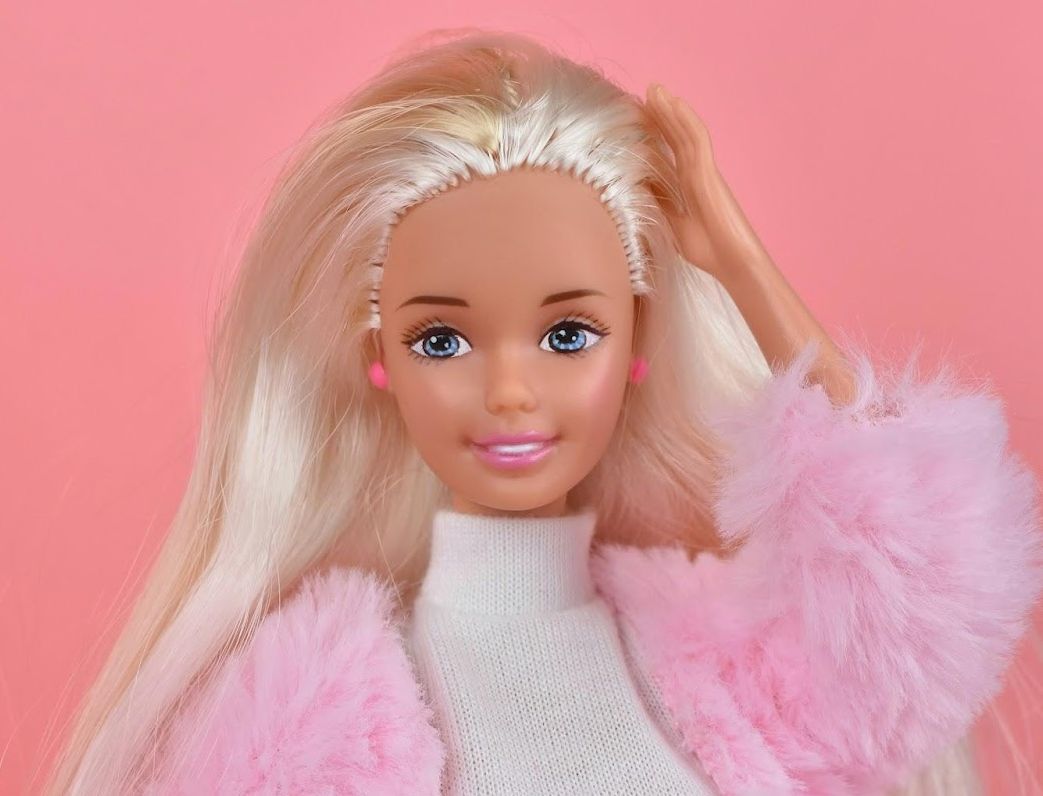
To her millions of fans, she’s just Barbie. But the famous doll introduced by Mattel in 1959 actually has a full name: Barbara Millicent Roberts. Ruth Handler, her creator, gave her the first name after her daughter, and added a second name and surname along with a fictional backstory for the popular, multipotential woman.

7

Ingvar Kamprad Elmtaryd Agunnaryd

Image: Zheka Kapusta

Trust us, you would never call it the full Swedish name. The founders knew that, so they went for the acronym "IKEA." The furniture giant’s name comprises Ingvar Kamprad’s (the founder), Elmtaryd (the name of the family farm), and Agunnaryd (his hometown).

8

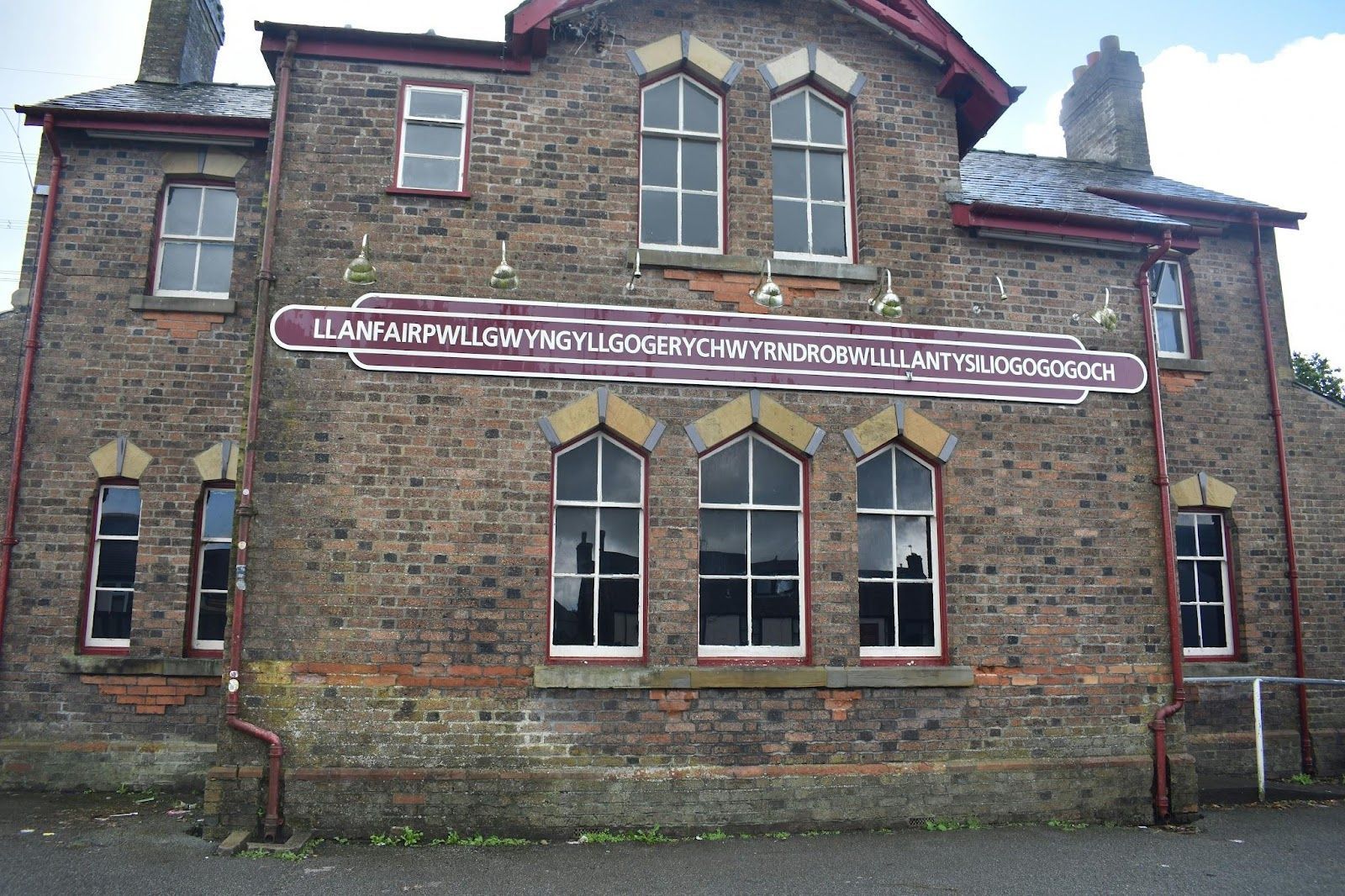
Krung Thep Mahanakhon Amon… etc

Image: Alex P

The real name is so long that you would probably scroll past it. But here it is: Krung Thep Mahanakhon Amon Rattanakosin Mahinthara Ayuthaya Mahadilok Phop Noppharat Ratchathani Burirom Udomratchaniwet Mahasathan Amon Piman Awatan Sathit Sakkathattiya Witsanukam Prasit.

Did you read it? That’s the full name of Bangkok, Thailand’s capital. It roughly means "City of angels, great city of immortals, magnificent city of the nine gems, seat of the king, city of royal palaces, home of gods incarnate, erected by Vishvakarman at Indra's behest".

9

The President and Fellows of Harvard College

Image: Manu Ros

Legally, the university goes by "The President and Fellows of Harvard College." This colonial-era phrasing reflected the school's governance structure and its roots in British academic tradition. Over time, though, branding won. "Harvard" was shorter and much easier to print on sweatshirts.

10

Cherilyn Sarkisian LaPierre

Image: Аида Тикиева

You know her simply as Cher, but she was born Cherilyn Sarkisian. She then added her stepfather’s last name, LaPierre. As her star rose in the ’60s, first with Sonny and then solo, she dropped the frills and decided to go for the dazzling, memorable "Cher."

11

Horatio Magellan Crunch

Image: Matt Artz

He’s the cartoon sea captain who made breakfast sugary and loud. But "Cap’n Crunch" actually has a full naval name: Horatio Magellan Crunch. It’s a mix of explorer references to give the goofy character some funny gravitas.

12

The United Kingdom of Great Britain and Northern Ireland

Image: Chris Boland

It’s officially quite a mouthful, but most people simply say "Great Britain," or even just "the UK." The full name dates to 1927, after the Irish Free State split from the union. The name had to include all constituent nations.

Looking for an extra scoop of literary fun?

Learn more with our Word of the day

estrange

/əsˈtreɪndʒ/