Expensive origins
Living as kings: 10 everyday things that were once worth more than gold
Published on March 25, 2026
 Image: Annie Spratt
Many of the things we take for granted today were once the stuff of dreams for kings, aristocrats, and the wealthy few. From basic household staples to everyday technology, these now-common goods were once markers of status and privilege. Here’s a look at 10 items that were once nearly unattainable luxuries.
Sugar
 Image: Daniel Kraus
Once called "white gold," sugar was a luxury in Europe during the Middle Ages, imported at high cost from the East. Only the wealthy could afford it, and it was often displayed as a status symbol.
By the 18th century, however, colonial plantations had increased supply, driving down global prices. Today, it’s one of the cheapest commodities in the world.
Black pepper
 Image: Anas Alhajj
Highly coveted, black pepper was once used as currency in medieval Europe. Imported from India, it was so valuable that entire expeditions were launched just to secure trade routes.
Only the wealthiest households could afford to season their food with pepper regularly. Now, thanks to mass cultivation, it’s the most common spice in kitchens worldwide.
Glass windows
 Image: Vidar Nordli-Mathisen
Who would have thought transparent windows were once a luxury? In the Middle Ages, glass windows were reserved for cathedrals and palaces, while most homes relied on wooden shutters or oiled cloth.
It wasn’t until the 19th century that mass production made window glass affordable for ordinary households.
Coffee
 Image: Mike Kenneally
Coffee didn’t reach Europe until the 17th century, where it was considered an exotic and costly import. Coffeehouses soon became elite meeting places for merchants and intellectuals.
By the 19th century, improved trade routes and colonial plantations made coffee affordable for the masses.
Ice
 Image: Scott Rodgerson
A humble ice cube wasn’t always a common sight. Before refrigeration, ice was harvested from frozen lakes and shipped long distances, making it expensive and seasonal.
Some insulation techniques allowed it to be preserved year-round, but it remained a privilege mostly reserved for the wealthy. Ice production plants in the late 19th century democratized cold storage, and by the mid‑20th century, home freezers had made ice an everyday convenience.
Salt
 Image: Emmy Smith
Though abundant now, salt was once vital—not just for flavor, but for preserving food and countless other uses—and notoriously difficult to produce in inland regions. Heavily taxed and fiercely coveted, it even sparked wars.
The Roman practice of paying soldiers partly in salt is often said to have given us the word "salary," literally meaning payment in salt. Only with modern mining and global shipping did salt lose its status as a precious commodity.
Books
 Image: Vrînceanu Iulia
Before the printing press, books were handwritten manuscripts that could take months or even years to produce. Only monasteries, royalty, and the very wealthy could afford to own them.
Fortunately, Gutenberg’s press in the 15th century revolutionized access by lowering prices and helping to spread literacy to the broader public.
Mirrors
 Image: Noah Clark
The earliest mirrors were made from polished obsidian or metal, making them very difficult to produce. Even after more refined techniques using glass backed with a thin layer of silver were developed, mirrors remained luxury goods.
It wasn’t until the 19th century that industrial glassmaking and silvering techniques made mirrors affordable for middle-class homes.
Soap
 Image: Nadia Clabassi
In medieval Europe, soap was costly—largely because it was made using olive oil, itself an expensive commodity. Those who couldn’t afford soap relied on water or abrasive cleaning materials.
Heavy taxation kept soap prices high until the 19th century, when a combination of lifted taxes and industrial manufacturing made soap affordable for the masses.
Photographs
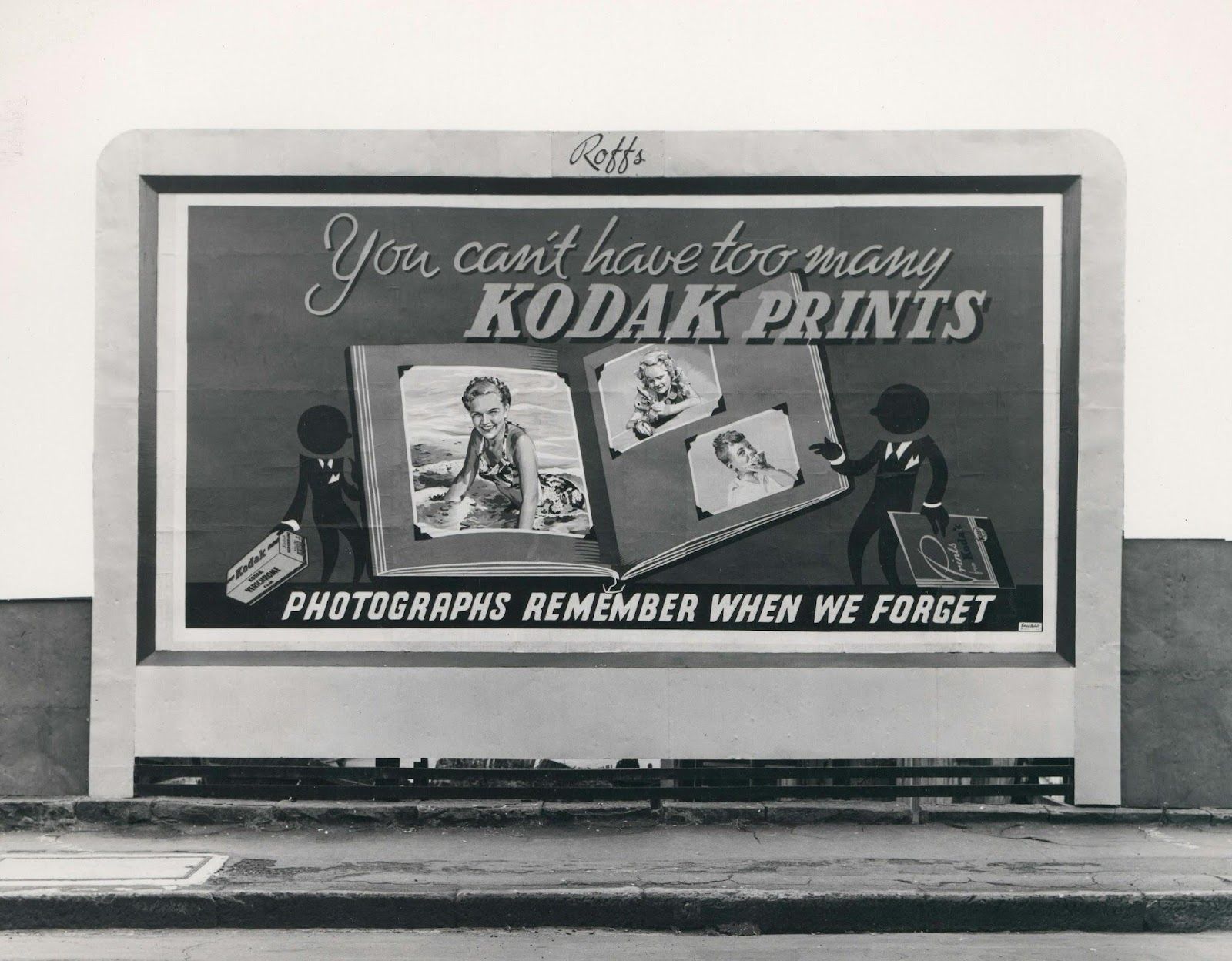 Image: Museums Victoria
Soon after its invention, photography remained an expensive and formal process that required a professional studio. Only the wealthy could afford photographic portraits.
It wasn’t until the 20th century, with mass-market cameras like Kodak’s Brownie and simpler film development techniques, that photography became accessible to everyone.