Lost in translation: 12 historic city names that vanished from maps


Published on July 3, 2026
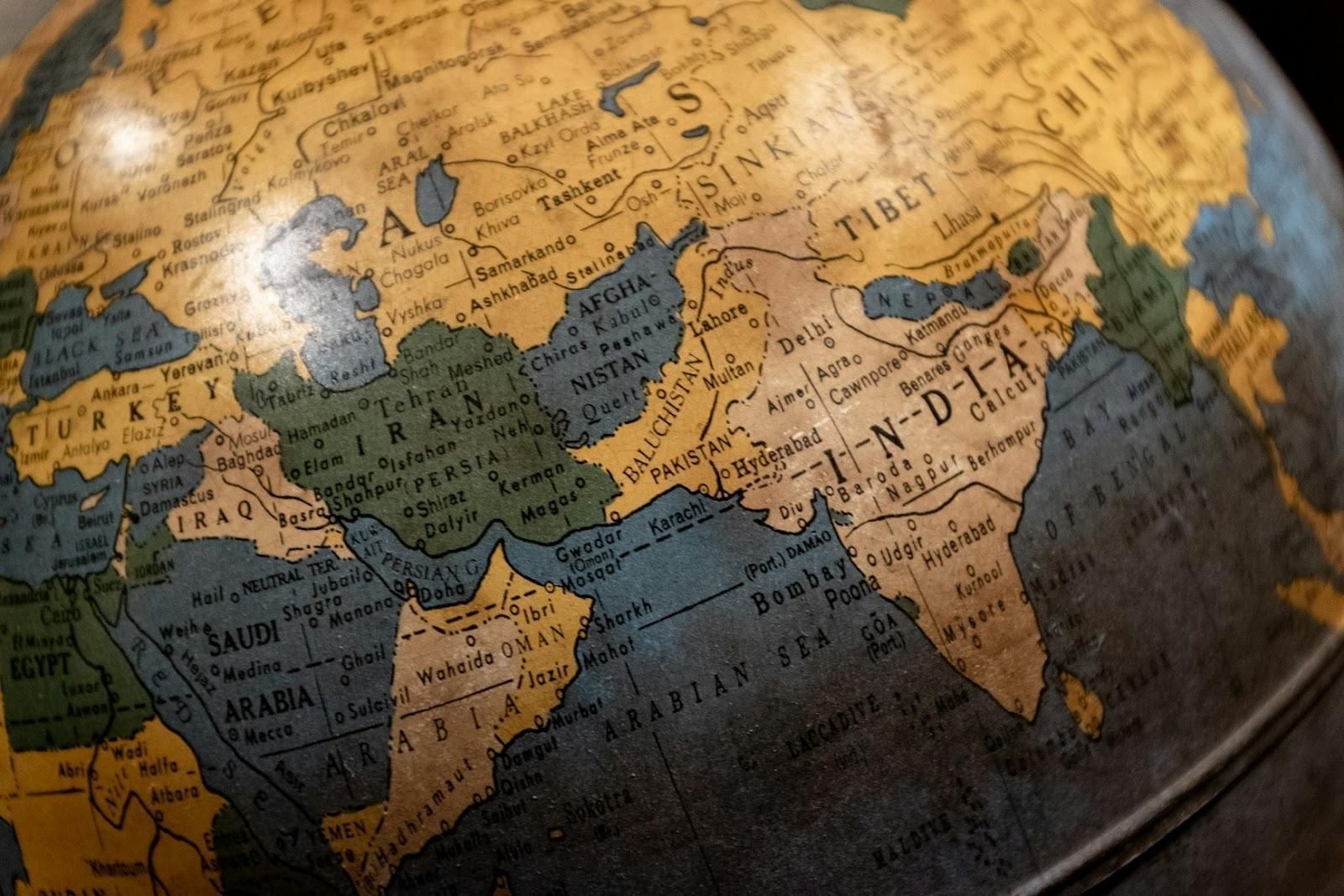

Image: Joshua Olsen

Many well-known cities have not always been called by their modern names. Medieval maps and documents often reflect older forms shaped by language, imperialism, and administrative change. This article presents 12 cities whose historical names differ from the ones used today, reflecting how urban identity can evolve over time.

1

Canton → Guangzhou

Image: Jack Su

European merchants from the 1500s onward commonly referred to this major southern Chinese port as Canton, a name that developed from the Portuguese pronunciation of Guangdong, the surrounding province. In contrast, medieval Chinese records and administrative documents consistently used Guangzhou to identify the city itself.

As foreign trade increased in later centuries, Canton remained the dominant term in Western maps and reports. During the 20th century, the Chinese government standardized Guangzhou as the official form, and international publications gradually adopted the modern name in line with updated geographic and linguistic guidelines.

2

Reval → Tallinn

Image: Hongbin

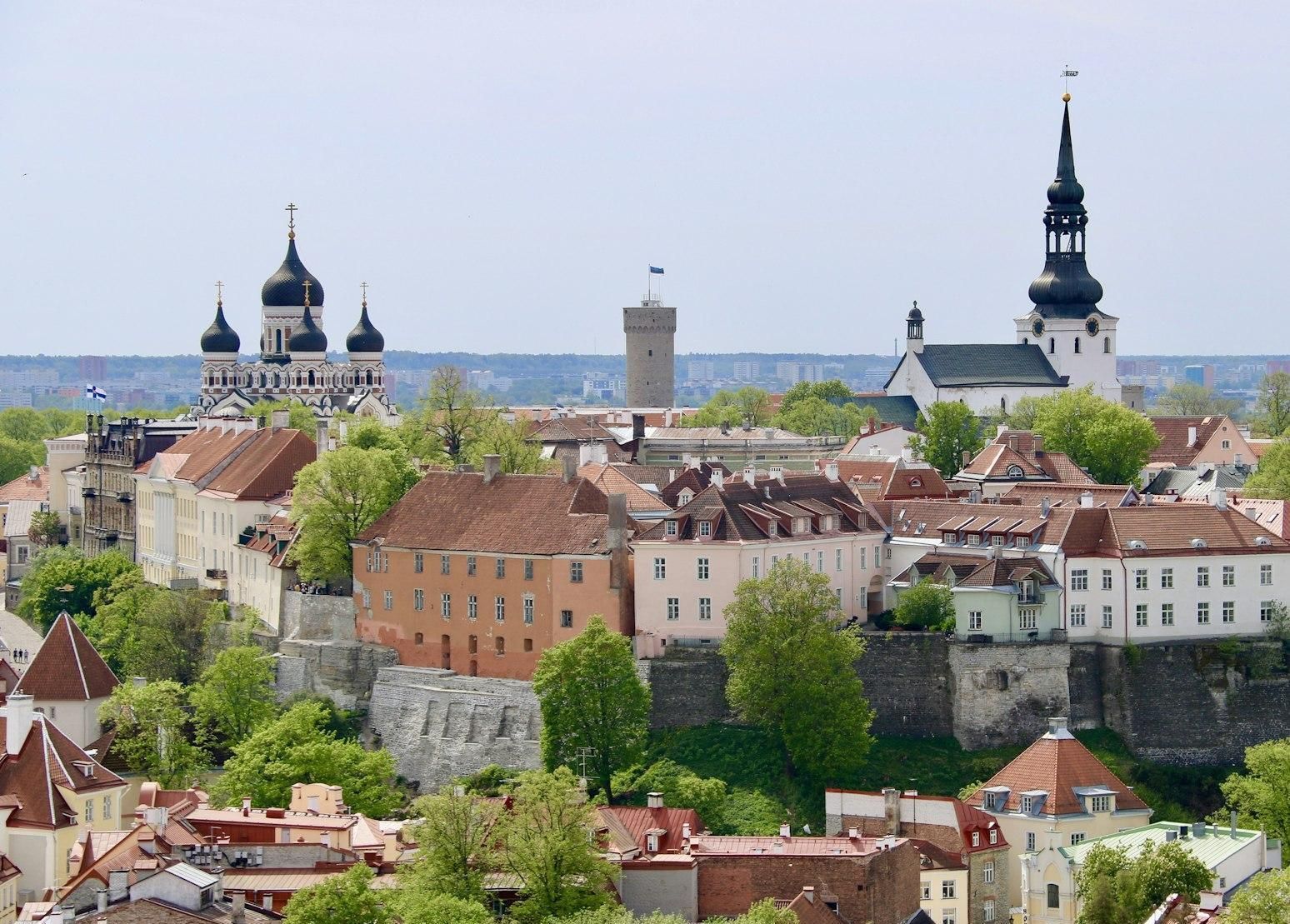
On medieval maps, this Baltic port appears as Reval, a name associated with the surrounding region of Revala and used widely in German and Swedish documents. The local Estonian name Tallinn, often interpreted as meaning "Danish town," existed alongside Reval for many centuries but did not appear frequently in international references. After Estonia gained independence in 1918, the new government adopted Tallinn as the official name for state administration, mapping, and foreign correspondence, gradually phasing out the historical form Reval from everyday use.

3

Bombay → Mumbai

Image: Renzo D'souza

In the 17th century, European traders adopted the name Bombay, derived from the earlier Portuguese form Bombaim, which was coined after Portugal arrived in the region. Medieval local settlements, however, used names connected to the goddess Mumbā Devī, and these forms gradually developed into Mumbai in regional languages.

The name Bombay remained common in English during the colonial period and well into the 20th century. In 1995, the Indian government formally adopted Mumbai as part of a broader effort to restore historical and regional place names and align official usage with long-established local terminology.

4

Pressburg → Bratislava

Image: Martin Katler

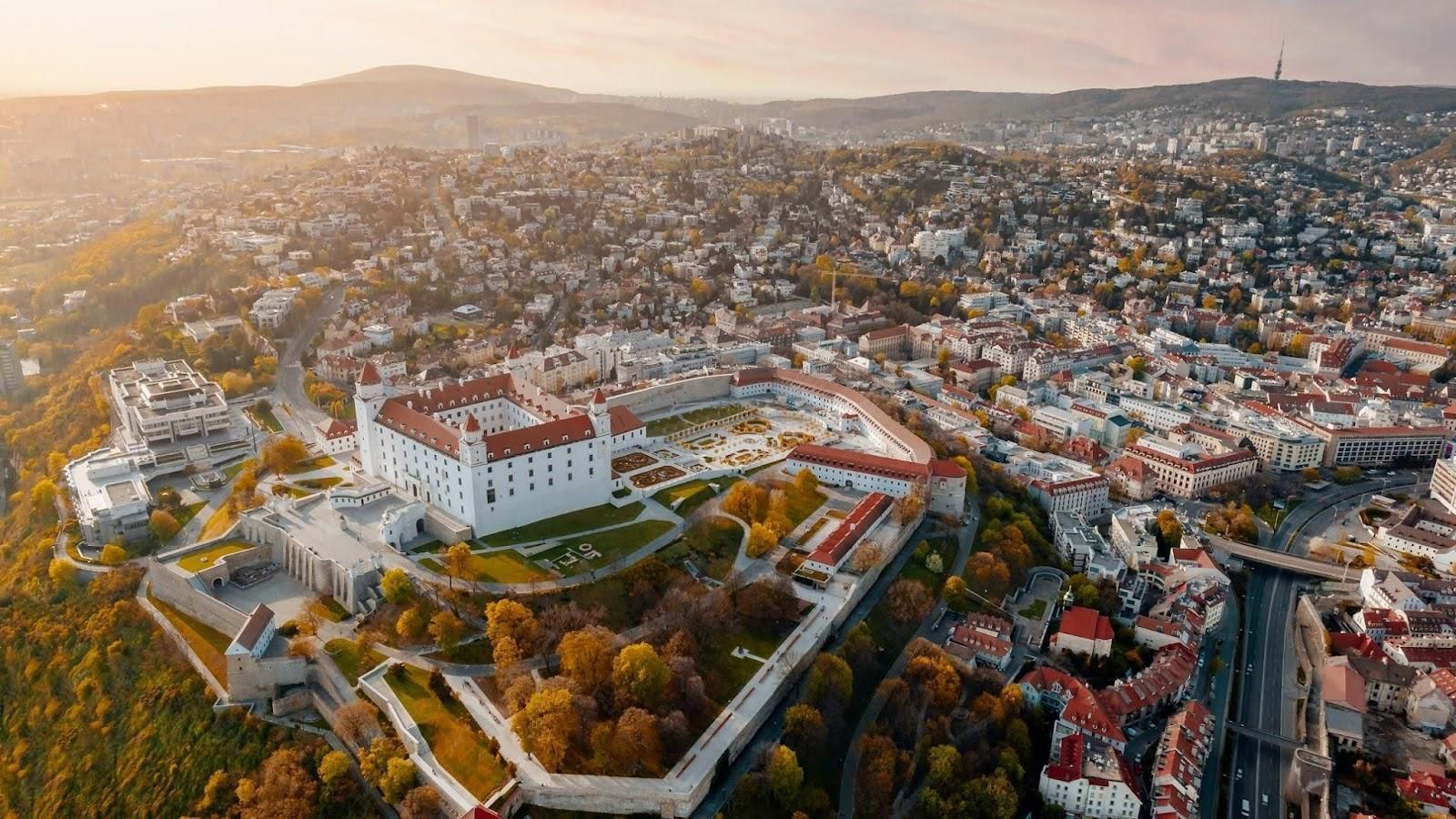
We now know it as Bratislava, but in medieval German and Central European sources, the capital of Slovakia appeared as Pressburg, a name widely used in administrative records and regional maps. Hungarian documents used Pozsony, while Slovak-speaking communities used earlier forms that later developed into Bratislava.

After the creation of Czechoslovakia in 1918, the new government selected Bratislava as the official name. This decision aligned the city’s identity with the Slovak language and standardized its use in state administration, cartography, and international communication.

5

Leghorn → Livorno

Image: Bjorn Agerbeek

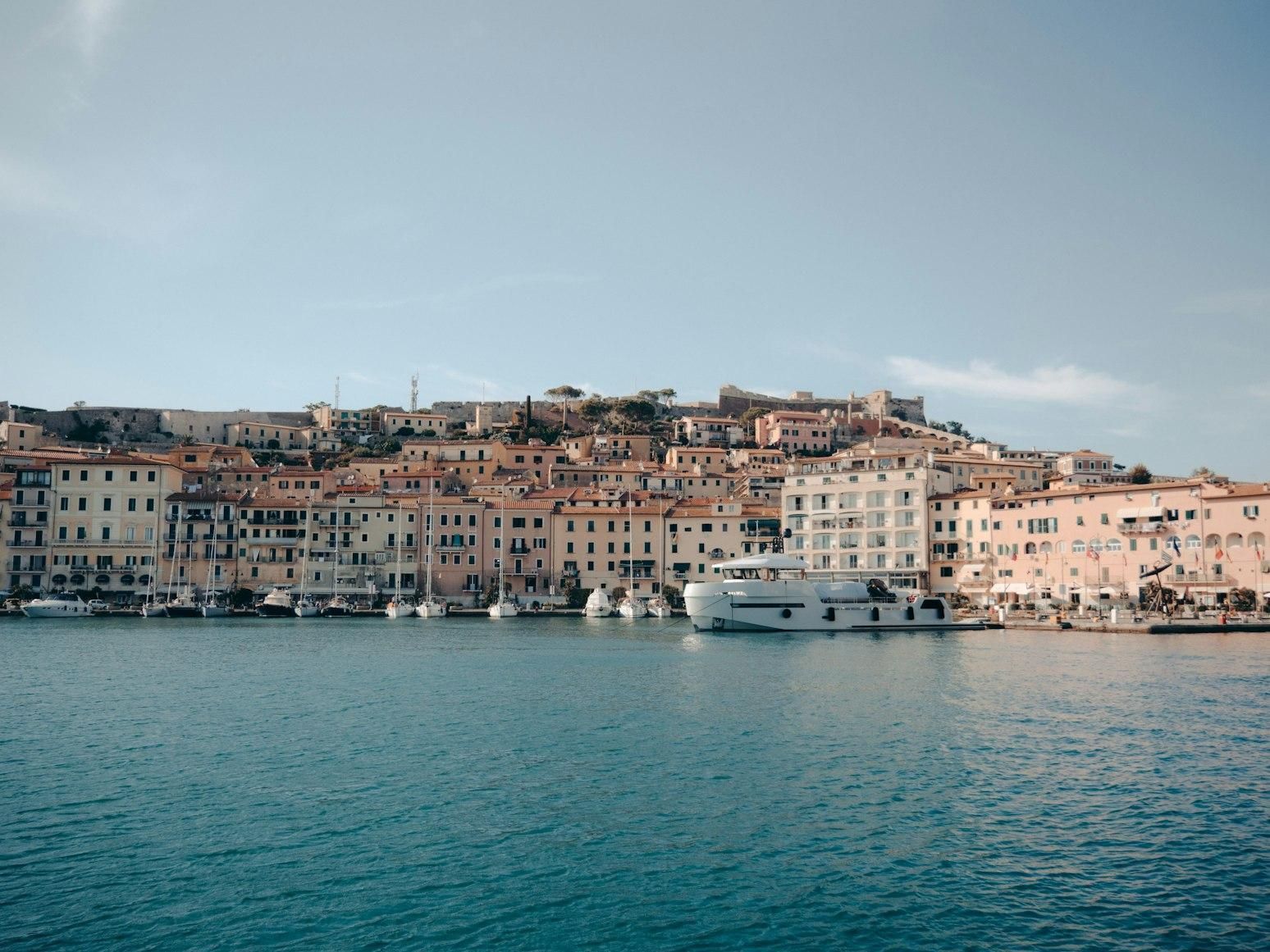
English-language maps from the medieval and early modern periods often used the name Leghorn to refer to this port city on the west coast of Tuscany. This form, an anglicized version of the Italian Livorno, appeared in trade documents, port registries, and maritime charts produced in Britain and other Western European countries.

Within Italy, however, the name Livorno remained standard in official records and everyday use. As English cartographic practices modernized in the late 19th and early 20th centuries, Leghorn was progressively replaced in atlases, government publications, and international references, leaving Livorno as the fully standardized name.

6

Constantinople → Istanbul

Image: Anna Berdnik

In 1930, the Republic of Turkey officially adopted the name Istanbul as part of nationwide language reforms that aimed to standardize geographic names. Yet, during the Middle Ages, European and Byzantine documents consistently used Constantinople, a name introduced in 330 CE when Emperor Constantine refounded the city as the capital of the Eastern Roman Empire.

The form Istanbul existed in local speech for many centuries, especially in Ottoman Turkish administrative and everyday use, but it remained secondary outside the region. It did not replace Constantinople in international publications, maps, and diplomatic records until the early 20th century, when the Turkish government applied the modern spelling in official communications.

7

Cologne → Köln

Image: Eric Weber

Medieval Latin sources refer to this antique city spanning the Rhine River in western Germany as Colonia Agrippina, a designation used in administrative records and church documents. Over time, this Latin name shifted into Cologne in French and later in English.

Within the German-speaking world, however, Köln is the official name employed in government and municipal contexts. Cologne continues to be used internationally in English-language publications, reflecting the city’s long linguistic connection to its earlier Latin and French forms.

8

Crete → Candia → Heraklion

Image: Clovis Wood

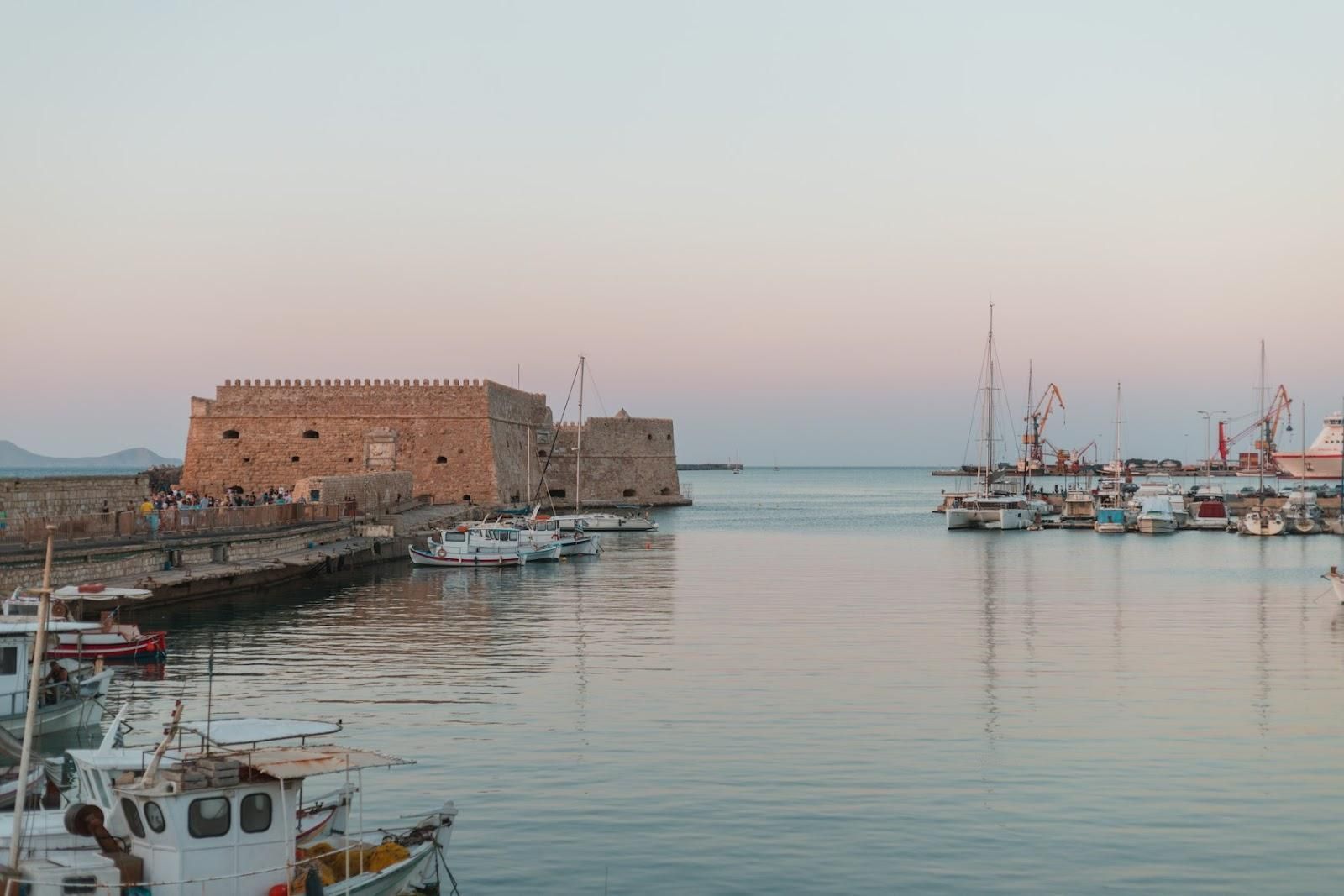
During Venetian rule, from the 13th to the 17th century, both the city and, at times, the entire island of Crete were commonly referred to as Candia in European maps, trade documents, and diplomatic correspondence. Local Greek populations, however, continued to use Heraklion (or Iraklio) in everyday speech and regional records. After Crete unified with the Kingdom of Greece in 1913, the Greek government adopted Heraklion as the official name. This change gradually replaced Candia in administrative documents, cartography, and international references.

9

Peking → Beijing

Image: Gio Almonte

European travelers adopted the name Peking based on older pronunciations of the city’s name that circulated in foreign accounts during the Yuan dynasty. These forms entered Western languages through early maps, missionary writings, and trade records.

Within China, however, the Ming dynasty formally established Beijing, meaning "Northern Capital", as the administrative name in 1403. The term remained through later dynasties and into the modern period. In the 20th century, the Chinese government standardized Beijing for international use, and over time, it replaced Peking in official English-language publications, atlases, and diplomatic documents.

10

Tiflis → Tbilisi

Image: mostafa meraji

To refer to the capital of Georgia, European and Russian documents from the medieval period through the 19th century commonly used Tiflis, a form that entered widespread use through administrative records, maps, and travel writing. Yet, the Georgian name Tbilisi existed throughout this time as the local designation.

In 1936, during a series of Soviet administrative and linguistic reforms, authorities formally adopted Tbilisi as the standardized name. After this change, Tiflis was gradually removed from official documents.

11

Edo → Tokyo

Image: Lily Li

Founded as Edo in the medieval period, this ancient city grew from a fortified settlement into a major urban center under the Tokugawa shogunate beginning in the early 1600s. During this time, Edo became the seat of the shogun and developed one of the largest populations in the world.

When the Meiji Restoration transferred imperial authority to Edo in 1868, the new government renamed the city Tokyo, meaning "Eastern Capital." This decision recognized its new status as the national capital and marked the beginning of its role as the administrative and political center of modern Japan.

12

Christiania → Oslo

Image: Marian Rotea

After a major fire in 1624, the capital of Norway, originally called Oslo, was rebuilt under King Christian IV and renamed Christiania as part of the reconstruction effort. The earlier name continued to appear in local usage and historical references during the following centuries. In 1925, however, the Norwegian government formally reinstated Oslo as the official name, restoring the designation used before the medieval period and aligning administrative records with long-standing local tradition.



Words we use every day, but we still can’t trace back


Published on July 3, 2026


Have you ever stopped to wonder where our everyday words actually come from? You might be surprised to learn that dude started as a way to poke fun at men who were too fastidious about their outfits. Or that we owe the word hello to Thomas Edison, who thought it was a much better choice than Alexander Graham Bell’s suggestion, "ahoy" for telephone calls. Even the word OK is the lone survivor of an 1830s game of misspelled phrases. Let's explore the hidden stories behind the words we think we know so well.

1

Dude

Image: BHAVIN AHIR

Picture New York City in the early 1880s. Back then, dude was used to describe a "fastidious man," essentially a guy obsessed with his clothes and appearance. Some researchers believe it was actually a shortened version of "Yankee Doodle," referring to the character in the famous patriotic song. It was also used to make fun of people following the "aesthetic" fashion craze of the 1880s.

In the late 1800s, a dude was any Easterner who showed up looking a little too clean in the Western region of the US. From this, we get the term dude ranch, which was first recorded around 1921 to describe ranches that hosted these city-dwelling tourists for pay. It wasn't until the mid-1960s, in African-American jargon, that dude began to lose its negative edge and became a way to refer to any male.

2

Hello

Image: Pablo Gentile

While it feels like it’s been around forever, hello is actually a relatively young word. Its first known appearance dates back to 1826, in a Connecticut newspaper. Linguists believe it grew out of words like "hallo" or "hollo," which were used as loud calls to get a ferryman’s attention across a river or to urge hunting dogs forward.

It’s often said that Alexander Graham Bell, the inventor of the telephone, wanted people to answer the telephone with "ahoy!", but American inventor Thomas Edison pushed for "hello" as a clearer option. His version caught on, and soon telephone operators were known as "hello girls," helping turn the word into the everyday greeting we still use today.

3

OK

Image: boris misevic

Have you ever stopped to wonder where the word OK comes from? It first appeared in 1839 as the unique survivor of US slang. During this time, it was a common joke to use abbreviations for phrases based on deliberate misspellings. For example, people would use "N.C." for "enough said" as if it were spelled "nuff ced," or "K.Y." for "no use" as if it were "know yuse." And "OK" was used for "oll korrect".

This term was later popularized during the 1840 presidential election by the "OK Club," supporters of Martin "Old Kinderhook" Van Buren, and stuck because it provided a practical way to authorize documents. In 1919, Woodrow Wilson used the spelling "okeh" under the mistaken belief that it came from a Choctaw word meaning "it is so," though there was no historical evidence to support this. That version was eventually replaced by the modern spelling "okay" appeared in 1929.

4

Jazz

Image: Jens Thekkeveettil

The word jazz first appeared in American English around 1912, and it actually started as baseball slang rather than a musical term. In those early days, sports writers in California used it to describe something "lively" or "energetic," which is a meaning we still carry today when we say we want to "jazz something up." It likely grew out of the 1860s slang word jasm, which meant energy, vitality, or spirit, or from even an older word, gism, which carried a similar meaning in the mid-1800s.

The term was first applied to a new style of music in Chicago in 1915, specifically referring to Tom Brown’s all-white band from New Orleans. By 1918, the word also began to mean "unnecessary talk" or "rubbish," and the famous phrase "all that jazz," meaning "et cetera," was eventually recorded around 1939.

5

Quiz

Image: Nguyen Dang Hoang Nhu

The origin of this word is not clear, but what is certain is that in the late 1700s, a quiz wasn't a test; it was a person. It was slang for someone who acted or dressed differently from the rest. By the 1840s, this grew into a common schoolboy prank where students would play jokes at the expense of someone they considered a quiz. Eventually, the meaning shifted toward the idea of a "puzzling question" designed to make someone look a bit foolish.

Around 1852, the word was used to describe a brief examination of a student. These early quizzes were usually oral and were designed to be a "thorough review" of lectures. By 1853, medical schools even had "quiz classes," where a system of close questioning was used to help students become familiar with their subjects in a way they couldn't get anywhere else.

6

Dog

Image: Alvan Nee

Where does the word dog come from? The answer is still a mystery. The word docga is traced in some English as a reference to a powerful breed of canine, but the roots of the term have not been found yet.

It has replaced the terms hound, related to the German word hund, and cur, related to the German word korren, for growling. However, by the 16th century, the word dog was adopted in many continental countries: French dogue, Danish dogge, and German Dogge. What is more, in Spanish, they use the word perro for dog, and it also has an unknown origin. Were these terms first used as slang or nicknames?

7

Boy

Image: Ben den Engelsen

Back in the mid-1200s, the word boy didn’t mean a child at all; it was used for a "servant," "commoner," or even a "troublemaker." By around 1300, it could also mean a "rascal" or "young criminal," and only by the mid-1300s to 1400 did it start to be used for a male child.

Although there are a few theories, its exact origin is still unknown. Some link it to Old French and Latin words related to servants. Linguist Anatoly Liberman even suggests it may come from a mix of a sound for an evil spirit and a baby word for brother. In places like Ireland, Cornwall, and the American West, boy could simply mean man. From around 1600, it was also used for enslaved or servant men, no matter their age.

8

Bad

Image: MeSSrro

We are used to seeing the term bad as the direct antithesis of good. But has it always been like that? The answer is negative. The direct opposite of good was originally evil until the 1700s, and bad was used less frequently.

It also has no other language relations. It is believed to be from the Old English derogatory term baeddel and its diminutive baedling, meaning "effeminate man, hermaphrodite, predrast," which are probably related to baedan, meaning "to defile."

9

Big

Image: Andrew Jenkins

Another word in the ‘origin unknown’ category is big. The word was first registered in the 13th century in writings from northern England and the North Midlands, with a sense of "powerful; strong." It is believed to have roots in a Scandinavian source, where the term bugge means "great man" in Norwegian dialect_._

Big started to be part of the English daily vocabulary in the 1400s, meaning "of great size," "full-grown, grown up," or "important, influential, powerful". In the 1500s, the sense of "haughty, inflated with pride" was added, and by 1913, it was also used to mean "generous."

10

Girl

Image: Christopher Campbell

Around the 1300s, the word girl (spelled gyrle) meant "a child or young person," and it could refer to both boys and girls, although it was used more often for females. Its exact origin is unknown, but the Oxford English Dictionary suggests it may come from a lost Old English word (gyrele). This possible root is linked to similar words in Germany, Norway, and Sweden, all meaning "small child."

Over time, the meaning changed. By the late 1300s, girl began to mean specifically a female child. By the mid-1400s, it was also used for a young unmarried woman. In the 1640s, it could mean "sweetheart," and by 1826, old girl was used for women of any age.

Looking for an extra scoop of literary fun?

Learn more with our Word of the day

imbroglio

/ɪmˈbroʊljoʊ/