The truth lies beneath

Many people still don’t get the meaning of these famous quotes. Do you?


Published on July 29, 2026


Image: Nikita Sursin

Some quotations become so famous that they take on lives of their own. We repeat them in classrooms, movies, headlines, and everyday conversations, but sometimes without knowing what the speaker actually meant. Sometimes the original context gets lost, and sometimes popular myths overshadow the truth. These iconic phrases have endured for decades, even centuries, but their true meanings often surprise us. Did you know about the following 11?

1

Read my lips: No new taxes. — George H. W. Bush (1988)
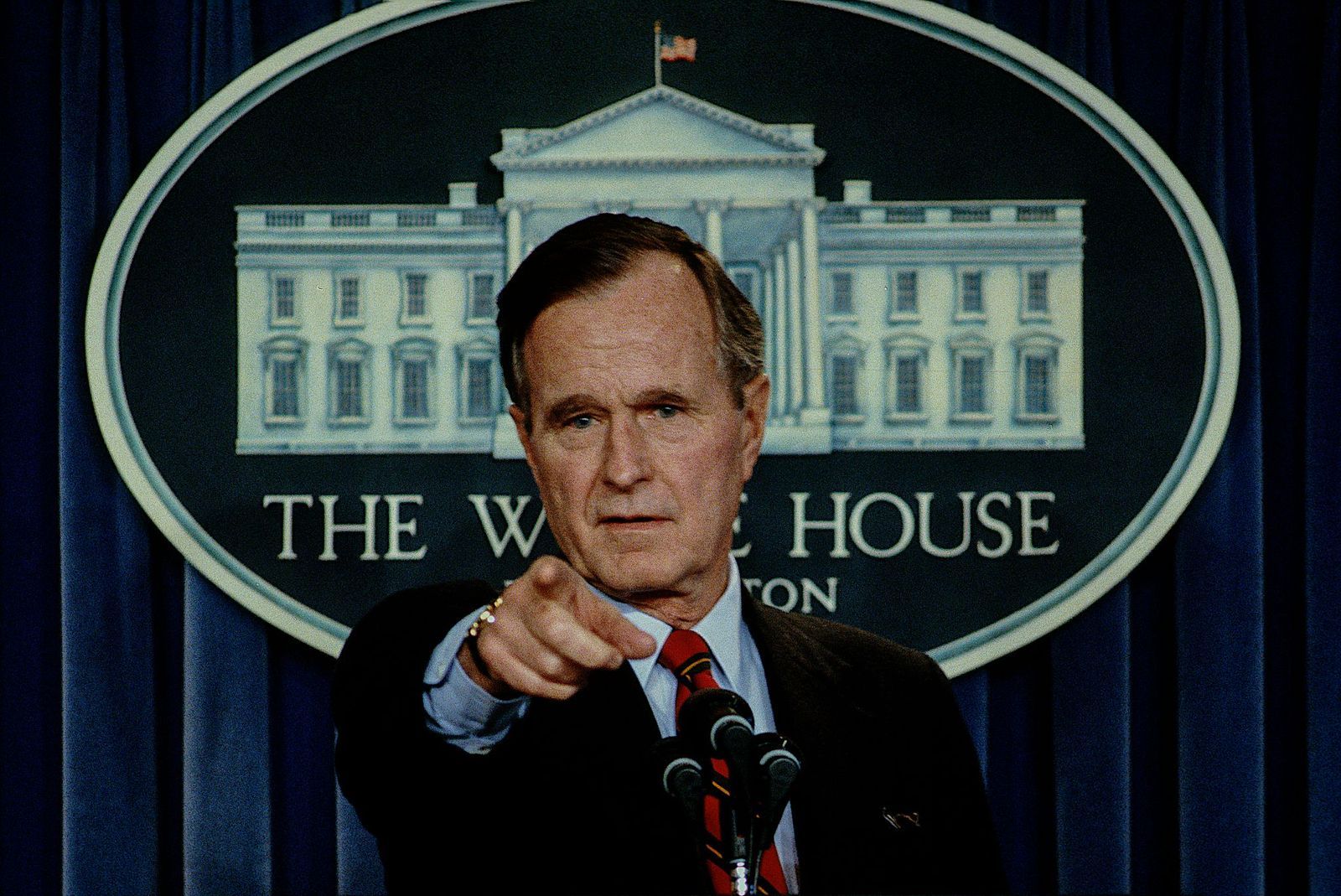
Image: mark reinstein

George H. W. Bush delivered this memorable line while accepting the Republican presidential nomination in 1988. Written by speechwriter Peggy Noonan, it wasn't simply a catchy slogan, it was a firm campaign promise meant to reassure conservative voters that his administration would not raise taxes under any circumstances.

The phrase became famous for what happened next. Facing a growing federal deficit, Bush agreed to a bipartisan budget deal in 1990 that included tax increases. Many supporters viewed the move as a broken promise, and "Read my lips" has since become shorthand for political pledges that later prove impossible to keep.

2

Mr. Gorbachev, tear down this wall! — Ronald Reagan (1987)
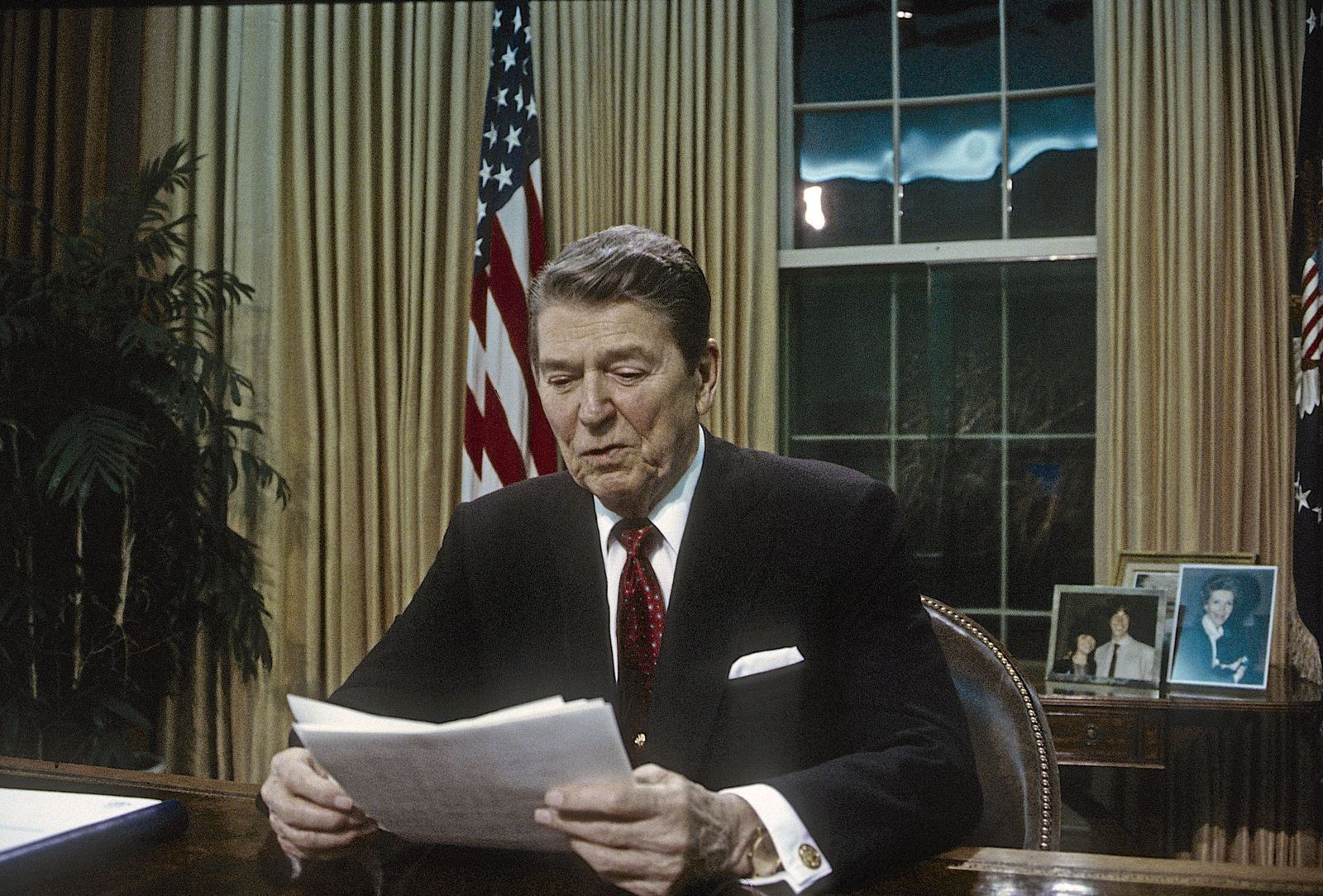
Image: mark reinstein

Standing before Berlin's Brandenburg Gate in 1987, President Ronald Reagan addressed Soviet leader Mikhail Gorbachev with what became one of the Cold War's defining lines. He wasn't literally ordering workers to demolish the Berlin Wall but challenging the Soviet Union to demonstrate that its promises of openness and reform were genuine.

Several advisers reportedly urged Reagan to remove the sentence from the speech because they feared it was too confrontational. He kept it anyway. Although the Berlin Wall fell two years later for many complex political reasons, the phrase remains a powerful symbol of freedom triumphing over division.

3

Ask not what your country can do for you… — John F. Kennedy (1961)

Image: Sandra Foyt

This famous sentence from John F. Kennedy's inaugural address is sometimes mistaken for a demand for unquestioning patriotism. In reality, Kennedy was encouraging Americans to become active participants in democracy rather than passive recipients of government benefits.

Delivered at the height of the Cold War, the speech called on citizens to serve their communities and country. The message inspired countless Americans to volunteer, including many who joined the newly created Peace Corps.

4

I have a dream. — Martin Luther King Jr. (1963)
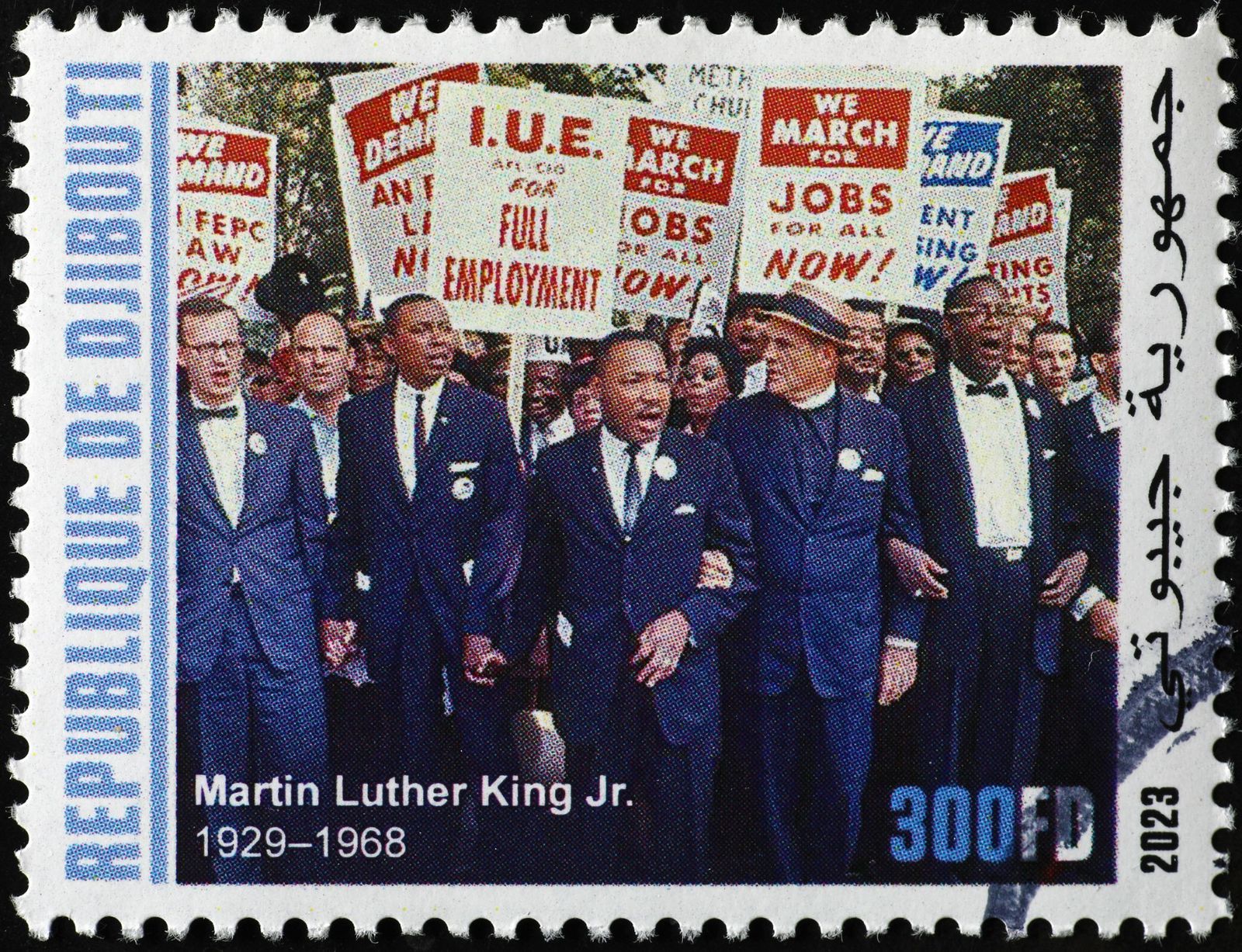
Image: spatuletail

Martin Luther King Jr.'s words have become synonymous with hope, but the "dream" he described was remarkably specific. Speaking at the March on Washington for Jobs and Freedom, King envisioned an America where the Constitution's promises of equality would finally apply to everyone, regardless of race.

The speech's most memorable section was not fully scripted. According to several accounts, gospel singer Mahalia Jackson encouraged King to "tell them about the dream," prompting him to set aside his prepared remarks and speak from the heart. Those improvised passages became some of history's most celebrated words.

5

The only thing we have to fear is fear itself. — Franklin D. Roosevelt (1933)
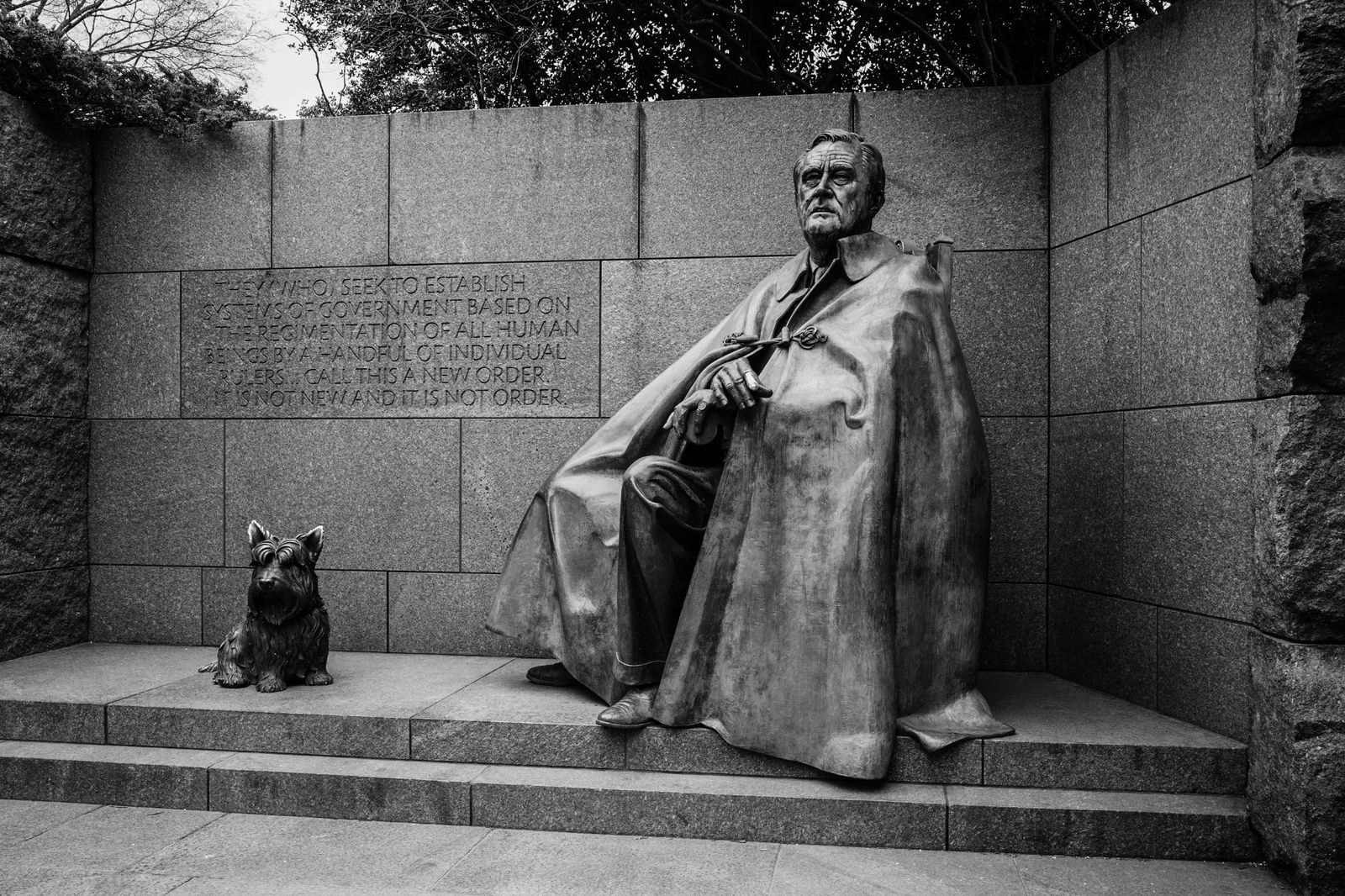
Image: Brian Logan Photography

Franklin D. Roosevelt spoke these famous words during his first inaugural address as the United States struggled through the Great Depression. Rather than offering generic encouragement, he argued that fear itself had become an economic force, causing bank runs, panic, and paralysis that only made the crisis worse.

Roosevelt believed restoring public confidence was essential to recovery. Within days, he declared a nationwide bank holiday and launched the first measures of what became the New Deal. His phrase has endured because it captures the powerful effect fear can have on people's decisions.

6

Ich bin ein Berliner. — John F. Kennedy (1963)
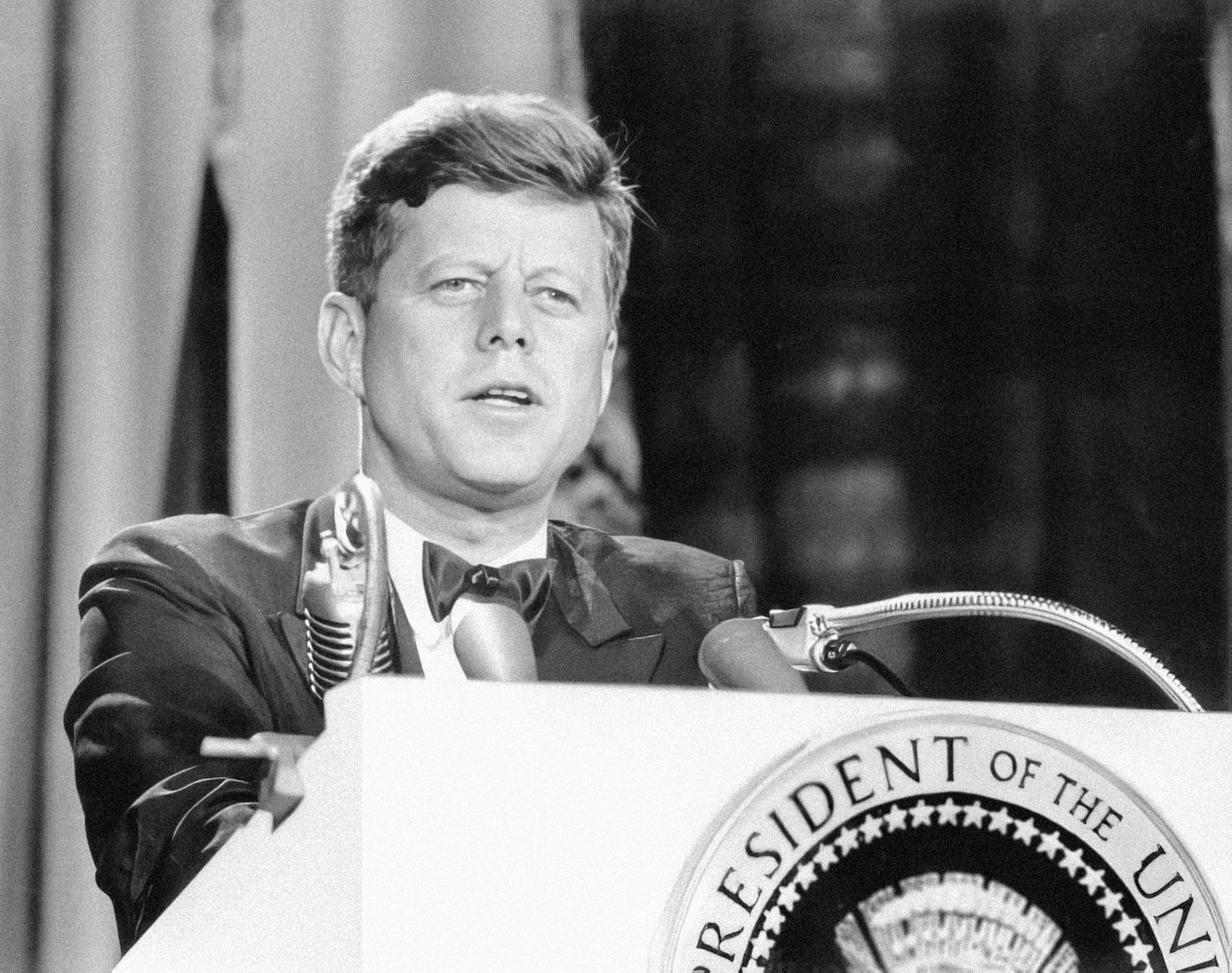
Image: Florida Memory

One of history's most persistent language myths claims that Kennedy accidentally said, "I am a jelly doughnut." In reality, German speakers clearly understood what he meant when he declared, "Ich bin ein Berliner" during a visit to West Berlin in 1963.

Kennedy was expressing solidarity with the isolated city's residents at one of the Cold War's tensest moments. Linguists have long dismissed the doughnut story as a misconception, while historians view the speech as a powerful demonstration of American support for West Berlin. Still, it was fun.

7

I am not a crook. — Richard Nixon (1973)
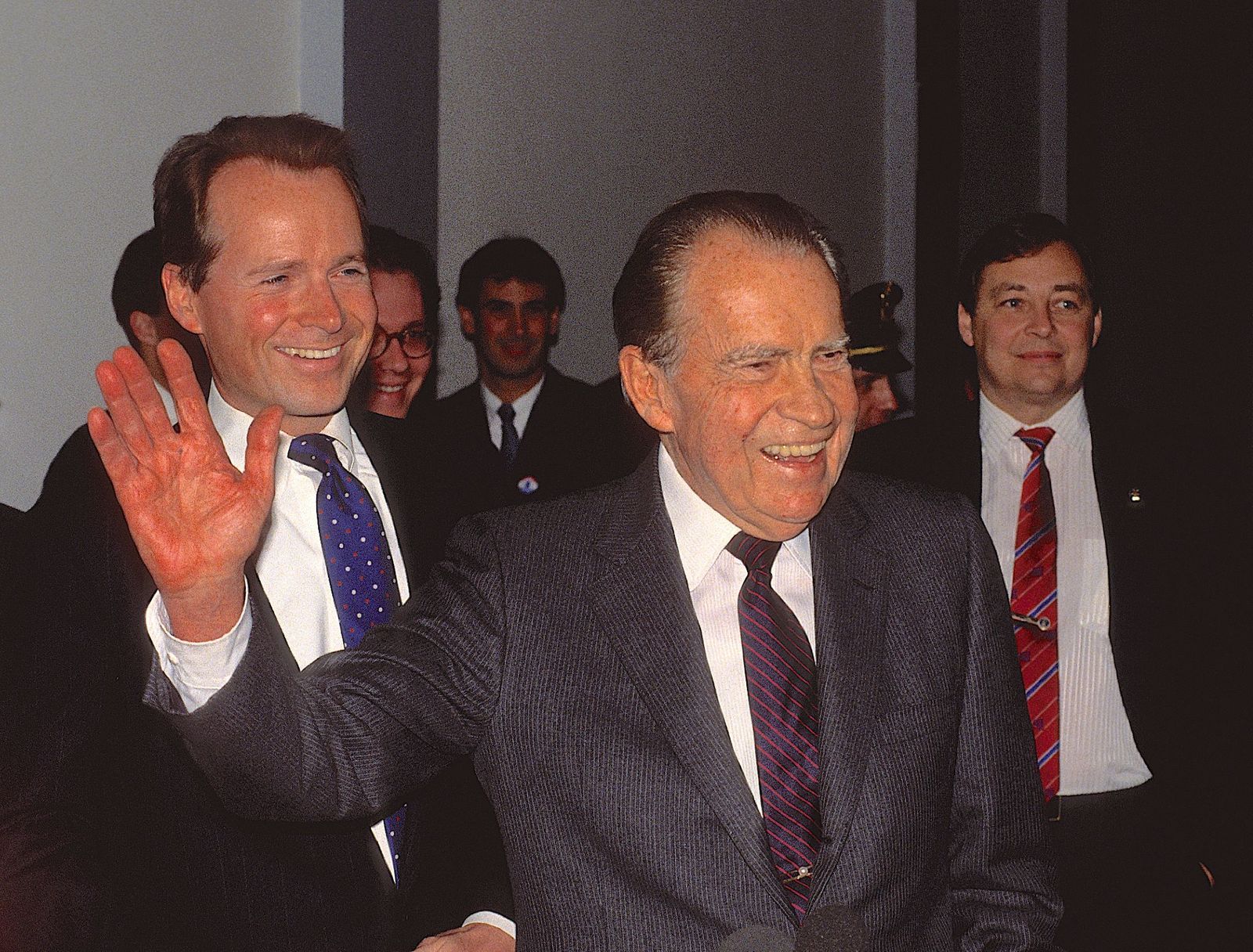
Image: mark reinstein

Richard Nixon uttered this famous denial during a televised press conference while the Watergate scandal dominated headlines. Although many people remember it as a blanket denial of wrongdoing, Nixon was specifically insisting that he had never personally profited illegally from holding public office.

The phrase quickly took on a life of its own. As investigations continued and evidence mounted, Nixon resigned less than a year later, making him the first U.S. president ever to do so. Today, the quote is remembered less for what Nixon intended than for the irony that history would attach to it.

8

Houston, we've had a problem. — Jack Swigert (1970)

Image: Joseph Creamer

Popular culture remembers the Apollo 13 crisis as "Houston, we have a problem." The actual transmission was slightly different. After an oxygen tank exploded aboard the spacecraft, astronaut Jack Swigert calmly radioed, "Okay, Houston, we've had a problem here," with commander Jim Lovell repeating the report moments later.

The wording reflected that the emergency had already occurred rather than merely being discovered. The shorter version became famous after the 1995 film Apollo 13, but the original exchange remains one of the best-known examples of calm professionalism.

9

That's one small step for [a] man… — Neil Armstrong (1969)

Image: Three Sixty Images

Neil Armstrong's first words on the Moon are among history's most quoted sentences, but one tiny word has sparked decades of debate. Armstrong always insisted he said, "That's one small step for a man, one giant leap for mankind," even though the article "a" is almost impossible to hear in the recording.

The distinction matters because without it, both halves of the sentence mean nearly the same thing. Audio experts have analyzed the recording for years without reaching complete agreement.

10

Give me liberty, or give me death! — Patrick Henry (1775)
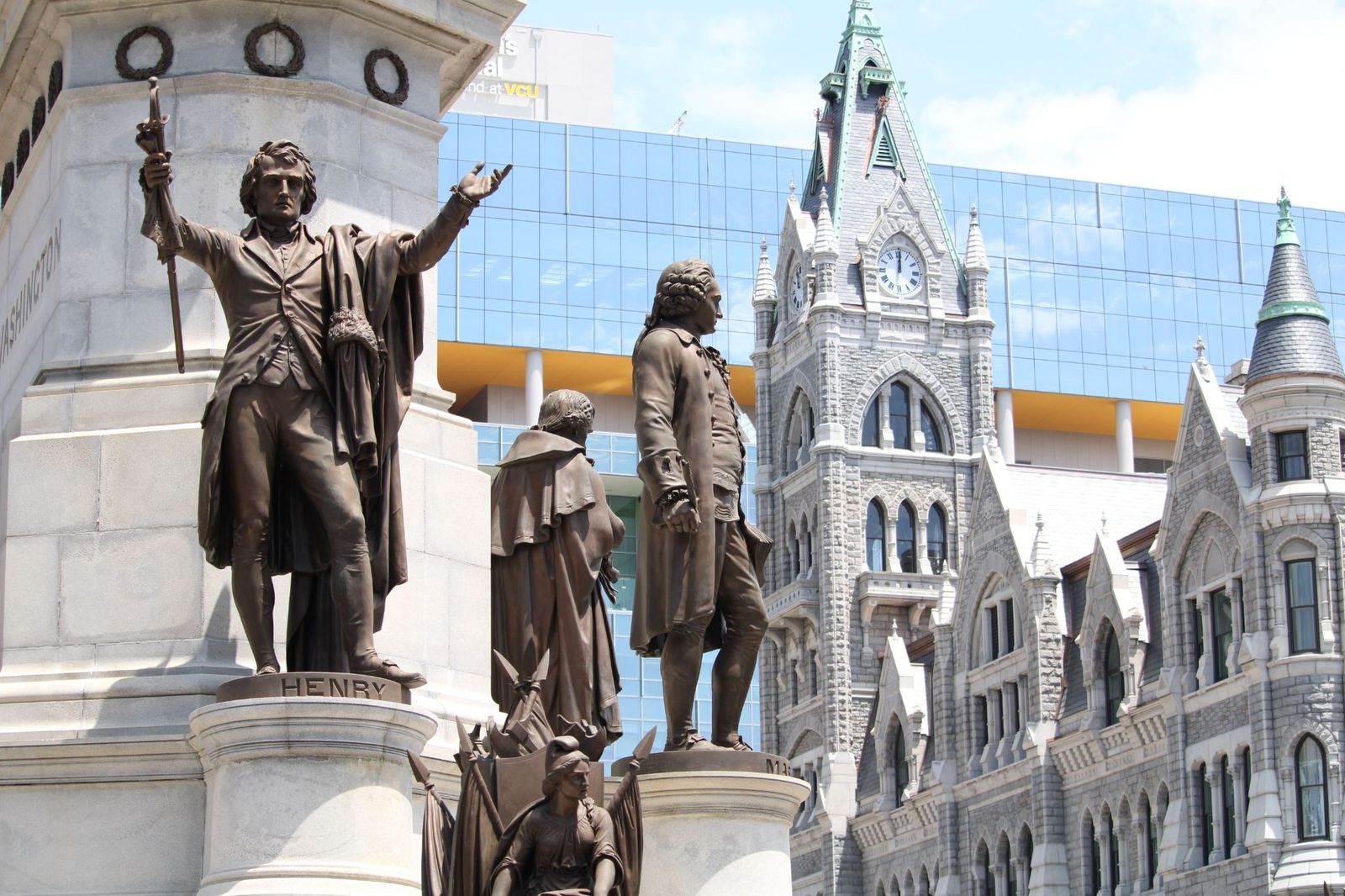
Image: Wirestock Creators

Patrick Henry's dramatic declaration is often imagined as a battlefield cry, but it was actually delivered during a political debate at Virginia's Second Convention in March 1775. Henry argued that peaceful negotiations with Britain had failed and that the colonies needed to prepare for armed resistance.

Interestingly, no verbatim transcript exists. The famous wording was reconstructed decades later by biographer William Wirt, using recollections from witnesses, although historians cannot confirm every word.

11

Speak softly and carry a big stick. — Theodore Roosevelt
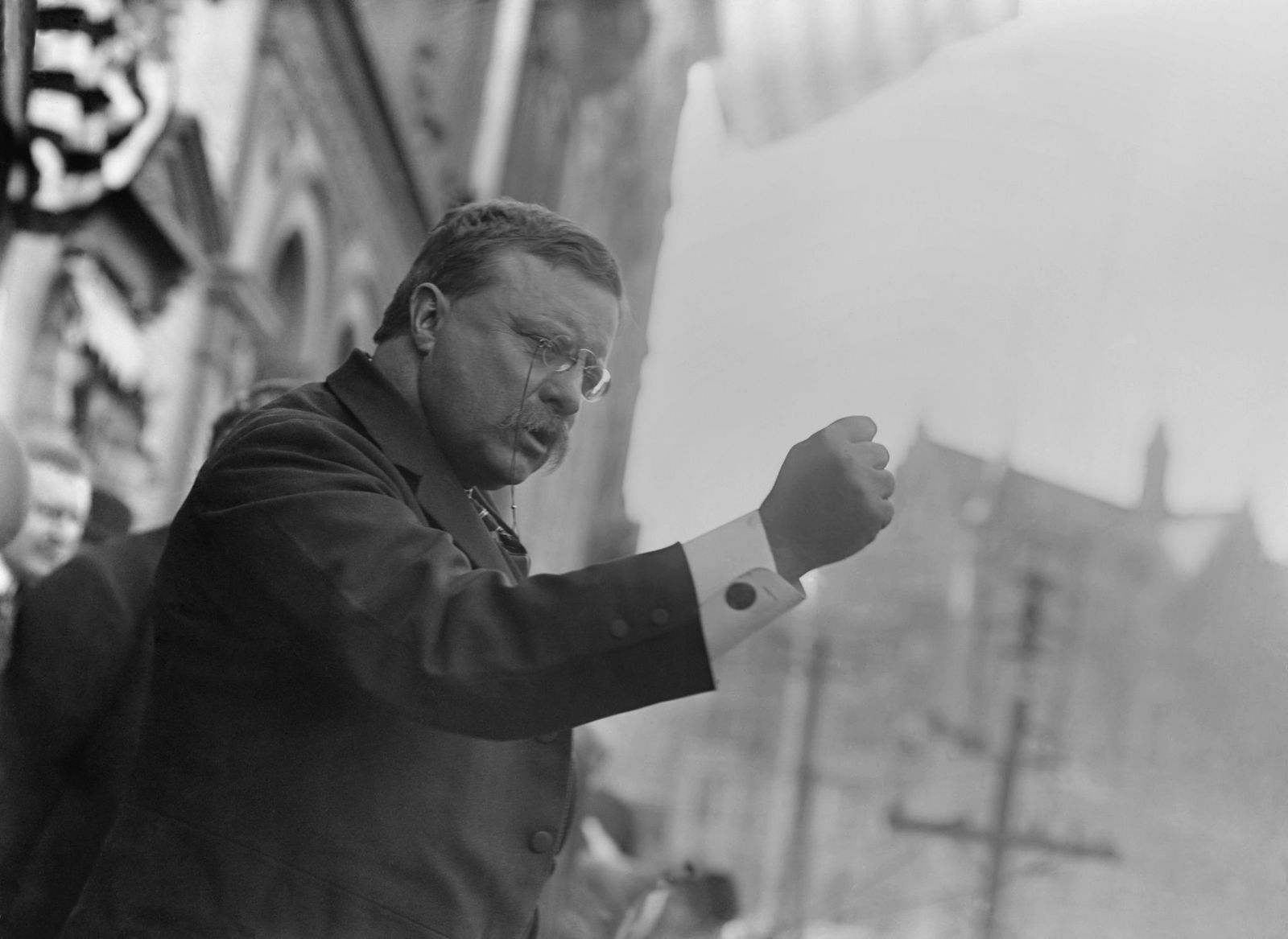
Image: Everett Collection

At first glance, Theodore Roosevelt's famous advice sounds aggressive, but it actually promotes restraint. Roosevelt believed successful diplomacy begins with calm negotiation, while credible strength remains available in the background if peaceful efforts fail.

He said the phrase reflected an old West African proverb, although historians have never found evidence that such a proverb existed before Roosevelt popularized it. Regardless of its origin, the expression became permanently associated with his approach to foreign policy and remains a familiar shorthand for negotiating from a position of strength.


FOOD SLANG FROM AL DENTE TO ZITI

12 Culinary Terms to Show Off to Your Foodie Friends


Published on July 29, 2026


Image: Kelsey Chance

Whether you really know your way around a kitchen or you are simply a food enthusiast, you probably recognize and even use a few words that belong to the realm of the kitchen, the foodies, or perhaps the high cuisine.

From the ubiquitous to the obscure, the following list compiles a few of these terms and idioms, their origins and meanings, for your perusal. So, go ahead and read. Perhaps you'll even learn something to impress an annoying food snob uncle or the high-brow sommelier of your local wine bar.

1

Al Dente

Image: Bozhin Karaivanov

In the lexicon of food enthusiasts, the phrase al dente reigns supreme. In its original Italian, it means "to the tooth" describing pasta cooked to a firm, slightly resistant texture. In the modern foodie world, achieving the perfect al dente is considered an art.

Al dente pasta showcases the chef's mastery over timing and precision. It's a departure from the overcooked, mushy noodles, with foodies embracing the authentic bite and texture that al dente brings to the table.

2

Artisanal

Image: Luca Lago

In today's culinary landscape, the term "artisanal" has become a hallmark of quality and craftsmanship. Derived from the word "artisan" which refers to a skilled craftsperson, artisanal signifies a return to traditional, handcrafted methods.

Whether it's beer, bread, cheese, chocolate, or coffee, consumers seek out artisanal options for a more intimate connection to the food they consume. Unlike mass-produced items, artisanal goods often involve small-batch production, emphasizing quality over quantity.

3

Chiffonade

Image: Wikimedia Commons

Derived from the French word chiffon, meaning "rag" or "cloth" this technique involves finely shredding or cutting greens and herbs into delicate ribbons. While originally applied to herbs like basil, mint, or sage, the concept has expanded in the contemporary food world.

Chiffonade offers a visually appealing way to incorporate herbs into dishes. Beyond aesthetics, the method enhances the flavor profile by ensuring each bite carries a bit of the herb’s essence.

4

Confit

Image: Manek Singh

The term "confit" brings a sense of indulgence and culinary mastery. It originates from the French verb "confire," which means to preserve meats slowly cooked in their own fat. Today, the term has evolved beyond its preservation roots, becoming a hallmark of refined flavors in the modern foodie world. Confit techniques extend beyond meats, encompassing fruits, vegetables, and even garlic.

As the foodie movement evolves, confit remains a symbol of the pursuit of exquisite tastes in every gastronomic endeavor.

5

Braising

Image: Amanda Lim

The term "braising" describes the art of transforming tough cuts into tender masterpieces. This slow-cooking method involves searing meat and then simmering it in a flavorful liquid. Braising has become a staple technique in the modern foodie's repertoire, offering a perfect balance of convenience and culinary excellence.

The beauty of braising lies in its ability to turn humble ingredients into culinary triumphs. Often overlooked tough meats become succulent and infused with the deep, savory notes of the braising liquid. This method not only tenderizes but also intensifies flavors, resulting in amazing dishes.

6

Amuse-bouche

Image: Rob Wicks

While French in origin, it can be translated to "mouth amuser": those bite-sized appetizers that serve as a prelude to a culinary journey, awakening the palate with unexpected flavors and textures.

Chefs experiment with diverse ingredients, drawing inspiration from seasonal produce, global cuisines, and avant-garde techniques. From foams to edible flowers, the amuse-bouche has become a canvas for culinary artistry, reflecting the dynamic nature of contemporary gastronomy.

7

Roux

Image: Wikimedia Commons

Yet once again, originating from French cuisine, roux is a simple mixture of flour and fat, often butter, cooked to varying degrees of color. While its roots lie in classic French sauces, the contemporary foodie world has embraced roux as a versatile and indispensable culinary tool.

Roux plays an all-important role in thickening sauces and stews. Its ability to transform liquids into velvety, rich textures, elevates dishes from ordinary to extraordinary. Modern chefs and home cooks alike appreciate the complex flavor and depth that roux imparts to their creations.

8

Mise en place

Image: Rudy Issa

Translating to "everything in its place," this culinary philosophy emphasizes meticulous preparation and organization before cooking. Beyond a practical approach, mise en place has become a mantra for the contemporary foodie, symbolizing a mindful and systematic approach to the culinary journey.

Mise en place is more than just chopping vegetables and measuring ingredients, it embodies a mindset. Chefs and home cooks alike appreciate the discipline it instills, generating a smooth and enjoyable cooking experience. This methodical preparation not only enhances efficiency but also allows for greater creativity and focus on the artistry of the kitchen.

9

Tartare

Image: Liuda Brogiene

Originally associated with raw minced meat, typically beef, modern cooks have embraced the "tartare" concept, expanding it to include variations like fish, vegetables, and even fruits.

Tartare signifies a departure from traditional cooking methods, emphasizing the purity and quality of ingredients. The modern food enthusiast appreciates the raw, unadulterated flavors showcased in a well-prepared tartare. From tuna tartare to avocado tartare, this dish has become a canvas for inventive combinations, celebrating diverse textures and tastes.

10

Demi-glace

Image: Wikimedia Commons

It is no wonder why so many of the words in this list have a French origin. After all, that noble country is home to a great deal of culinary inventions that transcended its borders and have since become universal.

Demi-glace is a culinary alchemy that elevates dishes with its deep, savory essence. This reduction serves as a foundation for sauces, gravies, and braises, imparting a complexity that transforms ordinary meals into extraordinary culinary experiences.

11

En papillote

Image: Hyeonyoung Yang

This cooking technique involves sealing ingredients in parchment paper or foil, creating a pocket that steams and infuses flavors. Beyond its classic roots, "en papillote" has become a favorite among modern foodies, celebrated for its ability to produce moist, flavorful dishes with minimal effort.

This method not only enhances the taste but also preserves the nutritional value of ingredients, making it a go-to choice for health-conscious cooks. The sealed package allows for gentle cooking, resulting in dishes that are not only delicious but also vibrant and nutrient-rich. A win-win foodie invention, so to speak.

12

Ziti

Image: Wikimedia Commons

One of the few non-French terms in this list, ziti will bring memories of The Sopranos to some and memories of home comfort food to others.

Ziti is a versatile and beloved pasta shape among food enthusiasts. Originally hailing from Southern Italy, ziti's tubular form, often with ridges to capture sauces, has made it a favorite in contemporary kitchens. Its hollow, cylindrical shape pairs well with a variety of sauces, from traditional marinara to inventive, contemporary concoctions.

Looking for an extra scoop of literary fun?

Learn more with our Word of the day

shoddy

/ˈʃɑdi/