Legendary language
No Trojan Horse over here, just a few fun facts on everyday expressions!
Published on February 19, 2026
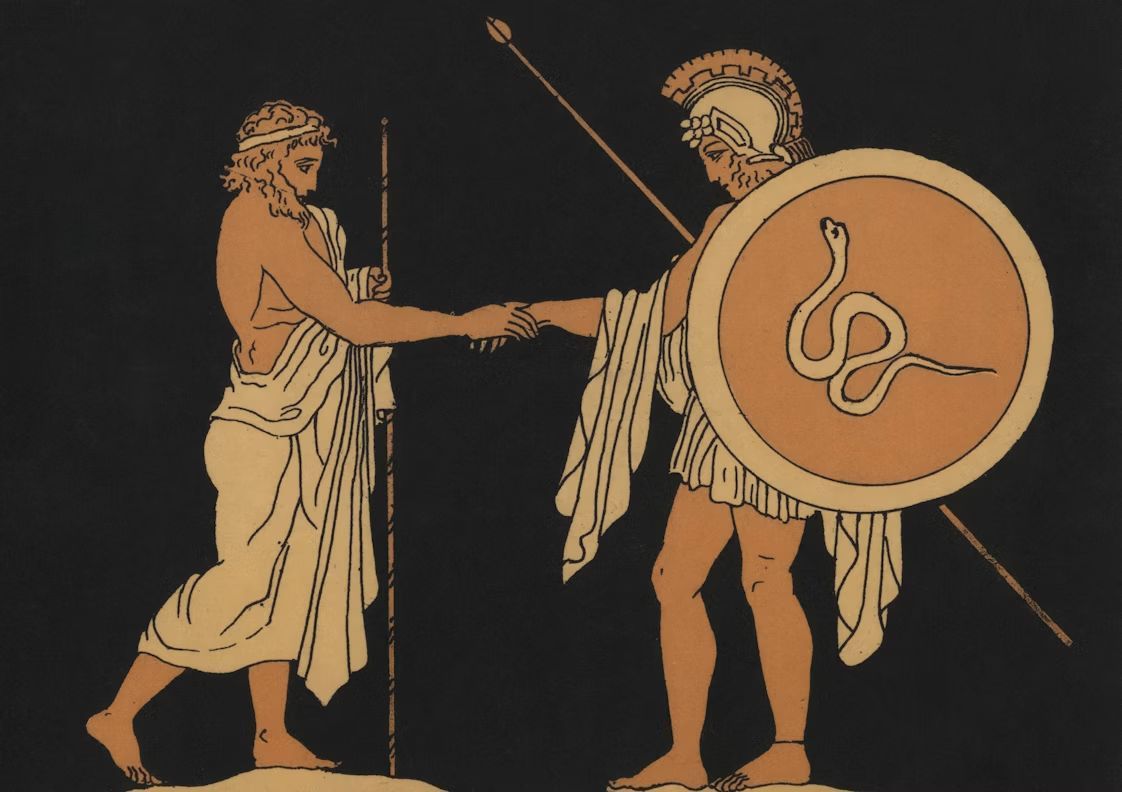 Image: The New York Public Library
We use colorful expressions every day without giving them much thought. But a surprising number of them go all the way back to ancient mythology. Long before movies and television, these dramatic stories helped people make sense of luck, love, danger, and human flaws. Today, we’ve gathered ten heroic, cautionary, and messy expressions that have sneaked their way into everyday language.
Midas touch
 Image: Jr Korpa
You’ve probably known someone like this: everything they try seems to work out, and you can’t help but admire it. That’s what we mean by the Midas touch. It comes from King Midas, who asked for everything he touched to turn to gold. At first, it sounded perfect. Then reality set in when he couldn’t eat or hug anyone without disaster. Luckily, today we use the phrase to praise good luck rather than warn about it.
Pandora’s box
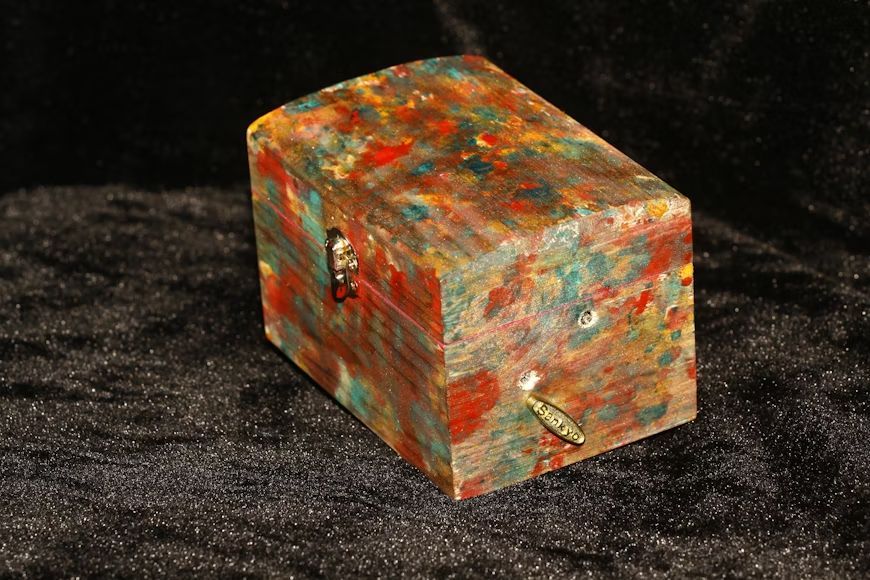 Image: Tipurita Andrei Razvan
Pandora had one simple rule: don’t open the container. Naturally, she did. And once she did, all kinds of trouble spilled out into the world. When you hear someone say, "That’ll open Pandora’s box," they’re really saying, "Trust me, you don’t want to start this." And that’s just the beginning.
A Herculean effort
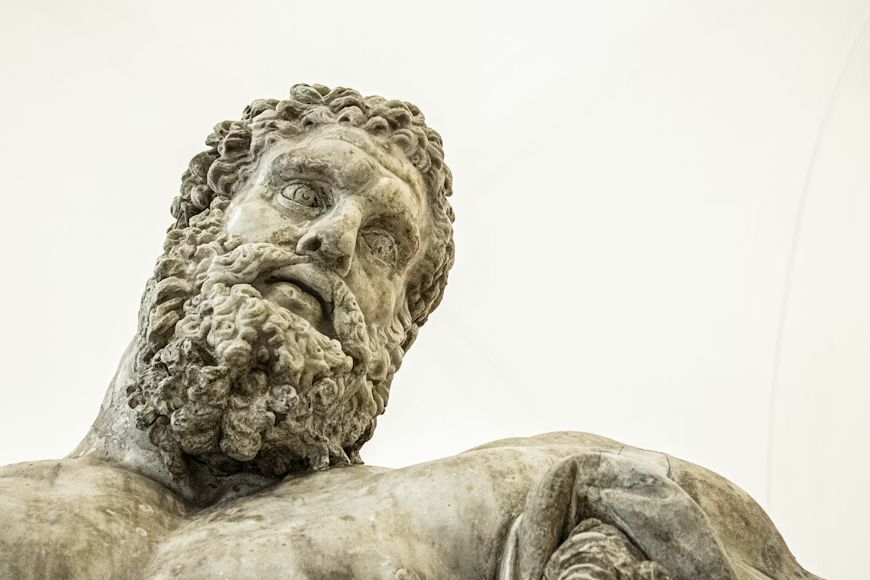 Image: Rosario Esposito La Rossa
Some jobs feel so big you wonder where to even start. Hercules knew that feeling well. He was famous for taking on tasks no one else would dare attempt, from fighting monsters to cleaning stables no one wanted to go near. So when you hear yourself say a job took a herculean effort, you’re in good company.
Amazonian
 Image: Dale de Vera
The Amazons didn’t sit around waiting for help. They were warriors through and through, strong, skilled, and confident. That spirit carries over when we describe a woman as Amazonian today. It’s a compliment that suggests she has presence, power, and knows exactly who she is.
Adonis
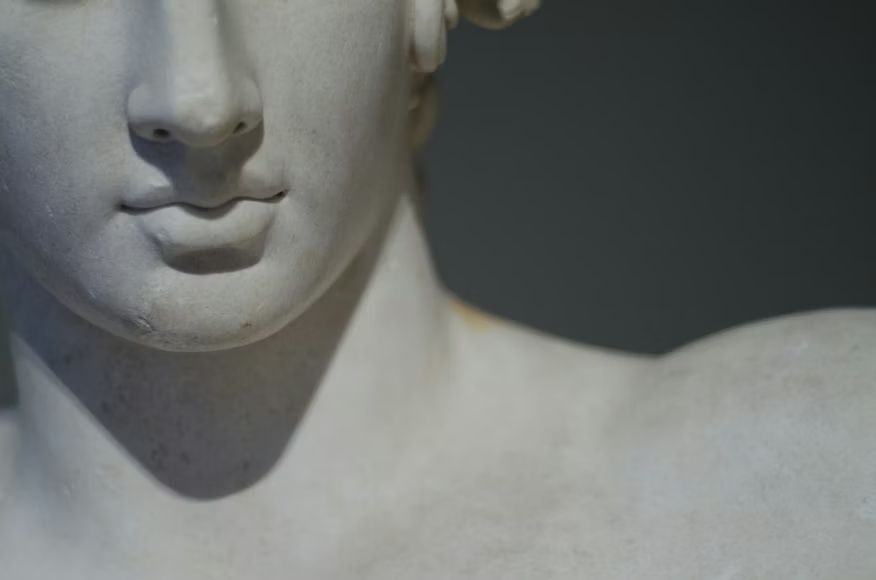 Image: FotoFlo
We all know the type: the kind of man who turns heads without even trying. In mythology, Adonis was so good-looking that goddesses argued over him. These days, calling someone an Adonis is just an easy, playful way to say he’s handsome, no epic love story required.
Achilles’ heel
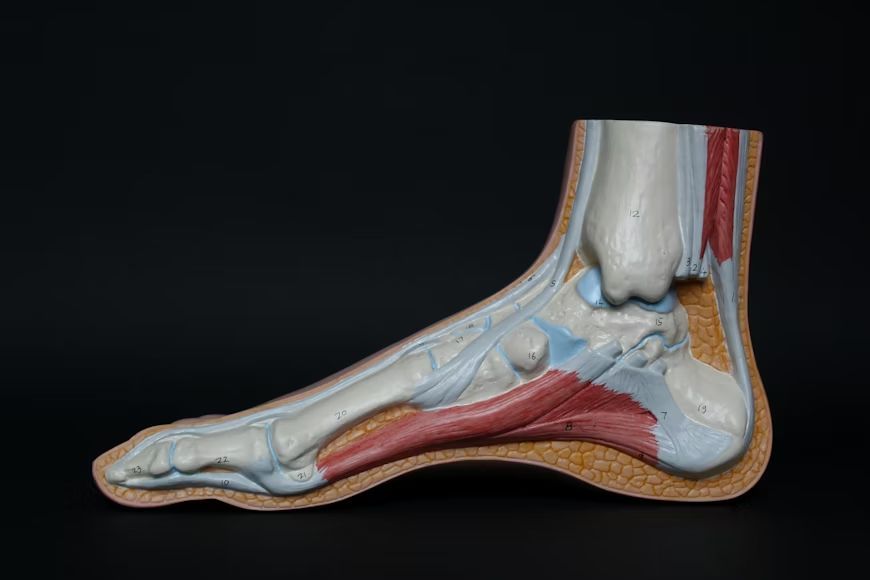 Image: Anne Nygård
Even the strongest people have a soft spot. Achilles was nearly unbeatable, except for one small weakness at his heel. That single flaw changed everything. When you talk about an Achilles’ heel now, you’re pointing to that one thing that can trip you up, even when everything else is going right.
Caught between a rock and a hard place
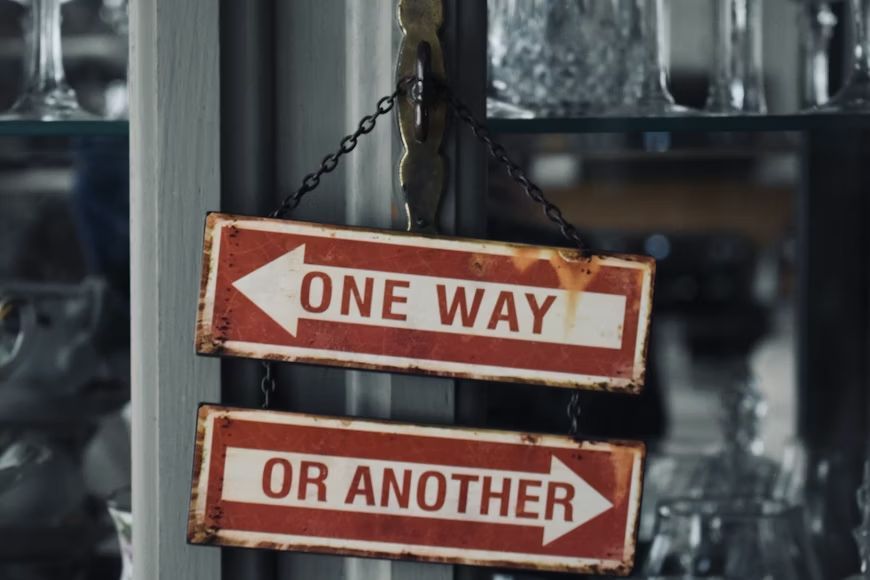 Image: Sophia Kunkel
Ever feel stuck with no good options? Odysseus knew that feeling all too well when he had to choose between two deadly dangers on his journey. Either way, he was in trouble. That’s why we still use the phrase today to describe situations where every choice feels like the wrong one.
A Trojan Horse
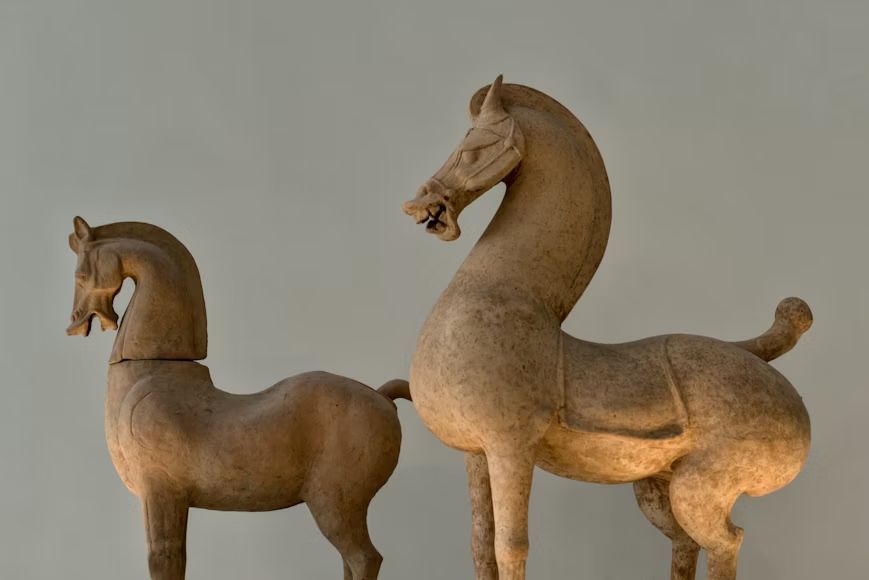 Image: Emma Corti
At first glance, it looked like a generous gift. But inside that wooden horse was a plan that changed history. The Trojan Horse has become our shorthand for anything that seems helpful on the surface but hides trouble underneath. Feel like saying yes to something? Think twice!
Tantalizing
 Image: Guillermo Latorre
Imagine being inches away from what you want and never being able to reach it. That was Tantalus’s fate, and it gave us the word tantalizing. We use it for those tempting things that stay just out of reach, like a treat you swear you won’t have but can’t stop thinking about.
Icarian ambition
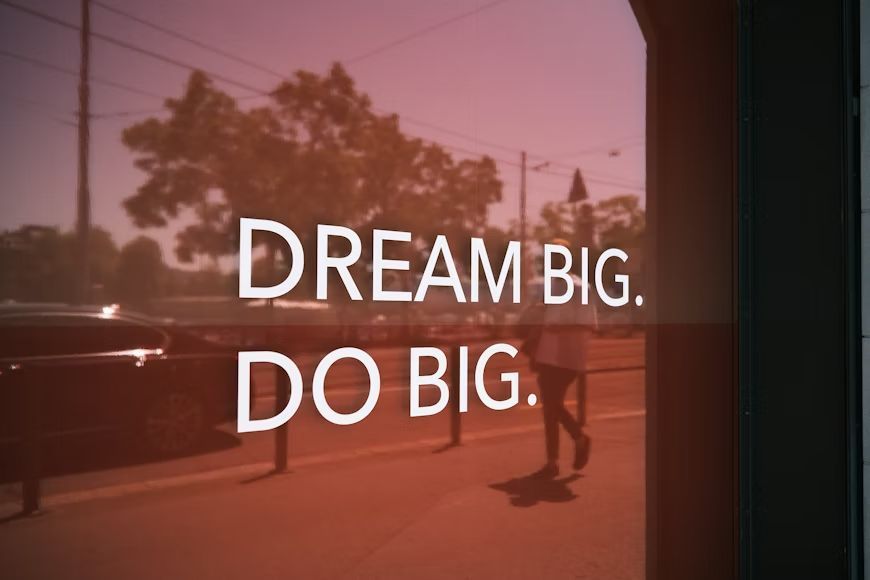 Image: Claudio Schwarz
Icarus had big dreams and ignored good advice. Flying higher and higher felt thrilling, until it all came crashing down. When someone warns about Icarian ambition, they’re saying it’s great to aim high, but it helps to listen and stay grounded. After all, even wings need limits.