Et voilá!
No need to pardon our French! We use these expressions every day
Published on February 24, 2026
 Image: Etienne Girardet
Did you know you’re probably speaking French without even realizing it? That’s right! From wine to wardrobes, French and its elegance have slipped into our everyday conversations, with words and expressions that make us feel très sophisticated. If you’ve ever met a sommelier, or if you’ve bought a prêt-à-porter item for that special summer holiday, these French words have had your back without you even noticing. Let’s explore these borrowed terms, uncover their origins, and see how they’ve seamlessly blended into our English chatter. Grab your beret, it’s time to feel fancy!
Sommelier
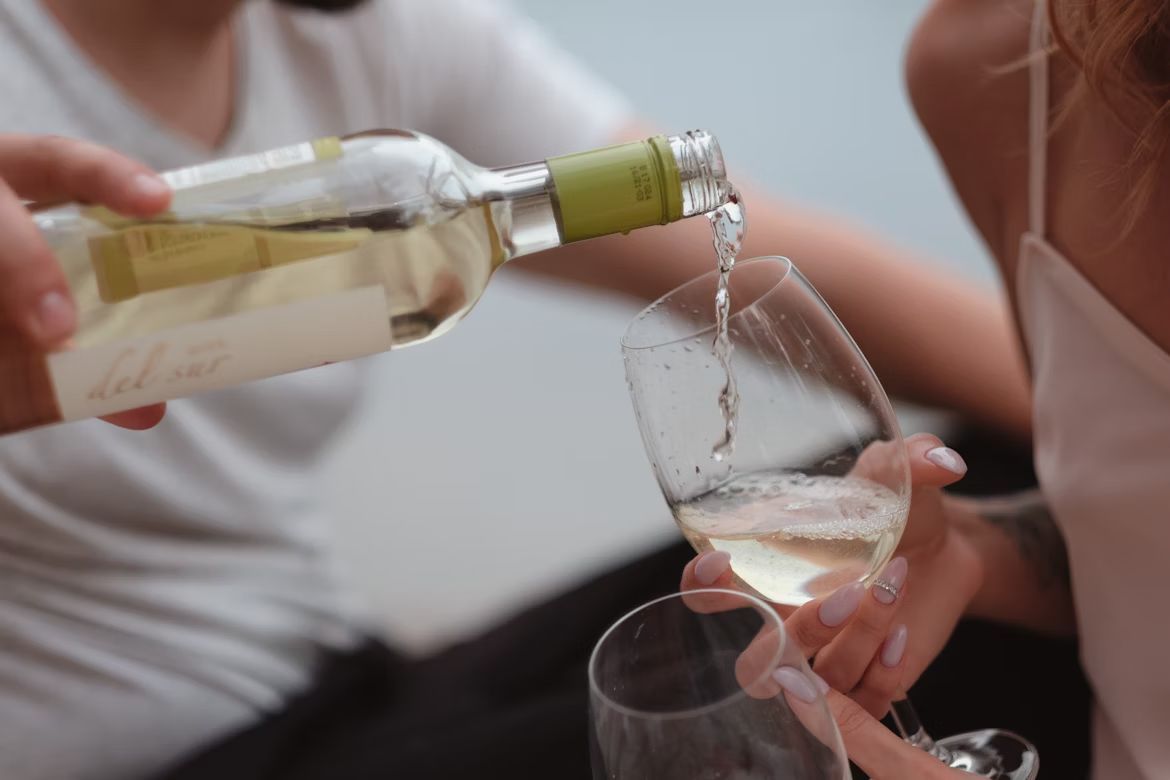 Image: Anton Mislawsky
Ever wondered who that poised, polished person recommending wine at a fancy restaurant is? That’s your sommelier: A wine expert whose job is to make you look like a connoisseur without lifting a finger.
The word comes from Old French, originally referring to someone who managed wine supplies. These days, it’s all about pairing your steak with the perfect cabernet. Who doesn’t love a nice pairing? Cheers to that, or to put it better, santé!
Aubergine
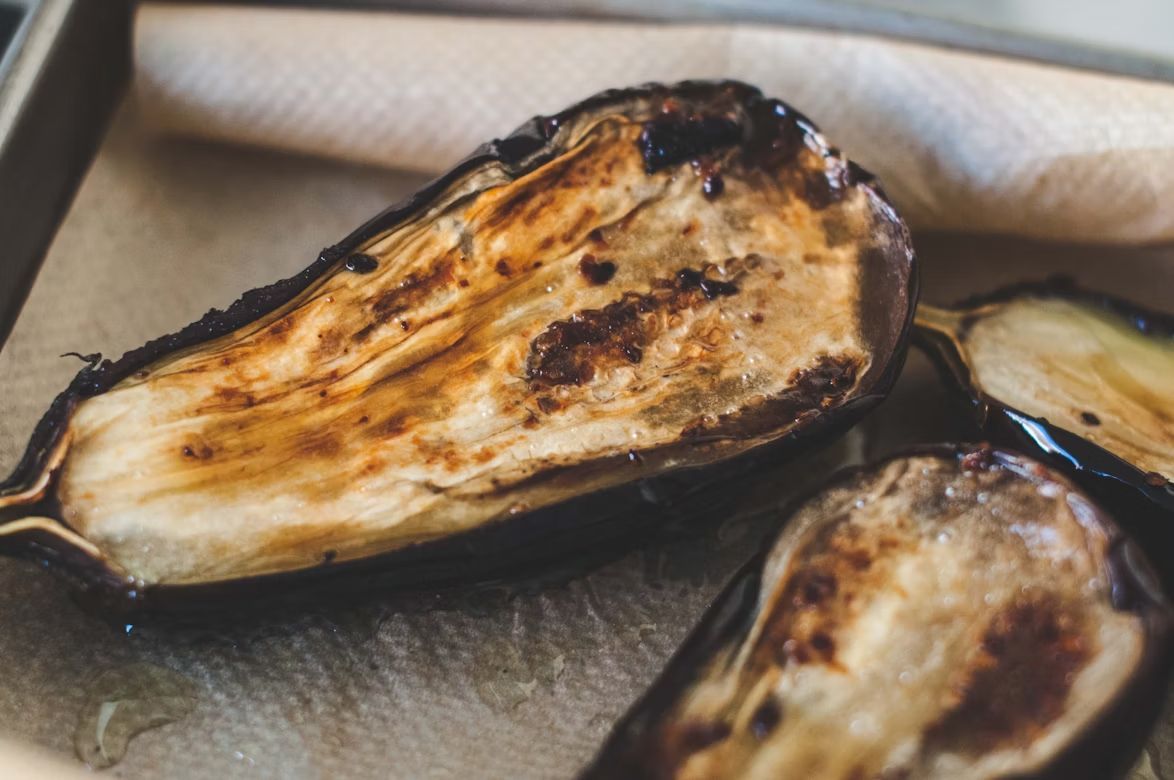 Image: Aneta Pawlik
What’s purple, pear-shaped, and sounds way fancier in French? The aubergine, of course! While Americans call it eggplant, the French (and British too) stick with "aubergine," a word derived from Arabic and filtered through French.
It’s a favorite in dishes like ratatouille, making it a star of French cuisine. Even if you’re not a fan of its slightly spongy texture, you have to admit the name gives it an air of culinary sophistication. Saying "aubergine" instead of "eggplant" just makes you feel fancier, don’t you think?
Boutique
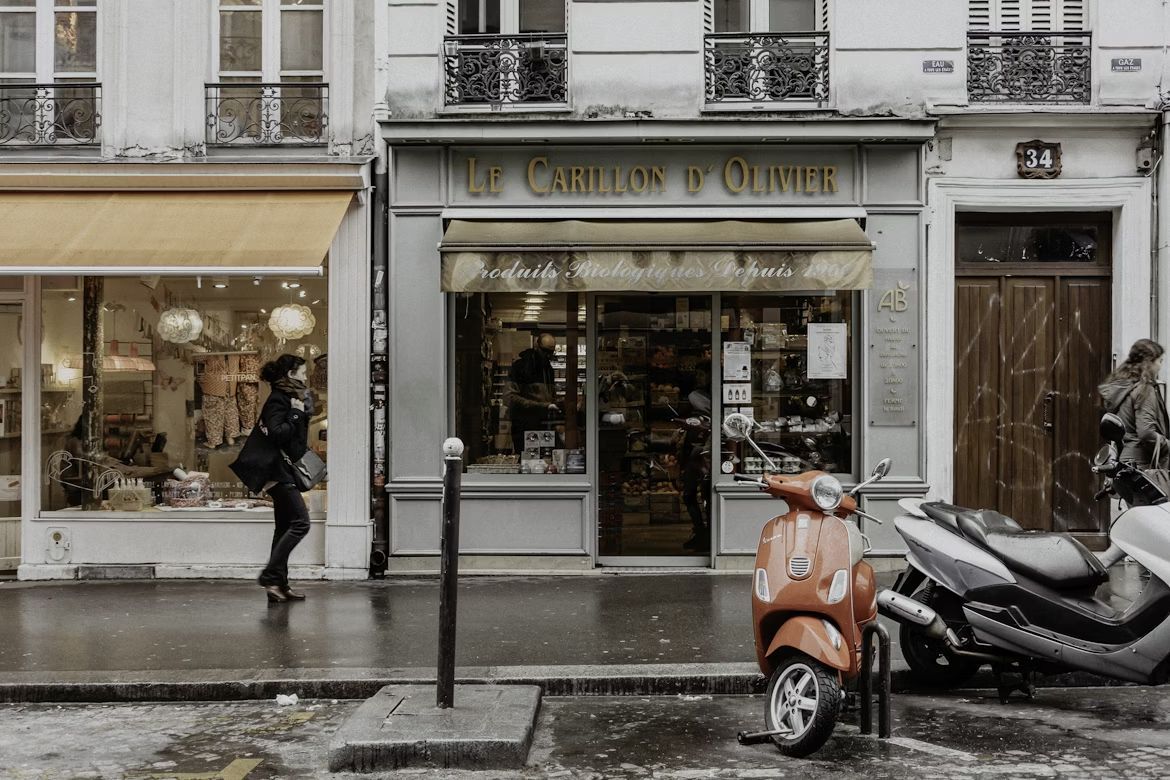 Image: Camille Brodard
We don’t know about you, but this one puts a smile on us just when reading it. A "boutique" isn’t just any old shop; it’s a small, stylish space brimming with unique finds.
The word literally means "shop" in French, but here, it’s used to describe those cozy little stores that make you want to browse for hours.
On a similar note, its use in tourism has grown popular, since "boutique hotels" are small but exclusive accommodations. You see? It only takes a French word to make it luxurious!
Petite
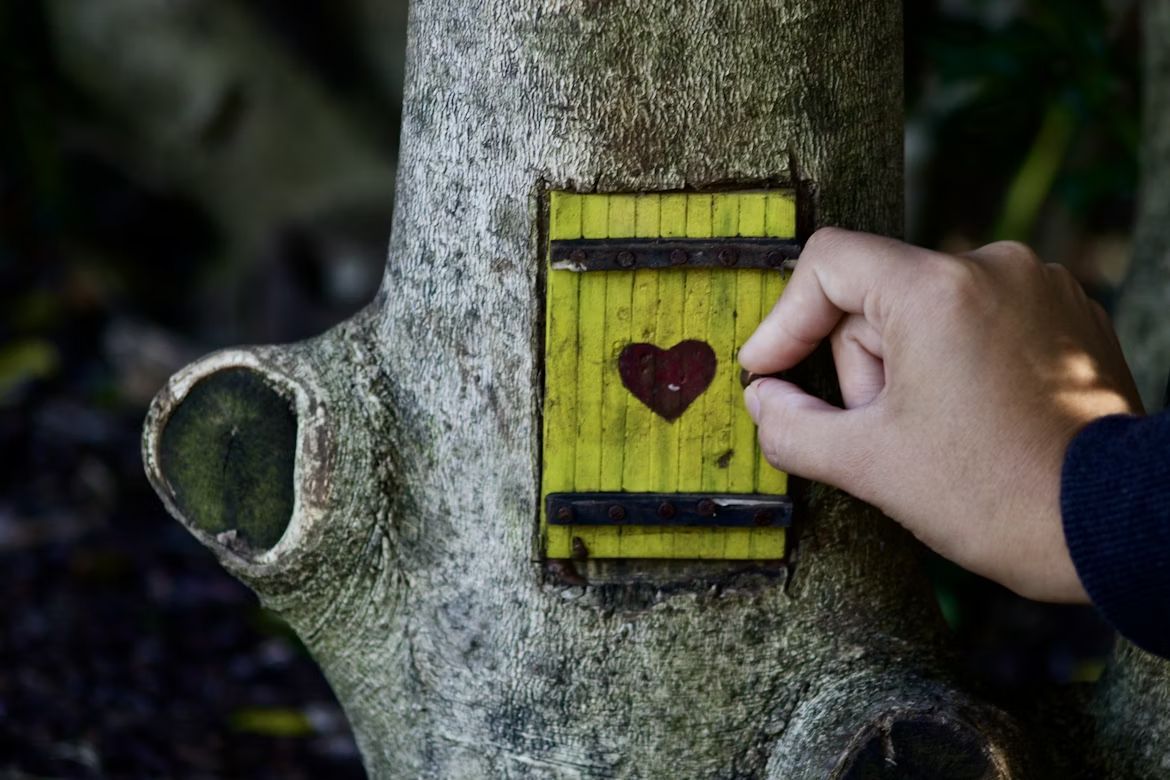 Image: Austin Tate
You probably use this one more than you think. Why, you may ask? Because it’s not the same to say something is small as to say something is "petite."
Used in all kinds of contexts, like a dainty piece of jewelry, a tiny home, or even someone who is of a smaller height, it sprinkles the object with elegance.
Fun fact: In French, "petite" is the feminine form, while "petit" is masculine. Either way, it’s proof that good things often come in small (and chic) packages.
Au pair
 Image: Joshua Rodriguez
Hiring an au pair isn’t just about childcare; it’s about cultural exchange, and it’s quite a common practice in our country.
This French term means "on equal terms," highlighting the idea that au pairs become part of the family while they’re learning the language and helping out at the house.
It originated in Europe, but the tradition has spread worldwide. If you’ve ever met an au pair, you know they’re like a babysitter, language tutor, and cultural ambassador all rolled into one. Très international!
Chauffeur
 Image: Laura Gariglio
Chauffeur is a word that screams luxury, doesn’t it? Well, it’s more luxurious than saying "taxi driver." This French term originally meant "stoker," referring to the person who kept early steam-powered cars running.
Nowadays, it’s all about a nice ride and comfort, and even if it is more commonly used to talk about a private chauffeur, it can also describe public transport drivers. So, we can say we all have one, right?
Impasse
 Image: Florian Siedl
Whether you’re stuck on a crossword puzzle or facing a tricky decision, you might need an impasse. That is, take a break, breathe in, and face the fact that there’s no clear solution at that point.
This word is French for "dead end," which feels fitting when you’re going in circles, right? Thankfully, most impasses are temporary; give it time, and you’ll find a way forward. And hey, using a fancy word to describe your predicament might just make it feel a little less frustrating.
Prêt-à-Porter
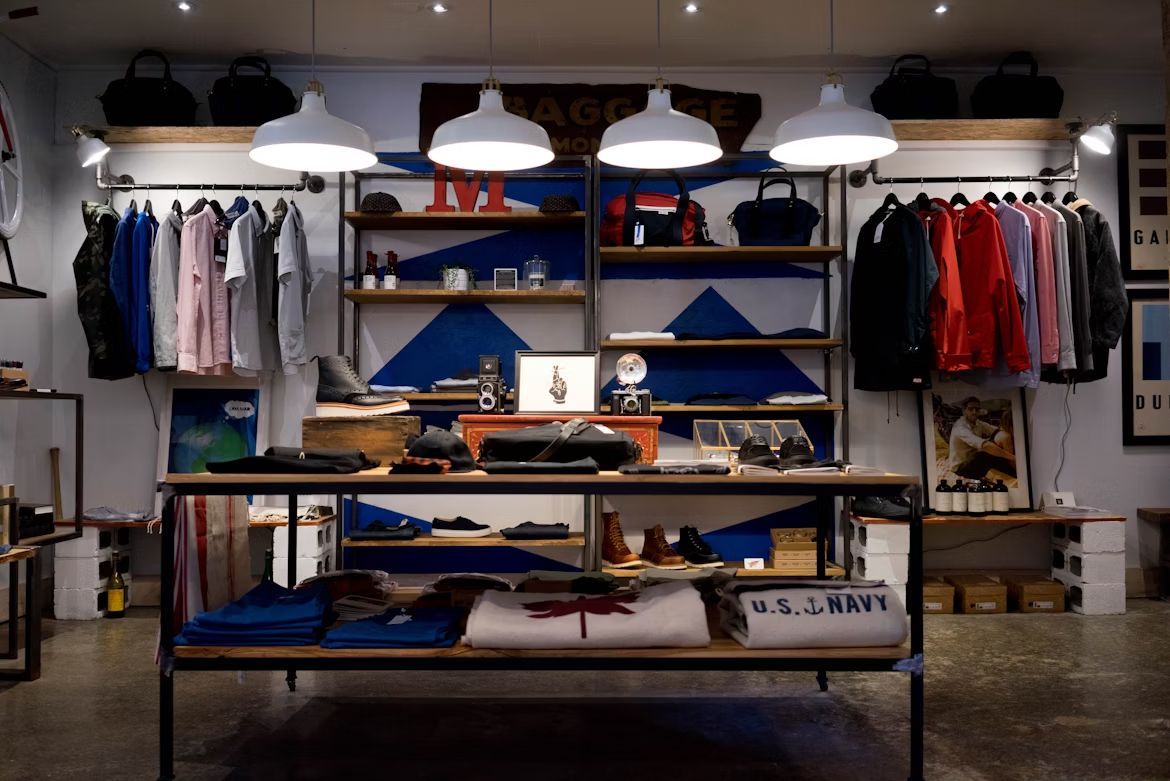 Image: Clark Street Mercantile
Prêt-à-porter is fashion talk for clothes you can buy off the rack. Literally meaning "ready to wear," it’s the opposite of haute couture (also French), where outfits are custom-made.
This term gained popularity in the mid-20th century as fashion houses began offering stylish yet accessible options for the masses.
All the clothes we buy today are prêt-à-porter; who needs a tailor when the French have already thought of everything?
Concierge
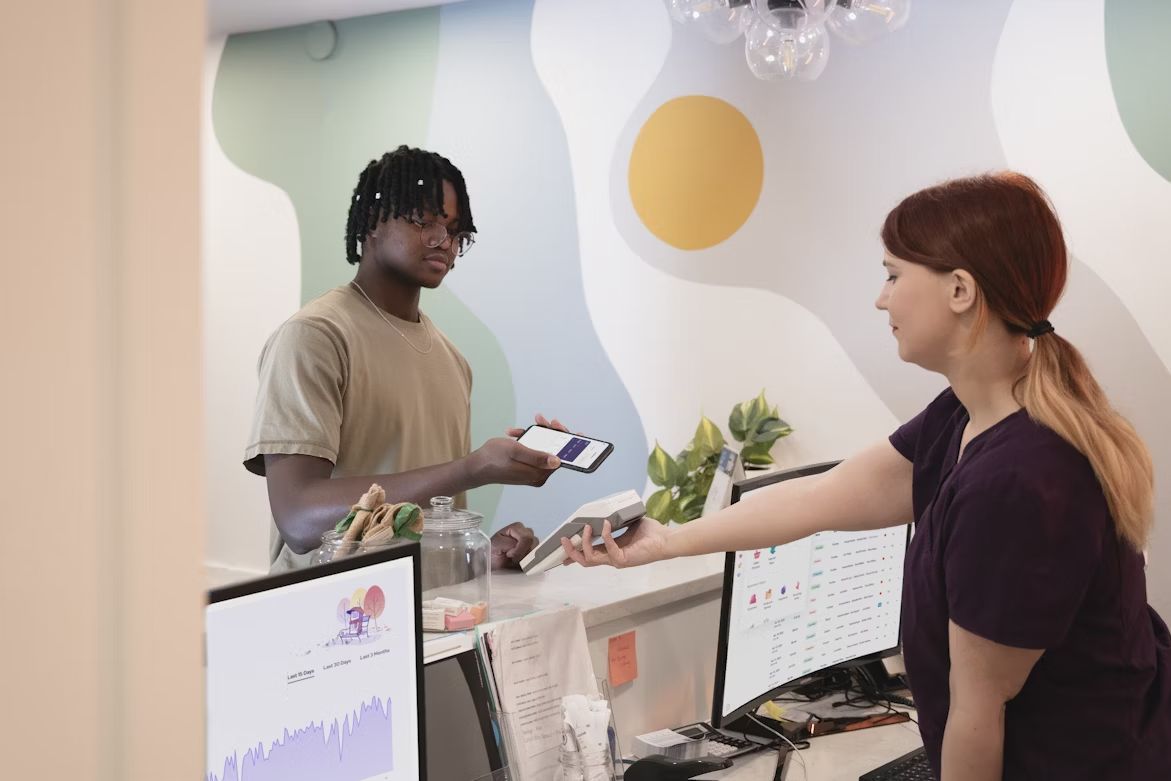 Image: Helcim Payments
If you’ve ever been to a hotel, you’ve met a concierge. Need dinner reservations, theater tickets, or directions to the best local café? They’ve got you covered.
The word itself comes from Old French, meaning "keeper of keys," which makes sense given their knack for unlocking great experiences. Don’t forget to tip them, and your stay will go smoothly!
Touché
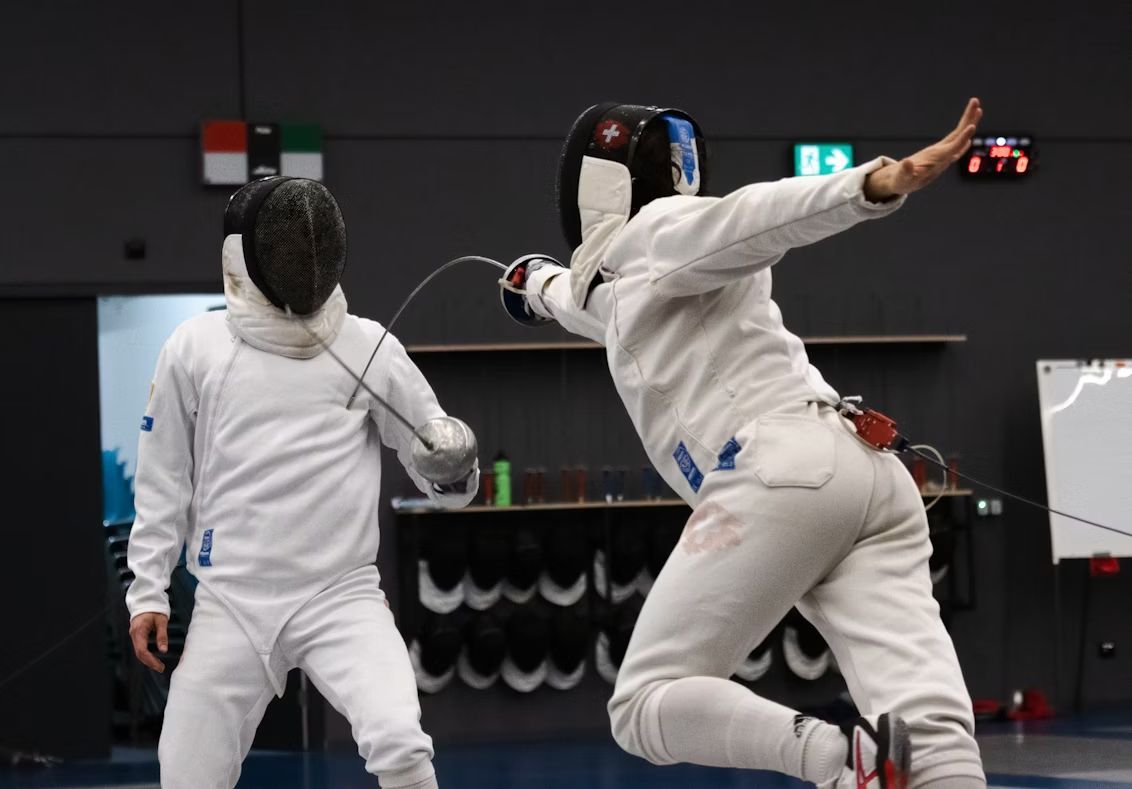 Image: Nathanaël Desmeules
Ever get into a playful debate and have to admit your opponent made a zinger of a point? That’s when you drop a well-timed "touché."
Borrowed from fencing, where it means "touched," this French term signals that someone has landed a verbal hit. Kind of like saying "Mic-drop," you know? When you say it, you’re allowed to feel a little smug afterward; it’s all part of the fun.
Chapeau
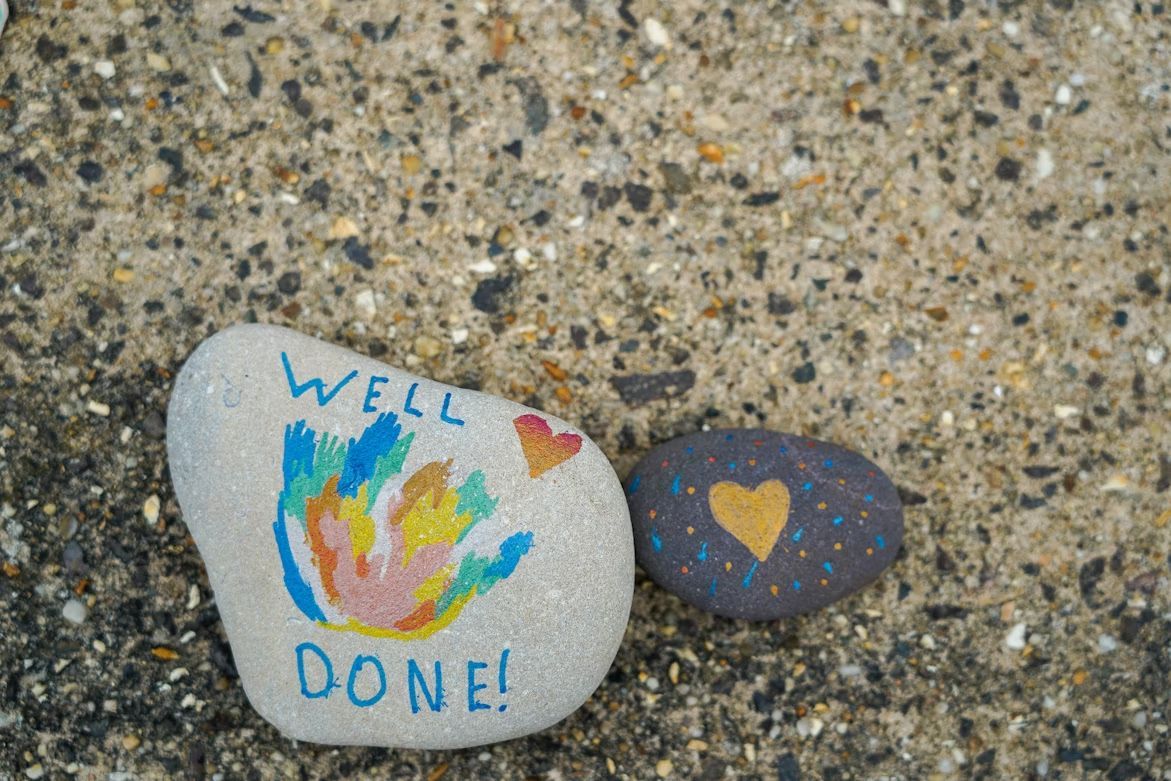 Image: Nick Fewings
In French, chapeau means "hat," but it’s also a way of saying "well done" or "kudos." And if you’re wondering what these two concepts have to do with each other, think of the tip-of-the-cap gesture we do when we want to acknowledge someone’s effort or brilliance.
Like many other expressions, using the foreign version gives it an extra something, especially if it is a compliment! Plus, it’s fun to say. Try it out, and you’ll feel like you’re straight out of a Parisian café.