Time is of the essence

Shorter words are becoming the norm: These 12 terms used to be longer


Published on February 23, 2026


Image: Markus Winkler

Blame it on the faster pace of modern life, practicality, or whatever else you can think of, but the tendency to optimize time has seeped into our everyday lives and even into our language. Many formal words have been trimmed into shorter versions of themselves, often starting as slang and then becoming standard speech. Did you ever use any of the following words in their longer form?

1

Omnibus to bus

Image: Jonathan Borba

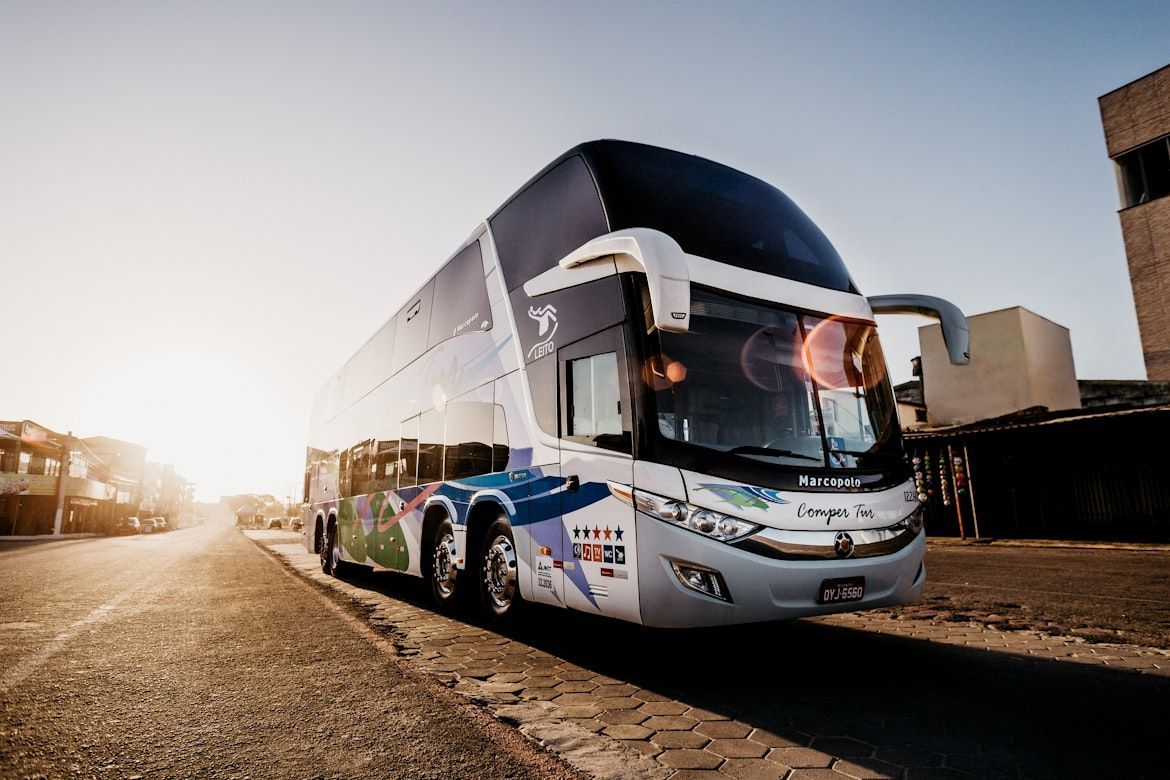
In the nineteenth century, public coaches were called omnibuses, a Latin term suggesting transport "for all." Passengers soon favored the shorter, quicker "bus" in daily talk.


The shortened word spread rapidly across cities and timetables. Today, omnibus survives mainly in legal texts or historical descriptions.

2

Influenza to flu

Image: CDC

During early epidemics, newspapers shortened influenza to "flu" for speed and space, helping the clipped form spread rapidly.

Today, flu is the everyday name for the illness, while influenza persists in medical and scientific writing. Both remain correct, but only one feels familiar.

3

Brassiere to bra

Image: Kristen Plastique

The French-derived brassiere was common in early 20th-century catalogs, but shoppers quickly favored the brisk, modern "bra."

After mid-century marketing shifts, the clipped form became universal. Today, brassiere sounds dated outside historical writing.

4

Facsimile to fax

Image: Ann Ann

We might think otherwise today, but a facsimile transmission was once cutting-edge technology. Soon enough, office workers favored the short, punchy "fax."

As machines spread, the clipped form took over press releases and everyday conversation alike. The original term is now largely historical.

5

Moving Picture to movie

Image: Daniel Guerra

Early films were described as moving pictures, but audiences soon began calling them "movies" because, well, it was shorter and catchier.

Hollywood’s rise helped seal the popularity of the shorter form. Today, the longer phrase survives mainly in historical analysis or nostalgic usage.

6

Taximeter to taxi

Image: Waldemar Brandt

Passengers on city streets once hired a taximeter cab, later shortened to taxicab, but everyday speech eventually clipped it to the more convenient and expeditious "taxi."

The shorter word spread globally, becoming the universal name for hired cars. The long form persists mainly in regulations.

7

Weblog to blog

Image: Kenny Eliason

Originally coined as weblog, a portmanteau of web and log, the term was later jokingly split as we blog, inspiring the now-standard "blog."

The clipped form quickly overtook its parent. Today, it refers both to the site and to the act of publishing online posts.

8

Hooded Sweatshirt to hoodie

Image: Eugene Chystiakov

Retailers once promoted hooded sweatshirts, but youth culture shortened the name to "hoodie," giving it a modern identity.

The clipped form became mainstream across fashion and sportswear. The longer phrase now appears mainly in catalogs or formal product descriptions.

9

Violoncello to cello

Image: Manny Becerra

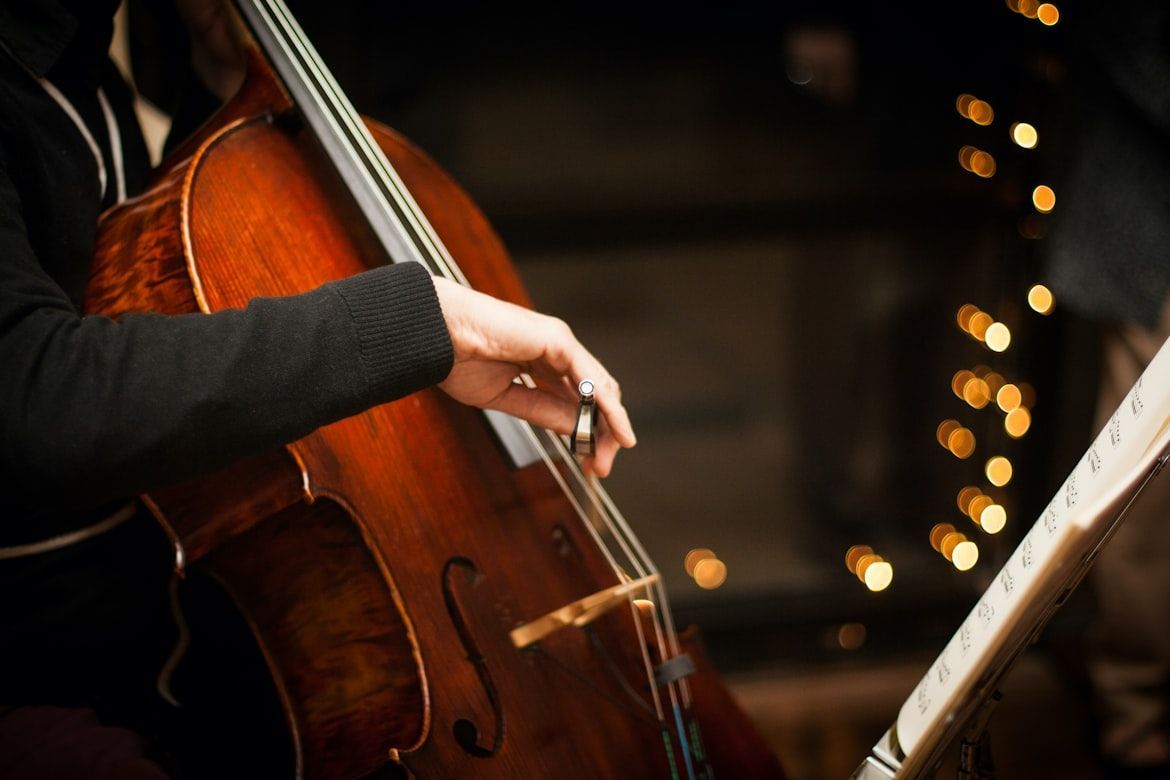
The elegant Italian word violoncello entered English intact before musicians clipped it to the smoother, more practical "cello."

The shortened form became the everyday name of the instrument. The longer term survives mostly in formal scores, academic contexts, and archival writing.

10

Pianoforte to piano

Image: Ebuen Clemente Jr

The original pianoforte highlighted the instrument’s ability to play softly and loudly, but speakers quickly favored the simpler and more universal "piano."

As the instrument spread through homes and concert halls, the shorter term dominated. Pianoforte remains in scholarly texts and classical sheet music.

11

Dormitory to dorm

Image: Nguyen Dang Hoang Nhu

The Latin-derived word dormitory described shared student housing, but campus life quickly adopted the brisker, more casual "dorm."

The clipped form feels friendly and familiar, reflecting college culture. The full term appears mainly in brochures and official policies.

12

Pantaloons to pants

Image: BBiDDac

In the nineteenth century, men wore pantaloons, a somewhat funny term that later evolved into "pants" as fashion and language changed.

The shorter form became the everyday American generic term for trousers. Pantaloons now survives almost exclusively in costume history, literature, and theater.


Fancy a trip to the dairy?

11 terms from other English dialects that you might not know


Published on February 23, 2026


Image: Waldemar Brandt

The term dialect is sometimes perceived as negative or derogatory when it is merely descriptive: It’s a particular form of a language tied to a certain region or a particular group of people, and can be understood by users of the same language, even if they speak a different dialect.

The English language has a multitude of dialects, all with unique traits, but all mutually intelligible… sometimes. While English speakers around the world can understand each other no matter their origin, certain words greatly differ from standard American English. Keep on reading so you can recognize these terms in future conversations.

1

Canada: Loonie

Image: PiggyBank

The Canadian dollar is the official currency of The Great White North, and loonie is the name given to the one-dollar coin. The name originated from the fact that most coins have the image of a common loon, a bird found throughout most of the Canadian territory. The term loonie is so widespread that the Canadian Royal Mint has secured the rights to it. When the two-dollar coin was introduced in the 90s, it was aptly nicknamed toonie, as in two loonies.

2

Nigeria: Long-leg

Image: Rock Staar

Being tall is generally considered an attractive feature, but this is not what Nigerians are talking about when they call you long-leg. For them, someone with long-legs is someone well-connected who has an unfair advantage because of it, often being favored over those who really deserve the positions or recognitions.

3

England: Chinwag

Image: Korney Violin

What would make you wag your chin for a long time? Obviously, a good chat! This is exactly what the English are referring to when they use the word chinwag, a long and pleasant conversation with friends. It is also used as a synonym for gossip, because we all know where those chit-chats are heading.

4

The Philippines: High blood

Image: Icons8 Team

Philippine English has an abundance of interesting terms, both derived from native languages and alternative uses of English words. High blood is an example of the latter: While it is used in a medical sense, it also means that someone is angry or agitated. If a Filipino tells you someone is ‘high blood’, it means this person has a short temper and is easily angered.

5

Jamaica: Pickney

Image: Leo Rivas

Jamaican English is a colorful language, heavily marked by Patois —also called Patwa, an English-based creole with French, Spanish, and West African influences. The term pickney —from the Portuguese pequenino, very small— is commonly used to refer to a child. Fun fact: in Jamaican Patois, plurals are formed by adding the word ‘dem’, so children would be pickney dem.

6

Ireland: Craic

Image: Erika Giraud

We challenge anyone to find a more Irish word than craic, they are not likely to succeed. Pronounced like ‘crack’, it is used in a multitude of ways, but it is mainly a descriptor of enjoyable times and experiences. Key phrases that use it are What's the craic? (What’s up?) and Any craic? (Any news or gossip?). Where does craic come from? In Middle English, crack meant ‘loud conversation’ or ‘news’.

7

Scotland: Ken

Image: Unseen Studio

Many people fail to realize that, although Scottish people speak English on the regular, Scots is a language of its own, and many Scottish English words are of Scots origin. A good example is the term ken —to know, to be aware, to understand—, much more used than its English equivalents.

8

New Zealand: Dairy

Image: Zhu Hongzhi

If you hear a Kiwi person using the term dairy, you might think they are talking about milk products. You would be right about half of the time. While dairy is used in its standard sense, New Zealanders also use this word for a small convenience store where you can buy essential groceries, cigarettes, snacks, and yes, dairy products.

9

Australia: Bludger

Image: Kate Stone Matheson

Australia is known for being wild and interesting, and Australian English is no exception. The word bludger has a fascinating story: originally from the London slang ‘bludgeoner’ —someone who uses a stick to attack and rob—, it made its way to The Land Down Under, where it changed into bludger, someone who is lazy, avoids work and responsibilities, and relies on the efforts of others.

10

South Africa: Bakkie

Image: Philip Stieber

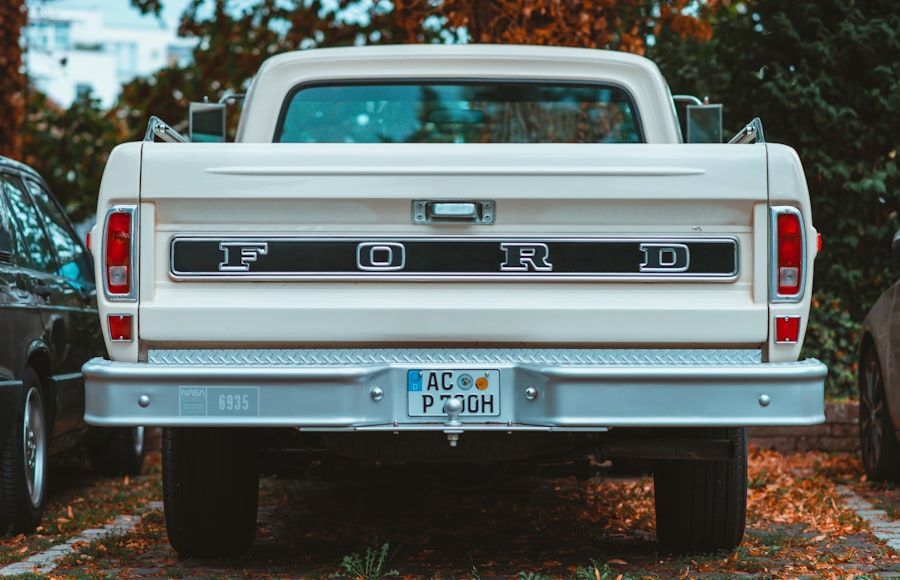
Pick-up trucks (and trucks in general) are one of those things with a thousand names depending on the part of the world you find yourself in. For South Africans, it is a bakkie. From the Afrikaans bak, meaning ‘container’ or ‘bowl’, as a reference to the open cargo space in these vehicles.

11

Wales: Hanging

Image: Carolina Heza

It is difficult to speak about Welsh English terms, not because they are not interesting (they are!), but because they might be difficult to pronounce for the average American (also, the amount of consonants commands respect). Our pick of the day is hanging —allegedly pronounced ‘angin’— used to express feeling sick, rough, and generally unwell, usually as a result of drinking and being hungover.

Looking for an extra scoop of literary fun?

Learn more with our Word of the day

irascible

/ɪˈræsəbəl/