Take a deep breath before you read about these new scientific discoveries
Published on September 8, 2026
Science moves so fast that you probably haven't heard that cancer can now be detected with a simple blood test or that you can choose the color of a baby's eyes before in vitro fertilization. Some of these breakthroughs are controversial, while others represent extraordinary progress in preventing disease and in fighting pollution. Here are some of the most fascinating recent scientific discoveries that you may not know about. Come join us!
Cancer could be detected with a simple blood test
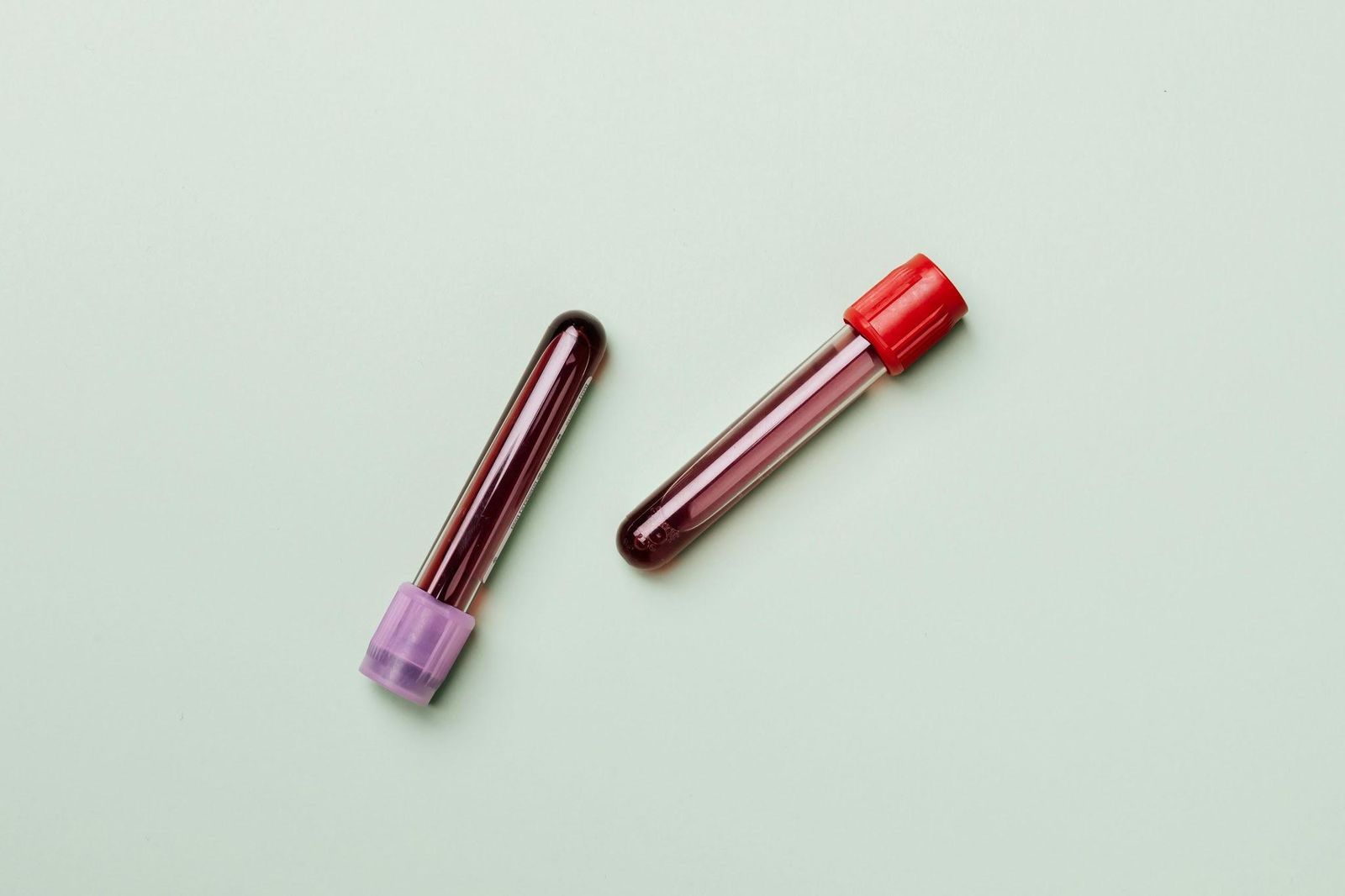
A team of researchers from Johns Hopkins University discovered something that could completely change cancer diagnosis and treatment worldwide. The study, published in the journal Cancer Discovery, found that cancer can be detected up to three years before doctors can provide an official diagnosis.
The researchers discovered that cancerous tumors shed genetic material that can show up in the bloodstream much earlier than previously thought. Early detection of this disease is crucial and significantly impacts the survival rate of patients. Thanks to this groundbreaking finding, it will be possible to develop more effective methods in preventing and detecting cancer.
Carbon dioxide can be turned into textile fibers
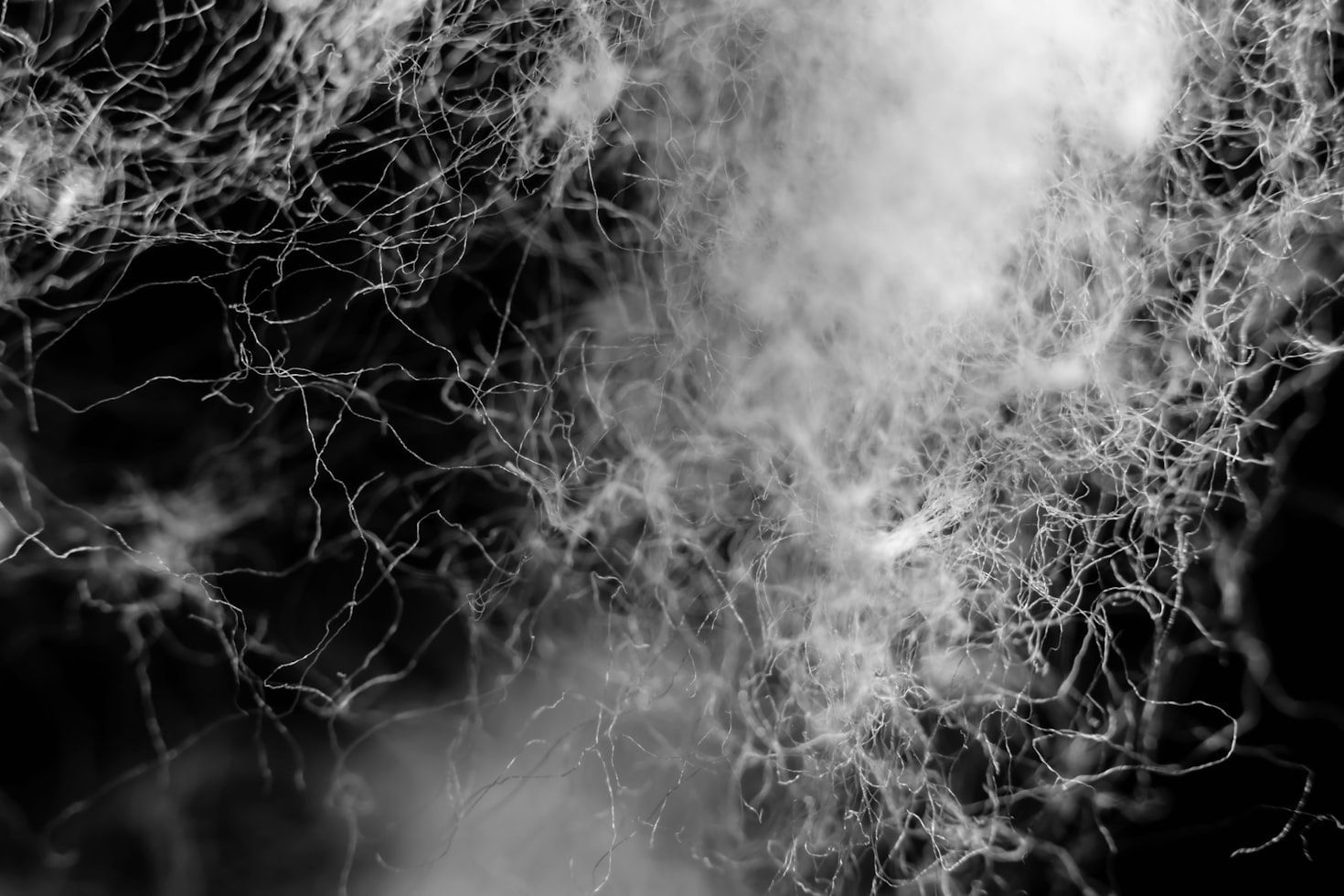
The textile industry emits billions of tons of pollutants every year, but two 28-year-old American twins found a way to make it more sustainable. Neeka and Leila Mashouf created an innovative system that captures C02 and transforms it into biodegradable fibers to create new textiles.
The scientists were able to mimic the process by which trees convert carbon into cellulose, although in their case, they use a chemical reactor. Their discovery could revolutionize the construction sector and the production of packaging, pharmaceuticals, and cosmetics. In 2025, the European Patent Office recognized the Mashouf sisters with the Young Inventors Award.
Is the answer to diabetes in stem cells?
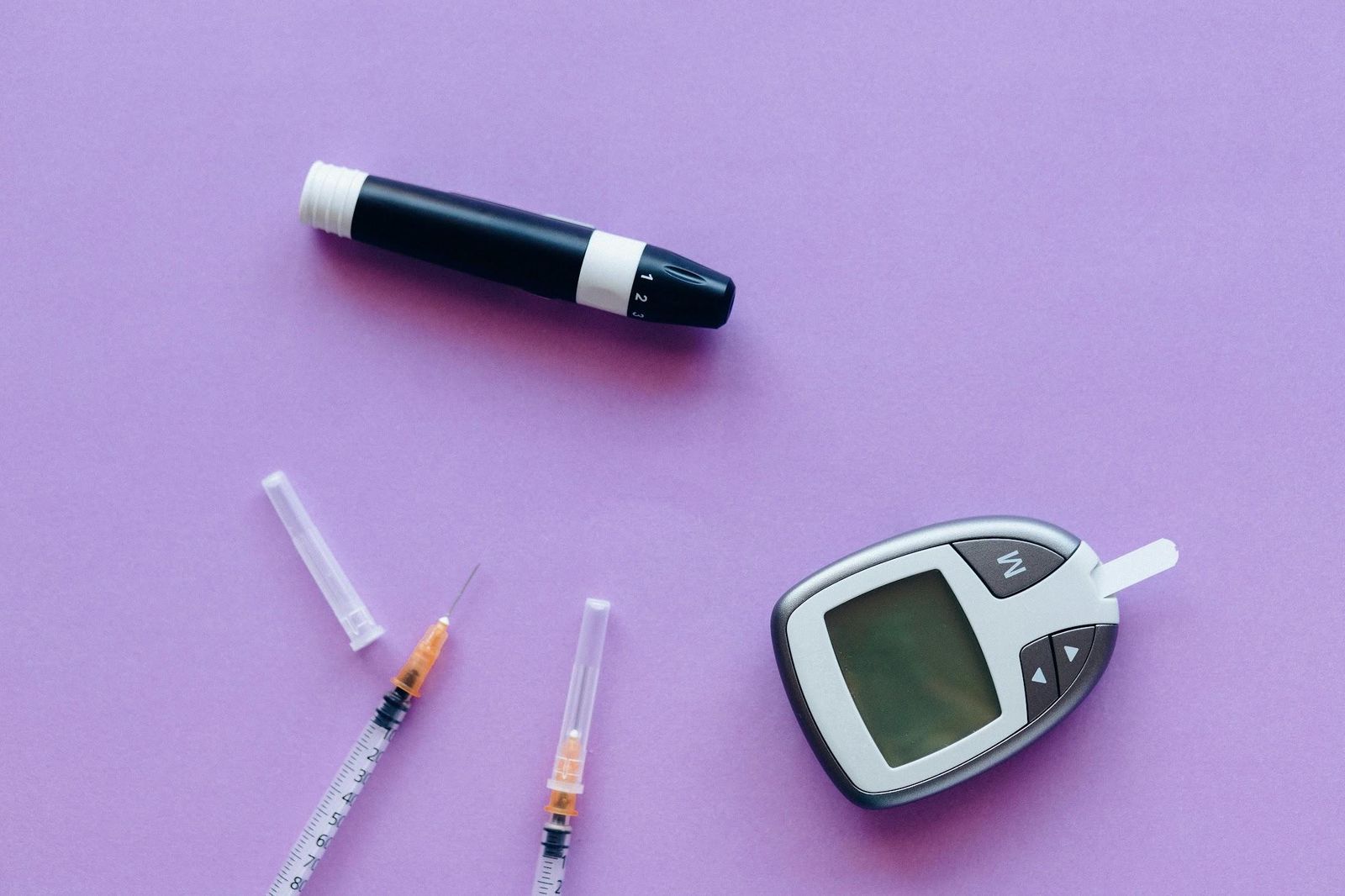
A 36-year-old Canadian woman diagnosed with type 1 diabetes was part of a stem cell experiment that resulted in her never needing insulin again. Before undergoing this innovative treatment, Amanda Smith had spent nearly a decade of her life constantly measuring her levels and giving herself insulin injections.
Of the 12 patients who received the cells for this study, 10 did not need insulin again for at least a year. The cells were implanted directly into the liver, which means they’ll need to take immunosuppressants to prevent their body from rejecting the cells, which could lead to risks such as infections, cancer, and organ damage.
The world's largest sand battery
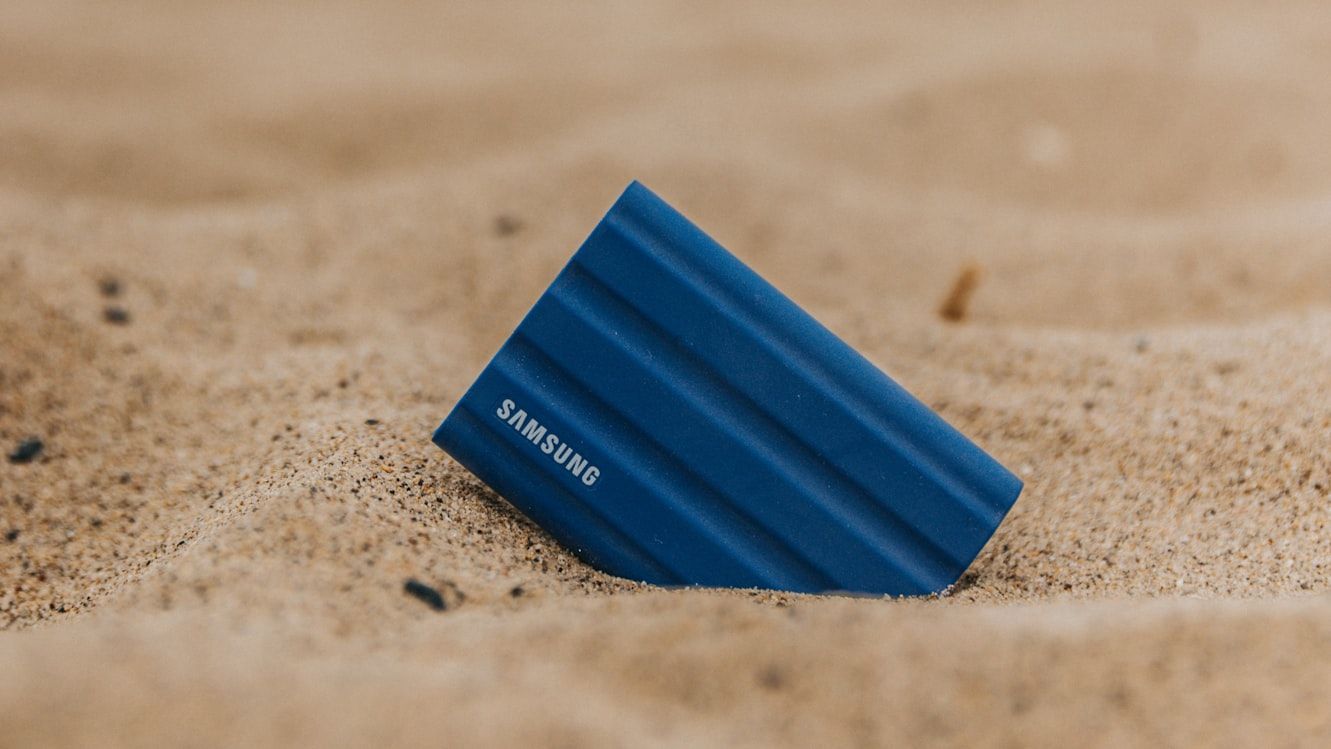
Can you imagine storing energy in sand? This is what a company in Finland was able to achieve by building the largest sand battery in the world.
It is a cylindrical structure capable of storing 100 MWh of thermal energy. The device is charged by heat produced from renewable sources such as the sun or wind, which reduces pollutant emissions by up to 70%. When needed, the energy is released in the form of steam or hot air and can be used for industrial processes or heating systems.
Fish are responsible for your toothache
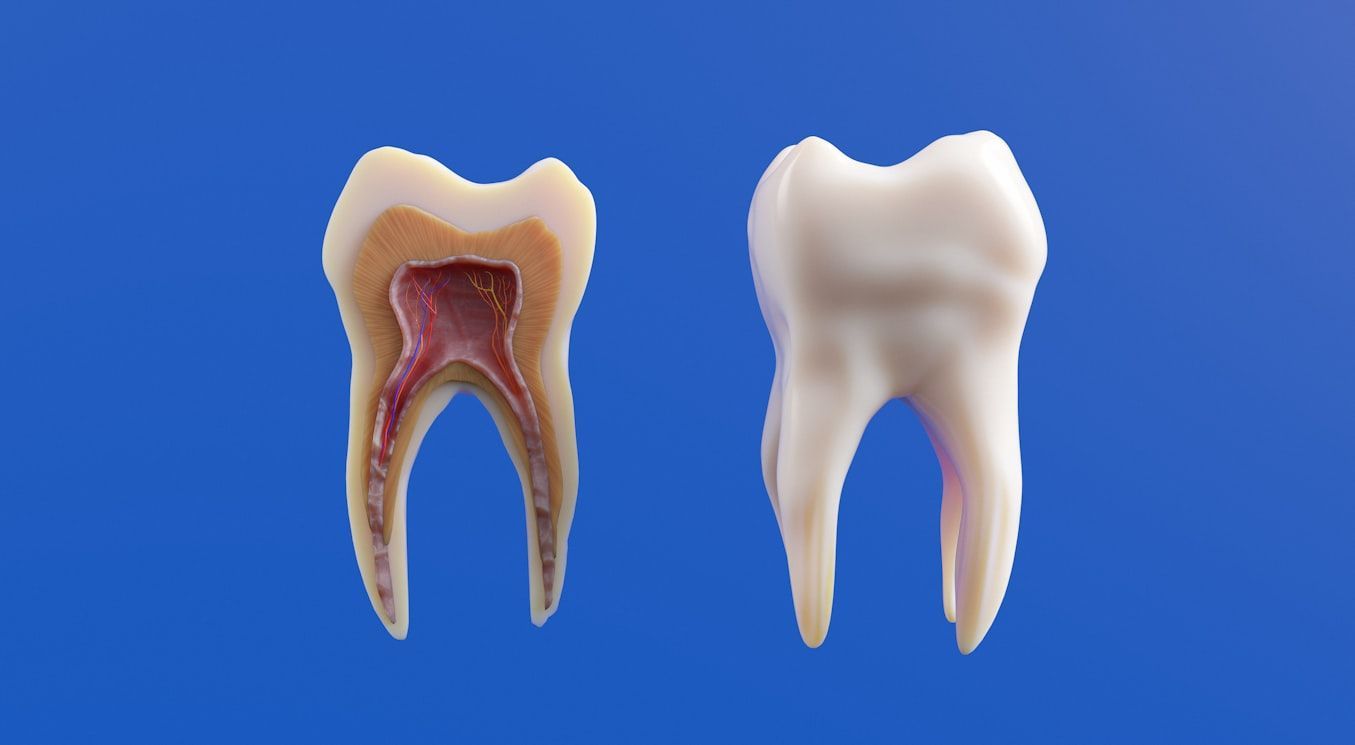
There is nothing worse than a toothache; the good news is, scientists have found the source of our dental sensitivity. The exact origin of teeth has always been a great scientific mystery. Recently, a team from the University of Chicago discovered that the answer lies in a fish from about 465 million years ago.
These creatures had external bumps called odontoids. Those odontoids had a sensory function to detect temperatures and vibrations, and probably evolved to become our teeth. So now you know, the next time you get a toothache, you can blame it on those prehistoric armored fish!
A tiny, eco-friendly aquatic robot
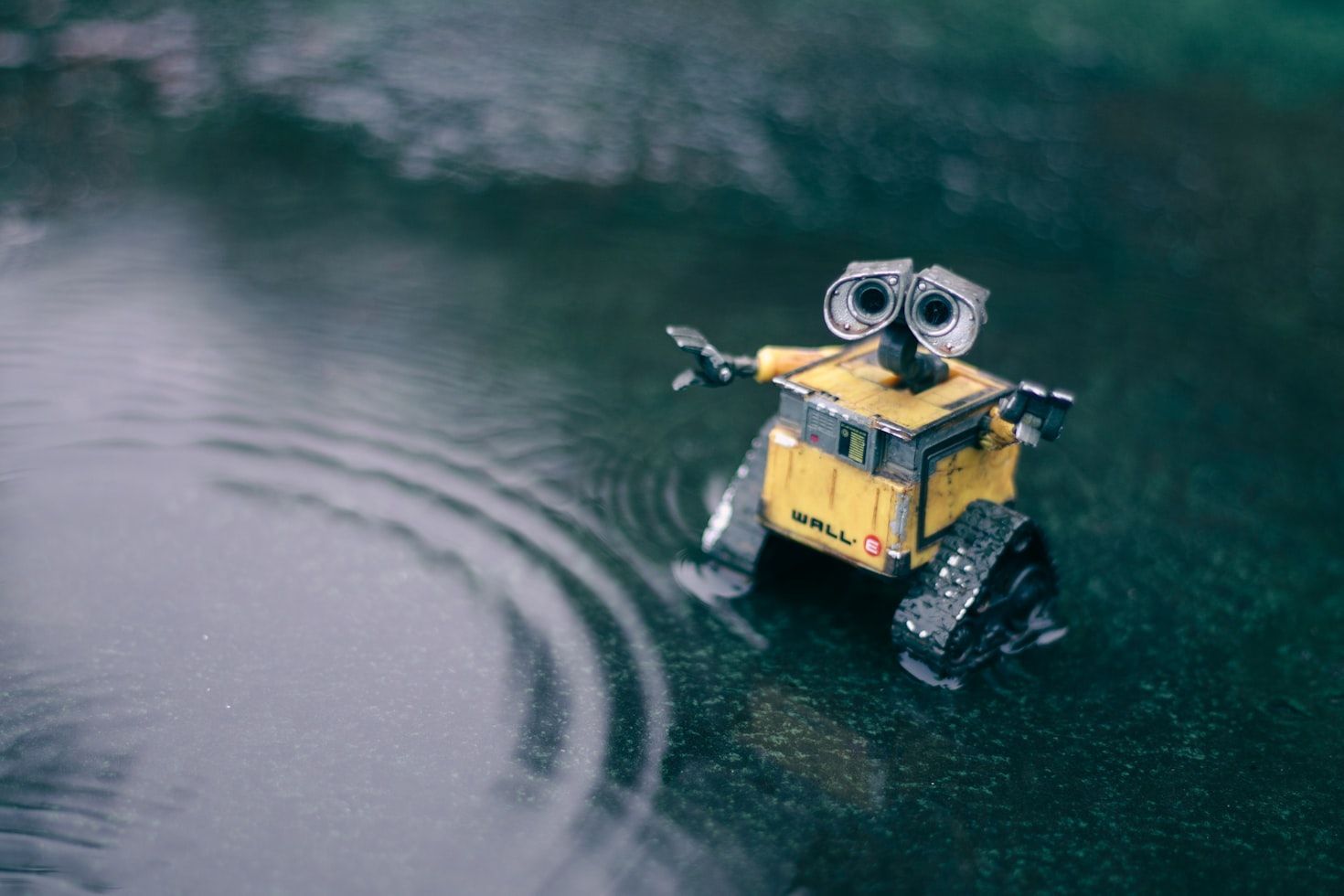
A group of Swiss researchers has developed an innovative robot that could change the way research is conducted in aquatic environments. It uses surface tension to move through the water in the same way as some insects do.
The tiny robot is shaped like a boat and is built out of fish food, which turns it into food for wildlife at the end of its useful life. The design, which also uses biodegradable fuel, is particularly efficient as it doesn’t rely on plastics, batteries, and electronic components to operate. These robots are expected to collect environmental data on water pH, temperature, pollutants, and the presence of microorganisms.
Plastic can be converted into painkillers
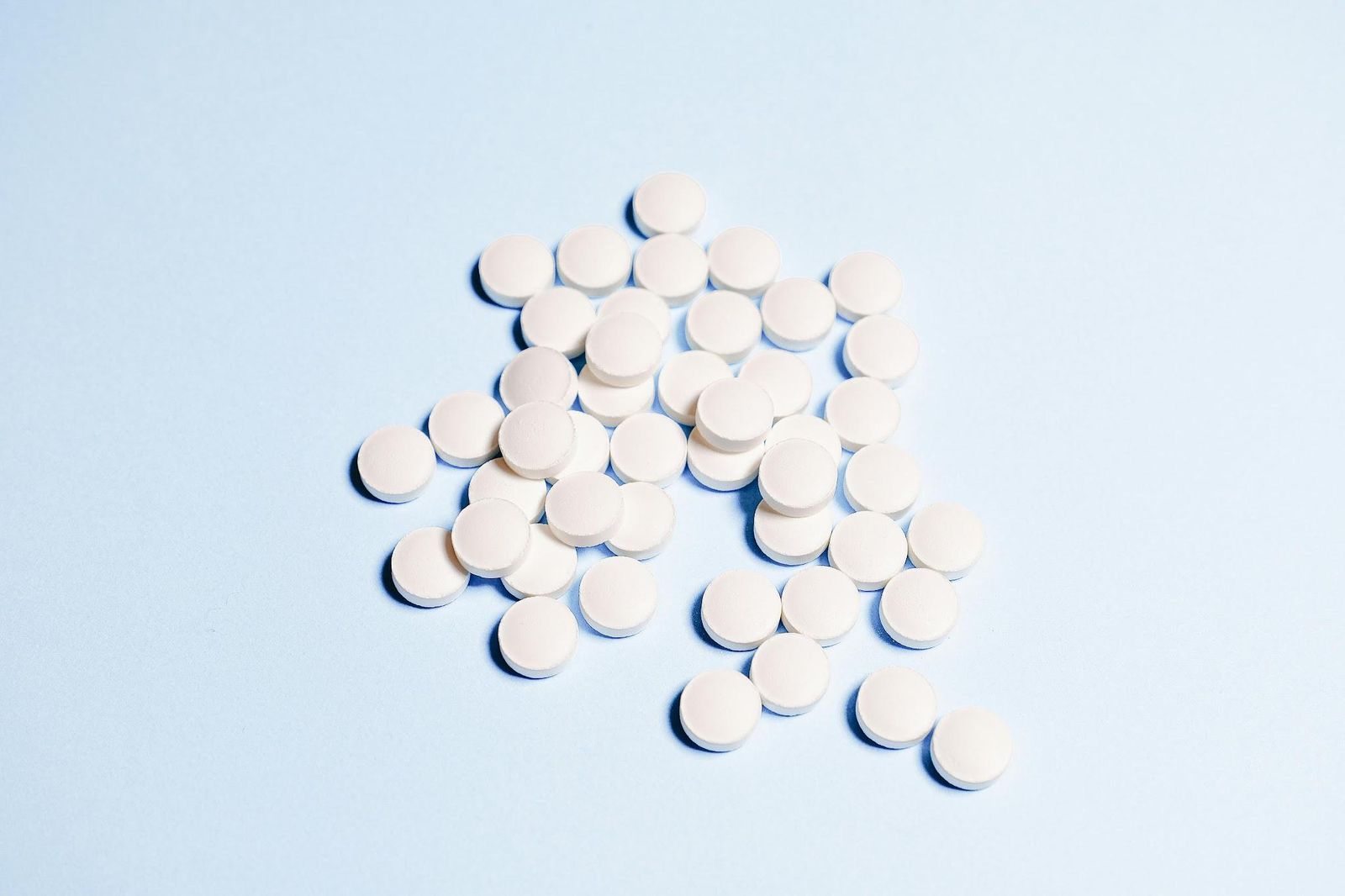
Scientists at the University of Edinburgh were able to use E. coli bacteria to convert the molecules of PET plastic, usually used in water bottles, into acetaminophen, better known as paracetamol, a medicine that you have probably taken to treat the flu.
By genetically modifying the bacteria and through a fermentation process, they were able to turn plastic into paracetamol in just 24 hours with a 92% effectiveness. How is this possible? Paracetamol is also a petroleum derivative; it is produced by converting a molecule known as terephthalic acid into the drug's active ingredient. For now, the experiment has only been achieved in the laboratory and in low quantities, but it is a major breakthrough in the fight against environmental pollution.
The ashes of your loved ones can become artificial reefs
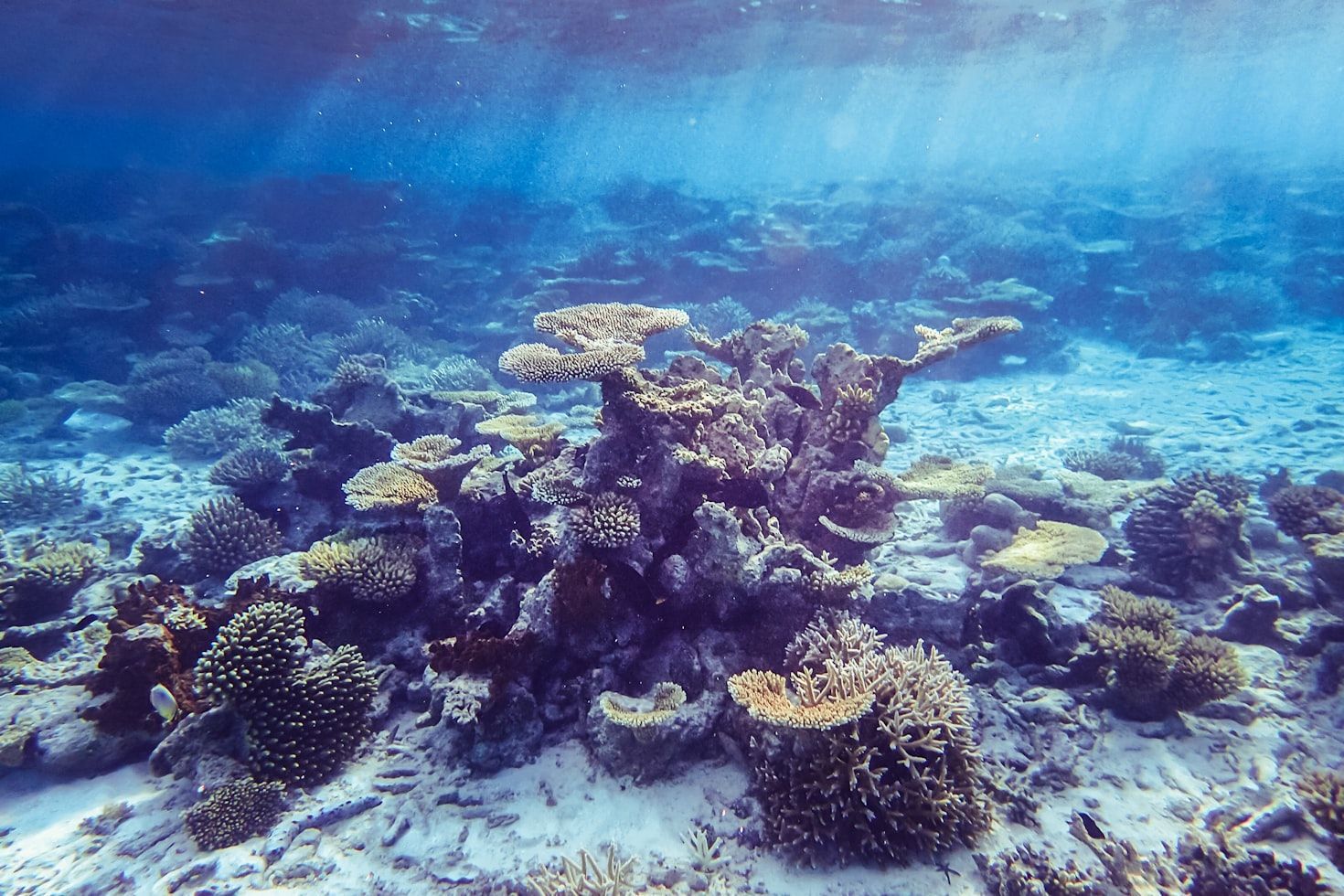
No, it's not the plot of some science fiction movie. A UK company has found an out-of-the-box solution to fight funeral industry pollution: by mixing the ashes of your loved ones with pieces of seashells to create artificial reefs that can support deep-sea life.
So far, the company has worked only with pet ashes, whose artificial reefs were left in Bali. They hope to be able to start human "sea graveyards" in 2026. What do you think of this idea?
An electronic tattoo that measures stress
We have all felt overwhelmed at one time or another; however, due to the fast-paced culture we live in, we often don't realize it and continue to work nonstop. A group of researchers may have found a solution.
Through sensors, an electronic tattoo that sticks to the skin without adhesive can track brain and eye activity to determine mental fatigue. And it not only detects stress, but can also predict it! This discovery will undoubtedly be essential in work environments, but also to remind us that sometimes we need to take a breath before we reach complete burnout.
Babies by design
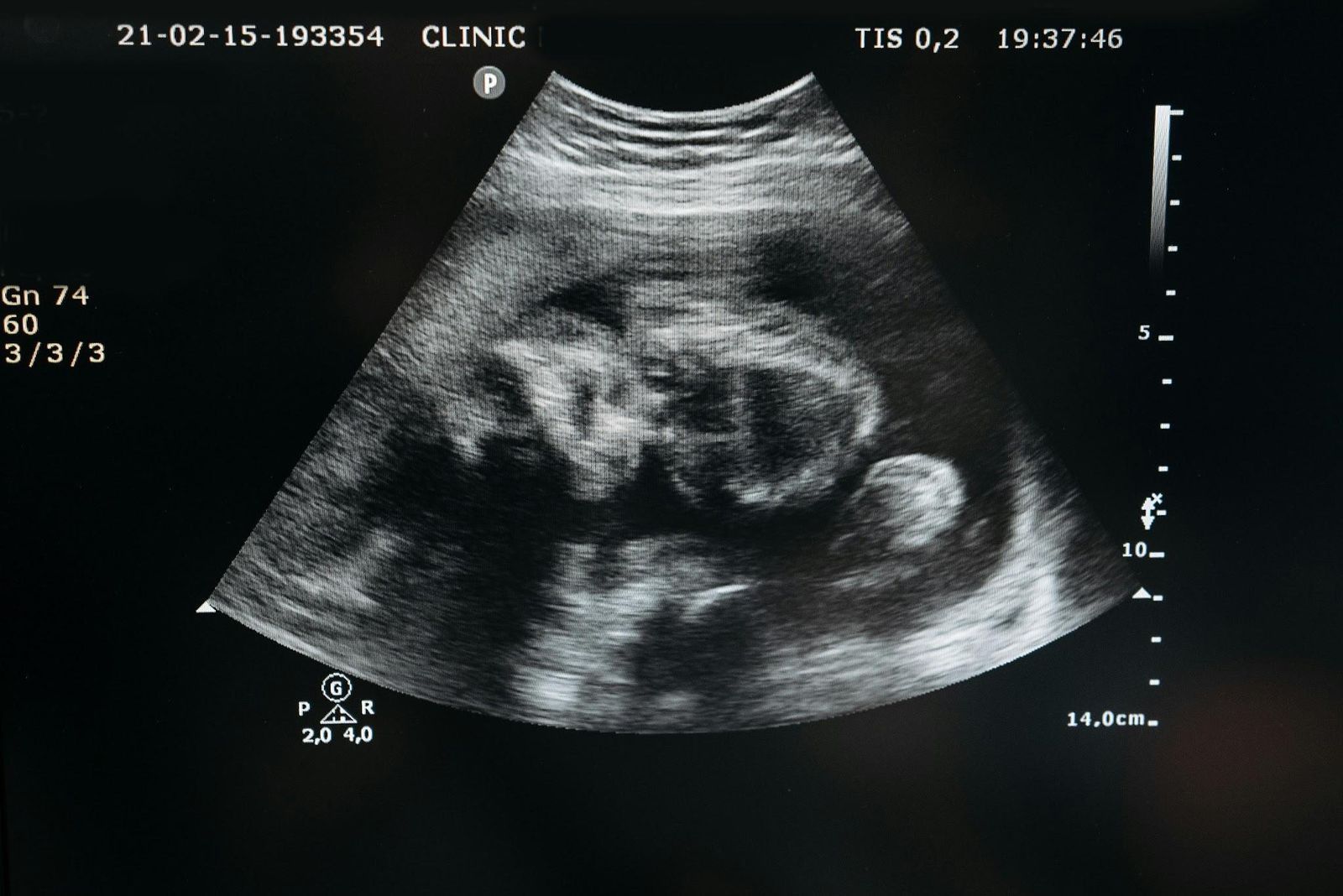
The New York-based startup Nucleus Genomics has launched a "genetic optimization" service that allows parents to analyze embryos to determine physical traits and even the IQ their baby will have before in vitro fertilization.
Although these types of services already existed, they only focused on potential health issues instead of other physical traits such as intelligence, height, or eye color. Nucleus Genomics’s new approach raises a whole ethical debate about genetic medicine. Do you agree with this type of manipulation of nature?


