Slang on the tracks
Ten words railroaders invented that you still use to this day
Published on September 22, 2026
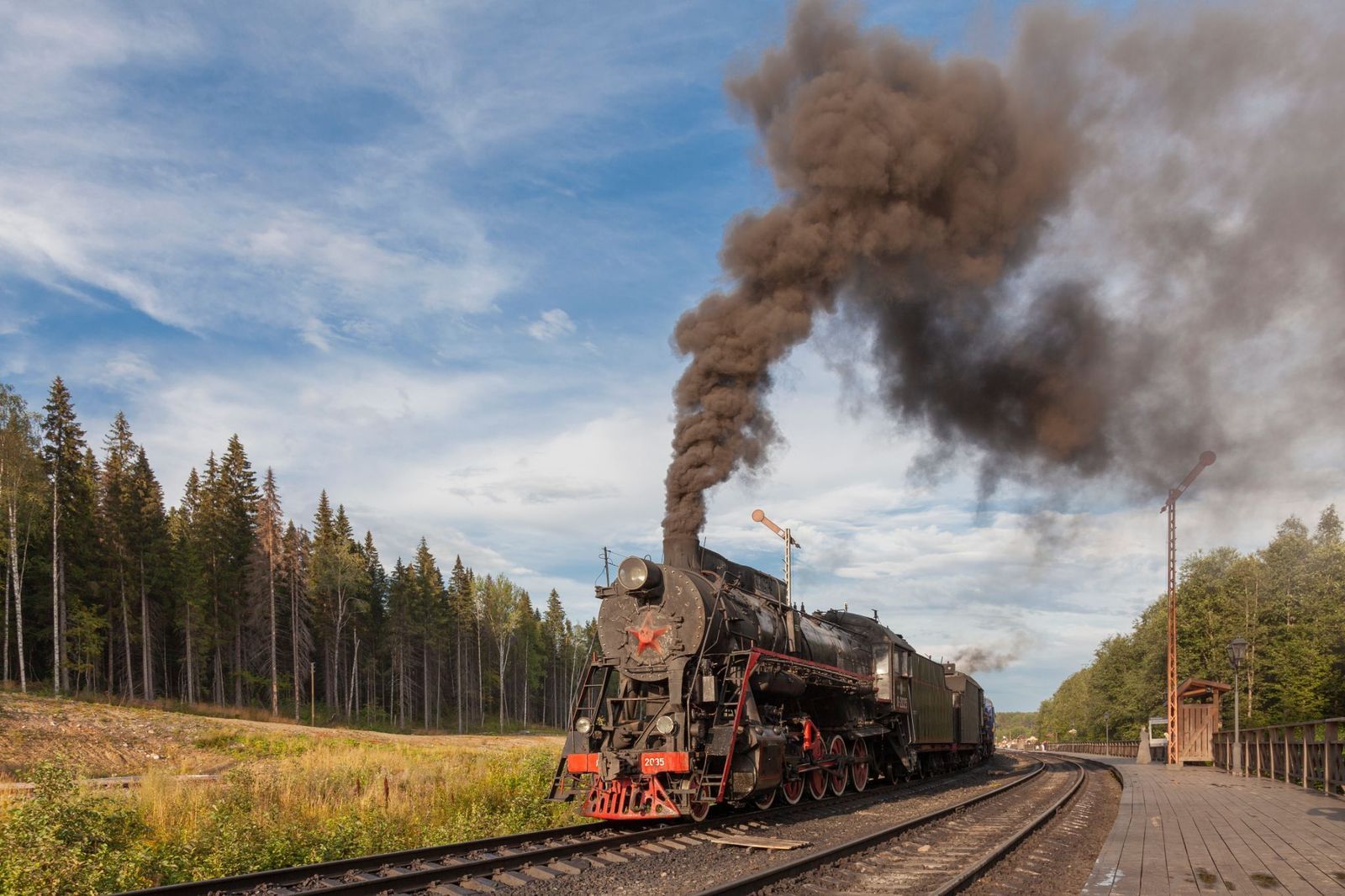
Railroads changed America. They hauled manufactured goods, spare parts, mail, and millions of everyday folks across a country that used to take weeks to cross on foot or wagon. But railroading also built its own tight-knit culture, complete with its own slang. Take highball, the old signal for "all clear, full speed ahead," or caboose, that funny little car that used to trail every freight train. Both are still tossed around today, decades after steam gave way to diesel. Here are 10 more terms that show just how colorful railroad talk really was.
Highball
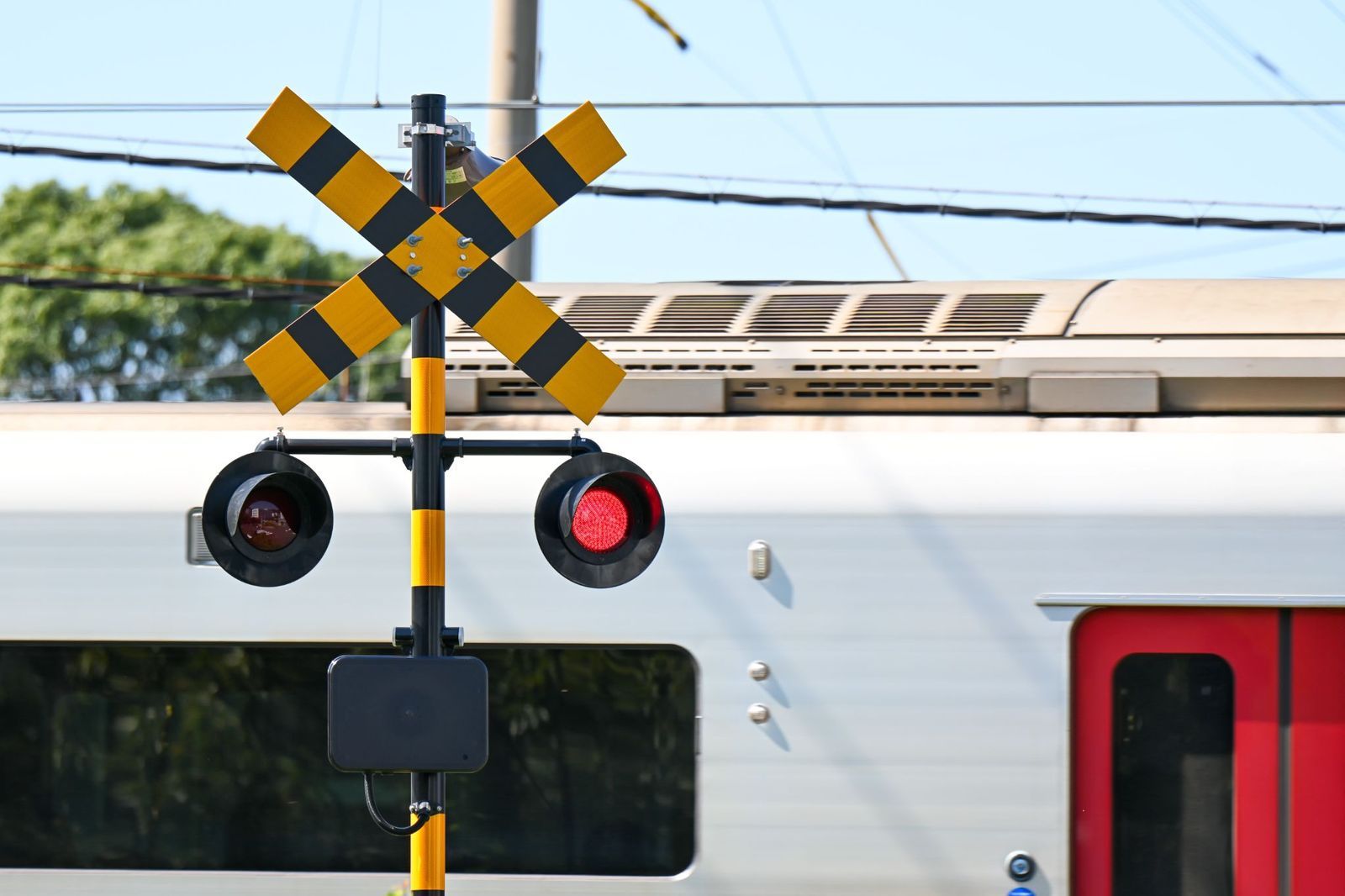
Around the late 1800s, American rail yards used a big wooden ball hoisted up a pole. When the ball was raised high, it meant the track ahead was clear, and the train could go full speed. Crews started saying "highball it," and the phrase stuck around long after those ball signals disappeared, replaced by colored lights.
Today, "highball" still means "go for it, full speed," even outside railroading.
Deadhead
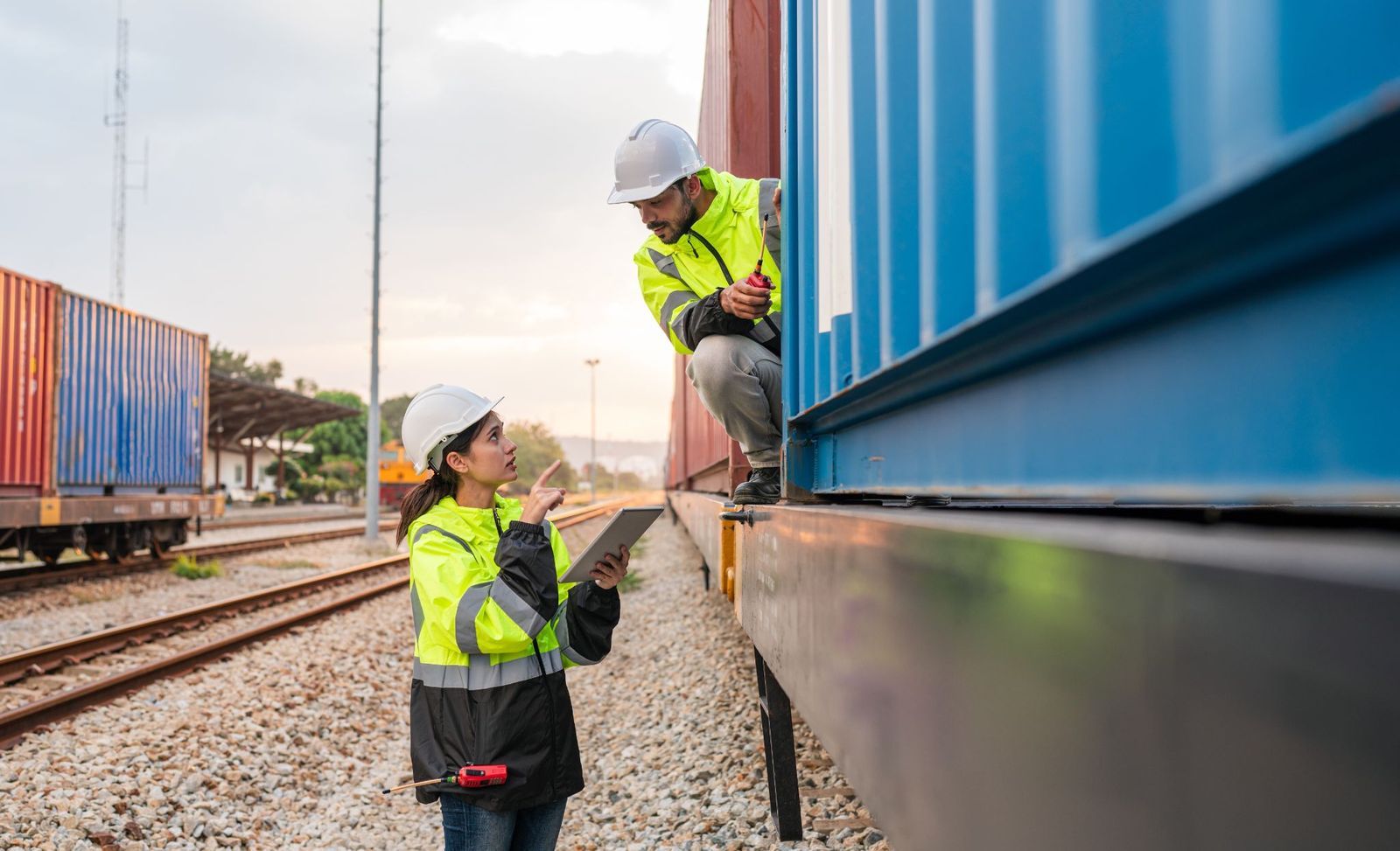
This term goes back to 1800s American railroading. It described a worker riding a train without actually being on duty for that trip, just catching a ride to reach their next assignment. The term later jumped the rails entirely, showing up in airline talk ("deadhead flights") and everyday business slang for anything moved without generating revenue, like an empty return trip.
Caboose
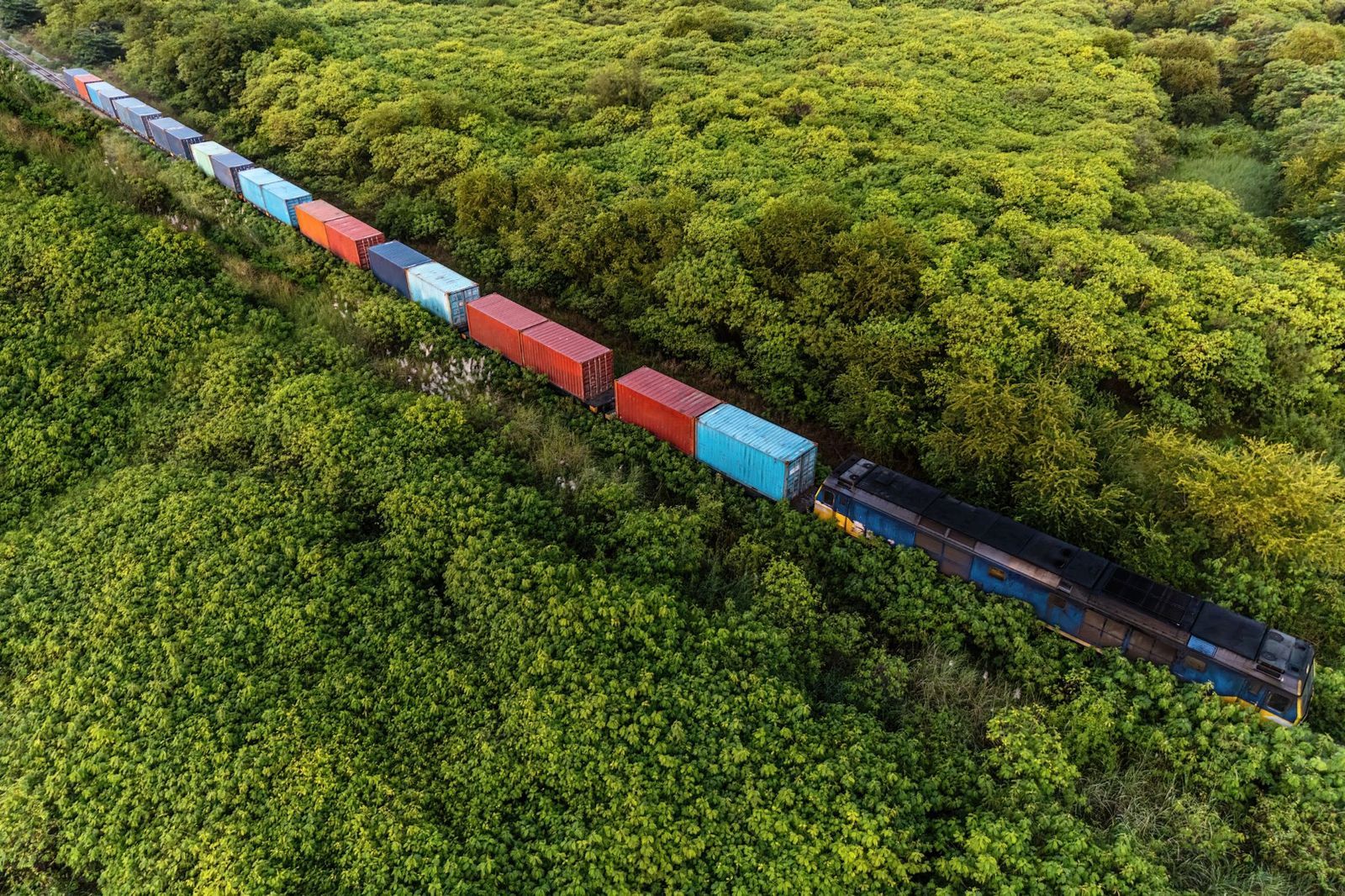
Nobody's totally sure where this one came from, but many word-history experts trace it back to a Dutch sailing term, "kombuis," meaning a ship's kitchen. Somehow, that crossed over into American railroading in the 1800s to describe the little car at the back of a freight train where the crew ate, slept, and kept watch.
Cabooses mostly vanished by the 1980s thanks to new tracking tech, but the word lives on in memory.
Gandy dancer
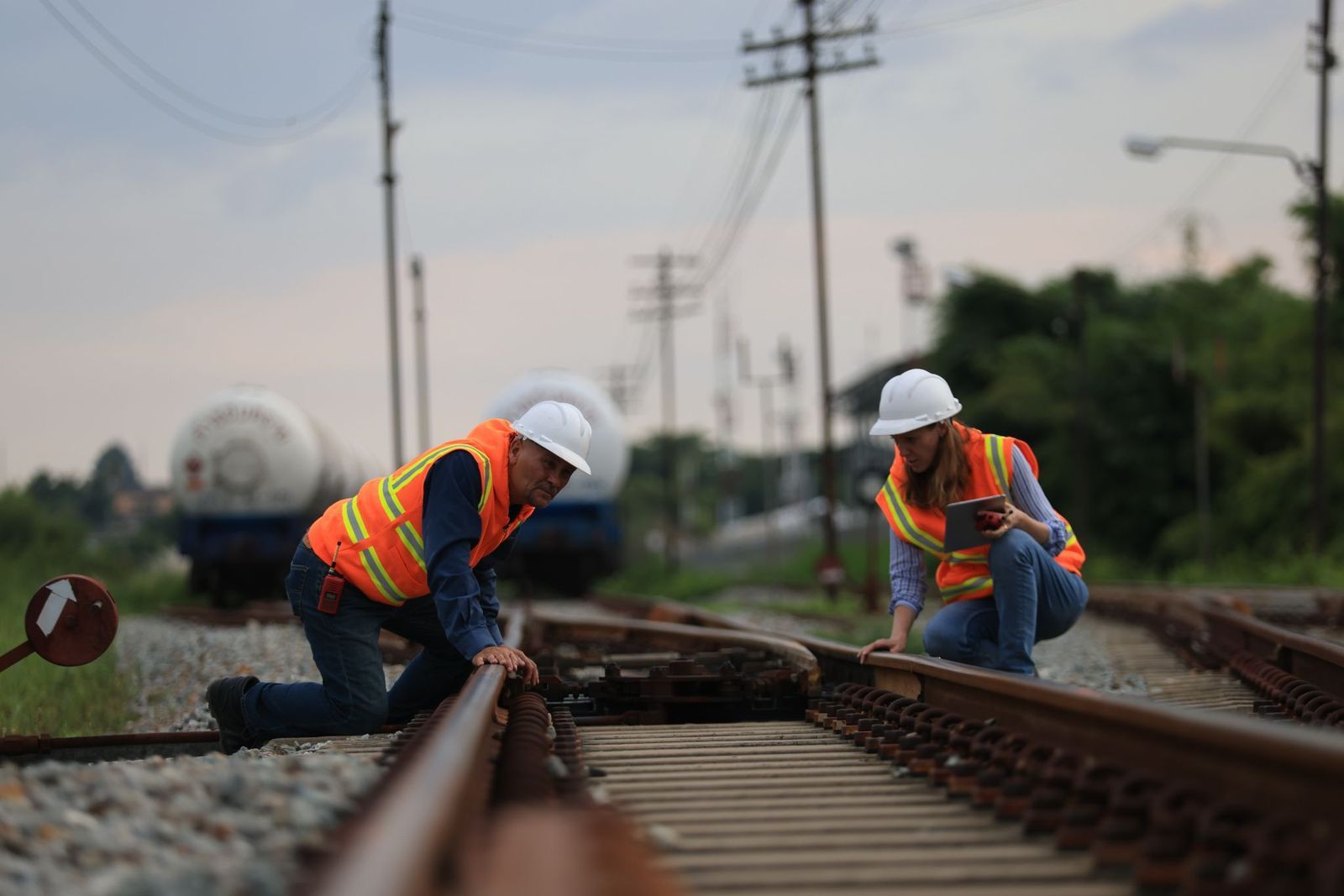
First recorded around 1918, this nickname described the crews who laid and maintained track by hand, before machines took over. Nobody agrees on where "gandy" came from—a popular but unproven story blames a Chicago tool company—but the "dancer" part makes sense: workers moved in rhythmic, coordinated steps, often guided by a caller singing out the beat, much like old work songs.
Hogger
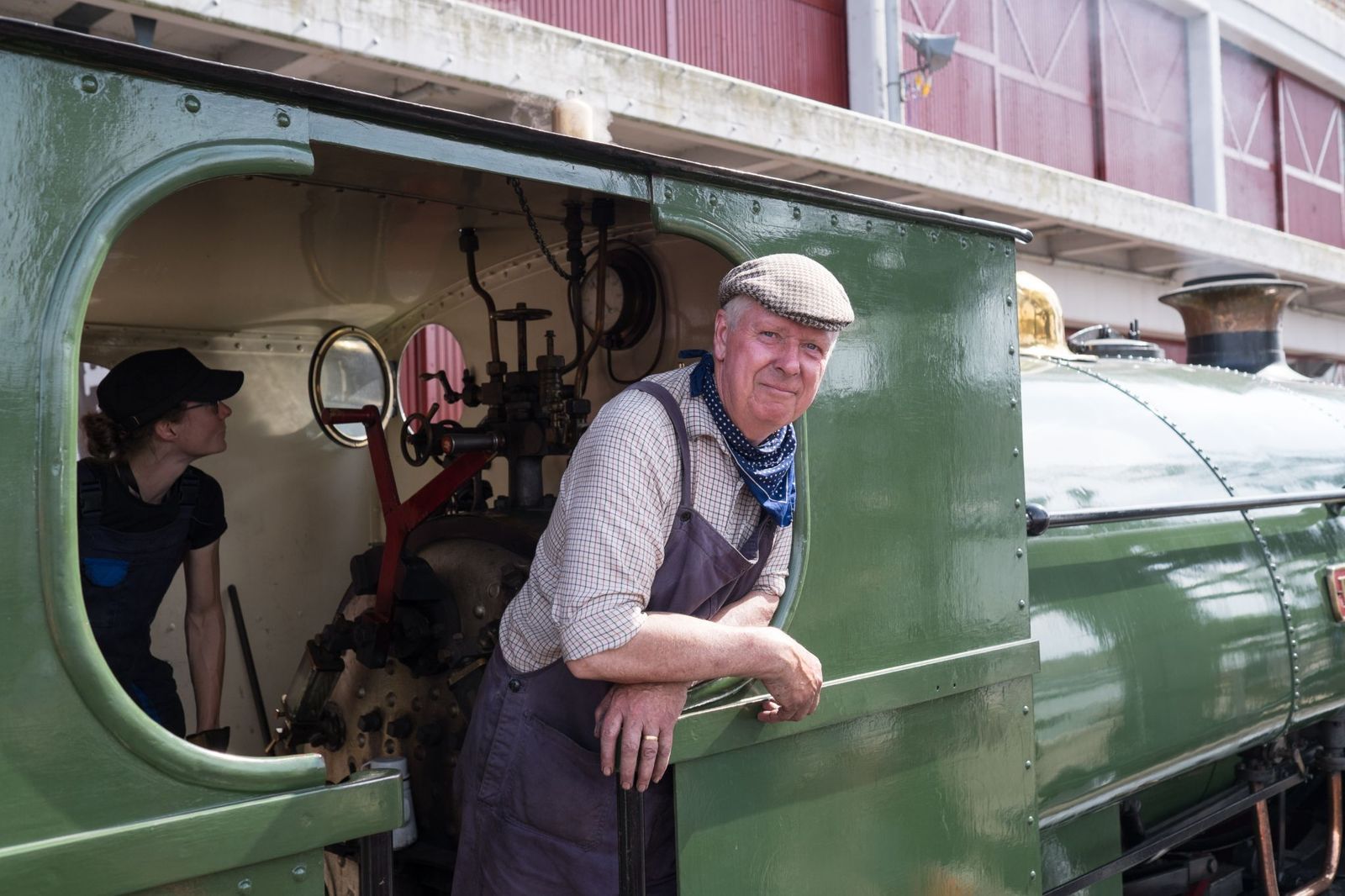
Old-time locomotives, especially the big freight-hauling kind, got nicknamed "hogs" by rail crews sometime in the 1800s. Naturally, the men who drove them became "hoggers," or sometimes "hogheads." It's a good-natured, slightly teasing nickname, the kind railroaders loved tossing at each other.
You'll still hear "hogger" used by old-timers and rail buffs today when talking about engineers.
Brass hat

This one didn't actually start on the railroad. It came from the 19th-century British military, where high-ranking officers wore caps trimmed in gold braid, or "brass." The nickname spread to American business and railroading by the early 1900s, where it became a common, half-joking way to refer to the company president or top bosses, the folks calling the shots from a comfortable office.
Foamer

This newer term describes a railfan so excited about trains that they practically "foam at the mouth," snapping photos and chasing locomotives with total enthusiasm. Nobody agrees exactly how it started; some blame the foam scenery hobbyists use for model railroads, others say it's just about that over-the-top excitement.
Shoofly
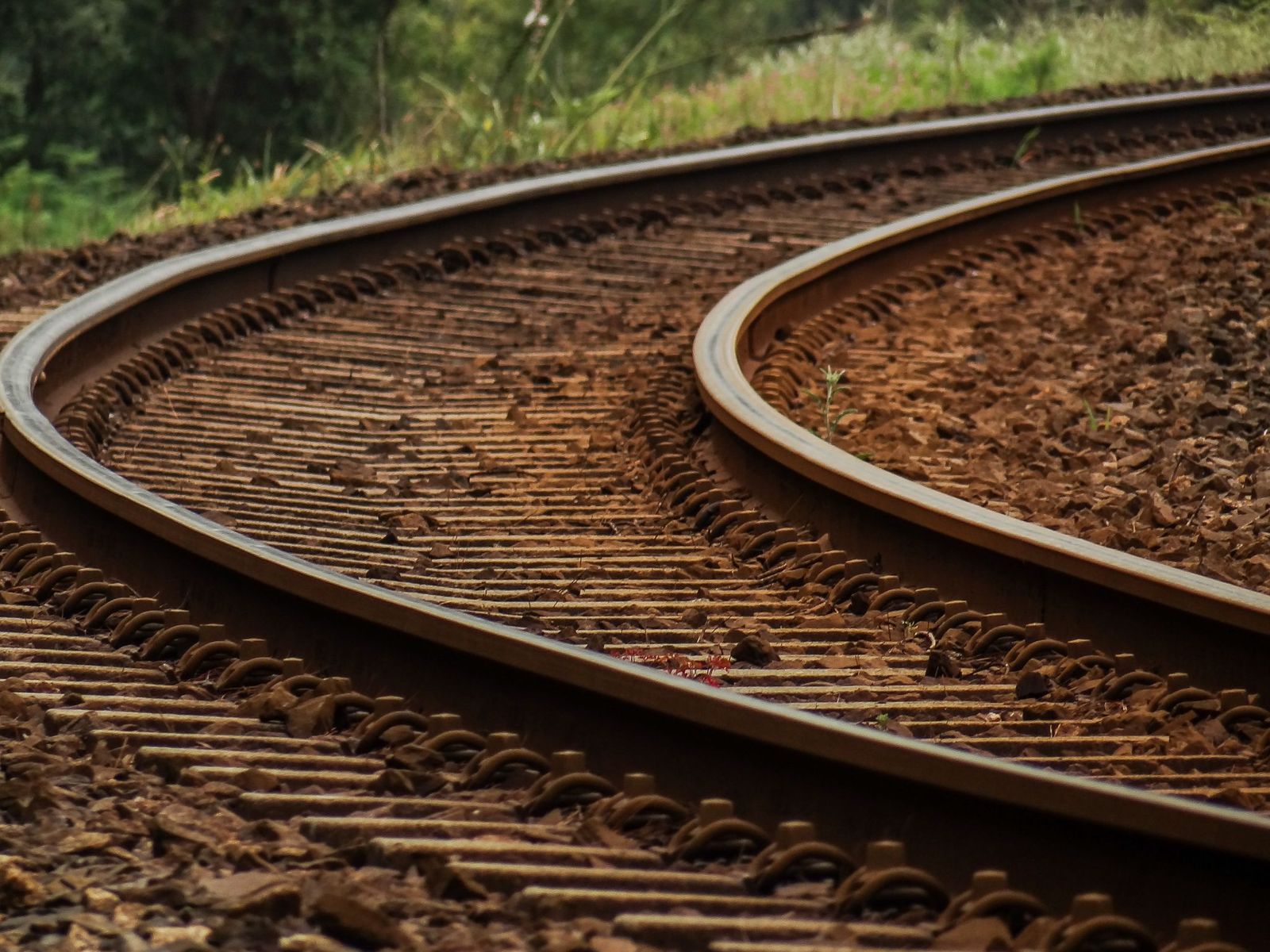
First showing up in American newspapers around 1903 to 1905, a "shoofly" is a temporary track built to route trains around a blocked section, like a landslide or construction site. The name likely just comes from "shoo" plus "fly": basically waving traffic out of the way.
It's sometimes mixed up with the old molasses shoofly pie or a Civil War-era song of the same name, but there's no real evidence those are connected.
Frog
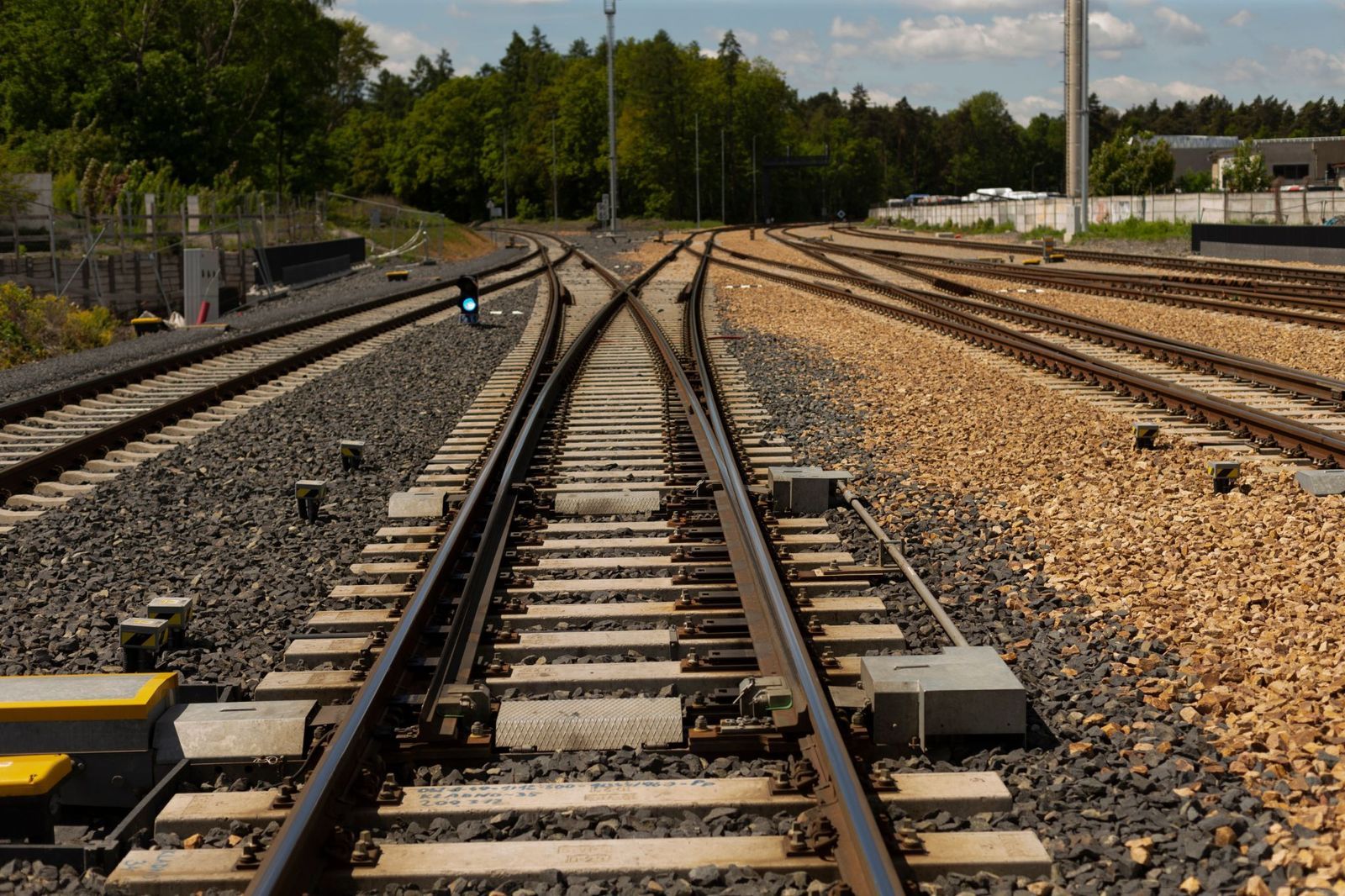
Despite the funny name, a frog has nothing to do with amphibians directly; it's the X-shaped metal piece at a track junction that lets train wheels cross from one rail to another. Railroaders started using the term in the 1800s, likely because the casting's shape reminded someone of a frog's splayed legs.
Consist
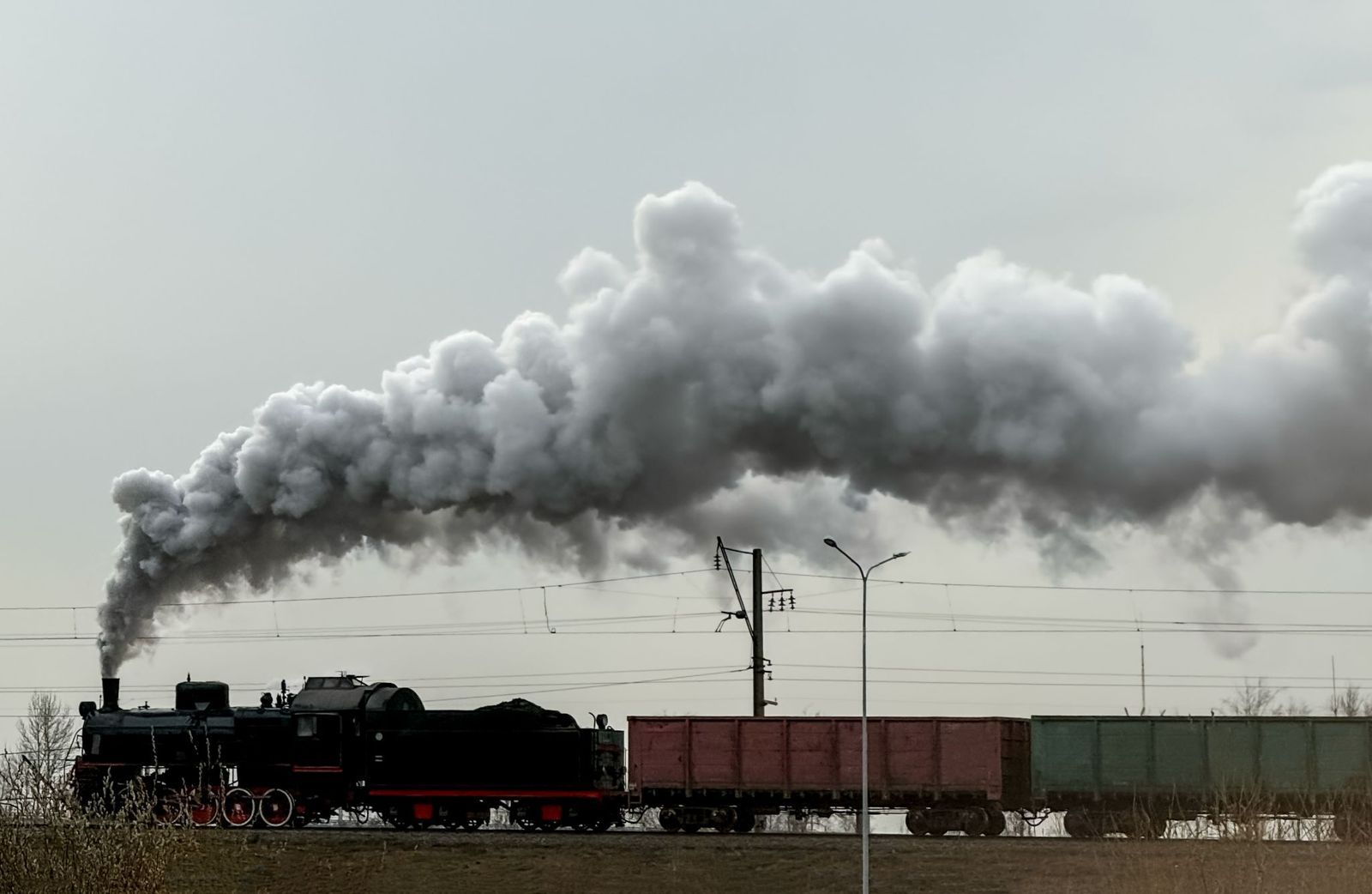
Railroaders took the everyday verb "to consist of" and flipped it into a noun sometime in the 1900s. A train's "consist" is simply its lineup: how many locomotives, freight cars, or passenger cars are hooked together, and in what order. It's a small grammatical trick, but it's stuck around as standard railroad shorthand ever since.


