History of vocabulary
That time Franklin disagreed with Jefferson's word choice
Published on November 17, 2026
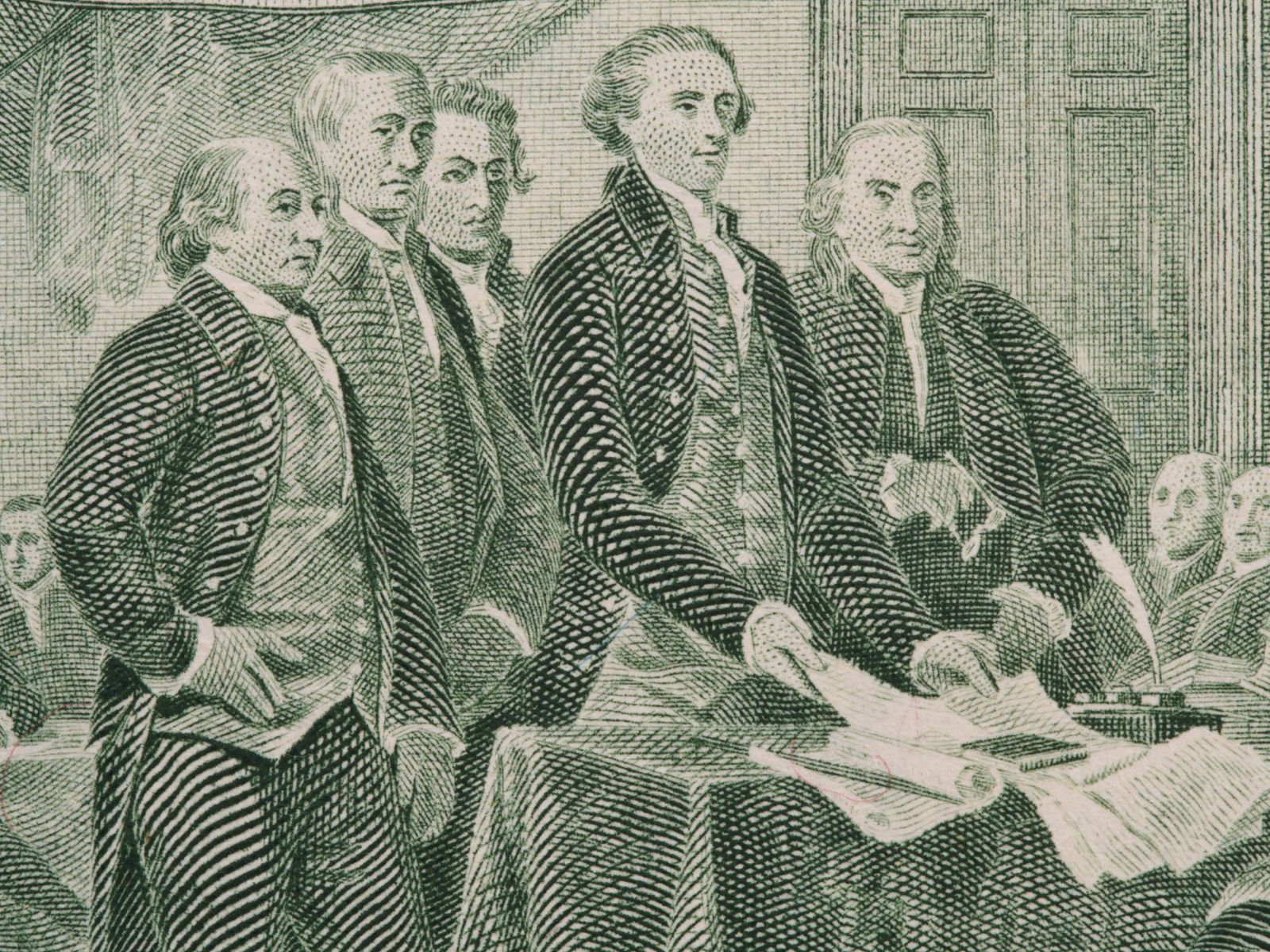
"We hold these truths to be sacred and undeniable." Those were the words Thomas Jefferson originally wrote when drafting the Declaration of Independence, but Benjamin Franklin had yet to review the document. We remember some words and expressions from the late 18th century for their historical importance, yet we fail to understand why they were chosen or what exact meaning they held at the time. Why did Franklin change the opening words of the Declaration of Independence? And which word that we commonly toss around these days was born as a slur? Here, we explore the history of 10 words and how their connotations have evolved in the last two hundred years.
United States
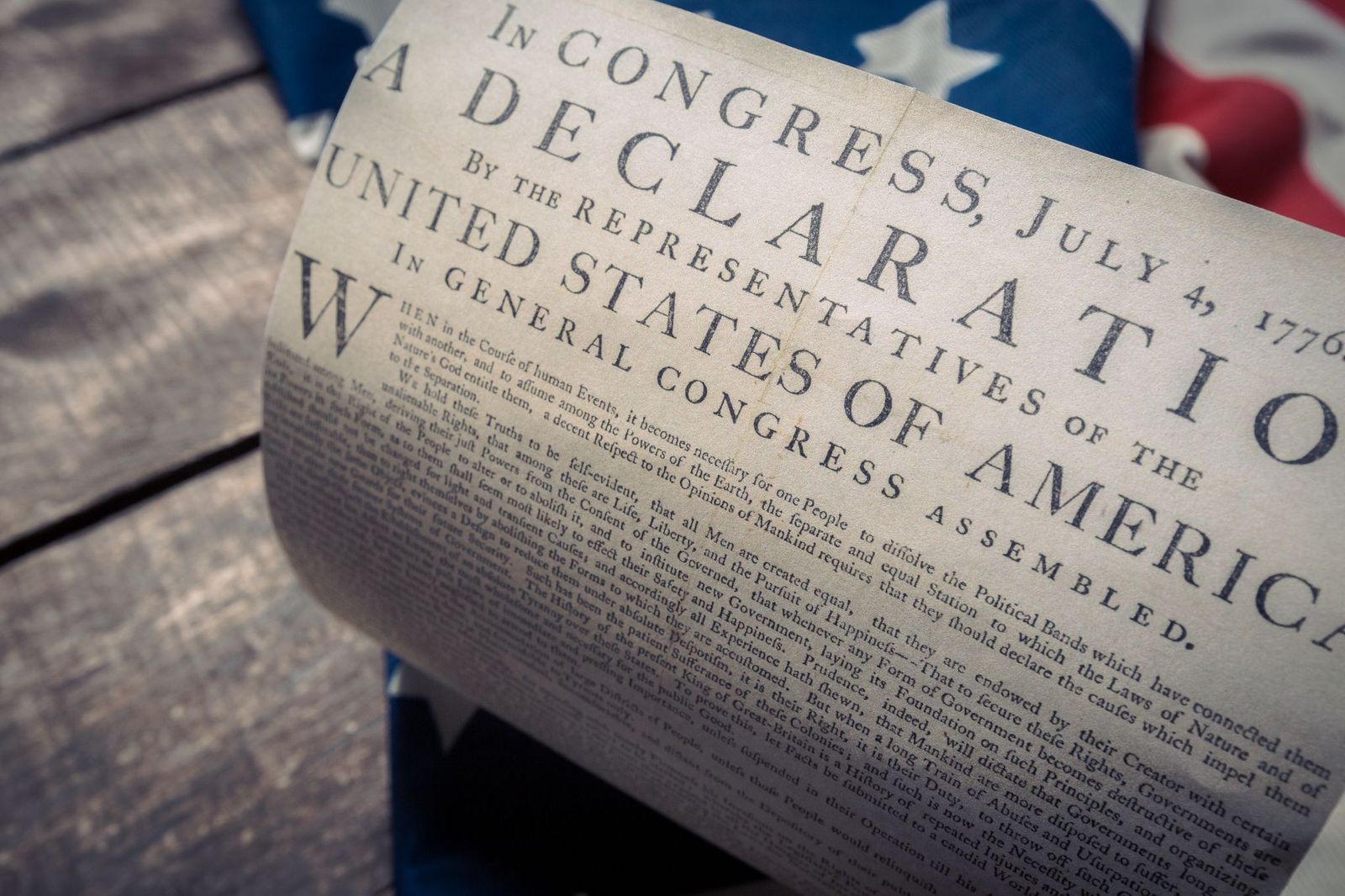
If a person in 1830 pronounced the phrase "the United States is a republic," it would have been met with perplexity. Back then, the name of the country composed of unionized states was plural, logically. The Declaration itself, in its closing lines, calls the colonies "these United States" as a group, "and of Right ought to be Free and Independent States," treated as a collection of separate members.
Before 1861, Americans said, "the United States are." After the Civil War, writers and politicians started using "the United States is" to reflect a single, unified nation, and the grammar started gradually changing all over the country.
Vulgar
Nobody in 1776 would have blushed at being called vulgar. From the Latin vulgus ("the common people"), the word just meant ordinary, everyday, belonging to the general public, nothing more scandalous than that.
English speakers of the era referred to "the vulgar tongue," meaning the everyday language people actually spoke, as opposed to the Latin of scholars and clergy. The same root gives us "divulge," to make something public. The insult only evolved afterward, as the newly wealthy of the Industrial Revolution began drawing sharper lines between "refined" taste and "common" taste.
Patriot
In late 18th-century Britain, calling someone a "patriot" was often an insult. It was hurled sarcastically at disturbers of the government by British loyalists. Benjamin Franklin is credited with an early American use of the term in a 1773 letter. It was the colonists themselves who reclaimed it as a badge of honor. They recognized themselves as rebels, or patriots, who defended their land, to the point where, nowadays, "patriot" is a universally honorable title.
Conversation
Back then, telling someone "I don't like your conversation" wasn't a complaint about their small talk. "Conversation" came from the Latin conversari, "to live with, to keep company with," and for centuries it referred to general conduct, the whole manner of living among others, not spoken words.
A trace of that older meaning survived into the founding era's law books: "criminal conversation" was the formal legal term for adultery, a charge about how two people lived. Only gradually, through the late 1700s and into the 1800s, did "conversation" narrow down to mean "talk."
Self-evident
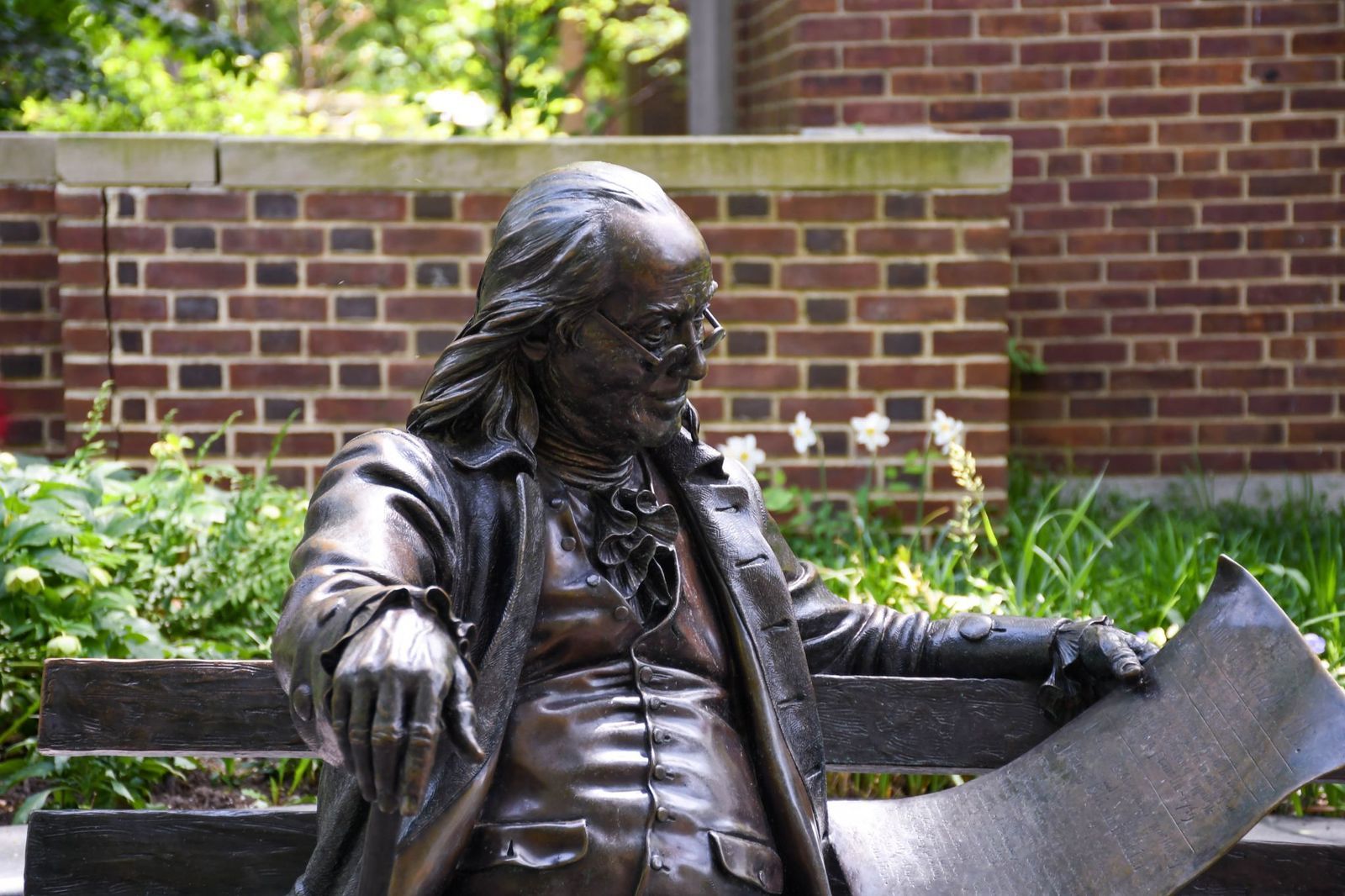
When Thomas Jefferson asked Benjamin Franklin to review his draft for the Declaration of Independence, this is what the latter found written: "We hold these truths to be sacred and undeniable." Franklin crossed out those last three words and replaced them with the term "self-evident."
In Franklin's Enlightenment circle, "self-evident" was a philosophical term referring to a truth so basic it needed no proof. The term based the whole claim on irrefutable, rational certainty, and slightly less on religion. Four score and seven years later, Abraham Lincoln, in his Gettysburg Address, would quote those exact words to defend the notion that "all men are created equal."
Candid
"Let Facts be submitted to a candid World," the Declaration insists, right before its long list of complaints against the king. "Candid" back then didn’t stand for "blunt." It comes from the Latin candidus, meaning "white" or "shining," the same root behind "candidate," since Roman office-seekers wore togas bleached chalk-white to signal their purity of purpose.
In 1776, "candid" meant fair, unbiased, free of prejudice. The founders were expressing their hope that the world would be "fair," not "frank."
Conjure
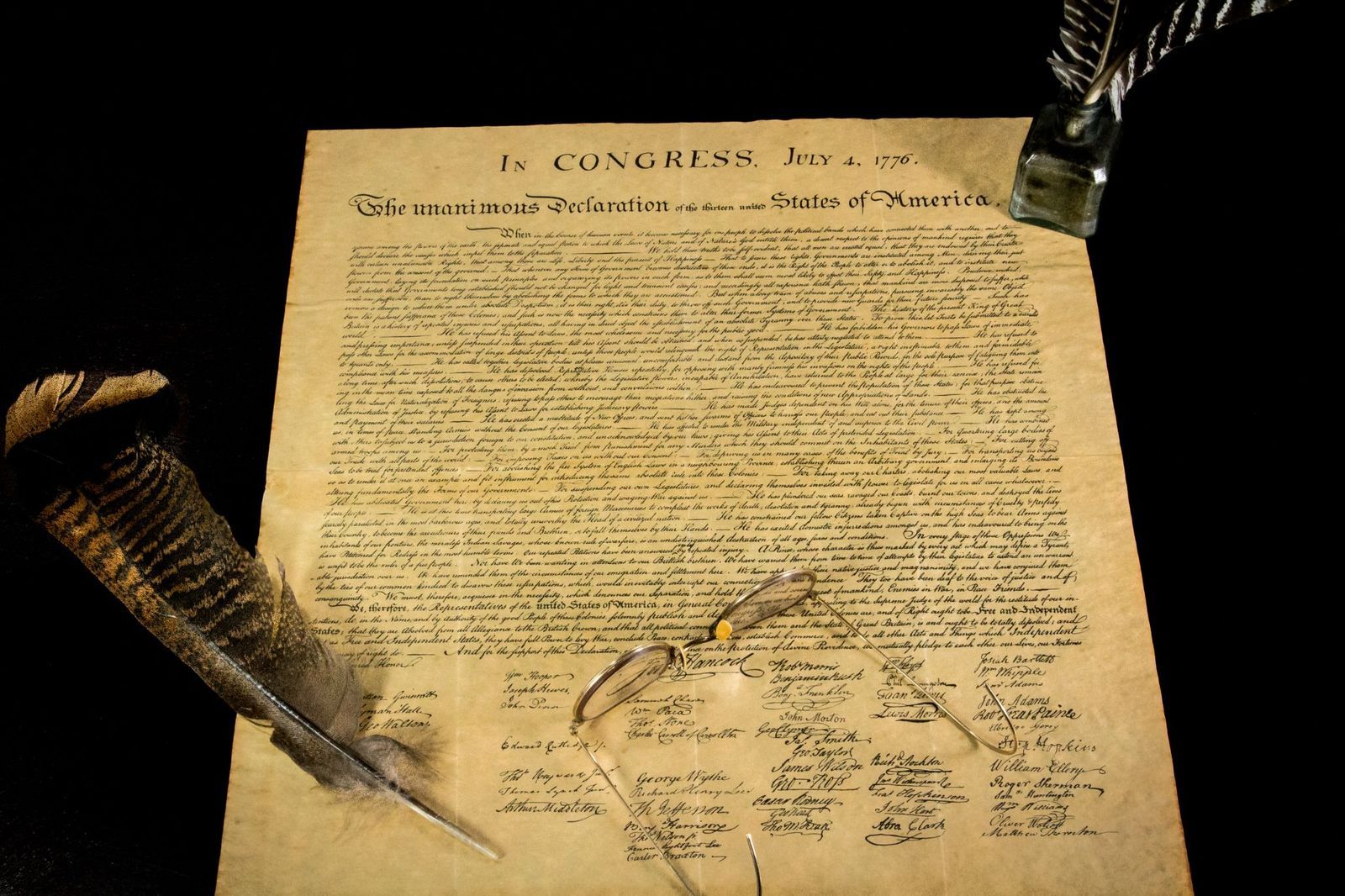
The verb "conjure" had nothing to do with spells or magic back in 1776. The word appears in the Declaration's next-to-last paragraph in this line: "we have conjured them by the ties of our common kindred to disavow these usurpations," referring to one last appeal to the British public before the final break.
Here, "conjure" simply means to solemnly implore or beg, from the Latin conjurare, "to swear together." The word's older, more sinister sense (binding a spirit to your will through incantation) existed too, but in the document the founders were reaching for its plainer meaning: a plea.
Providence

The Declaration's final line pledges to "a firm reliance on the protection of divine Providence." Back then, the term, derived from the Latin providentia ("foresight"), had a heavy theological implication that a watchful God guarded the country.
Today, the word survives with less religious weight: "by providence, we made the flight" could just be referring to luck, timeliness, or careful preparation.
Cleverly
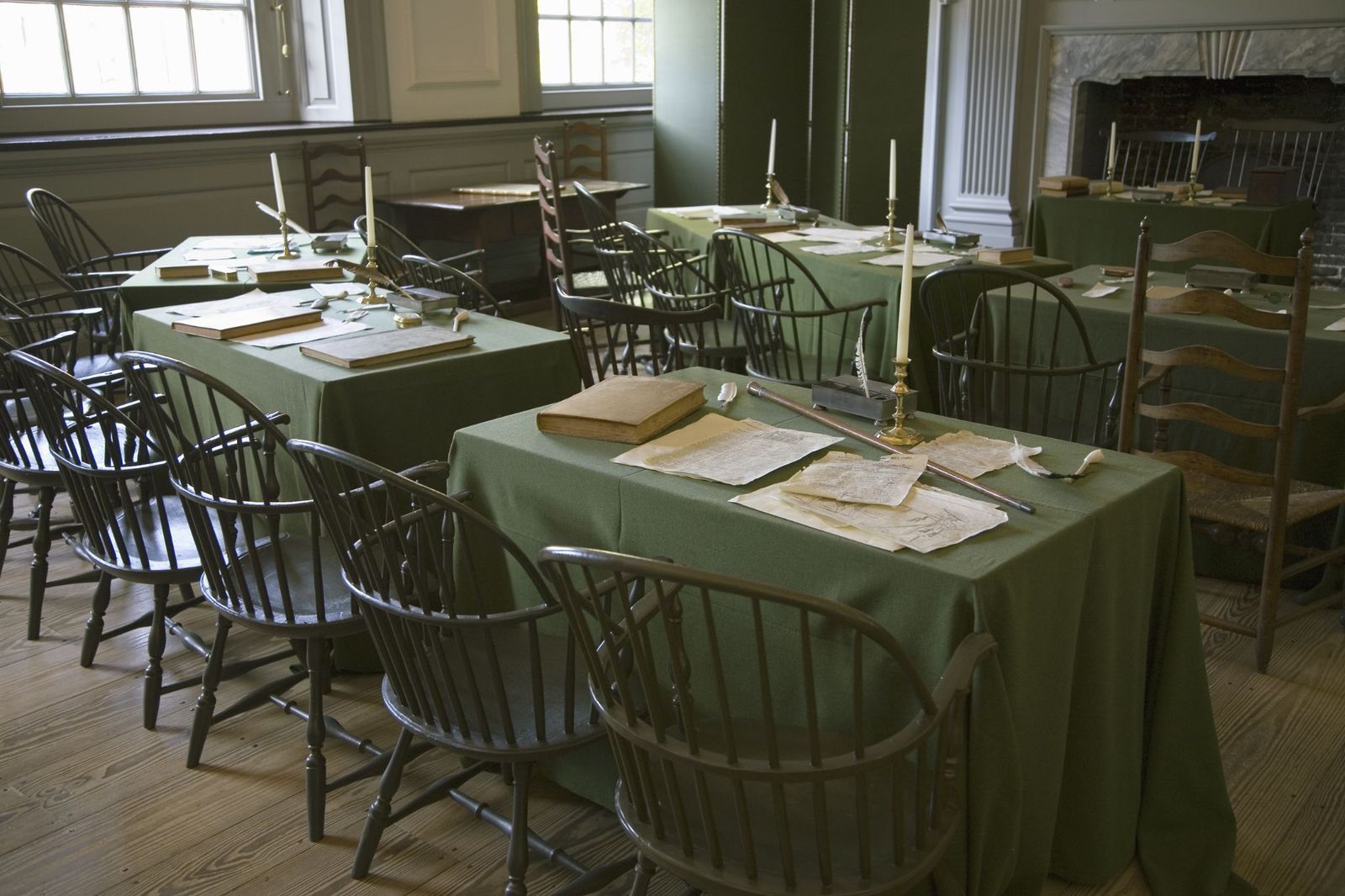
In 1776 New England, if you asked someone about their health, they might reply that they were "cleverly well." Though today we associate "cleverness" with "wit," back then the word had little to do with intelligence.
Subjects were called "clever" if they were good-natured or accommodating. "Cleverly" could also stand for "completely" or "entirely," as in a job cleverly finished. In a series of letters exchanged between Abigail and John Adams in 1776, they repeatedly declared their acquaintances to be "cleverly," meaning completely recovered from illness.
Sufferance
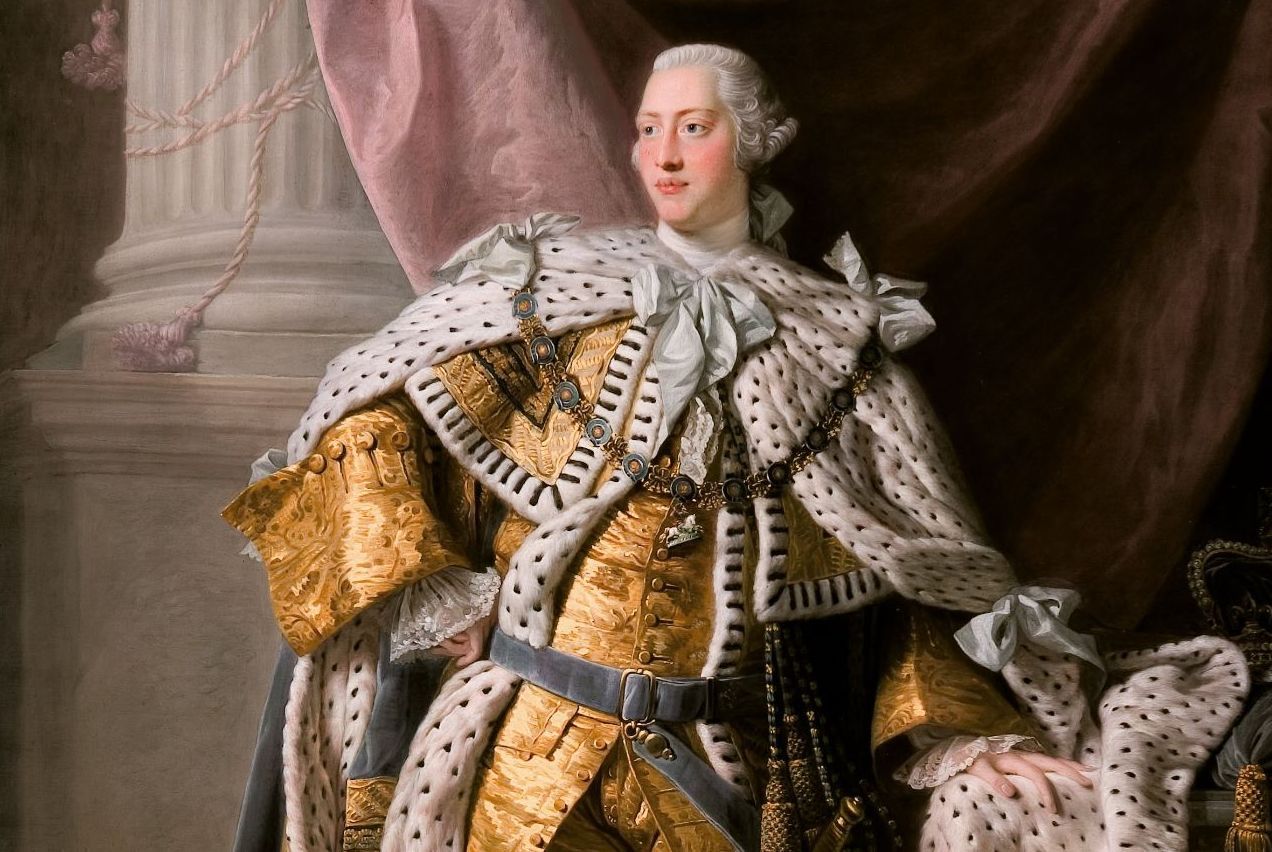
"Such has been the patient sufferance of these Colonies," the Declaration announces, right before launching into its list of grievances against King George III. Today, "sufferance" mostly survives in one narrow phrase: something tolerated, grudgingly. Back then, it meant something closer to its root: reluctant suffering that hadn’t been agreed to.