Words that defined the 80s
The 80s slang that still lives in our everyday conversations
Published on November 9, 2026

Remember when Madonna owned MTV, your Walkman never left your side, and a trip to the mall felt like a whole event? The 80s were pure magic: big hair, bigger shoulder pads, and a soundtrack that still gets stuck in your head. It was also the decade that gave us a treasure chest of slang we still use today. Maybe you warned a sibling they were "toast" after breaking Mom's favorite lamp, or teased a friend for being a total "wannabe" of their favorite pop star. Let's take a nostalgic stroll through 10 of them.
"You're toast"
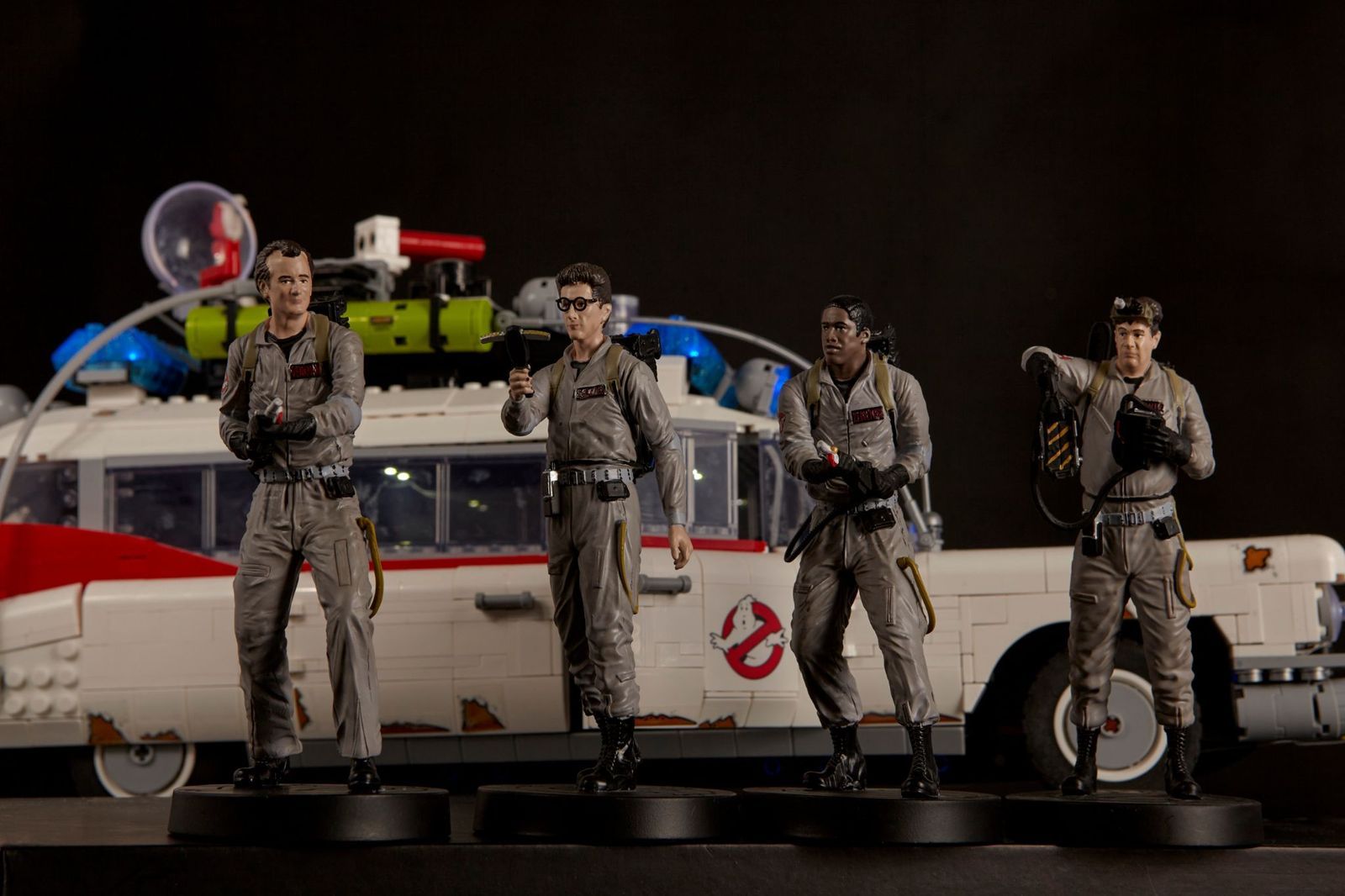
Picture sitting in a packed movie theater in 1984, laughing as Bill Murray delivered his now-legendary line in Ghostbusters. That's really when "you're toast" burned itself into everyday speech.
Before that, it was barely used. Afterward, kids on playgrounds and adults at the office alike started warning each other they were "toast" whenever trouble was coming.
"Wannabe"

Picture girls in lace gloves and layered necklaces, dancing just like their idol. That image helped cement "wannabe" in pop culture. The term appeared in slang circles in the early 1980s, first describing surfers trying to fit in. But it exploded in 1985 when Time writer John Skow used it to describe Madonna's devoted fans and imitators, forever linking the word to star-struck admiration.
"Couch potato"

Imagine a friend who never left the sofa, remote in hand, snacking through every rerun. That was the inspiration behind "couch potato," coined back in 1976 by Tom Iacino and later popularized by cartoonist Robert Armstrong.
As television took over American living rooms in the 1980s, the phrase exploded. It perfectly captured a decade where TV dinners and channel surfing became a national pastime.
"Yuppie"

Think of the sharp-suited, briefcase-carrying young professional racing to catch the subway with a car phone in hand. That was the "yuppie", short for "young urban professional."
The term emerged around 1980 to describe a new generation chasing career success, nice apartments, and status symbols. It became the label for the decade's ambitious and image-conscious crowd.
"Airhead"

We all knew someone in school who seemed a little spacey, more focused on gossip than homework. That's the classic "airhead." Believe it or not, the word actually dates back to the 1940s. But it found new life in the 1980s, becoming a staple of teen movies and slumber-party conversations. It captured that carefree, ditzy energy so many 80s characters seemed to embody.
"Glitch"

Remember the first time your family's new computer froze for no reason? You'd probably blame a "glitch." The word actually started in radio and electronics circles long before, and NASA helped spread it in the 1960s during the space race.
But it truly took off in the 1980s, as personal computers landed in homes everywhere and people needed a word for those mysterious technical hiccups.
"Gnarly"

Close your eyes and picture a surfer catching a massive wave, shouting "gnarly!" to his buddies on the beach. The word started as surfer slang, but by the 1970s and 80s it had spread far beyond the coastline.
Suddenly everything cool, wild, or impressive—a stunt, a haircut, a skateboard trick—was "gnarly."
"Shopping spree"

Picture teenagers spending an entire Saturday wandering a shiny new mall, popping in and out of stores with bags piling up. That scene defined the "shopping spree."
The phrase itself is older, but the 1980s mall boom turned it into a cultural ritual. Malls became social hubs, and going on a spree wasn't just about buying things; it was an experience, a whole day out.
"Sellout"
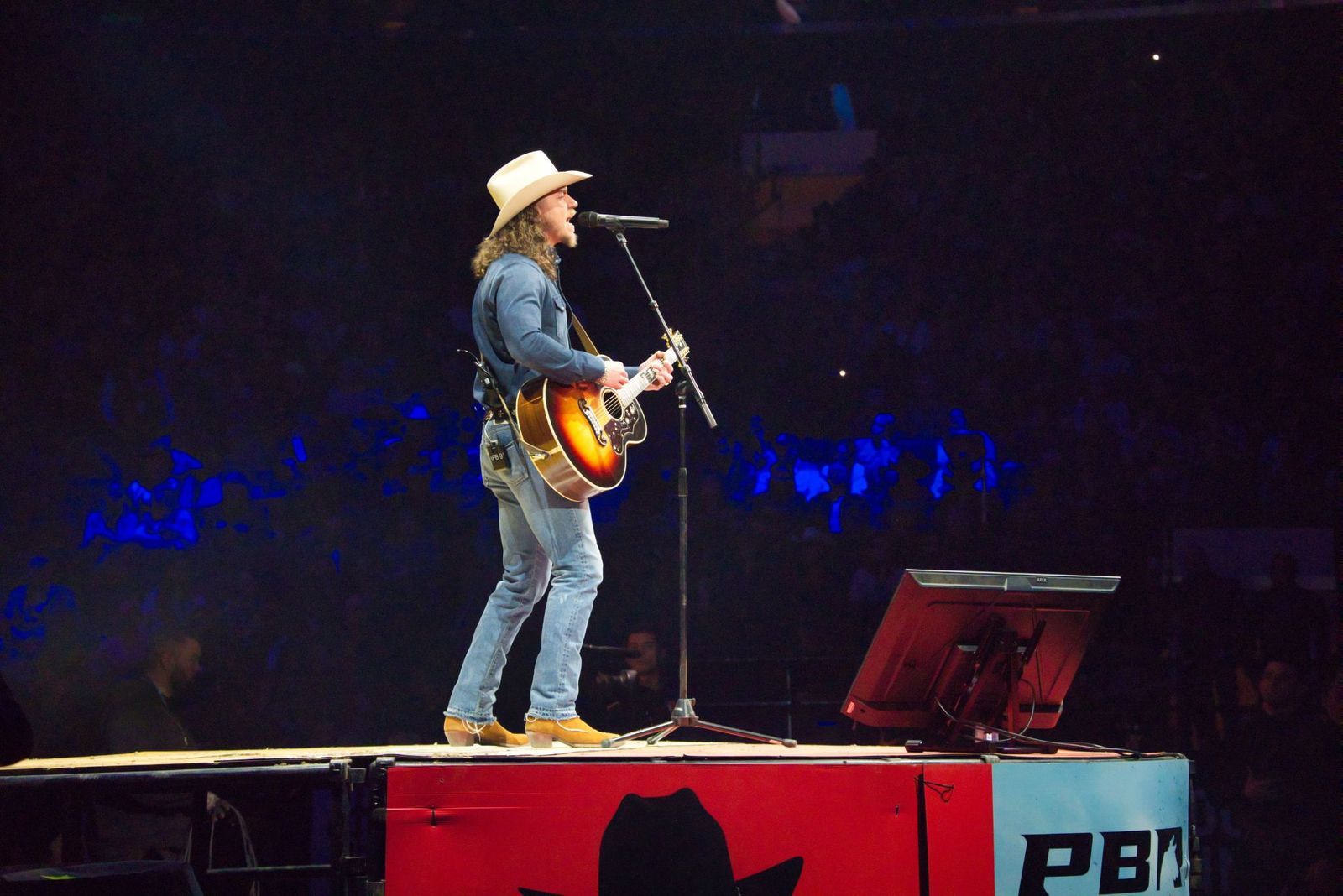
If an underground band suddenly started playing arena shows and appearing on mainstream radio, longtime fans might have grumbled that they had become a "sellout." The word existed long before the 80s, but it took on real weight within punk and alternative music circles during the decade.
Fans used it to call out artists who seemed to trade their roots for fame and fortune.
"Guilt trip"

Think of a parent sighing dramatically, saying, "It's fine, don't worry about me," just to make you feel bad. That's a classic "guilt trip." The phrase emerged as slang around 1970, but by the 1980s it had become an everyday expression for that all-too-familiar tactic of using guilt to control someone's behavior.


