Words to live by

The short sayings other cultures use to say what we all feel


Published on August 15, 2026

Image: Thomas Bethge

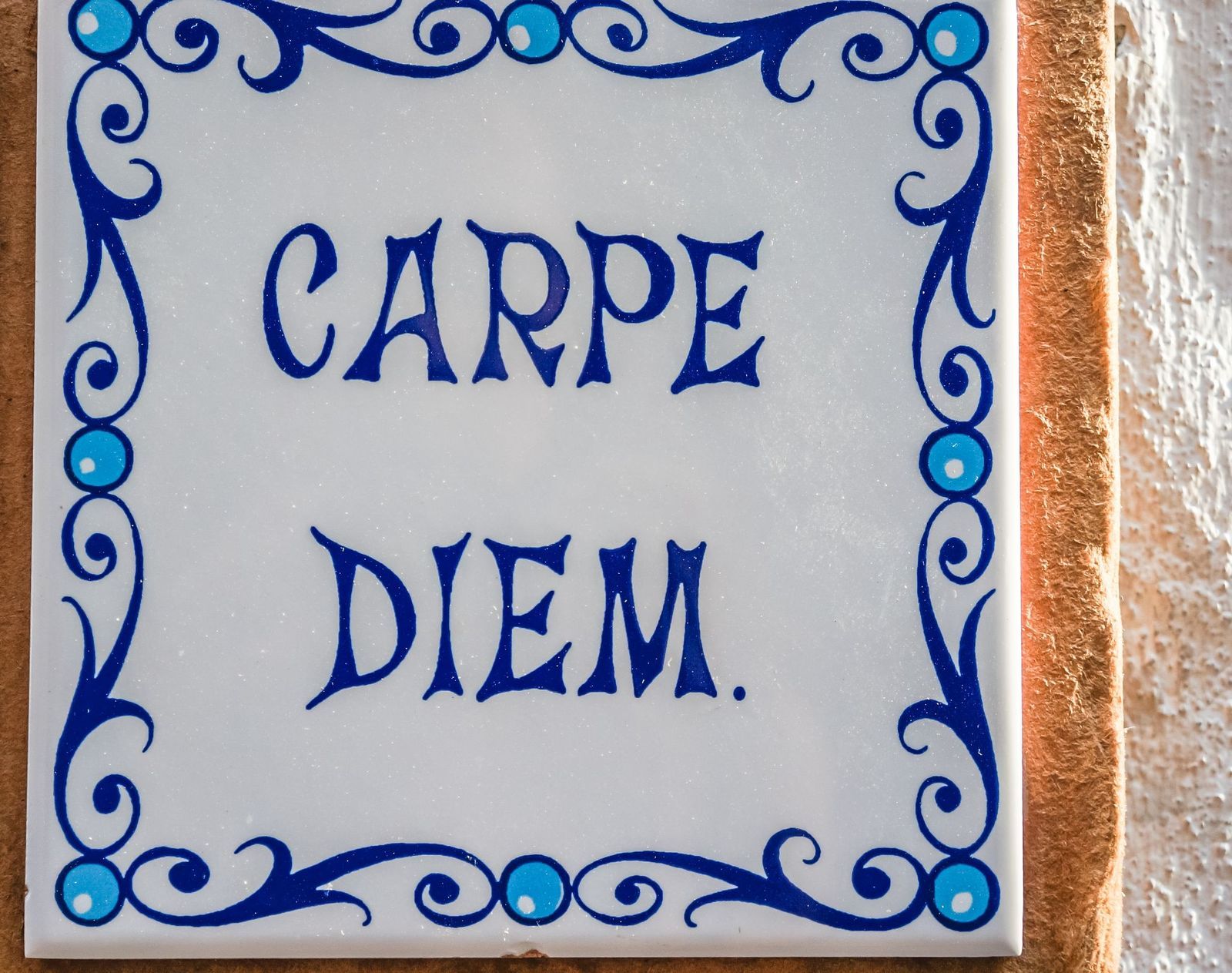
Every culture looks at life through its own lens: from a farmer in old Japan to a poet in ancient Rome, they all figured out their own version of "life's too short, don't be a fool about it". But some languages found the perfect handful of words to capture an idea that other languages take a whole paragraph to fumble through. You've probably heard "Carpe diem" shouted by Robin Williams in Dead Poets Society, or maybe your grandfather liked to say "a bird in the hand is worth two in the bush" (which got a big boost from Benjamin Franklin, who printed it in his famous almanac). Here are 10 more gems worth adding to your back pocket.

1

"C'est la vie" (French: "that's life")

Image: Nicoleta Ionescu

You say this when something annoying or disappointing happens and there's simply nothing to be done about it: you missed the bus, the soup's too salty, whatever the case may be. Nobody can pin down exactly when it started, but it's been part of everyday French speech for centuries, and it slipped into English decades ago.

The closest American equivalent is probably "such is life" or the more resigned "it is what it is."

2

"Il dolce far niente" (Italian: "the sweetness of doing nothing")

Image: JaySi

This one celebrates lounging around guilt-free: sipping coffee, watching the world go by, accomplishing absolutely nothing on purpose. It's tied to Italy's relaxed approach to life and shows up whenever someone wants to justify an afternoon nap.

There's no single inventor; it's just baked into Italian culture. English doesn't really have a phrase this poetic, though "kicking back" or "taking it easy" gets at the same idea, minus the charm.

3

"Que será, será" (Spanish: "whatever will be, will be")
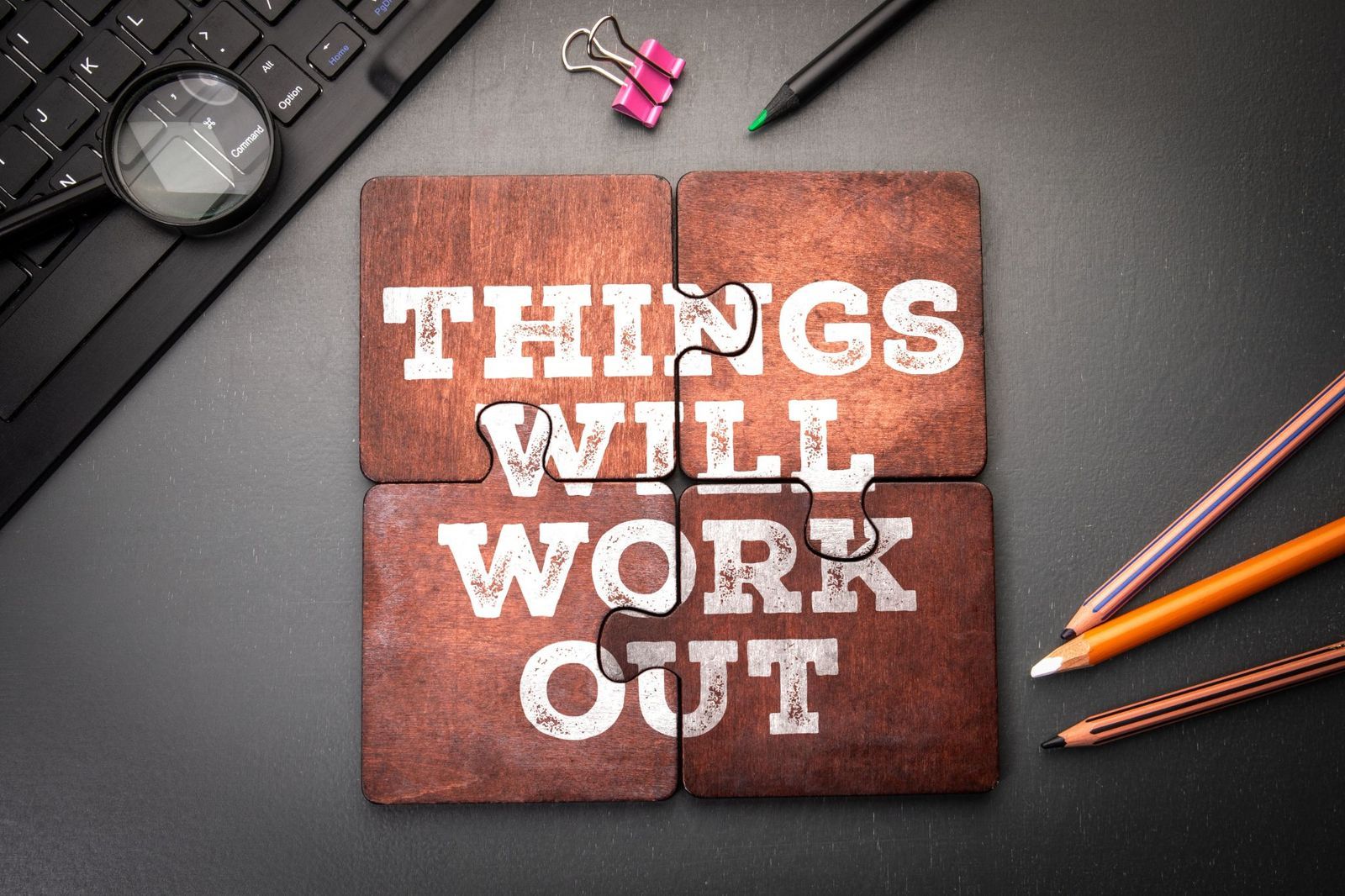
Image: stoatphoto

A gentle way of saying "don't stress about the future, it'll work out how it works out." Many Americans know it from the 1956 Doris Day song, though the phrase itself is older and its exact origin is fuzzy; some trace similar sayings back to medieval Europe. It's perfect for calming down a worrier before a big decision.

English speakers might reach for "what will be, will be" or simply "it'll all work out."

4

"Carpe diem" (Latin: "seize the day")

Image: Indre Brazauskaite

This one comes straight from the Roman poet Horace, around 23 B.C., urging readers to grab pleasure from today instead of banking on tomorrow. It became a household phrase in America after that unforgettable scene in Dead Poets Society. Use it anytime you're pushing someone (or yourself) to stop overthinking and just do the thing.

The English cousin is "no time like the present."

5

"The best time to plant a tree was 20 years ago" (often called a Chinese proverb)

Image: Yury Zap

The message is: you can't undo a late start, but you can still act now instead of moping around. It's often attributed to ancient Chinese farming wisdom, though nobody can point to an exact author or date. People say this when someone's beating themselves up over a delayed career change, workout plan, or savings account.

The nearest English saying is "better late than never."

6

"Deru kui wa utareru" (Japanese: "The nail that sticks up gets hammered down")

Image: Cagkan Sayin

This reflects a traditional Japanese value of blending in and not causing friction within the group. It's used to explain why someone might hold back from bragging or standing out too much at work or school, even when they deserve more credit. Its exact origins are unclear, but it's long been considered a summary of Japanese social norms.

English has "the squeaky wheel gets the grease"; funny enough, the opposite advice.

7

"When the music changes, so does the dance" (Africa, various regions)
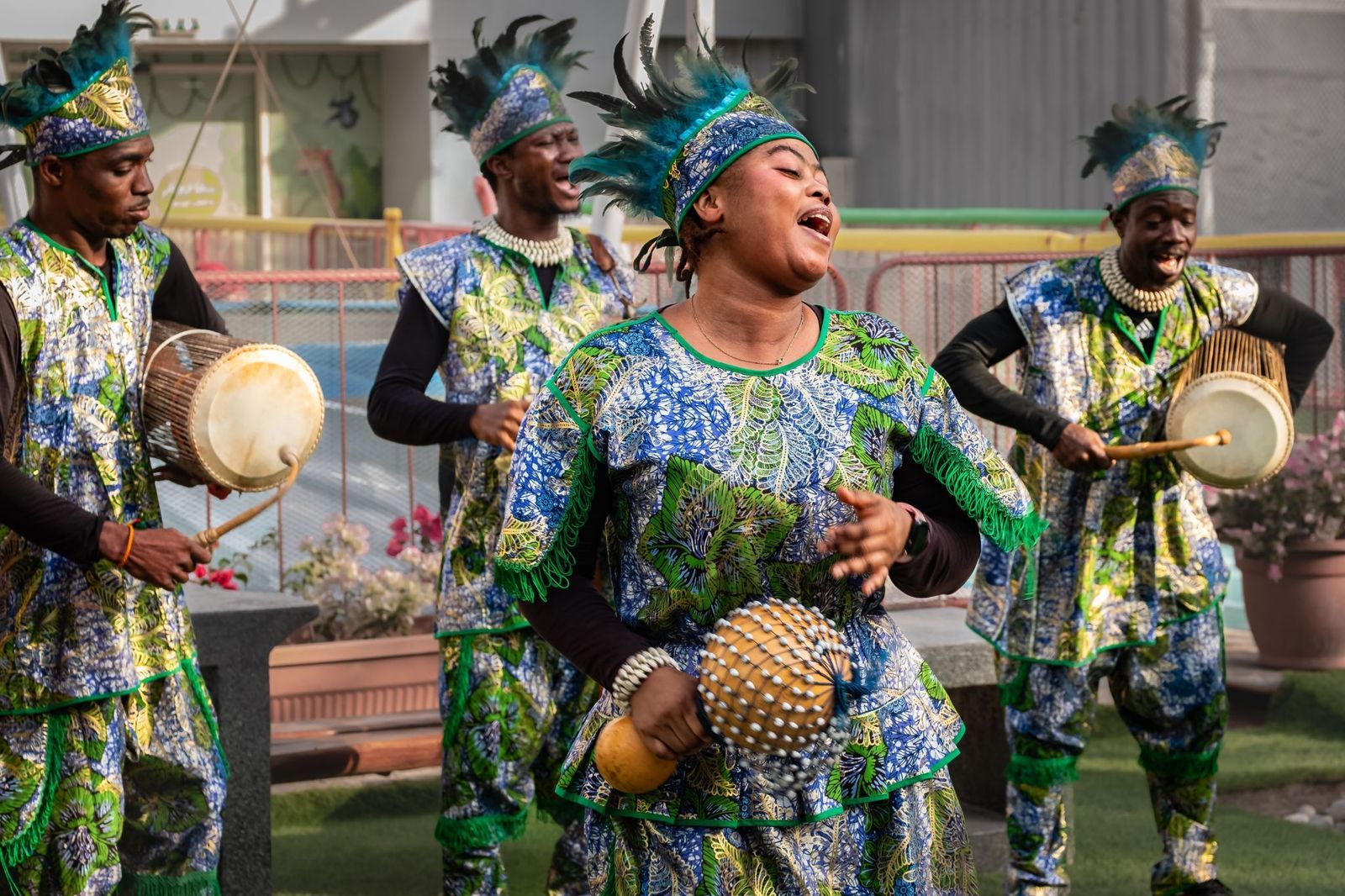
Image: Elena_Alex_Ferns

This proverb, heard across several African countries without one confirmed birthplace, is about adapting when circumstances shift: new boss, new rules, new season of life, whatever the case may be. It's the wise elder's way of saying "stop dancing to a song that already ended."

Americans might say "roll with the punches" or "go with the flow" instead.

8

"A bird in the hand is worth two in the bush" (England)
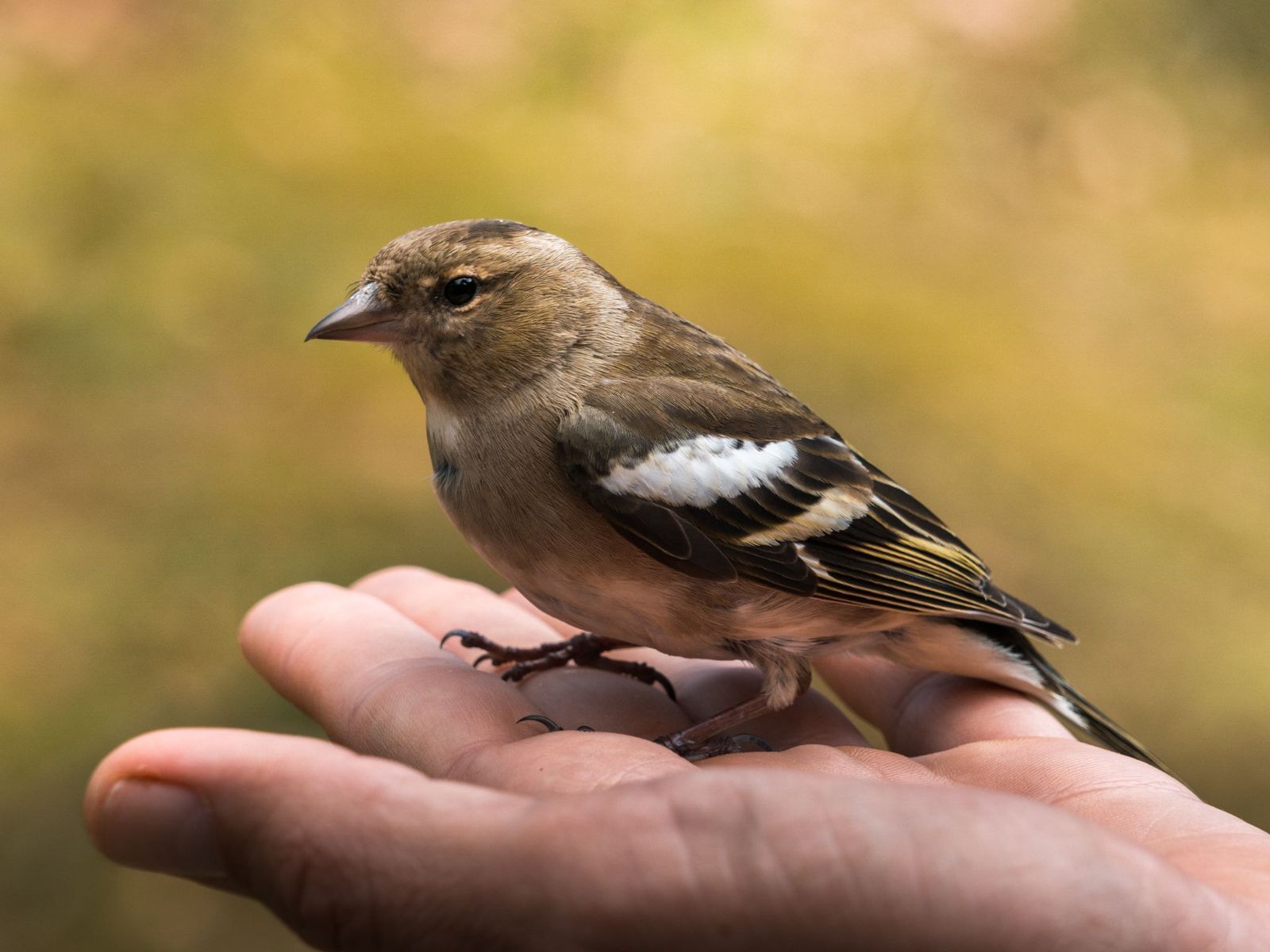
Image: Ansems - de Jong

This warns against risking something certain for something uncertain, however tempting. Benjamin Franklin printed it in his famous Poor Richard's Almanack in the 1700s, though the saying is actually much older, tracing back to medieval English and even earlier fable traditions. It's the go-to line when someone's tempted to gamble a sure thing for a "maybe better" option.

9

"Ubuntu: I am because we are" (African philosophy)

Image: PeopleImages

Rooted in Southern African culture, this idea states that your identity and wellbeing are tied to your community and that you don't exist in isolation. Archbishop Desmond Tutu helped popularize it worldwide during South Africa's post-apartheid years. It's used to encourage compassion and teamwork, and to remind us that we're all connected.

English doesn't have a tidy one-liner for this, though "no man is an island" comes close.

10

"Wo de tian!" (Chinese: "Oh my heavens!")

Image: TimeImage Production

This is simply an exclamation of shock or disbelief, the Mandarin cousin of "oh my gosh!" There's no dramatic origin story here; it's everyday, casual speech, useful for when you accidentally drop your phone in the toilet or hear surprising gossip.

The English equivalent is right there in the translation: "oh my heavens" or "good grief."


WHICH IS YOUR FAVORITE SONG LINE?

A word is worth a thousand notes: 10 beautiful lyrics revealed


Published on August 15, 2026


Image: Aaron Burden

A song can be great because of its music, its lyrics, or both. Maybe we heard a tune and a certain line spoke to us because it resonated with a particular situation, or because we found it to be funny or insightful. Some lyrics are celebrated since their birth, and some are discovered ages after the artist who penned them is long gone. The following 10 examples fit into the different categories listed above. Which one is which? The answer, my friend, is blowin’ in the wind.

1

I am the captain of my pain - Nick Cave

Image: Priscilla Du Preez 🇨🇦

As with many artists on this list, it is virtually impossible to choose just one lyric. The legendary Australian singer-songwriter simply has too many great lines spread all over his long career as a member of The Boys Next Door, The Birthday Party, Grinderman, and The Bad Seeds.

Aside from the title lyric, taken from "Brother, My Cup is Empty", we could also mention "I look at you, you look at me and deep in our hearts babe we know it; you weren't much of muse but then I wasn't much of a poet", taken from "There She Goes My Beautiful World", as two examples of Cave’s penchant for self-contempt and masochistic nature.

2

There ain’t no devil, there’s just God when He’s drunk - Tom Waits

Image: Nahir Giorgio

Another singer-songwriter with too many amazing lyrics to choose just one is Tom Waits. His stories about life on the streets, fringe characters, and relationships are filled with wisdom and humor.

Aside from the title lyric, taken from "Heartattack & Vine", another great line that comes to mind is "She’s a diamond who wants to stay coal", taken from "Black Market Baby", and "Come down from the cross, we can use the wood", from "Come up to the house". Waits’ poetry is filled with wit, insightful remarks, sorrow, and love in equal measure.

3

I am a loser at the top of my game - Tom Petty

Image: Thomas Kelley

As we can see so far, self-deprecation is a theme among singer-songwriters, and Tom Petty was no exception to this rule. This brilliant songwriter started his career in the band Mudcrutch. One of this band’s hits, "Scare Easy", features the title lyrics.

Petty penned many classics during his career, both with the Heartbreakers, The Traveling Wilburies, and his solo albums. Out of the last group, we have selected these lines, taken from his song "Wildflowers": "You belong among the wildflowers. You belong in a boat out at sea. Sail away, kill off the hours. You belong somewhere you feel free".

4

Did you exchange a walk-on part in a war for a lead role in a cage? - Roger Waters

Image: Marcela Vitória

As the main lyricist in the legendary prog-rock juggernaut Pink Floyd, Roger Waters created some iconic lines along the way. The 1975 album Wish You Were Here featured long, mainly instrumental songs and shorter, more standard tunes.

The lyric from the title is taken from the song "Wish You Were Here", which is supposed to be about Syd Barret, the original frontman and chief songwriter of Pink Floyd.

5

The greatest thing you'll ever learn is just to love and be loved in return - Eden Azbez

Image: Matt Botsford

This line is taken from "Nature Boy", a song written by Eden Azbez and popularized by Nat King Cole. It first appeared in 1948 and has since become a jazz standard.

The song references a Los Angeles sub-culture called the "Nature Boys", but the famous line showcased here transcends that moment and expresses a universal truth.

6

They’re sharing a drink they call loneliness, but it’s better than drinking alone - Billy Joel

Image: ian dooley

Billy Joel has written many hits over the years, but "Piano Man" remains a favorite, and for good reason. This song features strong melodies and great lyrics delivered by a young Joel full of wit and insightful stories about all the classic characters in a bar.

The song narrates the piano man’s experiences and observations at the bar where he works and its usual clients. And, as the line goes, "They’re sharing a drink they call loneliness, but it’s better than drinking alone".

7

Freedom’s just another word for nothin’ left to lose - Kris Kristofferson

Image: Jordan McDonald

Kris Kristofferson wrote the song "Me and Bobby McGee", and Janis Joplin popularized it.

This inspiring tune, dealing with themes of love and loss, not only features the title line but also has the lyrics, "I'd trade all of my tomorrows, for one single yesterday".

8

Despite all my rage, I’m still just a rat in a cage - Billy Corgan

Image: Bernie Almanzar

The Smashing Pumpkins are an alternative rock band from Chicago fronted by the brooding Billy Corgan. Many of their songs delve into themes of sadness, angst, and despair.

Their 1995 record, Mellon Collie and the Infinite Sadness, was a massive success and featured the song "Bullet with Butterfly Wings" as its first single. In it, Corgan wrote the iconic line, "Despite all my rage, I’m still just a rat in a cage".

9

There’s a justice in this world. And I know just what she’s called. She’s called Elaine - Robyn Hitchcock

Image: Kelly Sikkema

Robyn Hitchcock is an English singer-songwriter who mixes psychedelic and folk rock with a high dose of absurd and ironic humor in his music. He’s been around since the early 1970s and released a string of albums that influenced a great deal of artists, from R.E.M. to Gillian Welch and more.

His lyrics often showcase insightful observations, absurd stories, and playful metaphors, like in the one we chose, "There’s a justice in this world. And I know just what she’s called. She’s called Elaine".

10

We can be heroes, just for one day - David Bowie

Image: Gabriel Bassino

David Bowie was a chameleon with many faces that changed as he grew tired of the last one. In the mid-70s, he had grown tired of his Thin White Duke phase and decided to go to Berlin, where he created the so-called Berlin Trilogy, composed of Low, "Heroes", and Lodger.

The second of these albums, "Heroes", featured the hit song by the same name, which contained the highly inspirational lyric that we chose to finish this list, "We can be heroes, just for one day".

Looking for an extra scoop of literary fun?

Learn more with our Word of the day

famous

/ˈfeɪməs/