Don’t go around poking bears
These animal facts are just popular myths
Published on May 9, 2026
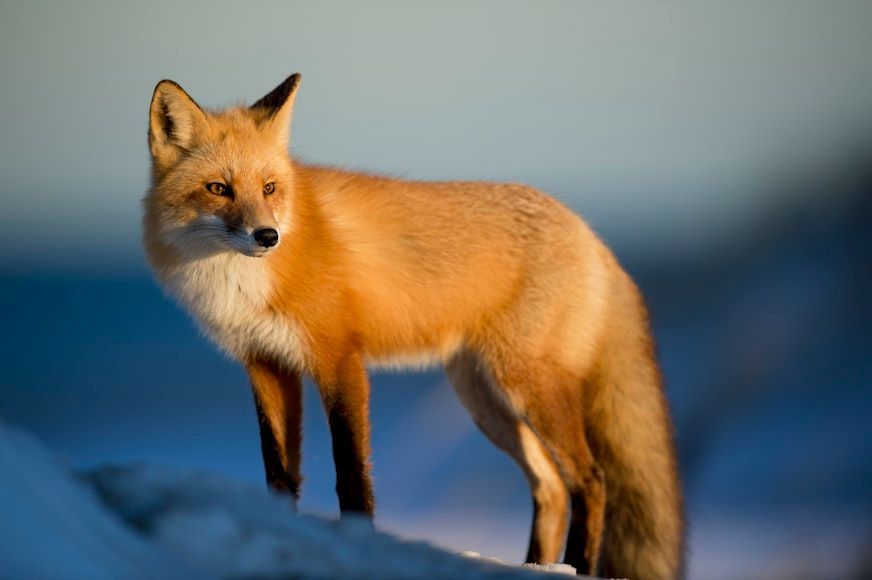
Certain animal facts are just a given: Everyone knows that bats are blind, bulls hate the color red, and that touching a toad will give you warts. But are these things really true, or are they just wives' tales that have been passed down through generations? Let’s have a look at some of these myths and see if they have some truth in them, or if they are just a folkloric invention.
Bears hibernate all Winter
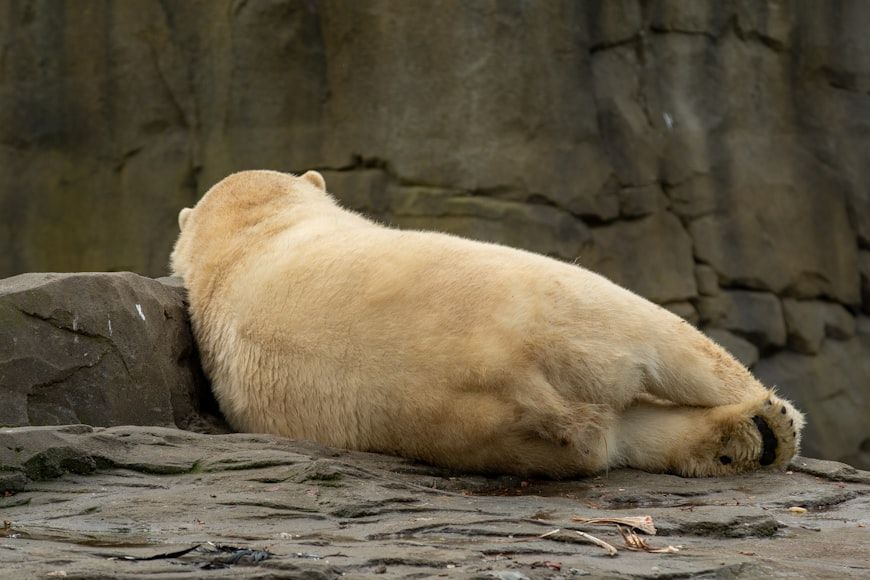
The first misconception here is the meaning of ‘hibernation’ —a state where an animal drastically lowers its body temperature, appearing lifeless, and sleeps through the cold season. While most bears are less active through the Winter, they don’t hibernate. They enter a state called ‘torpor’, where they reduce their temperature and drop their heart rate, but they are lethargic, not sleeping. They will react to external stimuli, meaning you can still come across these furry fellows during a winter hike.
Bulls react to the color red
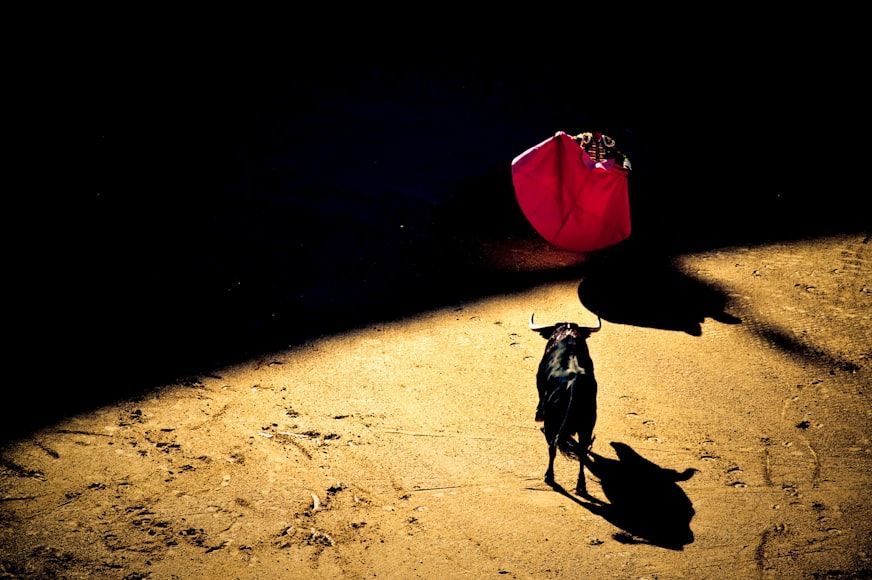
In popular tradition, the color red is associated with anger, but this has nothing to do with bulls, as they are partially colorblind and, as such, unable to see red. This common misconception stems from bullfighting, where the matador uses a brightly colored—usually red—muleta (a cloth hanging from a stick) to provoke the bull. What angers the bull is the whipping of the muleta, not its color. Why do they use a red cloth? To disguise blood spatters.
The cleanliness of your head matters to lice

"If you don’t wash your hair, you will catch lice.": You must have heard this old wives’ tale. Another popular belief claims that lice actually prefer clean heads, as they can move more freely in a clean scalp. As a matter of fact, lice don't care about your personal hygiene, nor about your hair type; they just want a warm scalp and blood to feed on. Your chances of catching pediculosis are tied to close contact with an infested person, nothing else.
Bats are blind
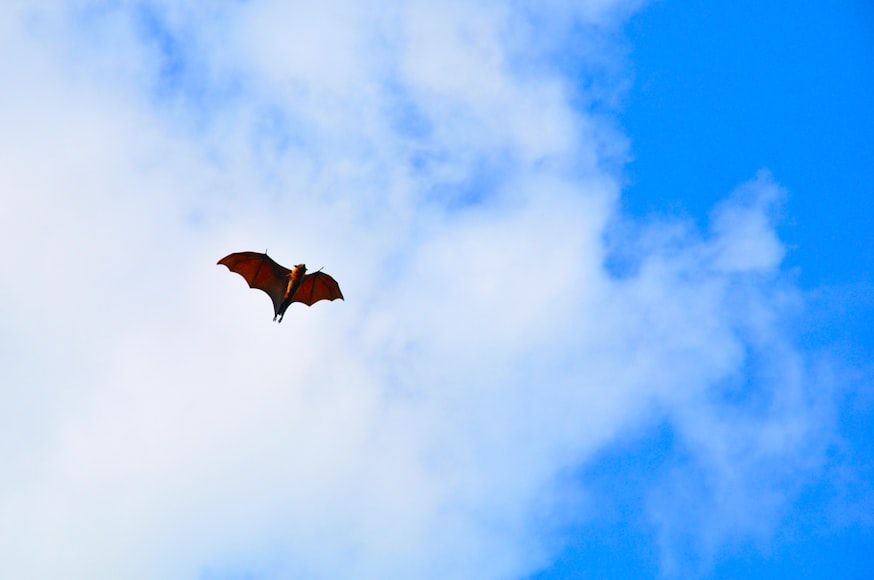
Another myth, most likely popularized by the anti-bat lobby. A bat’s vision can vary according to their species, but no bat is 100% blind, though some do better in low-light conditions. Some of them actually have excellent eyesight! The myth of the blind bat comes from their use of echolocation for hunting in the dark, and their sometimes erratic movements when following insects.
Dogs are colorblind

This one is a partial truth: dogs can’t see the same color spectrum as humans, but this doesn’t mean their world is black and white. While the human eye has three color-detecting cone cells, dogs have only two, which would make them ‘partially colorblind’. They are unable to distinguish shades of red, green, and orange, which they perceive as yellowish-brown or grayish, but they see other colors, such as blue and yellow.
Toads can give you warts
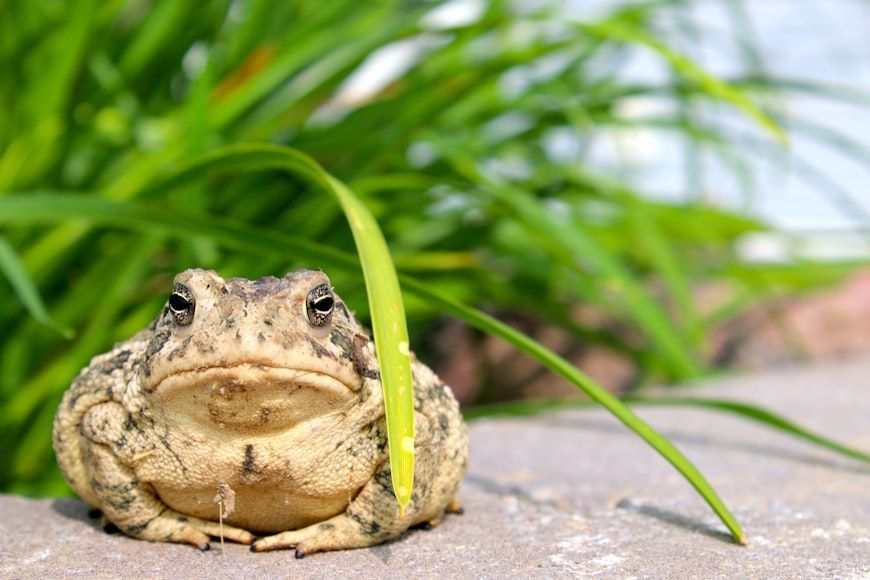
Toads might not have the loveliest appearance, but they have nothing to do with any wart you might have. Warts in humans are caused by the human papillomavirus (HPV), which is transmitted from person to person. What looks like warts on a toad’s skin are actually glands, used to secrete a toxin that deters predators. This toxin might irritate human skin, so remember to wash your hands if you touch a toad.
Penguins mate for life

Penguins have the reputation of being one of the most faithful animals in the world, even when their partner dies. While some penguin species have a high fidelity rate compared to other animals, none of them mate for life. Some penguin species are known to form long-term bonds with their mates, while others are serial monogamists, but they can actually change partners if they have an unsuccessful mating season.
Ostriches bury their heads in the ground
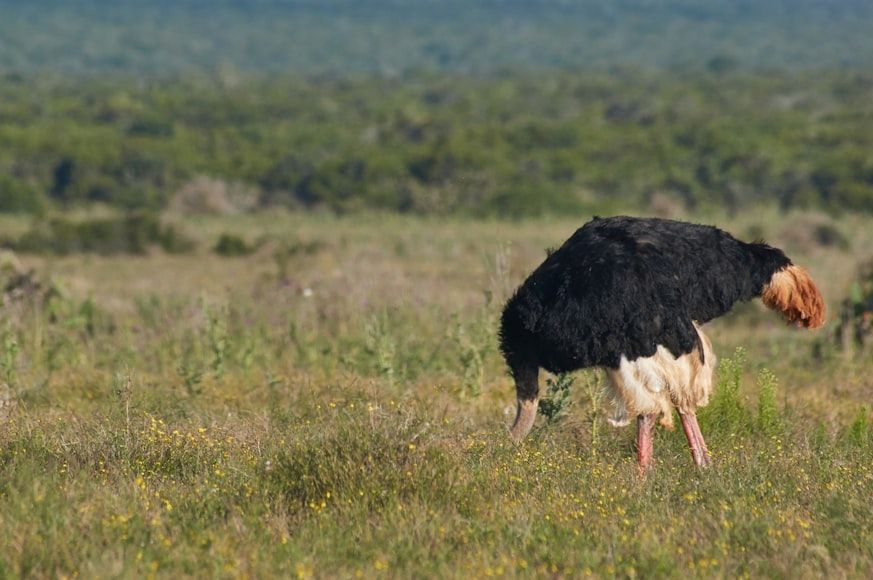
Ostriches and their alleged head-burying behavior have become a symbol of ignoring one’s problems, but this is based on a myth. This confusion, which some said dates back to Ancient Rome, stems from the ostrich’s shallow nests. When they turn the eggs with their beak, it might look like they are burying their heads in the ground from a distance. When an ostrich feels threatened, they either run away or completely flatten their body to the ground.
Baby birds are rejected by their mother if touched
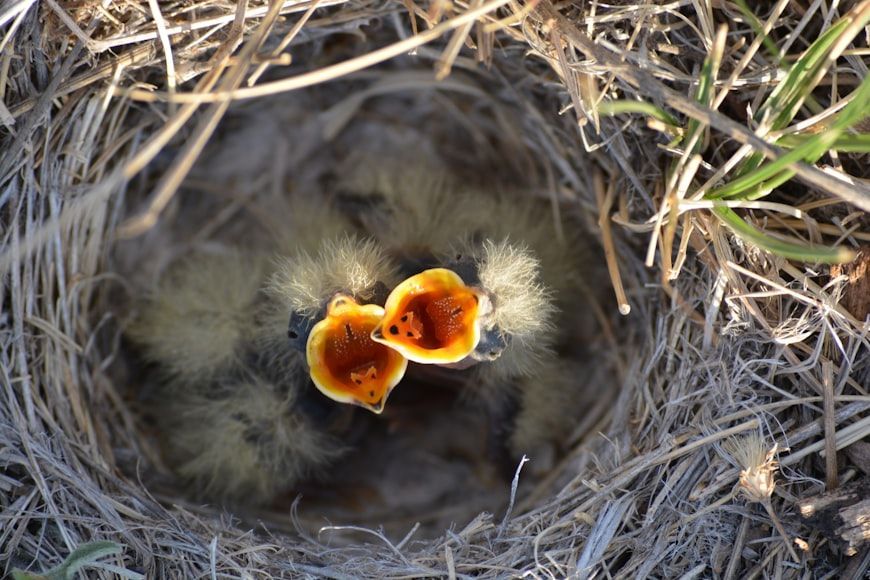
Most birds have a weaker sense of smell compared with other animals, so they rely on their vision and hearing to recognize their young. In addition to this, they tend to have strong parental instincts, so human touch and scent are not enough to make them reject their offspring. But, as a rule of thumb, it is always advisable to leave baby birds alone, unless they are injured or in immediate danger.
Camels store water in their hump

Camels are able to go for weeks without water, and sometimes even months. This has led to the belief that they store water somewhere in their bodies, mainly in their hump, but this is mainly a myth. What they do store in the hump is fat, which works as an energy reserve when food is scarce, and that can, in certain situations, be metabolized into water. Storing fat in their hump instead of in the rest of their bodies also allows them to keep cool in warmer climates.