Brands behind words
These famous brands lost their names in Court. Can you guess which?
Published on November 21, 2026

You probably use these words every day without giving them a second thought. But would you believe your zipper was named after a sound, a Band-Aid began as a husband's loving gift to his wife, or a special bath was born out of a father's love for his son? From quirky brand origins to surprising courtroom battles, some familiar words have stories you’d never imagine. Get ready to discover how much you didn't know about these words you thought you knew.
Band-Aid: the little strip with a famous name
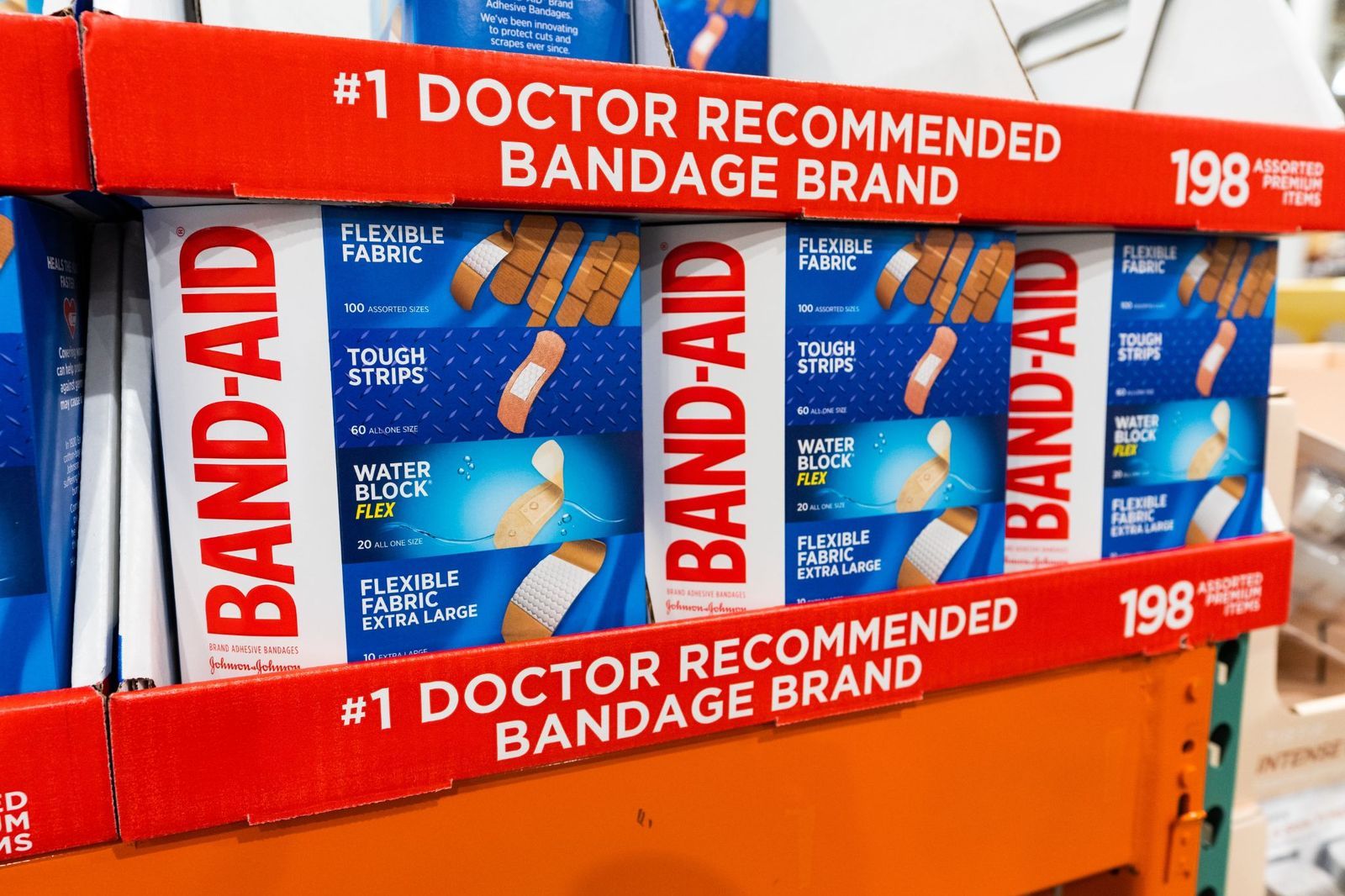
Imagine cutting your finger while preparing dinner. You reach for a Band-Aid, cover the cut, and get right back to cooking. That simple convenience was exactly what Johnson & Johnson employee Earle Dickson had in mind when he invented the product in 1920. His wife, Josephine, frequently cut and burned her fingers while cooking, so he came up with a clever solution: placing small squares of gauze on adhesive tape, allowing her to cut off and apply a dressing whenever she needed one. Talk about a helpful husband.
Johnson & Johnson began selling Band-Aid brand bandages in 1921, initially in long strips that customers cut to size. In 1924, the company introduced machine-made, pre-cut versions, making them much more convenient. The name eventually became everyday shorthand for adhesive bandages, even though Band-Aid remains a protected U.S. trademark.
Jacuzzi: the family love behind the bubbling bath

The Jacuzzi family didn't set out to create a luxury icon. Their story began with a much more personal goal: helping a child. In the 1940s, Italian-American inventor Candido Jacuzzi drew on his family's engineering expertise to develop a portable hydrotherapy pump to help relieve his young son Kenneth's rheumatoid arthritis. It allowed him to enjoy therapeutic water treatments at home rather than making regular trips to the hospital.
The idea eventually grew into something much bigger. In 1968, Candido's relative Roy Jacuzzi introduced the Roman, the first integrated whirlpool bathtub, with water jets built into its walls. It brought the therapeutic pump technology into the home in a whole new way. What began as one family's search for relief had become a household name associated with relaxation and luxury. But Jacuzzi remains a protected trademark, even though people often use it to describe any whirlpool bath.
Zipper: the invention with a surprisingly original name
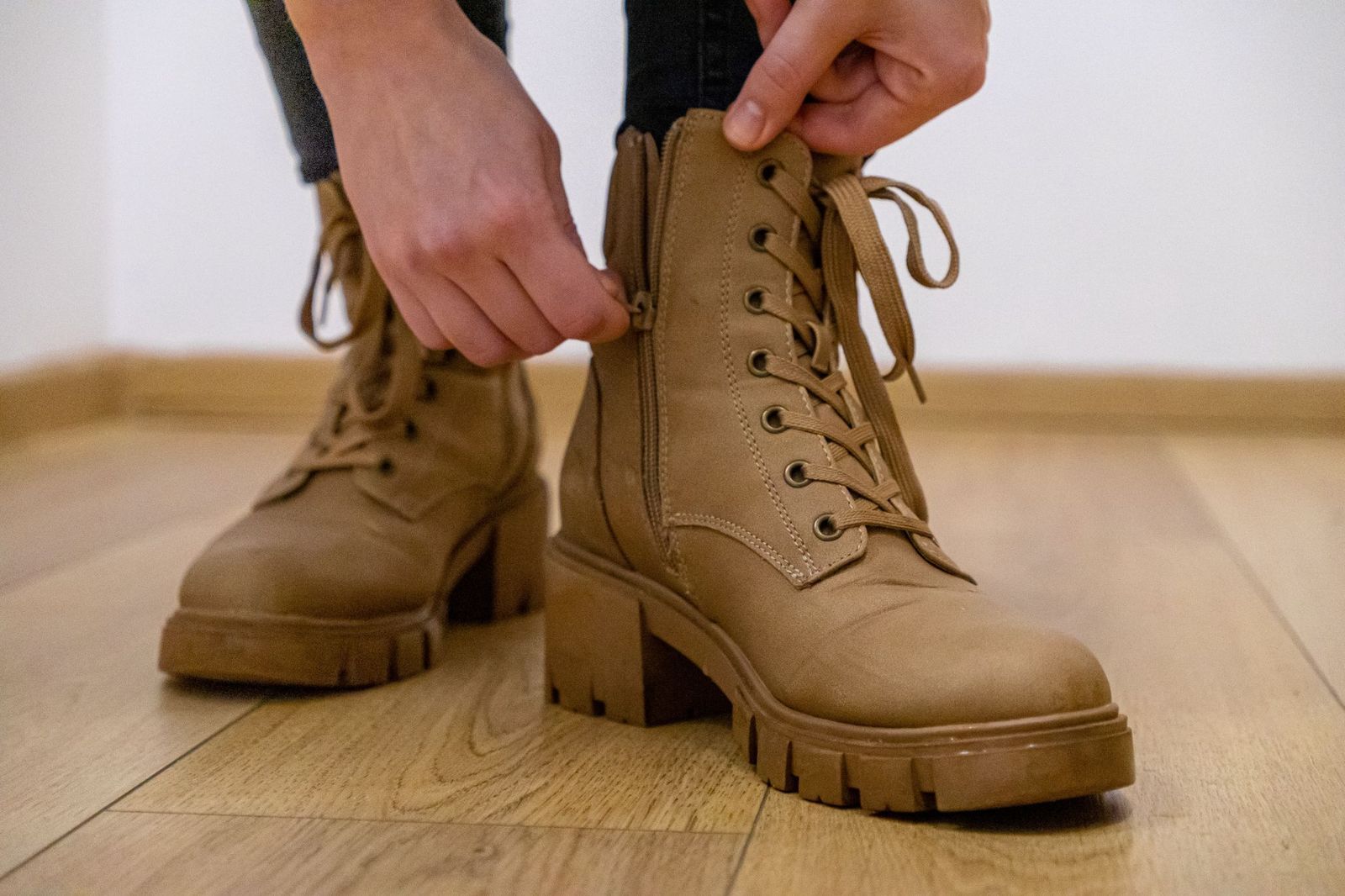
Say you're pulling on your rubber boots before heading out on a rainy day. You probably wouldn't give much thought to the little fastener that makes them so easy to wear. But the word "zipper" actually began as a brand name. In 1923, the B.F. Goodrich Company introduced boots featuring this new fastening device and called them "Zipper Boots." Company president Bertram G. Work reportedly came up with the name to capture the quick "zip" sound the fastener made when opened or closed.
Earlier versions of the slide fastener already existed, including Whitcomb L. Judson's 1893 design and Gideon Sundback's 1917 patent. But it was Goodrich's popular boots that helped make the name stick. Soon, people were using "zipper" for the fastening device itself, not just the footwear. The name eventually became generic, meaning other manufacturers could use it too, although Goodrich's trademark originally applied only to its boots.
Thermos: the name that keeps things hot

Picture yourself pouring hot coffee from a flask in the morning. You might casually call the container a thermos, but that wasn't always a generic word. Scottish scientist Sir James Dewar invented the vacuum flask in 1892, but it was German inventor Reinhold Burger and his business partner Albert Aschenbrenner who developed a more practical household version in 1904.
The pair held a competition to name their invention, and a resident suggested "Thermos," inspired by the Greek word for heat. The name became so familiar that Americans began using the lowercase word thermos for similar containers made by other companies. In 1963, a U.S. appeals court upheld a ruling that the word had become generic, although some consumers still recognized it as a brand name.
Aspirin: the medicine name that became generic
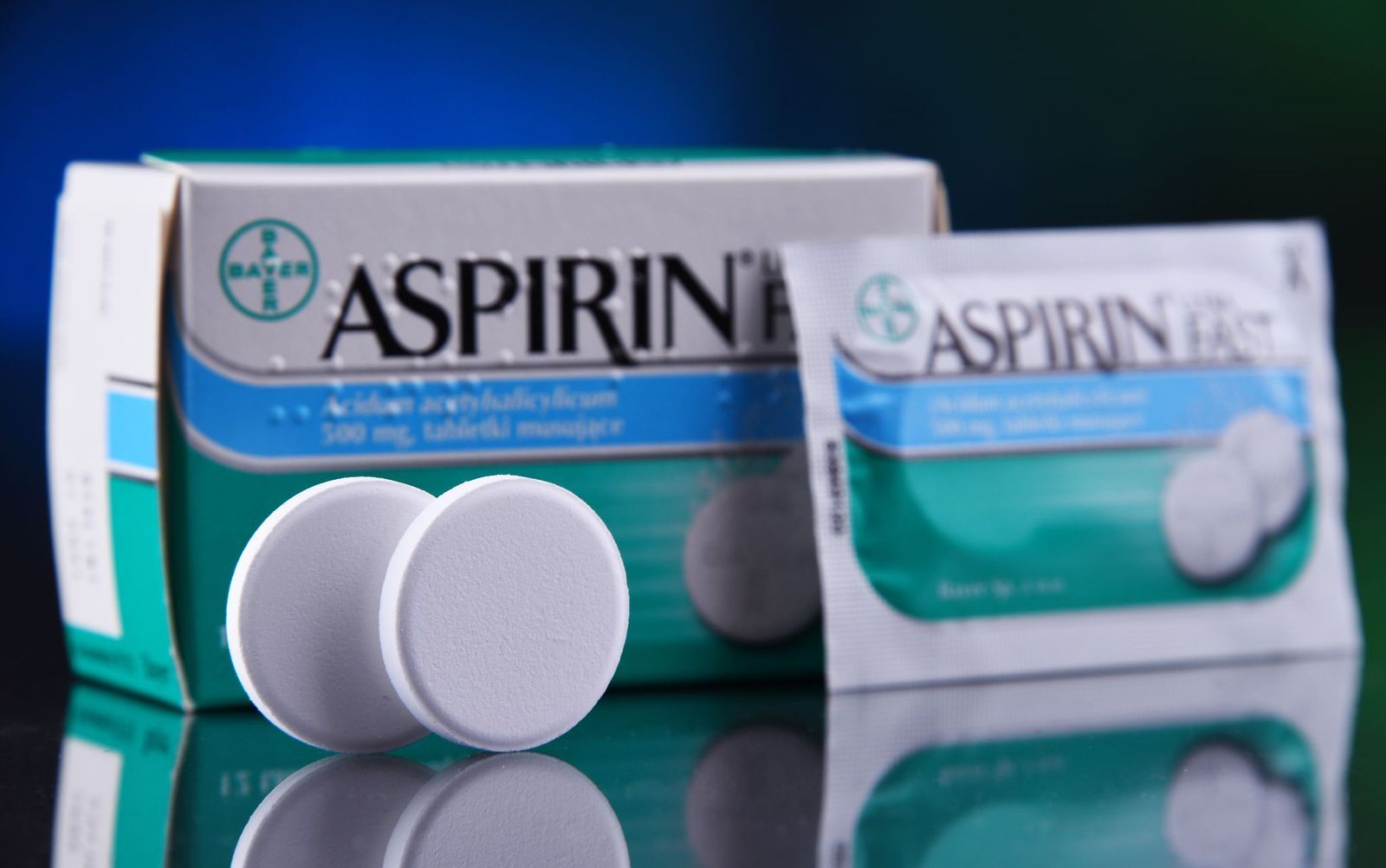
Got a headache? You probably wouldn't think twice about asking for aspirin. But the familiar name began as a Bayer brand. Introduced in 1899 by the German pharmaceutical company, the medicine was registered as a trademark for acetylsalicylic acid. Its name combines acetyl, Spirsäure (an old German term for salicylic acid, linked to the meadowsweet plant Spiraea), and the suffix -in. Quite a mouthful for such a familiar household word.
After World War I, Bayer lost control of its U.S. Aspirin business, which was acquired by Sterling Products in 1919. In 1921, a U.S. court ruled that the name had become generic, allowing other manufacturers to sell the medicine as aspirin. Today, Americans can ask for it without specifying a brand.
Kleenex: the tissue brand everyone knows
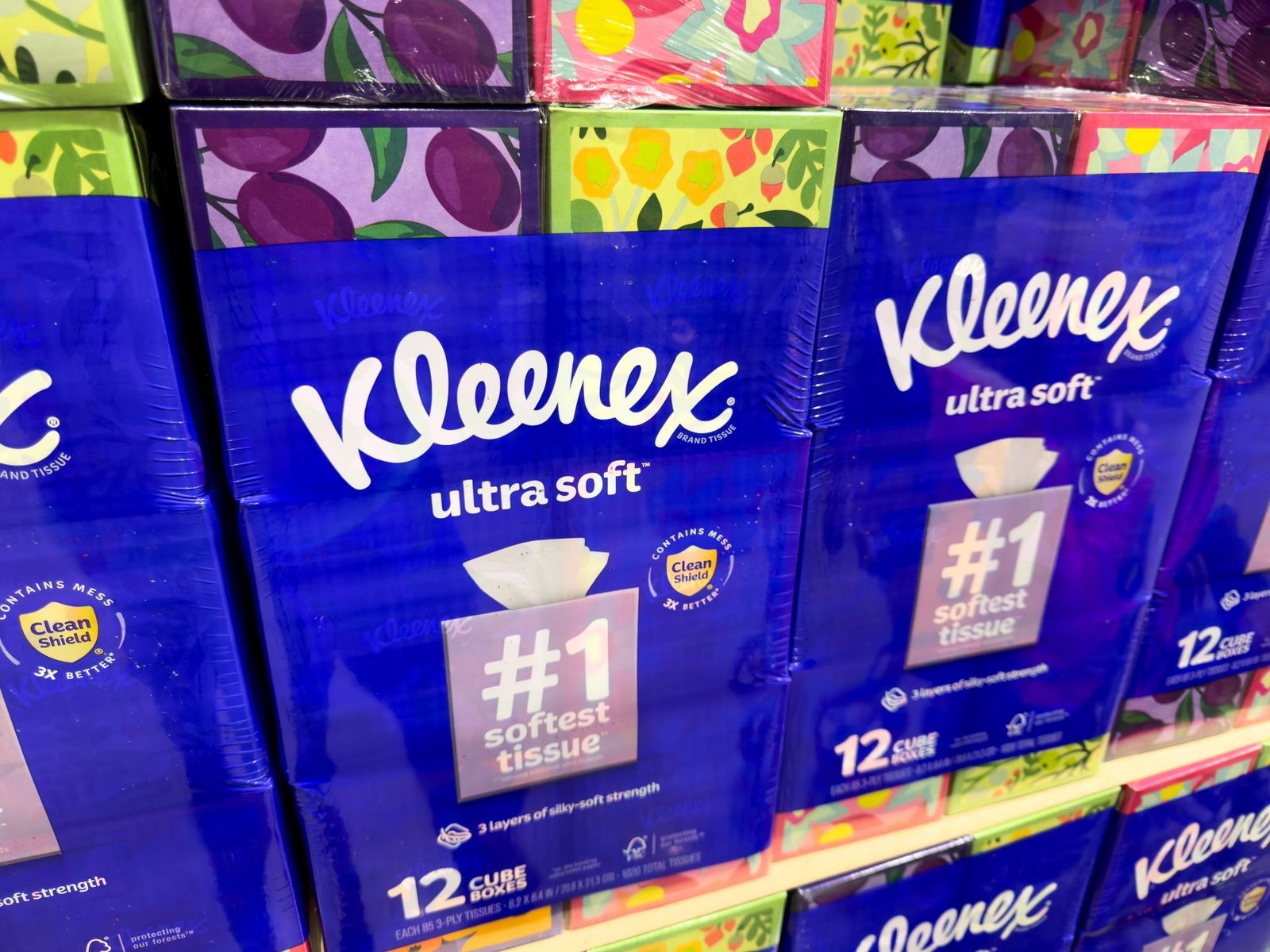
Think about all the times you've reached for a tissue when you have a cold. Chances are, you might have called it a Kleenex, even if the box says something else. Launched in 1924 by Kimberly-Clark, Kleenex was originally marketed as a cold cream and makeup remover rather than a tissue for blowing your nose.
But consumers soon discovered that its soft cellulose sheets made excellent disposable handkerchiefs. The company noticed and adapted its marketing in 1930, promoting Kleenex specifically for that purpose. The name caught on so widely that people began using it for facial tissues made by any company. Even today, Kleenex remains a protected U.S. trademark, despite its everyday use as a generic term.
Xerox: when a brand became a verb

Let's say you're making copies at the office and someone asks you to "Xerox" a document. It's easy to forget that the word started as a brand name. Xerox comes from xerography, a dry-printing process invented by Chester Carlson. The name draws on Greek roots: xero- (meaning "dry") and -graphy (meaning "writing").
Xerox became a household name with the 1959 launch of the 914, the first automatic plain-paper office copier. As people increasingly used the brand name as a verb, the company began running advertising campaigns urging them to say "photocopy" instead. Unlike aspirin and escalator, which became generic terms, Xerox successfully protected its U.S. trademark, even as "to Xerox" became common everyday language.
Yo-Yo: the toy whose name became universal
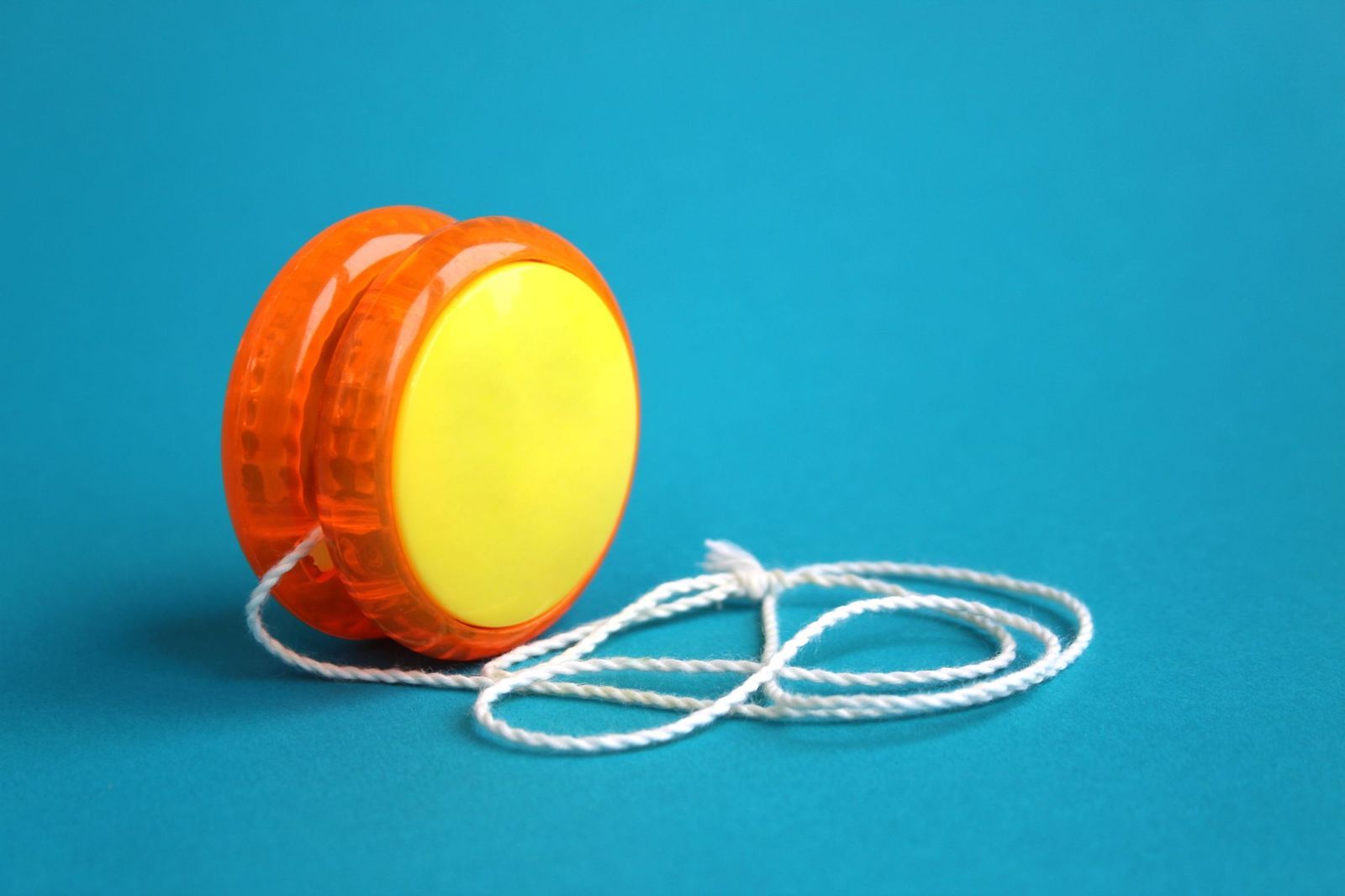
Visualize being a kid in the 1930s, showing off your latest yo-yo trick on the sidewalk. You might not know it, but the toy had already been around for centuries. Similar spinning toys existed in ancient Greece, but the modern American yo-yo craze took off after Filipino-American entrepreneur Pedro Flores began manufacturing them in the late 1920s. Businessman Donald F. Duncan later acquired Flores's company and helped turn the toy into a nationwide sensation.
Duncan wanted consumers to associate the toy with his company, even using the slogan "If it's not a Duncan, it's not a yo-yo!" But the name had already taken on a life of its own. By 1965, people used "yo-yo" to describe the toy regardless of who made it. That year, a federal appeals court ruled that the word had become generic, meaning Duncan could no longer claim exclusive trademark rights to it. Even a famous brand couldn't stop the public from making the name its own.
Trampoline: the energetic word inspired by a brand name

Close your eyes and envision your youngest family members bouncing on a trampoline in your backyard (or even yourself!). You probably wouldn't guess that its name came from a Spanish word. American gymnast George Nissen and his coach Larry Griswold developed the first modern trampoline prototype in 1934, inspired by the flexible safety nets used by circus acrobats. They initially called their invention a "rebound tumbler."
While touring Mexico with his acrobatics act, Nissen heard the Spanish word trampolín, meaning "diving board" or "springboard." He liked it so much that he adapted it into the name "trampoline" and registered it as a trademark. The catchy name soon caught on as the everyday word for the equipment. In 1961, a U.S. court ruled that "trampoline" had become generic.
Escalator: the moving staircase with a trademark past

Remember times you stepped onto a moving staircase while shopping at a department store? Today, we'd simply call it an escalator, but the word began as a brand name. Inventor Charles Seeberger coined the term and registered it as a trademark in 1900. That same year, an Otis Elevator Company featuring his invention won a major prize at the Paris Exposition and acquired the rights to the name the following year.
As moving staircases appeared in department stores and transit stations, people began using the term "escalator" for all of them, not just for the Otis models. Ironically, the company also used the word generically in its own advertising, helping cement its everyday meaning. In 1950, U.S. trademark authorities canceled the registration after finding that the name had become a common term.


