You’ve been mispronouncing them
Think you can pronounce these 10 U.S. towns? Think again
Published on November 4, 2026
Ever confidently said a town’s name, only to have a local correct you? It happens more often than you might think. From a Massachusetts city that sounds nothing like it looks to two coastal towns named Beaufort that are pronounced differently, America is full of place-name traps. Even familiar destinations in Florida and Idaho can trip up unsuspecting visitors. Before your next road trip, see how many of these 10 names you can get right.
Patchogue, New York
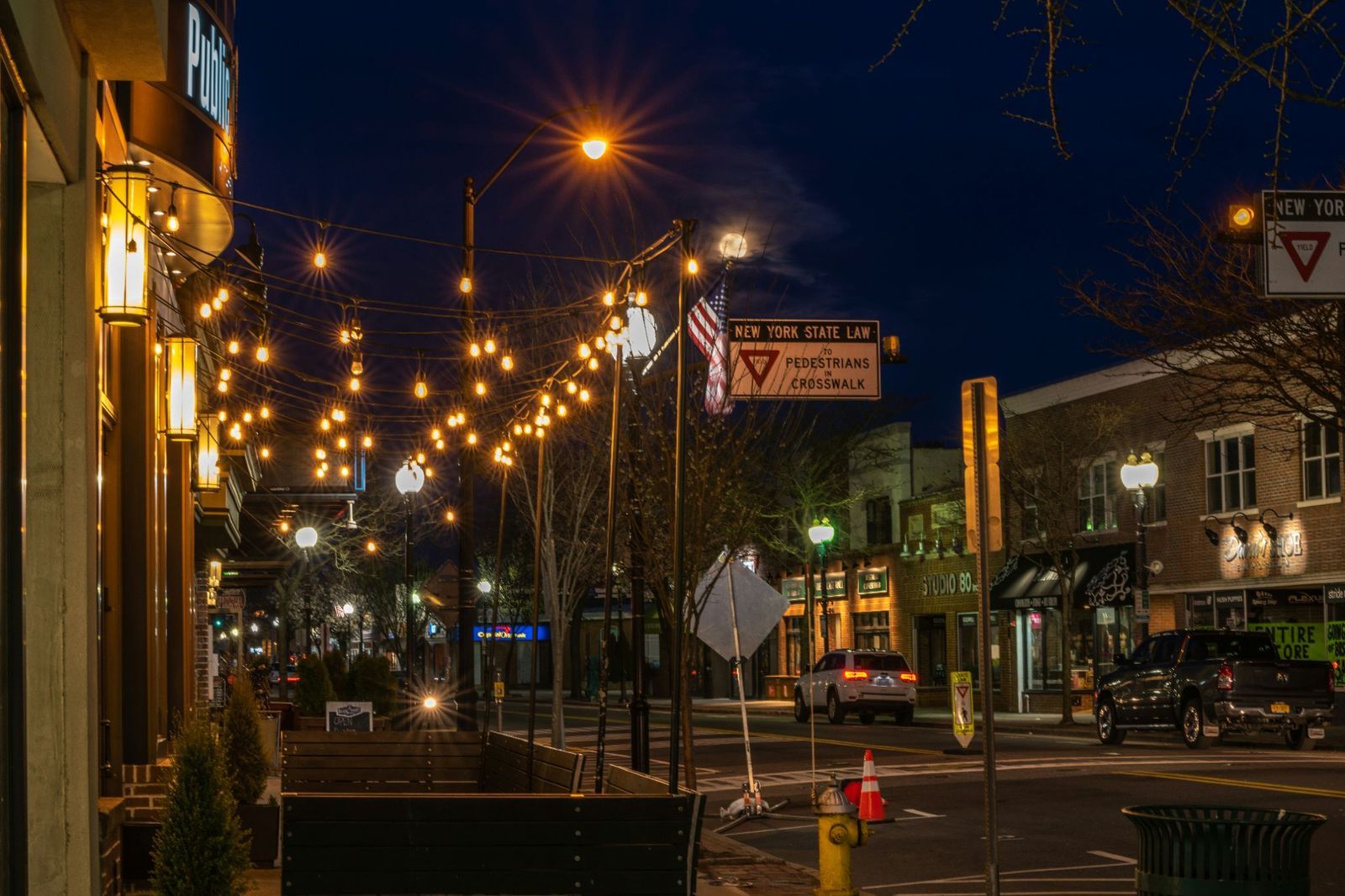
If you’ve ever explored Long Island, perhaps on your way to the beaches along its southern shore, you may have passed through Patchogue without knowing how to say it.
The village, about 60 miles east of Manhattan, has a name that seems to invite an extra syllable or two. But don’t say "Patch-o-GOO" or "Patch-OHH-gue." The more familiar local versions sound like "PATCH-awg" or "pa-CHAAG." The name is connected to the region’s earlier inhabitants, and its unusual spelling has puzzled visitors for years. If you’re visiting the village’s waterfront, restaurants, or ferry connections to Fire Island, try saying the name aloud before asking for directions.
Boise, Idaho
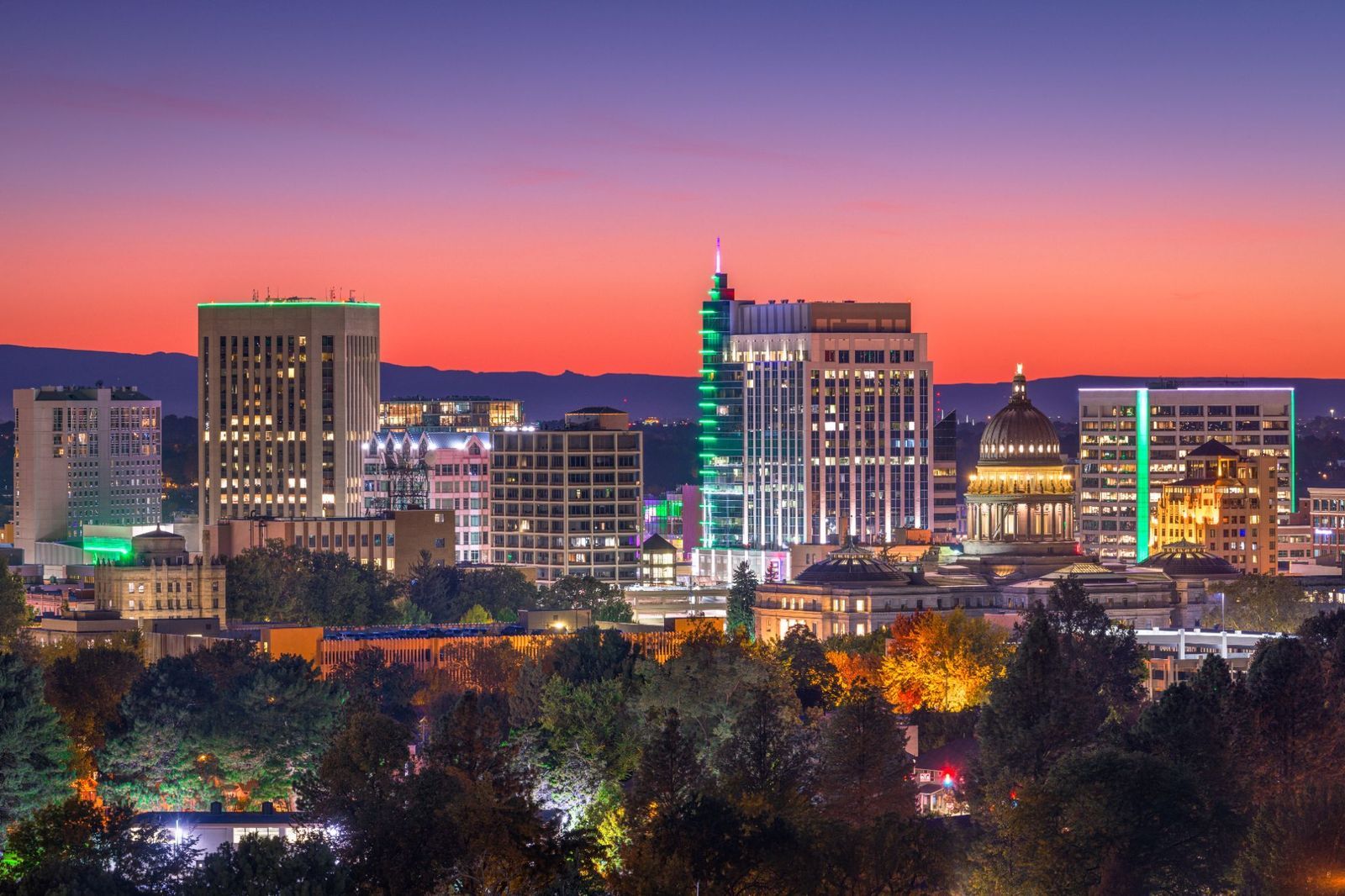
Boise is a gateway to outdoor adventures, with the Boise River Greenbelt, nearby foothills, and a downtown that combines restaurants, museums, and local shops. But before you arrive, there’s a pronunciation question to settle. Many people say "boy-ZEE," stressing the second syllable. However, the traditional pronunciation is "BOY-see," with the emphasis up front and an "s" sound. The city’s name is often traced to French-speaking fur traders, who used a word meaning "wooded" to describe the river area. Even if residents still spark up the discussion from time to time, when in Boise, "BOY-see" is the safer choice.
Wilkes-Barre, Pennsylvania
Pennsylvania has plenty of history to explore, from Philadelphia's Revolutionary landmarks to the coal-mining towns of the northeast. Wilkes-Barre, in the Wyoming Valley, has a name with a story that goes back to the colonial era.
Founded in 1769, the community was named after two British politicians, John Wilkes and Isaac Barré, who supported the American colonists. That French-looking accent over the final e once appeared in the city’s name, but it eventually disappeared from common use. Here’s the tricky part: locals generally say "Wilkes-BERRY," although "Wilkes-BEAR" is also heard. Pronouncing the second half like the French word "beret" is likely to give you away as a visitor. Even the spelling has a distinctive feature: the hyphen is an established part of the city’s name.
Worcester, Massachusetts
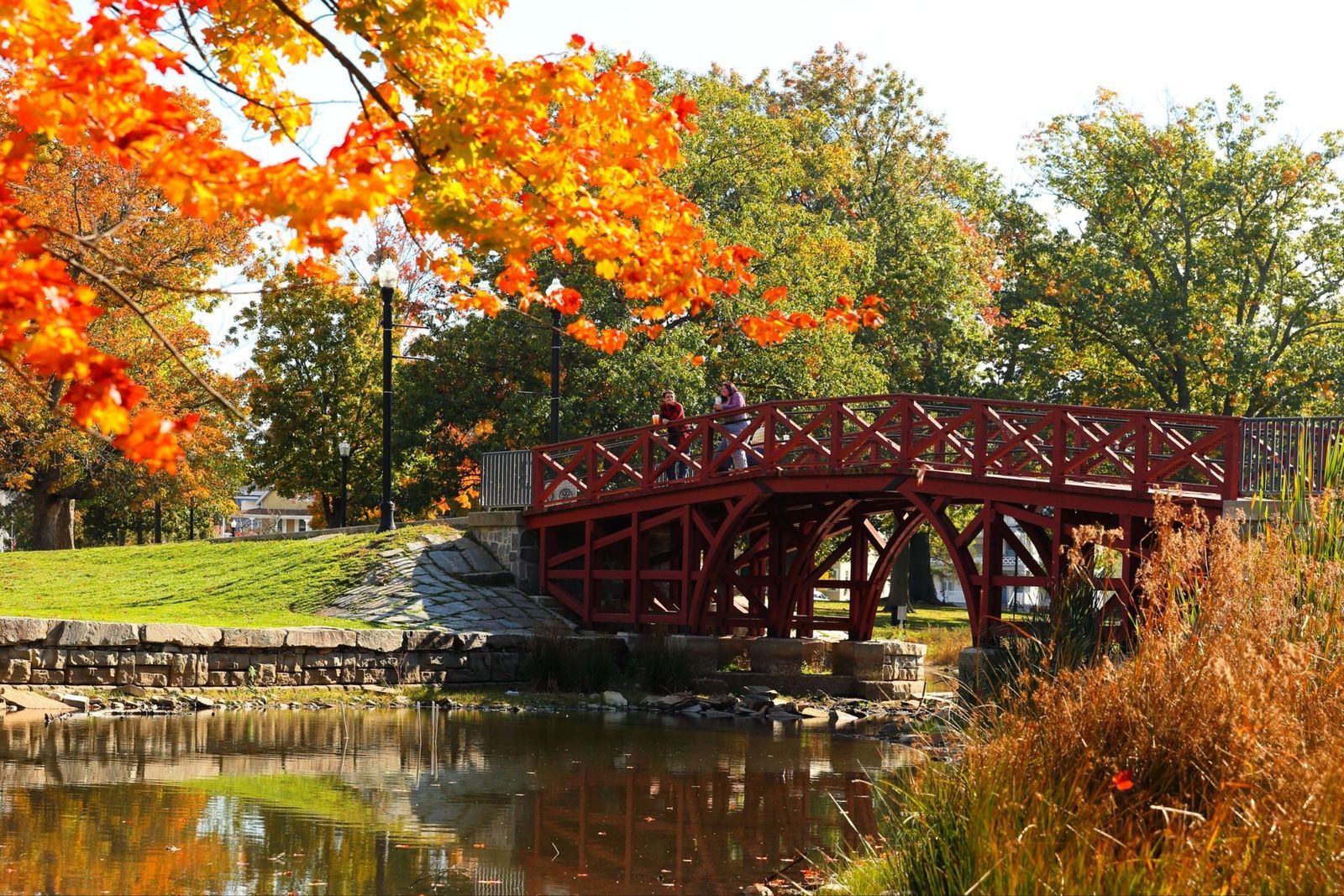
Imagine driving through New England, stopping for a meal, and asking for directions to Worcester. If you sound out every syllable, you might say "Wor-ches-ter" or "Wor-sess-ter." Locals, however, simplify the whole business to "WUSS-ter."
The Massachusetts city sits west of Boston and has a long industrial history, along with colleges, museums, and a lively downtown. Its name is part of a larger New England pattern: place names inherited from Britain often kept their old spellings even as local speech changed. Worcester shares its name with an English city, but American pronunciation has developed its own familiar rhythm. Saying "WUSS-ter" sounds much more natural when you ask about the city’s restaurants or cultural attractions.
Spokane, Washington
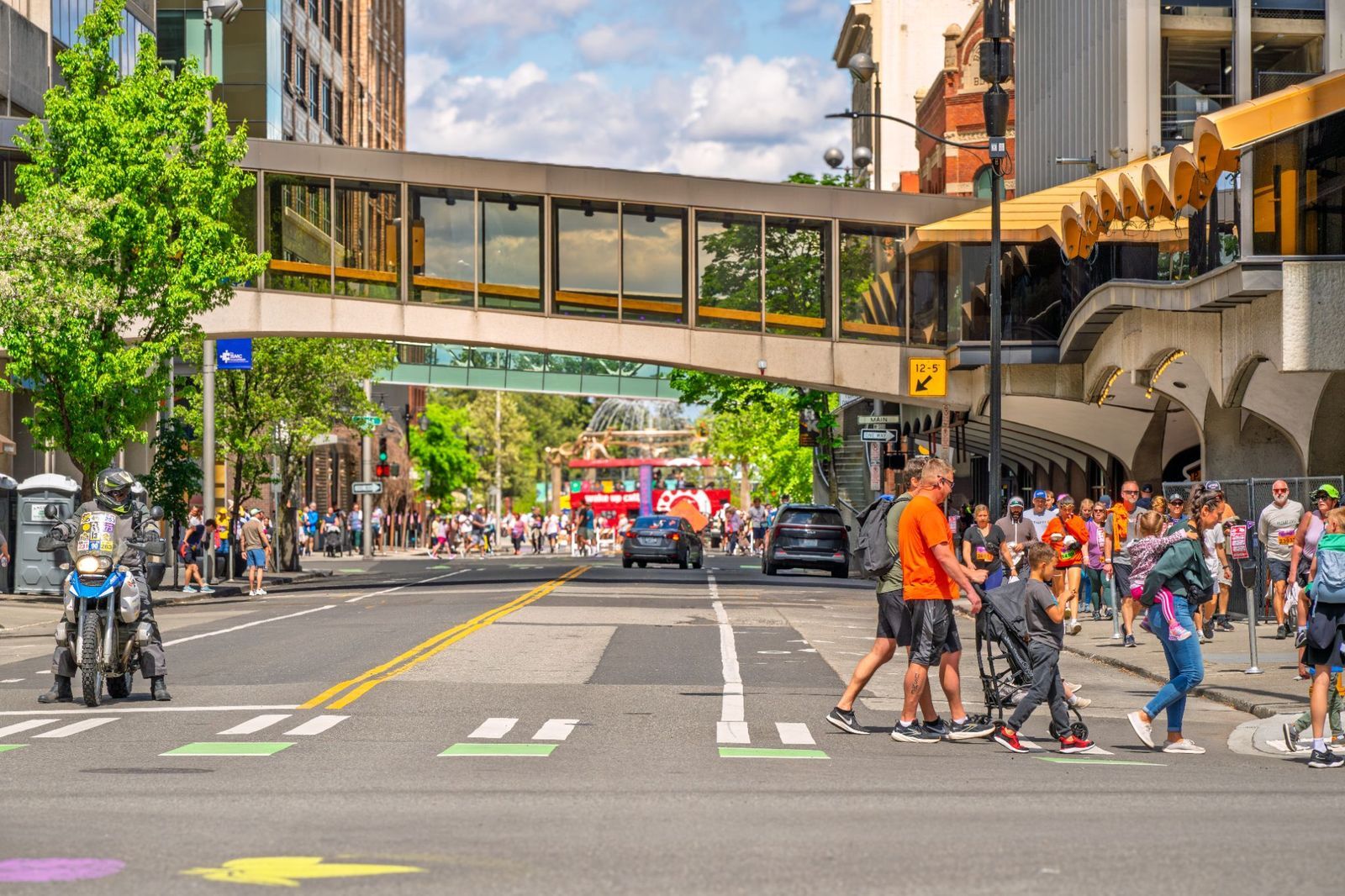
Washington State offers everything from Seattle’s famous waterfront to the rugged scenery of the Cascade Mountains. On the eastern side of the state, Spokane is another destination worth knowing, especially for its parks and the dramatic Spokane Falls in the heart of downtown. Yet the city’s final letter can fool visitors.
Some people see the "e" and pronounce the name "Spoke-KANE," as though it rhymes with a familiar English word. The local pronunciation is "spoh-KAN," with no long A sound at the end. The city takes its name from the Spokane people, an Indigenous nation with deep ties to the region.
Helena, Montana
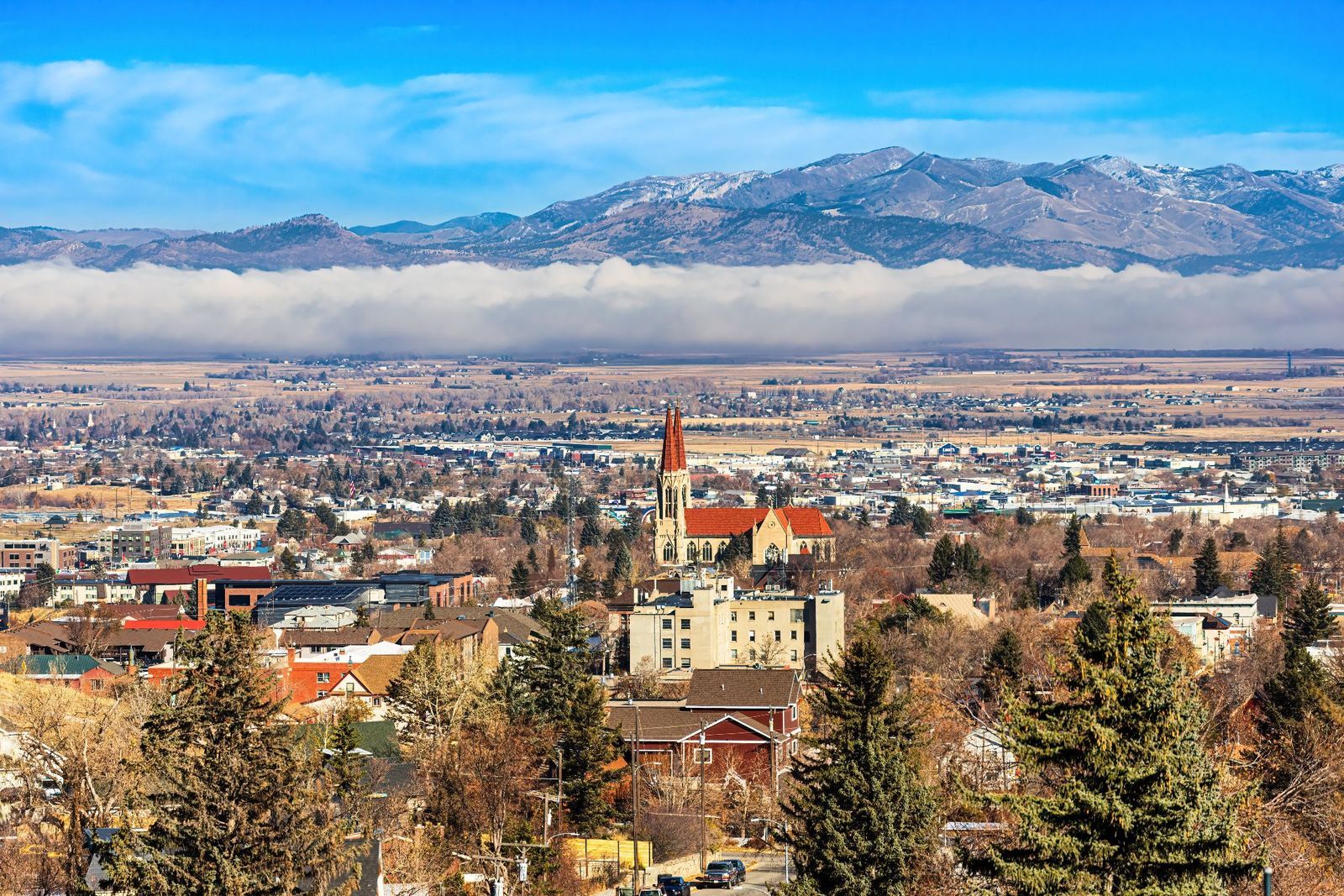
Montana’s capital might look straightforward on a map, but its name can send visitors in several directions. Some people try "hell-AYE-nuh," while others swallow the first syllable and say something closer to "ELL-uh-nuh."
The usual local pronunciation is "HELL-uh-nuh," with the stress right at the beginning. Helena became Montana’s territorial capital in 1875 and retained that role when Montana became a state in 1889. Its history is closely tied to the gold rush: prospectors established Last Chance Gulch in 1864 after striking gold, and the settlement that grew there eventually became Helena. Today, that historic gulch is part of the city’s downtown, where visitors can explore shops, restaurants, and reminders of its mining past.
Kissimmee, Florida
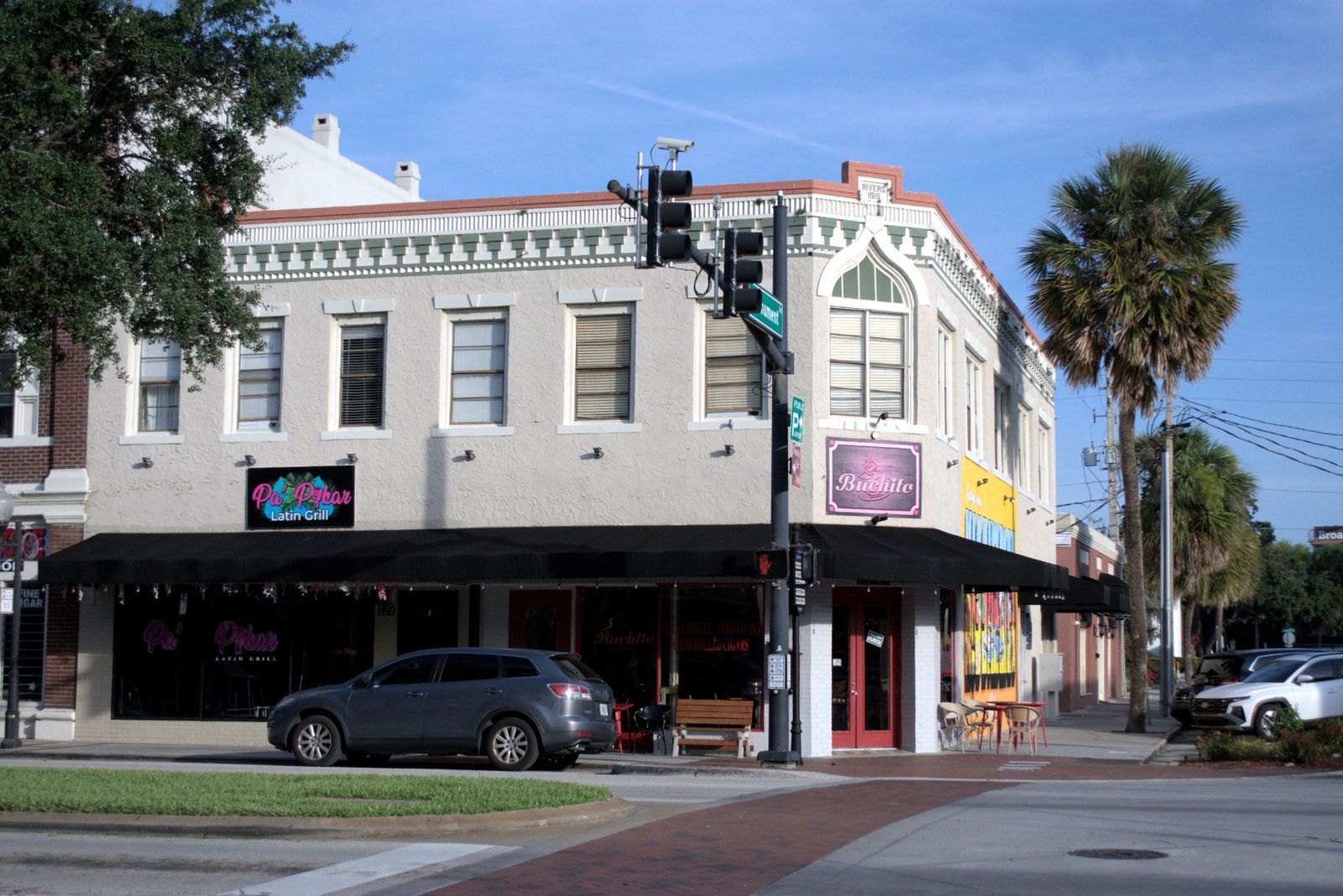
If you’ve ever planned a Florida vacation, you may have landed in Kissimmee, looking for a cheaper but close accommodation to Orlando's theme parks and other Central Florida attractions.
The spelling, however, doesn’t make the pronunciation obvious. Rather than saying "KISS-a-mee," locals pronounce it "kiss-SIM-mee," with the emphasis on the middle syllable. The city’s name has indigenous roots, reflecting the area’s earlier history, long before vacation homes and theme-park traffic transformed the region. Today, Kissimmee also attracts visitors interested in fishing, airboat rides, shopping, and outdoor adventures around its lakes.
Beaufort, North Carolina and Beaufort, South Carolina
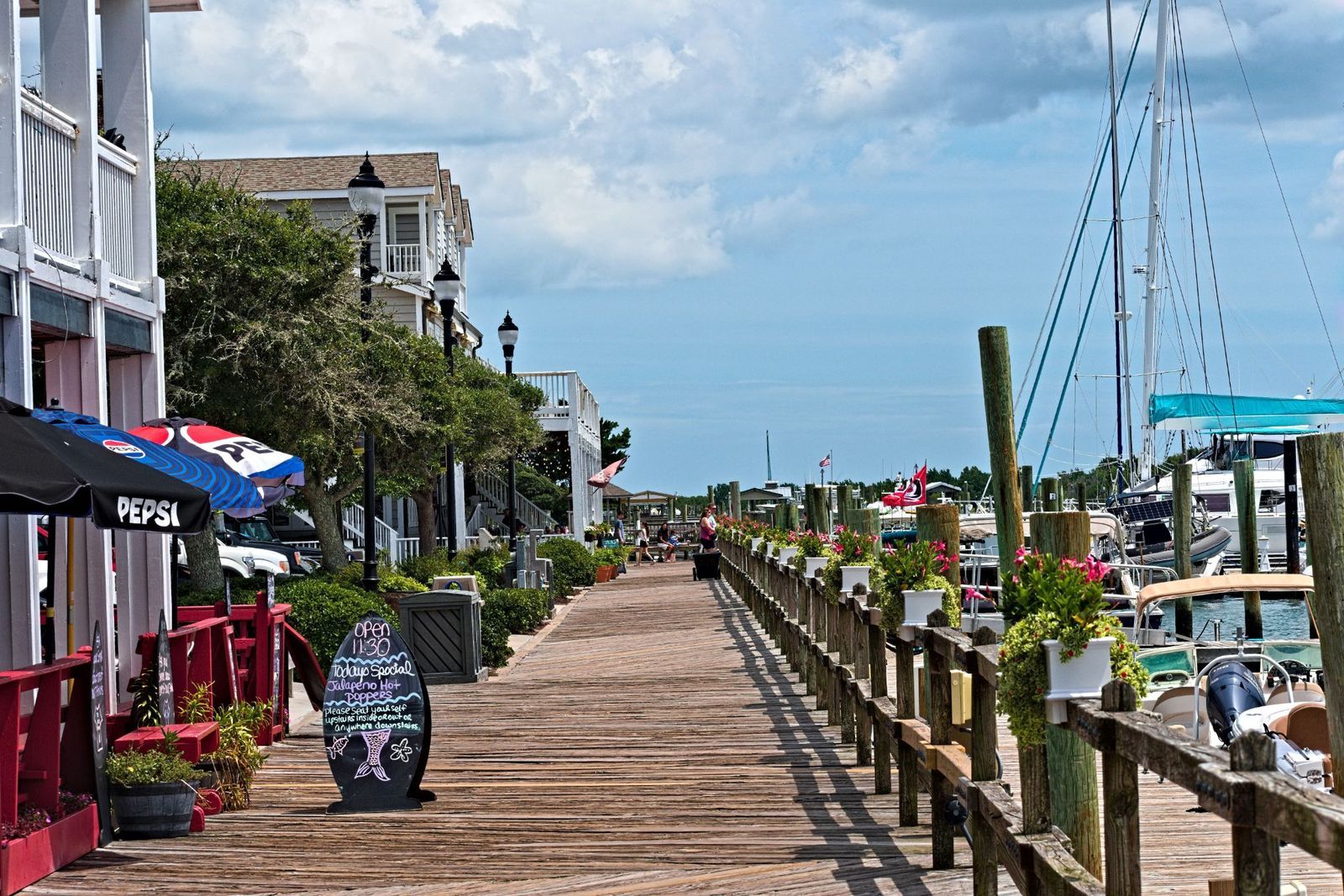
Although one may be an experienced road-tripper, this one catches people off guard: two coastal towns share the name Beaufort, but they aren’t pronounced the same way. In North Carolina, the name sounds like "BOH-fert," while in South Carolina, locals commonly say "BYOO-fert."
Both towns were named after Henry Somerset, Duke of Beaufort, an English nobleman. North Carolina’s Beaufort lies on the Crystal Coast, where visitors can explore maritime history and enjoy waterfront views. South Carolina’s Beaufort sits in the Lowcountry, known for moss-draped live oaks, historic homes, and scenic waterways near Hilton Head Island. Confuse the pronunciations, and you might reveal you’re unfamiliar with the area.
Norfolk, Virginia
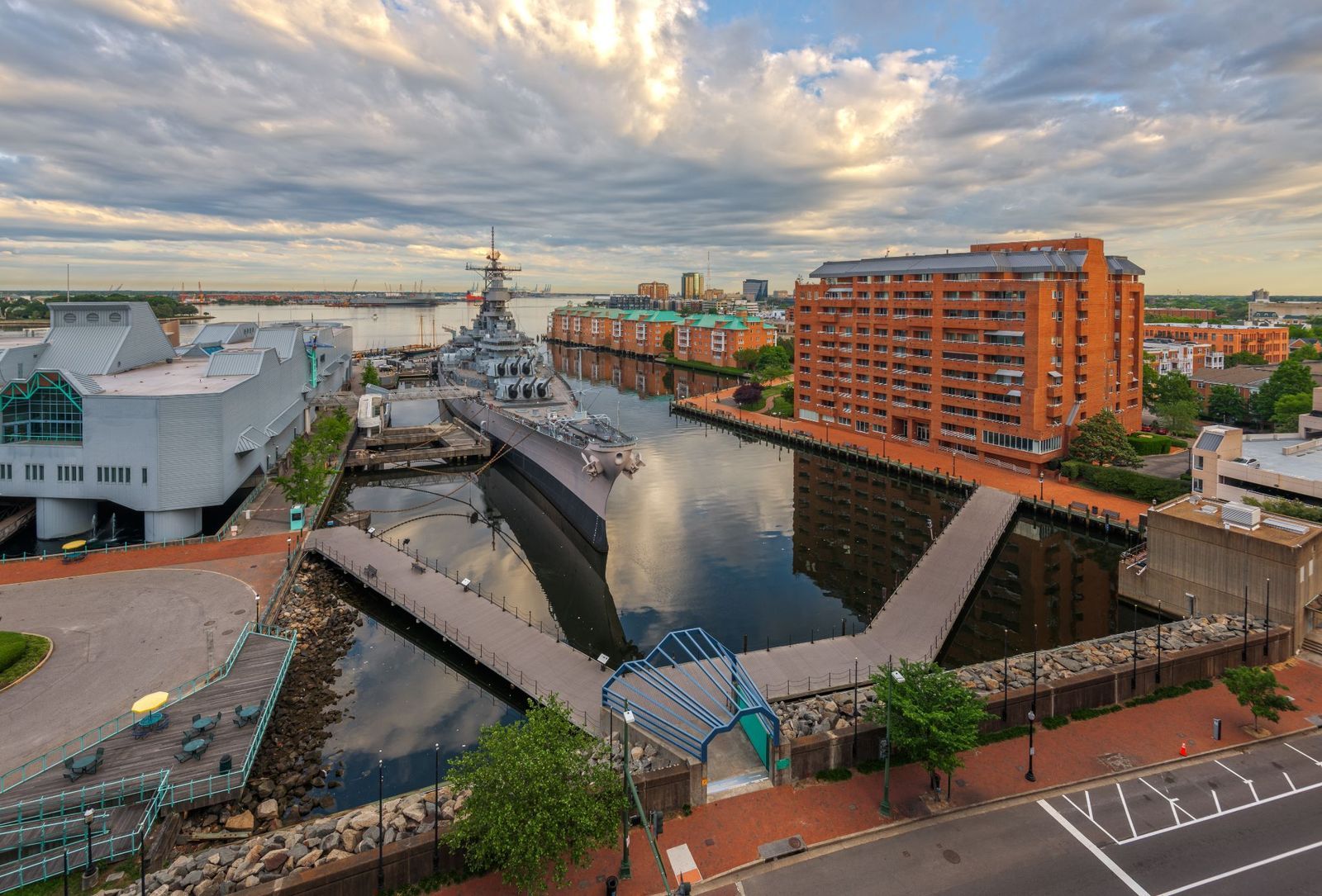
Norfolk, Virginia, is home to a major naval presence, a busy harbor, and a waterfront that reflects its long maritime history. It’s also a city whose pronunciation can spark lively disagreement among residents.
Visitors often say "NOR-folk," giving both parts of the name their full sound. But longtime locals frequently prefer "NAW-fik," while other residents use variations such as "NOR-fik." The city’s official tourism organization has even explored the debate, acknowledging that people have strong opinions about how the name should sound. Norfolk’s location beside the Chesapeake Bay and its role as a major port have brought people from all over the country to live and work there, which helps explain why the pronunciation varies.
Versailles, Kentucky
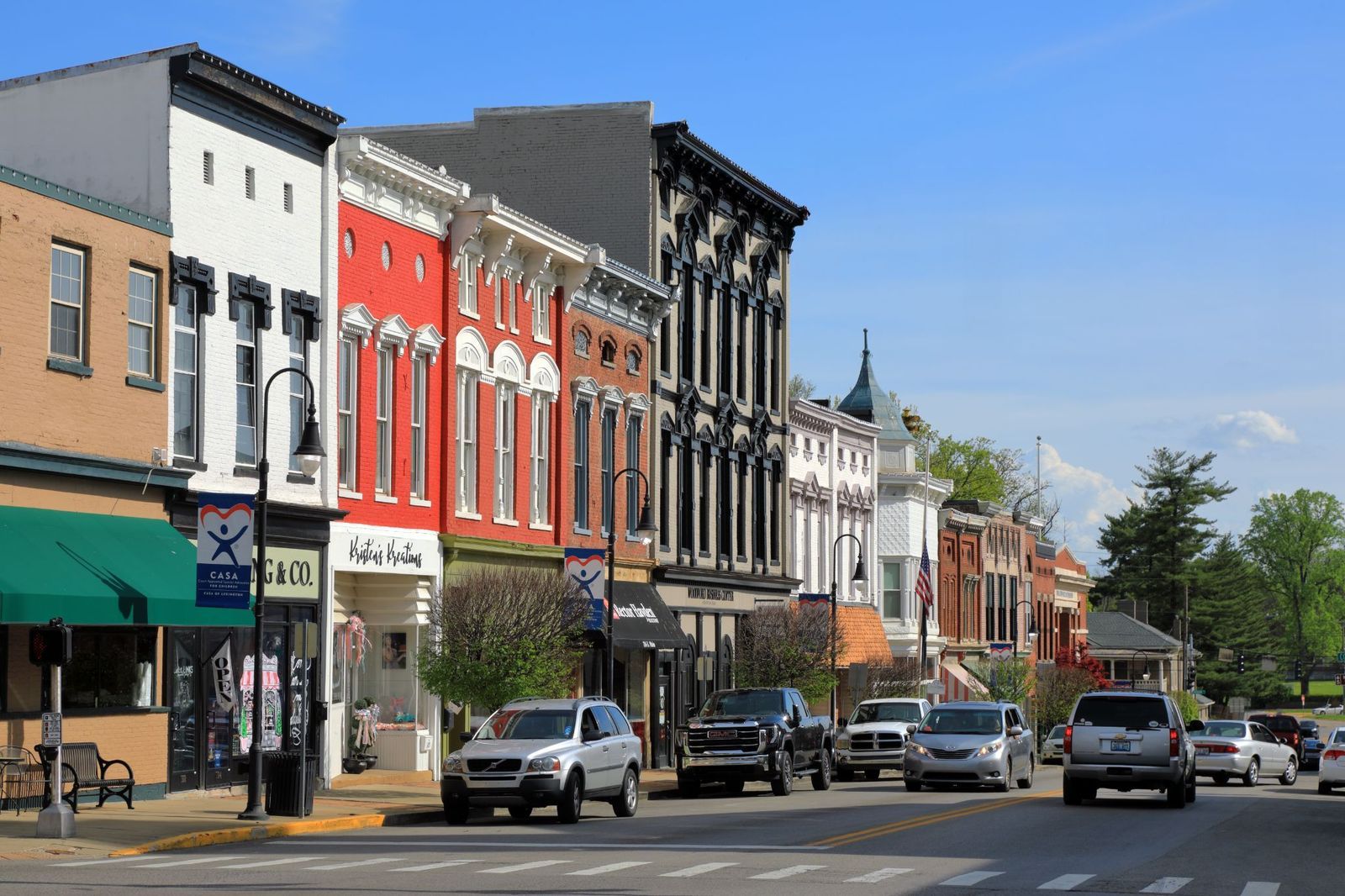
The French Palace of Versailles is famous for its grand rooms, elaborate gardens, and connection to the reign of Louis XIV. So, when people encounter Versailles, Kentucky, they may naturally pronounce it the French way, "ver-SIGH." But that’s a mistake in the Bluegrass State.
The Kentucky town is pronounced "ver-SAILS," just as the spelling might suggest if you ignore the French connection. Located near Lexington, Versailles is part of a region associated with thoroughbred horse farms, rolling countryside, and Kentucky’s horse-racing tradition. Its name reflects the influence of French naming fashions in early America, when communities sometimes borrowed European names without adopting their original pronunciation.


