Skol!
We are using Viking words daily and didn’t even know it: 12 examples
Published on February 15, 2026
 Credit: hao qin
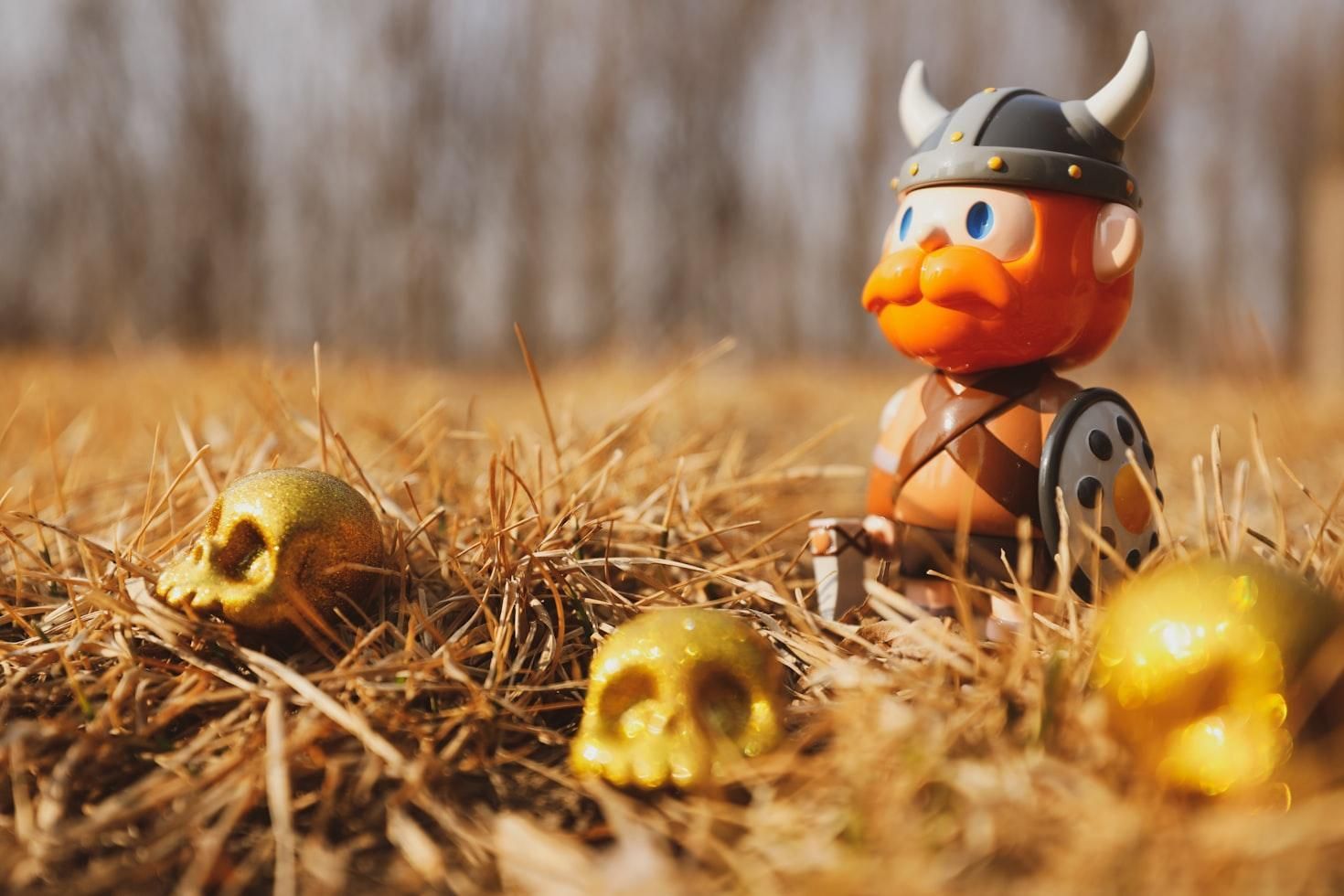
The English language has adopted words from multiple other languages into its daily lexicon, and Norse is not an exception. Many terms that we use every day come from very similar-sounding counterparts from our Scandinavian friends. The following 12 examples range from the obvious to the surprising ones. Which ones did you already know about?
Thursday
 Credit: Kelly Sikkema
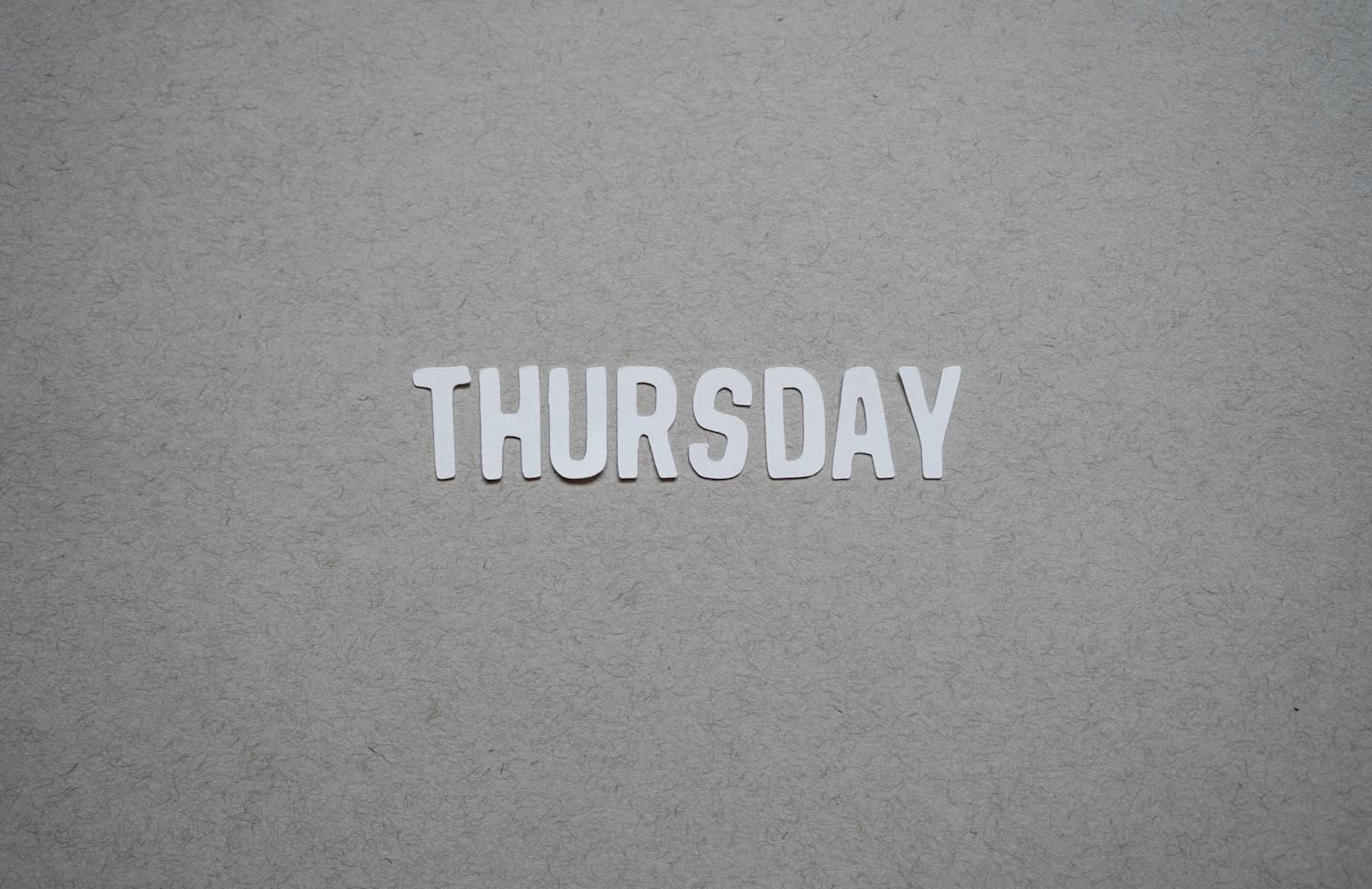
Once you see this one, it becomes almost impossible to unsee it: the word used to define the fourth day of the work week, Thursday, has a Norse origin, meaning "Thor’s day."
Club
 Credit: REGINE THOLEN
In today's world, we usually associate the word "club" with more civilized instruments, like a golf club. But in its origin, the word was associated with heavy things used as beating weapons, a Viking specialty. The word club came from the Old Norse word of the same meaning, "klubba".
Ransack
 Credit: Allef Vinicius
Unsurprisingly, another word that the Vikings gave us is the one used to describe the action of going through a place, stealing things, and causing damage: ransack. This word originates from the Old Norse term "rannsaka".
Mire
 Credit: Luke Jones
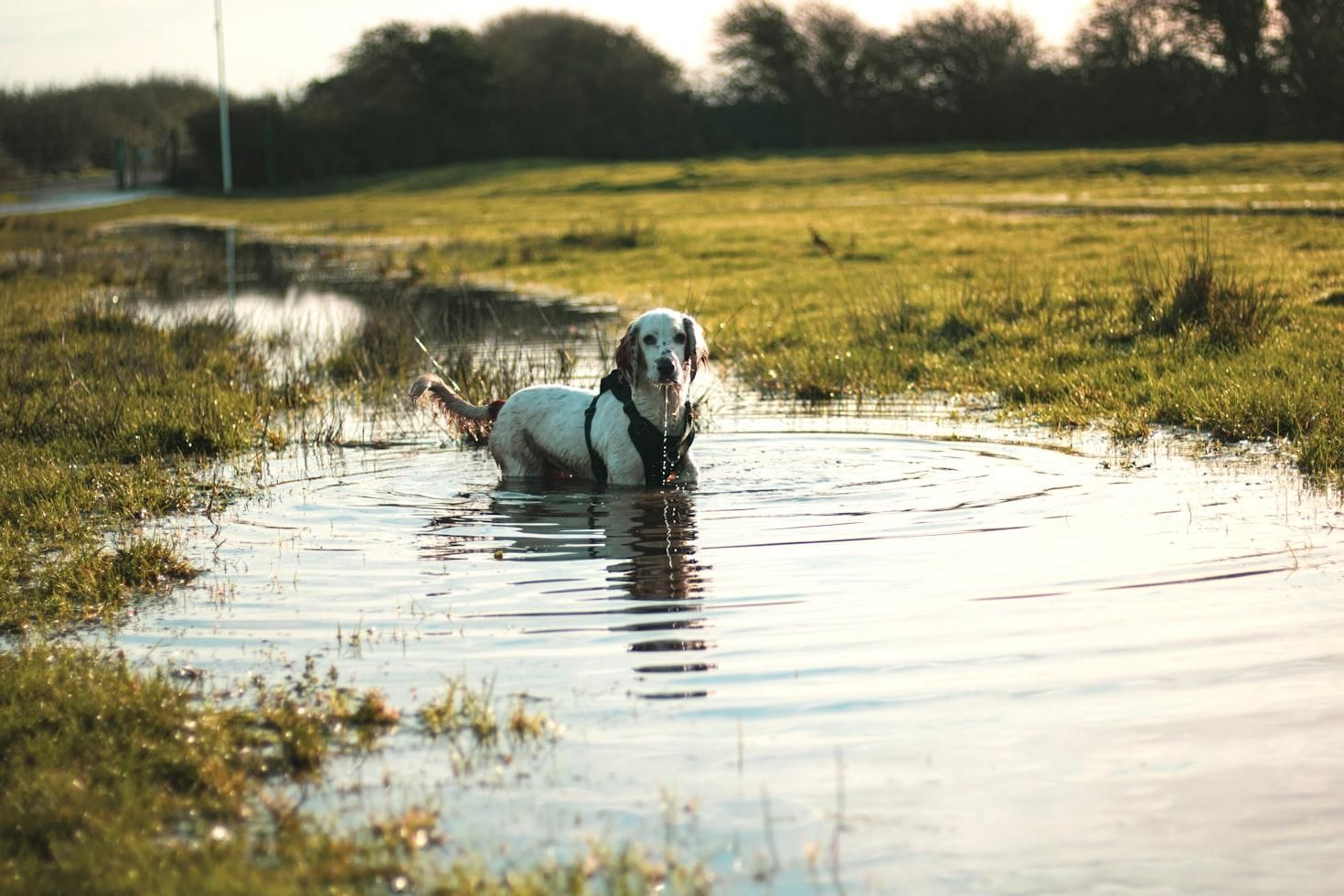
A common geographical landscape in England and Scandinavian countries is that shallow water bog with vegetation on its shores. The English word for mire comes from the Old Norse word "myrr".
Cast
 Credit: Knut Troim
The action of throwing an object into the distance is as old as mankind, but the word that the English language uses to describe it stems from the Old Norse word "kasta".
Clip
 Credit: Markus Winkler
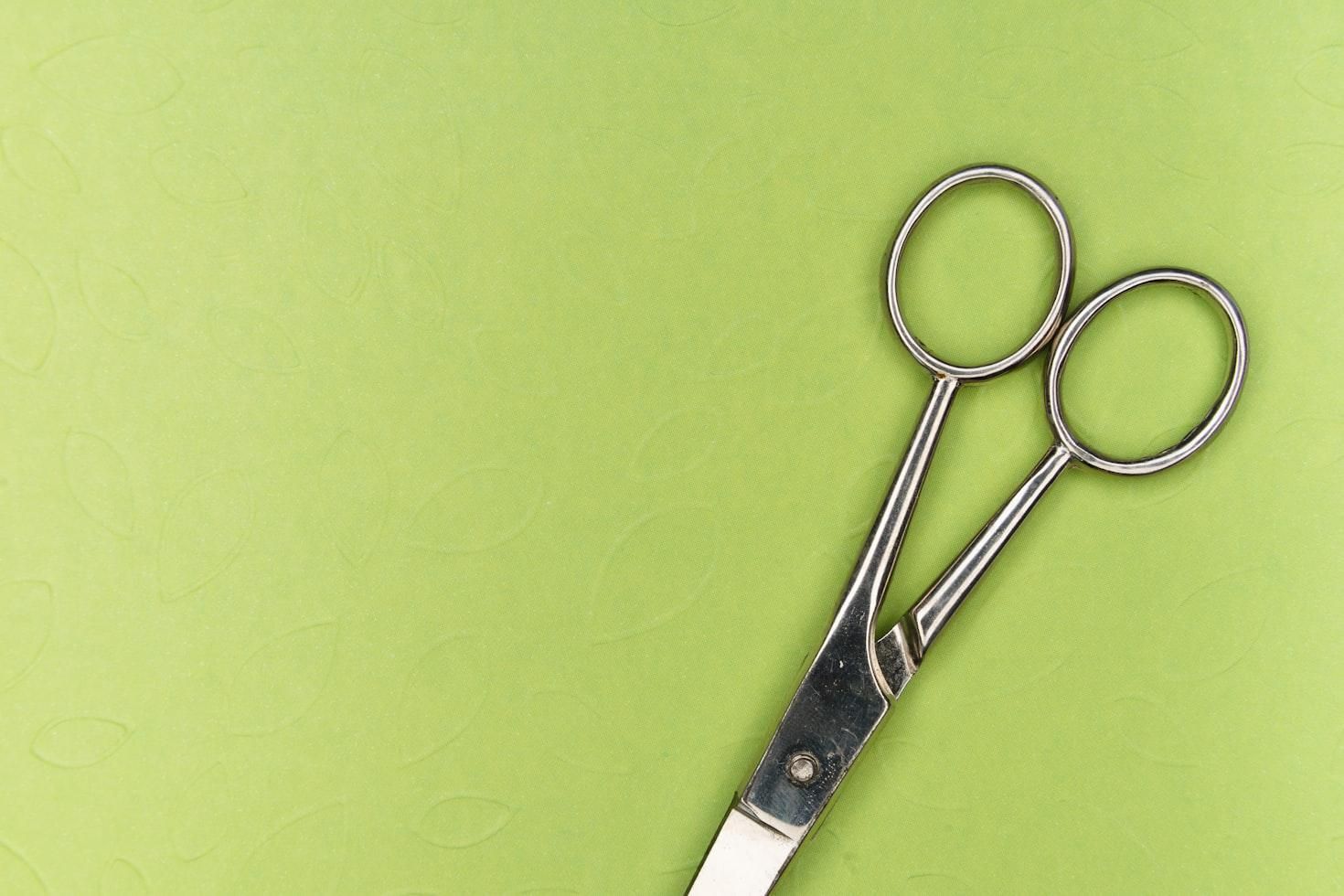
The word used to describe the action of clipping something, usually with scissors, also has a Norse origin in the word "klippa".
Glitter
 Credit: Pierre Bamin
Violent words are not the only word legacy from the Vikings: the word glitter, used to describe those shiny particles ubiquitous at parties everywhere, comes from the old Norse word "glitra".
Bag
 Credit: Creative Headline
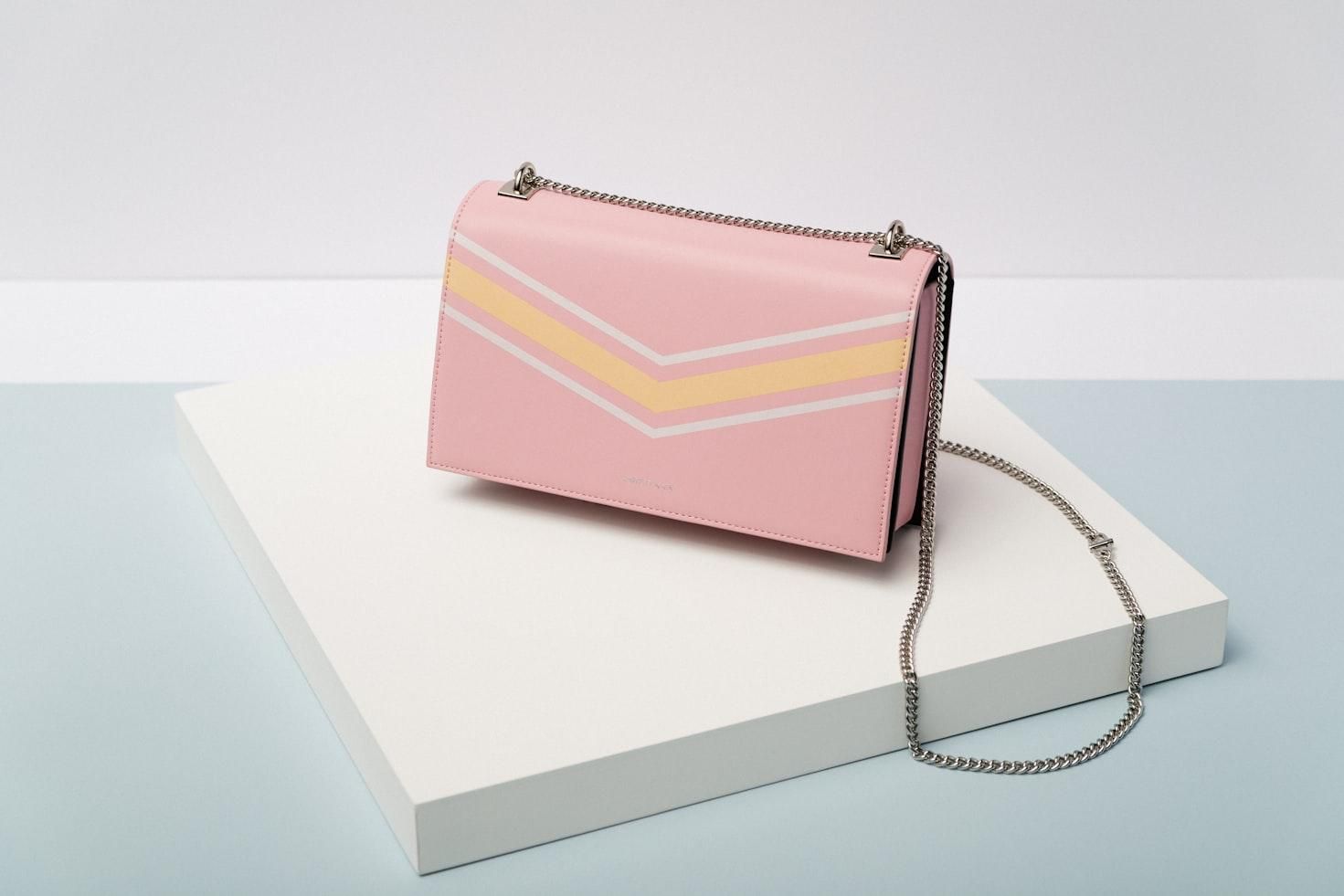
Bags have been around for quite a long time now, but still, the word that the English language has settled on comes from the Old Norse word "baggin".
Cake
 Credit: American Heritage Chocolate
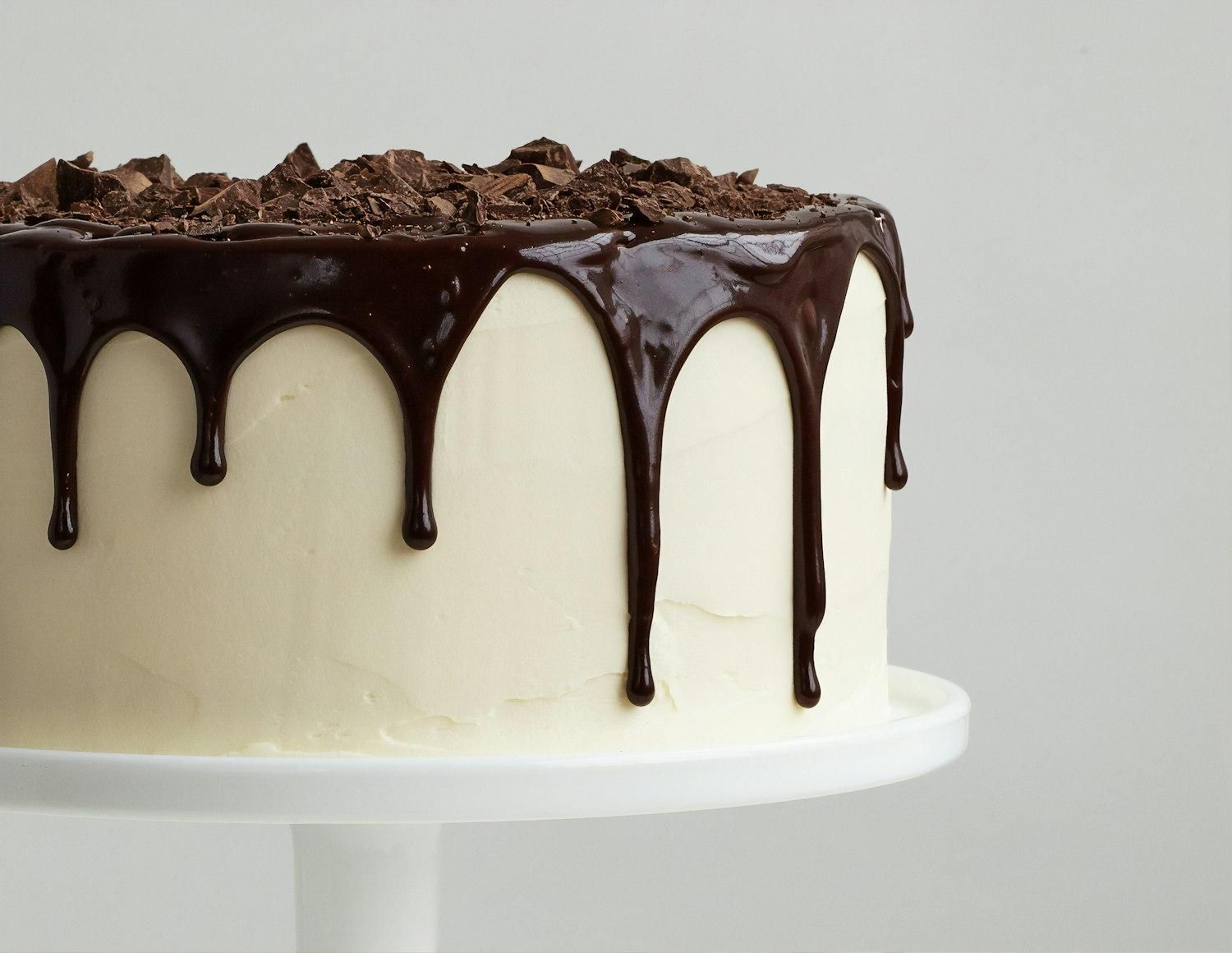
While the cakes from centuries past were probably not as decadent and spectacular as their modern equivalents, they still existed. The English word cake originated from the Old Norse word of the same meaning, "kaka".
Fellow
 Credit: Duy Pham
A fellow is a person in the same position, involved in the same activity, or otherwise associated with another individual. This household word comes from the Old Norse word "felagi".
Anger
 Credit: engin akyurt
Whether it is justified or not, anger is a feeling that is easy to associate with Vikings, especially because of their cultural depictions and stereotypes. The word anger itself can be traced to the Old Norse word "angr".
Husband
 Credit: Thomas Curryer
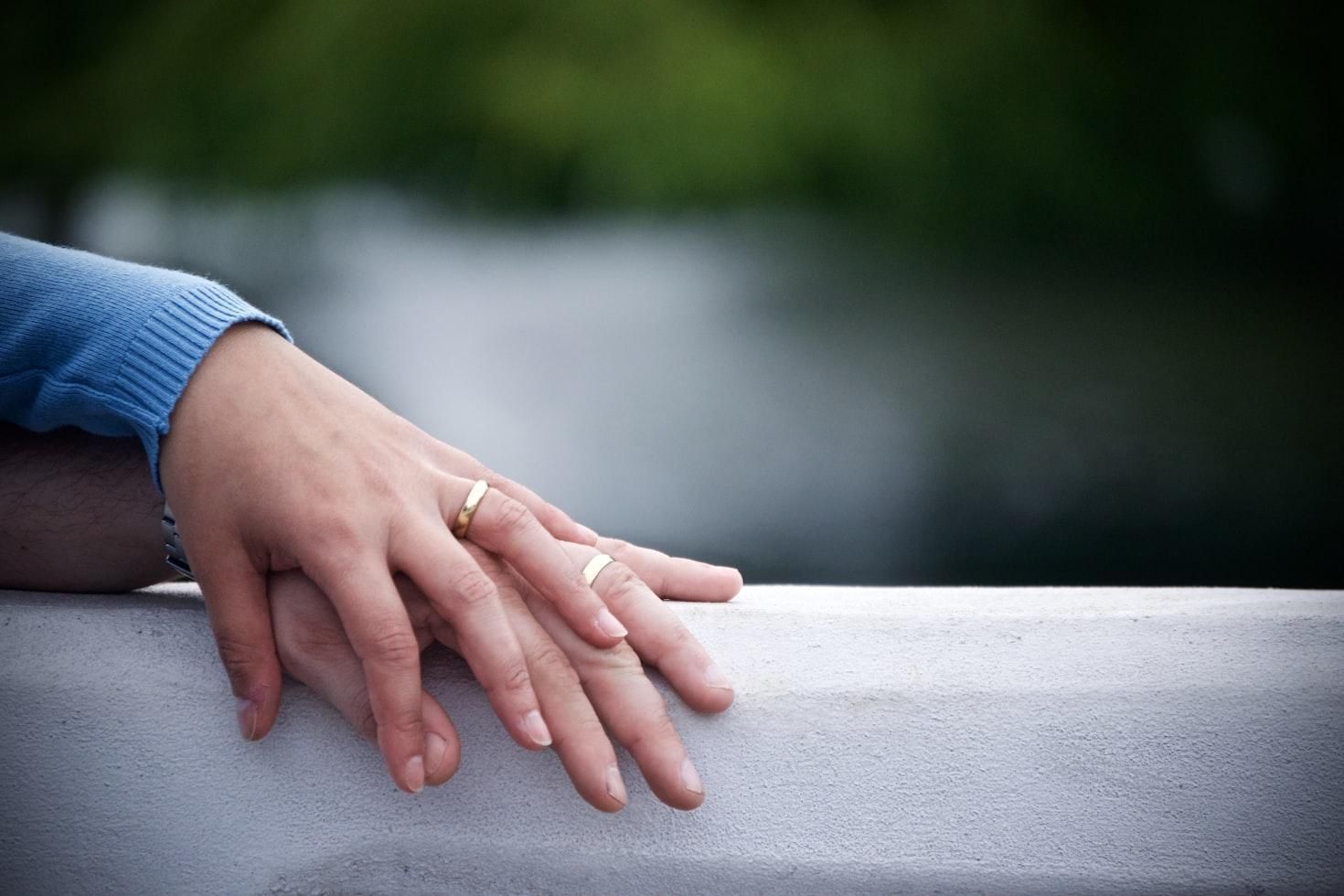
The last entry on our list is the one that describes a married man considered in relation to his spouse. This word originated in a very similar-sounding Norse word: "husbondi".