The word stories
We doubt you would choose to be "nice" knowing this
Published on September 28, 2026

Would you say you are "worth your salt"? Do you believe stars influence your luck? And have you ever grabbed a sandwich because you were too busy to stop for a proper meal? All these questions might seem totally disconnected, but they point to the surprisingly strange stories hidden in words we use every day**.** From "gossip" to "villain", let’s uncover the fascinating histories behind 10 everyday terms.
Nice

Once associated with foolishness or ignorance, "nice" gradually developed the much more positive meaning we use today. The word comes from the Latin nescius, meaning "ignorant" or "unaware" (from ne- meaning "not", plus scire meaning "to know"). Then, it passed into Old French as nice, where it was associated with being foolish, careless, or silly.
Over the next few hundred years, the meaning shifted wildly. In English, it went from "foolish" to "shy," then to "dainty or precise," then to "agreeable," and finally arrived at our modern everyday meaning of "pleasant or kind." Clearly, it wasn’t great to be nice in the past, but the winds of change have altered that many times since.
Sandwich

The word is traditionally linked to John Montagu, the 4th Earl of Sandwich, who was reportedly a keen gambler. Legend says the Earl was so busy playing a 24-hour card game that he didn’t want to leave the table for a real meal.
As a result, it is said he requested meat between two slices of bread from his staff so he could eat without leaving the gaming table. His friends supposedly liked the idea and started to order "the same as Sandwich," which gave the food its permanent name. Talk about necessity being the mother of all inventions and one of history’s tastiest lessons.
Gossip

Incredibly, the word "gossip" comes from the Old English godsibb, combining god and sibb, which meant a relative or godparent at a baptism. By the 14th century, the meaning expanded from literal godparents to include close friends, women invited to attend a birth, or familiar acquaintances.
Since the word came to be associated with people who gathered to talk and share news, its meaning gradually shifted toward someone who engaged in idle or personal talk. By the 16th century, quite unexpectedly, "gossip" had begun taking on the negative sense we recognize today. Talk about a change of meaning.
Villain

Here’s the surprising fact: "villain" began as a neutral word for a humble farm worker or peasant living on a country estate, before acquiring its negative meaning. In fact, the word comes from the Latin word villa, which means a country house or farm.
In Medieval Latin, villanus came to describe a farm laborer or serf who worked on an estate. In Europe, the word gradually became associated with people of low social status and supposedly poor manners. By the 16th century, it had evolved from describing a low-status rural worker to describing a scoundrel or wicked person. From farmhand to fiend with no stops.
Robot

The word comes from a Czech play and is related to the term robota, which means forced labor or drudgery. Czech writer Karel Čapek popularized the term in his 1920 science-fiction play R.U.R. (Rossum’s Universal Robots). Although Karel spread it, he always credited his brother, Josef, with actually inventing the word.
In the play, the "robots" were not metal machines, but biological artificial people manufactured in factories to do all the hard work humans did not want to do. The story ended with the artificial workers rebelling against their human masters. Hope this never becomes too familiar.
Window

In Old Norse, a "window" was literally a "wind eye": an opening that allowed air and light into a building; quite poetic and a little creepy at the same time. The word comes from Old Norse vindauga, combining vindr ("wind") and auga ("eye").
Before the Norse influence, though, Old English already used eagþyrl, which meant "eye-hole." When glass became common, English ultimately kept its Norse-rooted "window," while the Latin fenestra survived in the much more unusual word "defenestrate," meaning to throw someone out of a window.
Disaster

The word comes from Greek roots through Italian and French, ultimately combining elements meaning "ill" and "star." In its earliest sense, a disaster was a "bad-starred" event—something associated with an unfavorable star or planetary influence.
During that period, most people believed that planets and stars could influence human destiny, fortune, and misfortune (some still do today with reference to astrology). Over time, the term lost its literal connection to the night sky and became the standard word for any great misfortune or ruin. A word for an unlucky event, with an astronomical past.
Salary

"Salarium" was a stipend or allowance, and it has traditionally been connected with the Latin word for salt, sal.
The familiar story is that Roman soldiers were specifically paid in salt (or received a salary solely to buy salt). Thus, over time, salarium became associated with payment or compensation and eventually developed into the modern word "salary," meaning regular pay for work. This history also helps explain the common English phrase "worth his salt," meaning a person who does their job well. Seems like your paycheck has an ancient salty connection.
Quarantine

"Quarantine" comes from the Italian quaranta, meaning "forty," referring to a historic 40-day isolation period for ships. This dates back to the 14th century, during which the bubonic plague devastated Europe. For this reason, port authorities in Venetian-controlled ports required ships arriving from plague-stricken areas to remain isolated before their passengers and crews could come ashore.
Medical officials used the 40 days as a precaution against hidden infections. The number also held deep religious and symbolic meaning at the time. Traditions and beliefs that changed health care precautions forever.
Deadline
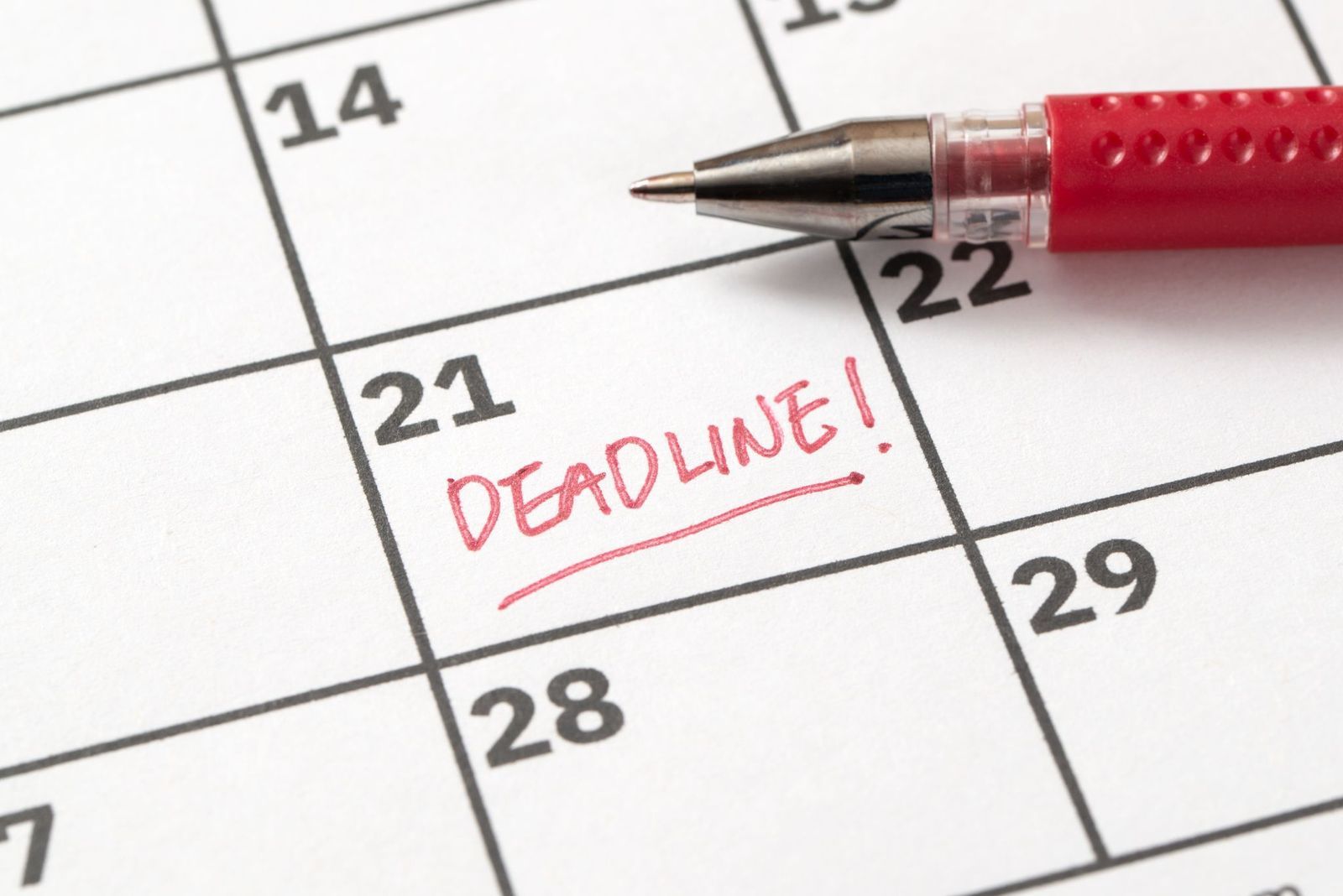
The word "deadline" originally referred to a literal physical boundary inside American Civil War prison camps where any captive who crossed the line risked being shot on the spot by guards.
By the early 20th century, "deadline" had become American newspaper jargon for the absolute latest time copy could be sent to a printer. Eventually, the word spread far beyond newspapers to mean the final time by which almost anything must be completed. Although it makes that to-do list feel all that deadlier.