The secret language of restaurants
What happens to the uneaten restaurant food? Discover the truth
Published on November 3, 2026
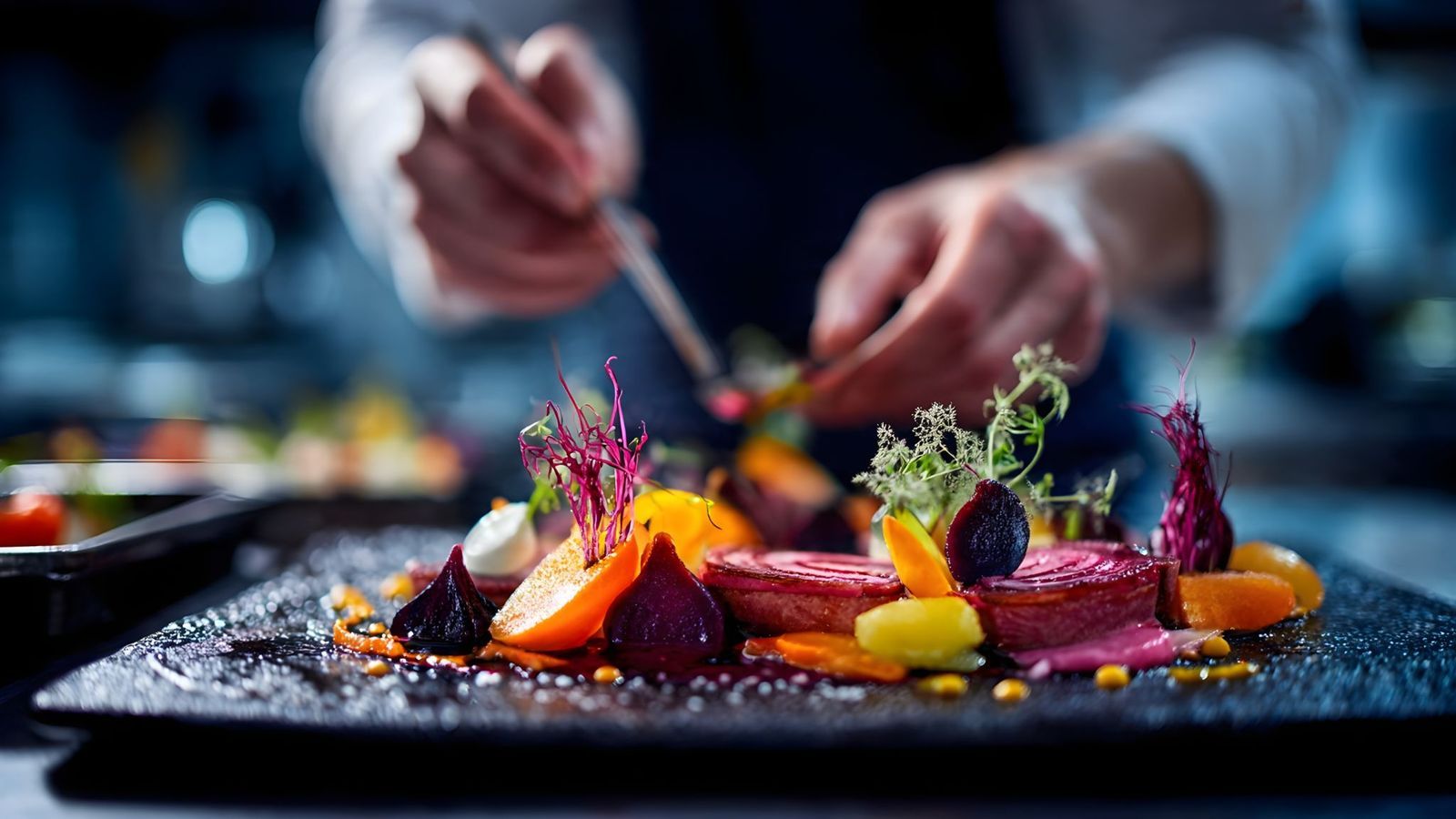
The restaurant business has developed its own slang to simplify communication between coworkers and keep customers undisturbed. But when you hear servers yelling words like "86," "kill it," or "fire it up," it's only natural to feel intrigued. Have you ever heard that a table was full of "campers"? Or that a meal was considered "dead food"? Keep reading and discover which meanings lie behind those enigmatic terms.
"86"
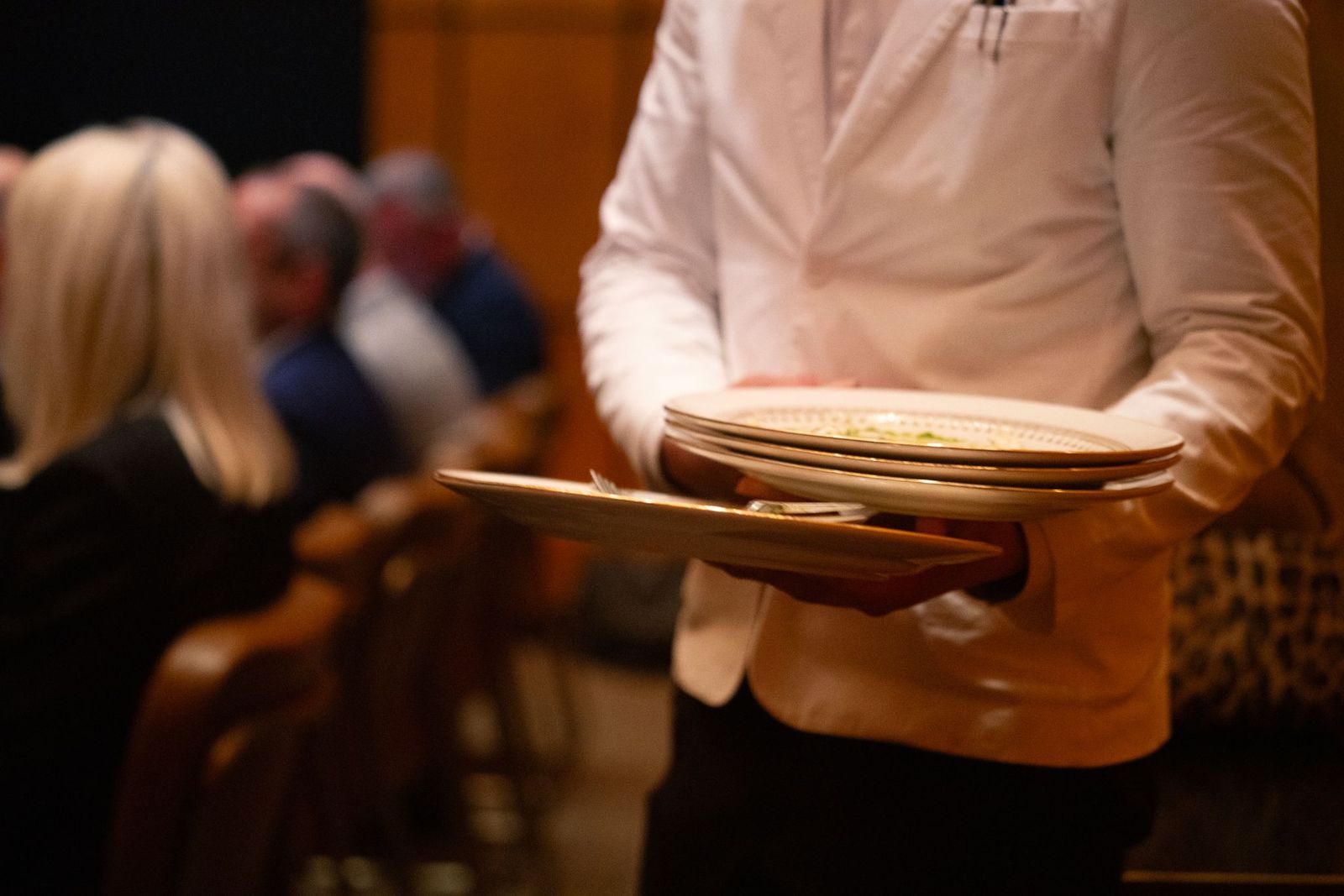
The term "86" sounds like a secret agent’s moniker or a code used to set a major event in motion. But when someone shouts "86" to alert the servers behind the bar, the image changes drastically. Nothing worthy of a James Bond movie will happen after the code is spoken; it simply means someone won’t get the dish they ordered. In restaurant speak, "86" means something can no longer be sold because the restaurant has run out of it.
"Fire"
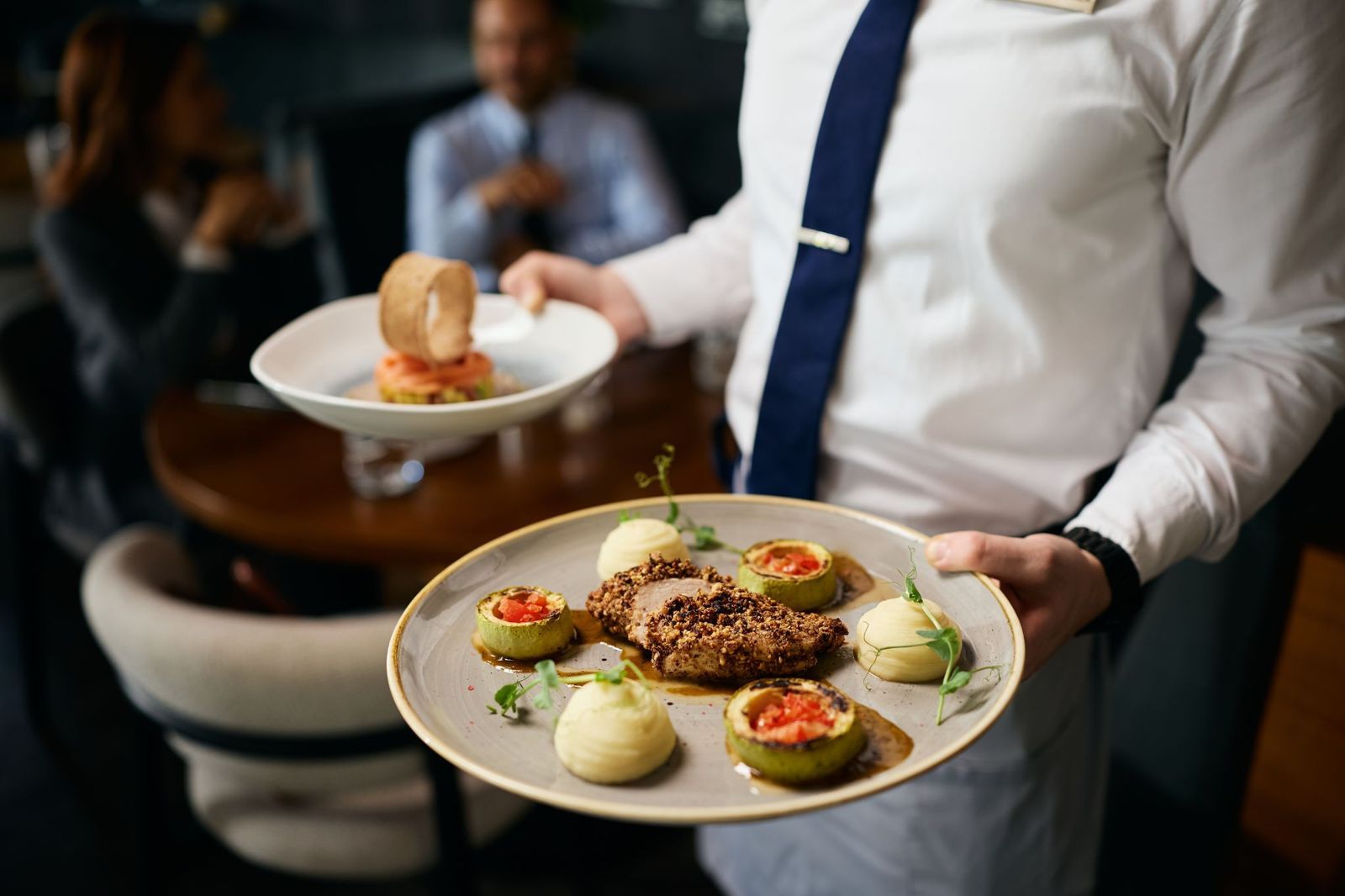
You know when you order an appetizer, a main course, and coffee all at once, but each one arrives at a different point in the meal? That happens because the server may send the entire order to the kitchen at once, but the cooks don’t start preparing each course until they are told to "fire" it. This way, the food stays fresh, and the cooks can follow an order that matches each table's pace.
"Kill it"
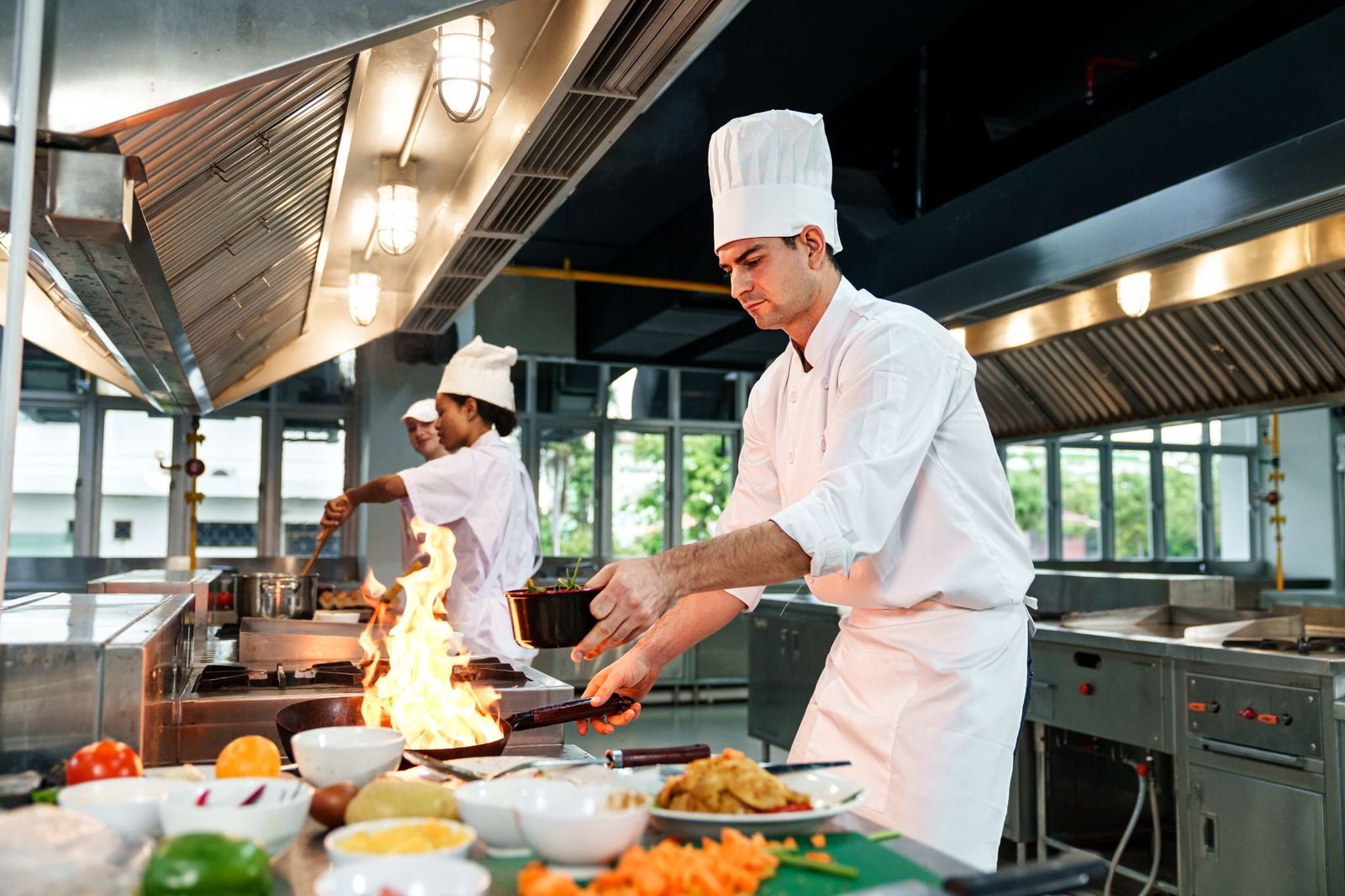
The kitchen is told to "kill" a meal when the customer wants it more cooked. In most cases, it refers to an extra well-done steak, but it’s also used for chicken, fish, vegetables, or anything the customer wants to dry.
"Campers"

You finished dessert about 30 minutes ago, but you’re still chatting with a coworker, friend, or family member. Servers keep stopping by to ask if you would like anything else, but you keep saying you’re fine. You don’t ask for the check, either.
In these situations, staff may start thinking of customers as "campers" because they are practically camping at the table. Of course, it depends on the restaurant’s atmosphere and style, but servers still have to look after the table even when no one is ordering anything.
"Dead food"
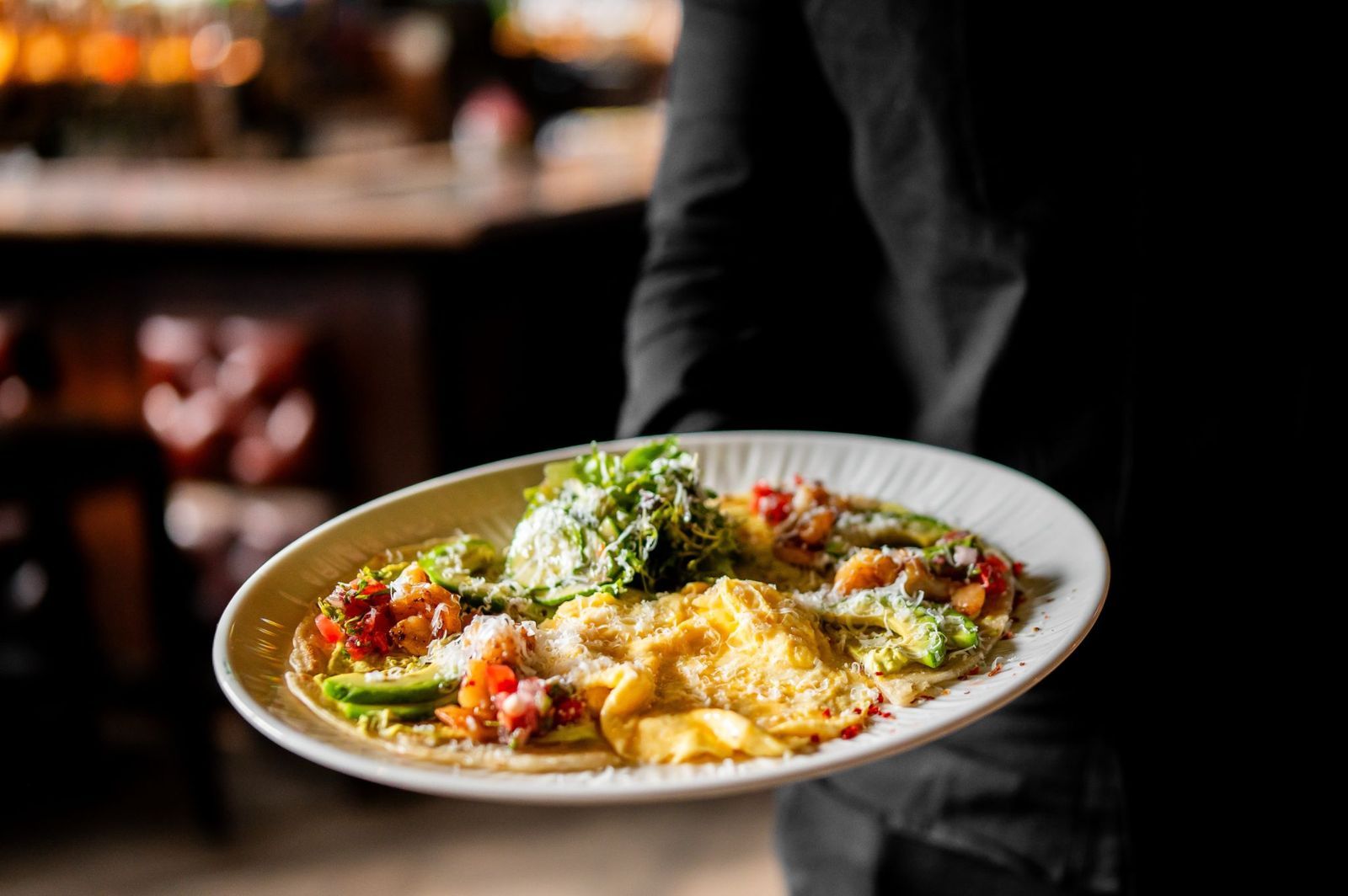
In kitchen slang, "dead food" or "dead plate" is the one that comes back to the kitchen because it was made with the wrong ingredients, cooked by mistake, or abandoned because the order changed. Since no customer will claim it and it can’t be sold either, it automatically becomes the staff’s favorite dish.
"Comp"

"Comp" refers to a complimentary meal or drink provided to a customer at no charge. It’s a common practice, and usually a strategic decision made to resolve a complaint, reward a loyal customer, or promote a menu item. The goal is to make sure the customer leaves with a positive overall experience and, in the best cases, forgets the trouble they had.
"In the weeds"
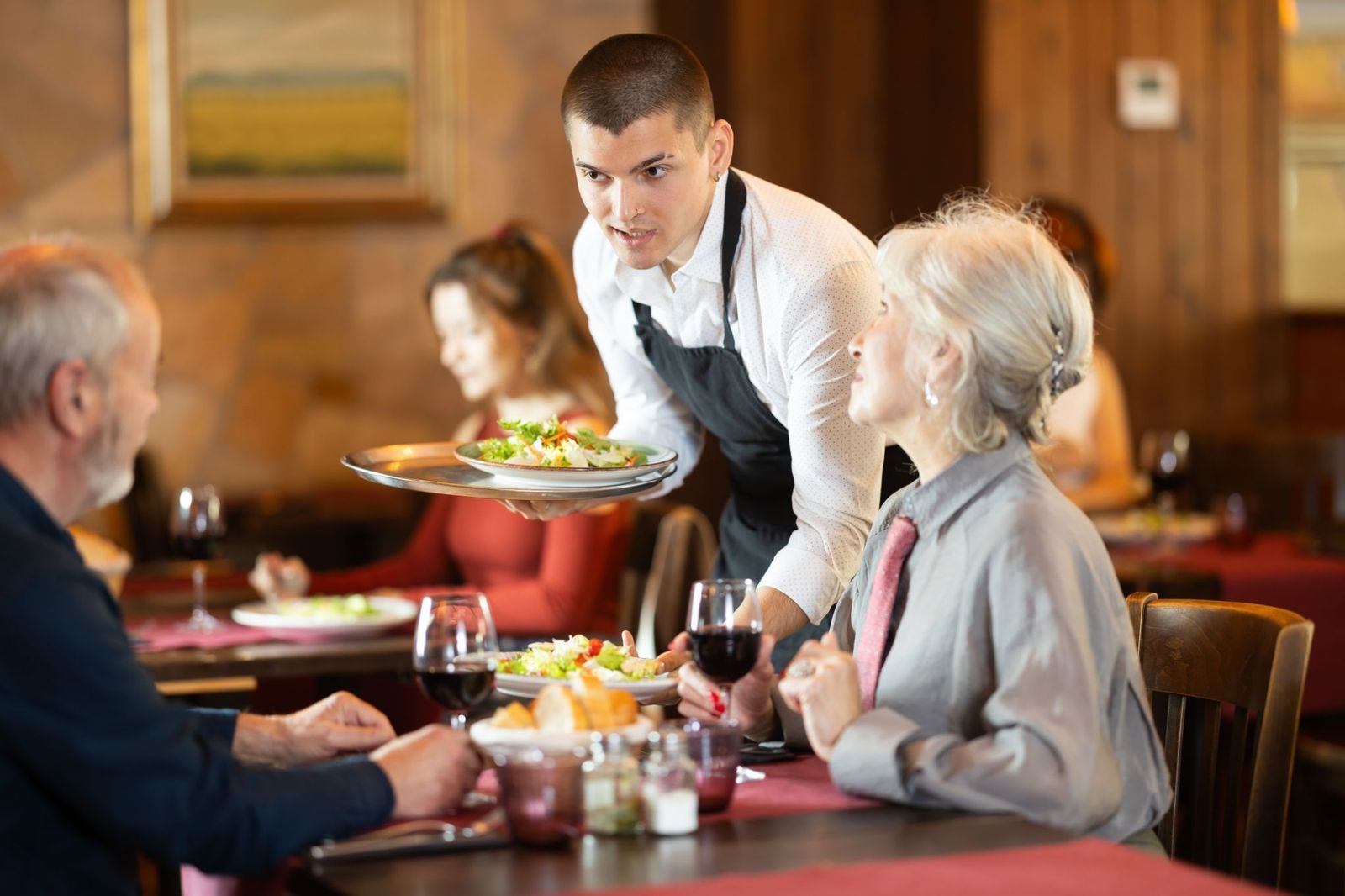
Being "in the weeds" means a restaurant worker is buried in tasks and too far behind to catch up. Employees use this phrase to communicate that they are completely overwhelmed.
This usually happens to a server or cook when the restaurant is short-staffed, there is a sudden rush of customers, or there are too many complicated orders or special requests.
"On the fly"
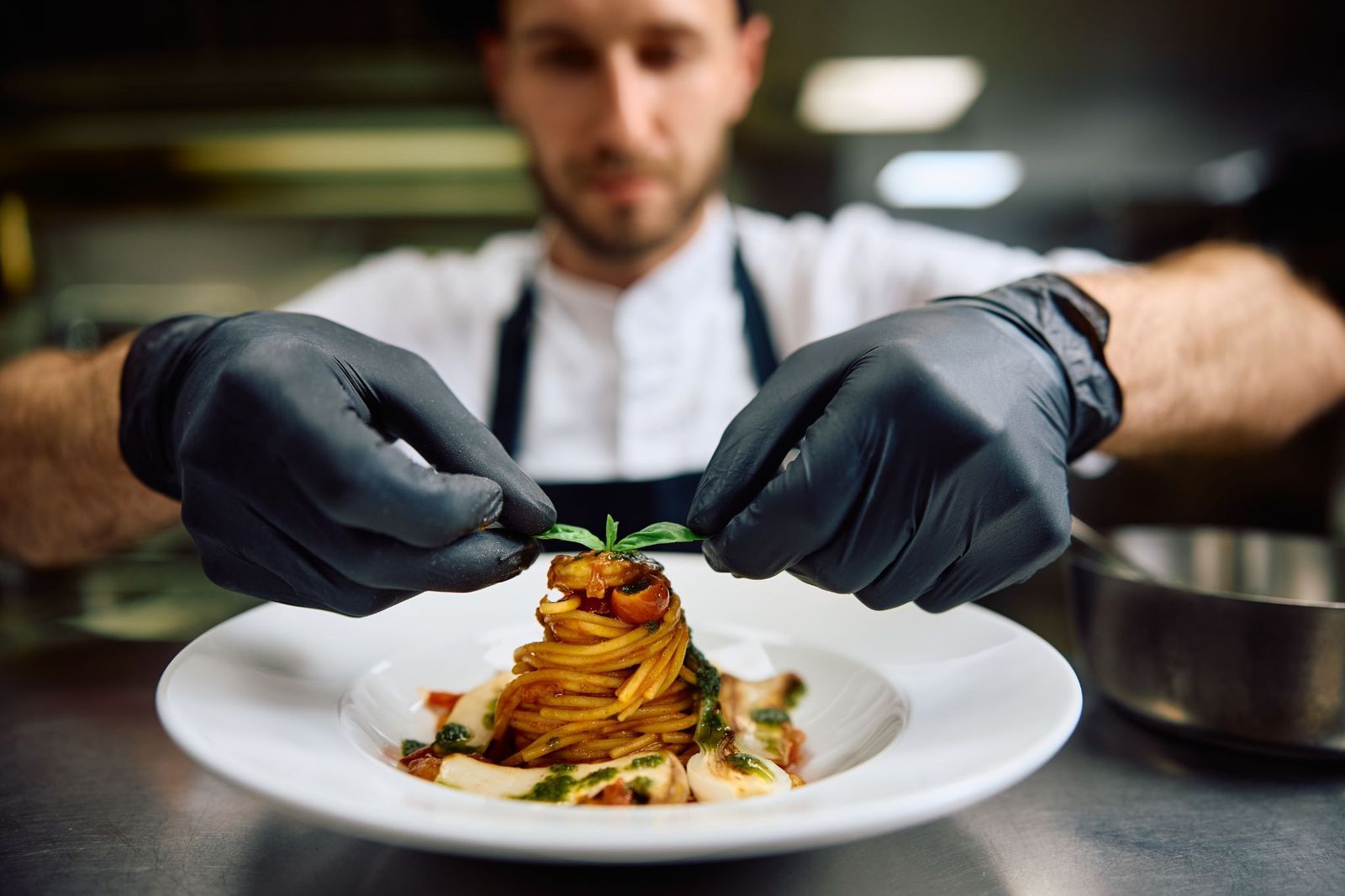
Picture what happens when a server forgets one order at a table. When he realizes his mistake, the meal has to be prepared twice as fast while meeting the same quality standards.
The term "on the fly" comes into play here. It usually disrupts the kitchen's order and is used when an order has been forgotten or needs last-minute changes.
"All day"
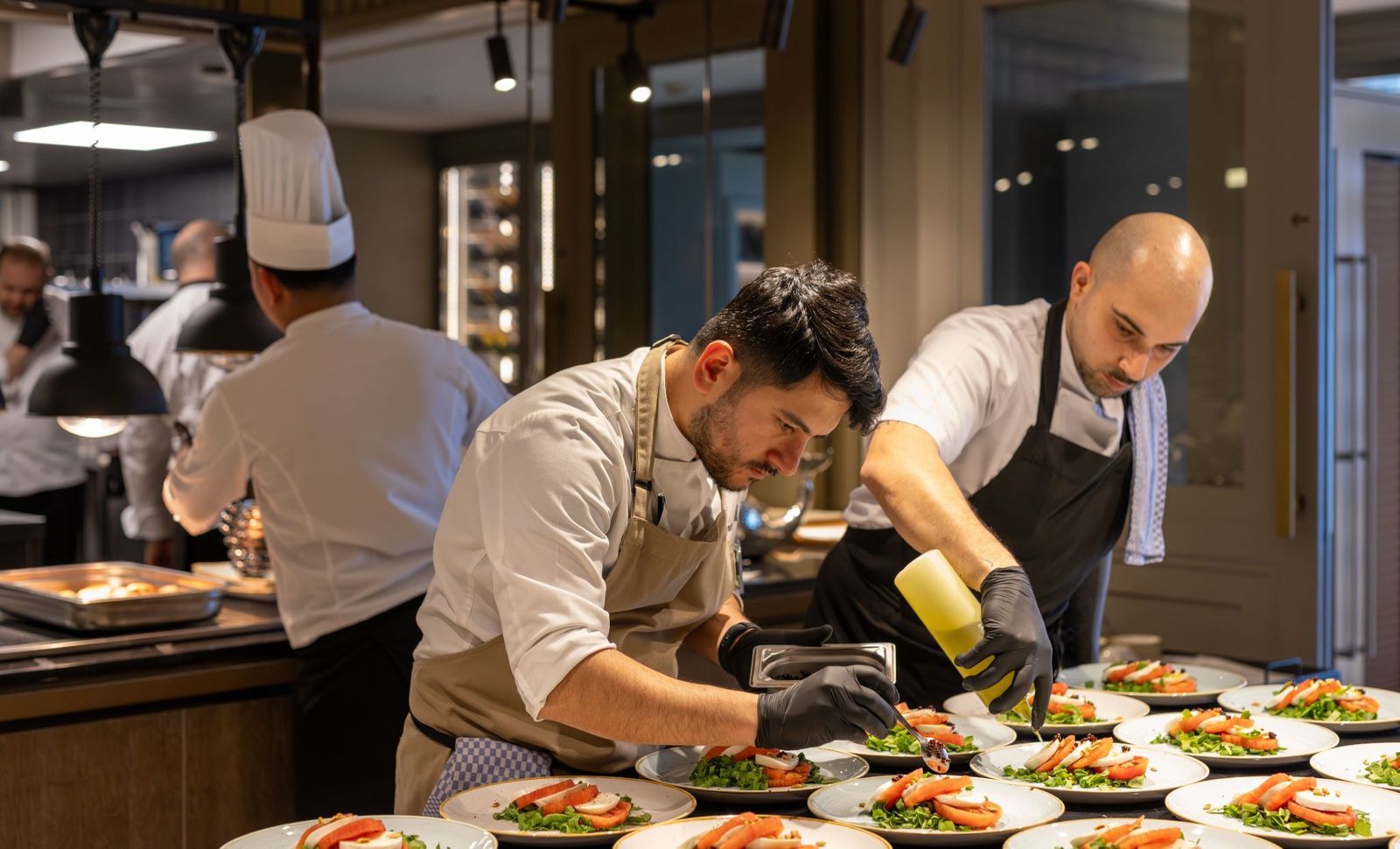
"All day" refers to the total number of a particular dish that needs to be prepared across all current orders. For example, if one table orders two burgers and another orders three, the chef may call out, "Five burgers all day." This gives the cooks a quick total without making them check every ticket. Once the dishes are prepared and sent out, they are removed from the count.
"Behind!"
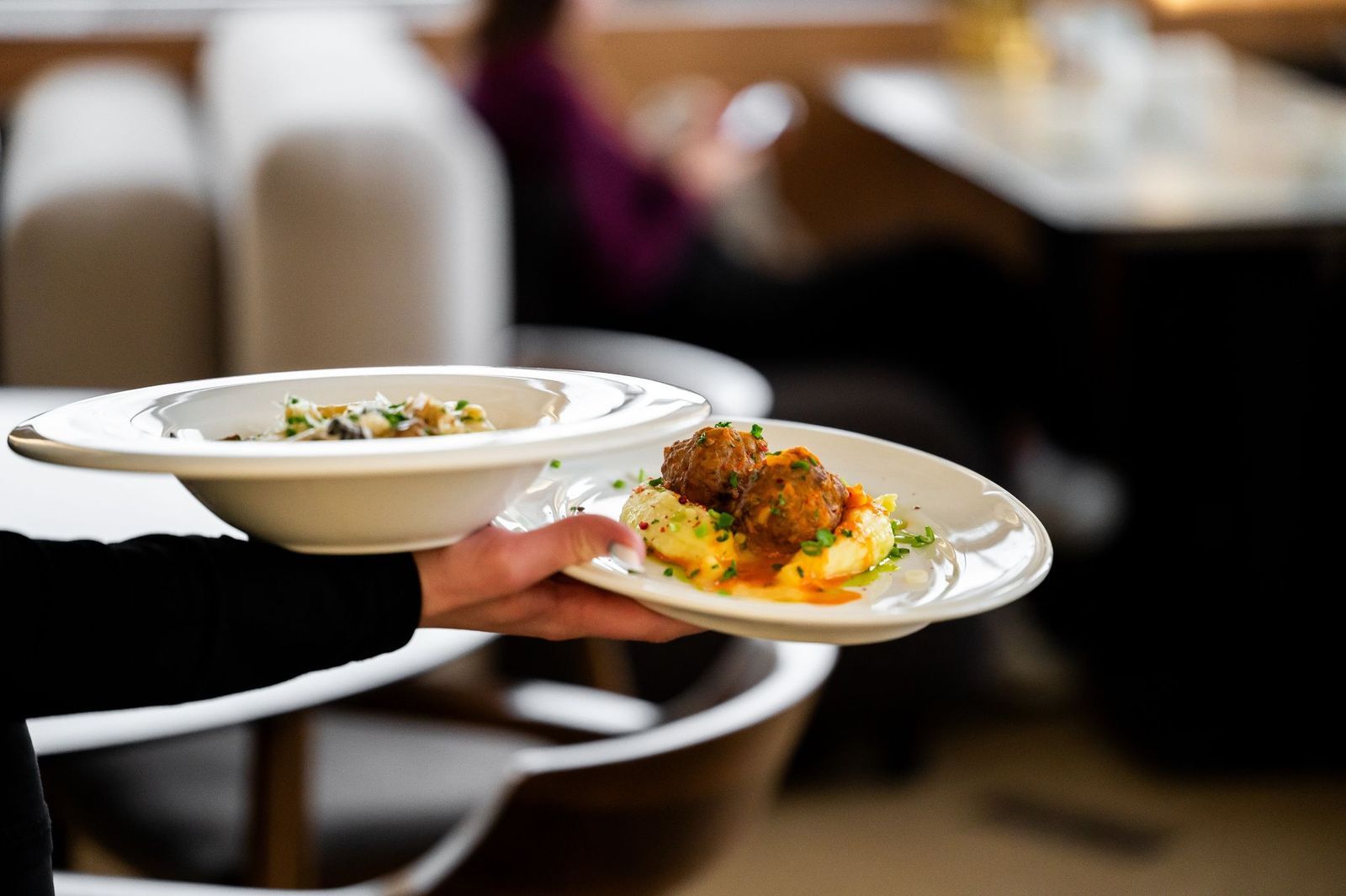
This word has probably saved more lives than expected. It is a safety word used between co-workers; when someone calls "behind", it is letting the other know he’s standing or walking directly behind him. They usually yell it when they’re carrying hot pans or sharp knives, so nobody turns around or backs up too fast.