The secret language of restaurants

What happens to the uneaten restaurant food? Discover the truth


Published on November 3, 2026


Image: Shutterstock

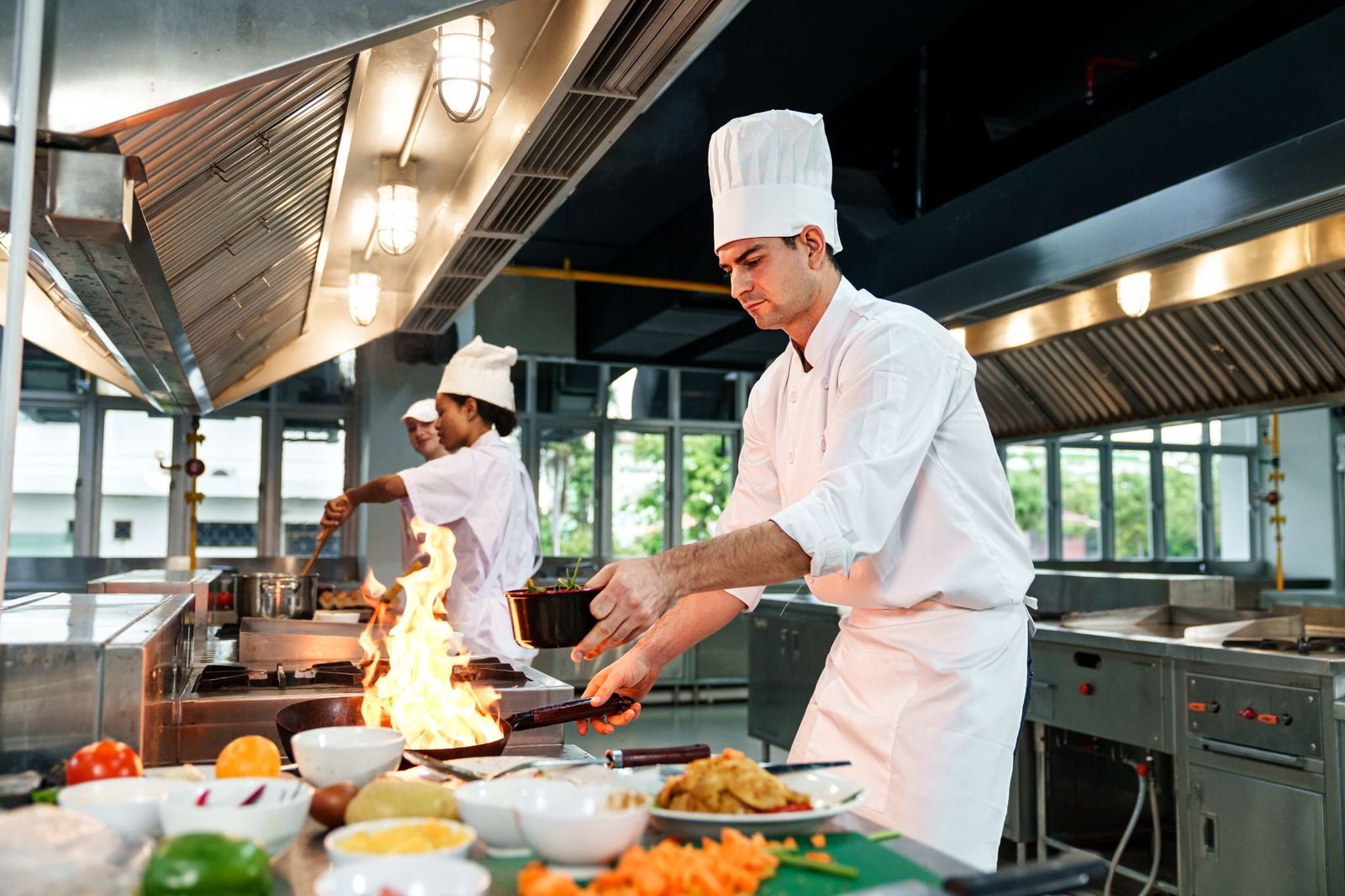
The restaurant business has developed its own slang to simplify communication between coworkers and keep customers undisturbed. But when you hear servers yelling words like "86," "kill it," or "fire it up," it's only natural to feel intrigued. Have you ever heard that a table was full of "campers"? Or that a meal was considered "dead food"? Keep reading and discover which meanings lie behind those enigmatic terms.

1

"86"

Image: Shutterstock

The term "86" sounds like a secret agent’s moniker or a code used to set a major event in motion. But when someone shouts "86" to alert the servers behind the bar, the image changes drastically. Nothing worthy of a James Bond movie will happen after the code is spoken; it simply means someone won’t get the dish they ordered. In restaurant speak, "86" means something can no longer be sold because the restaurant has run out of it.

2

"Fire"

Image: Shutterstock

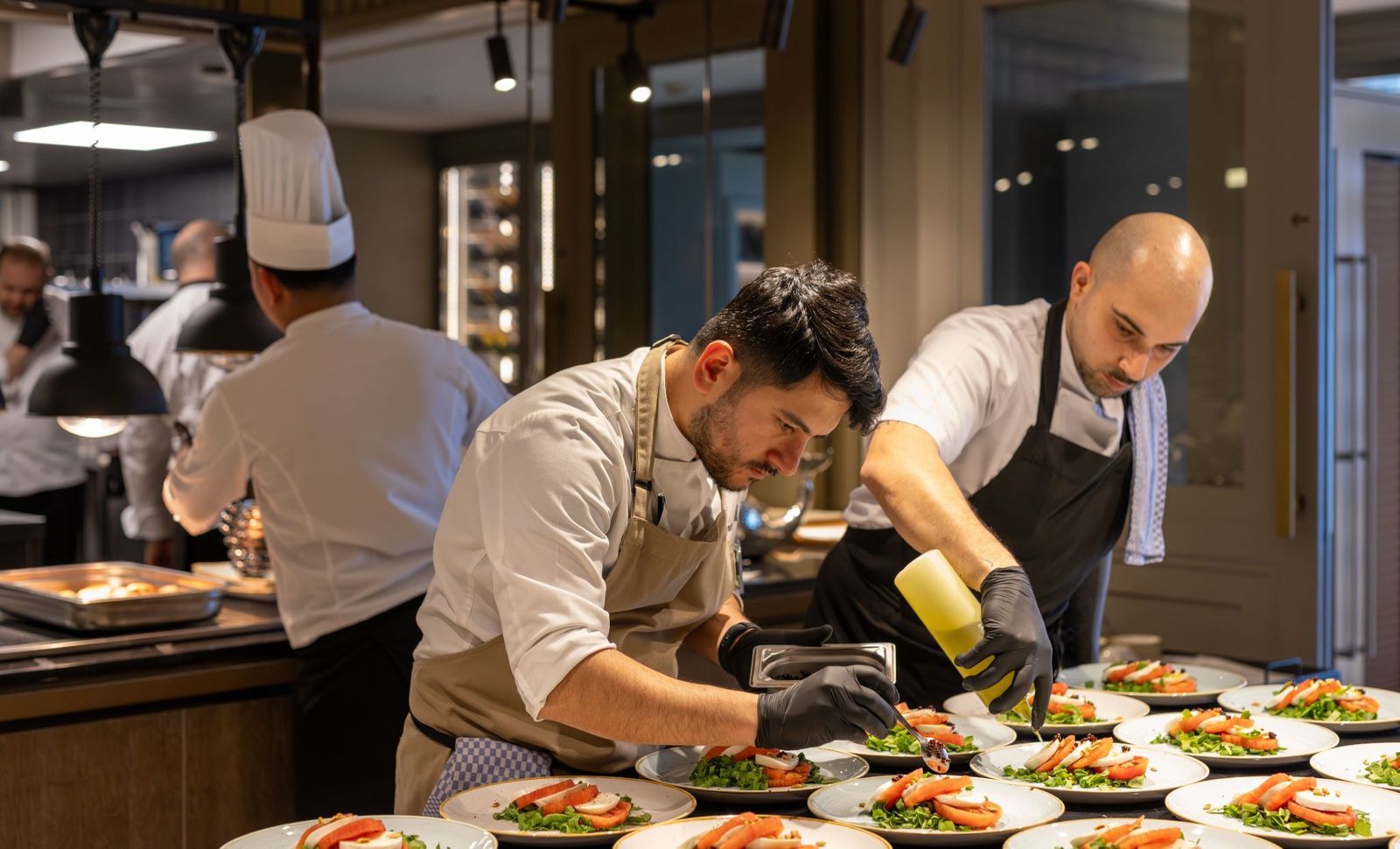
You know when you order an appetizer, a main course, and coffee all at once, but each one arrives at a different point in the meal? That happens because the server may send the entire order to the kitchen at once, but the cooks don’t start preparing each course until they are told to "fire" it. This way, the food stays fresh, and the cooks can follow an order that matches each table's pace.

3

"Kill it"

Image: Shutterstock

The kitchen is told to "kill" a meal when the customer wants it more cooked. In most cases, it refers to an extra well-done steak, but it’s also used for chicken, fish, vegetables, or anything the customer wants to dry.

4

"Campers"

Image: Shutterstock

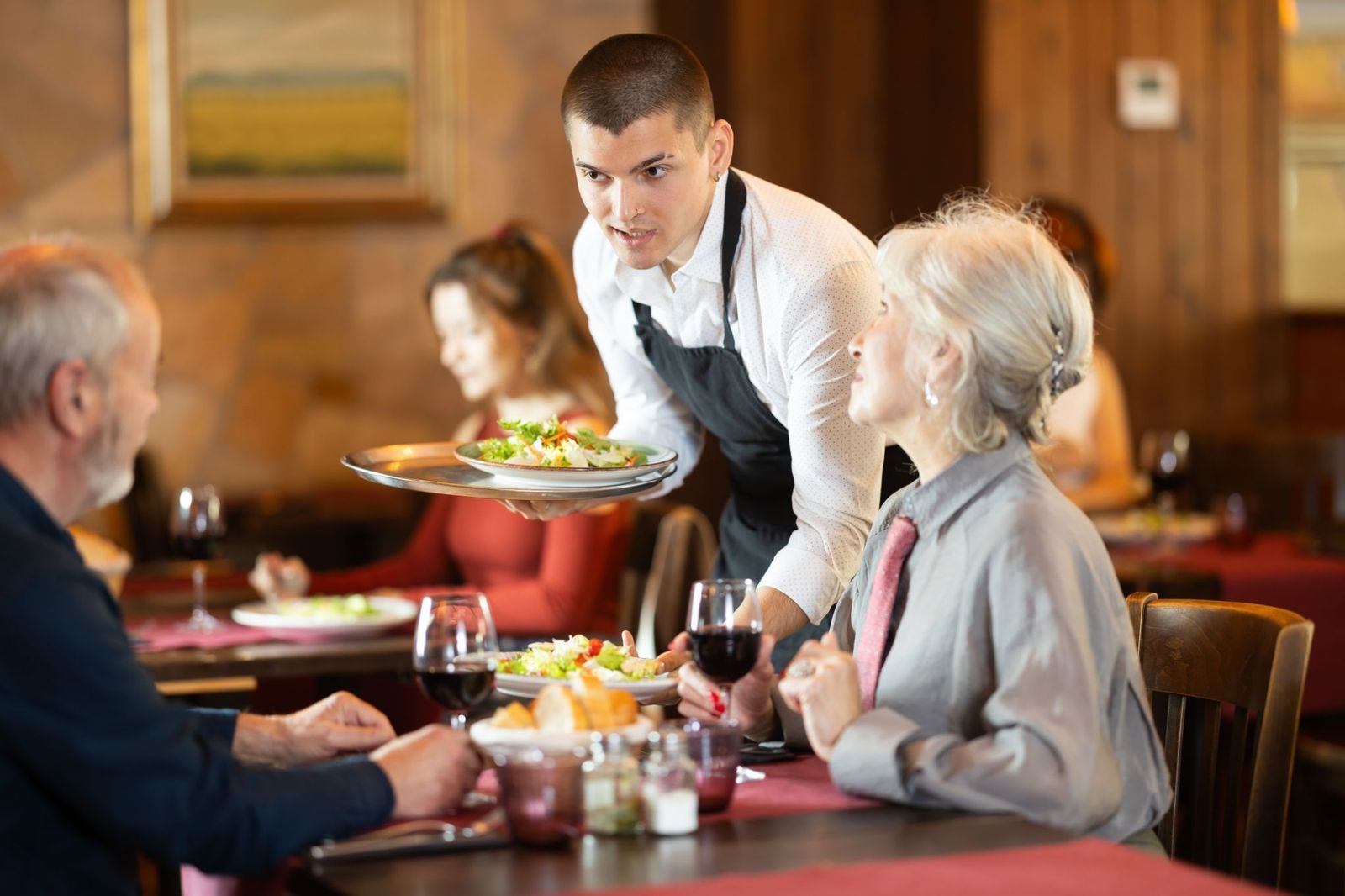
You finished dessert about 30 minutes ago, but you’re still chatting with a coworker, friend, or family member. Servers keep stopping by to ask if you would like anything else, but you keep saying you’re fine. You don’t ask for the check, either.

In these situations, staff may start thinking of customers as "campers" because they are practically camping at the table. Of course, it depends on the restaurant’s atmosphere and style, but servers still have to look after the table even when no one is ordering anything.

5

"Dead food"

Image: Shutterstock

In kitchen slang, "dead food" or "dead plate" is the one that comes back to the kitchen because it was made with the wrong ingredients, cooked by mistake, or abandoned because the order changed. Since no customer will claim it and it can’t be sold either, it automatically becomes the staff’s favorite dish.

6

"Comp"

Image: Shutterstock

"Comp" refers to a complimentary meal or drink provided to a customer at no charge. It’s a common practice, and usually a strategic decision made to resolve a complaint, reward a loyal customer, or promote a menu item. The goal is to make sure the customer leaves with a positive overall experience and, in the best cases, forgets the trouble they had.

7

"In the weeds"

Image: Shutterstock

Being "in the weeds" means a restaurant worker is buried in tasks and too far behind to catch up. Employees use this phrase to communicate that they are completely overwhelmed.

This usually happens to a server or cook when the restaurant is short-staffed, there is a sudden rush of customers, or there are too many complicated orders or special requests.

8

"On the fly"

Image: Shutterstock

Picture what happens when a server forgets one order at a table. When he realizes his mistake, the meal has to be prepared twice as fast while meeting the same quality standards.

The term "on the fly" comes into play here. It usually disrupts the kitchen's order and is used when an order has been forgotten or needs last-minute changes.

9

"All day"

Image: Shutterstock

"All day" refers to the total number of a particular dish that needs to be prepared across all current orders. For example, if one table orders two burgers and another orders three, the chef may call out, "Five burgers all day." This gives the cooks a quick total without making them check every ticket. Once the dishes are prepared and sent out, they are removed from the count.

10

"Behind!"

Image: Shutterstock

This word has probably saved more lives than expected. It is a safety word used between co-workers; when someone calls "behind", it is letting the other know he’s standing or walking directly behind him. They usually yell it when they’re carrying hot pans or sharp knives, so nobody turns around or backs up too fast.
Out in the boondocks

Sleep better than a hibernating bear: 10 tips for cold-weather camping


Published on November 3, 2026


Image: Anna Shvets

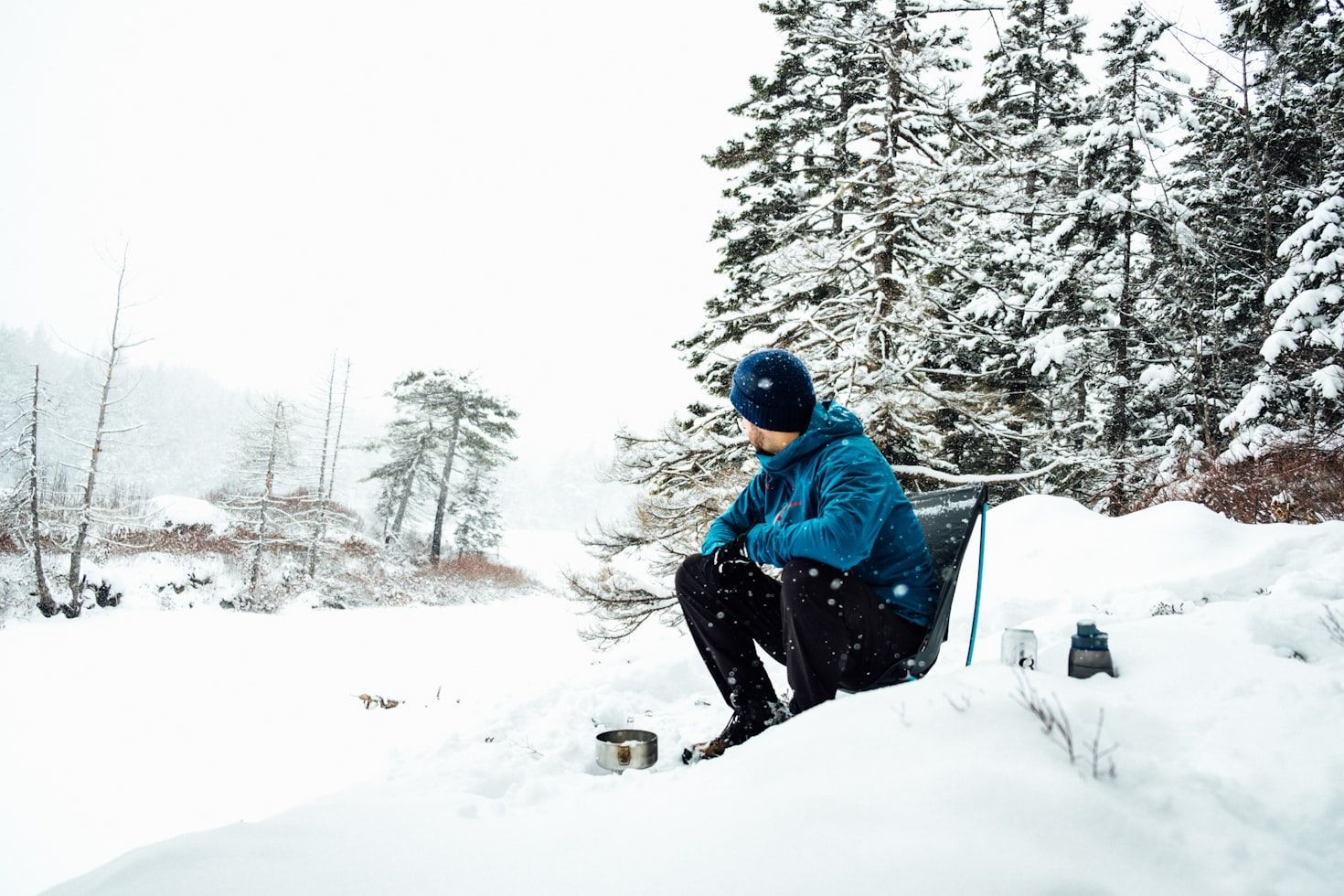
Winter camping is a unique experience, just as satisfying as camping during other times of the year. True, the weather can be more severe and unpredictable, and there are fewer daylight hours, but with proper preparation, winter camping offers unparalleled rewards. In this article, we’ve compiled 10 tips to help you get the most out of your cold-weather camping trip!

1

Plan your route in advance

Image: Kimon Maritz

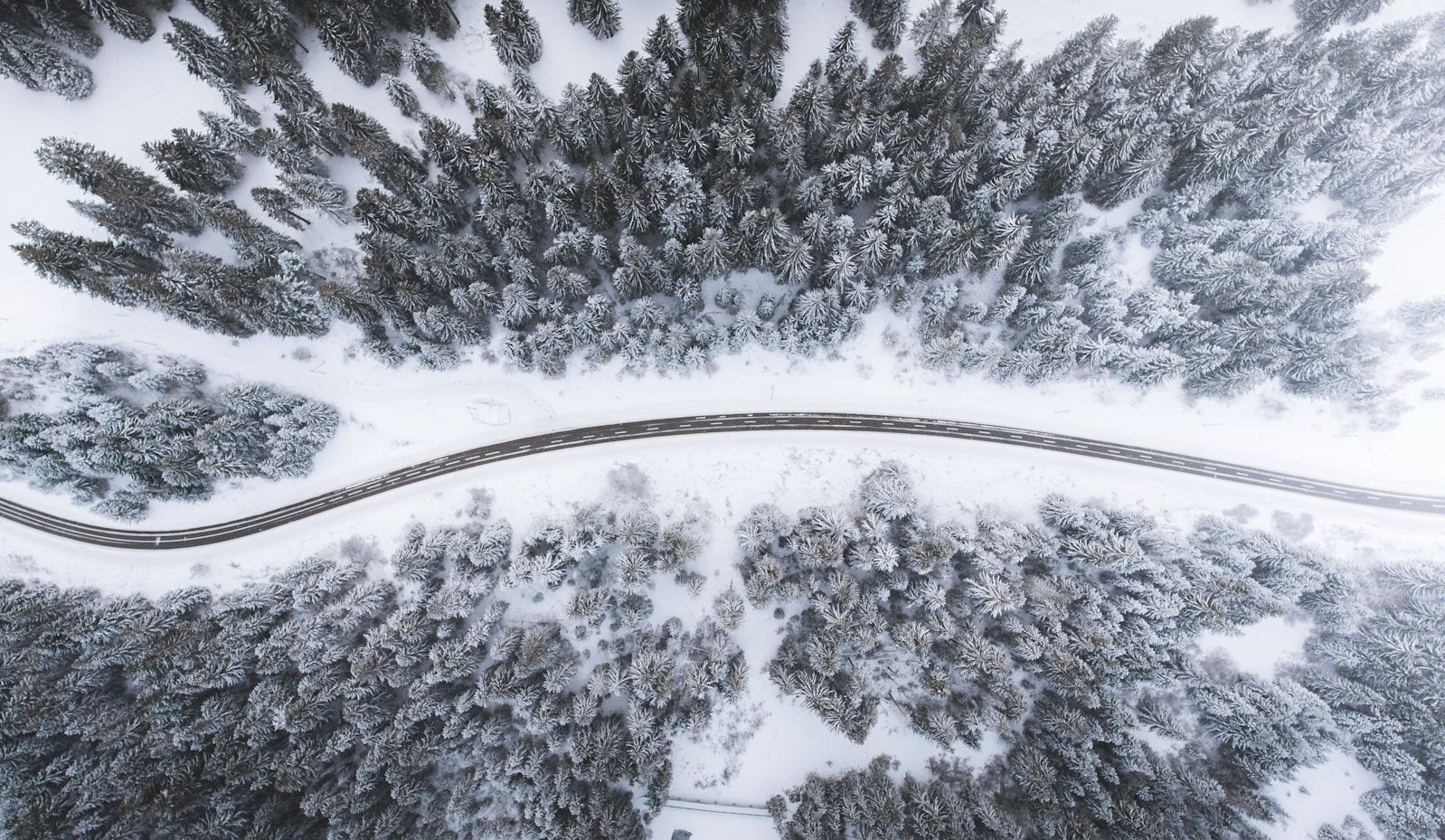
A trip never truly begins on the first day of your vacation—it starts long before. First, choose the place you want to visit and make sure you have everything you need to live away from home for a few days. Once you’ve selected your destination, it’s time to plan your route. With the help of physical and topographical maps, you can study the terrain, check road and trail conditions, and estimate how long it will take to reach your destination.

It’s also essential to check local weather forecasts so you can avoid dangerous areas. Research the emergency services available in the region, and learn how to recognize and avoid avalanches if your route passes through areas with deep snow.

2

Essential winter camping gear

Image: Christian Buttazzo

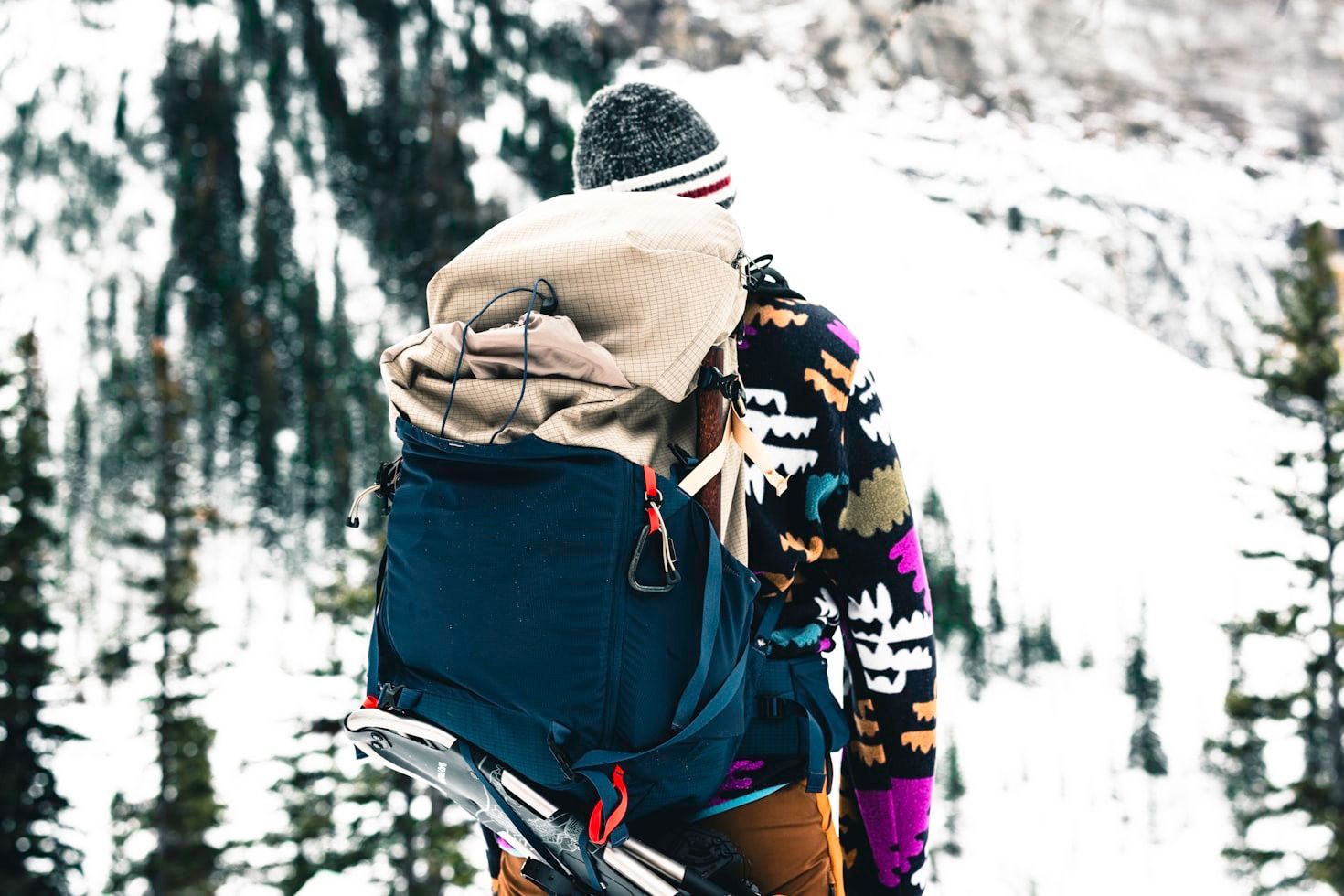
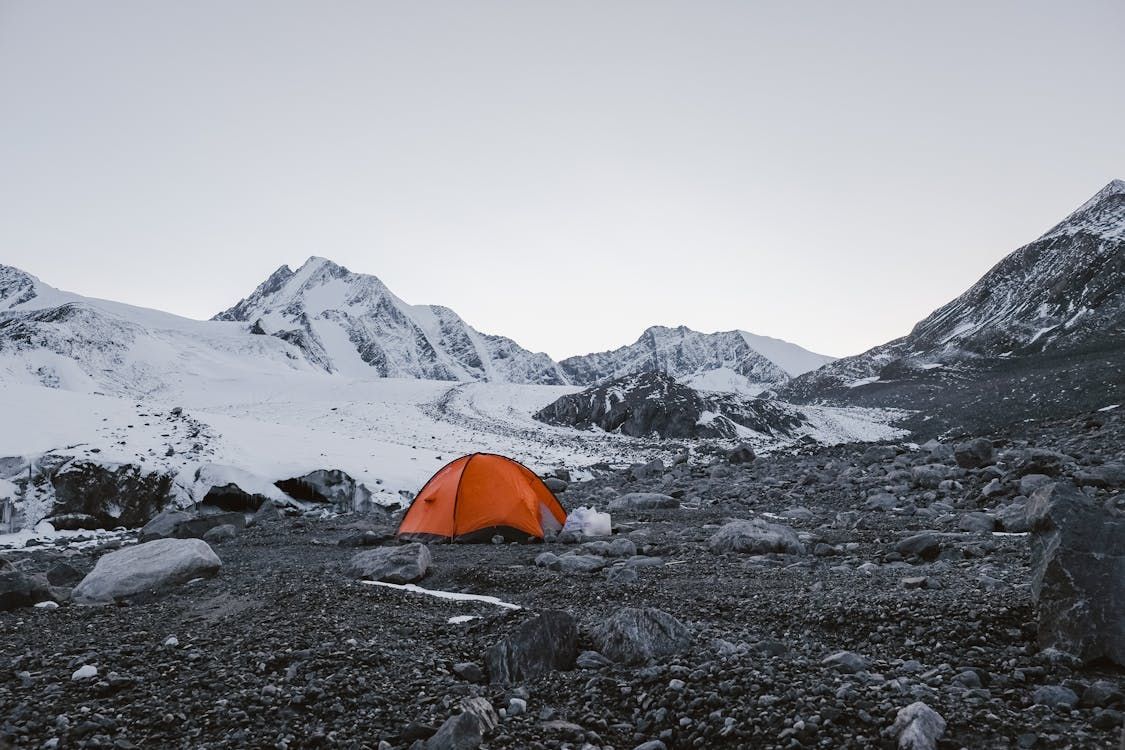
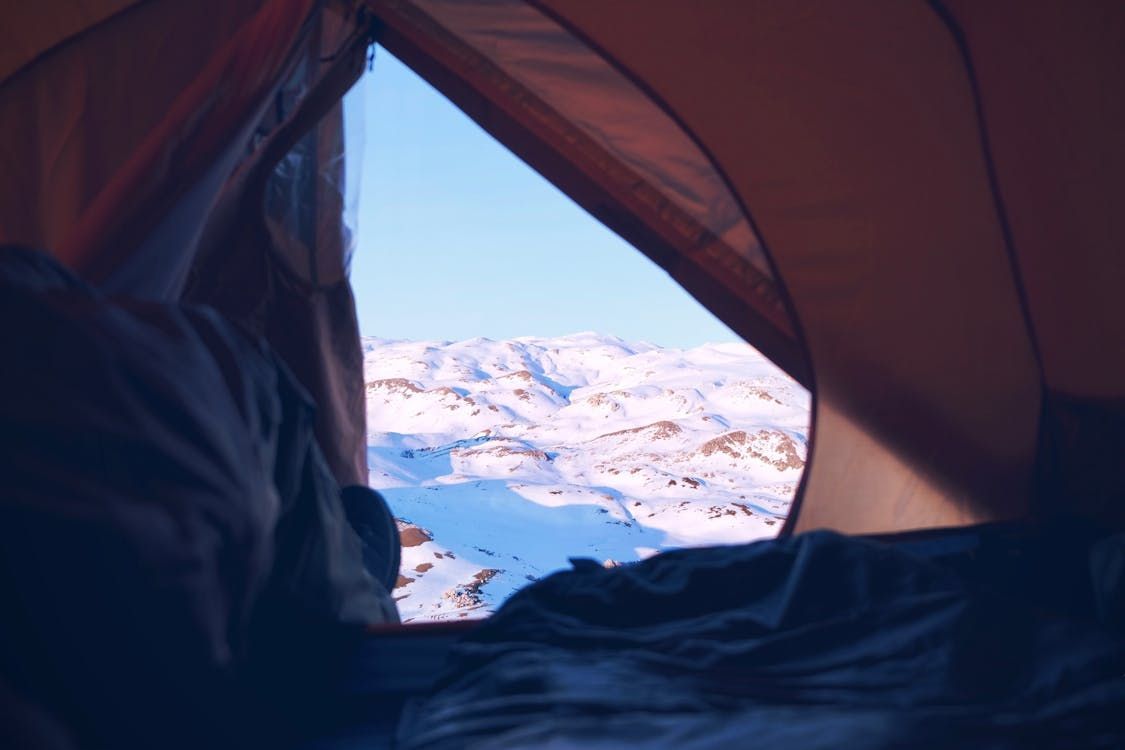
Before heading out on a camping trip in cold areas, make sure you have the right equipment. Find a tent that is suitable for winter. For example, if you expect snow or strong winds, opt for a 4-season tent that can withstand harsh weather and help keep the interior dry and warm.

A proper sleeping bag is essential for ensuring a good night’s rest on your trip. It’s your best defense against the cold when temperatures drop at night. Bring a closed-cell foam sleeping pad as well—without a well-insulated pad underneath, even the warmest sleeping bag will quickly lose heat.

3

Clothing is as important as equipment

Image: Tim Foster

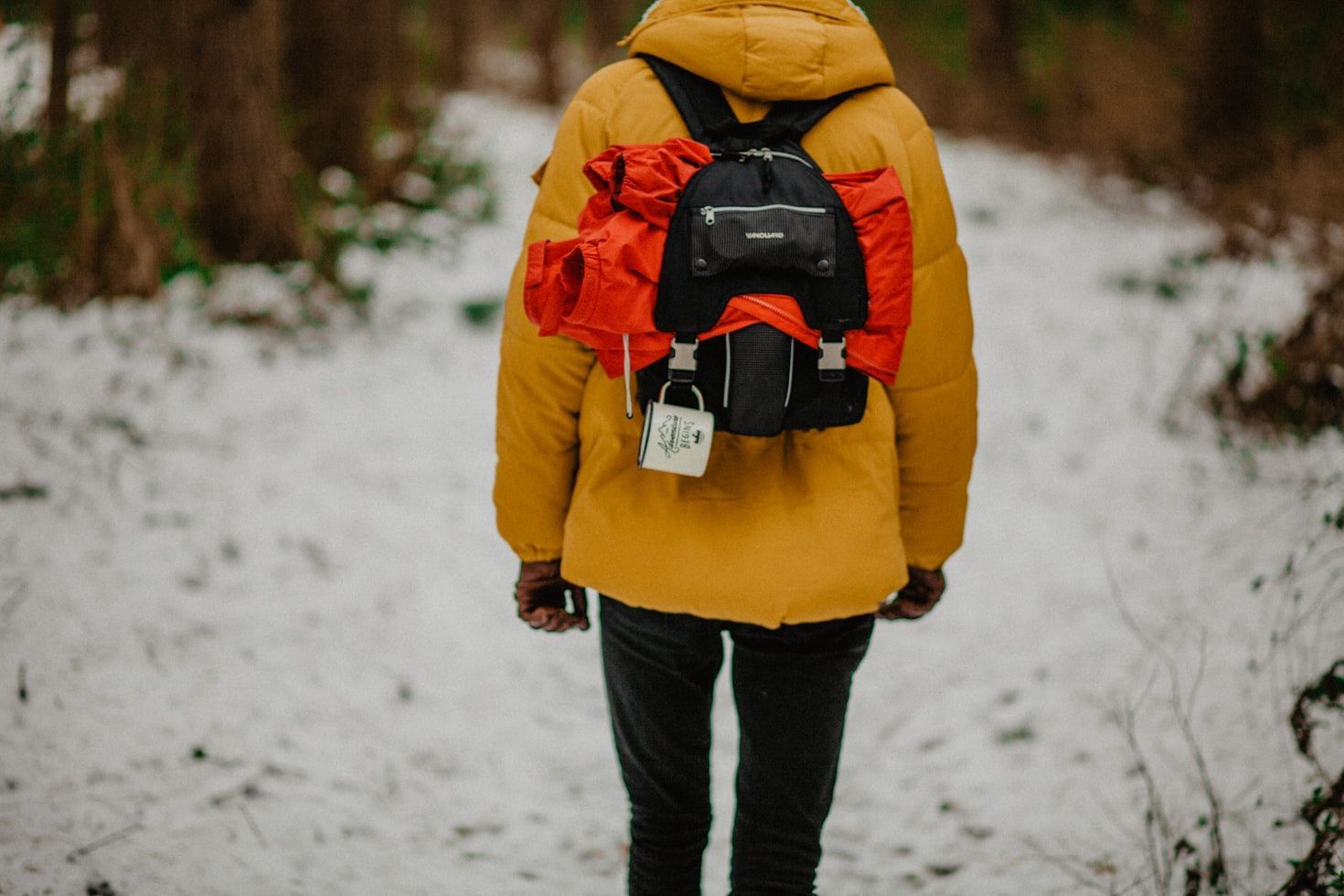
Your winter camping gear is key—but so is your clothing! Your tent and sleeping bag will keep you warm at night, but during the day you’ll need clothing that is sturdy, waterproof, and warm. Choose garments that are insulating, moisture-wicking, quick-drying, and breathable.

Pack enough clothing so you can change when you sweat—this helps prevent chills and reduces the risk of getting sick. Pay special attention to socks and footwear; warm, dry feet make it much easier to maintain proper body temperature.

Pro tip: At night, stash your boot liners inside your sleeping bag. Few things are worse than slipping warm feet into frozen boots in the morning. Also store electronics, batteries, fuel canisters, and anything else you don’t want to freeze.

4

Overpack

Image: Ali Kazal

It never hurts to pack more than you need. Pack extra batteries, a couple of gallons of additional fuel, more food than you plan to eat, extra gloves and socks, and enough toiletries to last the trip.

Remember, winter camping means fewer daylight hours, which makes you more dependent on flashlights and other light sources. If you’re camping in a snowy area, you’ll likely need to melt snow for drinking water—so plan for the extra fuel this requires.

5

The perfect spot for your campsite

Image: David Schultz

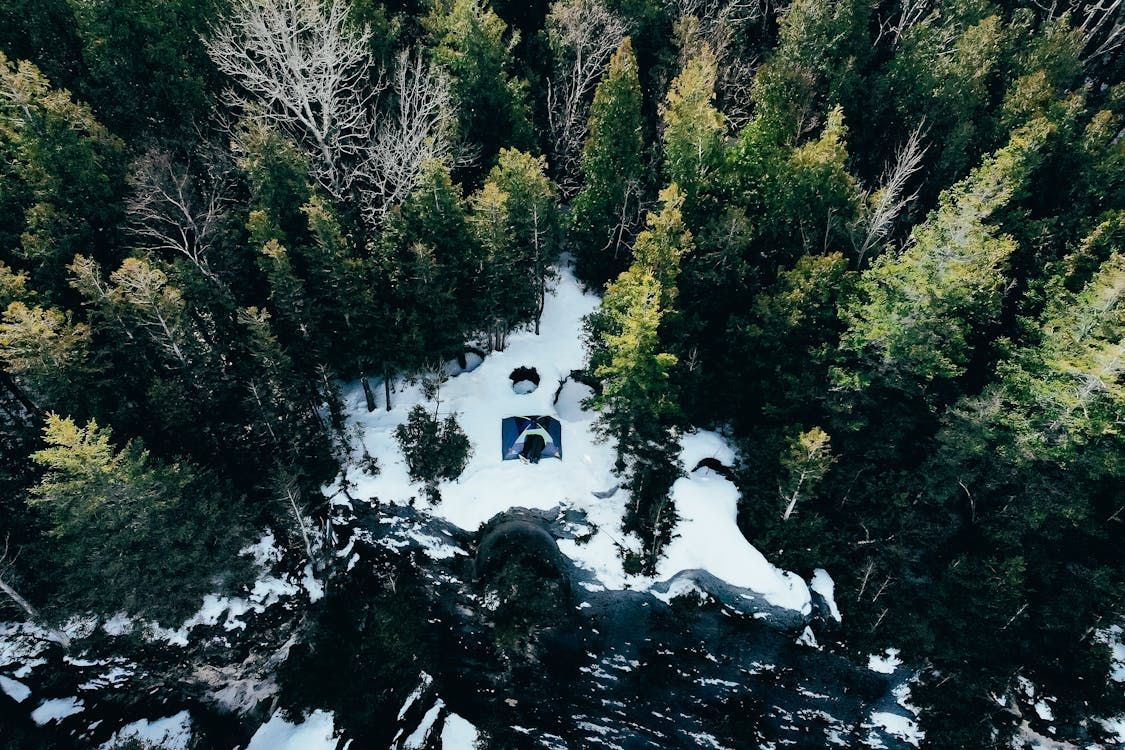
Once you arrive at your destination, your first task is to choose the right place to set up camp. Study your surroundings to find the safest and most suitable spot for your tent. Avoid areas that could pose a risk, such as avalanche terrain, landslide zones, or places with unstable or overhanging trees.

Look for the flattest site possible—one that gets plenty of sun and stays relatively dry throughout the day. A good trick is to orient your tent’s entrance toward the east so it catches the morning sun and warms up more quickly. As soon as you climb inside your tent for the first time, use your knees to smooth out the area beneath your sleeping pad. Don’t wait until night—once snow melts and refreezes, it becomes much harder to adjust.

6

Stay warm

Image: Necip Duman

The best way to handle camping in cold conditions is to be proactive and plan ahead. For example, did you know that warm air rises and cold air falls? Digging a trench in the snow in front of your tent’s entrance allows the cold air to settle in the hole instead of around your body.

This technique—borrowed from igloo construction—has other advantages: the trench can serve as a bench for putting on or taking off your boots, and it makes getting in and out of the tent easier while helping prevent snow from being tracked inside.

7

Hydrate and eat properly

Image: Tima Miroshnichenko

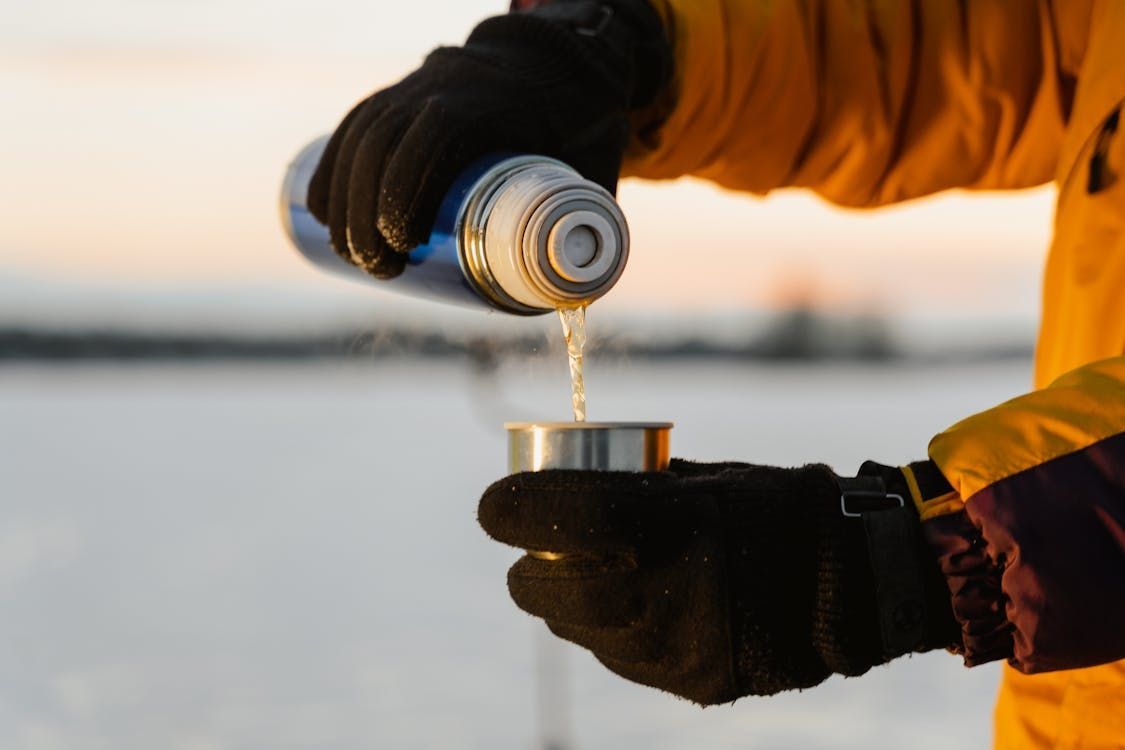
Staying hydrated is essential when camping in bitter cold weather, as the air dries you out more quickly and your body still needs plenty of fluids to function. Drink regularly, but avoid water that is too cold. Carry a sturdy thermos filled with hot broth, tea, or coffee, and insulate your water bottles to prevent freezing—wrap them in extra clothing or use dedicated bottle insulators.

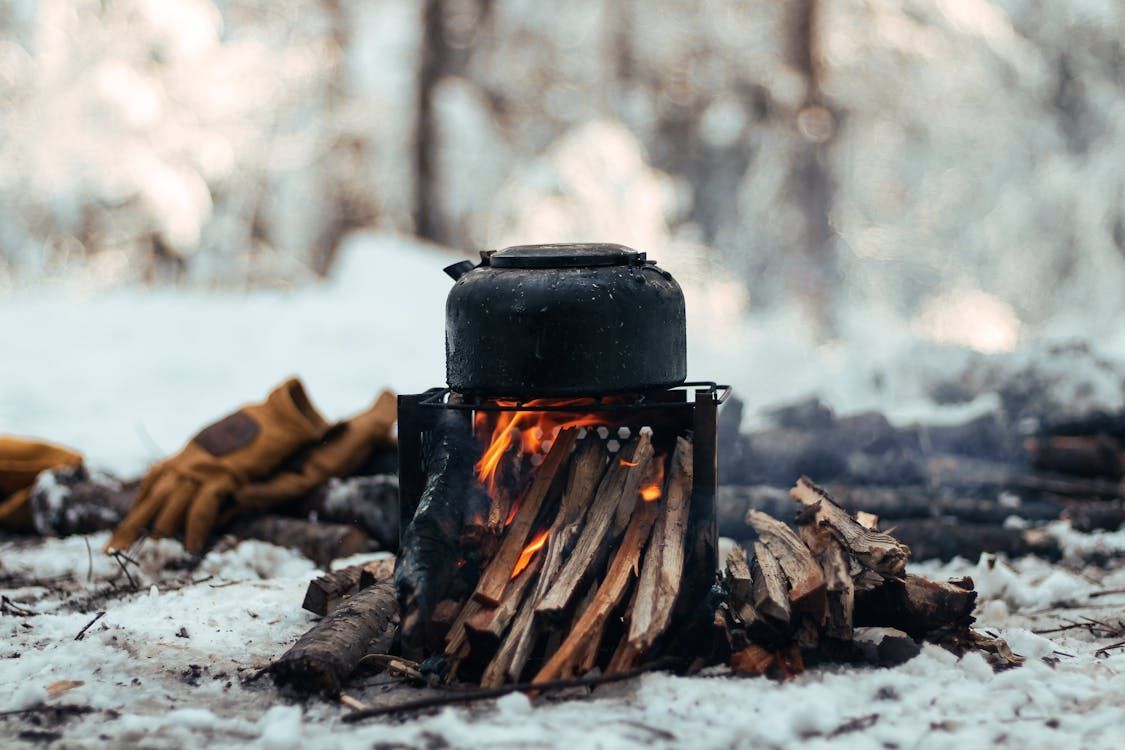
Bring a camping stove to prepare or heat food. Eat consistently, even if you don’t feel hungry. If you wake up cold during the night, have a quick snack to "fuel your engine," focusing on calorie-dense foods like chocolate, cheese, and nuts. Always pack extra food in case you get trapped by a snowstorm—survival energy bars and canned goods can be lifesavers in extreme conditions

8

Prepare for a good night's sleep

Image: truthseeker08

On freezing nights, water vapor often condenses on the tent’s inner walls, your sleeping bag, and your gear—even with the door cracked open. When the ice melts, it can soak your equipment. Control frost buildup by keeping your gear covered or inside garbage bags, and by sweeping ice crystals into piles before they melt.

Another key tip for a restful night is to keep your sleeping bag as dry as possible. Your body produces heat and exhales warm air at night, both of which cause condensation that can reduce your sleeping bag’s effectiveness. To avoid this, air out and dry your bag thoroughly during the day to remove any excess moisture.

9

Stay safe outside, too

Image: Thom Holmes

We can’t stress this enough: always stay hydrated. Winter activities burn a lot of energy, so be sure to drink water regularly. While on the move, sip water every 20 minutes; at rest, drink every 40 minutes.

Equally important is protecting your skin. Snowy landscapes reflect a lot of solar radiation, increasing your exposure. Apply a broad-spectrum sunscreen with at least SPF 30 three times a day—and never forget your ears! Finally, wear sunglasses or goggles to prevent eye injuries from glare and UV rays.

10

Have a plan B

Image: Paige Deasley

Even if you’ve prepared well, chosen the best campsite, and packed the right equipment, freezing weather and snow can be unpredictable. That’s why it’s important to have a backup plan in case things don’t go as expected.

For example, always carry a map showing shelters, refuges, or rural houses in case it becomes impossible to continue camping outdoors. Bring food that doesn’t require cooking in case the weather is too bad to light a fire or use your camping stove. Also, plan some indoor leisure activities—if outdoor sports or adventures become impossible, you’ll want fun ways to pass the time inside your tent.

Looking for an extra scoop of literary fun?

Learn more with our Word of the day

dweller

/ˈdwɛlər/