Cop slang
What is a “10-50”? Learn to identify the most common police codes
Published on February 9, 2026
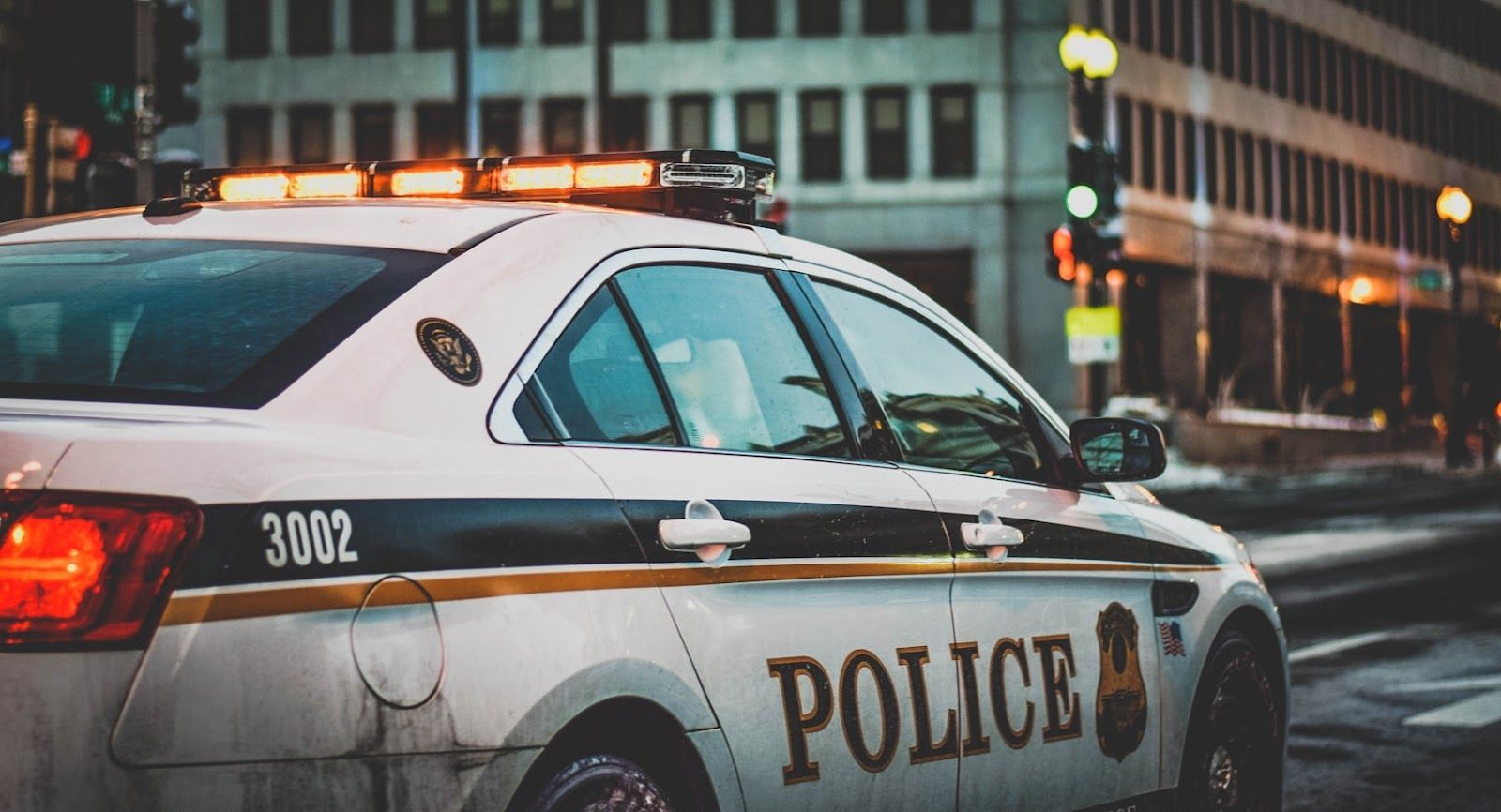 Credit: Matt Popovich
Police codes might sound like a secret language, but many are surprisingly straightforward once you know what they mean. From the famous "10-4" to numbers you’ve probably heard in TV dramas, these codes help officers communicate quickly and clearly over the radio. Take a look at 12 common U.S. police codes and their real meanings.
10-8 – In service
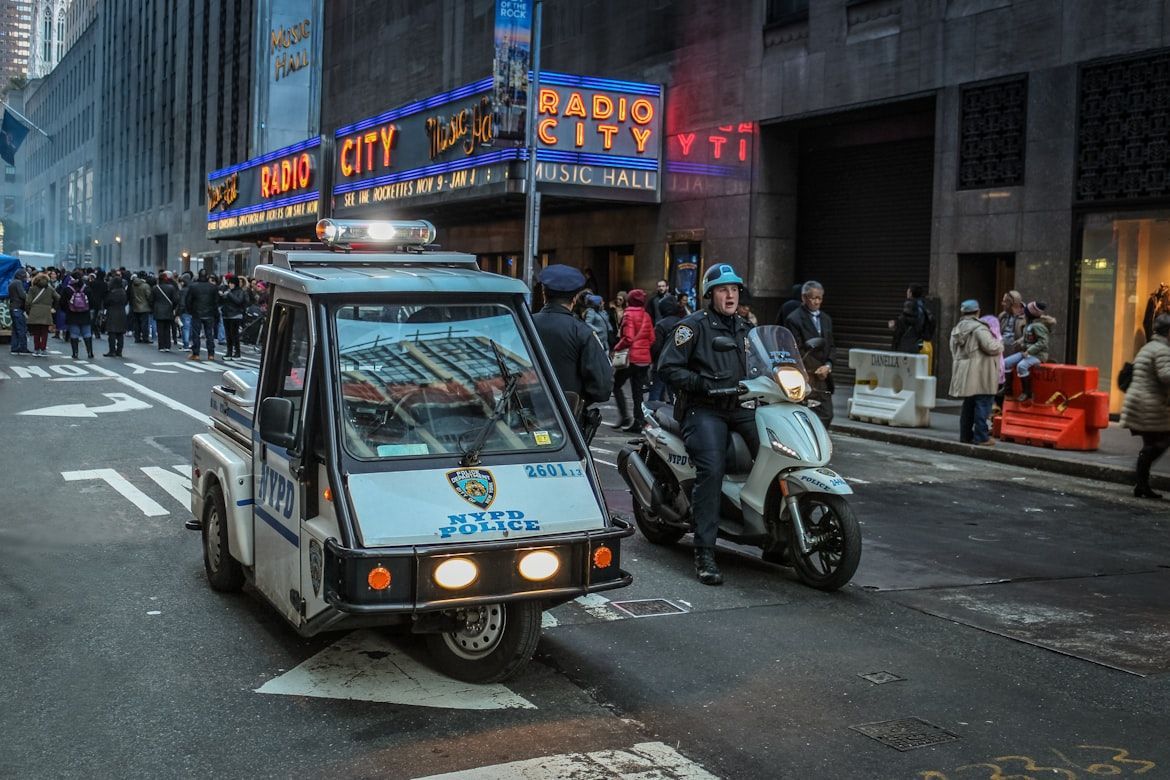 Credit: Jametlene Reskp
When an officer calls in "10-8," it means they’re back on duty and ready for assignments. Dispatchers know they can now be sent to handle calls.
This code is often used after completing a task, returning from a break, or becoming available again. It helps keep communication clear and efficient.
10-9 – Repeat last transmission
 Credit: Michael Förtsch
If a message is unclear or missed, the code "10-9" is used to request that it be repeated. It’s a quick way to prevent misunderstandings over the radio.
Whether the issue is static, overlapping chatter, or noise in the field, this code helps ensure that important details aren’t lost.
10-20 – Location
 Credit: Fred Moon
The phrase "What’s your 20?" comes straight from this code, meaning "What’s your location?" It’s one of the most recognizable phrases in police radio.
It’s used for officer check-ins, coordinating units, or simply finding out where someone is at any given moment.
10-33 – Emergency, all units stand by
 Credit: Martin Podsiad
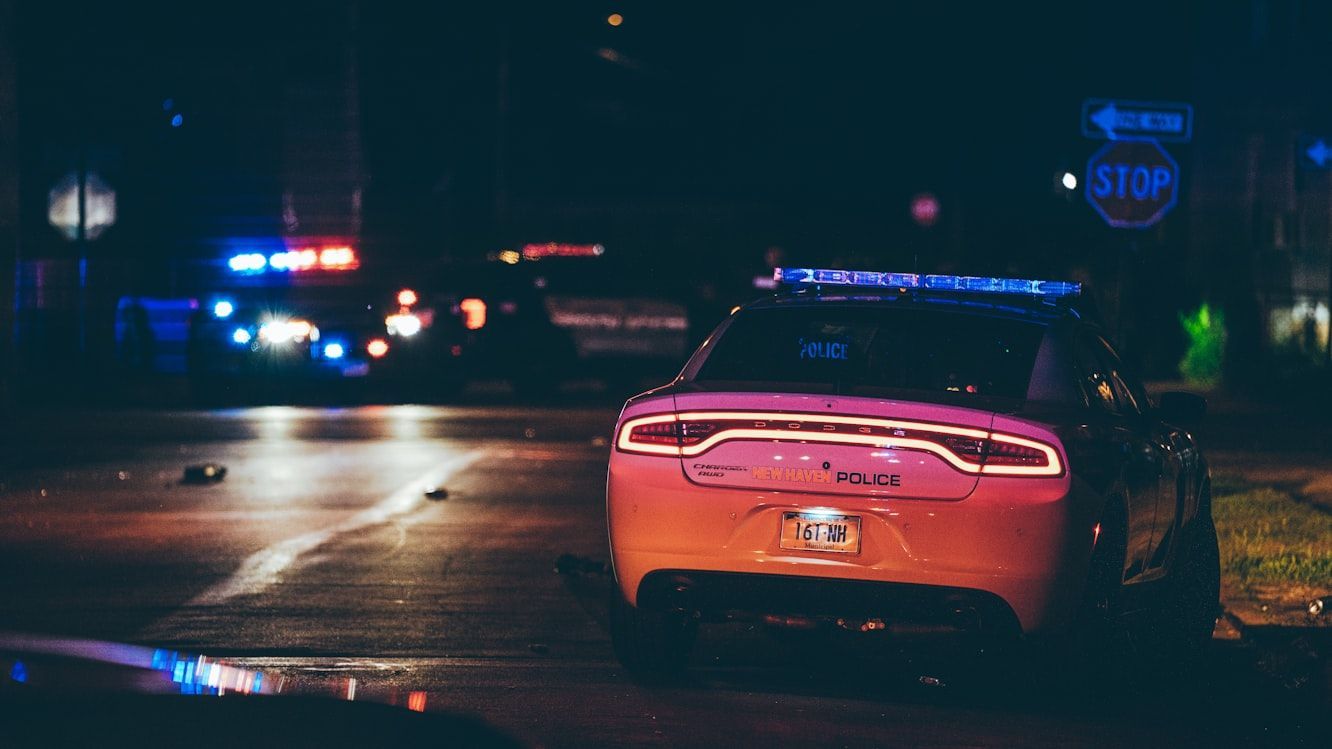
When a "10-33" is issued, it signals an urgent situation that requires all radio traffic to stop except for emergency updates.
This clears the airwaves so vital information can get through without delay, often during critical incidents.
10-50 – Vehicle accident
 Credit: Clark Van Der Beken
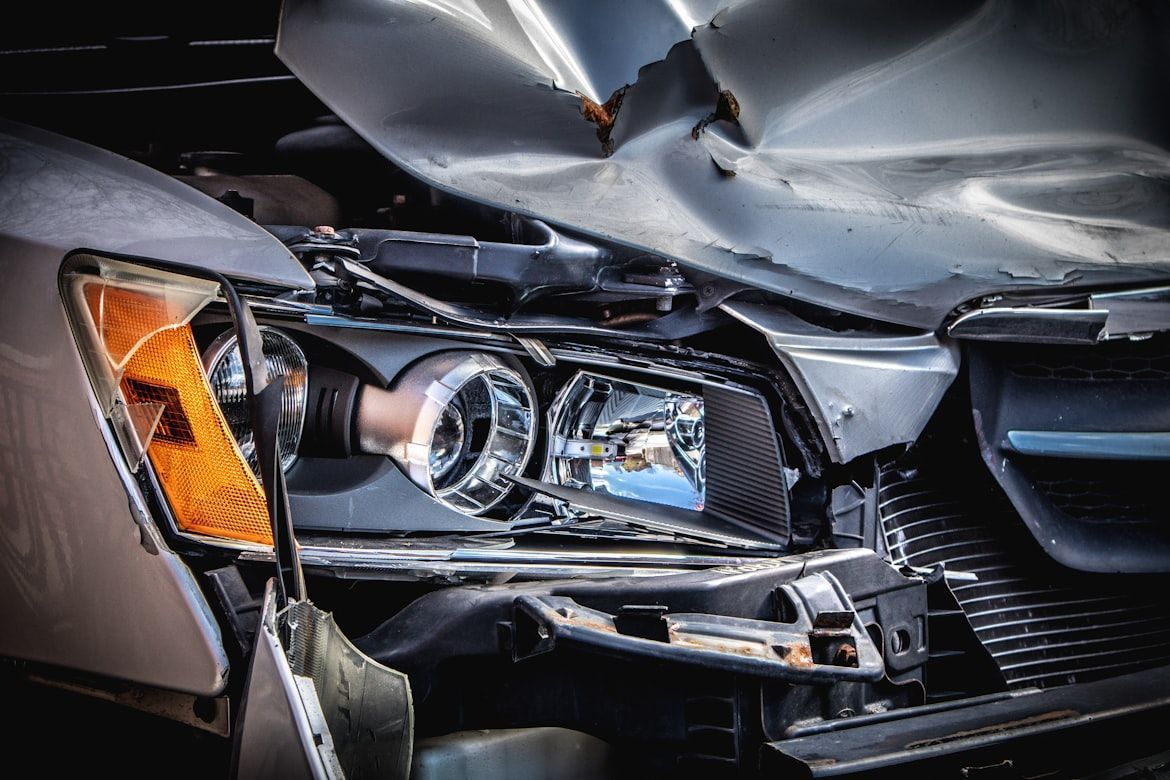
A "10-50" reports a motor vehicle accident, from minor fender benders to serious collisions. Officers use it to request backup or other resources.
Variants of the code may specify whether injuries are involved, helping dispatchers send the right assistance quickly.
10-51 – Wrecker needed
 Credit: fr0ggy5
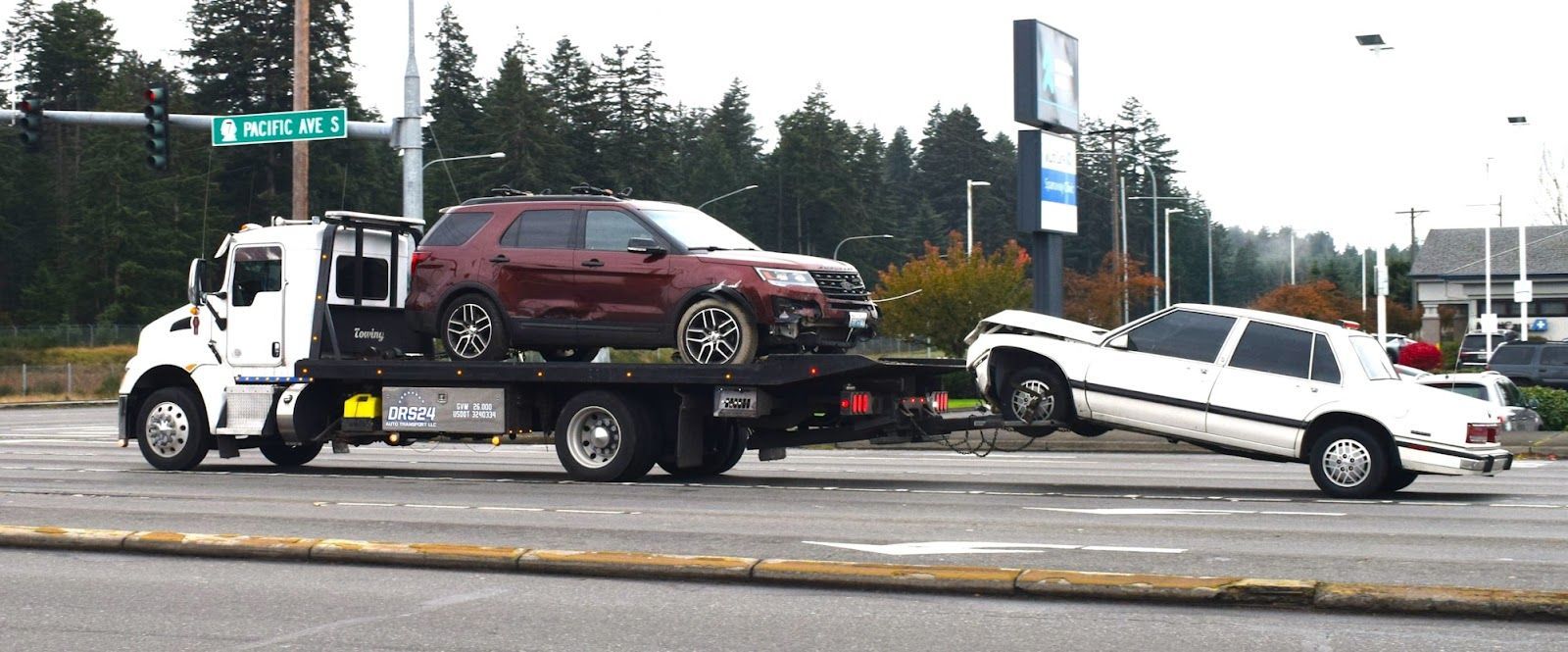
When a disabled or wrecked vehicle needs towing, officers call in a "10-51." It’s a request for a wrecker or tow truck.
This code helps keep traffic flowing safely and clears hazards from roadways after accidents or breakdowns.
10-76 – En route
 Credit: Kenny Eliason
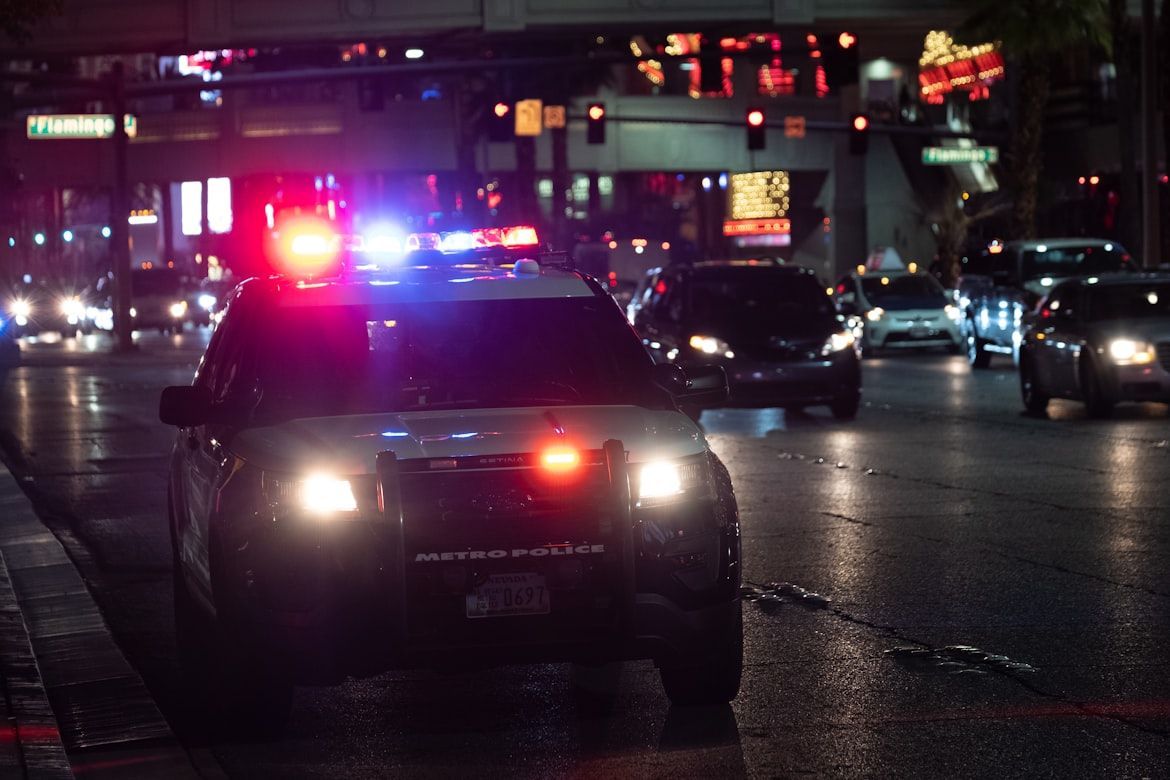
"10-76" tells dispatch and other units that an officer is on the way to a location or call.
This lets everyone know that help is on the way and gives an idea of how soon assistance will arrive.
10-97 – Arrived at the scene
 Credit: Martin Podsiad
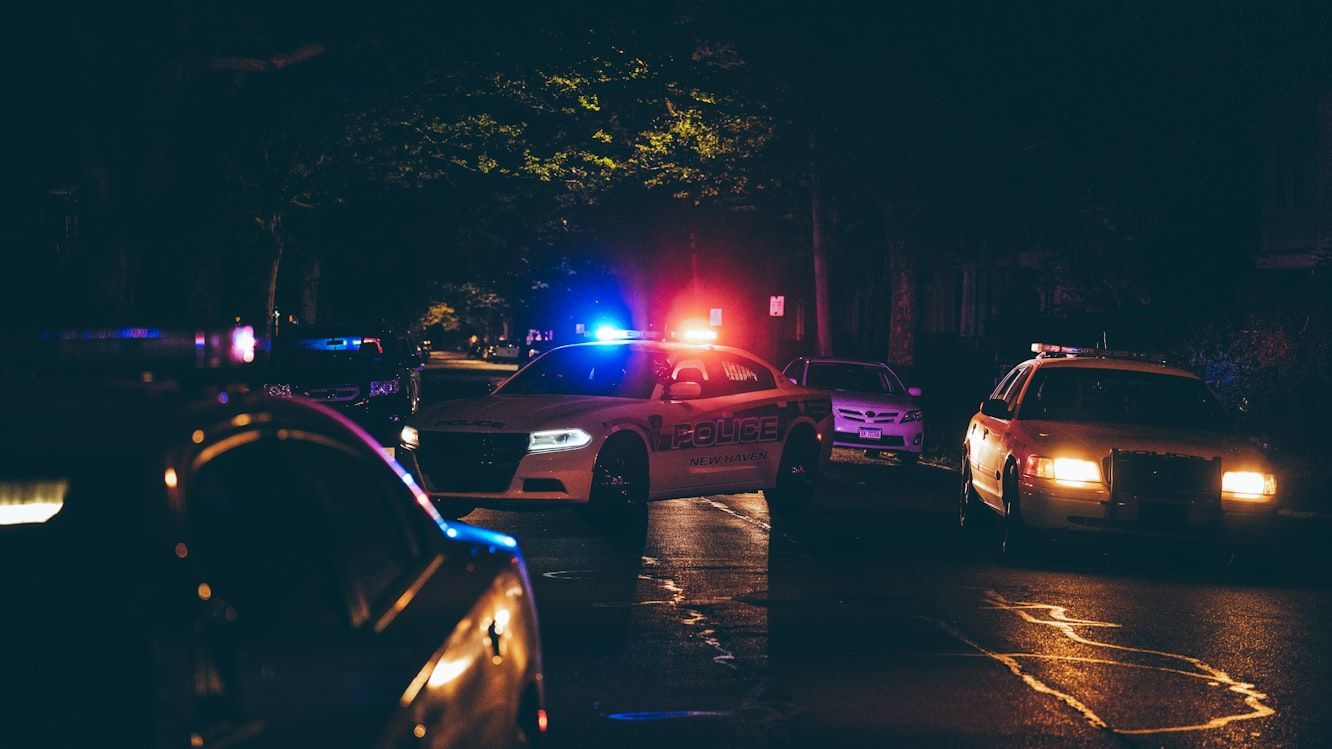
After an officer arrives at a location, "10-97" is called in to confirm they are on the scene.
This code is useful for keeping track of personnel and ensuring that backup knows exactly who is present.
187 – Homicide
 Credit: Jenn
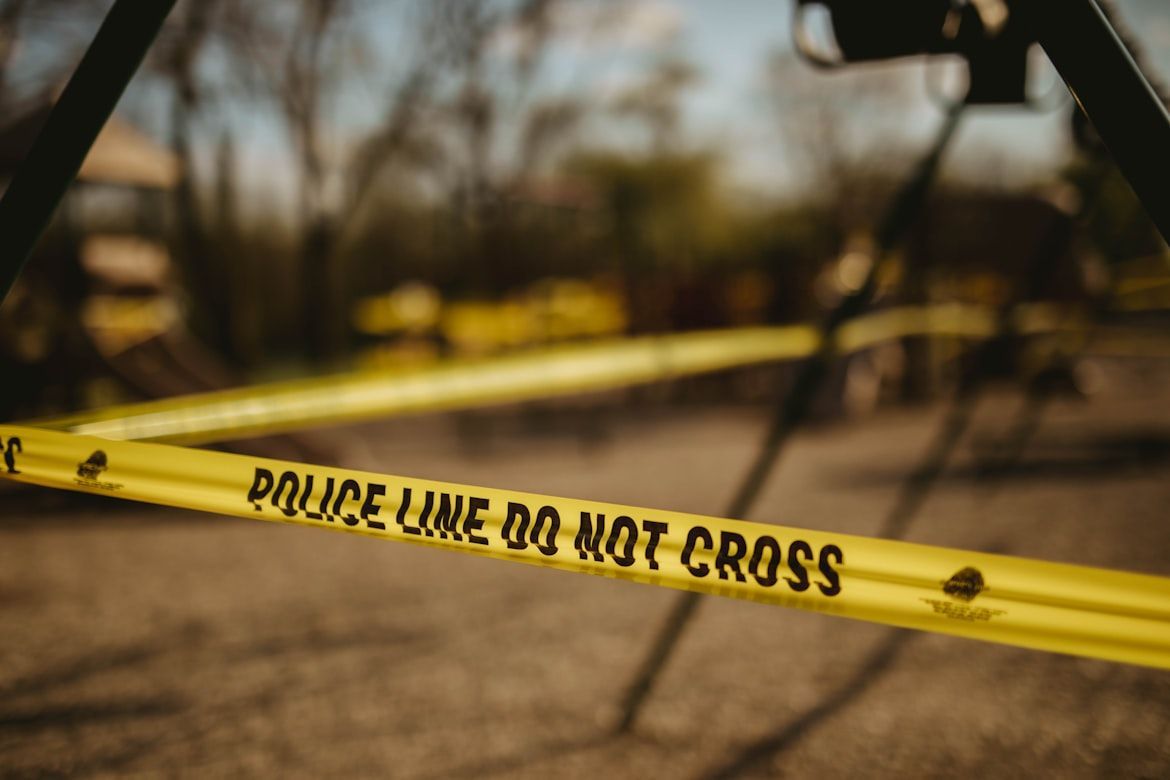
In California’s Penal Code, "187" refers to the section defining homicide. The term has become widely known through movies, TV, and music.
Even outside California, "187" is often recognized as shorthand for murder in law enforcement slang.
211 – Robbery
 Credit: Brian Lundquist
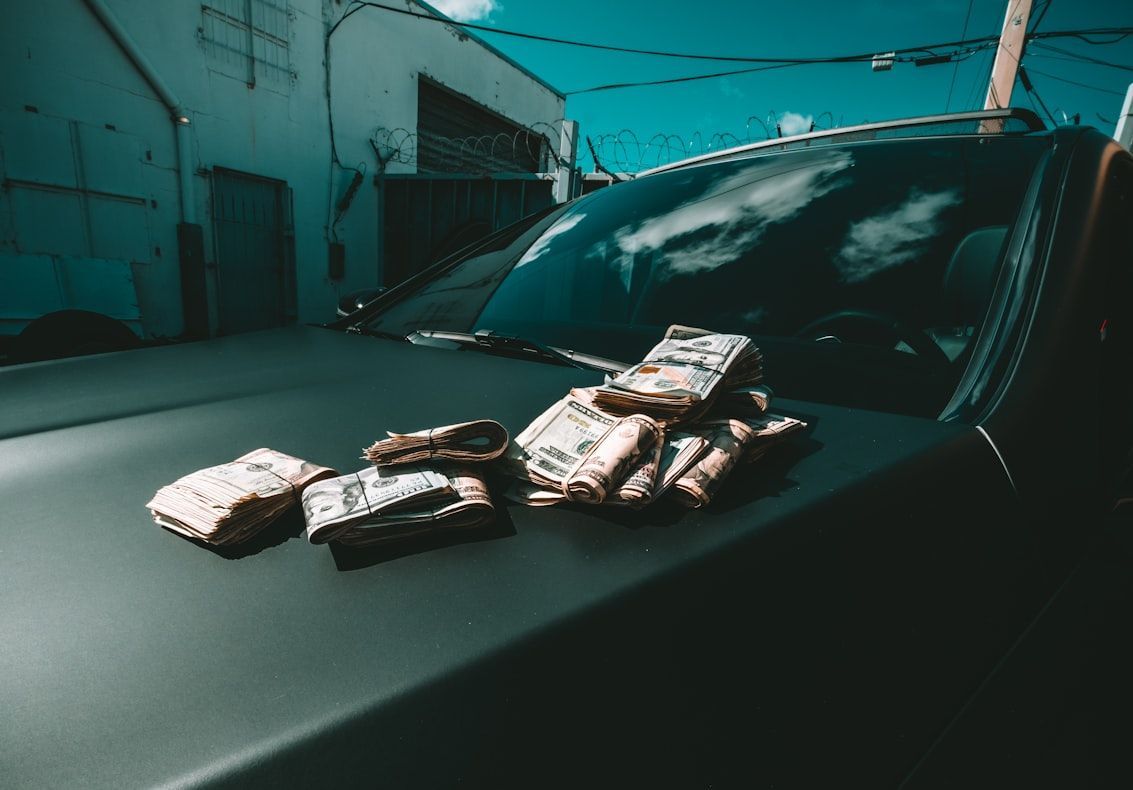
"211" is another California Penal Code section, this one referring to robbery. Like "187," it has become widely recognized in popular culture.
It signals a theft involving force or fear, often triggering an urgent police response.
415 – Disturbing the peace
 Credit: Look Again Digital
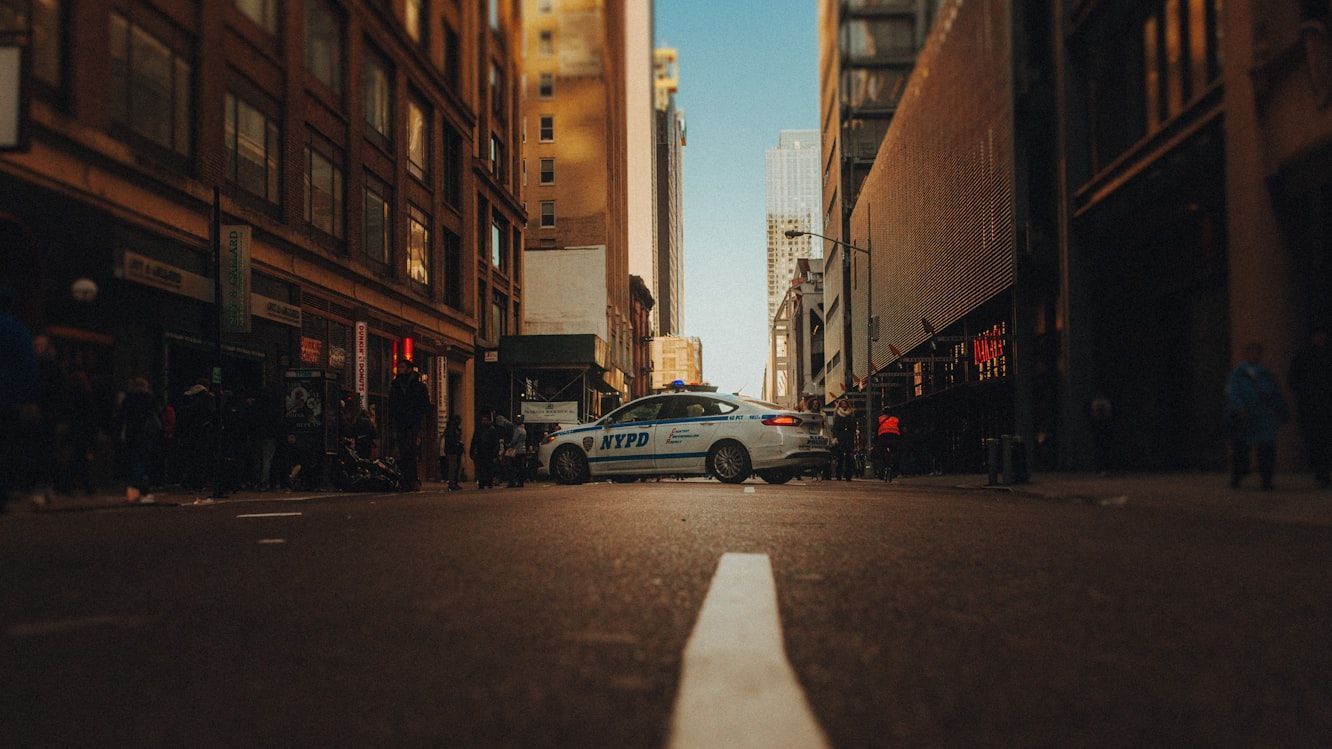
The "415" code covers various public disturbances, such as fights, loud music, and unruly gatherings.
It’s a flexible code that can apply to anything disrupting public order, big or small.
502 – Driving under the influence (DUI)
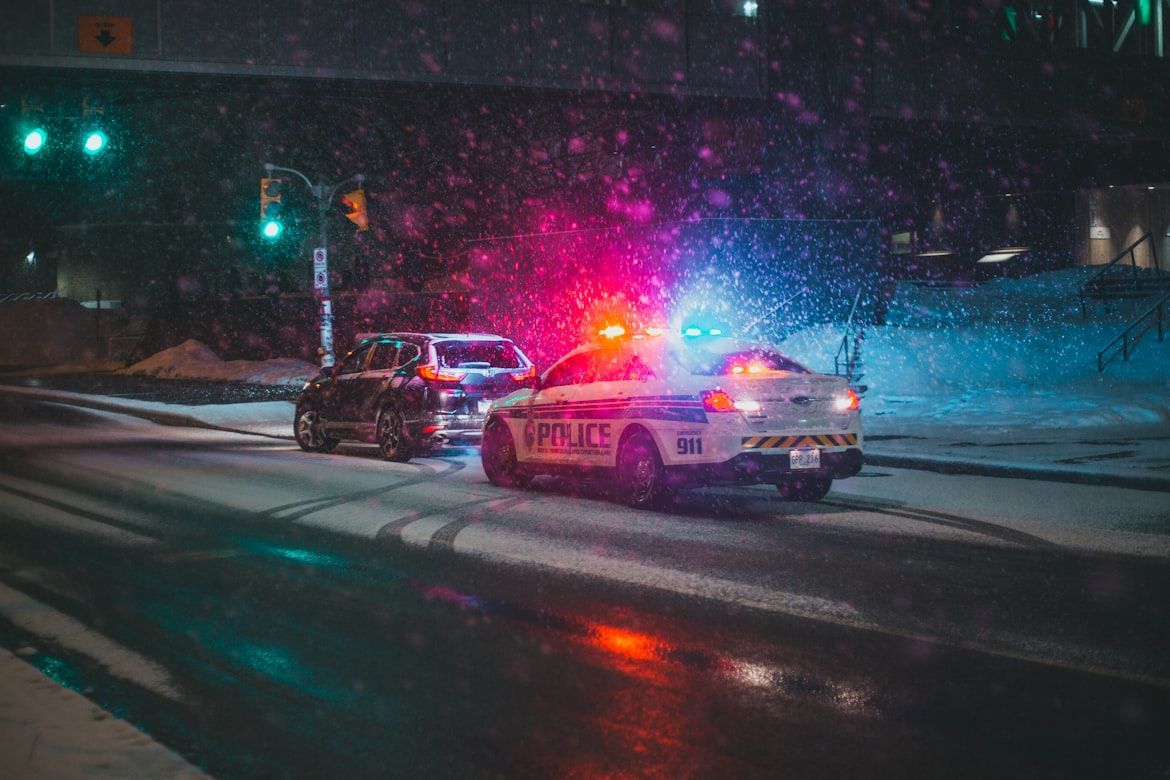 Credit: Erik Mclean
We close our list with one of the most "popular" codes. In some states, "502" is used as shorthand for a DUI offense, meaning operating a vehicle while impaired by alcohol or drugs.
It’s a serious charge that can result in arrest, fines, and license suspension.