Body language
What is so funny about a funny bone? 10 body terms explained
Published on October 29, 2026

Body terms often sound so natural that we forget how strange they really are. We have a funny bone, an Adam's apple, an Achilles' heel, wisdom teeth, and even love handles. Yet, when taken literally, these terms create some strange images. Bones can't tell jokes, teeth can't become wise, and there is no Adam stuck in our throat. But like the body, language has its functions, and sometimes it creates memorable expressions that outlast the medical terms themselves. Read on to uncover the stories behind 10 familiar expressions.
Funny bone

Have you ever hit the inside of your elbow just in the right spot and got that weird, tingling pain? That’s your funny bone. Although it isn’t actually a bone at all; it's an ulnar nerve. But it has earned that name because of the shock-like feeling it provokes.
The ulnar nerve travels through a tunnel of tissue called the cubital tunnel, which goes from your neck to your hand. When it reaches the elbow, it runs under a bump of bone inside the elbow, the medial epicondyle, and at that point the nerve is very close to the skin. That’s why bumping on it is one of the most annoying feelings someone can experience.
Adam's apple

The Adam's apple is called that because of the Bible story; it isn’t actually a simple coincidence. It refers to that little ball in your throat when the front of your thyroid cartilage, around your larynx, protrudes outward. The name of this body characteristic goes back to Adam and Eve in the Garden of Eden. As the tale goes, Adam ate the forbidden apple, and part of it got stuck in his throat.
Adam’s apple is more visible in men. When boys reach puberty, they develop a larger larynx that makes their voices deeper over time and can create an Adam’s apple. Women can have it too, although they don’t usually develop a larynx that large. Adam's apple doesn’t have a special function; it only gets more or less visible, depending on how it grows. However, the larynx does; it protects your vocal cords when you sing, whisper, shout, talk, and laugh.
Achilles' heel
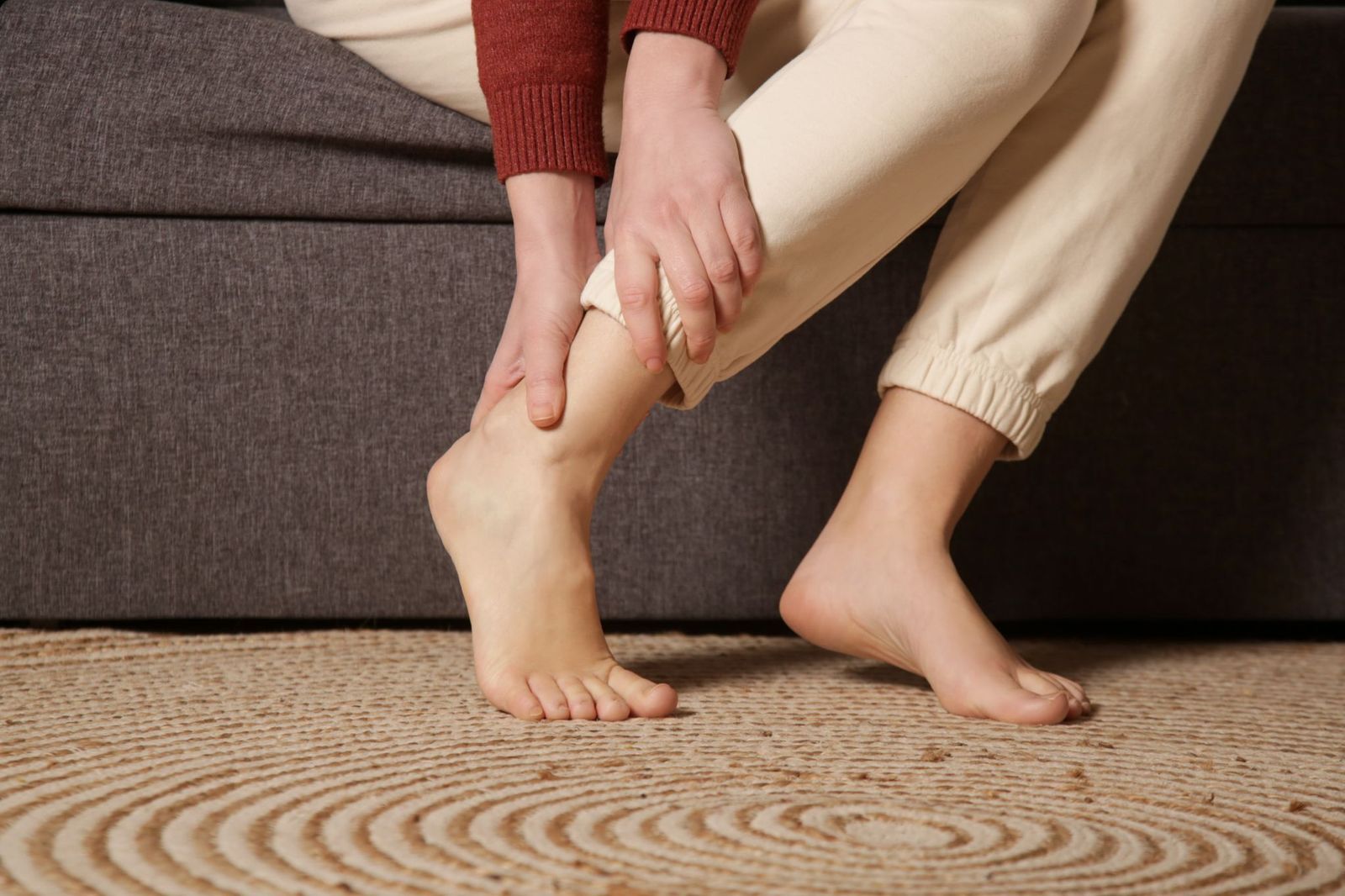
The Greek myth tells us that when Achilles was a baby, his sea-nymph mother dipped him into the river Styx to make him immortal. But as she held them by one of his heels, that part of his body remained dry, and so it became his vulnerable spot. Achilles could only be mortally wounded on his heel.
Today, the tendon stretching up the calf for the heel is called the Achilles tendon. But the term "Achilles heel" isn’t commonly used in medicine. It is used in everyday slang to refer to the hidden weakness someone has, mostly when they seem strong, smart, or successful.
Charley horse

Most of us call a painful leg cramp a "Charley horse" without ever wondering where the strange name came from. Most theories take us back to baseball in the 1880s. Players used it to describe leg injuries that left them stiff and limping. One story credits baseball player Jack Glasscock, who supposedly compared injured players to an old horse named Charley.
Another version involves player Joe Quest and a racehorse named Charley that stumbled and hurt itself during a race. Since then, when one of Quest’s teammates injured his leg, they were compared to that horse. However, it is also said that Quest grew up around an old workhorse named Charley whose stiff legs made him walk with a limp. We may never know which version is true, but all of them involve baseball, a painful limp, and a horse named Charley.
Goose bumps
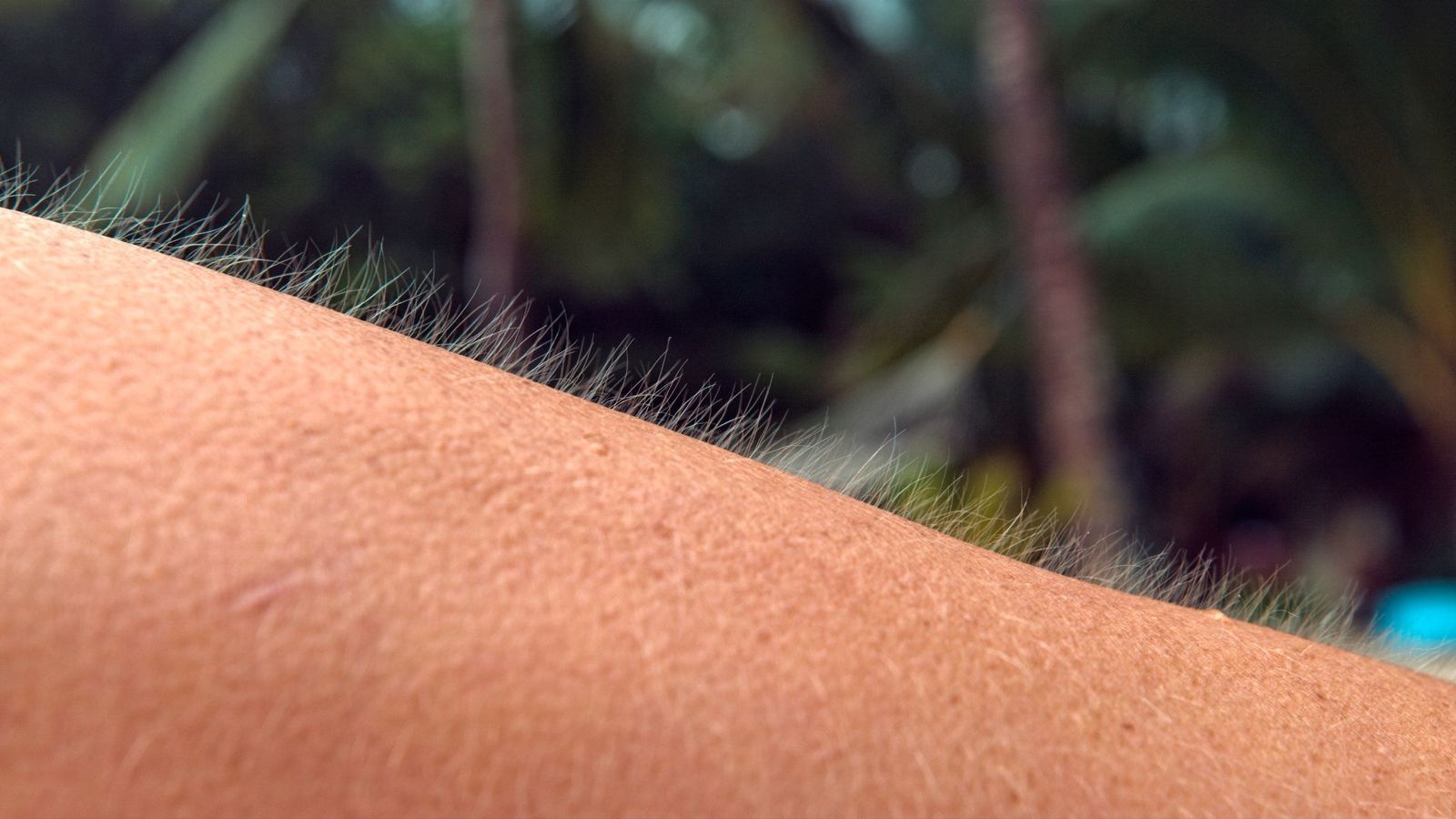
Most people have experienced goosebumps at least once. They may appear during an emotional moment, while watching a horror movie, or simply when we feel cold. But why do such different situations trigger the same reaction? Goosebumps are a physiological response that makes the skin bumpy. They occur when tiny muscles at the base of the hair follicles contract, causing the hairs to stand on end and creating small bumps on the skin.
The word ‘goosebumps’ immediately brings to mind the bumpy skin of a plucked goose. Animals fluff their hair to look bigger to scare enemies or trap more heat for survival. For us, it is an evolutionary leftover from our ancestors that had much more hair and resembled animal functions.
Wisdom teeth

Your wisdom teeth are your last set of adult teeth to grow in. They are called "wisdom teeth" because they usually develop between 17 and 25 years old, those years when maturity is supposed to be consolidated. They don’t serve a specific purpose. Many doctors believe they are vestigial, meaning that they were useful many years ago, but not anymore.
Not everyone develops wisdom teeth. However, when they appear, they often cause lots of pain because they can get stuck in your gums or jawbone and develop infections, cavities, gum disease, and other oral issues. That’s why dentists recommend removing them most of the time.
Love handles
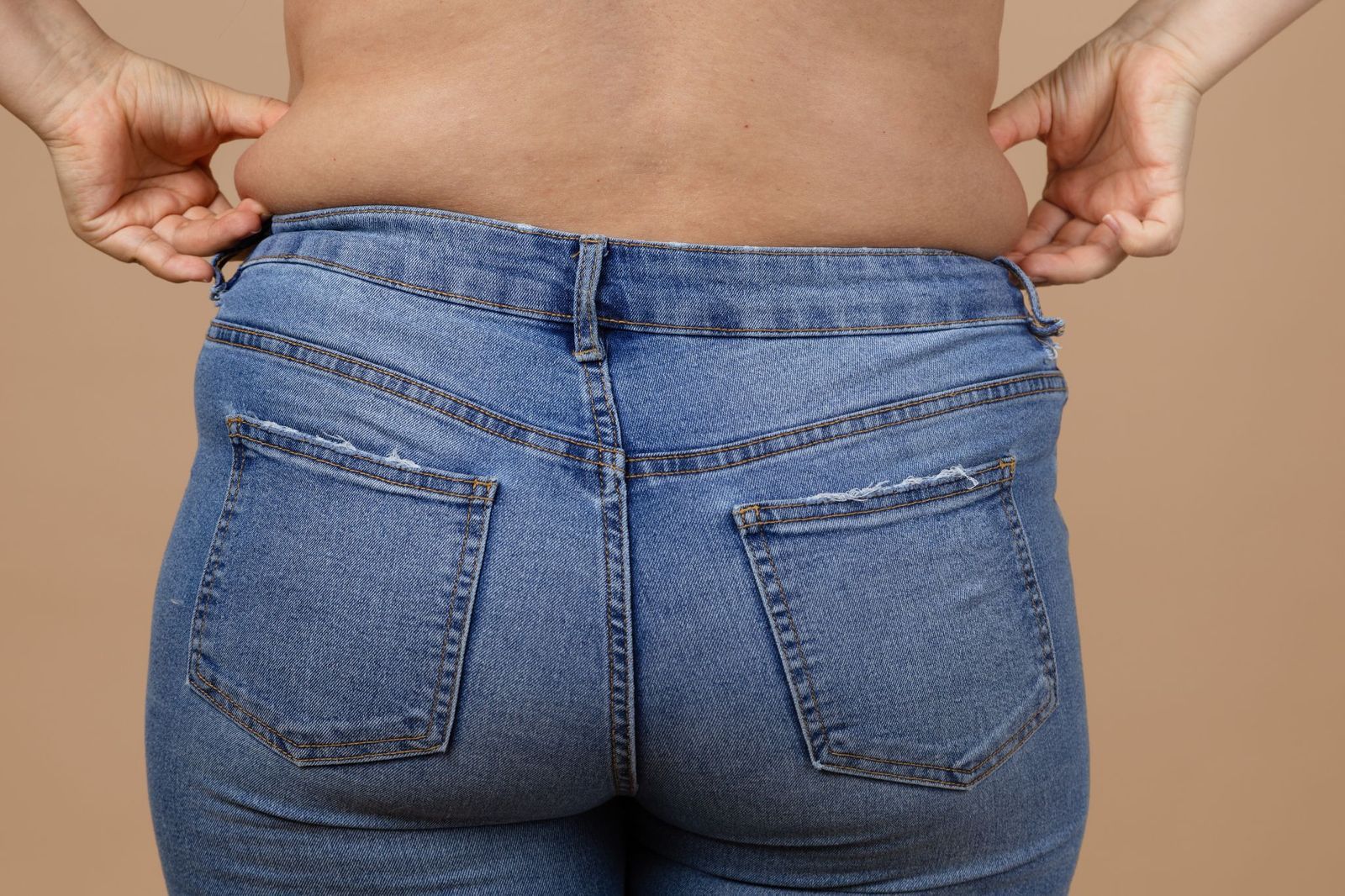
Love handles are a term used to describe the fat around the waist, just above the hips and over the oblique muscles. Love handles became an informal way to call this body part because it seems so easy to grasp or "handle". By the 1950s, the term was already being used in advertising and everyday slang, as the lateral fat someone’s partner could hold, hence the nickname.
Why do we have love handles? Fat can build up in this area because of genetics, hormonal changes, a sedentary lifestyle, or age-related changes. Love handles are also commonly described as a "spare tire" or "muffin top." But the medical term is flank fat, and even people who maintain a healthy lifestyle can store it.
Belly button
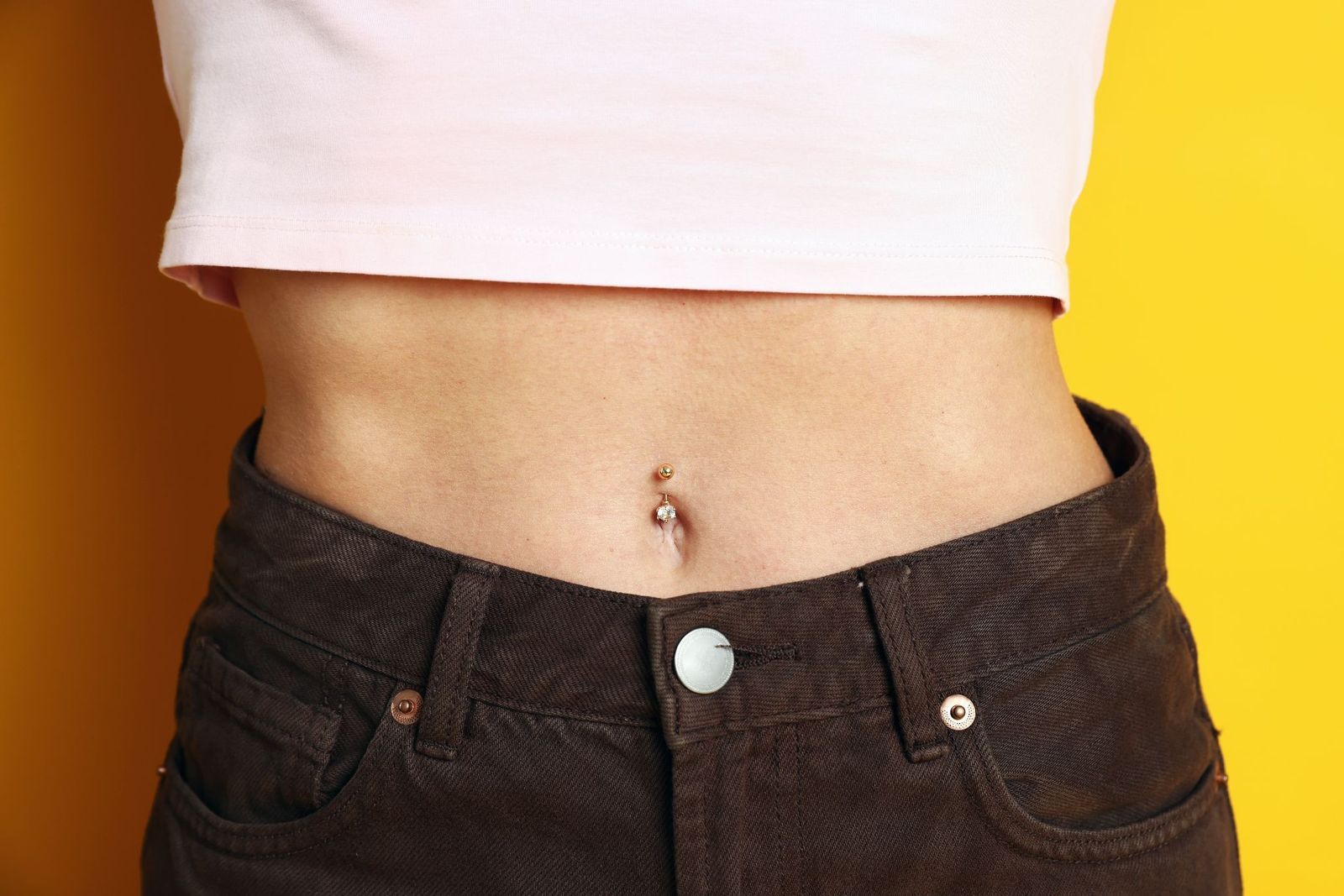
Belly buttons can look very different from person to person. They come in different shapes, with some turning inward and others sticking outward. Still, their small, round appearance often resembles a button. Its medical name is the navel, or umbilicus, and it is actually a scar left behind by the umbilical cord.
Before you were born, that cord connected you to your mother and supplied you with oxygen and nutrients. After birth, the cord was cut, leaving a small stump attached to your belly. The stump later dried up and fell off as the area healed. What remained was the small mark we casually call the belly button.
Tennis elbow

Despite the name, you don’t have to play tennis to get tennis elbow. It happens when the tendons on the outside of your elbow are strained by repeating the same wrist or arm movements over and over.
Those tendons are involved whenever you grip, lift, twist, or turn something, so activities such as typing, using a mouse, gardening, painting, lifting weights, or playing an instrument can all put stress on the area. That repeated strain can cause tiny tears in the tendon where it connects to the elbow, resulting in pain and tenderness that can make simple tasks very uncomfortable.
Hamstrings

The "ham" in "hamstring" has actually nothing to do with food. In Old English, the word referred to the hollow behind the knee, while "string" described the cord-like tendons found there. Put the two words together, and you get "hamstring."
The name refers to three muscles that run along the back of each thigh. They help you bend your knee, move your hip, and perform everyday activities like walking. They are easy to injure when stopping suddenly or changing direction quickly. When one is stretched too far, the result is what we commonly call a "pulled hamstring." Warming up, stretching, and paying attention to pain are the keys to protecting the area.


