What does it actually mean?
What is that "YKK" that you see on your zippers? 10 codes explained
Published on October 12, 2026

Have you noticed "YKK" stamped on your zippers or that "RSVP" on an invitation? What does the mysterious "SSSS" on your boarding pass mean? These little letters and codes are everywhere, but if you stop and think about it, there are plenty whose meaning we don’t really know. Behind many of them are surprising stories, foreign languages, old technologies, and even a few myths. Here are 10 everyday codes and abbreviations you’ve probably seen countless times without knowing what they actually mean.
YKK (zippers)

You’ve probably noticed that almost every zipper on your clothes has the letters "YKK" stamped on it. But have you ever wondered what those three letters actually mean?
They stand for Yoshida Kogyo Kabushikikaisha, the name of the huge Japanese manufacturing company that produces roughly half of the world’s zippers. Founded by Tadao Yoshida in Tokyo in 1934, the company became a global zipper powerhouse, and its familiar YKK logo now appears on the pull tabs of zippers around the whole world.
RSVP (invitations)

Every time you receive an invitation to a wedding, birthday, or other important event, there it is: "RSVP" in all caps. But what do those four letters actually mean?
The initialism comes from the French phrase Répondez s'il vous plaît, meaning "please reply," or literally, "respond, if it pleases you." The request for a response originated in Europe and was adopted by the American elite, who embraced French court etiquette in the 18th century, preserving the French expression. Today, RSVP has become a practical yet elegant way to ask guests to confirm whether they’ll attend, helping hosts know how many people to expect.
SOS (emergencies)
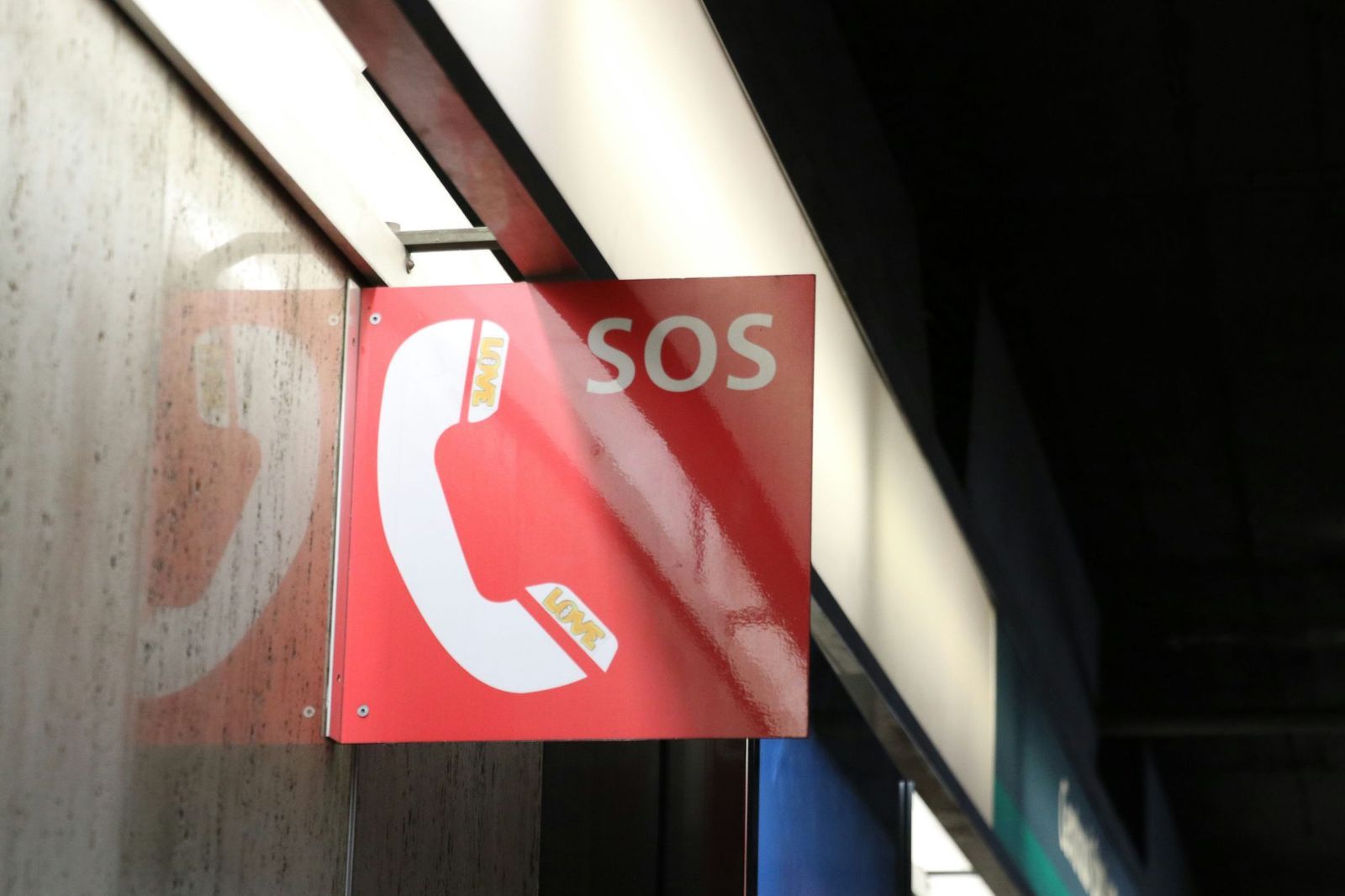
One of the most famous codes in the world, SOS is the quintessential emergency signal, recognized across languages and around the globe. But what do those three letters actually mean?
Contrary to popular belief, SOS doesn’t stand for "Save Our Souls" or "Save Our Ship." That misconception took hold in the early 1910s and became widespread after the sinking of the Titanic in 1912. In reality, the letters don't stand for any words; the signal was chosen internationally at the Berlin Radio-Telegraphic Conference in 1906 and went into effect in 1908 because of its distinctive Morse code sequence. Three dots, three dashes, and three dots (... --- ...) create a simple rhythm that is easy to send and recognize during an emergency.
SSSS (boarding passes)
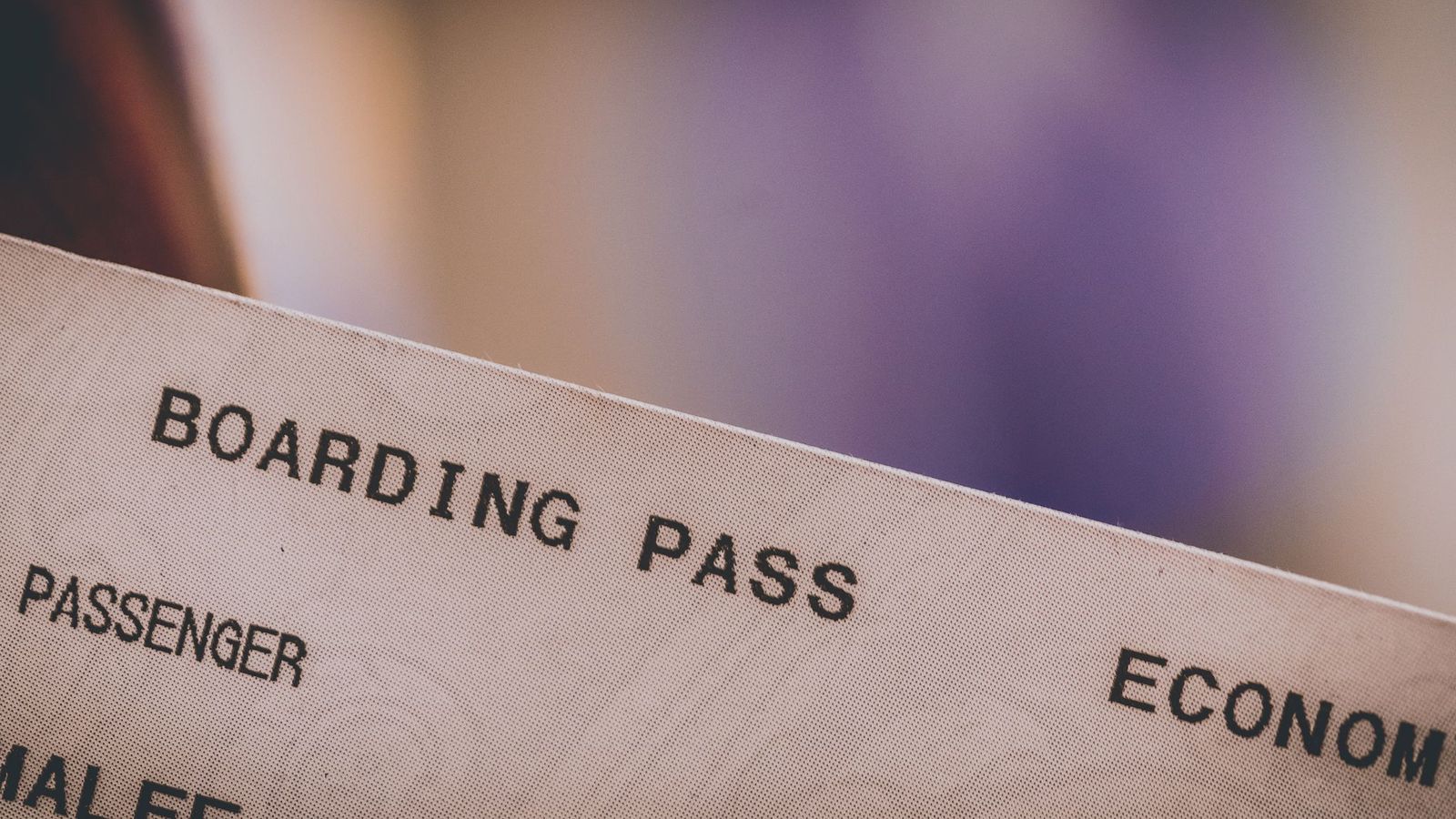
Have you ever noticed a strange "SSSS" code on your boarding pass? Perhaps you saw it the same day you were pulled aside for an extra security check before boarding. That’s no coincidence.
It stands for "Secondary Security Screening Selection". It’s a designation placed on some boarding passes by security authorities, such as the TSA, indicating that the passenger has been selected for additional screening, which can include a pat-down, baggage inspection, or explosive-residue swab. But seeing SSSS doesn’t necessarily mean there’s anything suspicious. Passengers can be selected based on certain travel or booking criteria, but they may also be chosen at random. If you see SSSS on your boarding pass, give yourself an extra 30 to 45 minutes, since the additional screening can take more time.
B.C. and A.D./ B.C.E. and C.E. (dates)

In countless history books, timelines, and educational materials, we see the abbreviations B.C. and A.D., or their modern alternatives, B.C.E. and C.E. But why do we use them, and why are there two versions?
We use these abbreviations to date historical events, counting years backward before the traditional birth of Jesus and forward after it. B.C. means "Before Christ," while A.D. stands for Anno Domini, a Latin phrase meaning "in the year of our Lord." The modern alternatives use more secular language: B.C.E. means "Before the Common Era," and C.E. means "Common Era." Both systems use the same year numbers and the same calendar points; the difference is simply whether the terminology has an explicitly Christian reference.
ZIP (mailing addresses)

At the end of a U.S. mailing address, right after the city and state, we have the familiar ZIP Code. We’ve been using it for decades, but many people still don’t know exactly what those three letters stand for.
"ZIP" stands for "Zoning Improvement Plan." The U.S. Postal Service introduced the system in 1963 as mail volumes continued to rise, making faster, more efficient processing more and more important. These codes divided the country into geographic areas, giving postal workers a more organized way to sort and deliver mail. They also became an important part of the Postal Service’s growing use of automated sorting machines, helping mail literally "zip" through the system.
CC and BCC (emails)
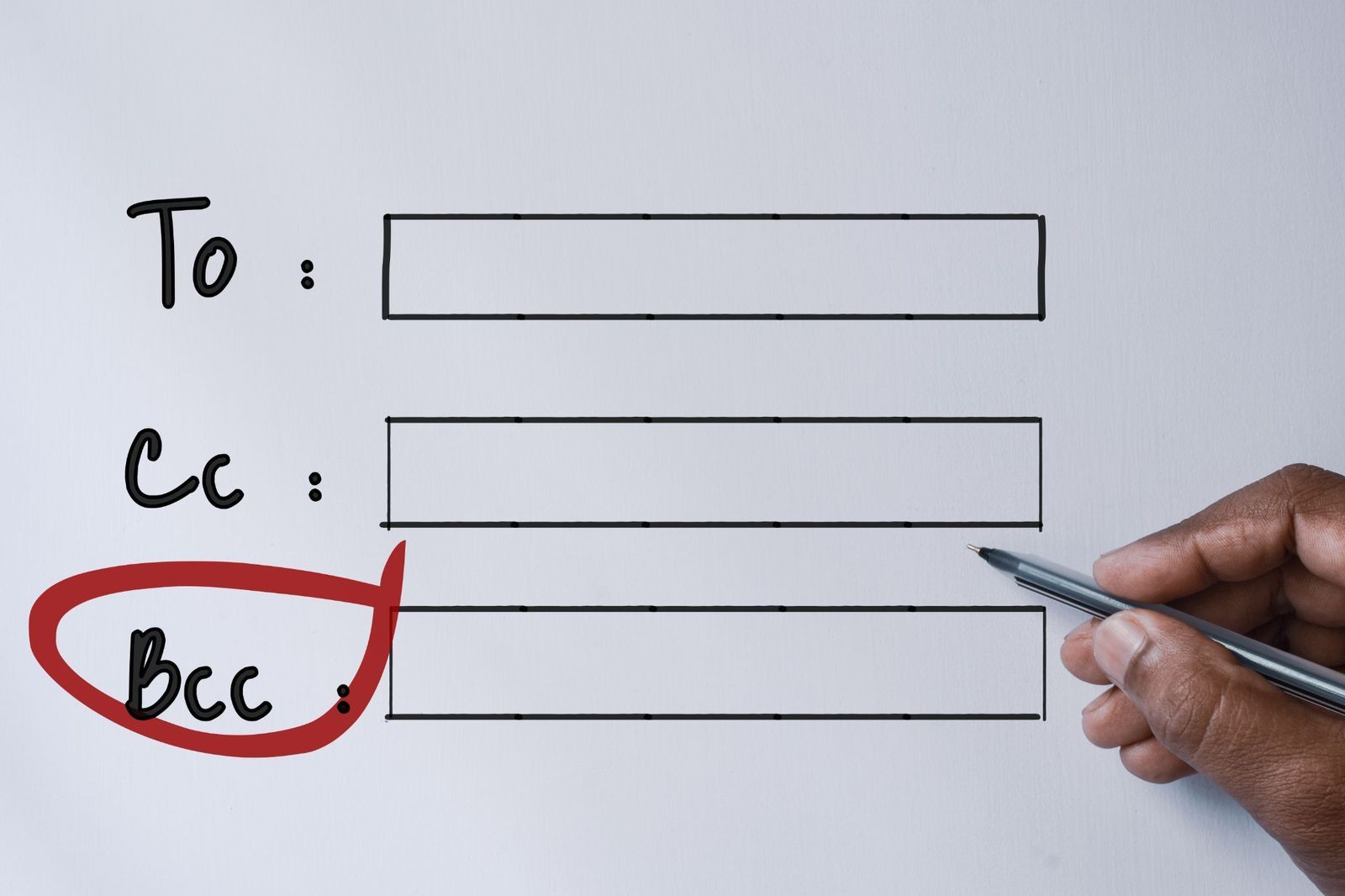
Have you noticed that whenever you forward an email, the abbreviations CC and BCC are right there? These familiar letters actually come from a time long before email.
CC stands for "Carbon Copy" and means other recipients can receive a copy while their addresses remain visible. BCC, or "Blind Carbon Copy," also sends a copy, but hides the recipient’s address from everyone else. The terms date back to the days of typewriters and carbon paper, which allowed people to make duplicate copies of a letter as they typed. A "CC" notation showed who else received a copy, while a "BCC", or blind copy, kept that additional recipient in secret.
P.S. (letters and emails)

"P.S." is undoubtedly one of the most familiar abbreviations used in letters and emails around the world. But do you know exactly what it means and why we use it?
Before computers and smartphones made it easy to edit text, writing a letter by hand meant that forgetting something often meant adding it afterward. "P.S." comes from the Latin post scriptum, meaning "written after." Adding it at the bottom of a letter gave you a simple way to include an extra thought or piece of information without rewriting the entire page.
PIN (debit cards and security)

You’ve probably used your debit card PIN countless times. Most people know theirs by heart, but how many of us actually know what those three letters stand for?
"PIN" stands for Personal Identification Number, a security code used to verify that the person using a card or accessing an account is authorized to do so. It dates back to 1966, when the PIN system was developed as part of efforts to create an automated cash dispenser. The following year, in 1967, the first ATM was introduced for public use. But there’s one small mistake many of us make without realizing it: "PIN number" is redundant, because the "N" already stands for "Number."
e.g. and i.e. (writing and texts)

Whenever we read an explanation or definition, we often come across "e.g." and "i.e.", especially in dictionaries and reference books. They may look similar, but what do those letters actually stand for?
"E.g." is short for the Latin exempli gratia, meaning "for example." On the other hand, "i.e." comes from the Latin id est, meaning "that is" or "in other words." The two are easy to confuse, but they serve different purposes. Use "e.g." when you want to give a few examples of something, such as "I like tropical fruits, e.g., mangoes and pineapples." And "i.e." when you want to clarify or restate exactly what you mean, such as "I am a vegan, i.e., I do not eat any animal-based products."