Less Screens, More Life
Why More People Are Choosing Analog Habits in a Digital-First World
Published on April 7, 2026

Going back to analog life isn’t about rejecting technology altogether: It’s about choosing when to unplug. In a world designed to keep us constantly connected, analog habits offer a refreshing pause. They bring back moments of focus, presence, and intention that often get lost in endless notifications and scrolling. By reintroducing simple, low-tech ways of doing everyday things, we slow our pace and reconnect with ourselves and others. The result isn’t less convenience, but more meaning in how we spend our time.
Writing Things Down by Hand

Putting pen to paper slows your thoughts in a way typing never does. Handwriting forces you to be deliberate, making grocery lists, journals, and to-do notes feel more intentional. Many people find that they remember things better when they physically write them, because the brain engages differently when writing than it does with screens.
Beyond memory, handwritten notes create a personal archive of your life. Smudges, crossed-out words, and margin doodles capture moments exactly as they happened. Years later, flipping through an old notebook feels more intimate than scrolling through a notes app ever could.
Listening to Music Without Algorithms
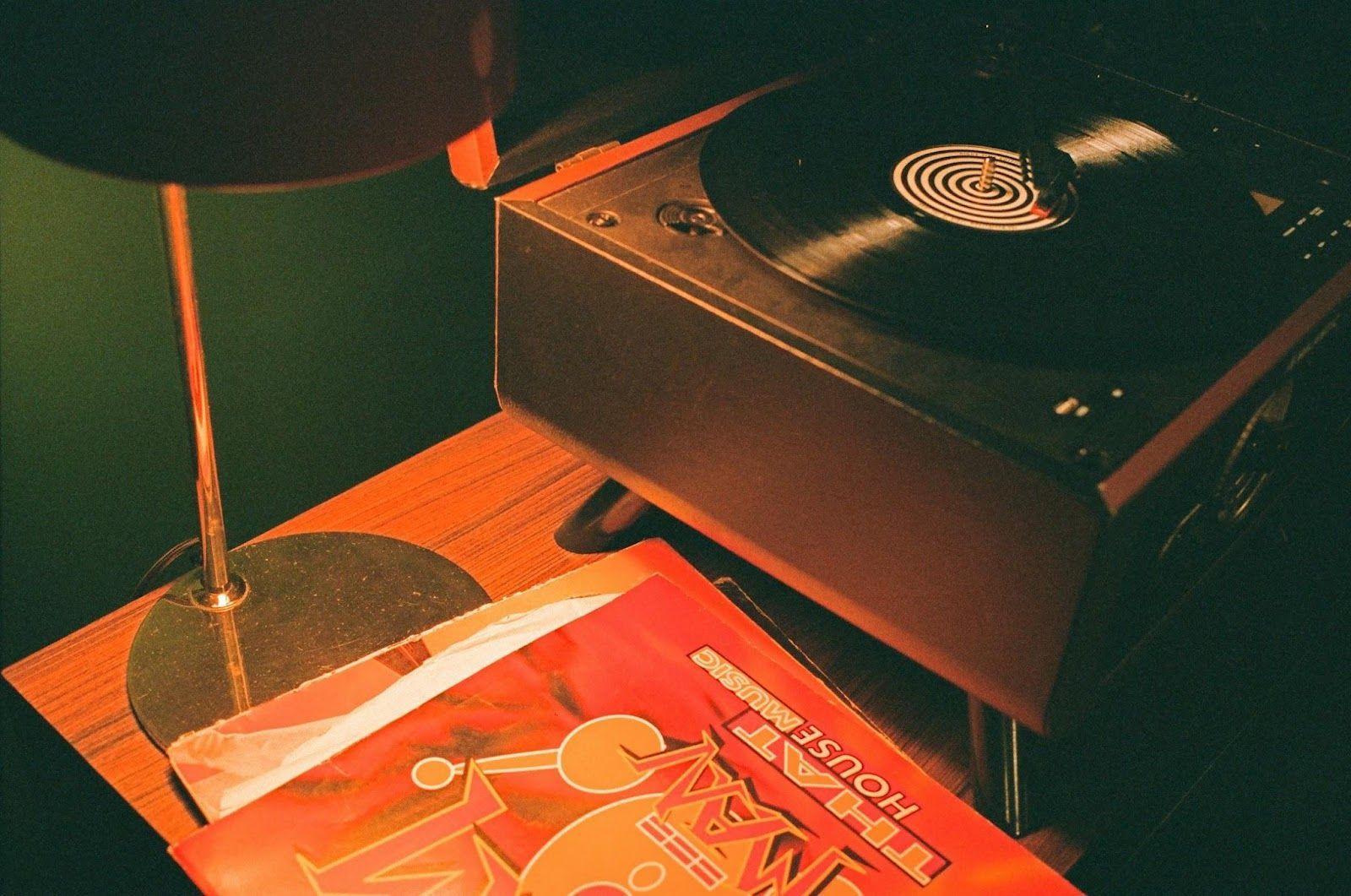
Relying on physical media involves choosing what you listen to, rather than letting an algorithm make the decision for you. Whether it’s vinyl records, cassette tapes, or even CDs, the act of selecting music becomes part of the experience. You commit to an album and listen all the way through, not just to one track.
This kind of listening encourages patience and deeper appreciation. Instead of skipping after 15 seconds, you give songs time to grow on you. Music becomes a ritual rather than background noise, something you actively sit down and enjoy.
Reading Physical Books

Physical books offer a sensory experience that screens can’t replicate. The weight of the book, the texture of the pages, and even the smell of paper all contribute to the act of reading. Without notifications or pop-ups, it’s easier to stay immersed in the story.
There’s also a sense of progress that comes from seeing a bookmark move forward. Finished books become visible accomplishments on a shelf, serving as reminders of ideas and worlds you’ve explored rather than files buried in a digital library.
Using a Paper Calendar
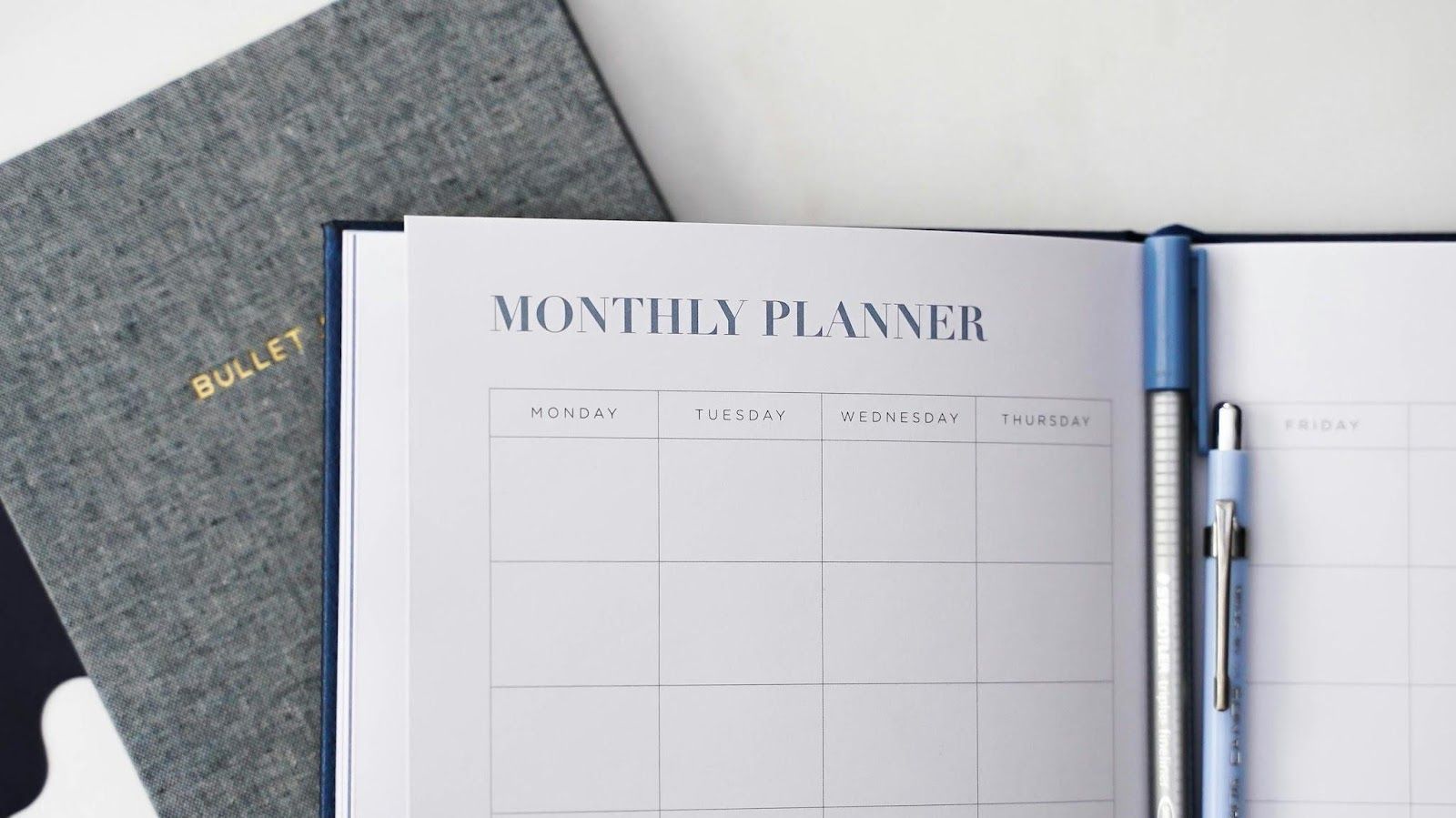
A paper calendar makes time feel tangible again. Writing down appointments and plans helps you visualize your weeks and months more clearly. You can see busy periods at a glance without needing to toggle between apps or views.
Crossing off completed days or events brings a quiet satisfaction. It also encourages realistic scheduling, since you can physically see when you’re overbooking yourself instead of relying on endless digital space.
Navigating Without GPS

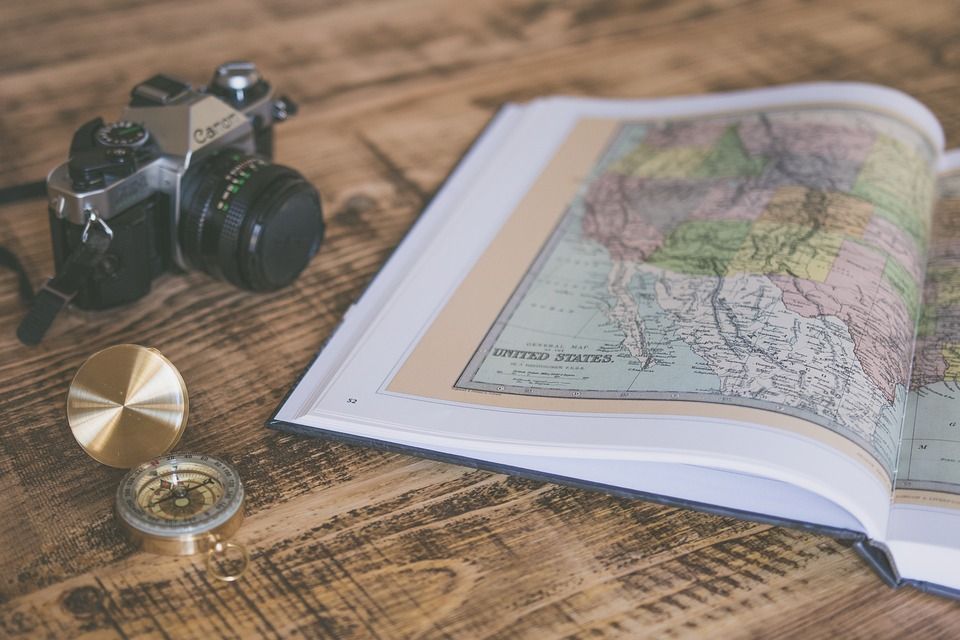
Reading a paper map or relying on written directions reconnects you with your surroundings. Instead of following turn-by-turn instructions, you learn to understand the layout of a place and notice landmarks along the way.
This approach can make travel feel more adventurous. Getting slightly lost often leads to unexpected discoveries, turning routine trips into small explorations rather than optimized routes from point A to point B.
Taking Film Photos

Film photography encourages thoughtfulness. With a limited number of exposures, each photo matters more, and you pause before pressing the shutter. This often results in more meaningful images rather than dozens of forgettable shots.
Waiting for the film to be developed adds anticipation. When you finally see the photos, they feel like moments recovered from the past rather than instant content meant for immediate sharing.
Doing Tasks One at a Time

Multitasking, while time-efficient, can make us disconnected from the task at hand. Washing dishes without a podcast, cooking without checking messages, or walking without earbuds allows your mind to settle into the moment.
These quiet stretches can be surprisingly restorative. Without constant stimulation, your thoughts have room to wander, problem-solve, or simply rest, creating mental space that’s rare in a screen-filled day.
Playing Board Games and Puzzles
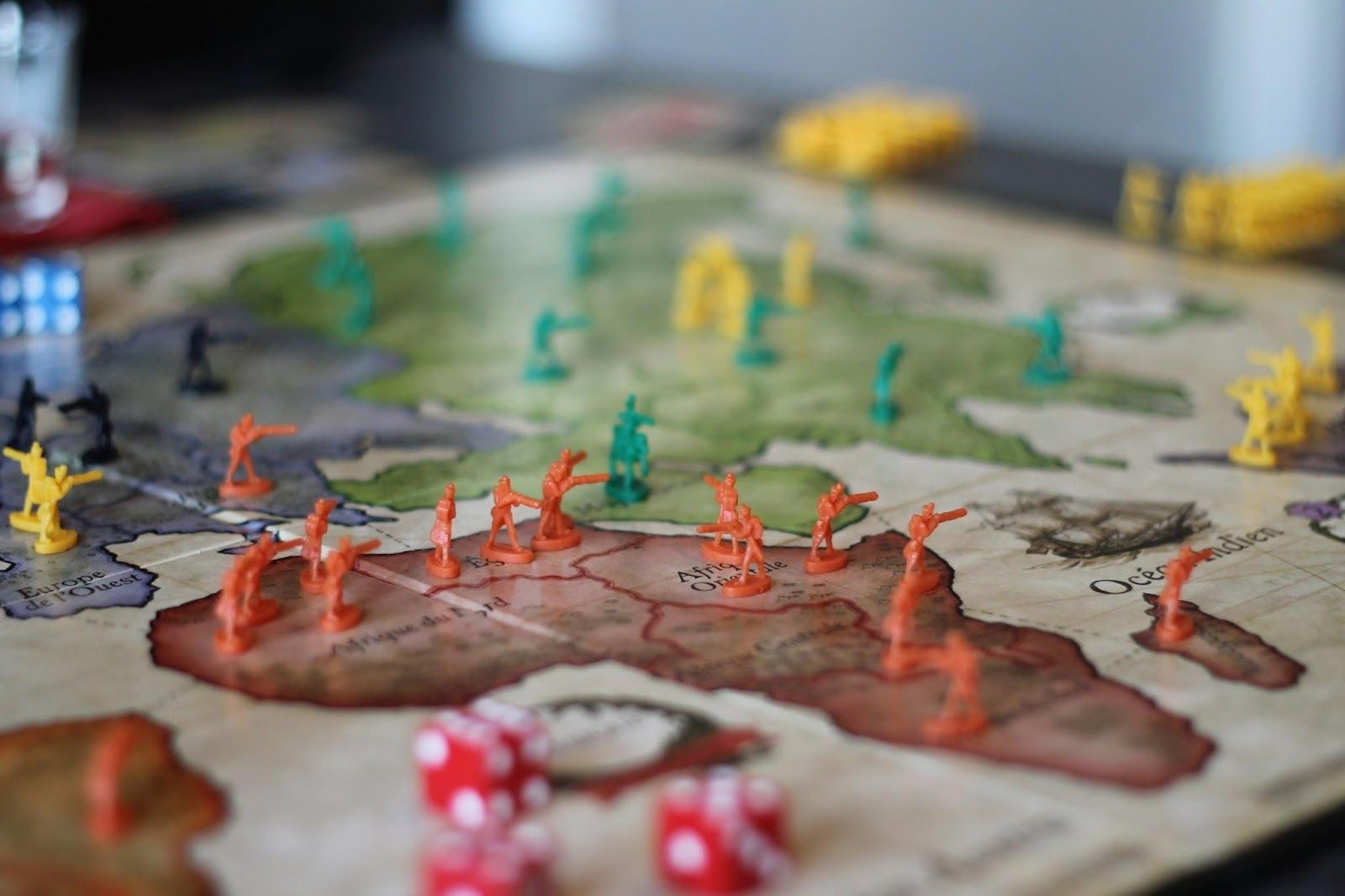
Board games and puzzles bring people together in a shared physical space. There’s no screen dividing attention, only conversation, laughter, and friendly competition around a table.
They also teach patience and cooperation. Unlike fast-paced digital games, analog games unfold slowly, encouraging strategy, discussion, and genuine connection with others.
Keeping Physical Mementos
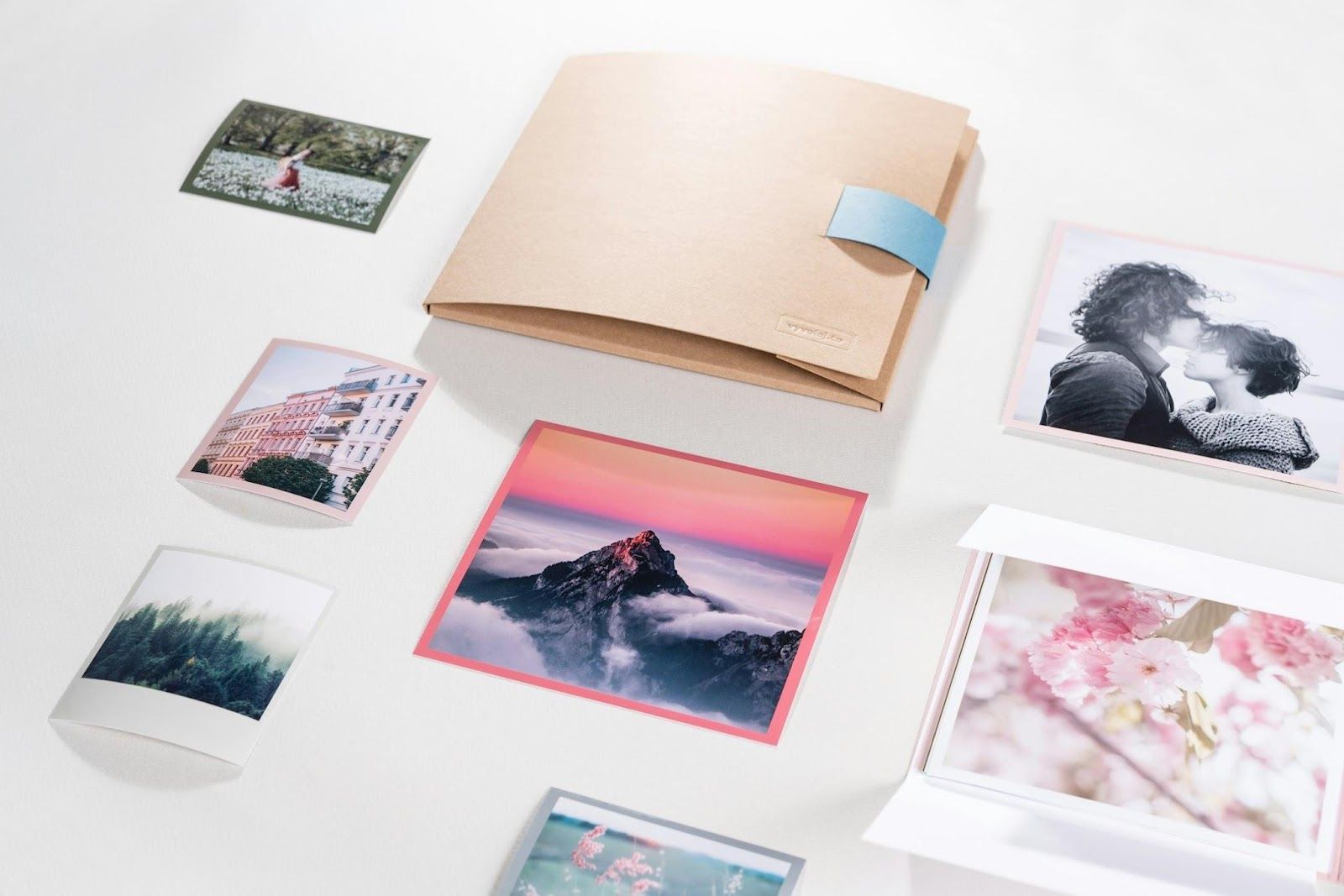
Ticket stubs, postcards, pressed flowers, and printed photos tell personal stories. These small objects become memory anchors, instantly transporting you back to a specific time and place.
Unlike digital files, physical mementos are discovered accidentally. Finding one tucked into a drawer or book can spark nostalgia in a way a curated digital album rarely does.
Embracing Slower Evenings
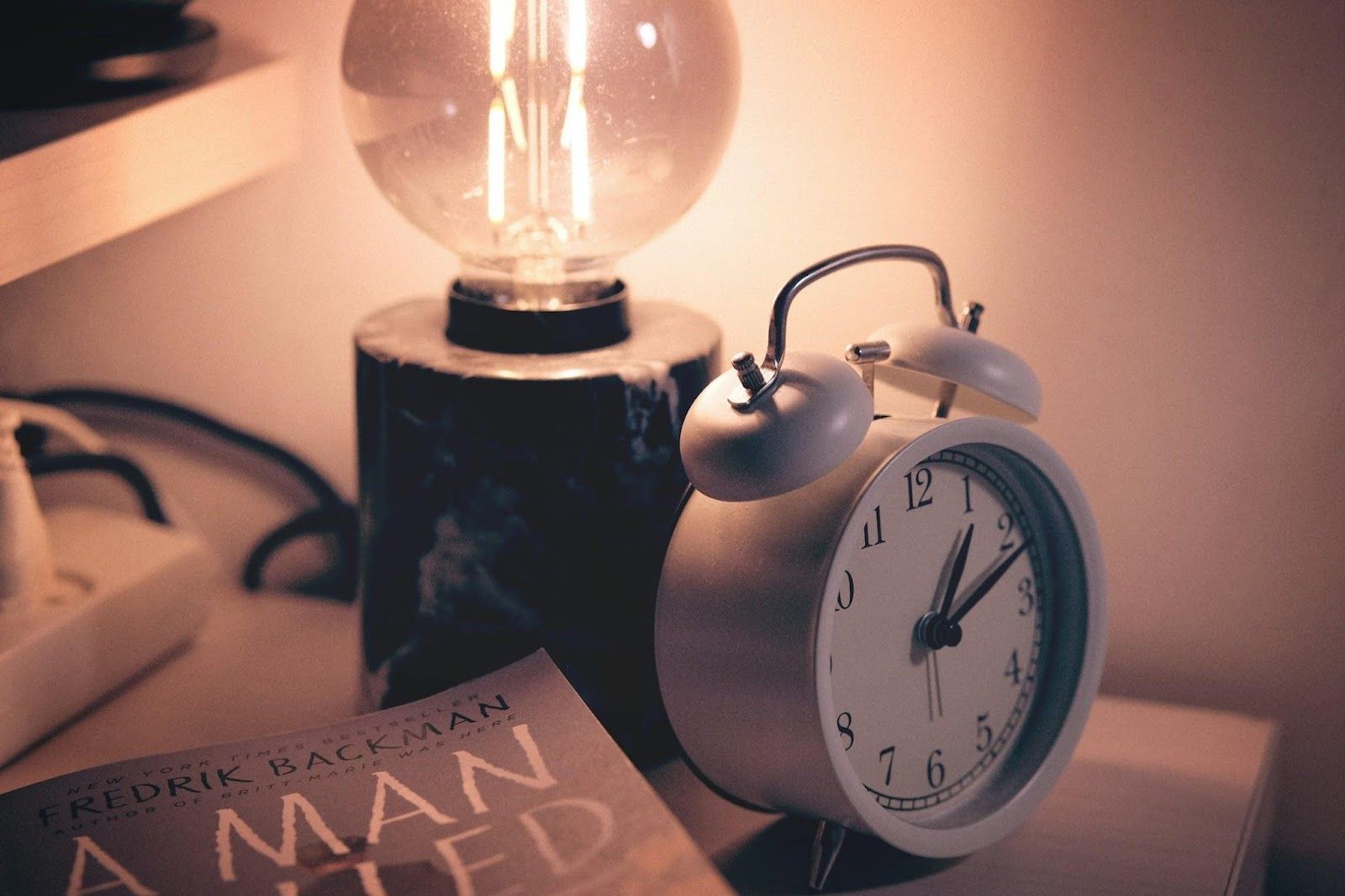
Analog evenings might mean dimmer lights, quiet music, or simply sitting without a screen. These slower nights help signal to your body that it’s time to wind down.
Over time, this rhythm can improve sleep and overall well-being. By ending the day without endless scrolling, you create space for reflection, conversation, or rest, simple habits that make life feel fuller and more grounded.