From service to speech

Why do we say "Got your six"? The answer may surprise you


Published on November 19, 2026
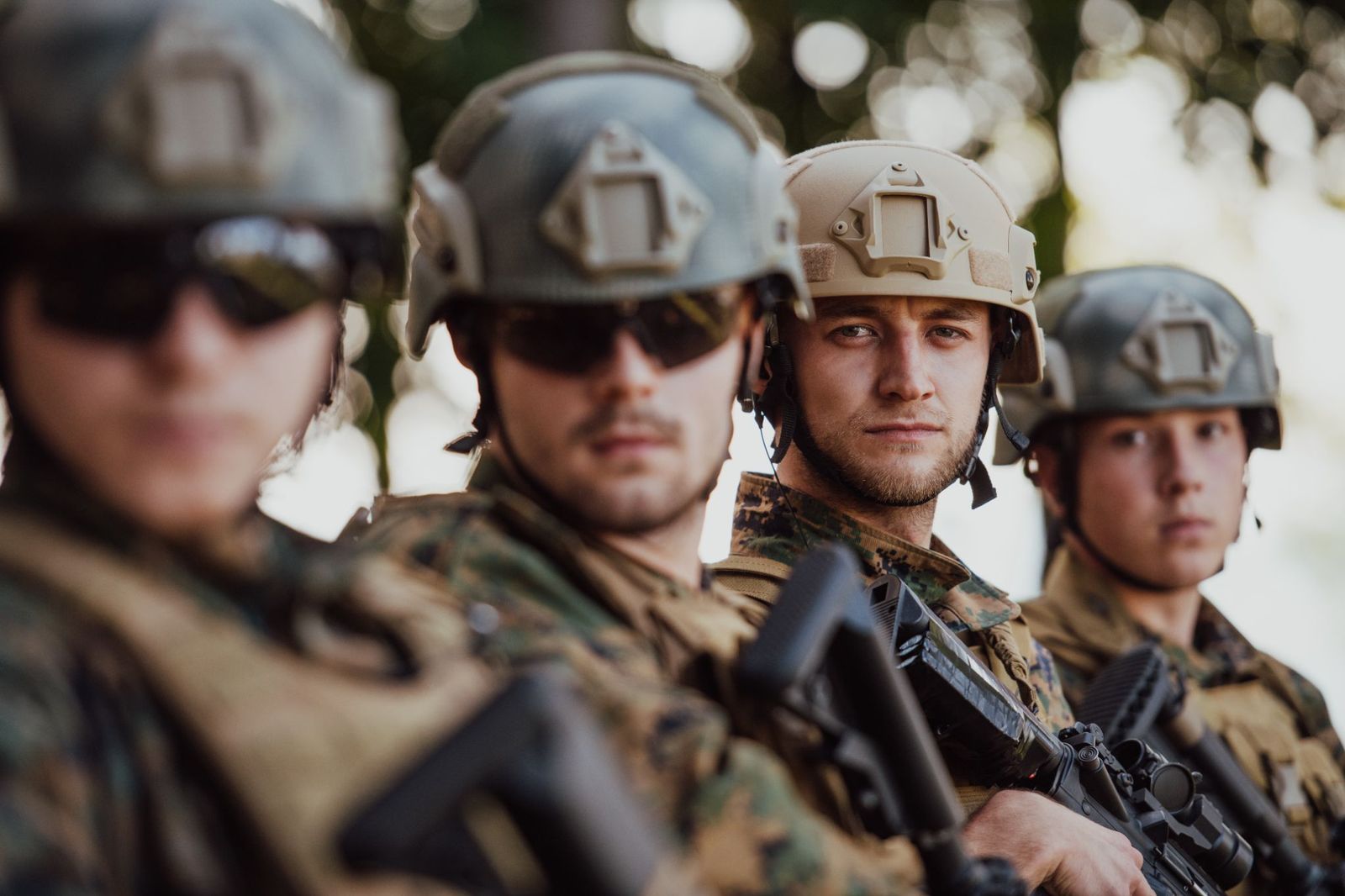

Image: dotshock

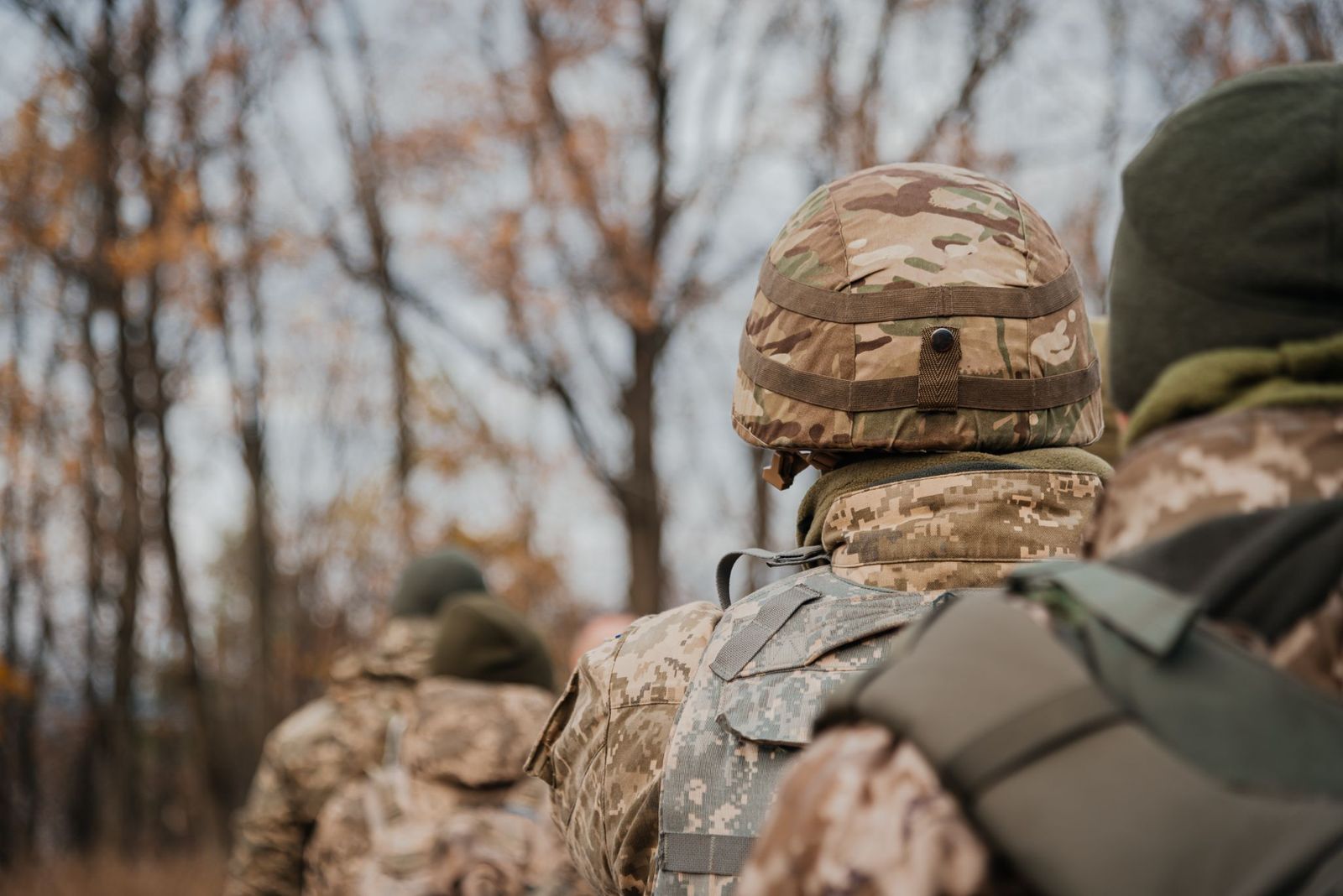
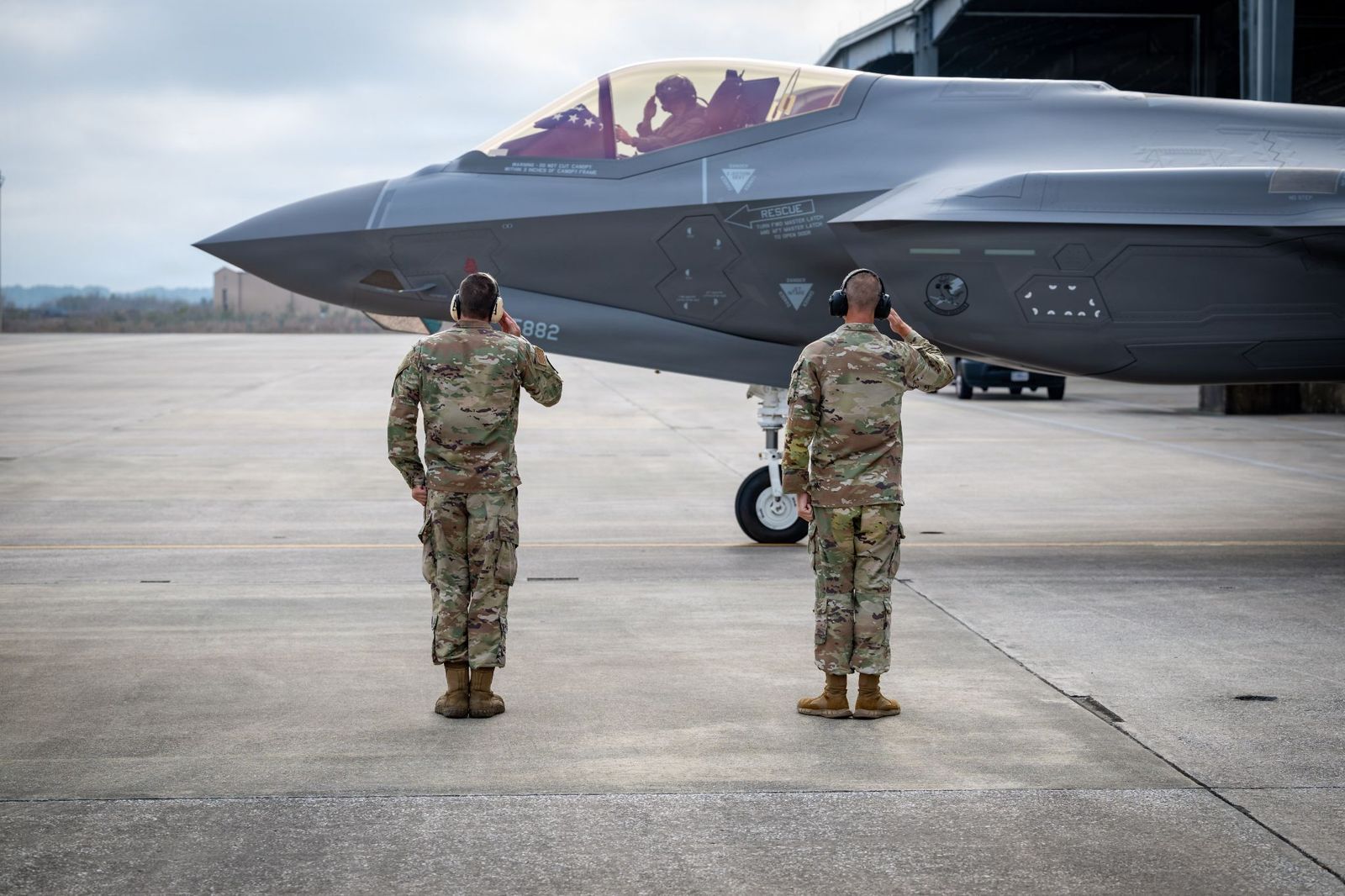
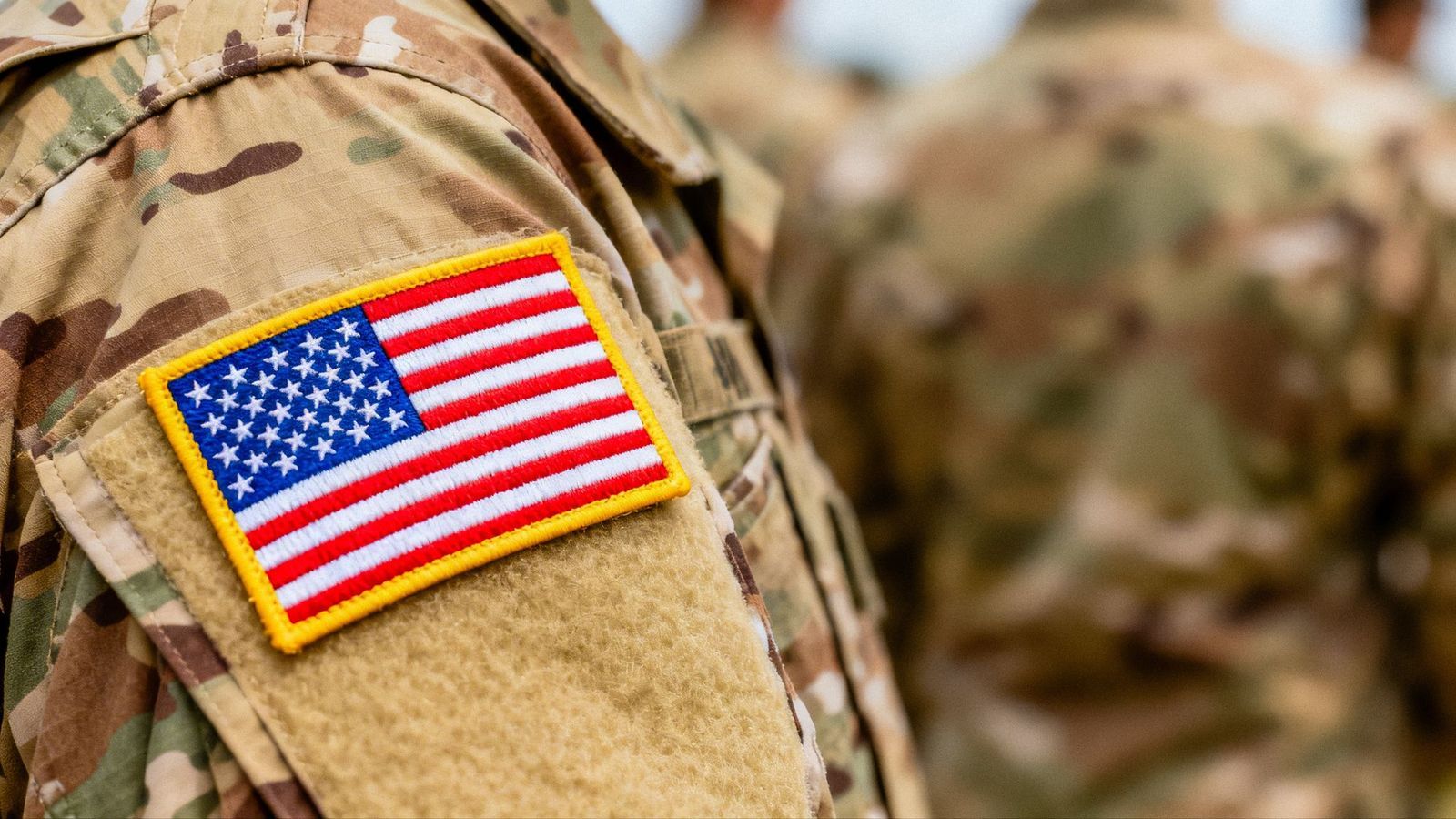
What do bullets, fighter pilots, and midnight missions have in common? They all help explain expressions we still use today. From "got your six" to "bite the bullet" and "zero dark thirty," these 10 familiar sayings reveal the surprising military history behind everyday American English. Ready to go "in the trenches" and find out what they mean?

1

Got your six

Image: charnsitr

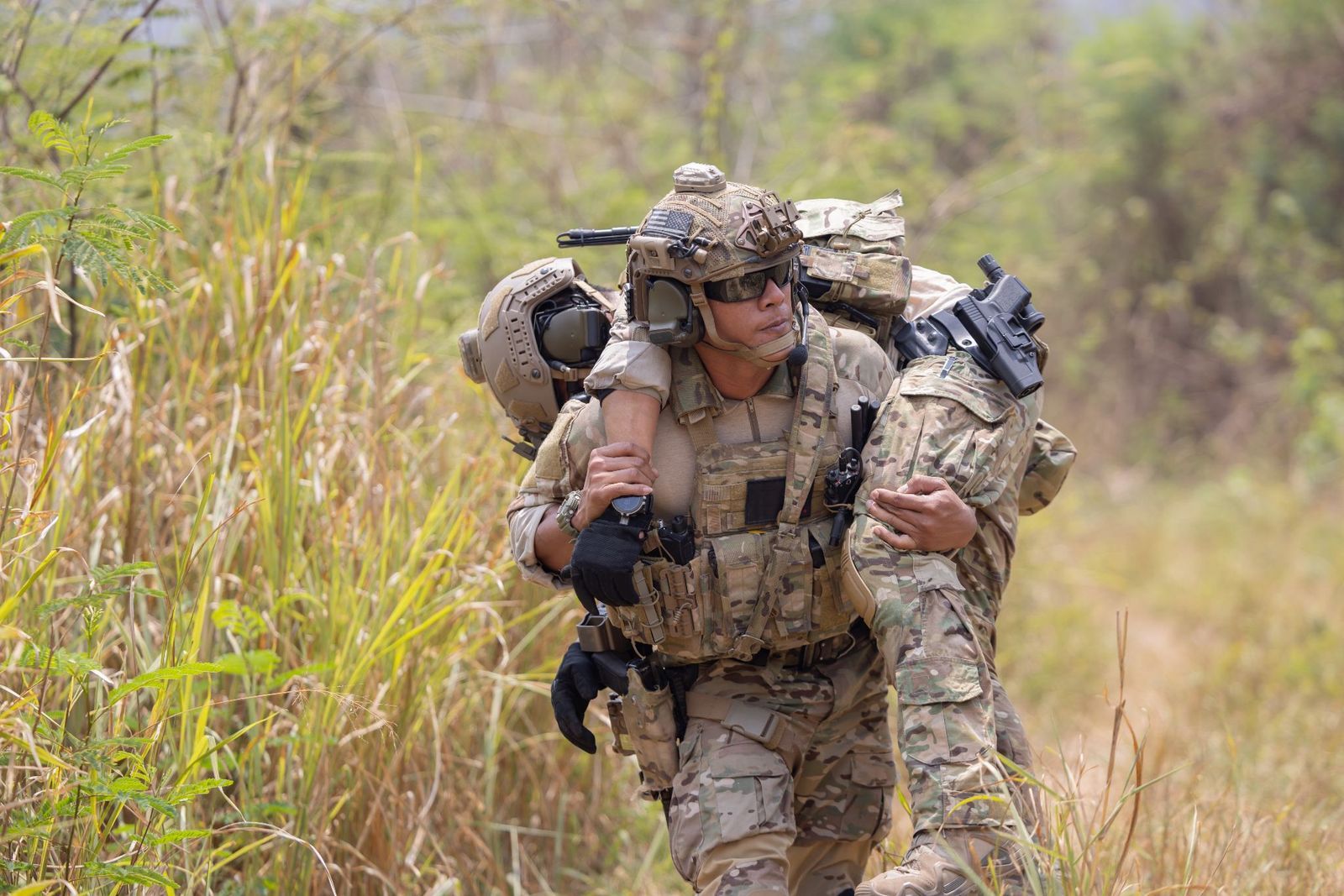
Picture being a soldier on the battlefield, with an enemy approaching from behind. You’d want someone watching your six. The phrase means having someone’s back or looking out for their safety. It comes from using a clock face to indicate direction: 12 o’clock is straight ahead, and 6 o’clock is directly behind.

The expression is commonly traced to World War I fighter pilots, who faced a serious threat from enemy aircraft approaching from their blind spot. Today, saying someone has "your six" or telling someone to "watch your six" means protecting them or staying alert to potential dangers.

2

Bite the bullet

Image: New Africa

Think back to a hard moment when you had to tackle a challenge head-on. To "bite the bullet" means to face a difficult situation, pain, or an unavoidable task with courage and grit rather than putting it off.

One popular explanation links the expression to 19th-century battlefield surgery. Before modern anesthesia was widely available, patients sometimes had to endure painful procedures with little or no effective pain relief. The familiar story that they were given bullets to bite down on is often repeated, although the exact origin of the expression remains uncertain.

3

Roger that

Image: Pressmaster

Chances are, you’ve probably said this at one point or another, maybe even as a kid playing with walkie-talkies: "Roger that." It means the message has been received and acknowledged.

The expression grew out of military and aviation radio communications. In early radio procedures, "Roger" represented the letter R, which was used to indicate that a message had been delivered. Using a word instead of a single letter helped reduce confusion over noisy radio transmissions. Although "Romeo" replaced "Roger" for the letter R in the international phonetic alphabet adopted in 1956, "Roger that" remained in use as a familiar way to acknowledge a message. And today, it has become part of everyday conversation.

4

Zero dark thirty

Image: Dmitri T

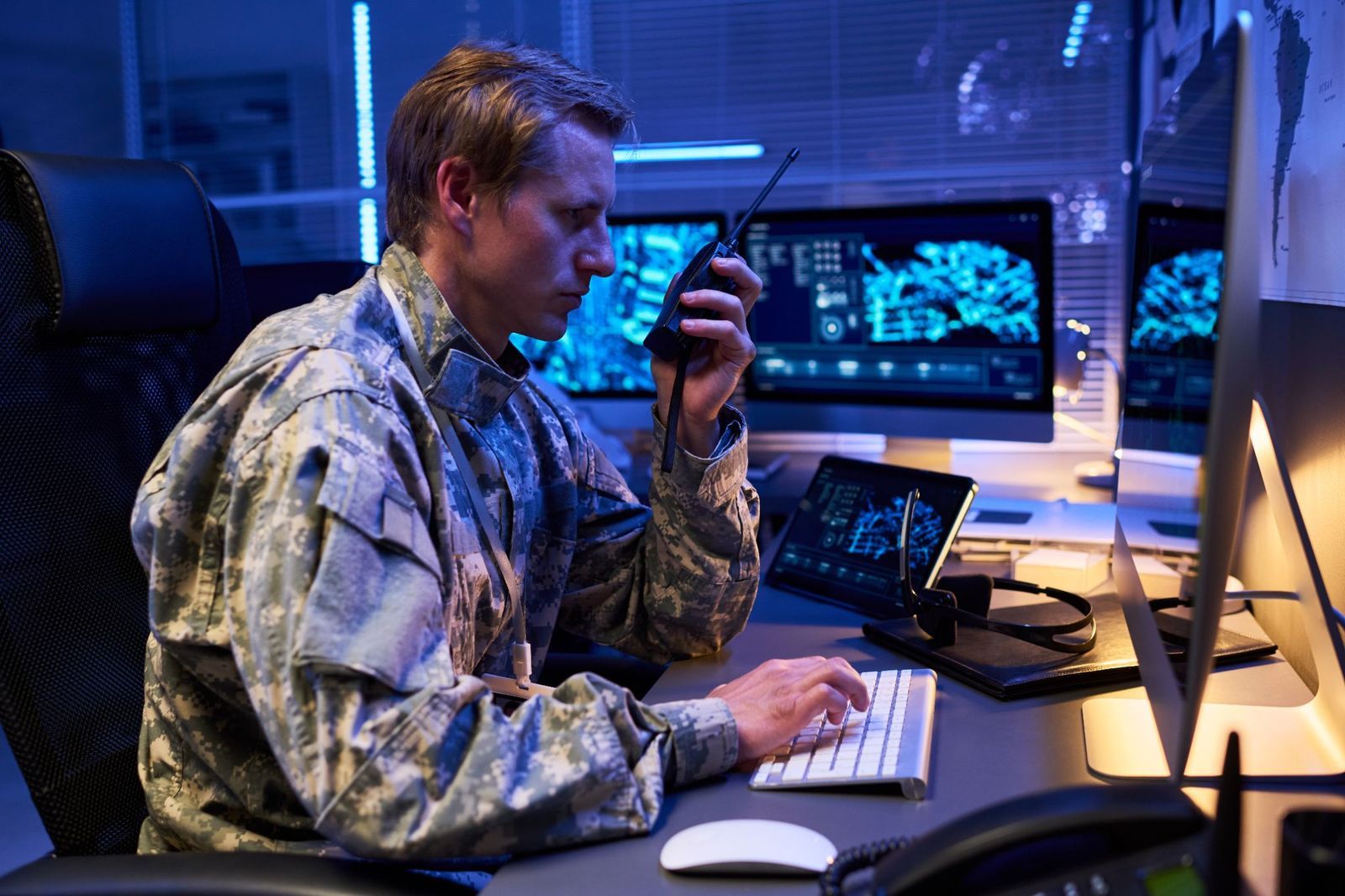
It’s pitch dark outside, but you’re already expected to report for duty. In military slang, that’s "zero dark thirty." This expression refers to an unspecified, very early hour, typically before sunrise. It’s often used humorously to describe an early-morning wake-up call or a mission that begins long before daylight.

The expression plays on the 24-hour clock, in which times such as 0530 are read as "oh-five-thirty." Replacing the numbers with "dark" emphasizes that it’s still nighttime. The variant "O-dark-thirty" has long been associated with military slang. The phrase later reached a wider audience through the 2012 film Zero Dark Thirty, which dramatized the hunt for Osama bin Laden.

5

In the trenches

Image: John Gomez

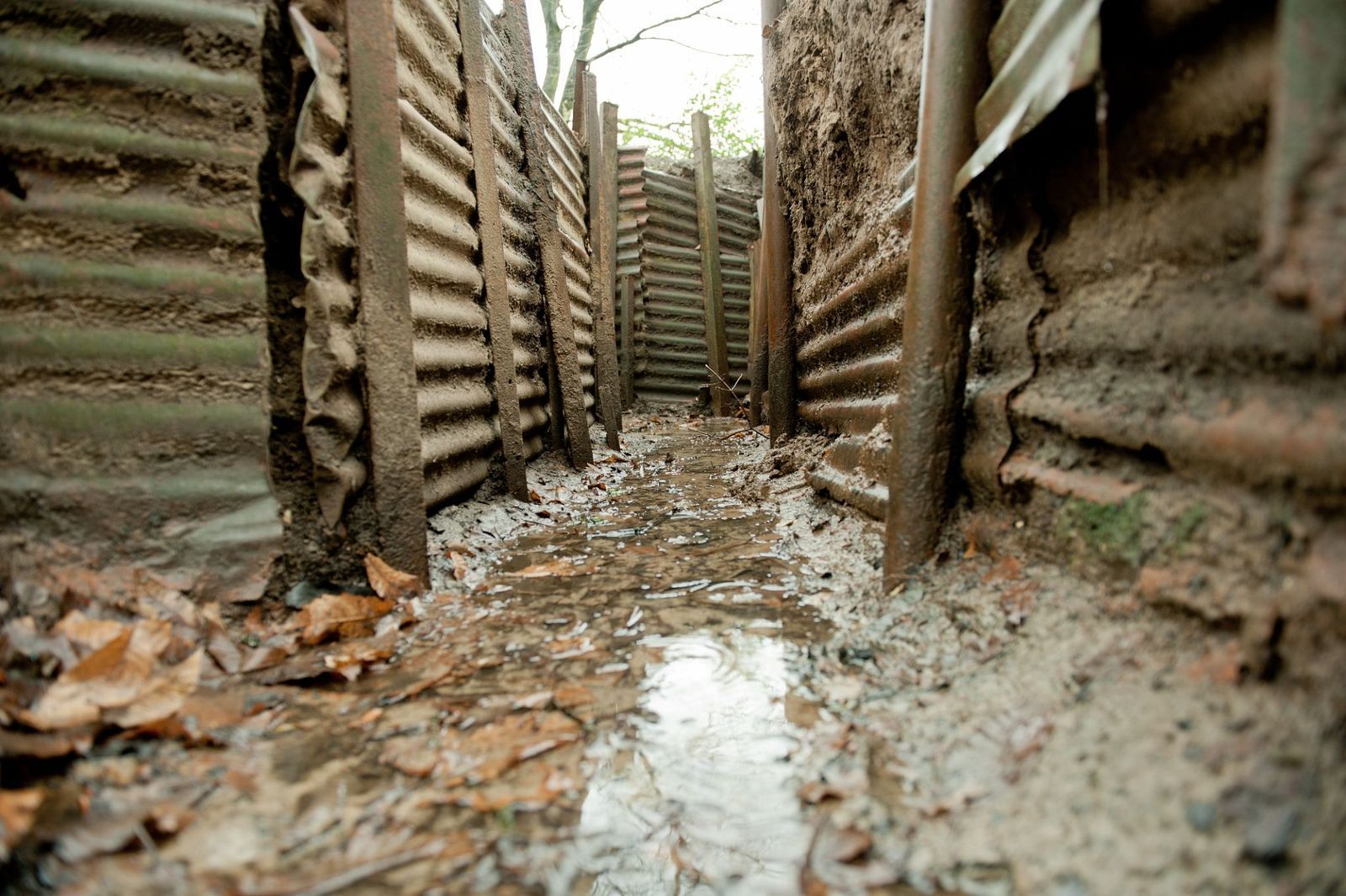
This is one of the most recognizable expressions with military roots. Being "in the trenches" means doing hard, hands-on, and often grueling daily work right where the action or struggle is taking place.

The phrase became especially associated with World War I. Soldiers literally lived, fought, and survived inside deep, muddy trenches on the front lines of brutal combat. The expression came to evoke the unglamorous, high-stress reality of warfare, far from the relative safety of command posts. Today, it is also used to describe people doing the difficult, practical work of a job or cause.

6

Voluntold

Image: Madonova

Your boss announces that you’ve volunteered to take on an extra shift, even though you never offered. That’s being "voluntold", being assigned a task as though you’d volunteered, even though you never agreed to it. The word combines "volunteer" and "told".

The term is often associated with military life, but it has also spread to civilian workplaces, churches, and volunteer groups. The related verb "voluntell" means to assign someone a task under the guise of asking for volunteers.

7

On the double

Image: Faizinraz

When something needs to happen right away, this is the expression to use. "On the double" means to do something very quickly, or without delay.

The expression comes from the military command "double time," which tells troops to move at a faster pace than a normal march. Military drill manuals describe double-time marching at around 180 steps per minute. Today, "on the double" is used outside the armed forces whenever someone wants a task finished immediately or expects a rapid response, whether it’s an urgent work assignment or a request to hurry up.

8

Boots on the ground

Image: Arnoldas Vitkus

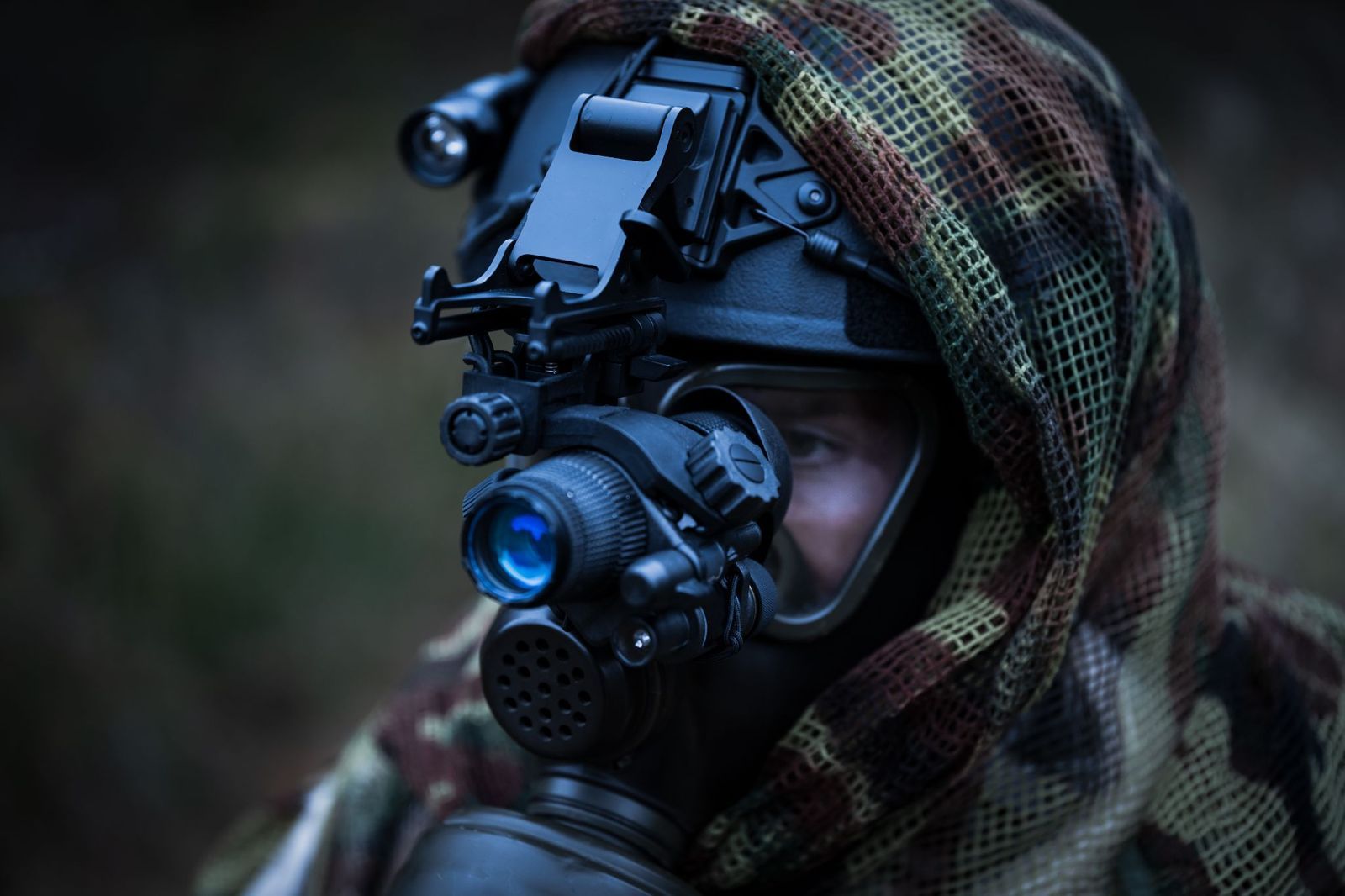
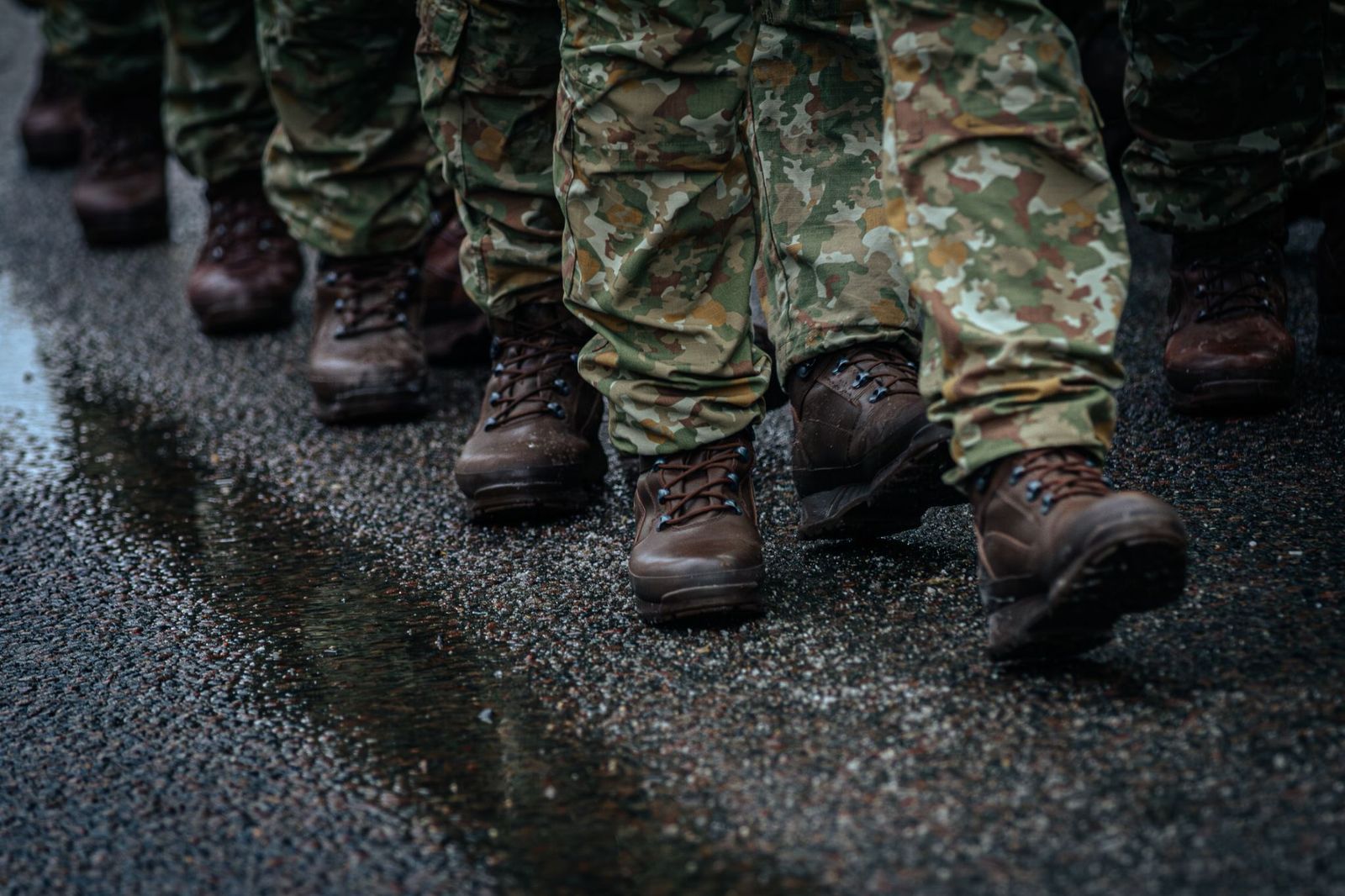
The phrase might sound like it refers to footwear, but its meaning goes far beyond boots themselves. Boots on the ground refers to military troops, law enforcement officers, or personnel who are physically present in a specific location and actively participating in an operation or mission

The phrase uses "boots" as shorthand for the people wearing them, particularly ground troops. One of the earliest documented uses of the exact phrase appeared in 1980, when U.S. Army Gen. Volney Warner used it while discussing the Iranian hostage crisis. Similar expressions, such as "feet on the ground," appeared earlier. The idiom has since expanded far beyond the military into business, politics, and disaster relief, where it means having people physically present to do the work.

9

Standard operating procedure

Image: NK_Studio.TH

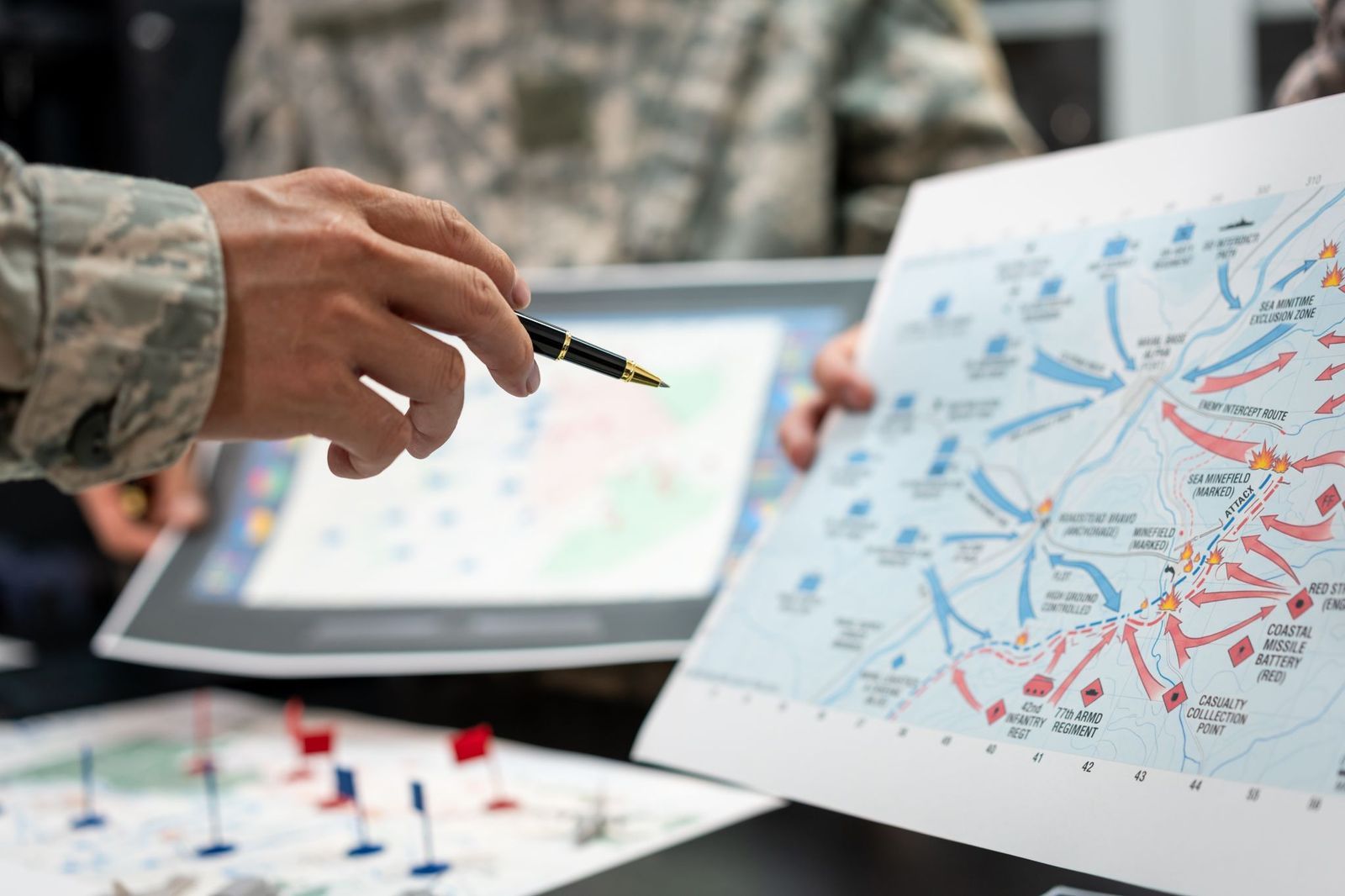
Ever wonder how military personnel know exactly what to do in a particular situation? A standard operating procedure, or SOP, provides written instructions for carrying out a task or process consistently. The term is widely used in the military, government, health care, manufacturing, and business.

An SOP lays out the steps people should follow to complete a task safely and consistently. Although the military is well known for using detailed procedures to coordinate complex operations, the term is not exclusive to the armed forces. Today, organizations of all kinds rely on SOPs to help employees follow established practices and reduce mistakes.

10

Rank and file

Image: GraphinityLab

The expression "rank and file" refers to the ordinary members, workers, or foot soldiers of a group or organization, as distinct from its leaders. The phrase comes from the physical way troops lined up in military formations.

A rank refers to the soldiers standing side-by-side in a horizontal row, while a file refers to the soldiers standing one behind the other in a vertical column. Together, the terms describe the people who make up the body of a formation rather than those in command. The expression dates back to at least the 16th century and appears in early literature, including William Shakespeare’s Henry V, written around 1599.

Heists and hustles: 10 infamous crimes that shocked the world


Published on November 19, 2026


Image: Tima Miroshnichenko

People have always been drawn to stories of the impossible, and few tales spark more fascination than a daring heist. There’s something thrilling about the idea of guards, locks, and vaults being outwitted by clever minds with even stranger plans. Sometimes it’s a priceless masterpiece disappearing in broad daylight, other times it’s something as unexpected as maple syrup. From the ingenious to the downright bizarre, history is filled with thefts that sound more like adventure novels than real life. Let’s step into the shadows and explore some of the most astonishing heists ever carried out.

1

The disappearance of Mona Lisa

Image: The Free Birds

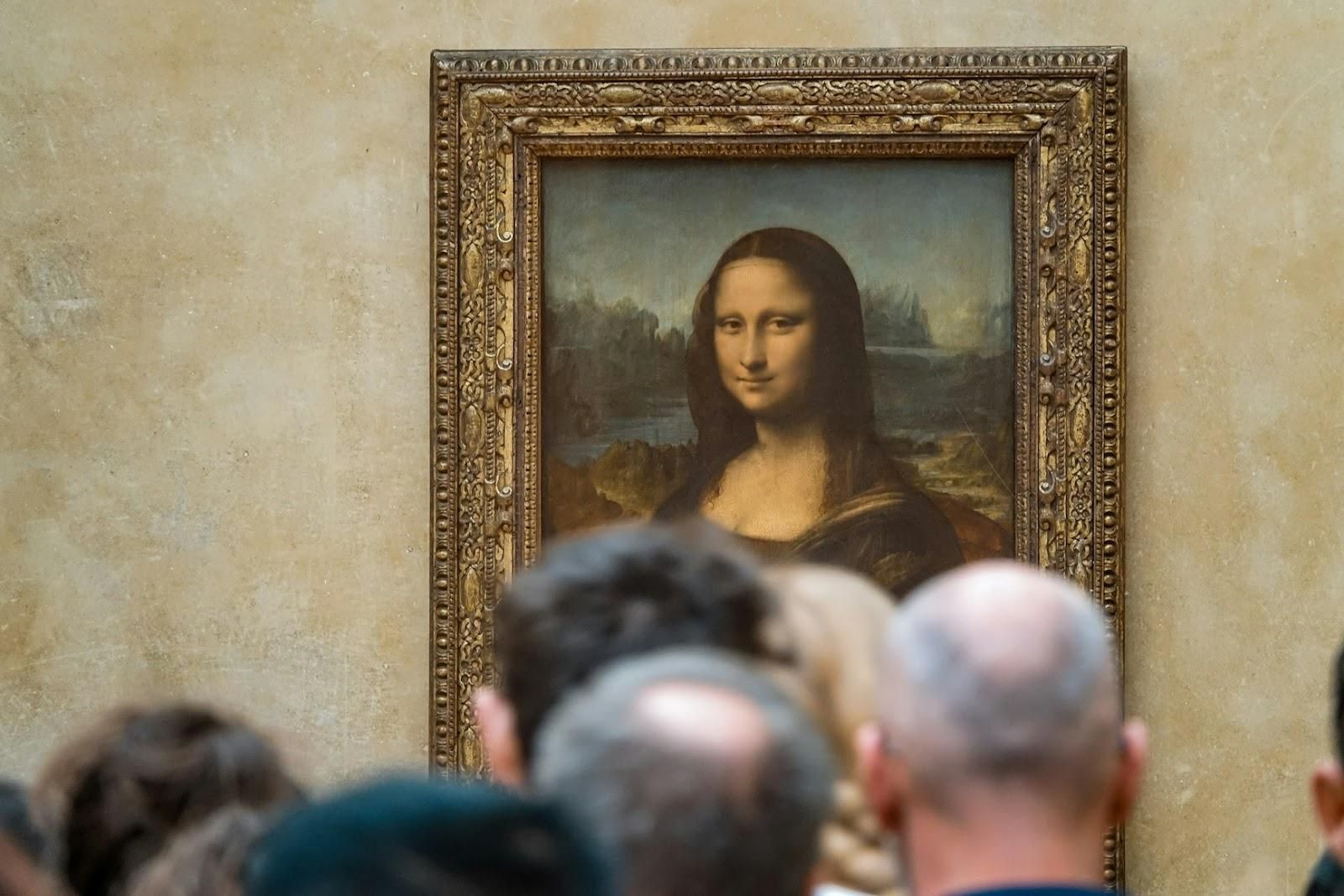
Before she became the ultimate symbol of art itself, the Mona Lisa pulled off a vanishing act worthy of a magician. In 1911, a sneaky handyman slipped into the Louvre, spent the night hidden among the galleries, and the next morning walked out with Leonardo’s masterpiece tucked under his arm.

Paris was stunned. For two long years, all that remained was a blank space on the wall—and strangely enough, people flocked to the museum just to stare at the absence. When the painting finally resurfaced, the heist had transformed it from a celebrated portrait into a global icon, proving that sometimes disappearing from the public eye can make something even more valuable.

2

Antwerp diamond heist

Image: Prahant Designing Studio

In the heart of Antwerp’s diamond district in Belgium sat a vault so secure it was considered untouchable. Motion detectors, magnetic locks, heat sensors—every layer was designed like a fortress of light and steel. Yet in 2003, a band of thieves slipped past it all as if stepping through lace.

The robbers picked the locks with surgical precision, tricked cameras with clever decoys, and even masked their body heat to fool the sensors. By the time the heist was discovered, more than $100 million in diamonds and jewels had vanished into the night. What makes the story legendary is that most of the treasure has never resurfaced, leaving the world to wonder how the "heist of the century" was pulled off so cleanly.

3

The Great Train Robbery of 1963

Image: Tanya Barrow

Picture this: a moonlit night in the quiet English countryside, the steady rhythm of a Royal Mail train echoing through the dark. Suddenly, the train screeches to a halt—robbers in masks have stopped it dead in its tracks. Inside, sacks stuffed with banknotes are waiting to be claimed. The gang managed to escape with £2.6 million—worth about £73.7 million today—, a sum that was never recovered.

Although they were captured a short time later, the audacity of the crime captured the world’s imagination, inspiring headlines, numerous books, and films. Even decades later, the Great Train Robbery of 1963 feels less like history and more like the plot of a thrilling adventure novel.

4

D. B. Cooper and the missing ransom

Image: Jamie Davies

High above the clouds, a mystery took flight. In 1971, a calm, neatly dressed passenger who gave the name D. B. Cooper handed a note to a flight attendant—he was hijacking the plane. His demands were unusual yet precise: $200,000 in small bills and four parachutes.

Once the ransom was delivered, the Boeing 727 lifted off again into a stormy night over the Pacific Northwest. Then came the moment that turned him into a legend: Cooper opened the rear stairway and leapt into the darkness, vanishing into the wind and rain. No trace of him—or the cash—was ever found. Decades later, his daring escape remains America’s favorite riddle in the sky.

5

Art theft at the Isabella Stewart Gardner Museum

Image: Eric Tompkins

On a chilly March night in 1990, two men in police uniforms knocked politely on the side door of the Isabella Stewart Gardner Museum in Boston. The guards, thinking it was routine business, let them inside. By the time the sun rose, the museum had been stripped of 13 masterpieces—including works by Rembrandt, Vermeer, and Degas—worth an estimated half a billion dollars.

The strangest detail? The thieves left behind other valuable paintings, choosing their loot with puzzling precision. To this day, the crime remains unsolved, and the museum has kept the empty frames on the walls. Visitors still stop to stare, as if those blank outlines tell a story louder than the art itself: a mystery frozen in time.

6

The Tucker’s Cross theft

Image: Deng Xiang

Legends linger long on island shores, and Bermuda has one that still stirs the imagination. In 1975, the Tucker’s Cross—a 22-karat gold cross set with brilliant emeralds—was stolen from a local museum. The artifact had been pulled from the depths of a centuries-old Spanish shipwreck, a jewel of history as much as of craftsmanship. Its disappearance was swift, its recovery nonexistent. Decades later, no trace has surfaced, ensuring the Tucker’s Cross remains one of the Caribbean’s most enduring unsolved mysteries.

7

The great Canadian maple syrup heist

Image: Matt Barnard

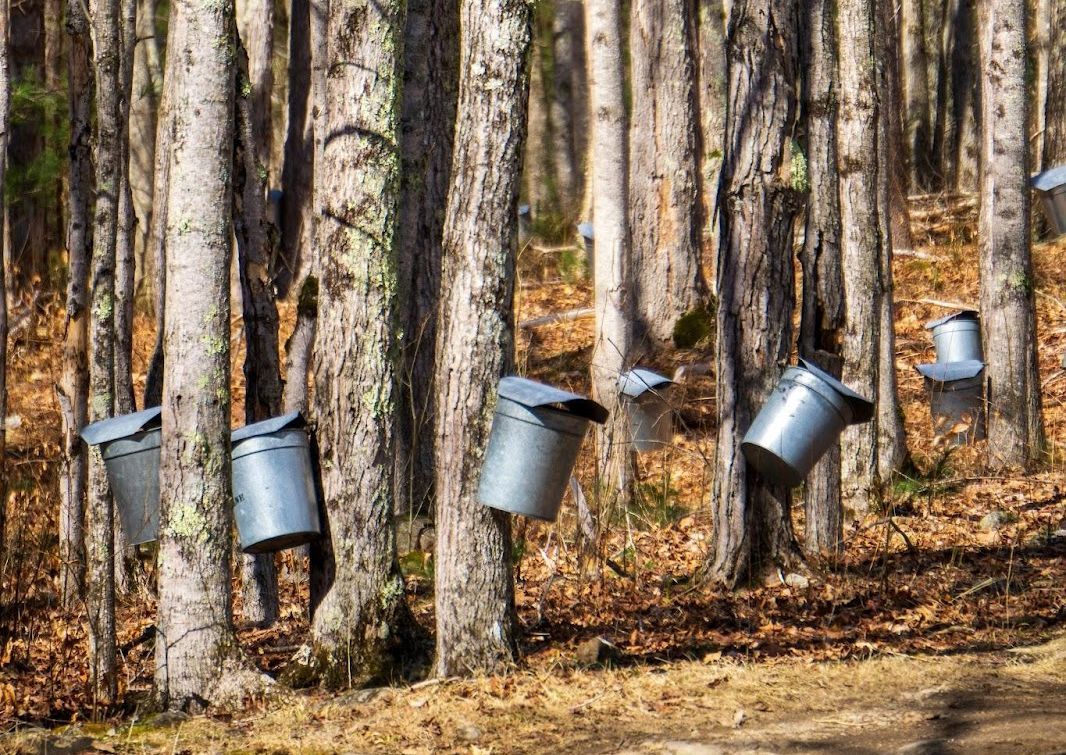
Who says a heist has to be about diamonds and cash? In Quebec, between 2011 and 2012, thieves quietly tapped into a warehouse and siphoned away nearly 3,000 tons of maple syrup—that’s over 6 million pounds of the sticky stuff.

Valued at around $18 million, it became known as "liquid gold." The thought is almost comical: breakfast pancakes crowned with a topping more valuable than some gemstones. Even the sweetest prize can tempt the cleverest crooks!

8

The great Brink’s robbery of 1950

Image: Pixabay

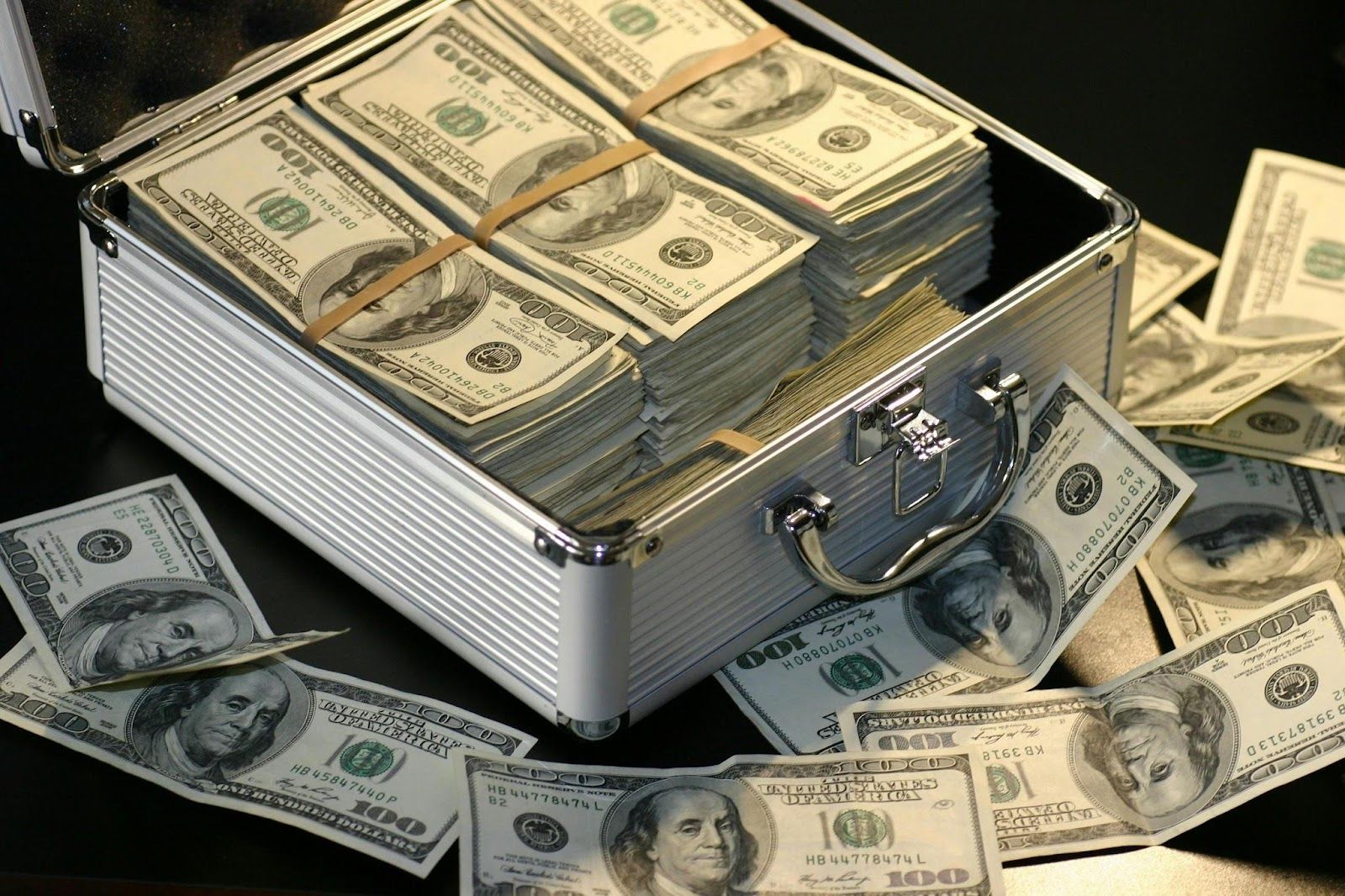
In 1950, an ordinary winter night turned remarkable when a band of thieves, their faces hidden behind cheap Halloween masks, slipped into the Brink’s armored car depot in Boston. Moving with military precision, they bound the guards and hauled away $2.7 million in cash, checks, and money orders—worth more than $30 million in today’s money.

For years, the trail stayed ice cold, and the job was praised as flawless. So perfect was the plan that investigators dubbed it the "crime of the century," and it set the benchmark for every heist that followed.

9

Lufthansa heist in New York

Image: mathewbrowne

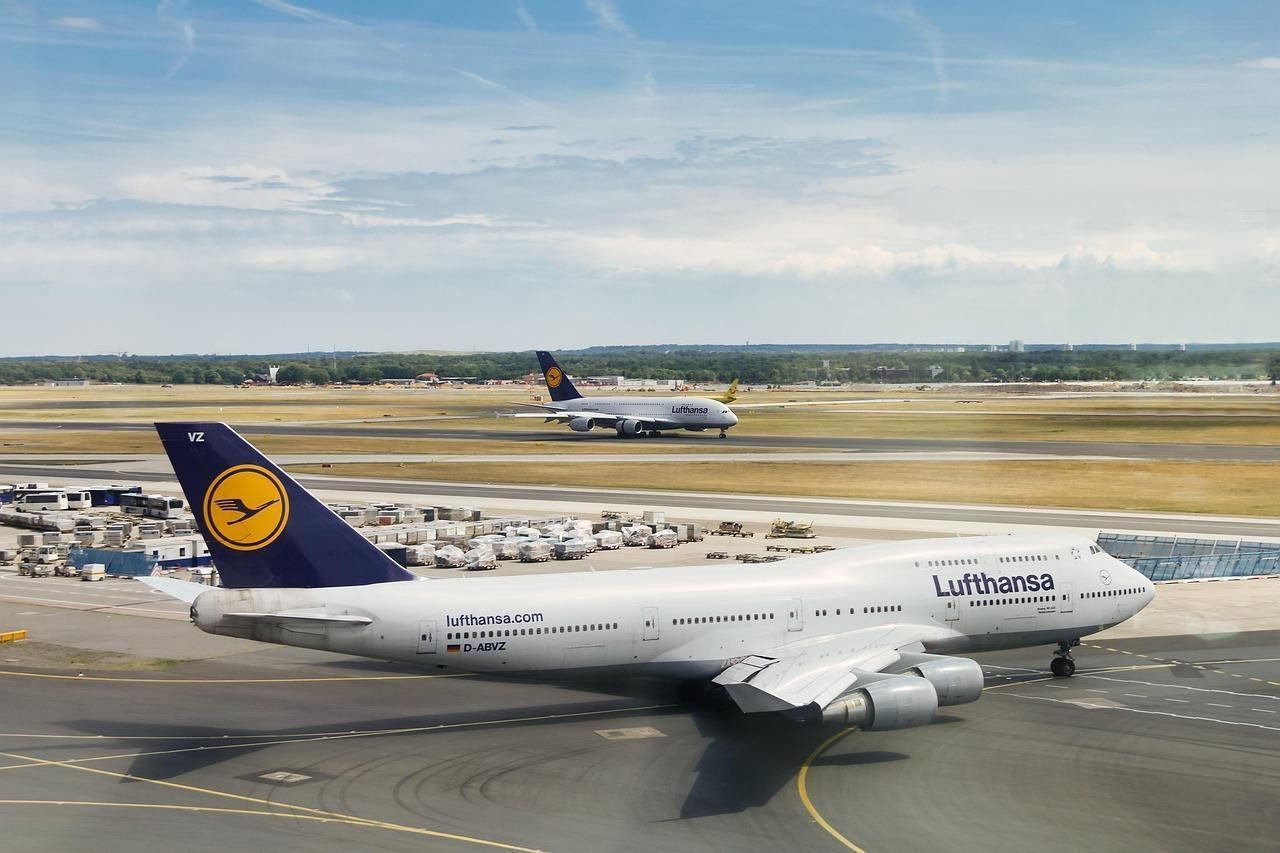
December 1978, New York’s JFK Airport. What began as just another shift in the cargo terminal suddenly shifted into crime lore. A crew of thieves bypassed security and stormed the vault, vanishing with roughly $5 million in cash and close to $1 million in glittering jewels.

The sheer audacity—pulling off a multimillion-dollar heist in one of the busiest airports in the world—left Americans both shocked and fascinated. Decades later, the Lufthansa robbery still ranks among the boldest airport crimes in history.

10

United California Bank robbery

Image: Tyler Mower

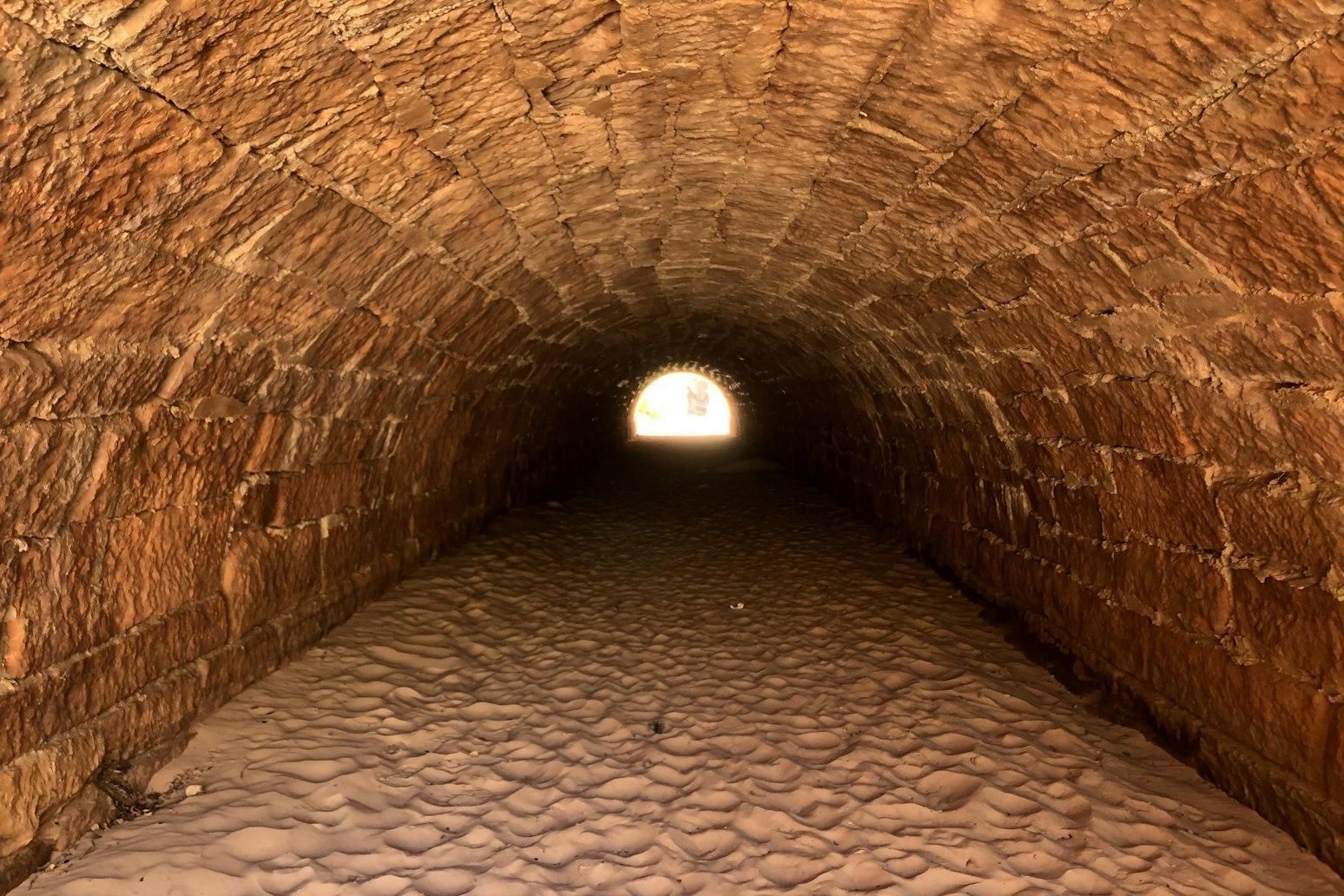
Imagine pulling off one of the biggest bank heists in California history—only to be spoiled by a pizza party. That’s exactly what happened in 1972, when a group of burglars spent weeks digging a tunnel into the United California Bank in Laguna Niguel. Their prize was staggering: about $9 million in cash, worth more than $60 million in today’s money.

For a moment, it looked like the perfect crime. But after the adrenaline wore off, the crew sat down to celebrate with pizza, leaving greasy fingerprints on the plates. Those smudges became the breadcrumbs that led investigators right to them, proving that sometimes the smallest slip can topple the grandest scheme.

Looking for an extra scoop of literary fun?

Learn more with our Word of the day

unfazed

/ˌənˈfeɪzd/