Natural defenses

Why some cold symptoms are your own body acting up: Immunity 101!


Published on February 8, 2026


Credit: CDC

Your immune system works behind the scenes every minute of the day, and it has quite a story to tell. Some parts are ancient history, others are cutting-edge science. You may even know a few pieces already. Today, we are walking through some eye-opening facts that show just how clever the body can be.

1

White blood cells are few but mighty

Credit: Javier Miranda

It is easy to imagine your blood full of white blood cells ready for combat, but they make up only about one percent of all blood cells. Even so, you have plenty to keep you safe. A single drop of blood can carry thousands of these hardworking cells, always patrolling, always ready. Small numbers, big impact.

2

Some people have little to no immune system

Credit: Kristine Wook

A tiny portion of people are born with almost no defense against germs. Their bodies struggle to make the cells needed to fight off even mild infections. Doctors step in with treatments that can rebuild or support their immunity. These cases are rare, but they do happen, and the good thing is that medicine moves forward, providing better solutions every day!

3

Ancient doctors blamed fluid imbalances for illness

Credit: Kelly Sikkema

Long before microscopes, people believed sickness came from a mix-up in four body fluids: Blood, black bile, yellow bile, and phlegm. If you felt sick, they figured one of these liquids was acting up. This idea ruled medicine for nearly two thousand years. Can you believe that? We now know germs cause many diseases, and that old habit of bloodletting was more guesswork than cure.

4

Your symptoms can be your immune system working hard

Credit: owfiqu barbhuiya

Sometimes the germs are not the reason you feel bad. Your own immune system can stir up the messy part. When a cold virus hits the nose, the body sends histamines to open up blood vessels so defenders can reach the area. That swelling makes you stuffy, and the extra fluid gives you that runny nose. We know it is annoying, but it means your system is doing its job.

5

A sleepless night can slow your immune system

Credit: Solving Healthcare

Your body likes a good night’s rest, and so does your immunity. T cells and natural killer cells do their best work after decent sleep. Even one rough night can make your defenses sluggish. Studies also hint that vaccines might not work as well in people who consistently sleep too little. So it really pays to treat bedtime as part of your wellness routine.

6

Dairymaids paved the way for the first vaccine
Credit: Annie Spratt

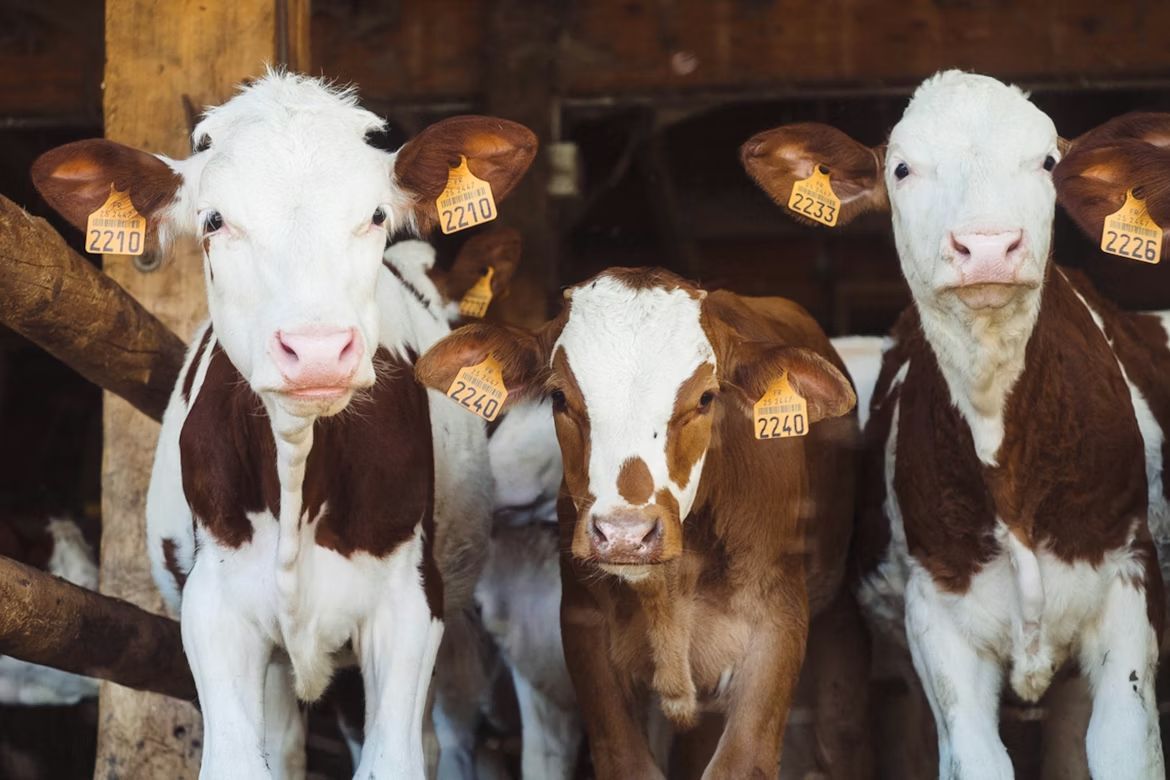
In the 1700s, people noticed that women who milked cows rarely caught smallpox. Their run-ins with cowpox seemed to shield them. Edward Jenner picked up on this, tested the idea, and ended up creating the first true vaccine. His daring experiment saved countless lives and set the stage for modern immunology.

7

Autoimmune diseases hit women more often

Credit: Vitolda Klein

Autoimmune diseases happen when the body gets confused and attacks its own tissues. Conditions like rheumatoid arthritis and celiac disease fall into this group. Researchers have found that women are far more likely than men to develop these issues. Doctors are still sorting out why, but hormones and genetics seem to be part of the puzzle.

8

Gut bacteria play a big part in your immunity
Credit: Michael Schiffer

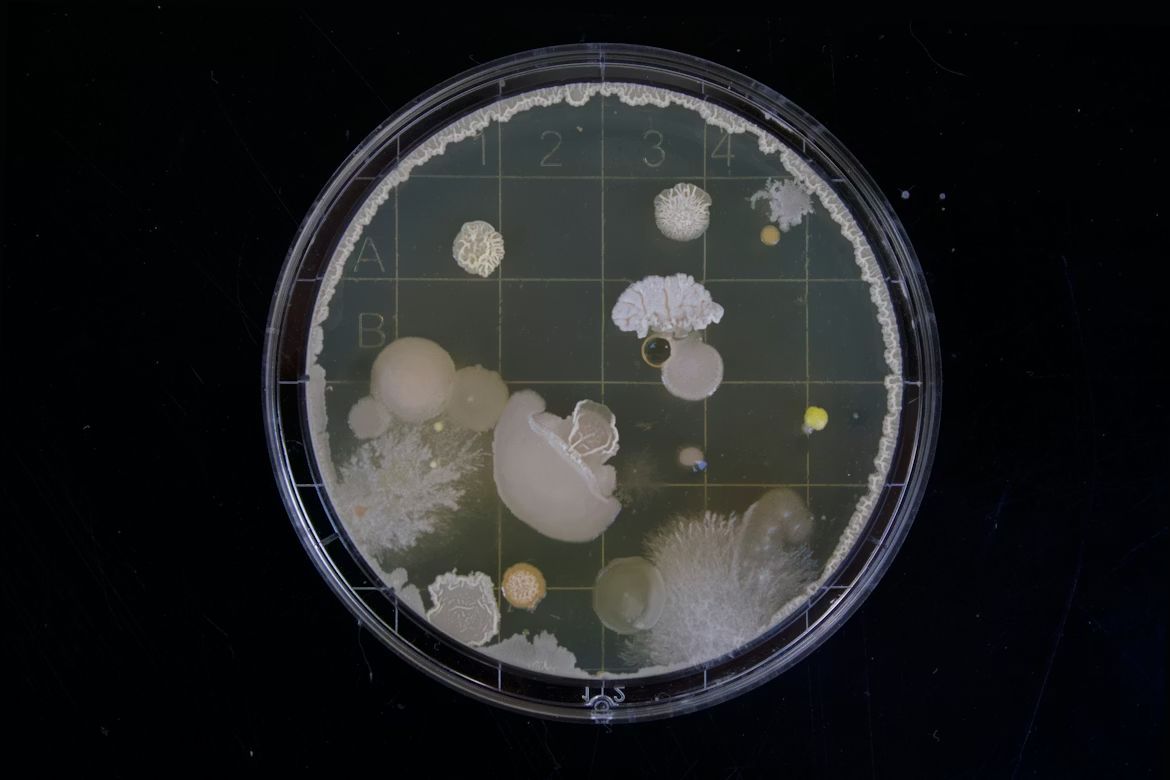
Your digestive tract is home to trillions of tiny helpers. They break down food and make vitamins, but they also keep harmful germs from settling in. These friendly bacteria train the immune system to know the difference between real threats and harmless visitors. A healthy gut can even lower the chances of certain autoimmune problems.

9

Sunlight helps and hinders the immune system

Credit: Raimond Klavins

A bit of sunshine feels good, but UV light has mixed effects. Too much can weaken your defenses, even before you notice a sunburn. On the flip side, sunlight helps your body make vitamin D, which your immune cells use to get moving. So a balanced approach is best. A little sun is helpful, too much becomes a problem.

10

Immunity was noticed long before vaccines existed

Credit: Mathurin NAPOLY / matnapo

Even in ancient Athens, people spotted that survivors of certain illnesses did not get sick twice. That observation stuck. In time, Chinese healers tried a bold trick by blowing powdered smallpox scabs into healthy noses. It sounds wild today, but many who recovered became protected. Their experiment became the first step toward what we now call immunization.
One of these things is not like the others

Produce in disguise: 10 fruits and vegetables that are not what they seem


Published on February 8, 2026


Credit: Alexandr Podvalny

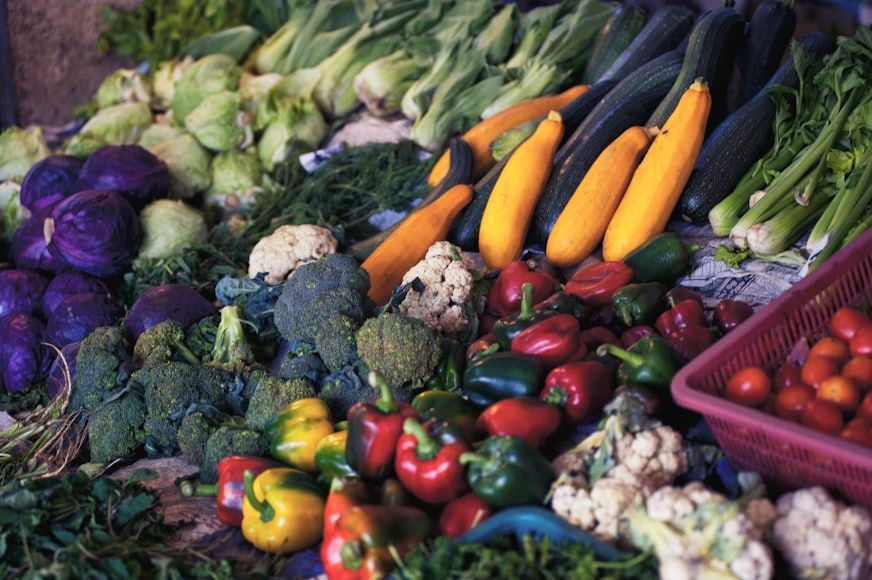
The classification of food can be challenging because it often relies on subjective criteria. Not everyone utilizes ingredients in the same way or for the same purposes, so how we see these items is influenced by cultural and social factors.

An example of this is what produce we consider to be a fruit, a vegetable, or a nut, which doesn’t always align with its botanical classification. Let’s look at some fruits and vegetables that are not what they seem to be.

Tomato

Credit: Dan Gold

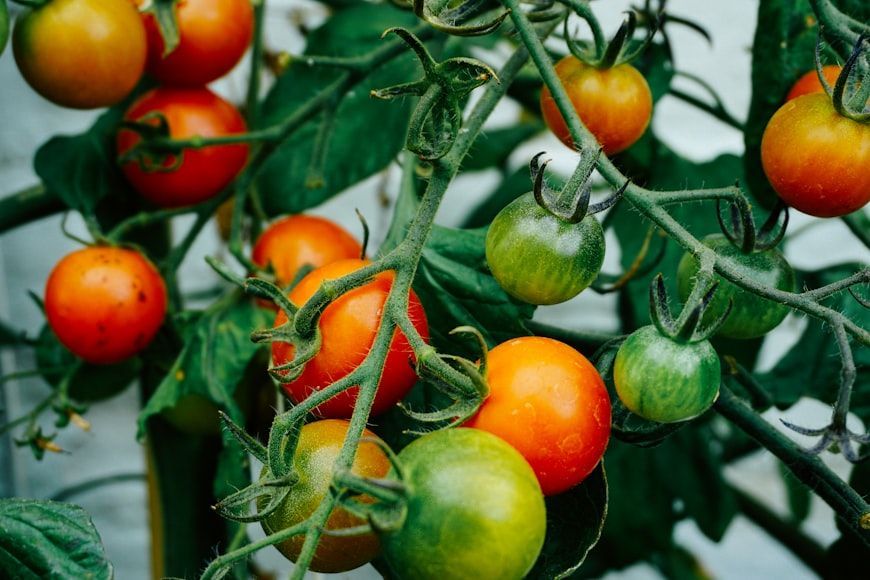
Let’s start with a classic. Most people know that tomatoes are a fruit commonly used as a vegetable (The U.S. Supreme Court once had to rule on this due to customs regulations). They have seeds surrounded by a fleshy pulp. But did you know that tomatoes are actually berries? Botanically, ‘berry’ is used for all fruit without a pit or stone where each flower develops into a single fruit.

Tomatoes are part of the Nightshade family, meaning they are related to chillies, potatoes, and the tobacco plant.

Avocado

Credit: John Vid

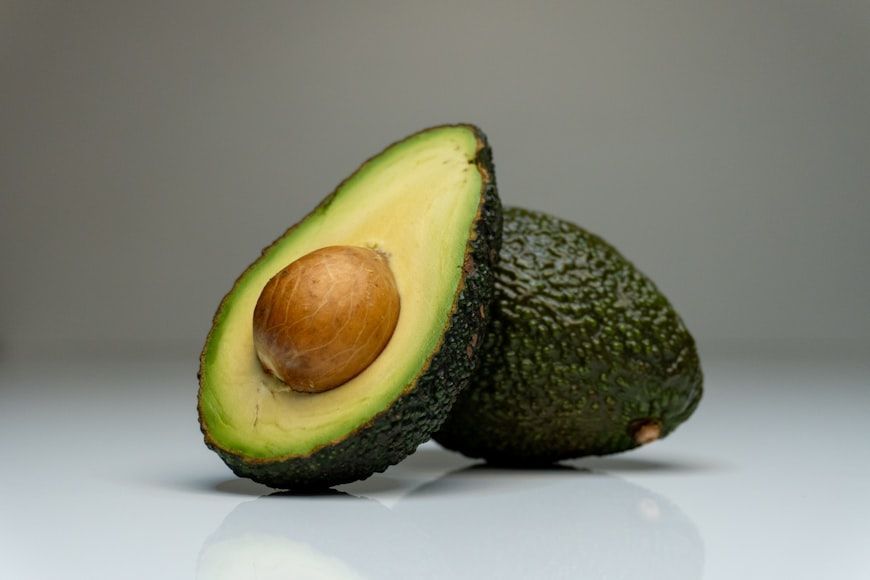
This one is for all the avocado toast lovers: Avocados are a fruit. A berry, more specifically. While in Western countries avocados are used in savoury preparations, many cultures around the world use them in desserts and sweet drinks.

But aren’t berries fruits without a stone? One would think that the stone is hard to miss in this case. Botanists are still arguing on this one, but the general consensus is that the avocado seed does not fulfill the requirements to be considered a stone. Some common plants that you might not know were related to the avocado are the bay laurel and the cinnamon tree.

Peanut

Credit: Ashes Sitoula

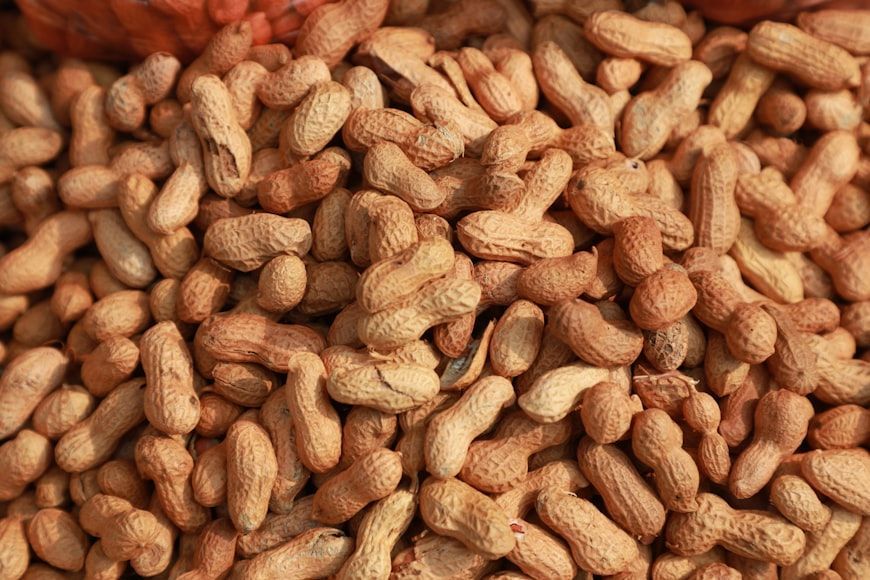
A staple in the nut/dried fruit category, peanuts are neither fruits nor nuts in a botanical sense. They are actually the seed of a legume, but even then, they are unique because they are the only legume that develops underground.

Peanuts are classified and treated as nuts for culinary purposes, so people often think that a peanut allergy is the same as a nut allergy, but these are two very distinct (although dangerous) reactions. As part of the Fabaceae family, peanuts are related to soybeans, chickpeas, lentils, and peas.

Zucchini

Credit: Mockup Graphics

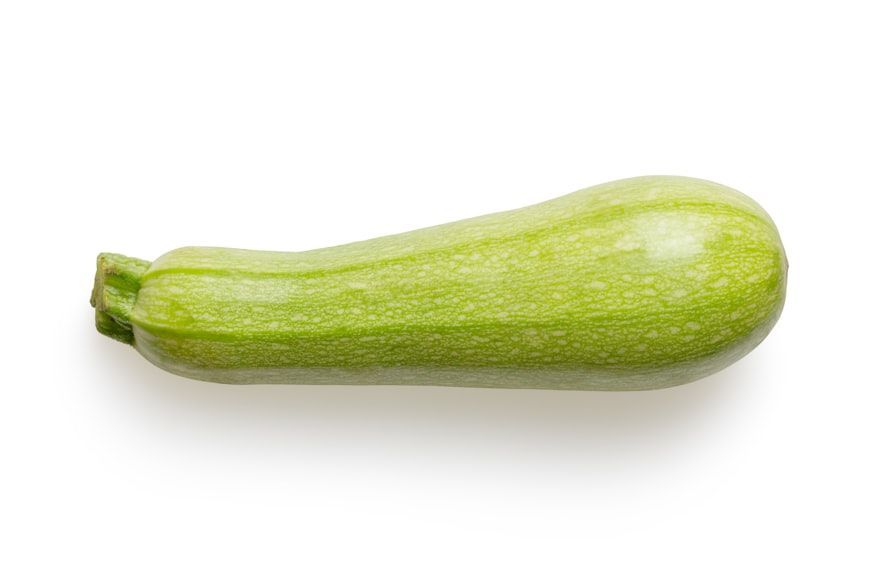
Zucchinis are used as a vegetable, but they are multiseeded, fleshy, and have an edible outer layer. Rings any bells? That’s right, zucchinis are a type of berry. A member of the Cucurbitaceae family, they are relatives of cucumber, squash, watermelon, and the luffa (yes, the one used in the shower).

As an ingredient, zucchinis are usually harvested before they mature, because ripe zucchinis have tougher skin, harder seeds, and are bitter.

Corn

Credit: Andre Ouellet

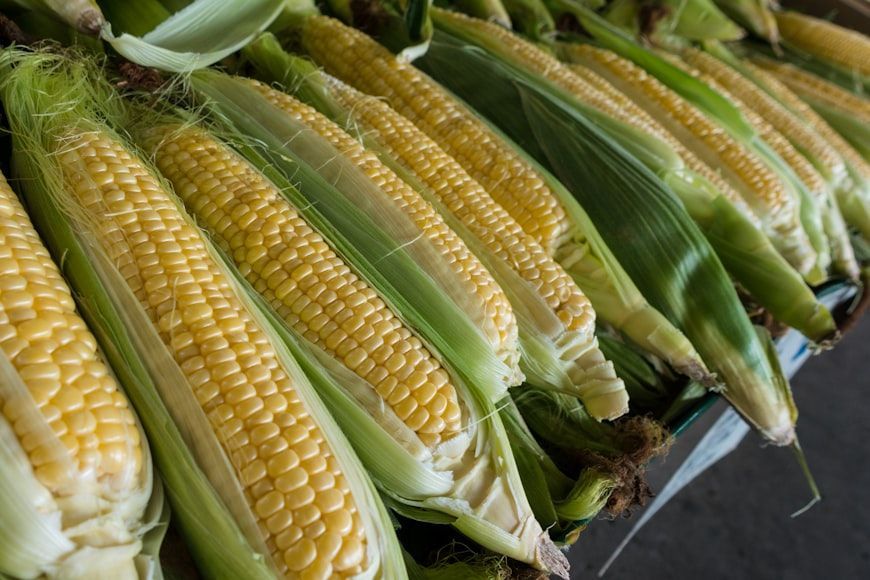
Also known as maize, corn is used in savoury and sweet preparations alike. Classified as a grain for culinary purposes, it is actually a grass that bears fruit. So, technically, corn is a fruit.

But where are the seeds and the skin? In the grass (Poaceae) family, each flower has a seed that fuses with the skin and forms a kernel. Other relatives that behave in the same way are wheat, rice, sugarcane, and barley.

Mushroom

Credit: Transly Translation Agency

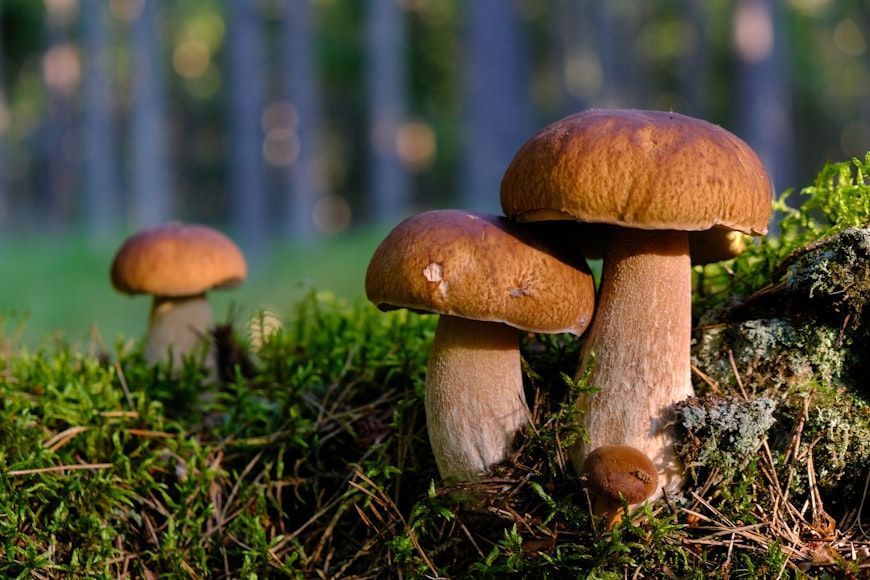
Mushrooms are vegetables in a culinary sense, and a "fruit" body in a botanical sense, but they are neither vegetables nor fruits, because they are not plants. Culinary mushrooms are edible fungi, and as such, they have a totally different classification.

Mushrooms are not the only fungi that have culinary uses: other cases include yeast used for leavening or alcoholic beverages, fermented foods, or the mold used for blue cheese.

Rhubarb

Credit: kaori nohara

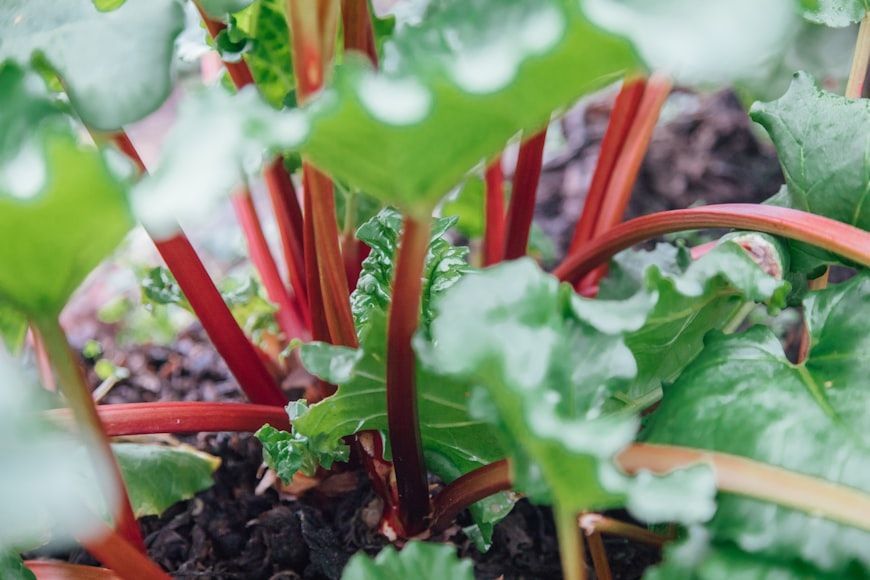
Rhubarb is a vegetable, but is traditionally used for tarts, jams, and other sweet desserts. The only edible part of the plant is the stalk, as the leaves can be toxic.

Edible rhubarb is a hybrid, and it’s not closely related to other edible plants, although it is a distant relative of buckwheat.

Bell Pepper

Credit: Nick Fewings

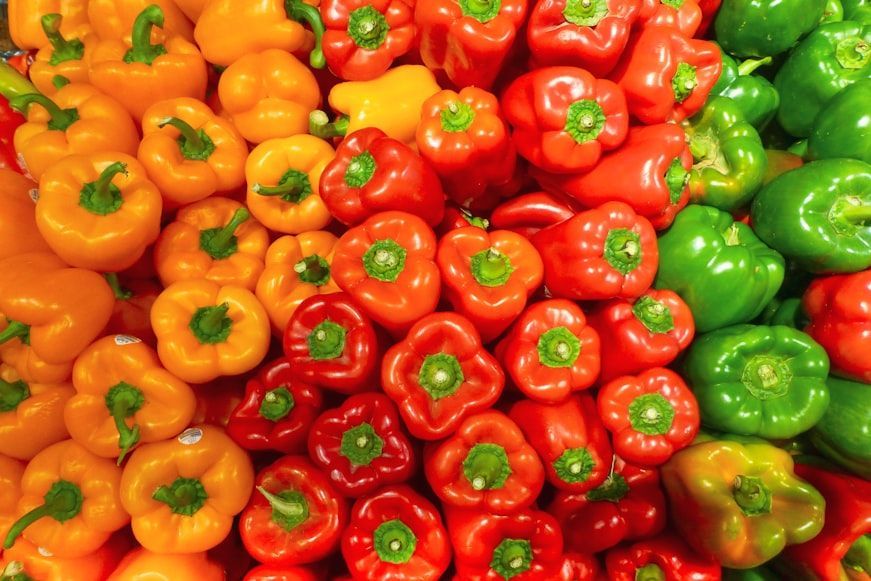
Also called capsicum or sweet pepper, bell peppers are a berry of the Nightshade family (which makes them a relative of tomatoes and potatoes). Although they are classified as berries, they lack one of their main characteristics: instead of having seeds surrounded by fleshy pulp, plants in the capsicum species are hollow.

Fun fact: plants in the capsicum species have no relation whatsoever to the pepper spice, but they were given that name because Europeans used the word ‘pepper’ for all plants and spices that were pungent.

Strawberry

Credit: Oliver Hale

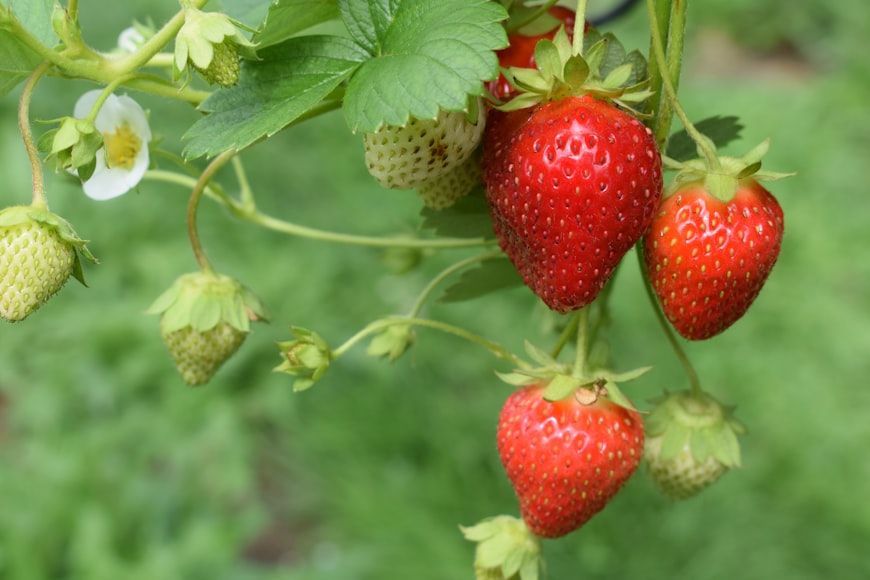
Despite their name, strawberries are not berries in the botanical sense of the word, because they develop multiple fruits from each flower, and they don’t have seeds (even if they look like they do). Historically, the English language has used the word ‘berry’ for any small, brightly colored, and juicy edible fruit.

So, where do strawberries come from? They are a hybrid, and they belong to the Rosaceae family, which makes them a relative of apples, cherries, peaches, almonds, and roses.

Cashew

Credit: Kischmisch

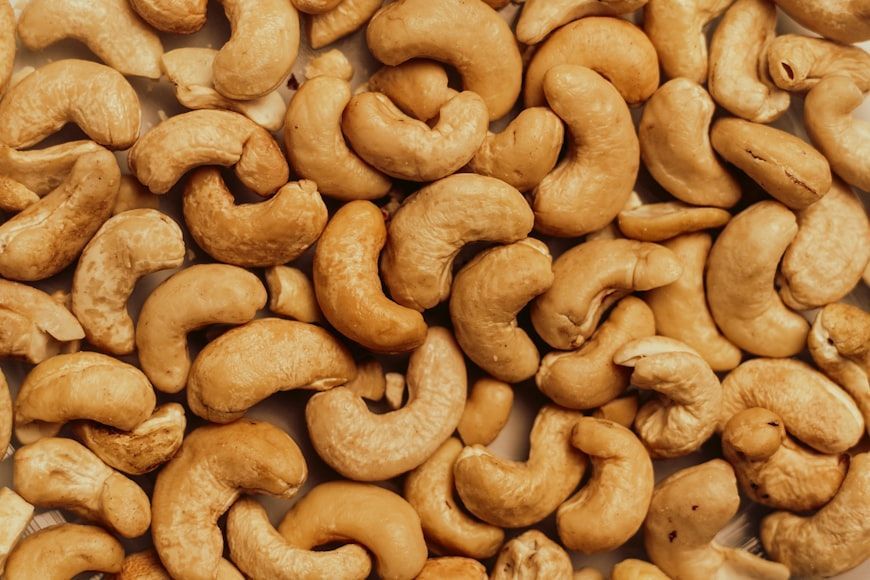
From a culinary point of view, cashews are classified as nuts. But nuts, in their botanical sense, are fruits protected by a hard shell that doesn’t open on their own. Cashews are actually drupes, or stone fruits.

In this case, what we eat is the seed of the cashew fruit. As a member of the Anacardiaceae family, cashews are related to mangoes, sumac, and (by a more recent classification) to pistachios.

Looking for an extra scoop of literary fun?

Learn more with our Word of the day

bespoke

/bəˈspoʊk/