Facts you didn't know you needed

World maps are wrong! 10 surprising facts you never imagined


Published on March 10, 2026
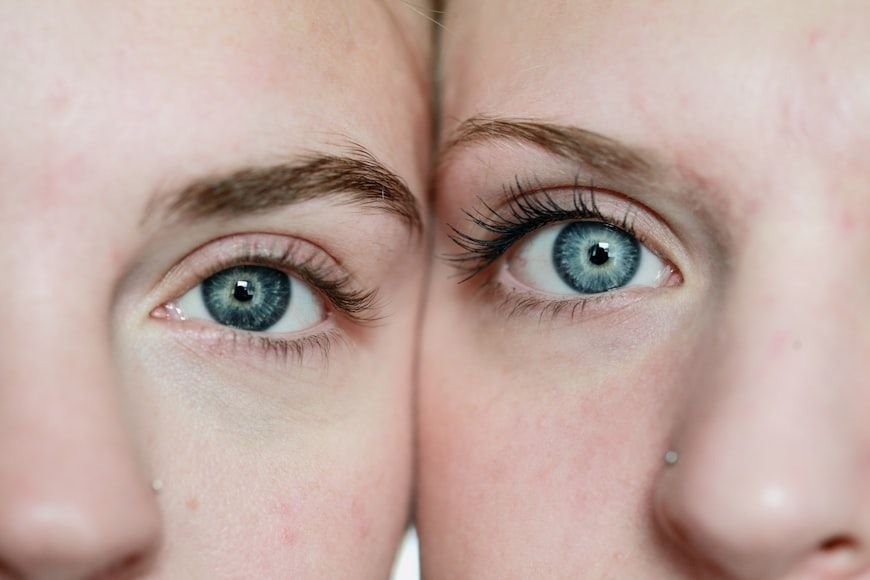

Image: Alexander Grey

Adults often assume they already understand the world, but there’s always something new to surprise us! Did you know that clouds actually have weight? Or that the day is longer for some animals? And that’s just the beginning. From hidden functions of your organs to the true color of the universe, today you’ll learn 10 fascinating facts you probably never thought to ask, but will make you sound impressively smart in your next conversation!

1

Slower time

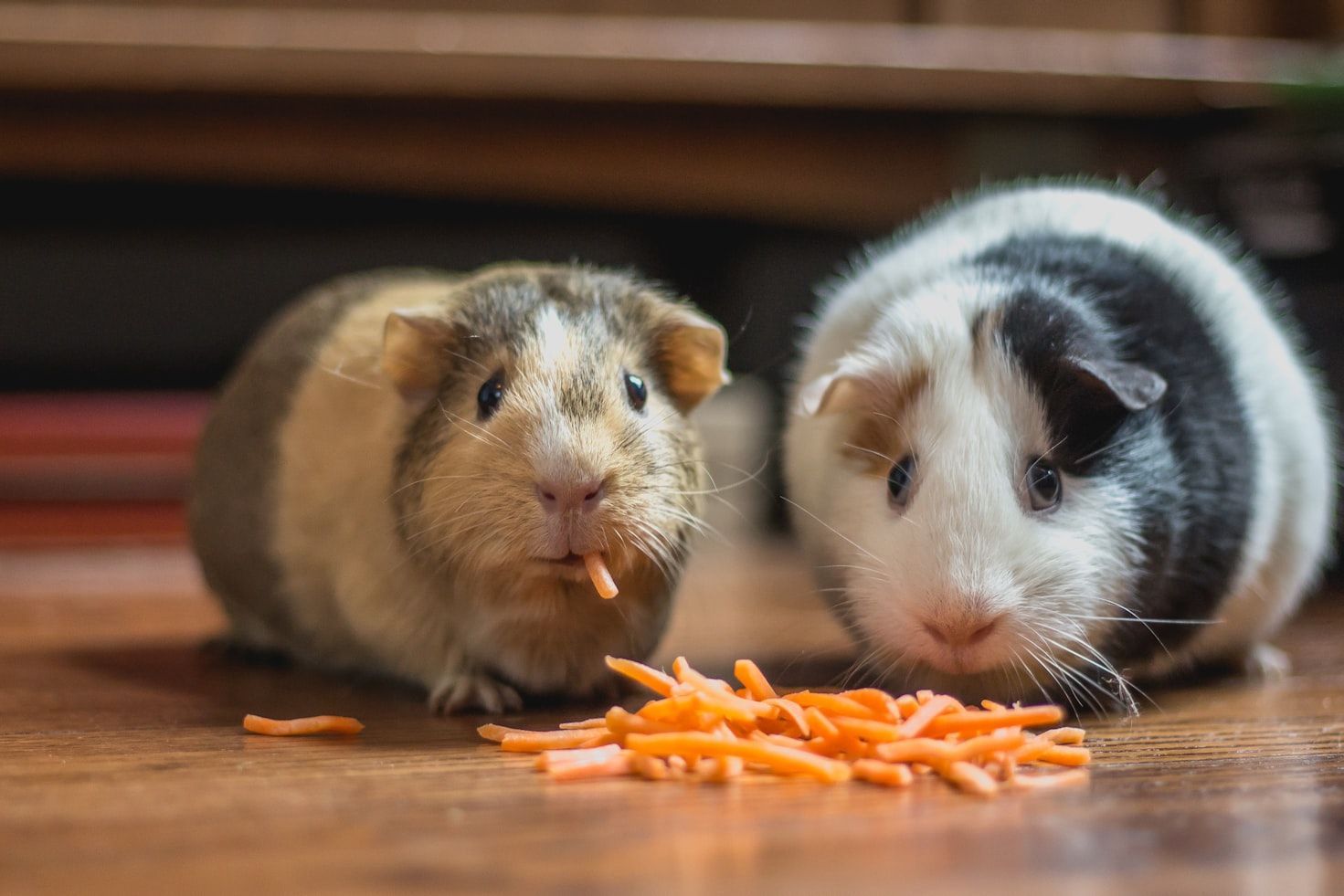
Image: Bonnie Kittle

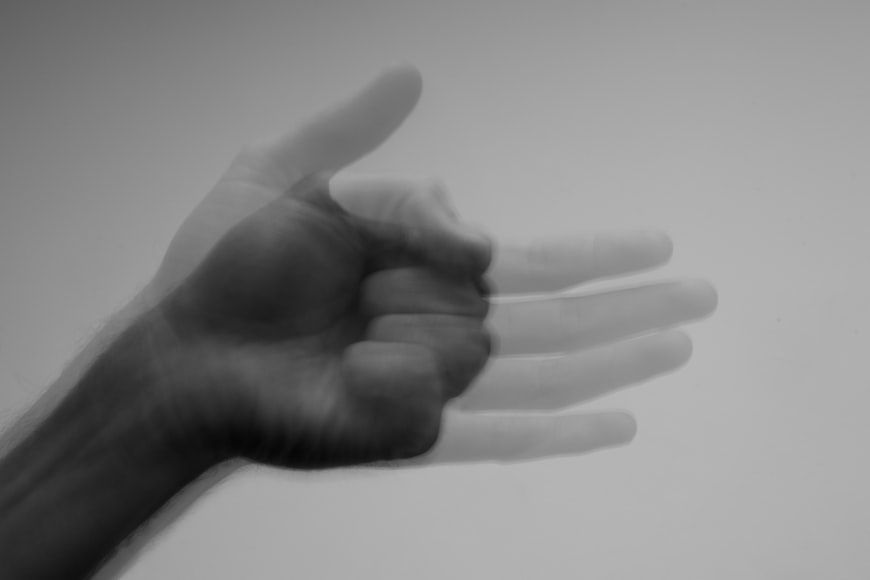
Unlike humans, animals don’t experience a shared "present" in quite the same way. Instead, their sense of time is tied to the rhythms of their own bodies. For very small animals with fast metabolisms like parrots, hamsters, or guinea pigs, time actually seems to pass more slowly. In a sense, they live in slow motion because their faster-working nervous systems allow them to process sensory information at a fast speed.

2

Identical twins, but…

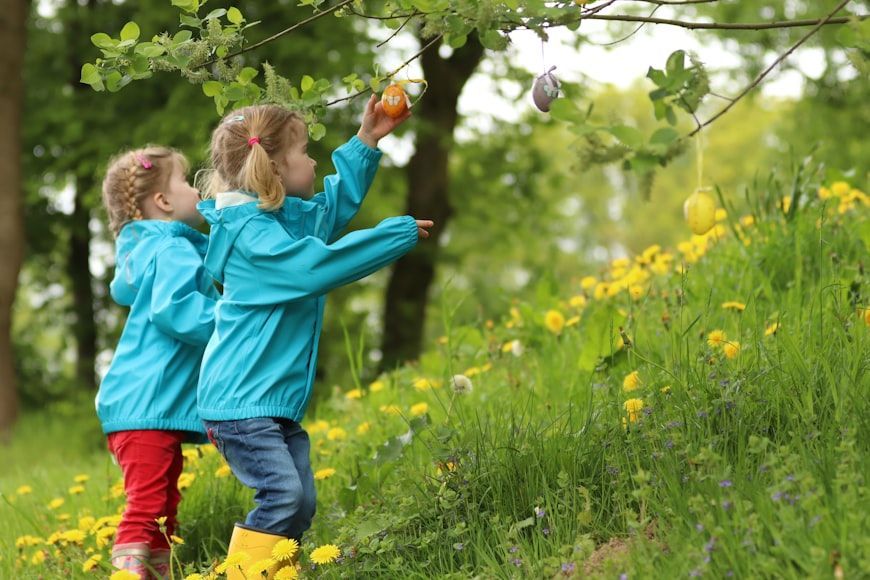
Image: Juliane Liebermann

What if someone commits a crime and tries to blame their identical twin? Have you ever wondered about that? It’s a valid question; after all, identical twins not only look alike, they also share the same DNA. But here’s the surprising part: if investigators check fingerprints, the innocent twin could be cleared. That’s because, despite their nearly identical DNA, twins have unique fingerprints, shaped by subtle genetic and environmental factors in the womb.

3

Heavy clouds

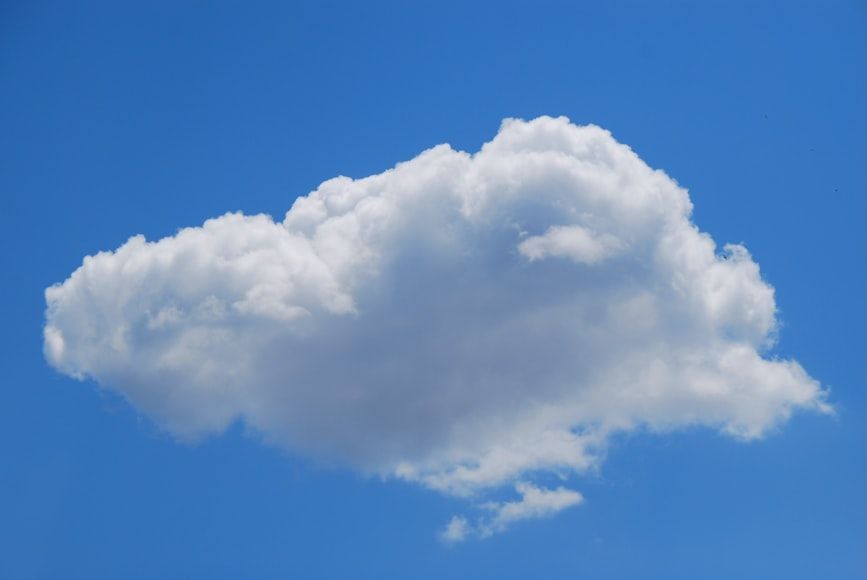
Image: engin akyurt

You’ve probably spent time lying on the grass, watching clouds drift across the sky. They look light, fluffy, almost like cotton candy, and it’s hard to imagine them as heavy objects. But the truth is surprising: clouds are incredibly heavy. An average cumulus cloud can weigh around 1 million pounds! That impressive weight comes from the billions of tiny water droplets suspended in the air. So, how do they float? It’s because each droplet is extremely small and falls very slowly, while rising warm air currents help keep the cloud suspended above us.

4

Don’t believe everything you see

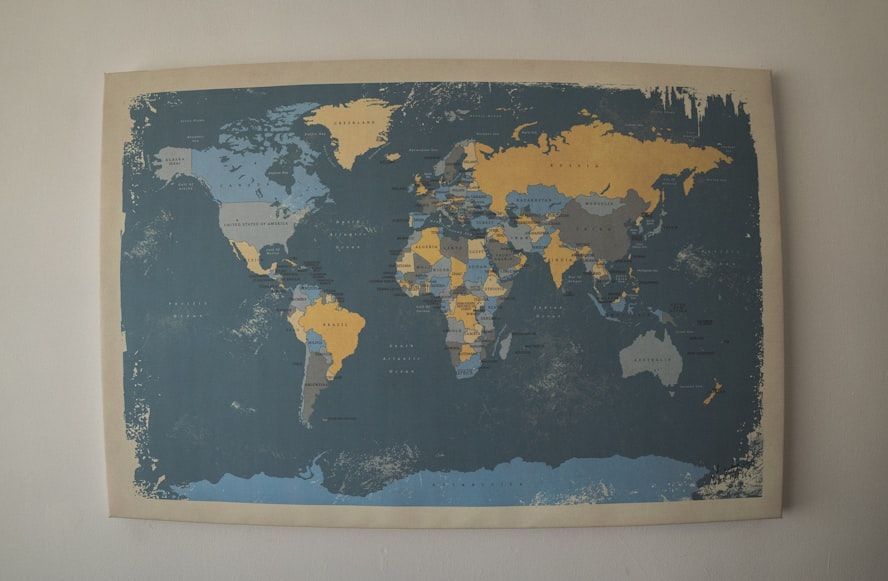
Image: Jack Stapleton

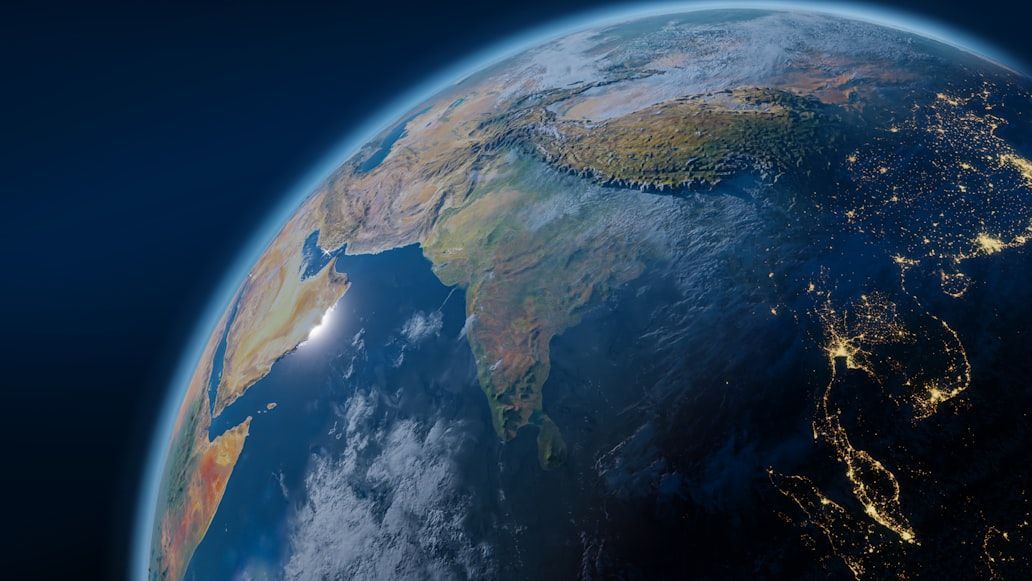
Most of us have a rough image of the world map in our minds. But we have something to tell you: most maps aren’t completely accurate. Because the Earth is a sphere, cartographers have to distort some areas to represent it on a flat surface. On Mercator projection maps, countries near the poles appear much larger than they really are, while countries near the equator look smaller in comparison. For example, Alaska looks about the same size as Brazil, but in reality, Brazil is nearly five times larger!

5

The Universe's color

Image: Bryan Goff

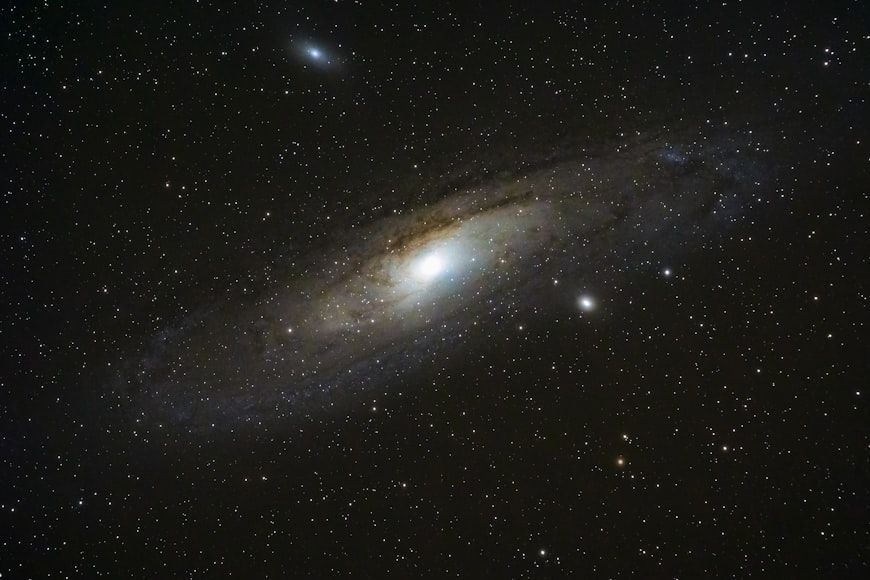
Most people don’t realize that there’s actually a name for the color of the universe. Strange, right? But it’s true! Astronomers who studied the light from thousands of galaxies discovered that if you blend all the colors from the observable universe, the result is a soft, beige-ish white shade, famously named "Cosmic Latte" in 2002.

6

No Qs

Image: Pin Adventure Map

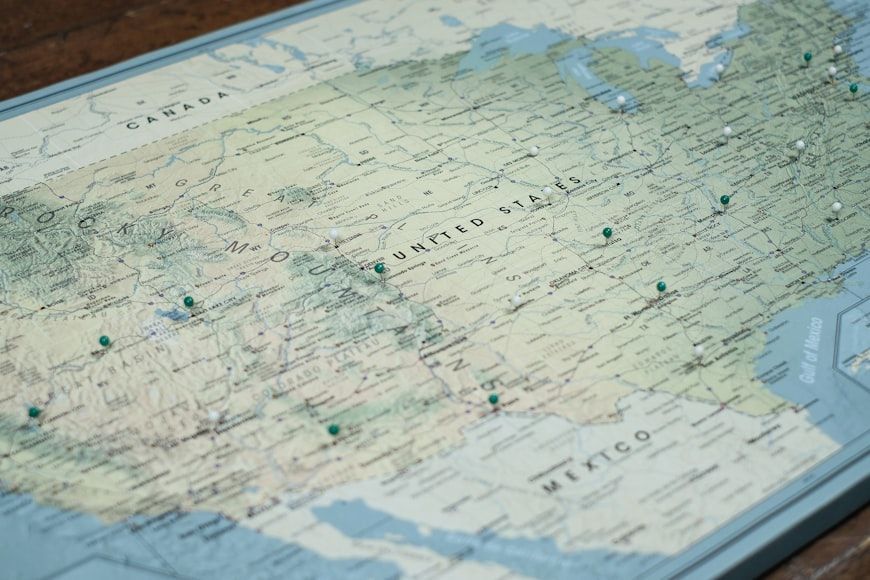
With 50 states, there’s no shortage of variety in their names. Almost every letter of the English alphabet appears at least once, except for one: Q, which is completely absent. In addition to this, there’s another surprisingly rare letter: J. While it isn’t entirely missing like Q, it only appears in one state, New Jersey.

7

Earth’s rotation is slowing

Image: Carl Wang

Although we don’t notice it, indeed, the Earth’s rotation is gradually slowing. This happens because tidal friction, caused by the Moon’s gravitational pull on our oceans, creates a subtle drag on the planet’s spin. As a result, days are getting longer, but very gradually: by only about 1.7 milliseconds per century.

8

Dreams in sign language

Image: Ian Noble

Do you remember your last dream? Whether good or bad, dreams are a constant part of sleep, but not everyone experiences them in the same way. Deaf people who use sign language in their daily lives often communicate through signs in their dreams, too. Meanwhile, blind people tend to have dreams rich in sounds, smells, and tactile sensations, using these other senses to experience the dream world.

9

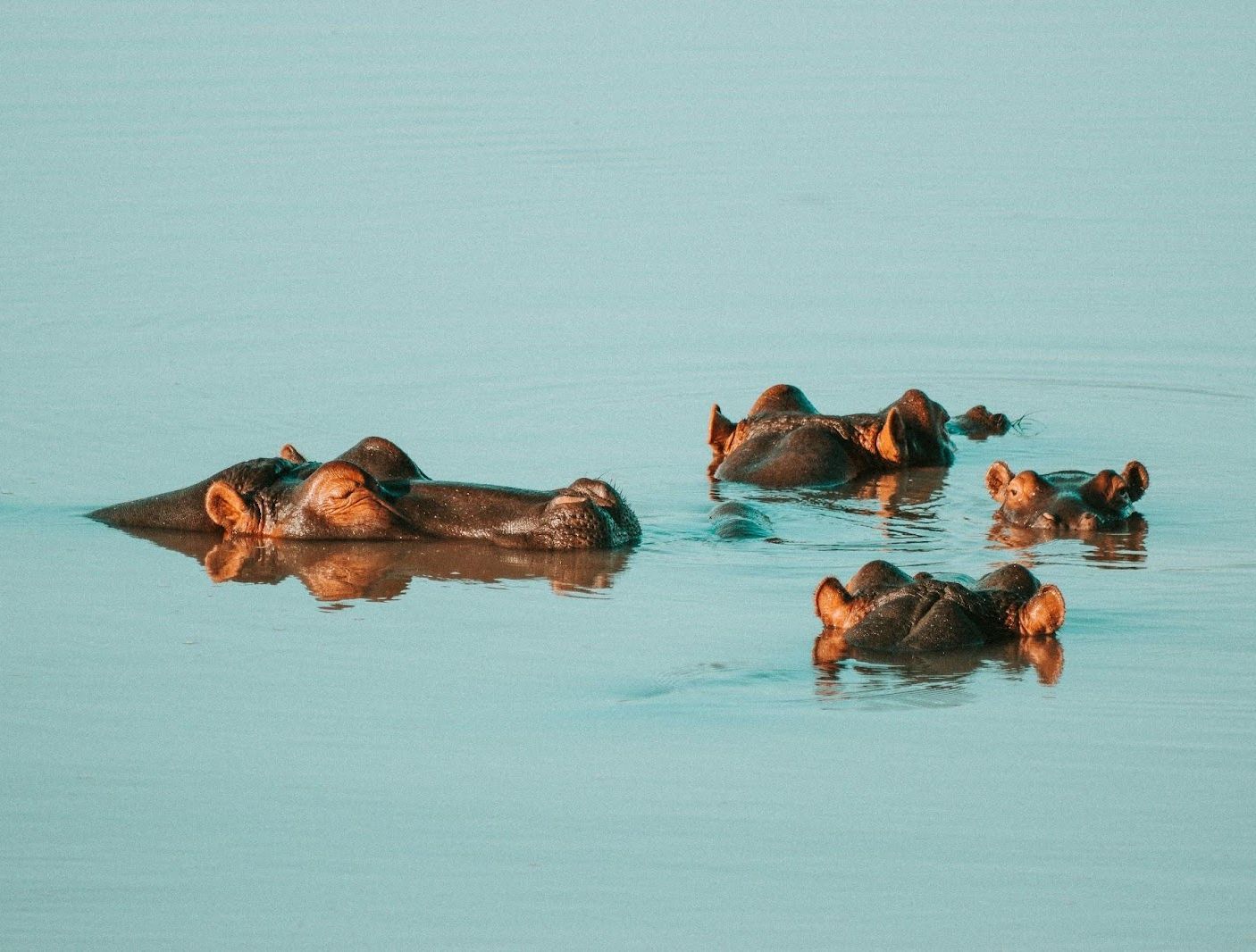
Walking underwater

Image: Wade Lambert

We’re used to seeing hippos covered in mud, splashing in water, or barely peeking above the surface. But here’s a surprise: hippos can’t actually swim! That’s right. Because of their huge, heavy bodies, they don’t float or paddle like most animals. Instead, they walk or run along the riverbed.

10

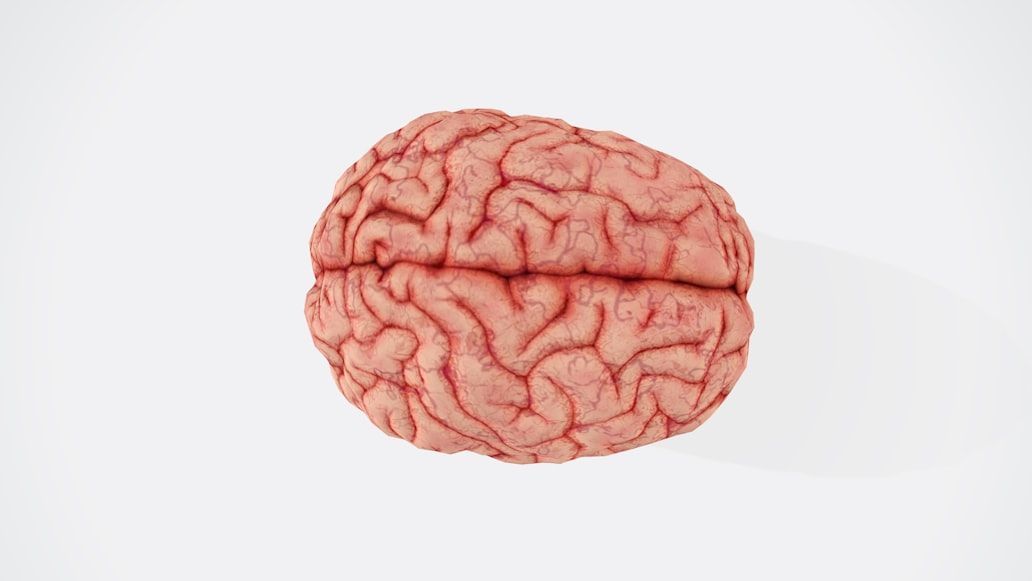
Is your brain hungry?

Image: BUDDHI Kumar SHRESTHA

Can your brain really "eat" itself? Well, close, but not exactly. There’s a process called phagocytosis, carried out by specialized immune cells in the brain known as microglia. These cells engulf and remove debris, dead cells, and other unwanted material. But don’t worry; it’s safe! The mechanisms exist to protect, repair, and maintain your brain.
Discover the true stories of 10 famous animals that changed the world


Published on March 10, 2026


Image: Chalo Gallardo

Not every hero wears a crown—or even shoes. Some come with wagging tails, twitching noses, or wings built for long journeys. They don’t sit on thrones or sign treaties, yet their impact can be felt across centuries. A few stumbled into greatness by accident, and others simply followed instinct. From a humble sheep that made scientists question the limits of life to a lone wolf that turned a hunter into a wildlife protector, these 10 remarkable creatures remind us that not only humans can change the course of history.

1

Smoky the dog

Image: Fernanda Nuso

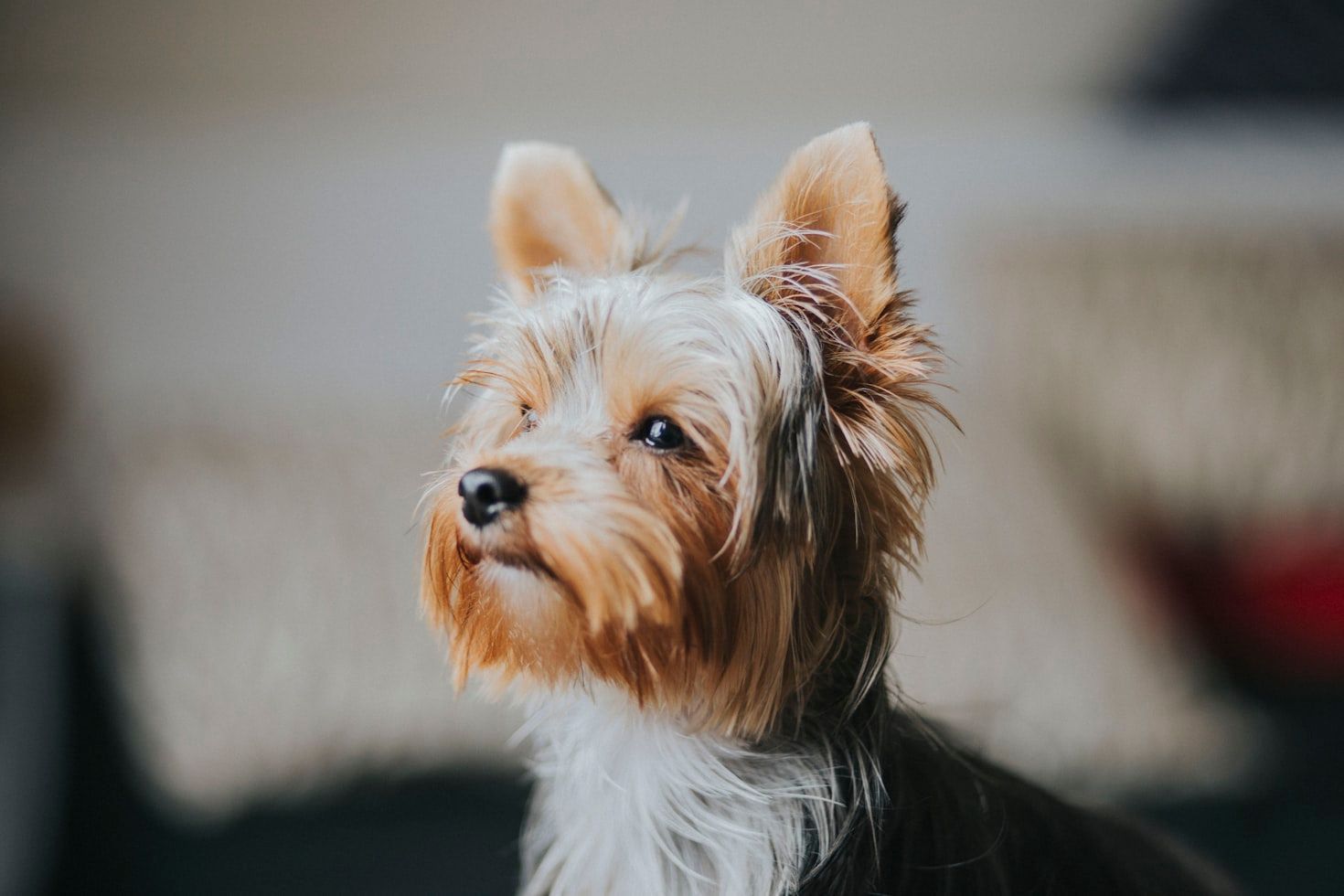
Long before anyone coined the term "therapy animal," a tiny Yorkshire Terrier named Smoky was already aiding the Allied forces in World War II. Weighing barely four pounds, she was discovered shivering in a foxhole in the Pacific and quickly became more than just a pet. Smoky learned to crawl through a 70-foot pipe so narrow that a person couldn’t fit, dragging a telegraph wire behind her and restoring a vital communication line that kept troops connected. Off duty, she became a one-dog entertainment show, performing tricks that made injured soldiers laugh when nothing else could. She didn’t bark orders, but had enough courage to earn eight battle stars.

2

Dolly the sheep

Image: Stephan Widua

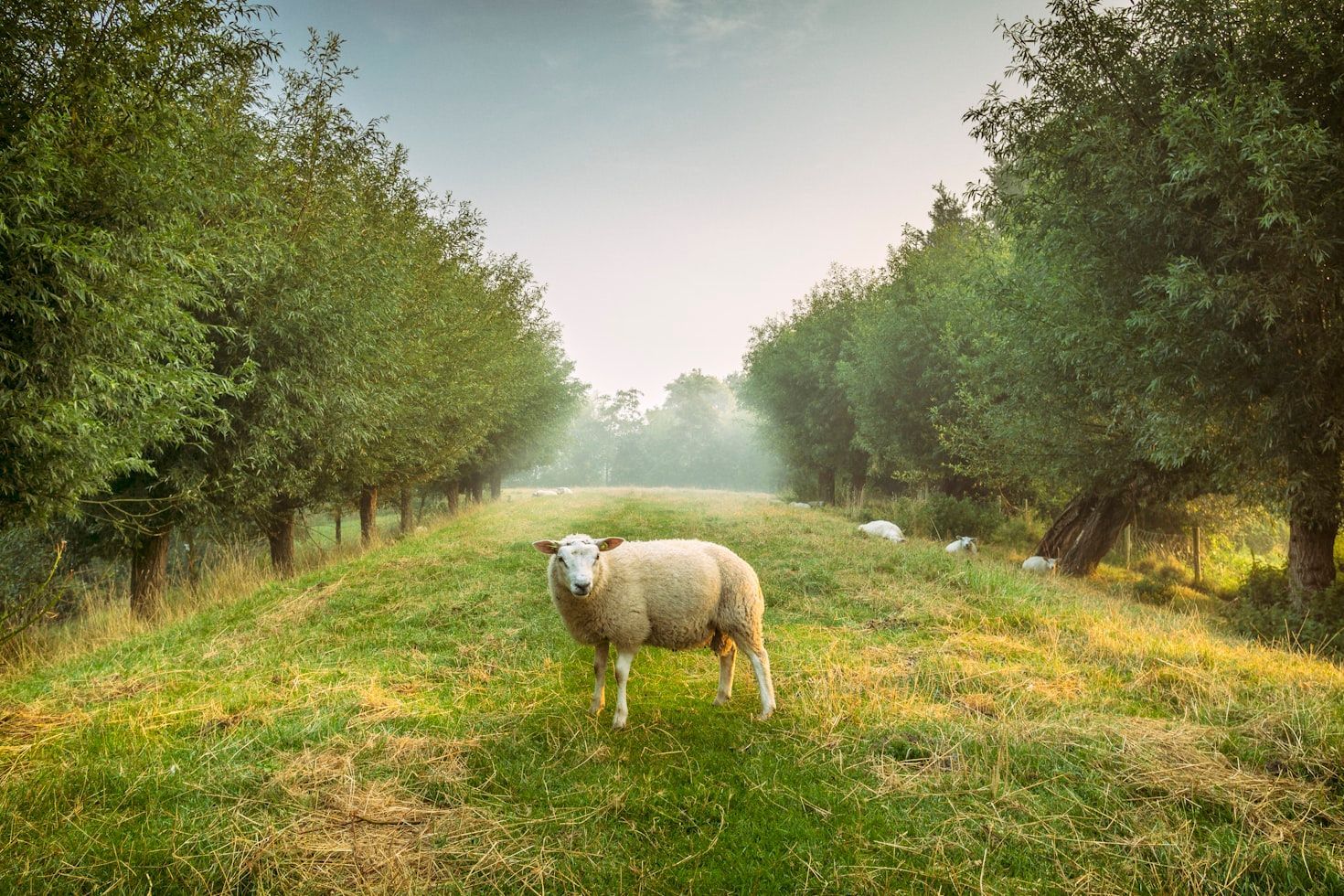
In 1996, a group of Scottish scientists achieved the unthinkable: they cloned a sheep from the cell of another adult specimen, a breakthrough that seemed straight out of a science fiction film. Dolly became the first mammal ever cloned from an adult cell—contrary to popular belief, she was not the first animal to be cloned. Overnight, her woolly face was everywhere: newspapers, TV screens, and even coffee mugs. Due to a lung disease, Dolly died just 6 years later, yet she inspired bold dreams for medicine, deep worries about ethics, and countless dinner-table debates.

3

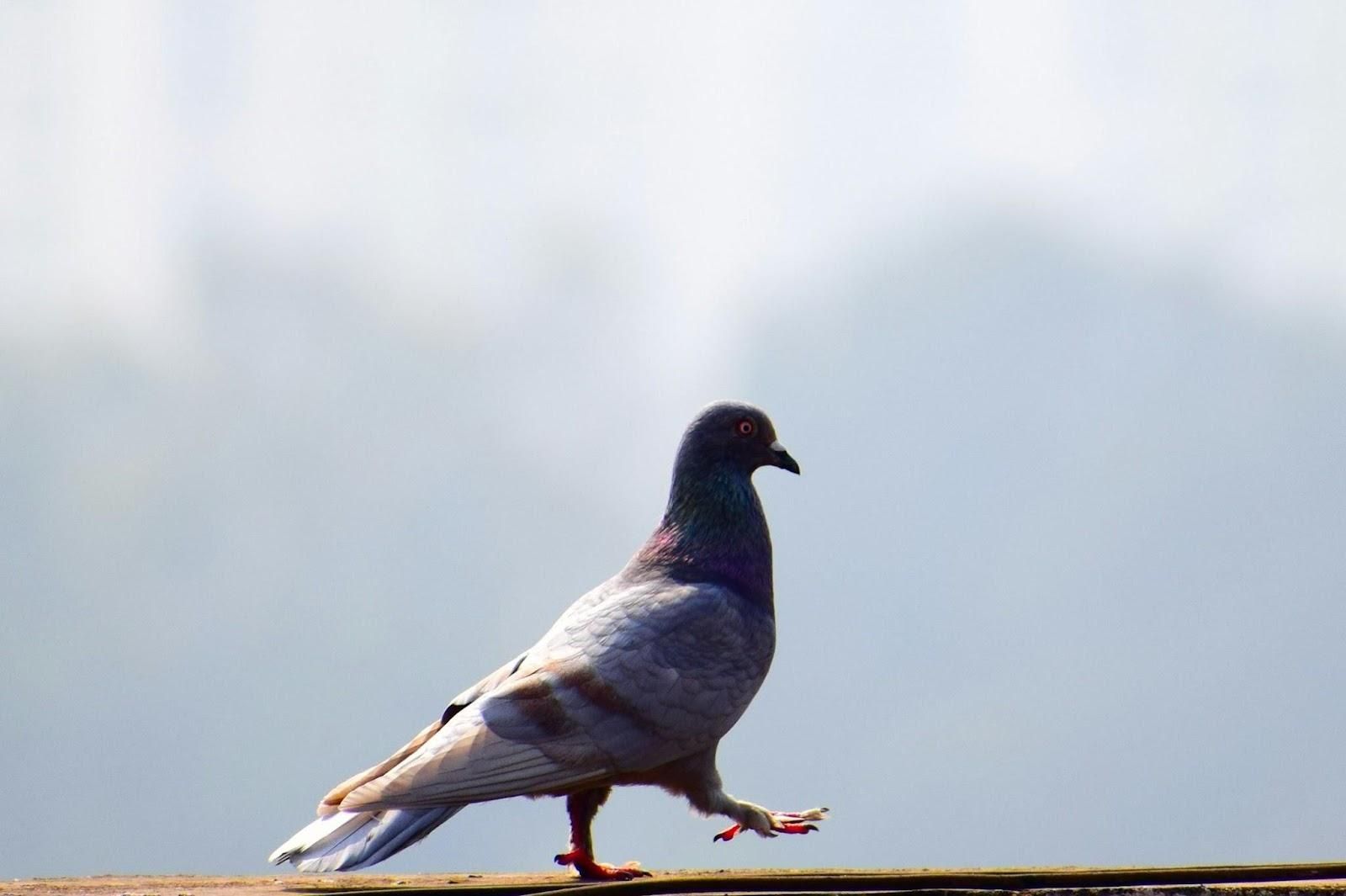
Cher Ami the pigeon

Image: sanjiv nayak

If Dolly was an example of what science could achieve, Cher Ami proved what determination looks like. In the thick of World War I combat, this small homing pigeon flew through gunfire and smoke to deliver a message that saved nearly two hundred American soldiers. Shot, blinded in one eye, and with one leg barely hanging on, Cher Ami still made it home. His tiny body carried more bravery than most armies. Today, the original pioneer of "airmail" rests proudly in the Smithsonian, honored as a true hero.

4

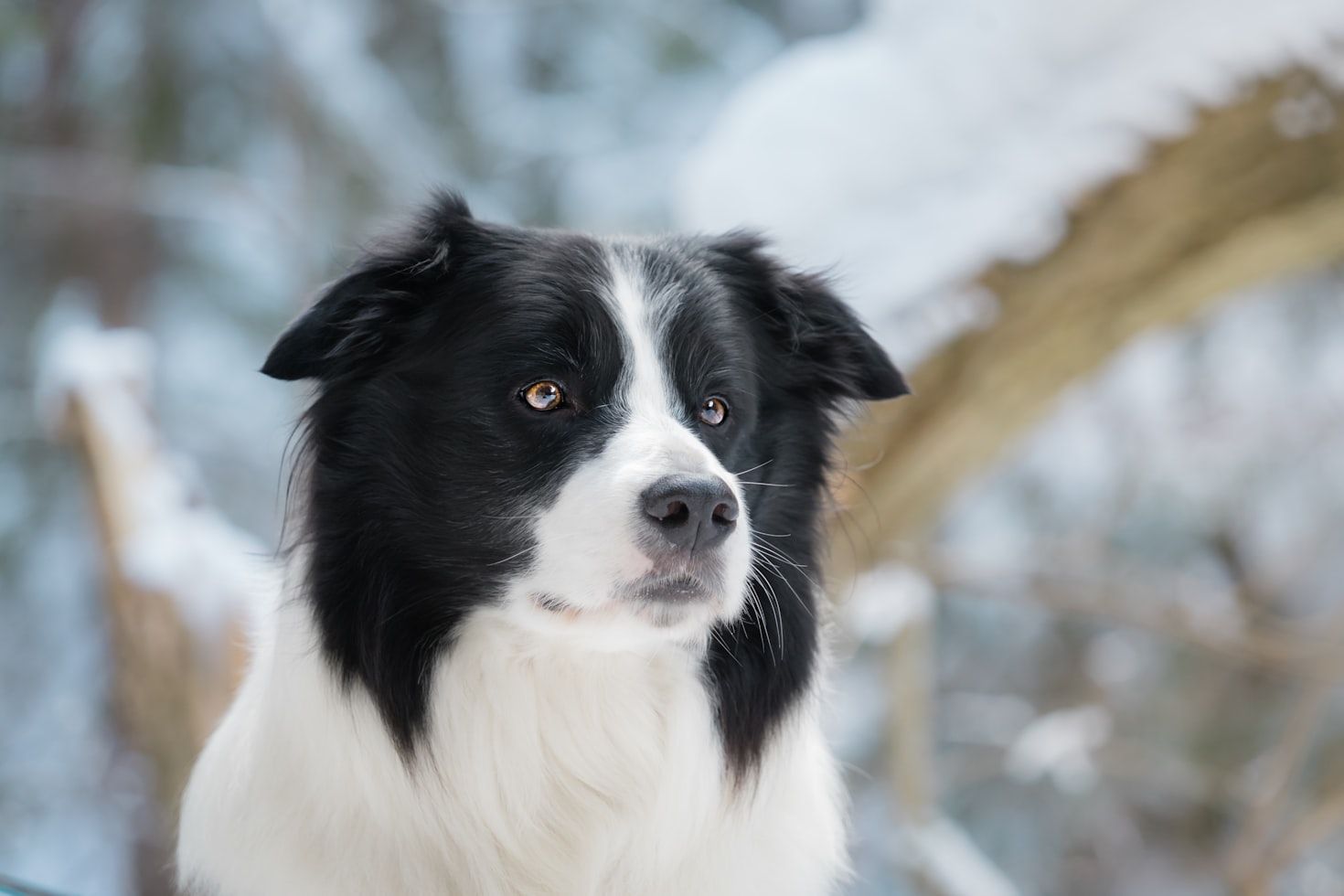
Pickles the collie

Image: Kanashi

And speaking of deliveries, Pickles delivered something a little shinier. In 1966, the clever collie made headlines when he sniffed out the stolen FIFA World Cup trophy tucked under a hedge in a London suburb—just days before the big tournament! One moment, he was simply following scents on his daily walk; the next, he was Britain’s most celebrated detective on four legs. The whole country cheered, the case was closed, and Pickles wagged his way into legend. Move over, Sherlock Holmes, this sleuth preferred biscuits to pipe smoke.

5

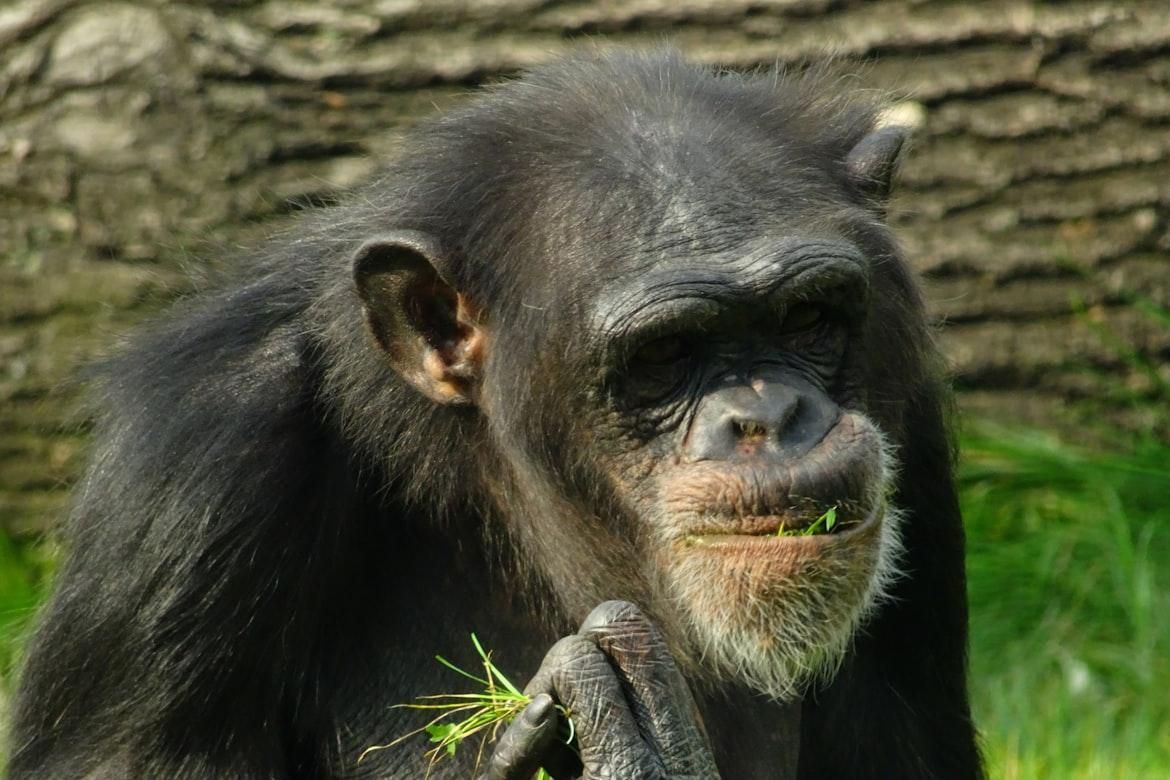
David Greybeard the chimpanzee

Image: 12photostory

What Pickles did for trophies, David Greybeard did for science. In 1960, British primatologist Jane Goodall saw this patient chimpanzee calmly insert a twig into a termite mound. Suddenly, the world had to rethink what it meant to be "human." Until then, tool-making was supposed to be our exclusive superpower. David shattered that illusion with one flick of a branch, proving that curiosity and intelligence weren’t ours alone. The discovery didn’t just change science; it humbled it.

6

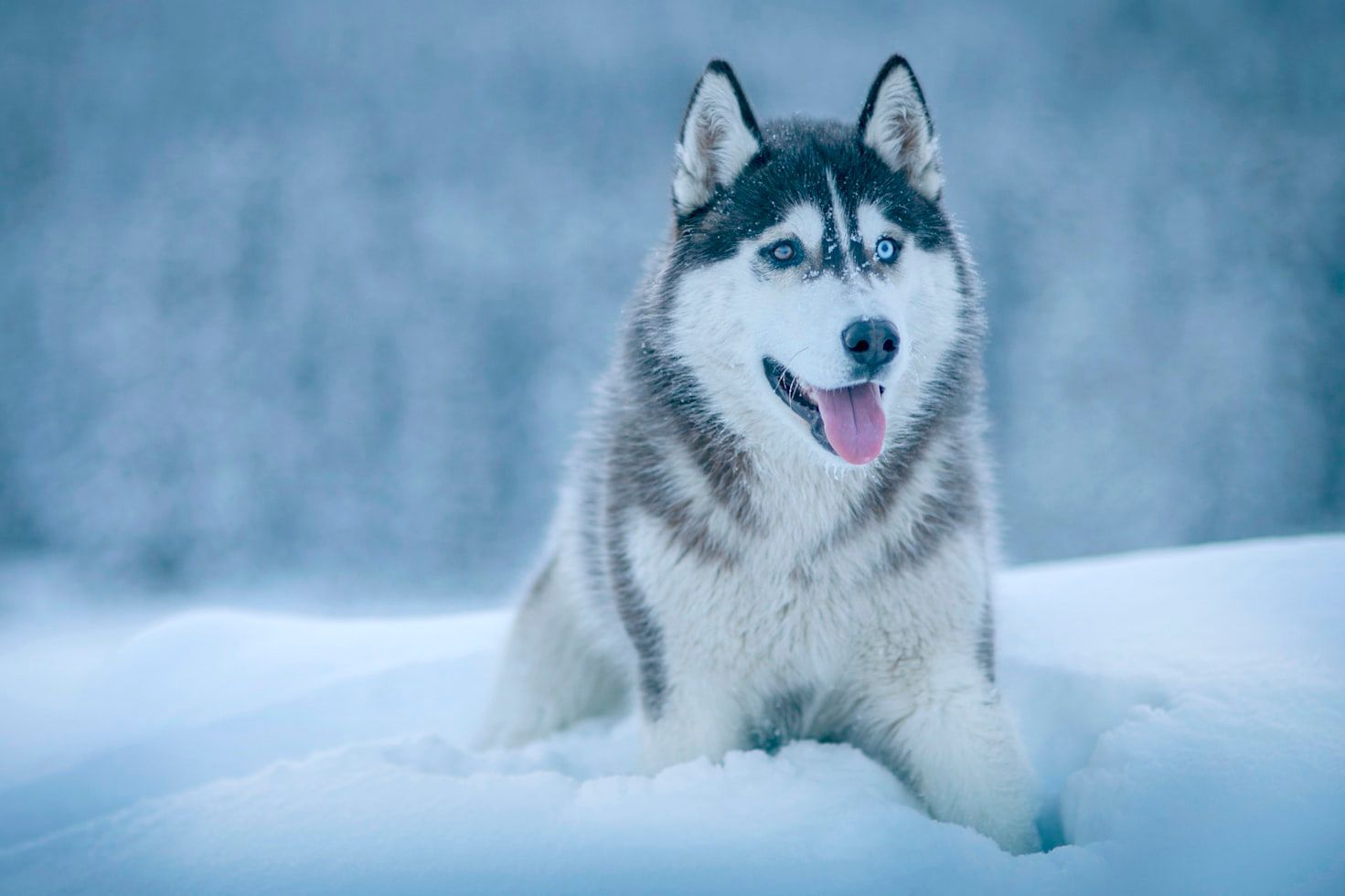
Balto the dog

Image: photo nic

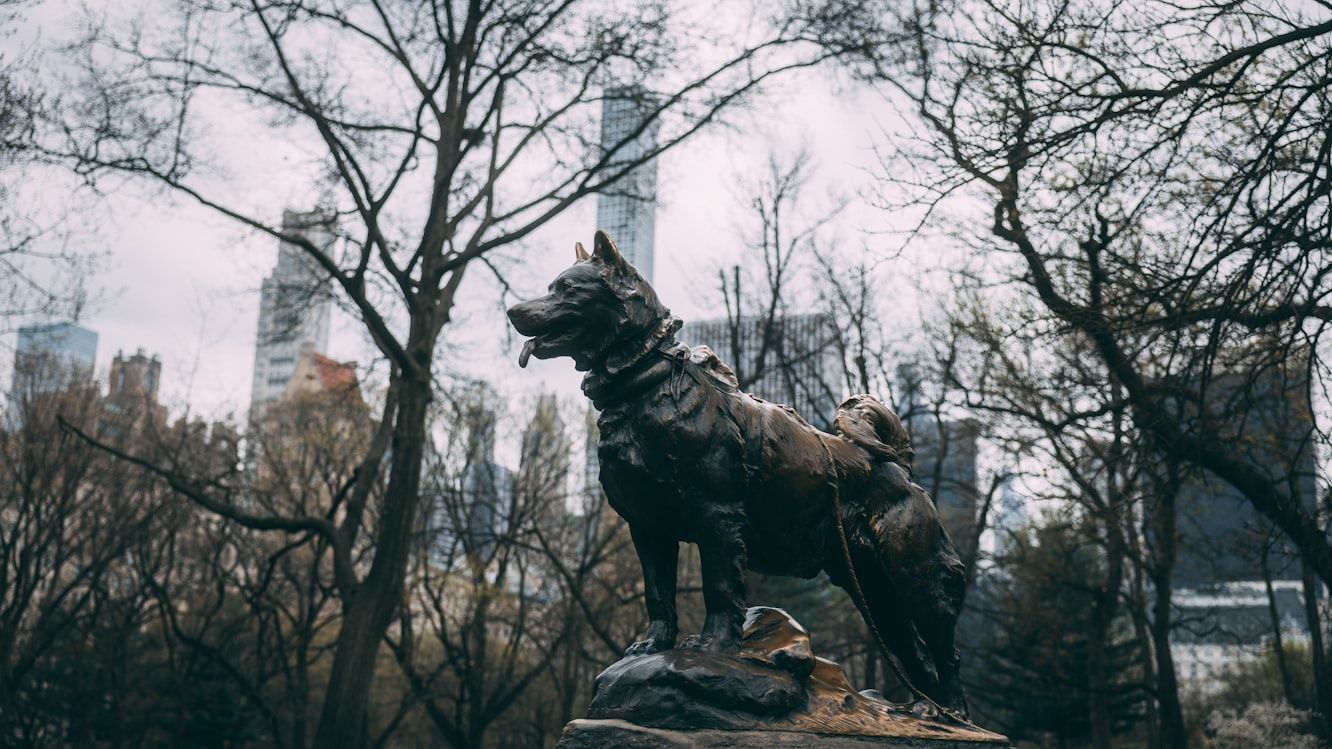
In the brutal winter of 1925, Balto, a tireless Siberian Husky, led his sled team through 50 mph winds and whiteout blizzards to deliver lifesaving medicine to the isolated town of Nome, Alaska. Frost bit at his fur, ice crusted his muzzle, but Balto kept pushing forward. He didn’t care about fame or glory; he just knew others were depending on him. Today, his statue stands proudly in New York’s Central Park, tail raised against the wind.

7

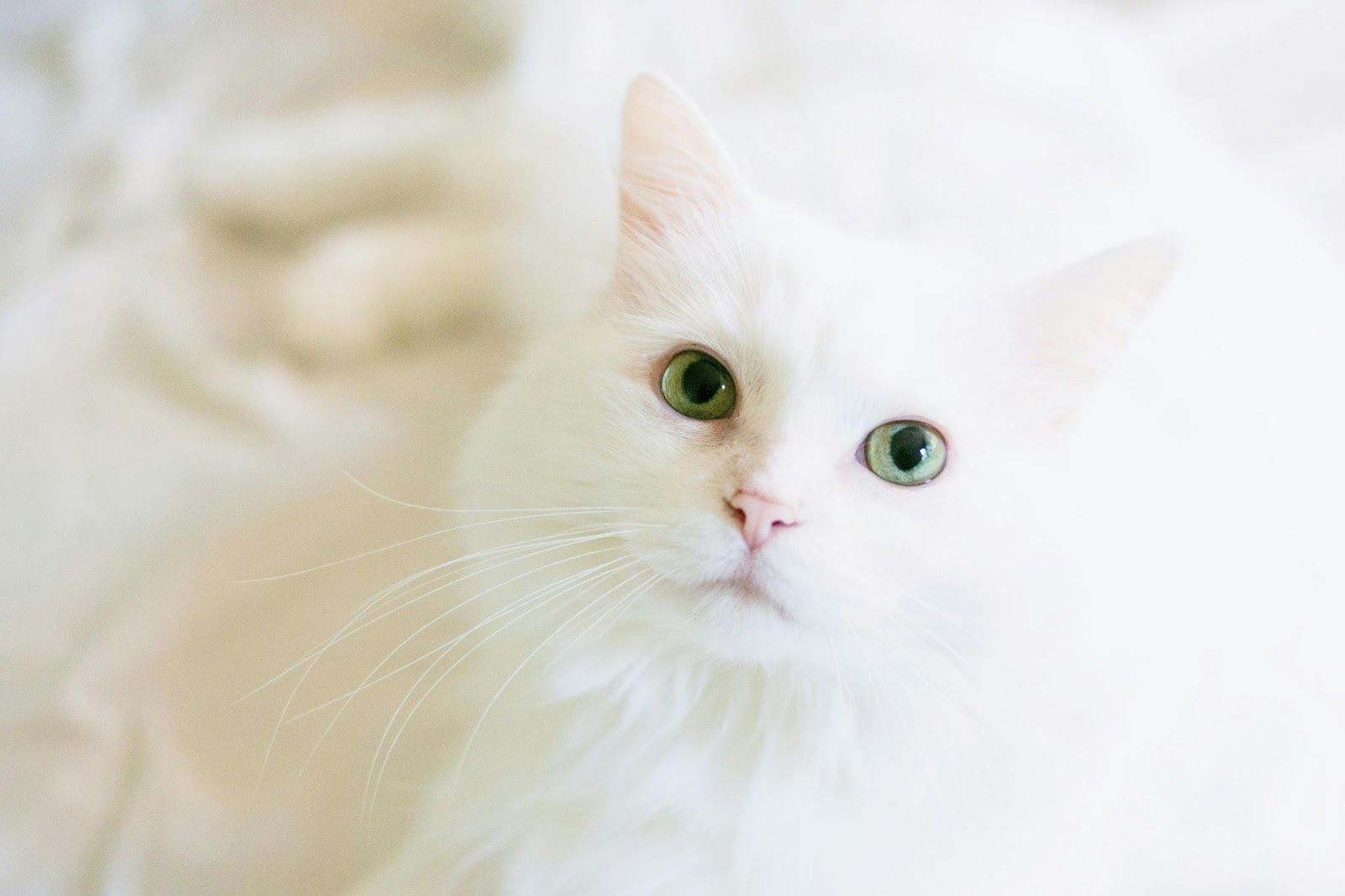
Snowball the cat

Image: Em Hopper

From dogs in the snow to a cat who cracked a mystery. Snowball, a fluffy white cat from Prince Edward Island, became an accidental pioneer in forensic science when a few stray hairs from his coat helped police link a suspect to a crime. It was the first time animal DNA was ever used as evidence in a criminal trial, and it worked like a charm. Not exactly the "cat-and-mouse" chase detectives had in mind, but justice was served.

8

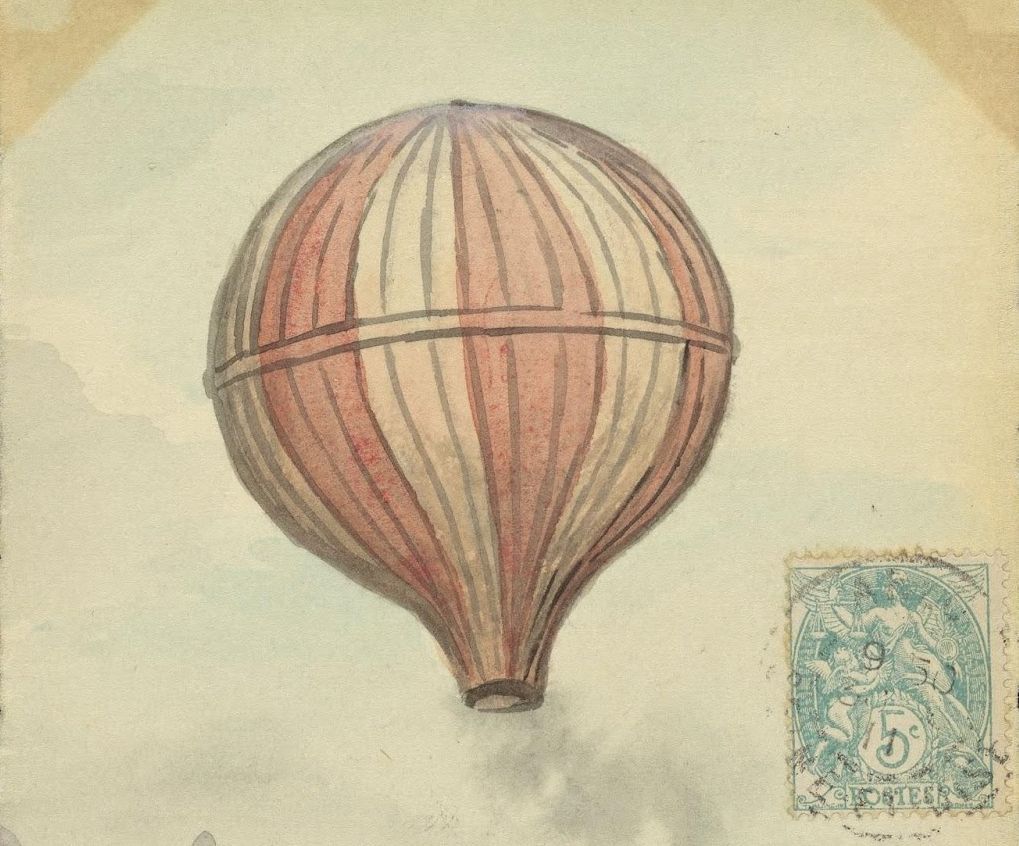
Montauciel the sheep

Image: Science History Institute, Public domain, via Wikimedia Commons

Long before humans ever dreamed of boarding planes, a sheep named Montauciel—meaning "climb to the sky" in French—was already blazing the trail. In 1783, he took off in one of the Montgolfier brothers’ very first hot-air balloons, sharing the basket with a duck and a rooster in what must have been history’s strangest flight crew. The trio floated high above the French countryside and, against all odds, landed safely. Their brief but groundbreaking journey proved that living creatures could survive in the air.

9

Lobo the wolf

Image: Michael LaRosa

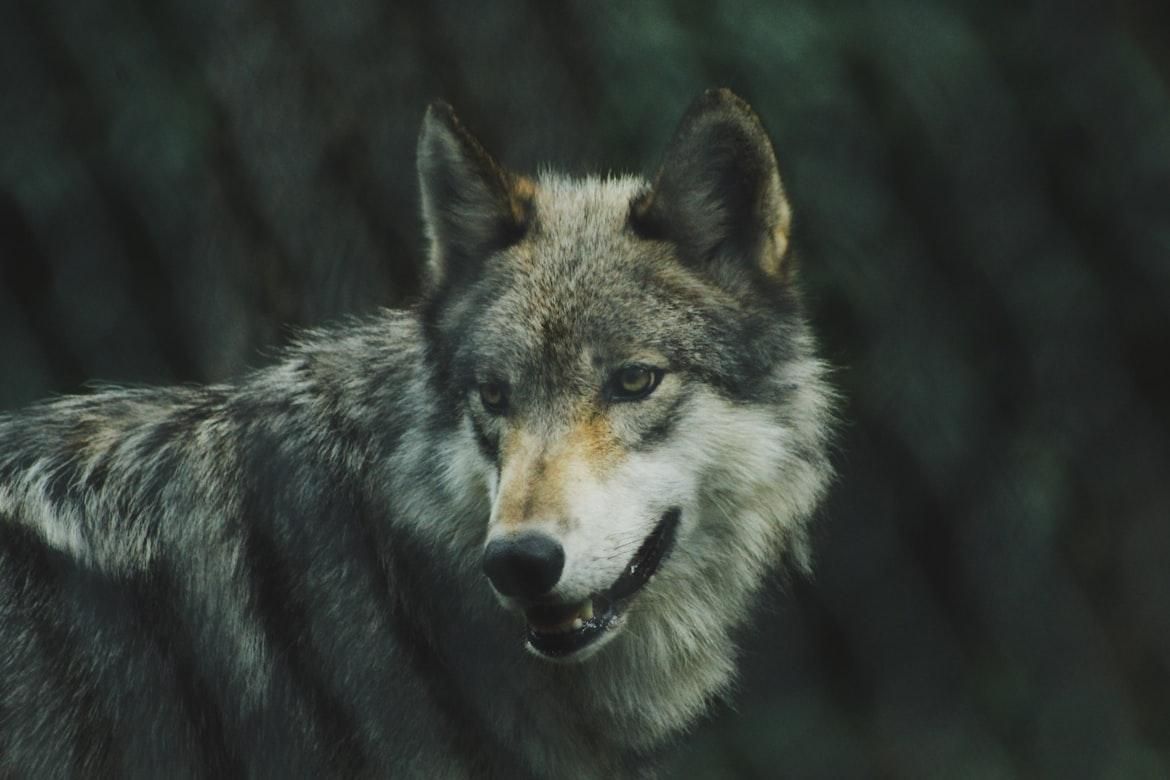
Lobo, known as "the King of Currumpaw," reigned over the open plains of New Mexico in the late 1800s. Having been deprived of their natural prey, this brave wolf and his pack had to survive on the settlers' livestock. Ranchers tried to catch him for years, but Lobo always outwitted them. His skills became frontier legend until naturalist Ernest Thompson Seton finally caught him. When Seton saw Lobo’s strength, dignity, and fierce loyalty to his mates, something shifted. The experience profoundly changed his outlook, helping transform him into one of America’s first voices for wildlife protection. Sometimes, it’s the wild creatures that teach us how to be human.

10

Jim the horse

Image: Pexel

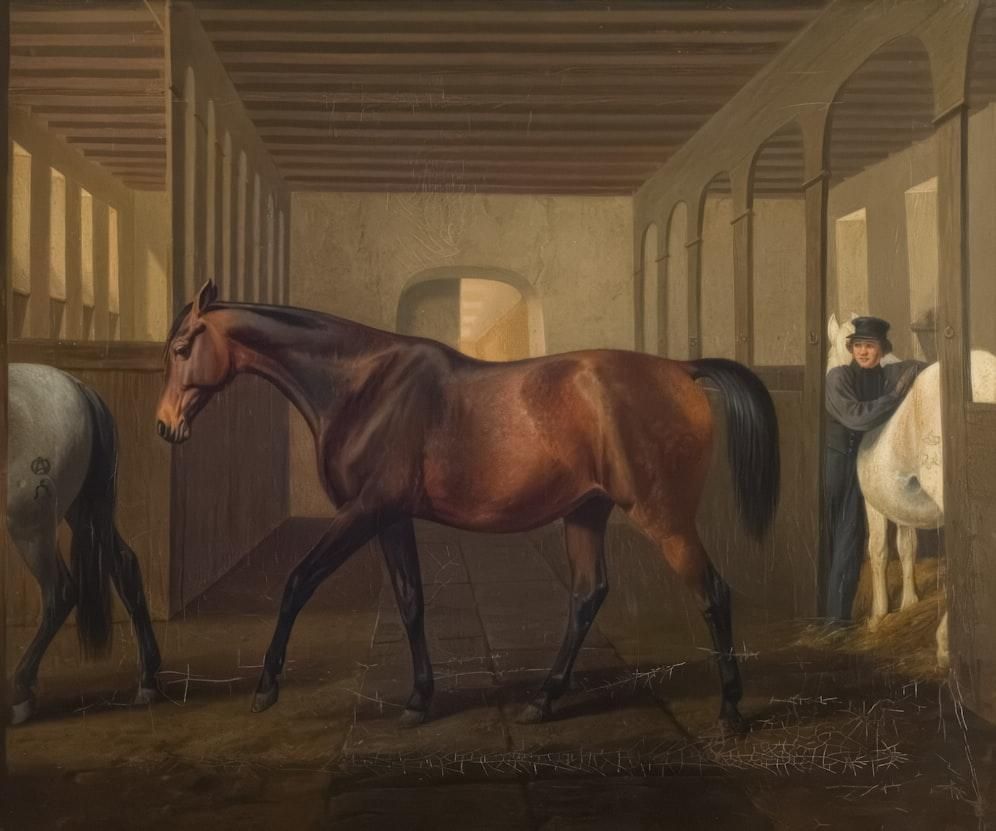
Of course, not every animal changed the world on purpose. Take Jim, a calm bay horse from St. Louis in the early 1900s, whose blood was used to produce lifesaving serum against diphtheria, a disease that was once often fatal. When a batch of his serum was accidentally contaminated, it led to sweeping public outcry, new health regulations, the creation of the first federal laws ensuring drug safety, and paved the way for the foundation of today’s FDA. Jim never knew it, but his quiet work reshaped modern medicine. Turns out, progress sometimes gallops in on four legs and a steady heart.

Looking for an extra scoop of literary fun?

Learn more with our Word of the day

sallow

/ˈsæloʊ/