The wonders of human language

You might be surprised by these linguistic facts


Published on September 7, 2026

Image: zhendong wang

If languages and grammar are not your thing, linguistics might seem complex and boring, but nothing could be further from the truth. While some areas of linguistics require prior knowledge, many linguistic concepts and ideas relate to everyday life and can be understood by anyone. Here are some simple linguistic facts that might surprise you!

1

The "most difficult language" doesn’t exist

Image: jason hu

People like to list languages such as Mandarin, Japanese, or Hungarian as "the most difficult languages in the world", but this is not true. Think about the ease with which babies pick up a language, becoming fluent at a similar rate, no matter the place. The difficulty of a language lies not in its structure, but in its similarities or differences with your own language. Mandarin might be extremely difficult for an English speaker, but quite manageable for someone who speaks Cantonese. So, there isn’t a "most difficult language", but a "most difficult language for you".

2

You can’t really learn new things about your native language

Image: Unseen Studio

This might come as a shock, but you already know everything about your native language. Native speakers learn by imitation, not through methodical study, so they don’t rationalise their language; they simply speak. They might later approach the language from an academic perspective and put a name to different structures and concepts, but they will not learn anything that is actually new.

3

Each language is a new worldview

Image: Song_about_summer

This might seem obvious, but most people don’t think about it. While differences in grammar and structures are evident, it is common for language learners to approach vocabulary as a set of labels: If I’m learning Spanish, I take an apple and label it "manzana". But languages are not labels, but a way of seeing the world, such as cultures near the North Pole having dozens of words for snow or languages in hierarchical societies changing according to the people speaking. While at a basic level we can often find one-to-one translations, the more we learn about a new language, the more we adopt a new worldview.

4

Your family has a unique dialect

Image: Ekaterina Shakharova

Does your family have certain words or phrases that mean something unique to you? It might be a funny mispronunciation that stuck, or a phrase that you use in a specific circumstance, sometimes passed down for a few generations. This is called a "familect", and it happens in most families, but also in tight-knit friend groups. The repetition and preservation of this private code reinforces familial bonds and identity, functions as an emotional anchor, and provides a sense of belonging.

5

Polyglots have multiple personalities

Image: Prostock-studio

Each language carries a worldview, so it is not surprising that our personality changes slightly when we change languages. We don’t become someone different, but we adapt to the cultural norms and values attached to that language. People who speak more than one language also tend to link specific interests, knowledge, and memories to each language, and specialists have noted that not only do our tone and volume change with each new language, but that we are most likely to swear or discuss sensitive or taboo subjects in a second or third language, as they provide an emotional distance impossible to avoid in our native tongue.

6

There is a right and a wrong way when it comes to English adjectives
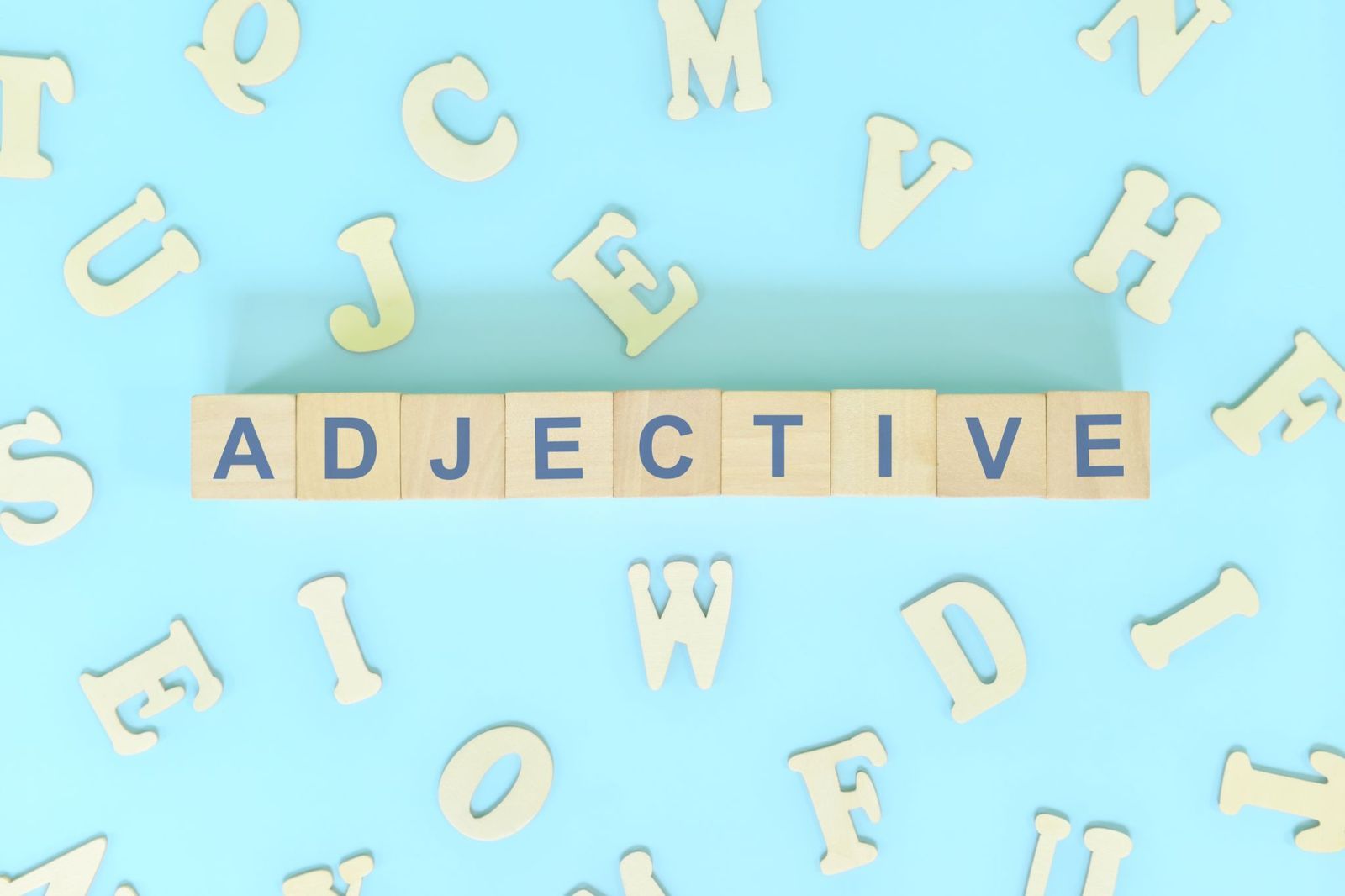
Image: sulit.photos

English is a fairly flexible language, meaning that many of its components can be placed in a different order without the sentence becoming unnatural or impossible to understand. But this flexibility does not apply to adjectives, at least when we have to use many of them in a row. English speakers naturally place adjectives in a specific sequence: opinion, size, age, shape, color, origin, material, and purpose. While this is done subconsciously, changing this order results in unnatural-sounding phrases, such as "a red new nice car".

7

Sign languages are unique

Image: LightField Studios

Have you ever wondered why people refer to sign language as ASL or "American Sign Language"? Not only are there multiple sign languages, classified in families in the same way spoken languages are, but each one is a language of its own, with unique grammar, rules, and vocabulary. This way, American Sign Language (belonging to the French Sign Language family alongside its Russian, Brazilian, or Italian counterparts) is not a signed version of American English, but a distinct, unique language with more than half a million native speakers.

8

The sad reality of feminine words

Image: Casimiro PT

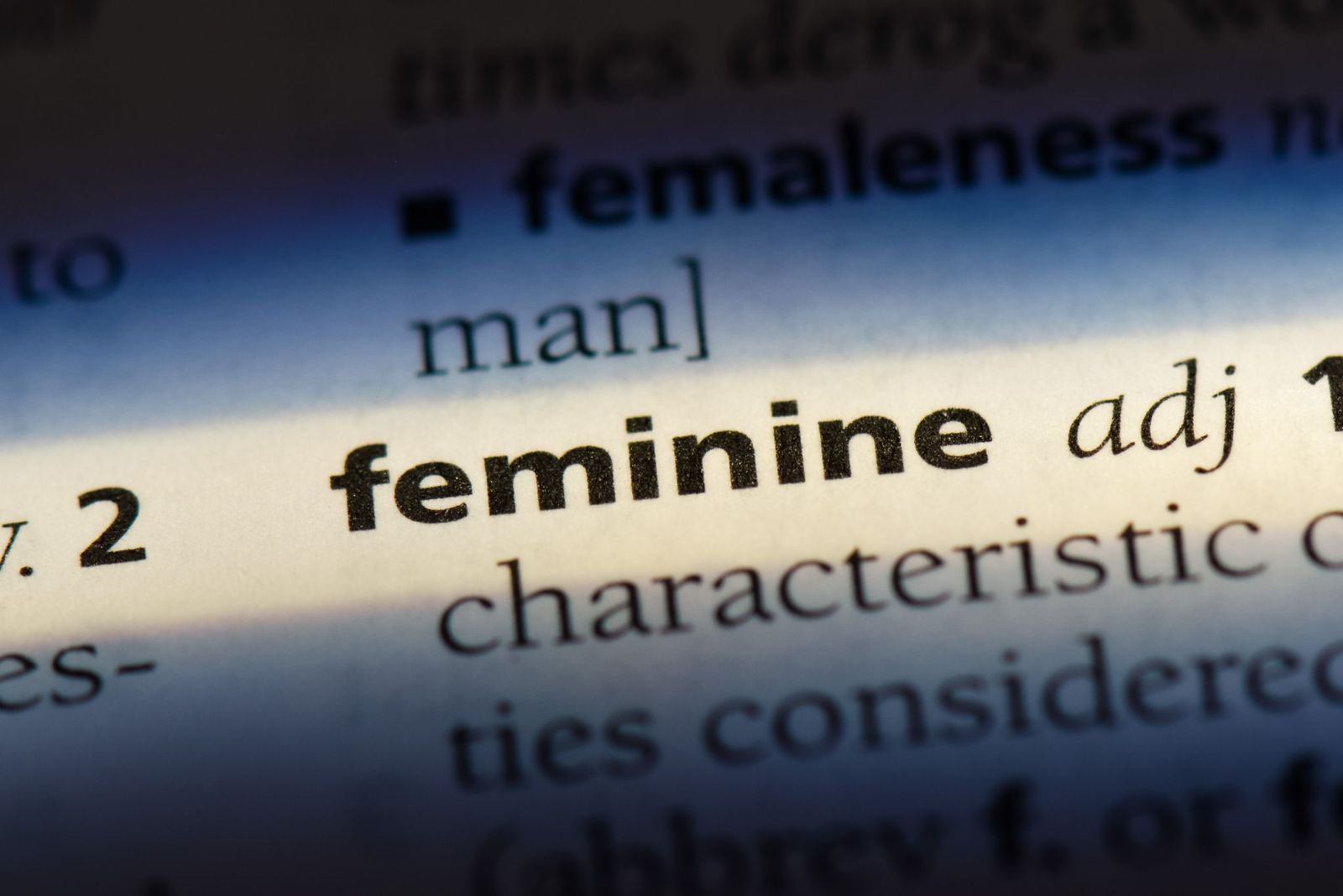
Languages change and shift with use and time, which causes some words to gain positive meanings, but also others to become negative. This downgrading of a word’s meaning is called "pejoration" and is connected to many factors, one of them being whether the term is considered masculine or feminine. English is not a gendered language, but it has gender-specific pairs, such as "master/mistress", "fox/vixen", "bachelor/spinster", or "governor/governess". While initially mistress, vixen, spinster, and governess were merely counterparts to the male-specific term, over time they developed a negative connotation, while the masculine term remained positive or neutral.

9

Babies have accents

Image: Colin Maynard

Babies typically start using meaningful words around the 12-month mark, so it is natural to think that, before that, babies "don’t speak". While they don’t use meaningful spoken language, they communicate from birth with cries, sounds, and gestures, and these communications have an accent. How is this possible? Third-trimester babies in utero have fully functional hearing and recognize sound patterns, pitch, and intonation. Once they are born, their cries, and later their babbles, mimic the intonation, pitch, and rhythmic patterns of the language of their environment.

10

Animal sounds change from one language to another

Image: BaLL LunLa

What sound does a sheep make? Well, a sheep from where? English-speaking sheep go "baa", but Korean-speaking sheep go "me-e". While sheep don’t care about linguistic differences, humans adapt animal sounds to the available sounds and phonetic rules of their language. This happens not only with animals, but with all kinds of sounds, such as machines, strikes and collisions, physical and natural phenomena, human sounds, and more.


Be articulate

There is a word for that; you just never heard it: 12 odd & useful terms


Published on September 7, 2026


Image: Iren_Geo

English has a word for almost everything, even the things most people never think to name. From the tiny metal ring on a paintbrush to the groove above your upper lip, countless everyday objects, sounds, and sensations have surprisingly specific names. Most of these words come from Latin, Greek, or centuries-old trades, and many are still used by doctors, architects, musicians, and craftspeople today. Here are 12 wonderfully obscure terms that might just become your new favorite vocabulary words.

1

Ferrule

Image: Steve A Johnson

That little metal band holding the bristles onto a paintbrush or reinforcing the end of an umbrella has a name: a ferrule. Its job is to strengthen the object and prevent wood or other materials from splitting after repeated use. Without ferrules, many everyday tools simply wouldn't last as long.

The word entered English in the early 1600s and ultimately traces back to Latin. Today, you'll find ferrules on fishing rods, golf clubs, pool cues, pencils, electrical cables, furniture, and even dental restorations. It's one of those tiny parts you've probably seen thousands of times without ever knowing its name.

2

Agraffe

Image: Bauda Laboratorio Creativ

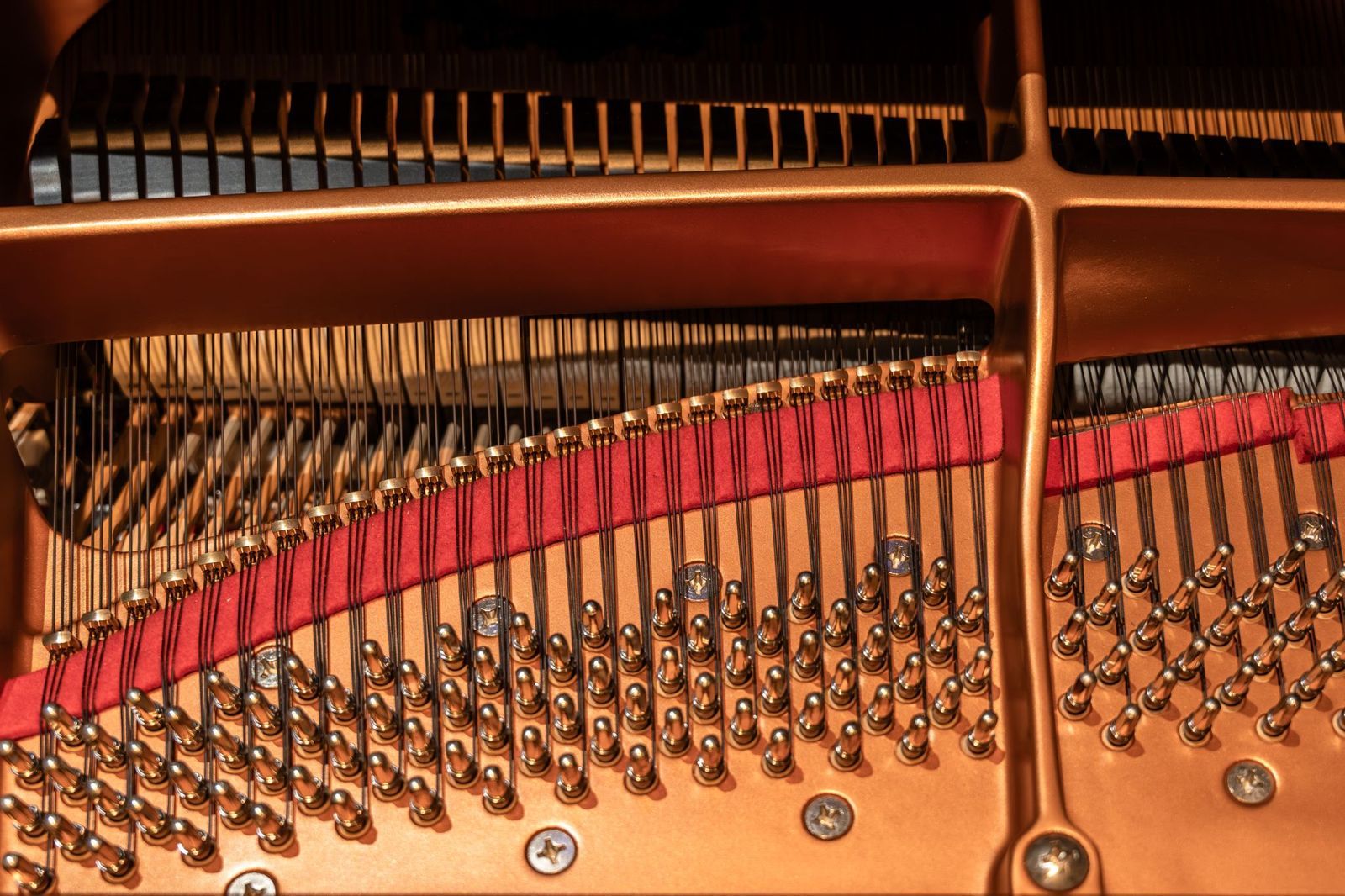
Peek inside a high-quality grand piano and you may find an agraffe, a small metal guide that keeps the strings perfectly aligned as they leave the tuning pins. That tiny piece plays an important role in producing the instrument's clear, balanced sound.

Borrowed from the French word for "hook" or "clasp," agraffe also refers to decorative fasteners used in jewelry and clothing. It's a highly specialized word that is used in two very different worlds: elegant fashion and world-class music.

3

Philtrum

Image: Simeon Jacobson

The narrow groove between your nose and your upper lip isn't just part of your face, it has a name. It's called the philtrum, and everyone has one, although its shape and depth vary from person to person.

The name comes from the ancient Greek philtron, meaning "love charm" or "love potion." Physicians sometimes examine the philtrum when diagnosing certain congenital conditions, but for most of us, it's simply one of those familiar facial features we never realized deserved its own entry in the dictionary.

4

Lunula

Image: PixelCommerceStudio

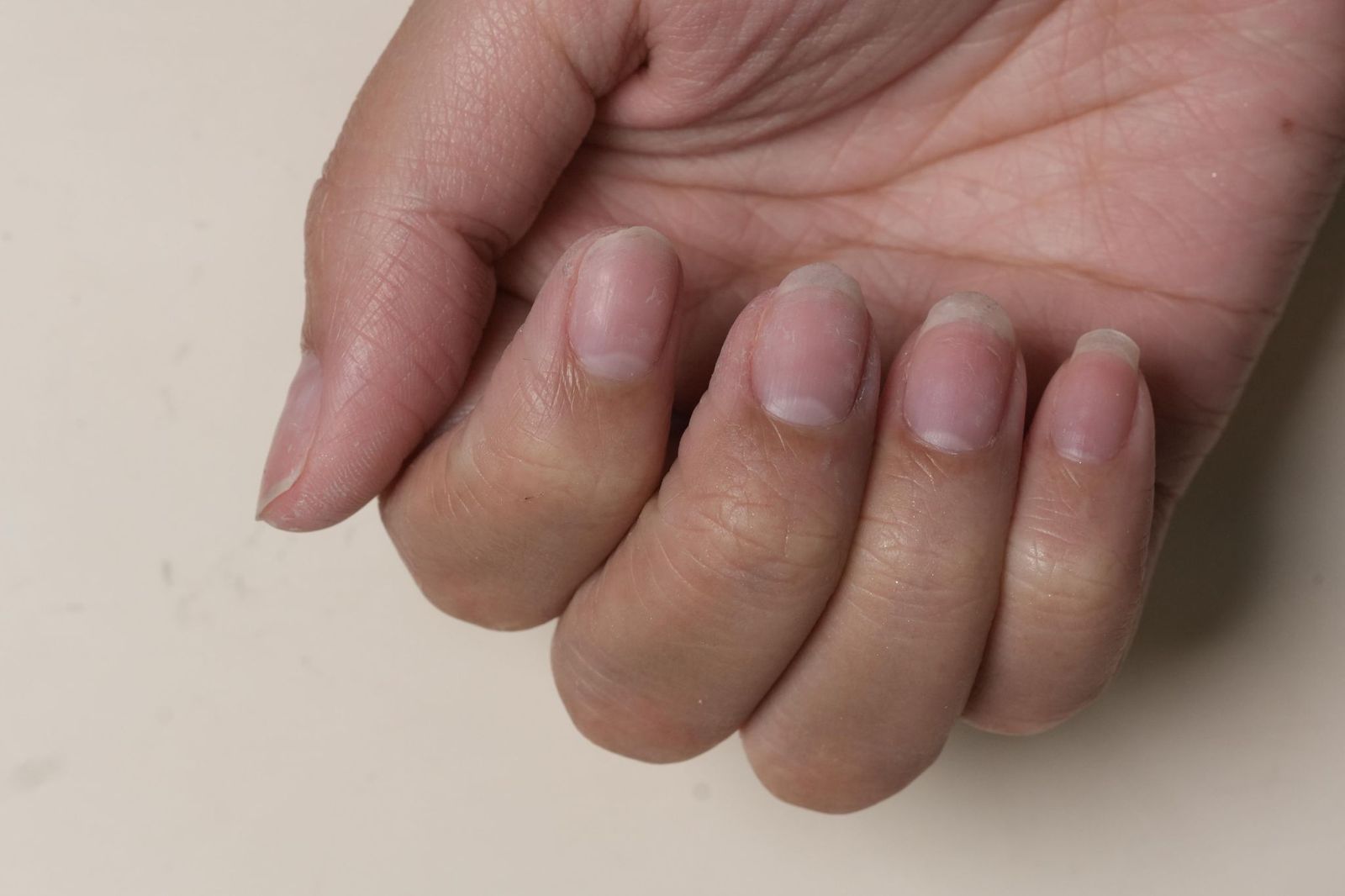
Look at the base of your thumbnail, and you'll probably notice a pale, crescent-shaped area. That's the lunula, the visible portion of the nail matrix where new nail cells are formed before the nail grows outward.

Its name comes from the Latin word for "little moon," an obvious nod to its shape. Lunulae are usually easiest to spot on the thumbs and may be faint or even invisible on other fingers. Surprisingly, that's perfectly normal and varies widely from one person to another.

5

Phosphene

Image: Chanin Dasri

Ever rubbed your closed eyes and seen flashes, sparkles, or floating patterns of light? Those mysterious little bursts are called phosphenes, and they happen even though no actual light is entering your eyes.

Scientists have studied phosphenes for centuries because they reveal how the brain processes visual information. Even astronauts have reported seeing them aboard spacecraft, where cosmic rays can stimulate the visual system and create brief flashes in the darkness of space.

6

Susurration

Image: Joshua J. Cotten

Some words sound like what they describe, and susurration is one of the best examples. It refers to a soft whispering, rustling, or murmuring sound, like leaves swaying in the wind, gentle ocean waves, or rain falling through a forest.

The word comes from the Latin susurrare, meaning "to whisper." Writers and poets have long adored it because the repeated "s" sounds seem to imitate the quiet noises themselves. It's hard to say susurration without almost whispering it.

7

Collywobbles

Image: Sasun Bughdaryan

Butterflies in your stomach before a speech? A nervous feeling before an exam? The British have a delightfully funny word for that: collywobbles. It refers to mild stomach discomfort, jitters, or anxious digestive unease.

Unlike many entries on this list, its exact origin isn't entirely clear, though it became popular in Britain during the early twentieth century. Today, it's usually used humorously, making an unpleasant feeling sound a little less unpleasant.

8

Muntin

Image: Bits And Splits

Those thin strips dividing old-fashioned window panes into neat little rectangles aren't just decorative; they're called muntins. Before modern manufacturing made large sheets of glass practical, muntins helped hold many small panes together.

Today, they're often added purely for appearance, giving newer homes a classic look. They're frequently confused with mullions, but there's an important difference: mullions separate entire window units, while muntins divide the individual panes within a single window.

9

Tines

Image: Julian Wallner

The pointed parts of your dinner fork aren't simply "prongs." Their proper name is tines. The same word also describes the spikes on rakes, pitchforks, combs, and even the branching points on a deer's antlers.

The term has existed since Old English and remains surprisingly useful. Hunters count antler tines, gardeners replace broken rake tines, and engineers carefully design tine shapes for farming equipment.

10

Pip

Image: Tracey Parish

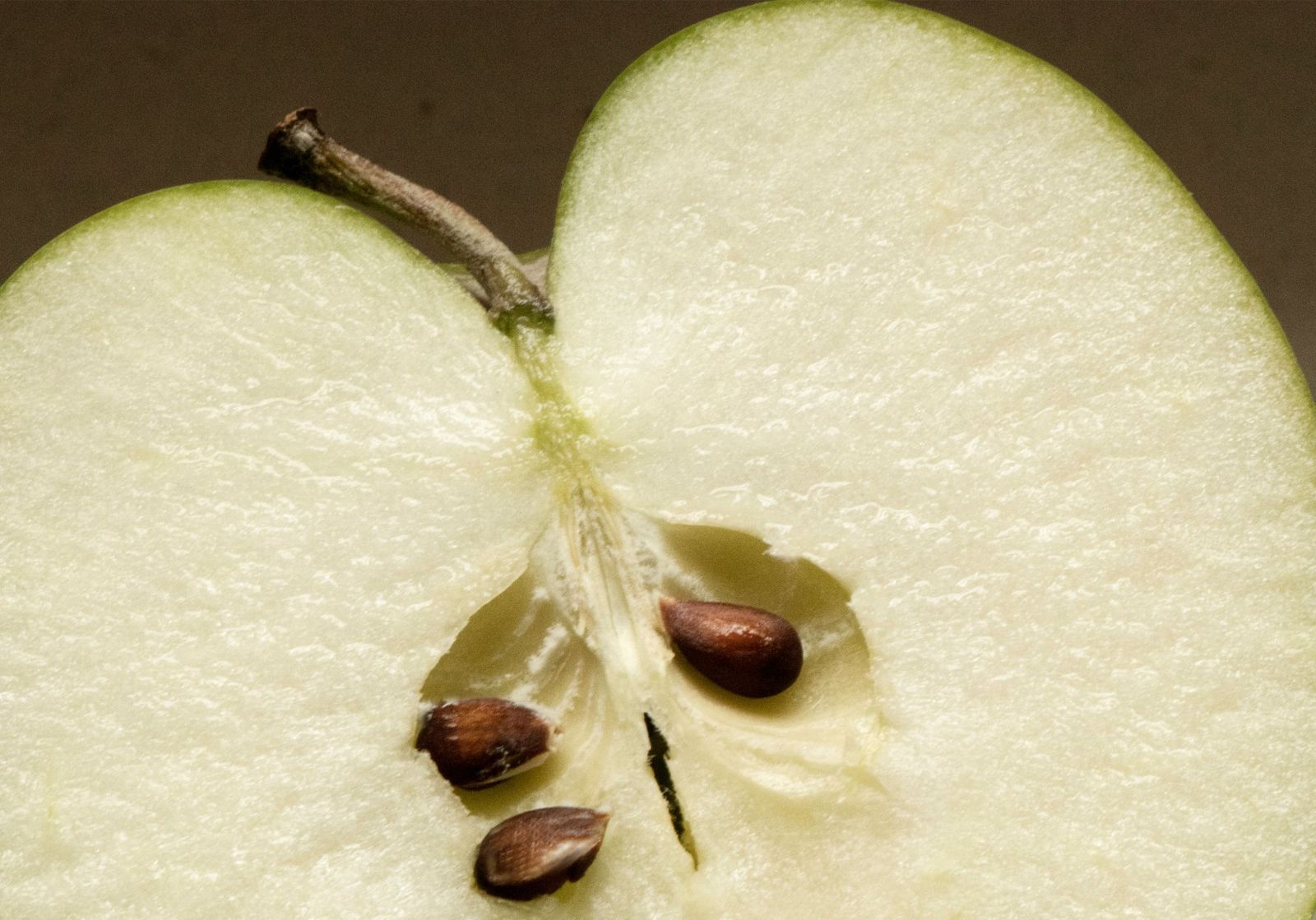
Slice open an apple, and you'll find several pips inside. In British English, pip is the everyday word for the small seeds found in fruits like apples, grapes, oranges, and lemons, while American English usually sticks with simply "seed."

The word has branched into many other fields as well. The tiny dots on dice, the symbols on playing cards, and even certain military insignia are all called pips. It's proof that one small word can sprout into several completely different meanings.

11

Paresthesia

Image: Sasun Bughdaryan

Almost everyone has experienced paresthesia, even if they've never heard the word. It's the medical name for the tingling "pins and needles" sensation that happens when a nerve is temporarily compressed, like after sitting awkwardly or sleeping on your arm.

Most episodes disappear within minutes as normal nerve function returns. However, persistent paresthesia can sometimes signal nerve disorders, diabetes, or vitamin deficiencies, which is why doctors pay close attention when the symptom doesn't go away.

12

Vagitus

Image: Tim Bish

A newborn baby's first cry has a surprisingly mysterious name: vagitus. That first loud wail does much more than announce a new arrival, it helps expand the lungs as the baby begins breathing independently for the very first time.

Derived from the Latin word for "cry" or "wail," vagitus remains a standard medical term in obstetrics and pediatrics. Doctors even use the expression vagitus uterinus for the exceptionally rare phenomenon of a baby crying before complete delivery, one of medicine's most unusual recorded events.

Looking for an extra scoop of literary fun?

Learn more with our Word of the day

disgruntled

/dɪsˈɡrəntld/